Top 14 Castles around Rheinsberg
Best castles around Rheinsberg are found in a region known for its lakes and historical sites in Brandenburg. The area combines natural landscapes with significant architectural heritage, particularly around Grienericksee lake. Rheinsberg is recognized for its Frederician Rococo architecture, prominently featured in Rheinsberg Palace.
Best castles around Rheinsberg
- The most popular castles is Rheinsberg Obelisk, a man-made monument that stands on a hill overlooking Rheinsberg Palace. This obelisk was erected in the early 1790s by Prince Henry of Prussia in honor of his brother.
- Another must-see spot is Mirow Castle Island (Schlossinsel Mirow), a castle located on an island with a castle park. Visitors can explore the historic buildings, including a Renaissance gatehouse and the Johanniter Church.
- Visitors also love Rheinsberg Palace, a castle with a park on the lake. This historical site is a classic example of Frederician Rococo architecture and served as a residence for Frederick the Great.
- Rheinsberg is known for its palaces, moated castles, and historical estates. The region offers a variety of castles to see and explore, from well-preserved Rococo palaces to remnants of medieval fortifications.
- The castles around Rheinsberg are appreciated by the komoot community, with more than 1000 photos and over 1100 upvotes shared across the highlights.
Last updated: June 23, 2026
Rheinsberg Palace
Highlight • Castle
Translated by Google •
Tip by

Mirow Castle Island (Schlossinsel Mirow)
Highlight • Castle
mv-schloesser.de/de/willkommen-auf-schloss-mirow
Translated by Google •
Tip by

Sign up now to discover places like this
Get recommendations on the best single tracks, peaks, & plenty of other exciting outdoor places.
Sign up for free
Mirow Castle Church
Highlight • Religious Site
The Knights Hospitaller branch probably only had a house chapel at its disposal for the first hundred years. The church, which was dedicated to John the Baptist according to the Johanniter tradition, dates back to the first half of the 14th century. A remark from 1341 suggests its existence, but it is explicitly mentioned in 1351 and 1356.
johanniterkirche-mirow.de/kirche/geschichte
Translated by Google •
Tip by

Rheinsberg Obelisk
Highlight • Monument
Translated by Google •
Tip by

Wesenberg Castle
Highlight • Castle
Translated by Google •
Tip by
Sign up for free to discover even more castles around Rheinsberg.
Sign up for free
Already have an account?
Start today with a free account
Your next adventure awaits.
Login or Signup
Popular around Rheinsberg
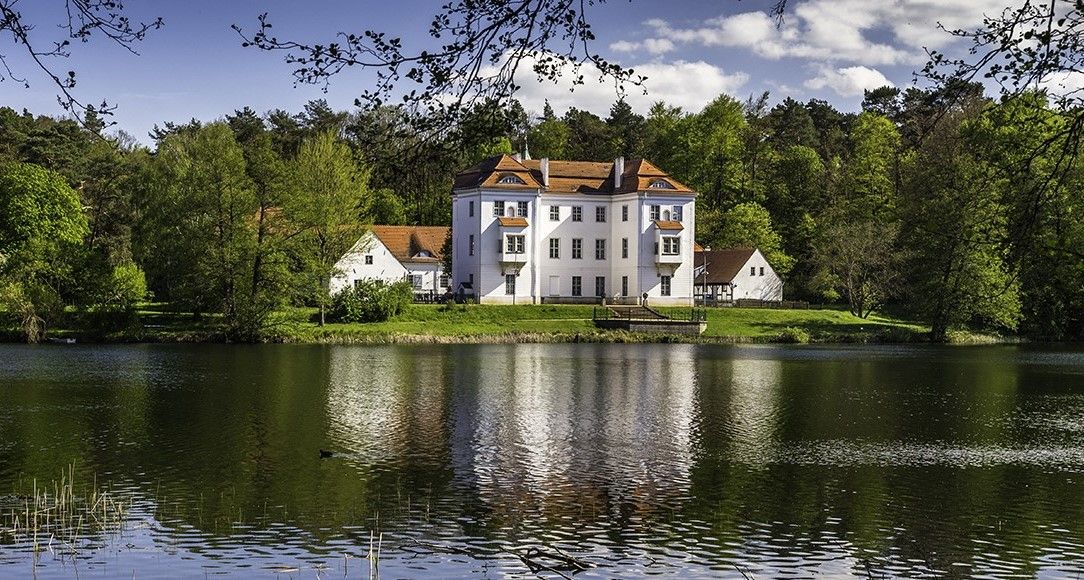
Where the Hohenzollerns worked — searching for traces with the S-Bahn
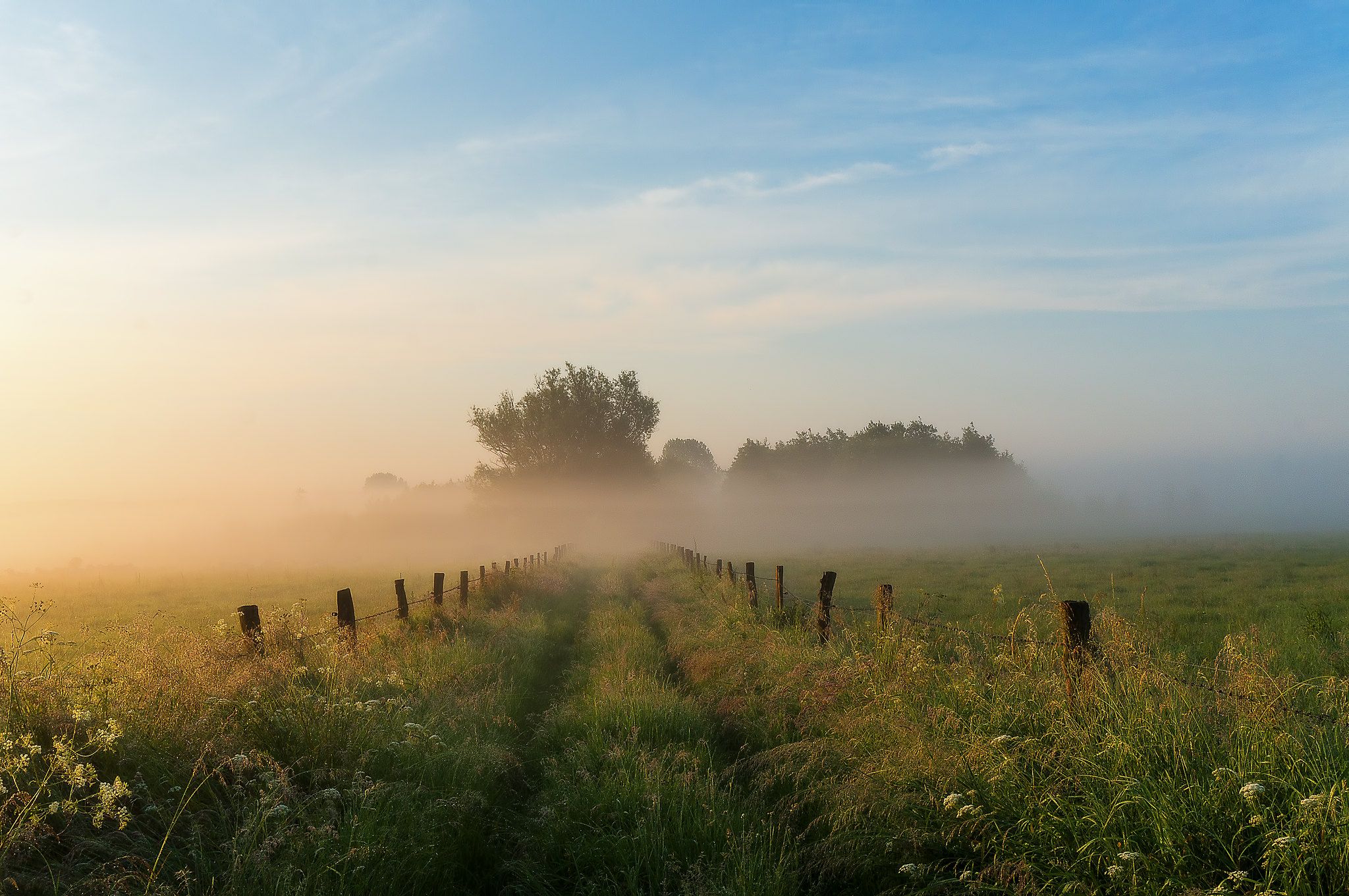
Hike Theodor Fontane’s beloved Brandenburg – S-Bahn Berlin
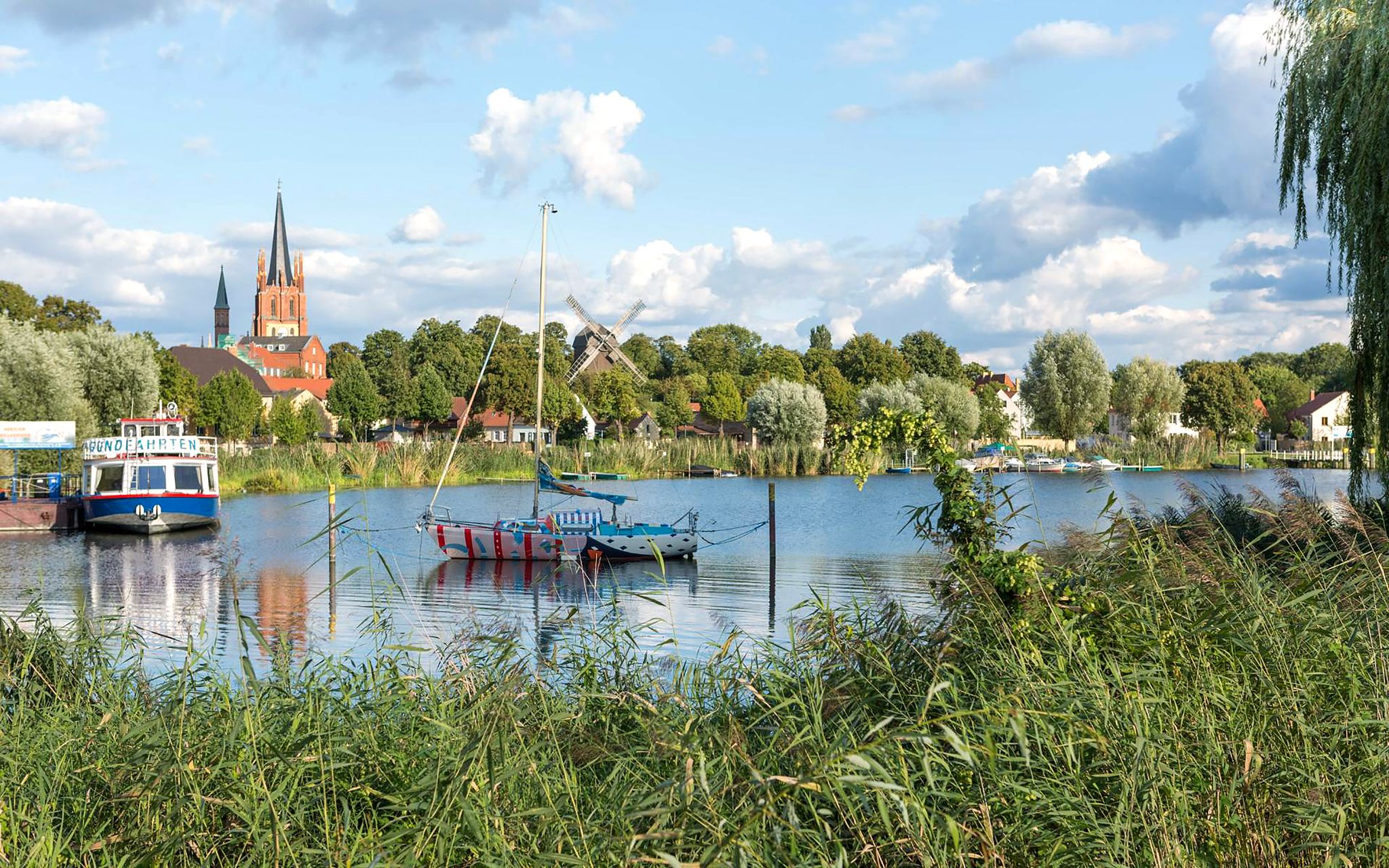
The FONTANE.RAD route – ride in the footsteps of writer Theodor Fontane
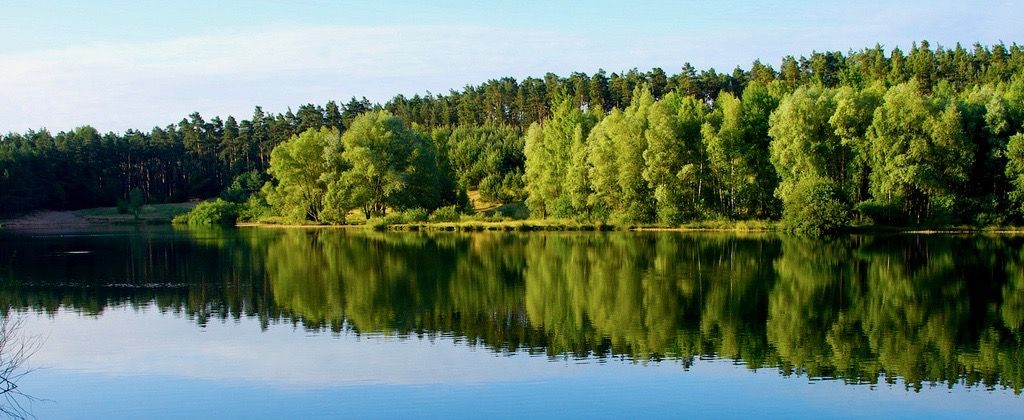
33 lakes for sunny weekends
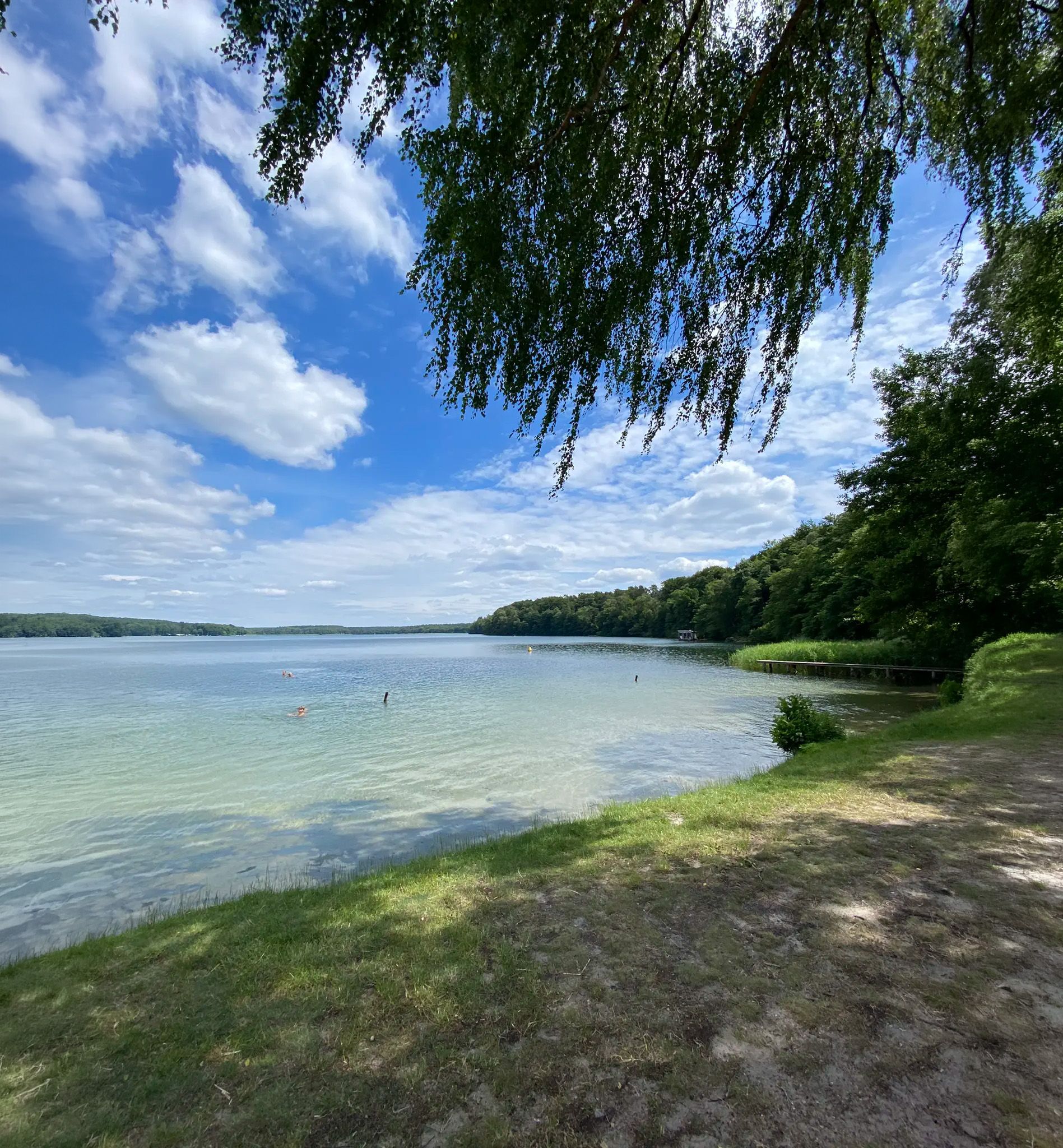
Zwischen Heide und Spree – Mikroabenteuer in Berlin & Brandenburg
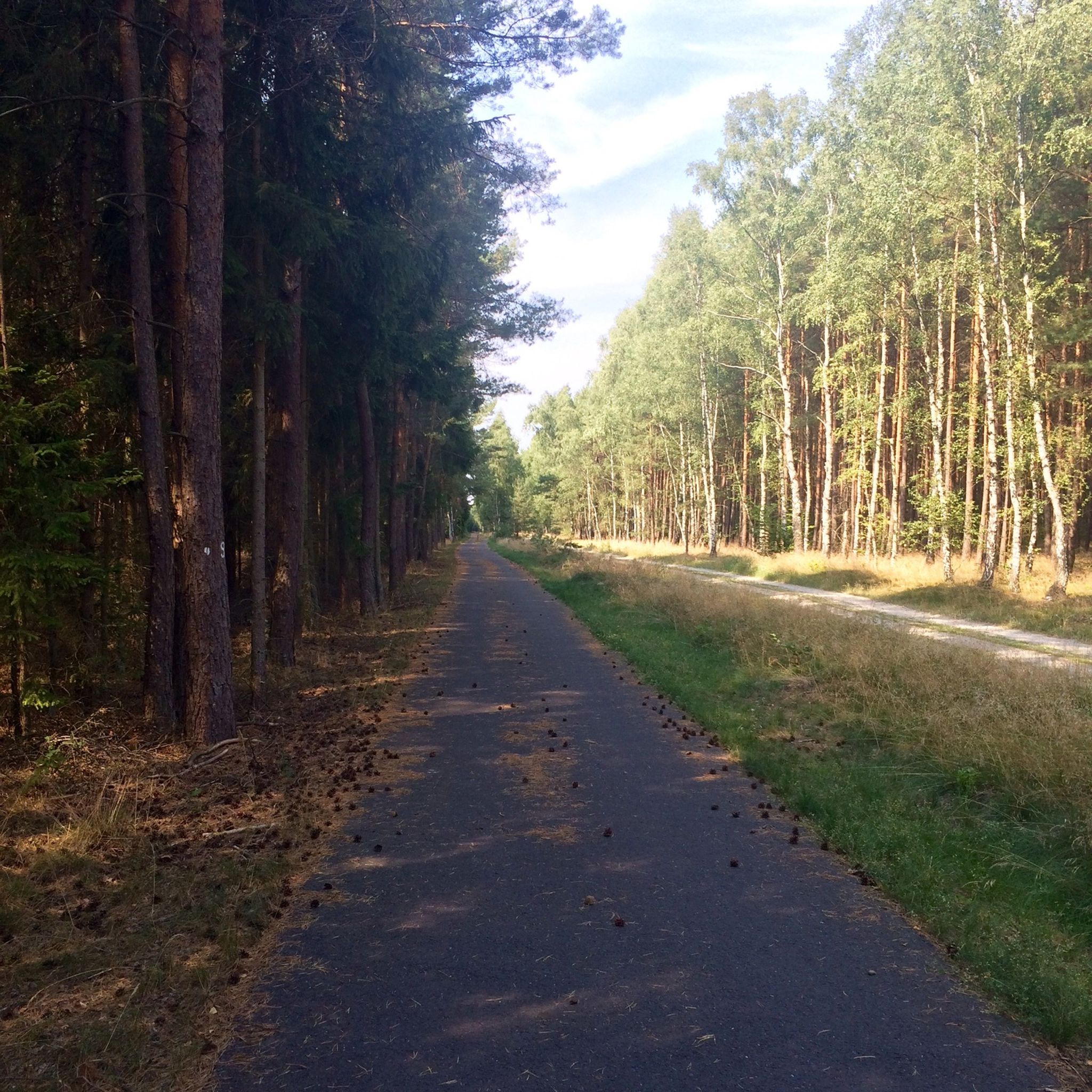
Cycling around Rheinsberg
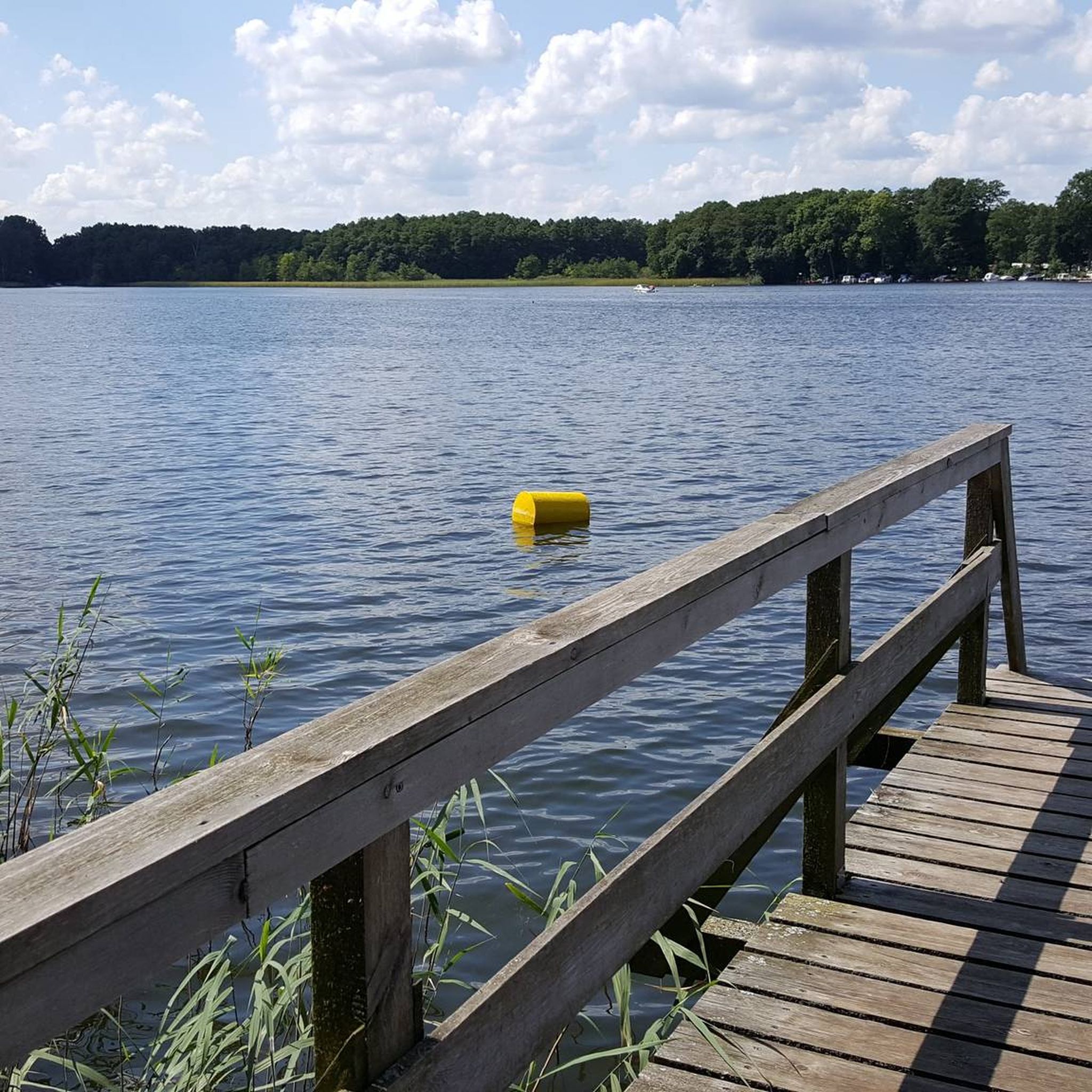
Hiking around Rheinsberg
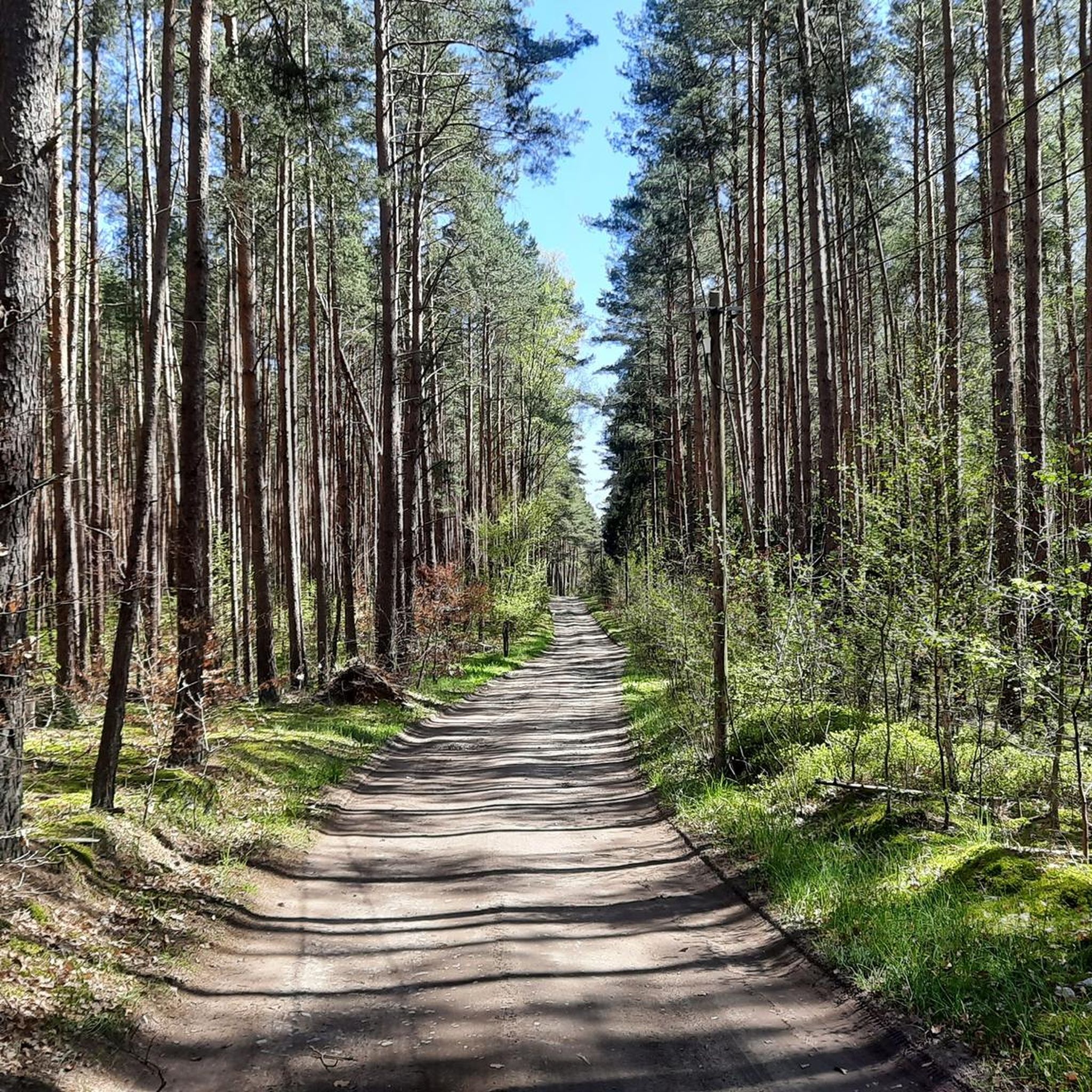
Running Trails around Rheinsberg
Road Cycling Routes around Rheinsberg
MTB Trails around Rheinsberg
Other adventures around Rheinsberg


Tips from the Community

a lot of history in a small space, very beautiful
1
0

Wesenberg Castle, a high medieval motte castle in the northeast of the town of Wesenberg, is a historical highlight in the Mecklenburg Lake District district in Mecklenburg-Western Pomerania. With its impressive history, which dates back to the middle of the 13th century, the castle today offers a fascinating insight into the region's past. The castle was originally built to protect the town of "Wesenberge" and has experienced numerous eventful events over the centuries, including Mecklenburg-Brandenburg disputes and the consequences of the Thirty Years' War, which led to the extensive destruction of the complex. The torso of the keep, known as the Fangelturm, and parts of the south wall have been preserved. Today the castle is owned by the town and houses the Wesenberg Tourist Office and a local history room, which displays a collection on fishing, forestry and regional history. The castle's rooms are also used as a forestry museum. In addition, the traditional castle festival takes place every year on the first weekend in July with a historical parade, knightly plays, dancing and fireworks, attracting visitors from near and far. Visitors to Wesenberg Castle can climb the preserved tower and enjoy a wonderful view of the town and the lake from there. The idyllic location, the well-preserved grounds and the diverse cultural offerings make the castle a worthwhile destination for history buffs, culture enthusiasts and anyone who wants to experience the beauty of the Mecklenburg Lake District. When visiting Wesenberg Castle, visitors should make sure they have appropriate equipment, especially if they want to climb the tower. Information on opening times, admission prices and special events can be obtained in advance from the Wesenberg Tourist Office or on the Wesenberg town website.
2
0

The core of the castle still consists of parts of a previous building from 1708, which was partially destroyed in the fire of 1742. The baroque ballroom dates from 1710. The current castle was built between 1749 and 1752 on behalf of Adolf Friedrich III. Built according to plans by Christoph Julius Löwe.
2
0
Highly recommended! Here, the experience of nature and traces of the past combine in an idyllic way. Mirow Palace and Park are part of an entire ensemble on the palace island. There are two other architectural highlights: the Renaissance gatehouse and the Johanniter Church, which also houses the family crypt of the Strelitz ducal house. The palace has a fascinating history. At its core, it still consists of parts of a previous building from 1708, which was partially destroyed in a fire in 1742. The Baroque ballroom, which still exists today, dates from 1710. The current building was erected between 1749 and 1752 on behalf of Adolf Friedrich III according to plans by Christoph Julius Löwe. It is a small, two-story structure with an H-shaped floor plan, flanked by short, risalit-like wings. The facades of the eleven-aisled palace are rather plainly designed, with simple gables on the risalits. The interior of the palace was inspired by 18th-century French country palaces. The palace is said to have once been furnished with valuable furnishings by artists who also worked at Sanssouci, but today, little of this remains. After the ducal family left, the palace was repeatedly left unused for long periods and was mainly used for burials in the nearby princely crypt. A bike tour to the castle island of Mirow is a great way to actively explore the beautiful surroundings. The Mecklenburg Lake District offers numerous bike paths that lead comfortably to the island. Along the way, you can discover the picturesque nature, the lakes, and the charming villages along the way.
9
0
Imposing building, beautiful to look at, in an exposed location. The island belonged to the Knights of St John, and later the church too. The Knights Hospitaller branch probably only had a house chapel at its disposal for the first hundred years. The church, which was dedicated to John the Baptist according to the Johanniter tradition, dates back to the first half of the 14th century. A remark from 1341 suggests its existence, but it is explicitly mentioned in 1351 and 1356. https://www.johanniterkirche-mirow.de/kirche/geschichte/
6
0
The castle premises are now used as a local history room with an exhibition on fishing and regional history, as a forestry museum and as a tourist information center. Every year on the 1st weekend of July, the traditional castle festival takes place with a historical parade, knight shows, dancing and fireworks.
6
0

The church tower can be accessed for a small fee and offers a view of the belfry and a great 360° panoramic view.
1
0
Frequently Asked Questions
What other castles or historical sites can I visit near Rheinsberg Palace?
Beyond Rheinsberg Palace, you can explore Mirow Castle Island (Schlossinsel Mirow), which features a castle park, a Renaissance gatehouse, and the Johanniter Church. Another notable site is Wesenberg Castle, where you can see the preserved keep and learn about local history.
Are there family-friendly activities at the castles around Rheinsberg?
Yes, several castles offer family-friendly experiences. Rheinsberg Palace and its extensive gardens are suitable for families. Mirow Castle Island, with its park and historical buildings, is also a great option. The Rheinsberg Obelisk, located within the palace park, is another accessible landmark for all ages.
What natural features can I enjoy around the castles in Rheinsberg?
The castles in the Rheinsberg region are beautifully integrated with nature. Rheinsberg Palace is set on the eastern shore of Grienericksee lake, offering picturesque views and landscaped gardens. Mirow Castle Island is surrounded by water, providing a serene lakeside atmosphere. The area is part of the Mecklenburg Lake District, known for its numerous lakes and scenic landscapes.
What is the historical significance of Rheinsberg Palace?
Rheinsberg Palace is historically significant as a quintessential example of Frederician Rococo architecture. It was gifted to Crown Prince Frederick (later Frederick the Great) in 1736, who resided there until 1740. His brother, Prince Henry of Prussia, later transformed it into a vibrant center for arts and culture, establishing a 'court of muses.' The palace also served as a design basis for Sanssouci Palace.
Are there hiking trails near the castles in Rheinsberg?
Yes, the Rheinsberg area offers numerous hiking opportunities. You can find routes like the 'Grienerick Lake – View of Rheinsberg Palace loop' or the 'View of Rheinsberg Palace – Rheinsberg Palace loop' which are easily accessible from the castles. For more options, explore the Hiking around Rheinsberg guide.
What is the Rheinsberg Obelisk and its significance?
The Rheinsberg Obelisk is a man-made monument located on a hill overlooking Rheinsberg Palace. It was erected in the early 1790s by Prince Henry of Prussia in honor of his brother, Prince August Wilhelm of Prussia, and other participants in the Seven Years' War. It offers a unique viewpoint within the palace's extensive park.
Can I visit Mirow Castle Church?
Yes, the Mirow Castle Church is part of the Mirow Castle Island ensemble. This imposing building, dedicated to John the Baptist, dates back to the first half of the 14th century and also houses the family crypt of the Strelitz ducal house. It's a significant historical and religious site.
What kind of architecture can I expect to see at Rheinsberg Palace?
Rheinsberg Palace is a prime example of Frederician Rococo architecture. Its exquisite interiors, including the Marble Hall and a preserved Hall of Mirrors, reflect 18th-century elegance. The palace's design significantly influenced later Rococo structures in Prussia.
Are there running trails available near the castles?
Yes, the area around Rheinsberg offers several running trails. You can find routes that pass by landmarks like the Rheinsberg Obelisk and Rheinsberg Palace. For detailed information on distances and difficulty, check out the Running Trails around Rheinsberg guide.
What are the opening hours for Wesenberg Castle?
Wesenberg Castle has varying opening hours depending on the season. From June to August, it's typically open Monday to Friday from 10:00 a.m. to 6:00 p.m., and Saturday/Sunday from 9:00 a.m. to 3:00 p.m. In May and September, it's open Monday to Friday from 10:00 a.m. to 6:00 p.m. and Saturday from 9:00 a.m. to 3:00 p.m. From October to April, it's generally open Monday to Friday from 9:00 a.m. to 4:00 p.m. It's always a good idea to verify current times before your visit, especially on public holidays.
What do visitors enjoy most about the castles around Rheinsberg?
Visitors frequently highlight the harmonious blend of nature, architecture, and art. The picturesque lakeside settings, especially at Rheinsberg Palace and Mirow Castle Island, are highly appreciated. Many enjoy exploring the historical interiors, walking through the beautiful gardens, and the overall serene atmosphere that allows for both historical immersion and natural beauty.
Is Rheinsberg Palace accessible for wheelchair users?
Yes, Rheinsberg Palace is noted as being wheelchair accessible, allowing a wider range of visitors to explore its historical grounds and interiors.
Are there cafes or restaurants near the castles?
Yes, you can find dining options near the castles. Mirow Castle Island, for instance, hosts the 'Alte Schlossbrauerei' where you can stop for a meal or a drink. The towns of Rheinsberg and Mirow also offer various cafes and restaurants within easy reach of the historical sites.
Most popular routes around Rheinsberg
Most popular attractions around Rheinsberg

Get inspired with the komoot mobile app


Explore more
Looking for the best castles somewhere else? Discover other guides around Rheinsberg:
