Top 20 Lakes around Schwelm
Best lakes around Schwelm are predominantly reservoirs situated in the surrounding region, providing both historical context and natural landscapes. While Schwelm itself is a smaller town, its proximity to these bodies of water offers opportunities for outdoor activities. These lakes often serve as drinking water sources and feature historical dam structures. The area provides a mix of natural and man-made features for exploration.
Best lakes around Schwelm
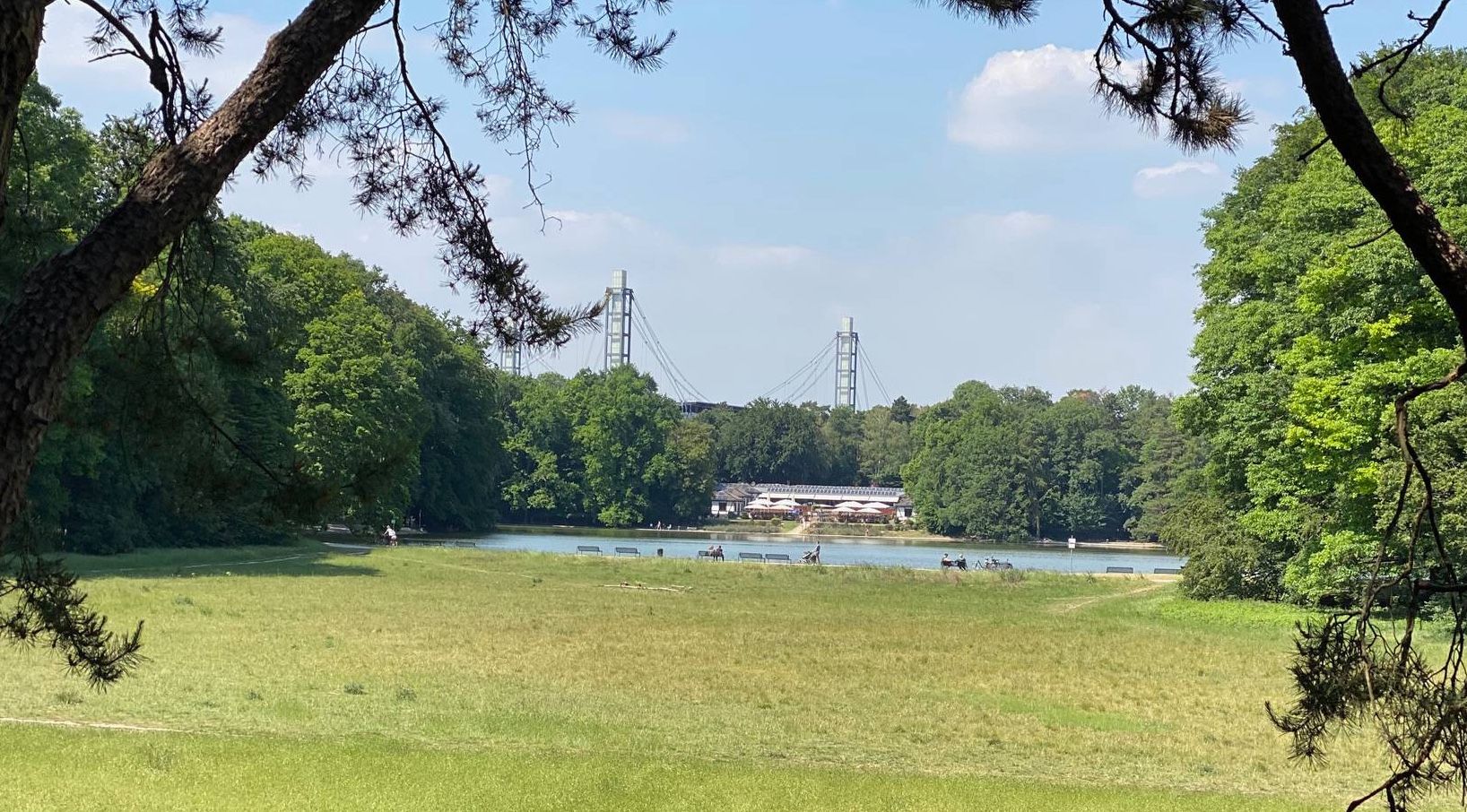
- The most popular lakes is Ronsdorf Reservoir, a lake that was built according to the "Intze principle" and inaugurated in 1899. It is a striking destination along the way, suitable for visits in both summer and winter.
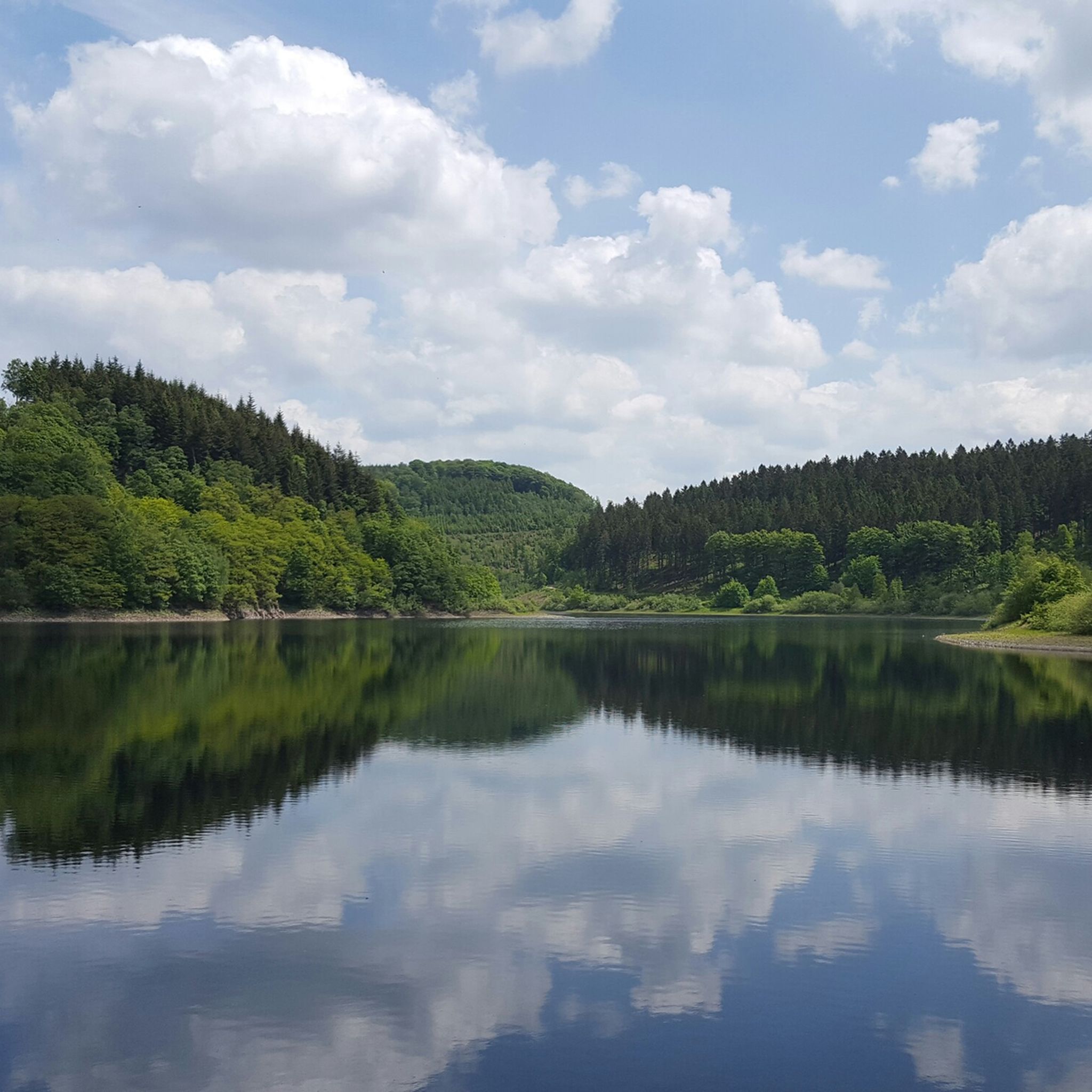
- Another must-see spot is Herbringhauser Reservoir, a lake and reservoir dam. It serves the drinking water supply and offers scenic views, making it a place to pause and appreciate the surroundings.
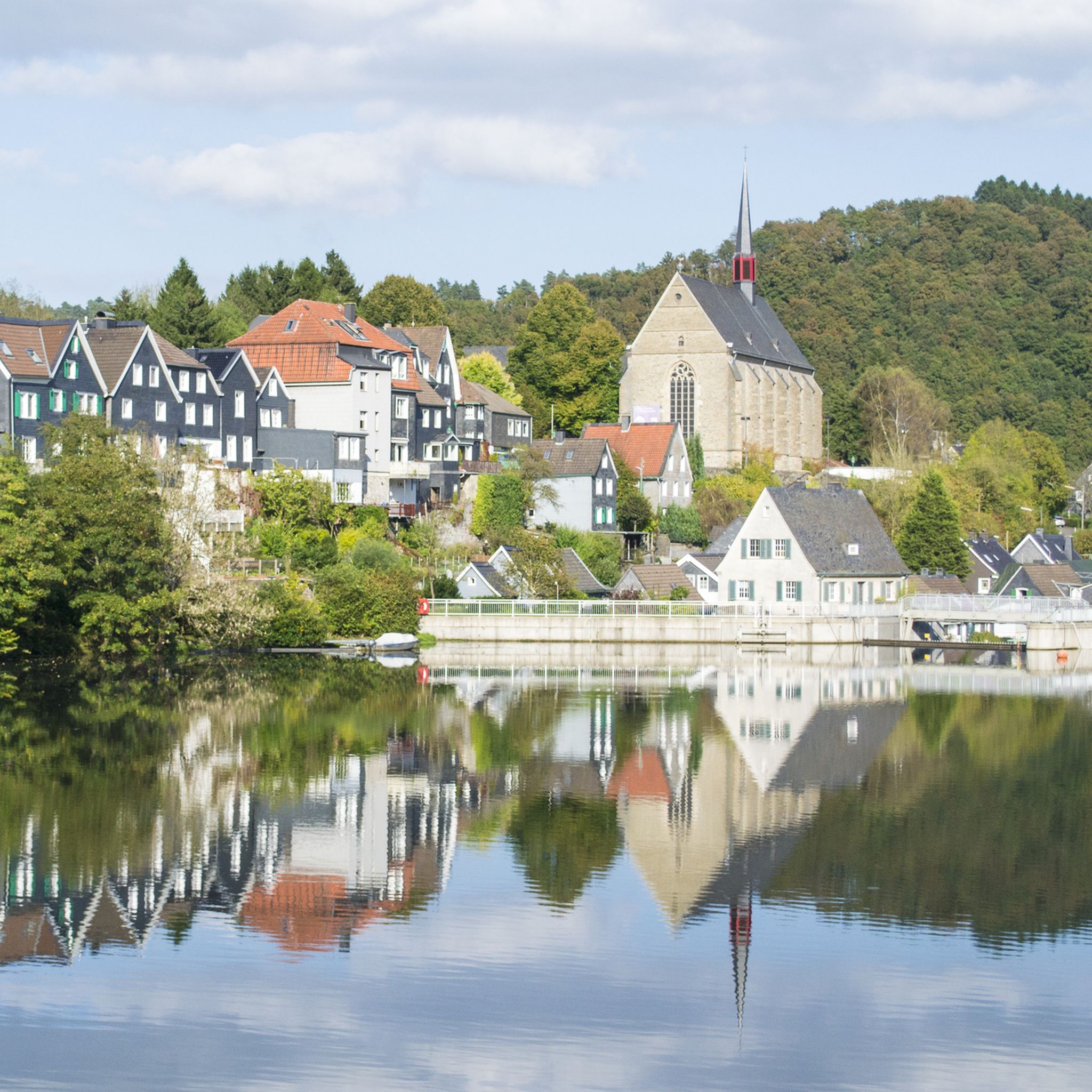
- Visitors also love Beyenburg Reservoir, a lake featuring an old monastery and half-timbered houses. Its romantic silhouette, including the monastery church, is reflected in the calm waters, offering historical architecture and a tranquil atmosphere.
- Schwelm is known for its man-made reservoirs, historical dam structures, and natural lake settings. The region offers a variety of lakes for walking and enjoying the outdoors.
- The lakes around Schwelm are appreciated by the komoot community, with more than 2300 upvotes and over 1600 photos shared.
Last updated: June 24, 2026
Ronsdorf Reservoir
Highlight • Lake
Showing Translation
Tip by

Beyenburg Reservoir
Highlight • Lake
The small town with its winding roads lies between forests and fields in a loop of the Wupper. Its romantic silhouette with the monastery church is reflected in the calm waters of the reservoir. The imposing yet graceful Church of St. Mary Magdalene, the "Beyenburg Cathedral", is one of the finest examples of Late Gothic architecture in the region. It was built in the 14th century together with the monastery stone house on the Beyenberg. The atmospheric Klosterhof leaves hardly any idea how changeable the history was - with devastating fires, but also times when monastic life flourished. The lush baroque high altar and the organ (1693) still bear witness to its heyday.
Since the Middle Ages Beyenburg was an important roadside station: The place was right in the middle between Cologne and Dortmund, one day's journey away from both cities, right on an old military route and a trade route, which continued to Magdeburg and into the Baltic Sea area. The hospitality industry flourished. Pilgrims on the Way of St. James found safe accommodation in the Steinhaus monastery.
At the end of the 18th century, Beyenburg lost its importance: the path was neglected and bumpy, travelers now preferred to use more comfortable alternative routes, which had arisen on the Rhine and Ruhr.
Whoever crosses the Wupper via the small bridge on the Beyenburg ford and walks along the Beyenburg reservoir will be rewarded with a wonderful view of the village, monastery and church on the Beyenberg.
Translated by Google •
Tip by

Sign up now to discover places like this
Get recommendations on the best single tracks, peaks, & plenty of other exciting outdoor places.
Sign up for free
Hasper Reservoir
Highlight (Segment) • Lake
Translated by Google •
Tip by

Heilenbecke Reservoir
Highlight • Lake
Translated by Google •
Tip by

Herbringhauser Reservoir
Highlight • Lake
Translated by Google •
Tip by

Sign up for free to discover even more lakes around Schwelm.
Sign up for free
Already have an account?
Start today with a free account
Your next adventure awaits.
Login or Signup


Tips from the Community

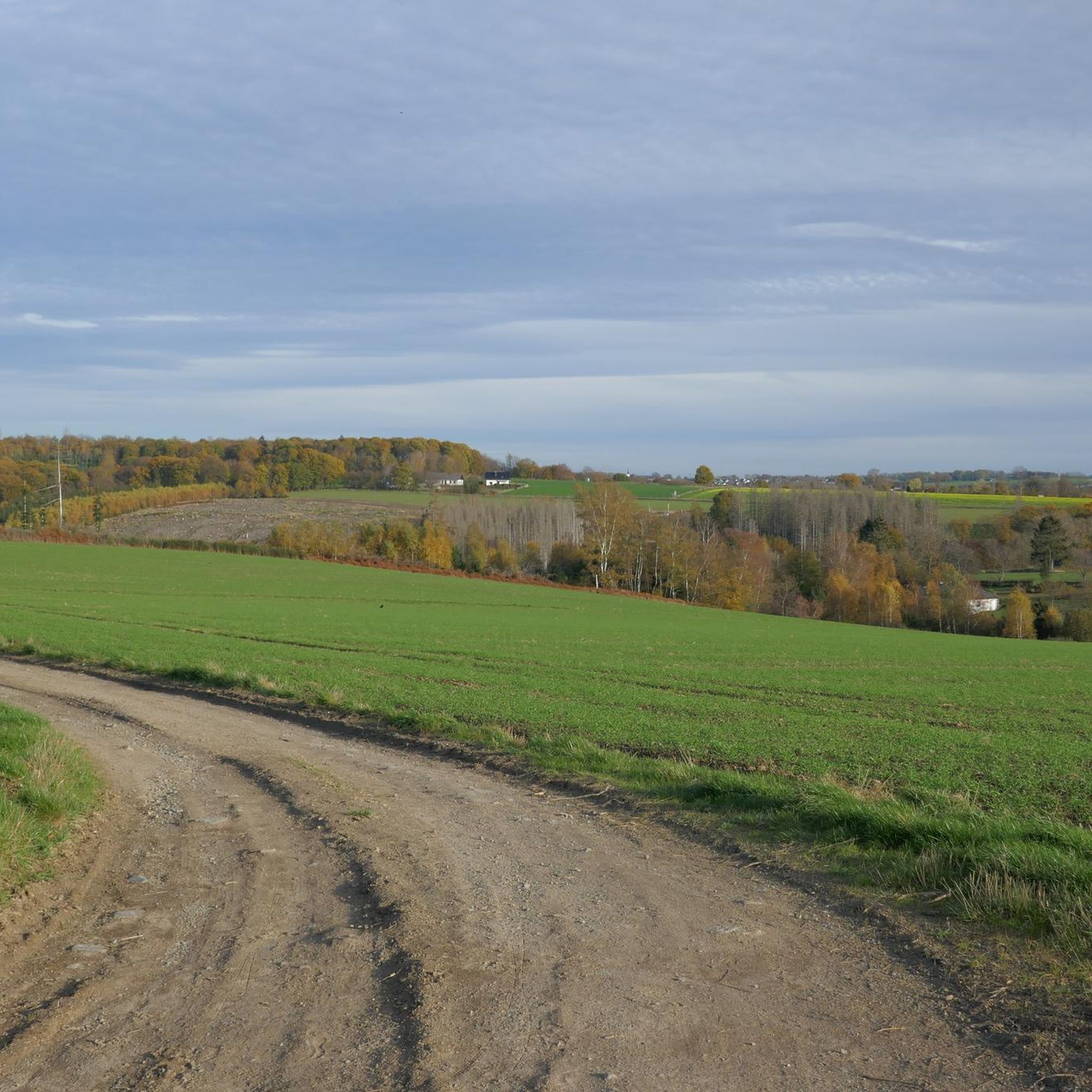
The Herbringhauser dam (until 2006 "Upper Herbringhauser dam") is a drinking water dam in the Bergisches Land (North Rhine-Westphalia). It was built from 1898 to 1901 by the city of Barmen, which was still independent at the time and now belongs to Wuppertal. The Herbringhauser Bach is dammed. Until December 31, 2015, the Wuppertaler Stadtwerke (WSW) was the operator. On January 1, 2016, the dam became the property of the Wupperverband, which had acquired it together with the Kerspe dam from the WSW for EUR 46 million.
8
0

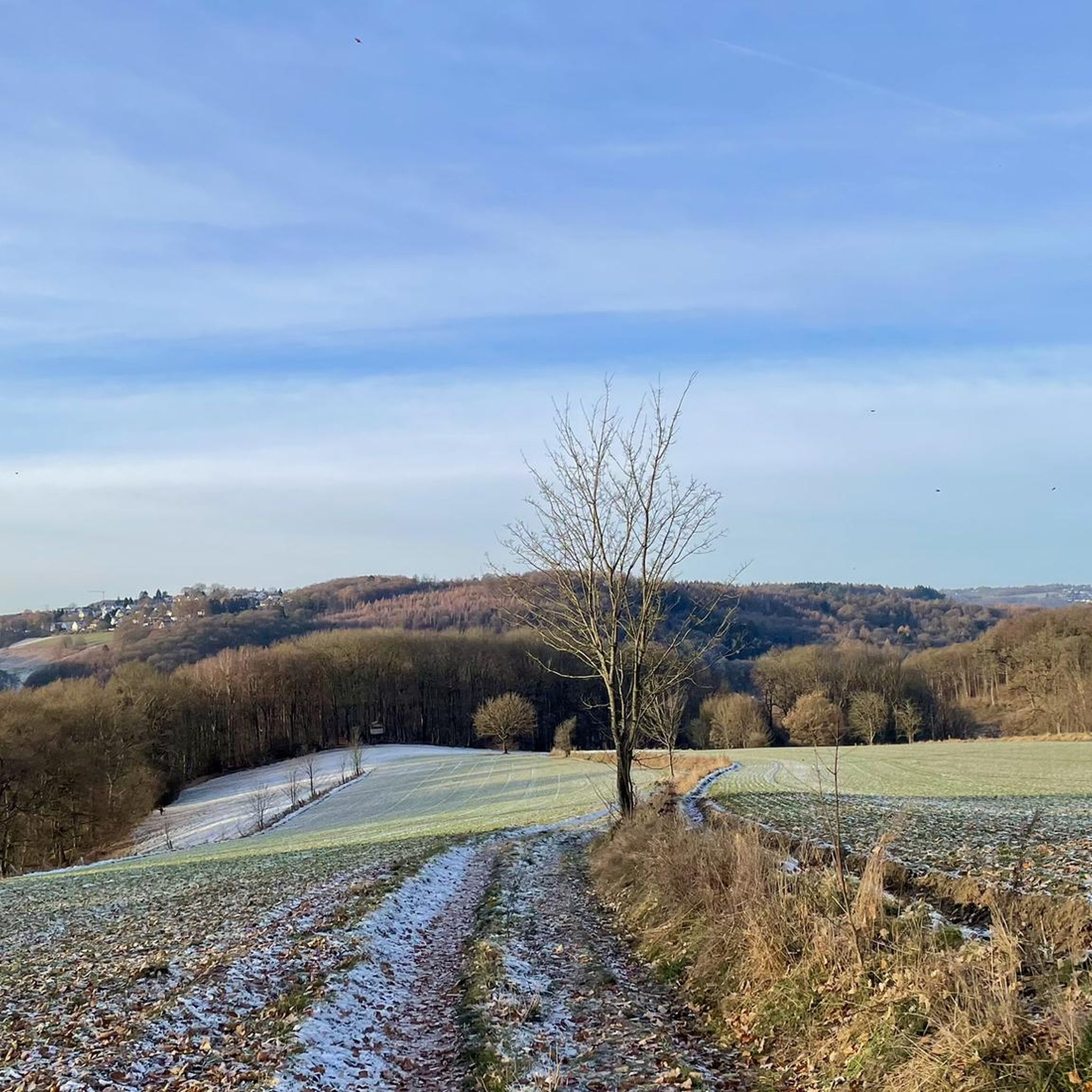
Always good for a short walk, e.g. after eating in one of the Rondorf restaurants.
8
0

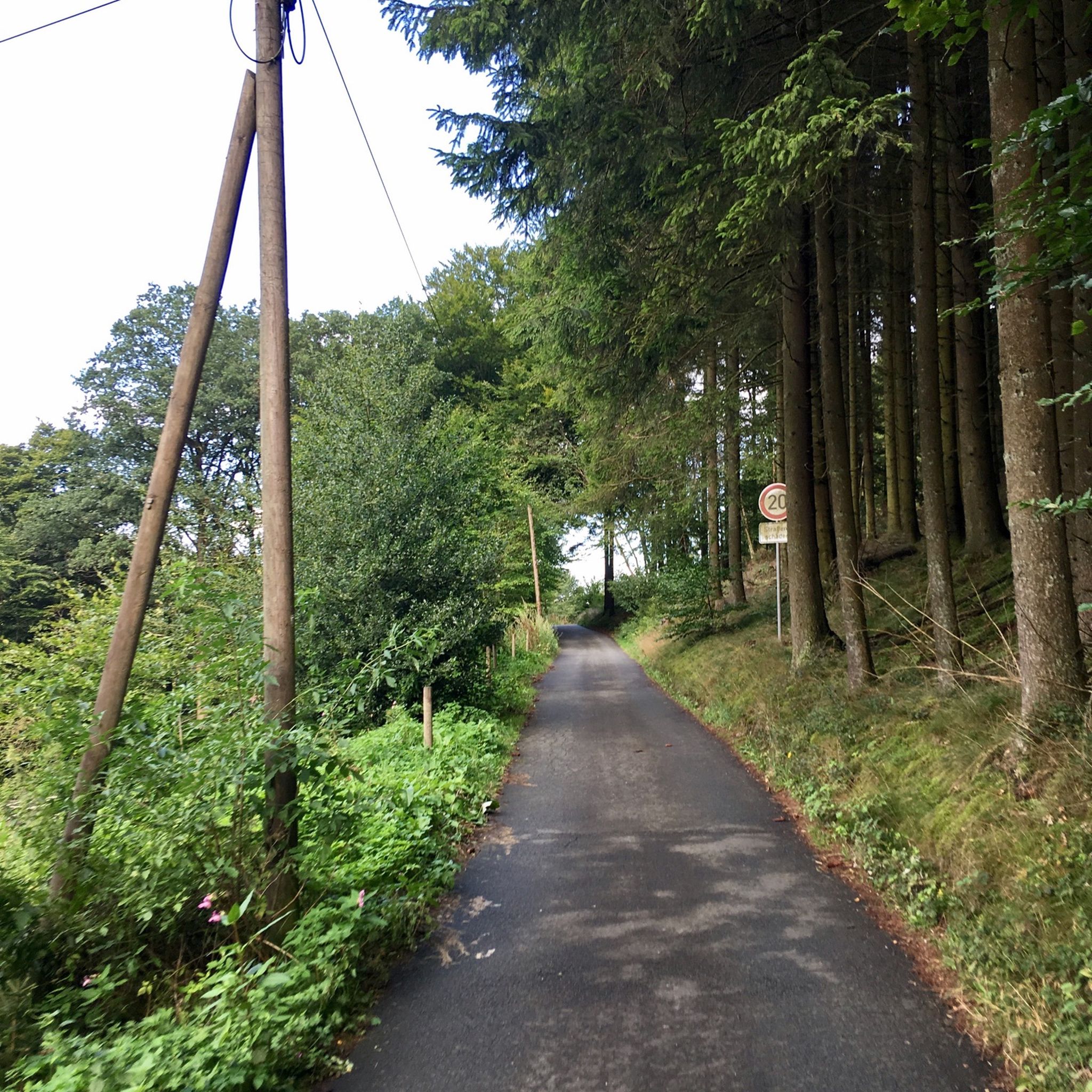
Beautiful forest path around the dam. Sturdy shoes not required. For a little snack... let's go to the Alm😉
3
0

The Heilenbecke dam was built between 1894 and 1896 in the Ennepe-Ruhr district and is the oldest dam in South Westphalia. The Heilenbecke dam was originally a water reservoir for the hammer mills and grinding huts that were located along the Heilenbecke. Nowadays, however, it primarily serves to supply drinking water; in addition to raising the Ruhr at low water.
3
0

beautiful old half-timbered town with the slate typical of the Bergisches Land. It's fun to stroll through the alleys and have a wonderful view of the reservoir and the surrounding area
10
0

Very nice Wuppertal district located directly on the river with a typical Bergisch old town, which invites you to stroll and drink coffee. If you are in the area, you should stroll through the small streets.
12
1

On July 30, 1895, the city council decided to build a waterworks and the associated dam. Professor Otto Intze from the Technical University of Aachen was commissioned with the planning and subsequent implementation. His investigations showed that the most favorable area for a dam was the Saalbach valley with its wealth of sources. At the meeting of the city council on April 14, 1897, Intze's proposals were accepted and the construction of the dam was decided. Almost a year later, the necessary land could be acquired and construction of the dam began. A quarry stone wall was erected, which was built according to the "Intze principle". This principle consisted of creating a wedge-shaped, compacted earthfill on the water side at the foot of the wall, which reached just half the height of the wall. In this way the pressure of the water on the wall could be reduced quite considerably, which enabled a lighter construction method Pump-operated pumping station and on the upper Kurfürstenstrasse, the highest point in Ronsdorf, the water tower. From here the water was fed into the Ronsdorf supply network. The dam was inaugurated on November 11, 1899. It had a storage height of around 19 meters and a capacity of 300,000 cubic meters. Source and more: http://www.ronsdorfer-buergerverein.de/wp-content/uploads/2015/03/2016.08Talsperre.pdf
10
0

I love to go for a walk there or to ride my mtb there. A break on the bench there is always worthwhile.
8
0
Frequently Asked Questions
Are there any historical lakes or dams near Schwelm?
Yes, the Heilenbecke Reservoir is the oldest dam in South Westphalia, constructed between 1894 and 1896, and is a listed building. The Ronsdorf Reservoir, inaugurated in 1899, also has historical significance as it was built according to the "Intze principle".
Which lakes offer scenic views or unique natural features?
The Beyenburg Reservoir is renowned for its romantic scenery, featuring an old monastery and half-timbered houses reflected in its calm waters. The Herbringhauser Reservoir also provides scenic views, ideal for a moment of appreciation.
Are there family-friendly lakes around Schwelm?
Yes, several lakes are suitable for families. The Ronsdorf Reservoir, Beyenburg Reservoir, Hasper Reservoir, Heilenbecke Reservoir, and Herbringhauser Reservoir are all categorized as family-friendly destinations.
What kind of outdoor activities can I do near the lakes around Schwelm?
The region around Schwelm's lakes offers various outdoor activities. You can find numerous road cycling routes, gravel biking trails, and general cycling tours. For detailed routes, explore the Road Cycling Routes around Schwelm, Gravel biking around Schwelm, and Cycling around Schwelm guides.
Are there hiking trails around the lakes?
Yes, many lakes feature pleasant walking and hiking opportunities. The Heilenbecke Reservoir, for instance, has a popular 2.4 km circular hiking trail. The areas around Beyenburg Reservoir and Herbringhauser Reservoir are also great for short walks and enjoying the scenery.
Can I swim in the lakes near Schwelm?
Swimming is generally restricted in many of the reservoirs around Schwelm, as they often serve as drinking water supplies. For example, swimming is strictly forbidden in the Heilenbecke Reservoir due to its function as a drinking water source. Always check local regulations before attempting to swim.
What is the best time to visit the lakes around Schwelm?
The lakes around Schwelm are enjoyable year-round. The Ronsdorf Reservoir is described as a striking destination suitable for visits in both summer and winter. Spring and autumn offer pleasant temperatures for hiking and cycling, while summer is ideal for general outdoor enjoyment.
Are there any cultural or historical sites near the lakes?
Absolutely. The Beyenburg Reservoir is particularly rich in history, featuring an old monastery and the impressive Church of St. Mary Magdalene (known as "Beyenburg Cathedral"), a fine example of Late Gothic architecture from the 14th century. The atmospheric Klosterhof (monastery courtyard) adds to its charm.
Are the lakes around Schwelm accessible for wheelchairs?
The Beyenburg Reservoir and Heilenbecke Reservoir are noted as having wheelchair-accessible sections, making them suitable for visitors with mobility needs. It's always advisable to check specific trail conditions for full accessibility.
What do visitors enjoy most about the lakes around Schwelm?
Visitors appreciate the blend of historical significance and natural beauty. The tranquil settings, opportunities for walks, and the impressive architecture, such as the monastery at Beyenburg Reservoir, are frequently highlighted. The region's historical dams, like the Heilenbecke Reservoir, also draw interest.
Are there cafes or restaurants near the lakes?
Yes, particularly around the Beyenburg Reservoir, you can find local restaurants, making it a good spot for a meal after a walk. While specific establishments aren't listed for all lakes, the presence of charming towns and villages nearby suggests options for refreshments.
Can I bring my dog to the lakes?
While specific dog-friendly policies vary by location, many natural areas around the lakes are suitable for walks with dogs, provided they are kept on a leash and owners clean up after them. Always look for local signage regarding pet regulations at each specific lake or reservoir.
Most popular routes around Schwelm
Most popular attractions around Schwelm

Get inspired with the komoot mobile app


Explore more
Still not found your perfect lake around Schwelm? Check out the guides of these regions to see even more beautiful places.
