Top 17 Waterfalls around Pirna
Best waterfalls around Pirna are found in the surrounding Saxon Switzerland region, known for its unique sandstone formations and river valleys. Pirna serves as a gateway to this natural landscape, offering access to various outdoor activities. The area features deeply cut gorges and streams that create diverse waterfall experiences. This region is characterized by its natural beauty and opportunities for exploration.
Best waterfalls around Pirna
- The most popular waterfalls is Wesenitz Waterfall at the Lochmühle, a waterfall that offers…
Last updated: July 1, 2026
Gautsch Grotto
Highlight • Cave
Translated by Google •
Tip by

Amselfall
Highlight • Waterfall
Translated by Google •
Tip by

Sign up now to discover places like this
Get recommendations on the best single tracks, peaks, & plenty of other exciting outdoor places.
Sign up for free
Historic Hydroelectric Power Plant in the Lohmener Klamm
Highlight • Monument
Translated by Google •
Tip by

Wesenitz Waterfall at the Lochmühle
Highlight • Waterfall
Translated by Google •
Tip by

Grünbachtal Trail
Highlight (Segment) • Trail
Translated by Google •
Tip by
Sign up for free to discover even more waterfalls around Pirna.
Sign up for free
Already have an account?
Start today with a free account
Your next adventure awaits.
Login or Signup
Popular around Pirna
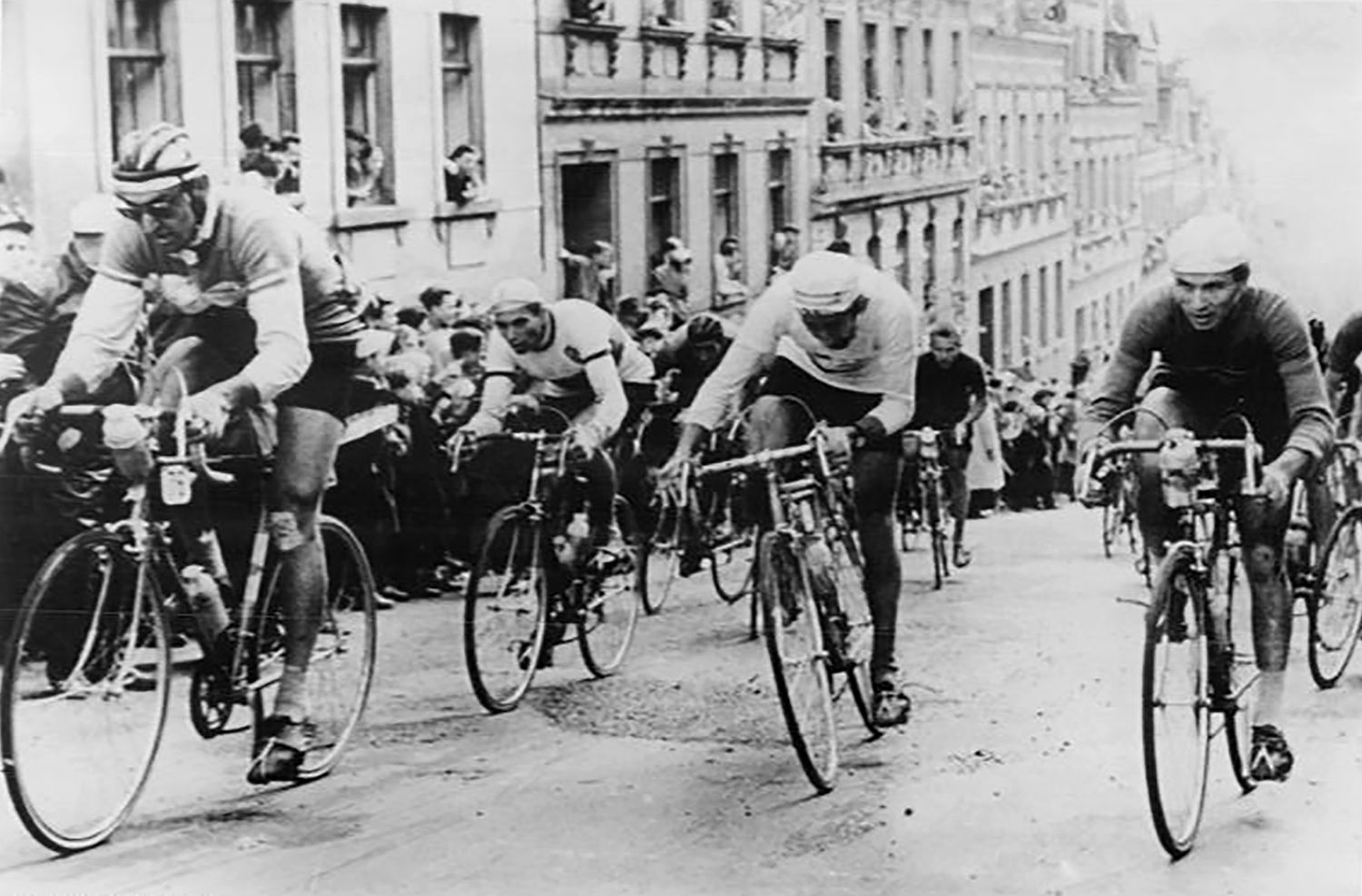
From Berlin to Prague — in the footsteps of the Peace Race part 2
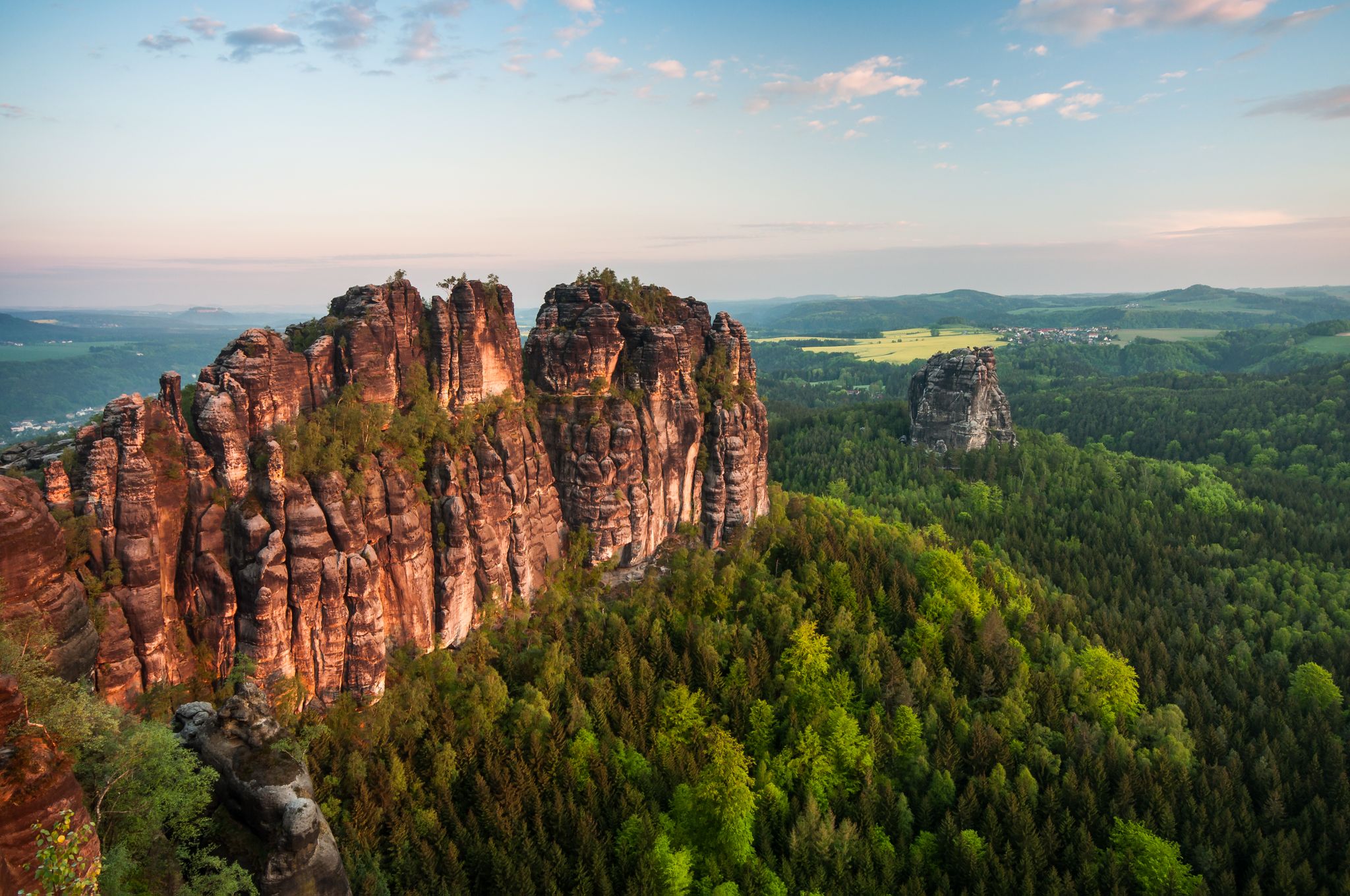
Malerweg — following the trails of the artists in Saxon Switzerland
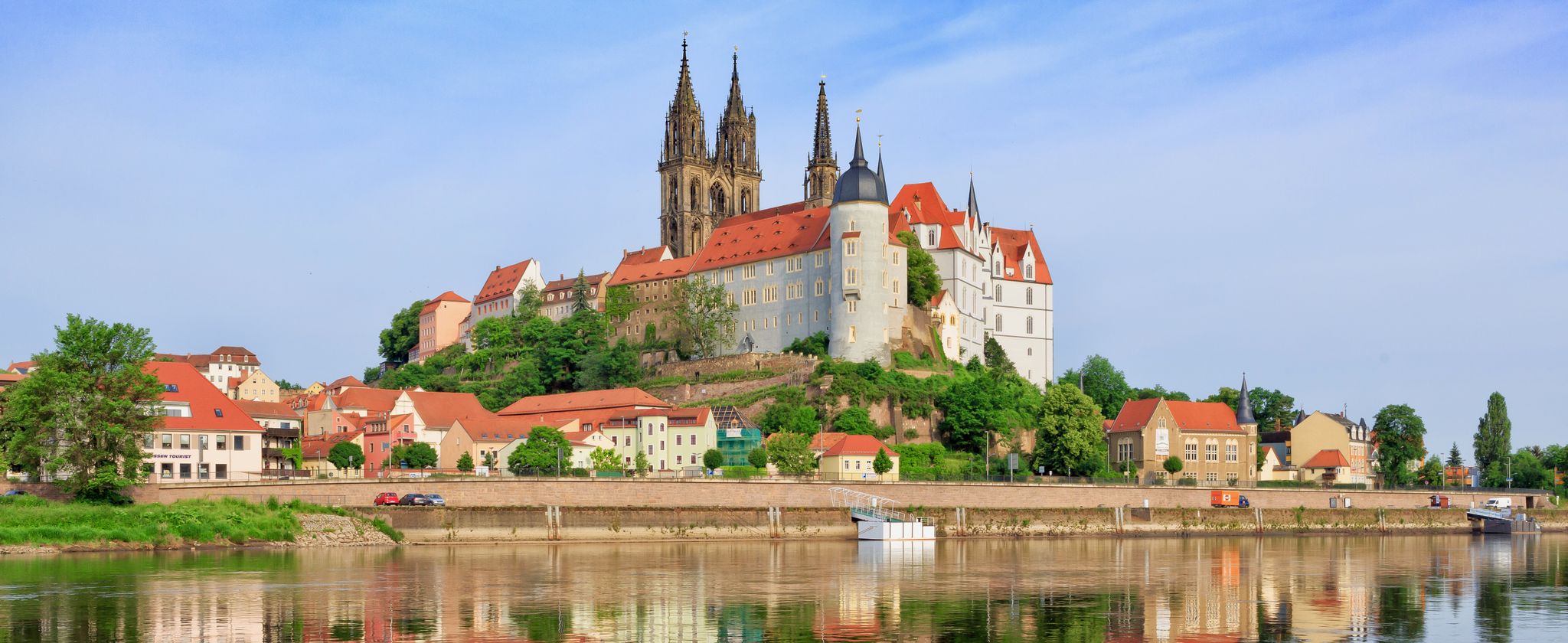
The Elbe Cycle Path — cross-border cycling pleasure
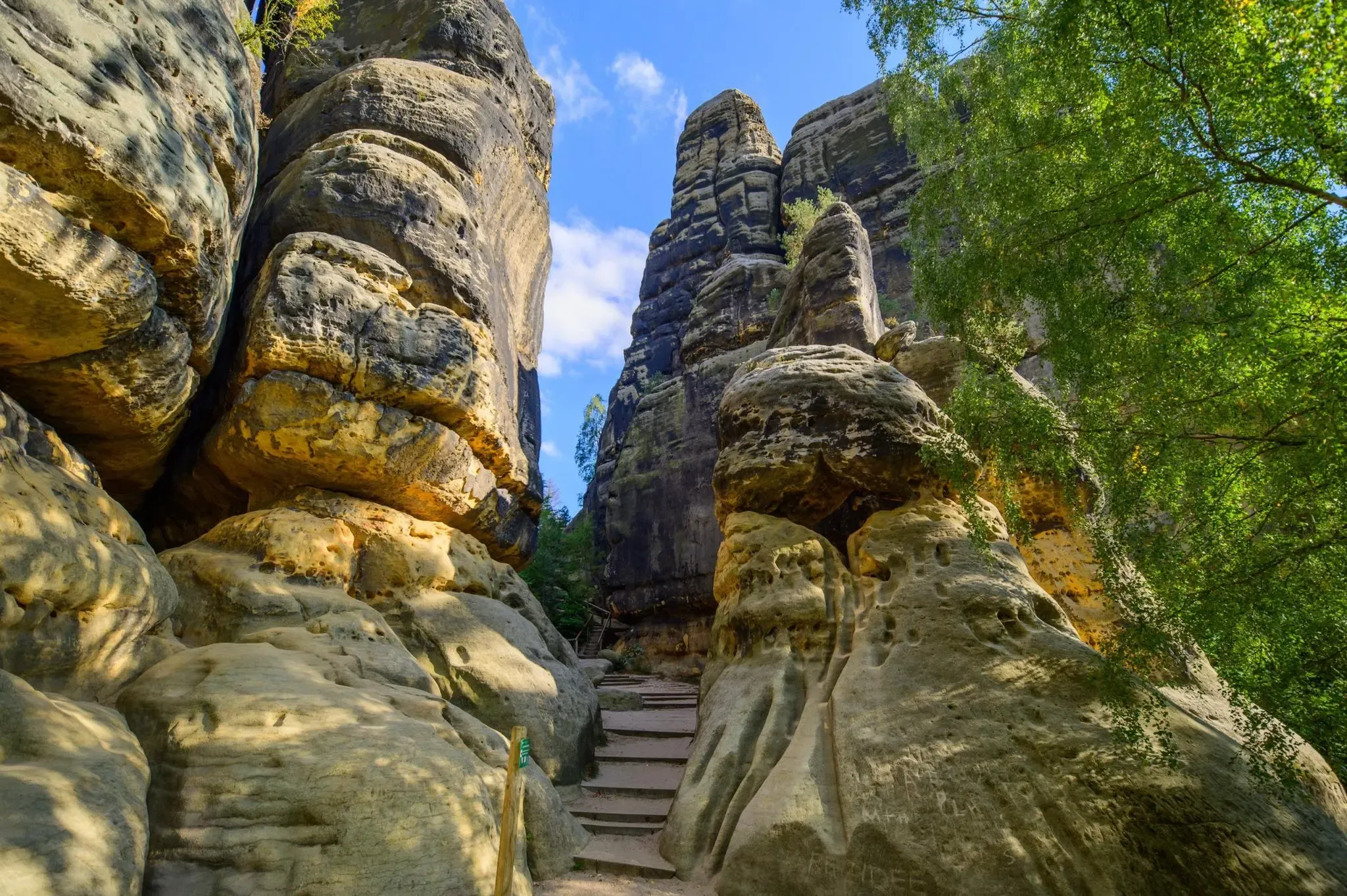
Malerweg – Trail running in Germany's dramatic Saxon Switzerland area
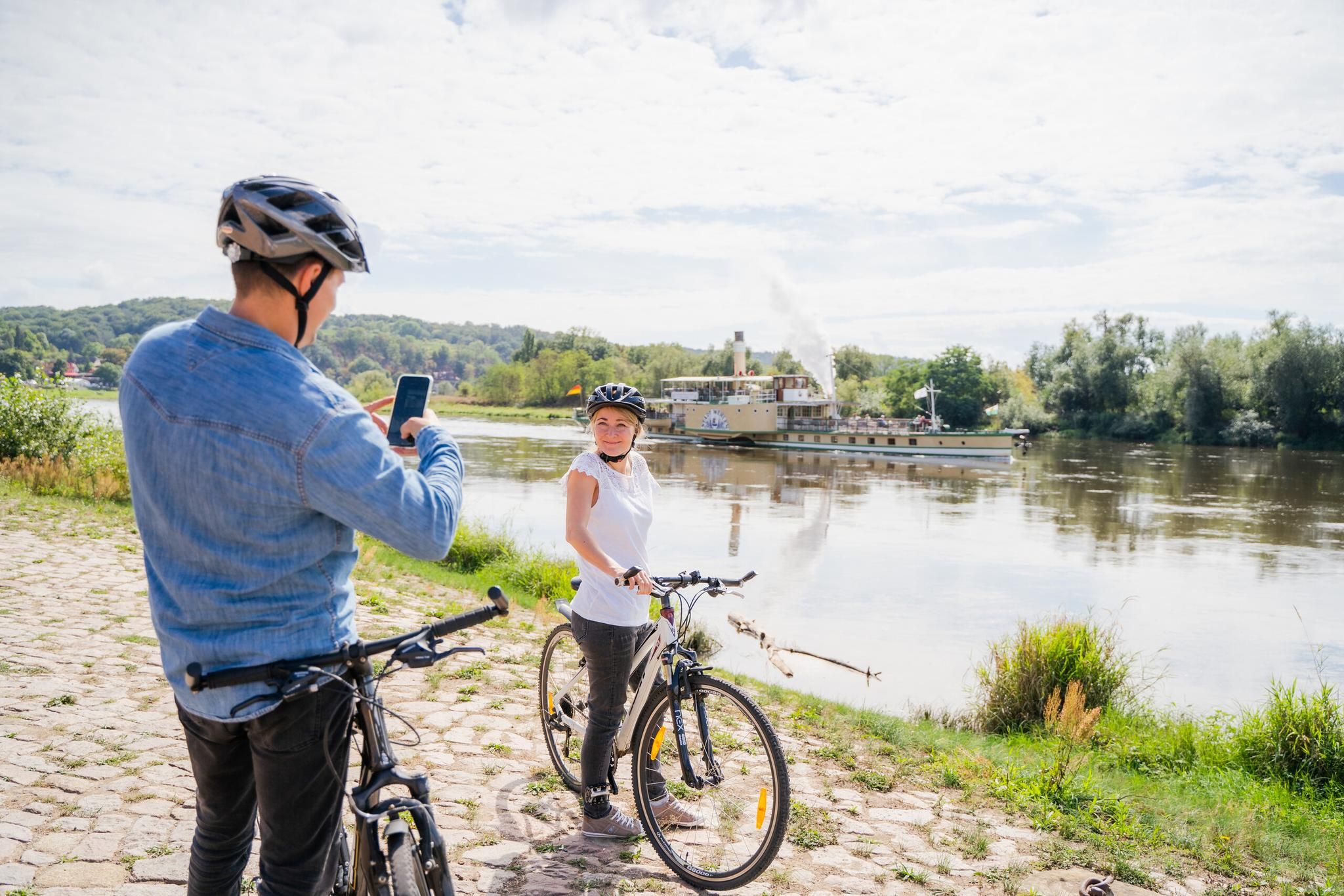
Fun on two wheels – e-bike Tours through Dresden Elbland
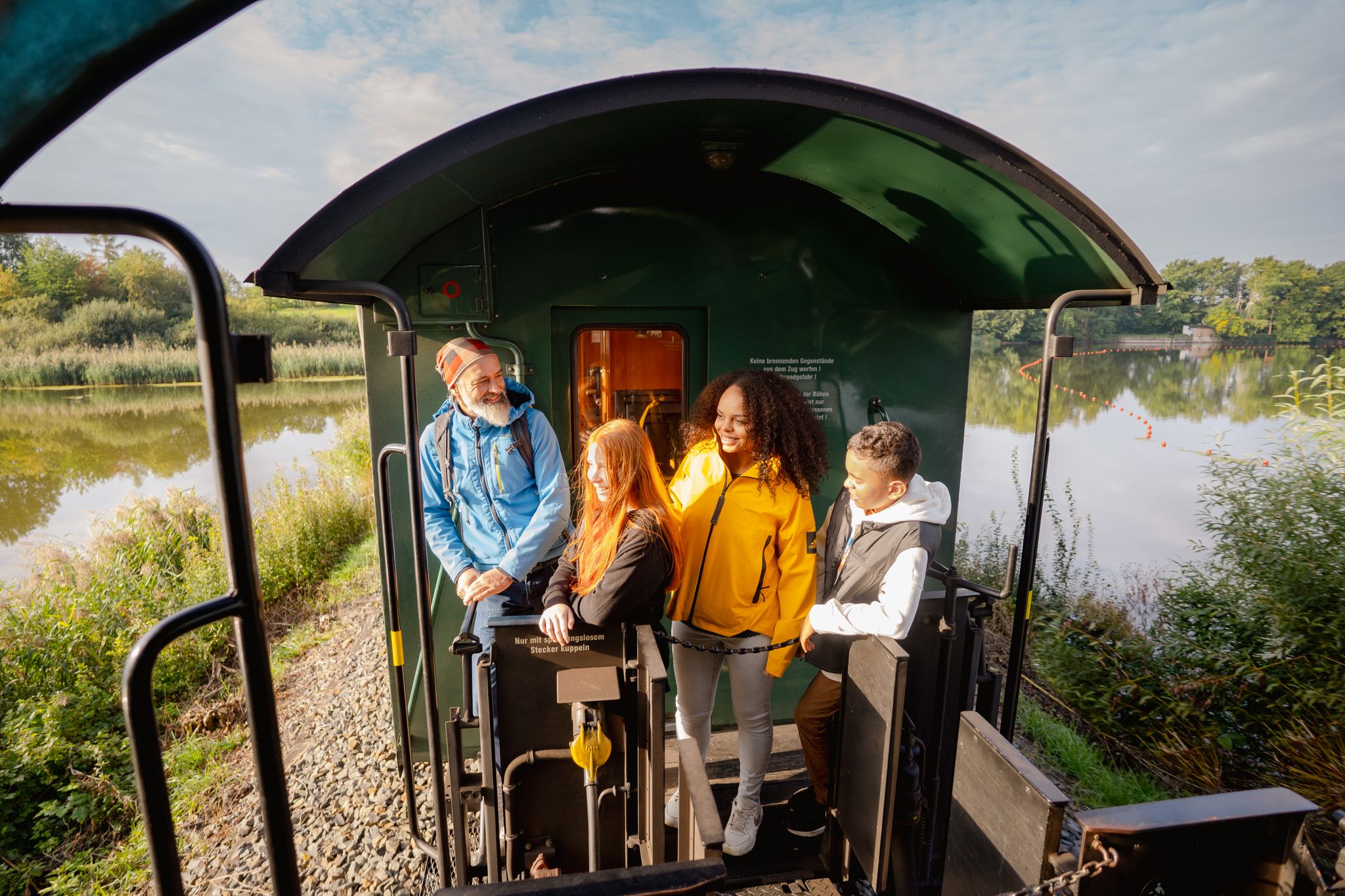
Towers, treasures & mountain railways – out and about with children in Dresden Elbland
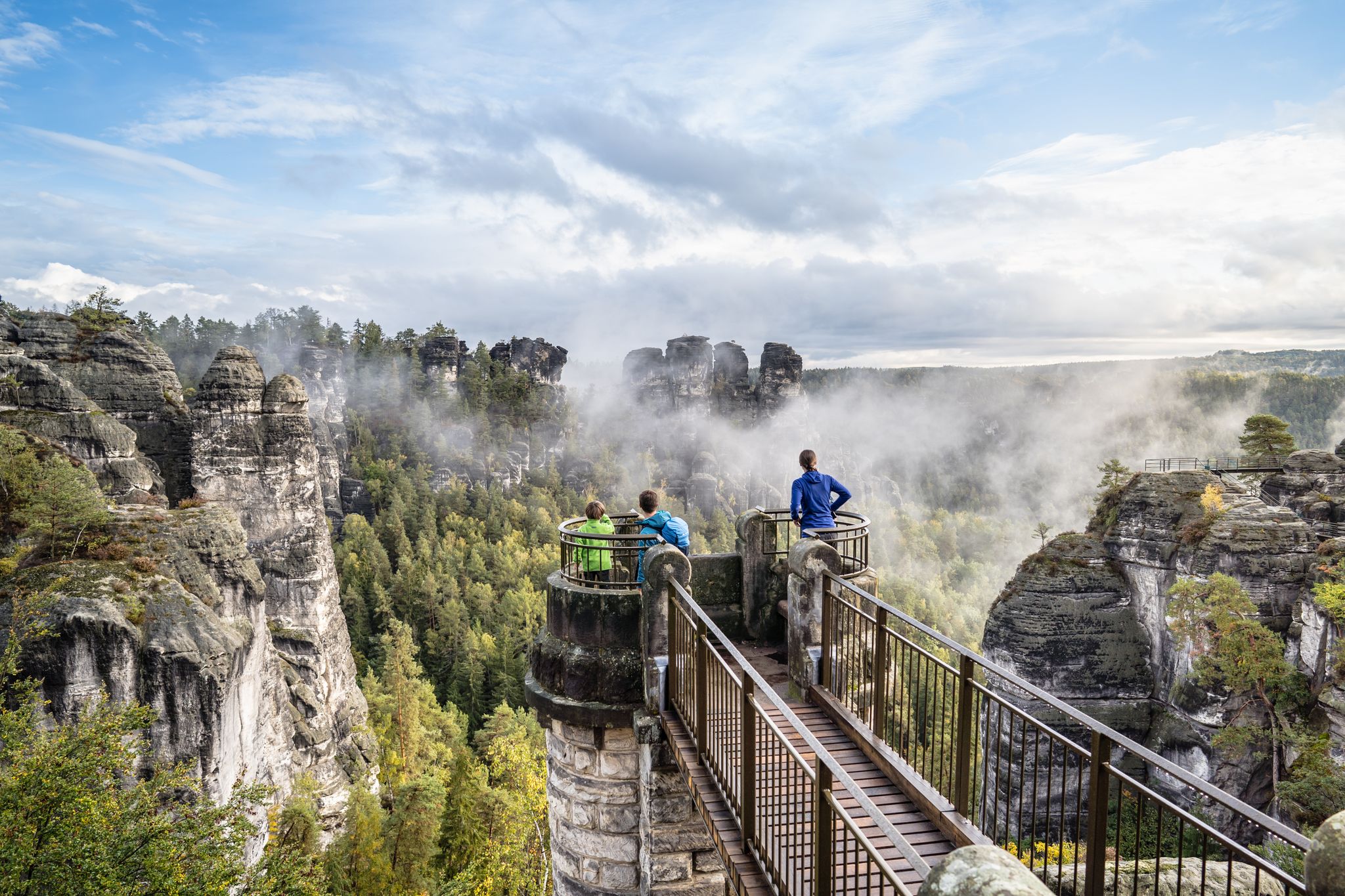
Natural wonders of Saxony – hiking with the wow factor
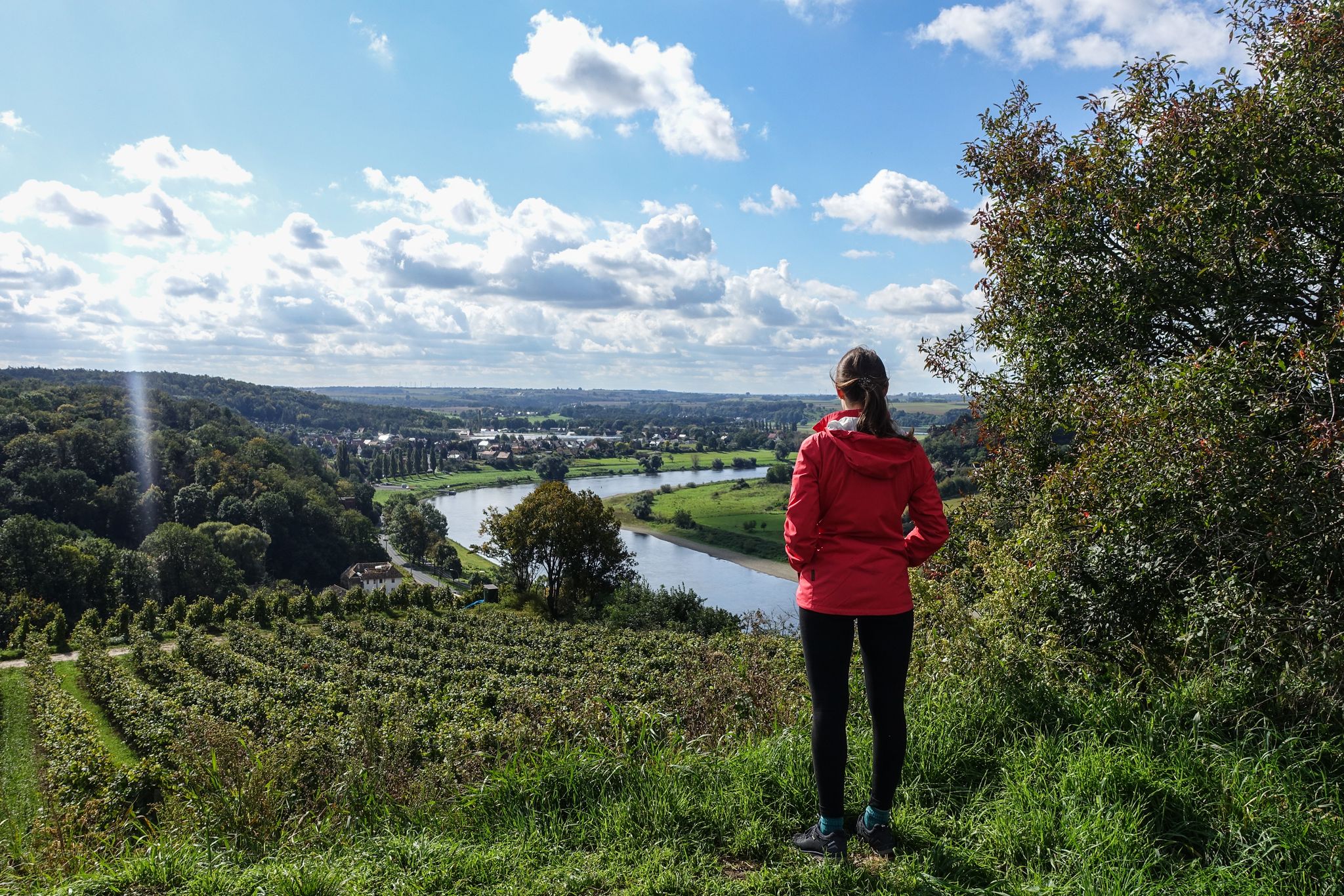
Saxon Wine Trail – late summer in the Dresden Elbland region
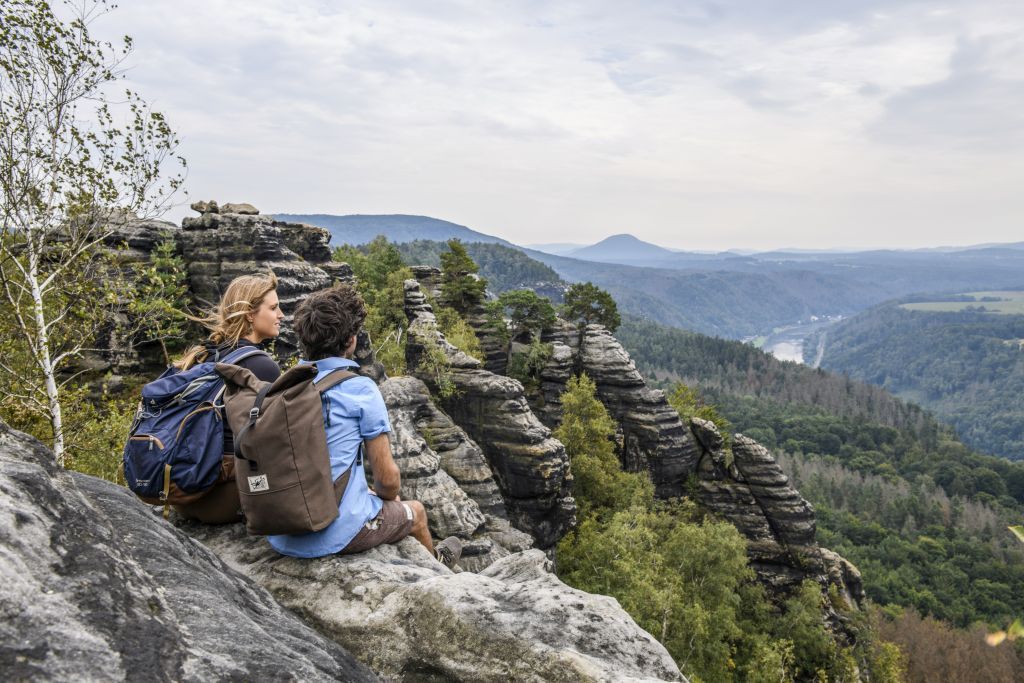
Elbe Sandstone Mountains – around Schmilka and Bad Schandau
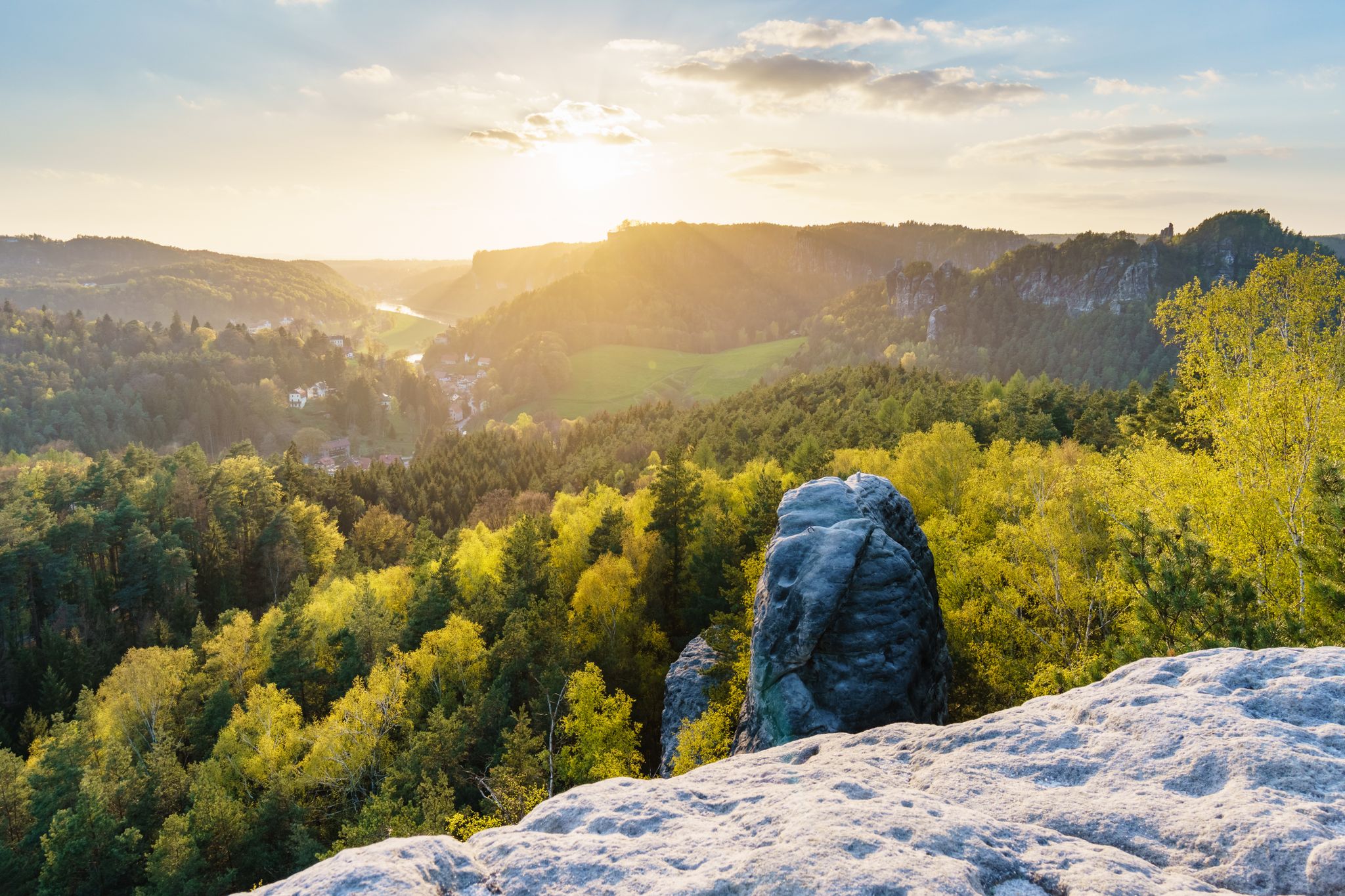
On two wheels between the sandstones of the Saxon Switzerland
Other adventures around Pirna


Tips from the Community

The power plant is based on a weir system built in 1877, which initially powered neighboring machines in the Weber & Niezel wood grinding and cardboard factory via transmission. In 1910, a Francis turbine and electric generator with an installed capacity of 180 kW were commissioned to generate electrical energy. This was followed in 1932 by the addition of a second turbine with 80 kW. After the Second World War, the weir system was partially repaired in 1963. In 1969, the power plant was shut down due to uneconomical operation, and the facility was left to decay.
5
1
There is an impressive lost place by the rushing stream!
6
1
A very idyllic atmosphere. The hotel project seems to have been dying since 2016. There is no visible activity in or around the property.
6
1
A very idyllic landscape that is very impressive. Plenty of water rushing past.
7
1
The power plant is based on a weir built in 1877, which initially used transmission to drive neighboring machines in the Weber & Niezel wood grinding and cardboard factory. In 1910, a Francis turbine and electric generator with an installed capacity of 180 kW were put into operation to generate electrical energy. This was followed in 1932 by the addition of a second turbine with 80 kW. After the Second World War, the weir was partially repaired in 1963. In 1969, the power plant was shut down due to uneconomical operation and the plant was left to decay. After reunification, it was restarted in 2000 with a Kaplan turbine. The head is 10.4 m and has an installed capacity of 215 kW with a flow rate of up to 2.6 m³/s.
5
1

Simply amazing and a very mystical place, take your time if you're nearby, a great tip.
22
2
An absolute insider tip in Saxon Switzerland. We were deeply moved by the mysticism of the valley and the river.
15
2
Frequently Asked Questions
Which waterfalls are most popular around Pirna?
The most popular waterfall is the Wesenitz Waterfall at the Lochmühle, known for its tranquil beauty and as a refreshing stop on the Malerweg. Another highly rated spot is the Historic Hydroelectric Power Plant in the Lohmener Klamm, which features a man-made waterfall and impressive historical architecture.
Are there any unique or historical waterfalls to visit near Pirna?
Yes, the Lichtenhain Waterfall in the Kirnitzschtal valley is a traditional excursion destination with a unique history. Since the 1830s, a weir has been opened every two hours to create a dramatic 'water spectacle' for visitors, accompanied by music. You can also visit the Historic Hydroelectric Power Plant in the Lohmener Klamm, which showcases an impressive historical piece of architecture where dammed water flows into the power plant.
What kind of natural features can I expect to see besides waterfalls?
Beyond the cascades, the region offers diverse natural beauty. You can explore the Gautsch Grotto, a notable rock formation and cave that also features a waterfall. The Wesenitz Waterfall is situated in the picturesque Liebethaler Grund, a deeply cut gorge, and the Kirnitzschtal valley, home to Lichtenhain Waterfall, is known for its lush greenery and dramatic rocky cliffs.
How can I reach the Lichtenhain Waterfall using public transport?
The Lichtenhain Waterfall is easily accessible via the historic Kirnitzschtalbahn, a narrow-gauge electric tramway that connects it with Bad Schandau. The waterfall is only about 100 meters from the tram stop. From Dresden, you can take bus line 237 towards Sebnitz, Bahnhof, disembarking at 'Sebnitz, Kirnitzschtalstraße' and walking approximately 10 minutes.
Are the waterfalls near Pirna suitable for families?
Yes, several waterfalls are family-friendly. The Wesenitz Waterfall at the Lochmühle features easily accessible paths suitable for various fitness levels, making it ideal for leisurely strolls. The Lichtenhain Waterfall is also a popular family destination, with the historic tram ride adding to the experience.
What is the best time of year to visit the waterfalls in the Pirna region?
The waterfalls are beautiful year-round. In spring, melting snow can increase water flow, making them particularly impressive. Summer offers lush greenery and pleasant hiking conditions. In winter, some waterfalls, like Lichtenhain, can transform into beautiful displays of icicles, though paths might be slippery. Always check local conditions before your visit.
Are there accessible waterfalls for visitors with limited mobility?
The Wesenitz Waterfall at the Lochmühle offers easily accessible paths suitable for various fitness levels. The Lichtenhain Waterfall is also relatively accessible, being only about 100 meters from the Kirnitzschtalbahn tram stop.
Are there hiking trails associated with the waterfalls near Pirna?
Yes, the region offers numerous hiking opportunities. The Wesenitz Waterfall at the Lochmühle is a popular stop on the renowned Malerweg. Near Lichtenhain Waterfall, you can find trails like the 'Rundweg Lichtenhain' and paths leading to 'Kuhstall.' The Grünbachtal Trail also features a waterfall and is known for its quaint, romantic scenery.
What other outdoor activities can I do near the waterfalls around Pirna?
Beyond waterfall visits, the Pirna region offers a variety of outdoor activities. You can explore numerous hiking trails, including easy hikes suitable for all levels. For those interested in more active pursuits, there are also running trails and mountain biking routes available in the surrounding area.
Is the Amselfall currently accessible for visitors?
No, the Amselfall is currently not accessible. Due to scaffolding and potential rockfall, the area is closed. The associated Amselfallbaude is also closed at this time.
Are there places to eat or stay near the waterfalls?
Yes, near the Lichtenhain Waterfall, you'll find the historic Gasthof Lichtenhainer Wasserfall, an inn that has been preserved since 1853 and offers refreshments. The broader Saxon Switzerland region provides various accommodation options and cafes, particularly in towns like Bad Schandau and Lohmen, which are gateways to the waterfall areas.
Where can I find parking for waterfalls near Pirna?
For the Wesenitz Waterfall at the Lochmühle, parking is available, particularly around the Liebethaler Grund, offering convenient access to the trails. For the Lichtenhain Waterfall, it's often recommended to use public transport like the Kirnitzschtalbahn, but parking options are also available in nearby villages.
Most popular routes around Pirna
Most popular attractions around Pirna

Get inspired with the komoot mobile app


Explore more
Happy to travel a little further afield? Then browse these guides for the best waterfalls around Pirna:
