Top 20 Castles around Pommelsbrunn
Best castles around Pommelsbrunn are found in the scenic Nuremberg Land region of Bavaria, Germany. This area features a collection of historical castles and ruins, each providing insights into the region's past. The terrain often includes elevated positions, offering expansive views of the surrounding landscape. These sites combine historical exploration with opportunities for outdoor activity.
Best castles around Pommelsbrunn
- The most popular castles is Lichtenegg Castle Ruins, a castle that was first documented over 700 years ago. It is…
Last updated: October 9, 2026
Lichtenegg Castle Ruins
Highlight • Castle
Translated by Google •
Tip by

Hohenstein Castle
Highlight • Castle
In winter, when there …
Translated by Google •
Tip by

Sign up now to discover places like this
Get recommendations on the best single tracks, peaks, & plenty of other exciting outdoor places.
Rothenberg Fortress
Highlight • Historical Site
Guided tours are only available during the summer …
Translated by Google •
Tip by

Lichtenstein castle ruins with viewpoint
Highlight • Viewpoint
Translated by Google •
Tip by

Hersbruck Castle
Highlight • Castle
Translated by Google •
Tip by
Sign up for free to discover even more castles around Pommelsbrunn.
Already have an account?
Start today with a free account
Your next adventure awaits.
Popular around Pommelsbrunn
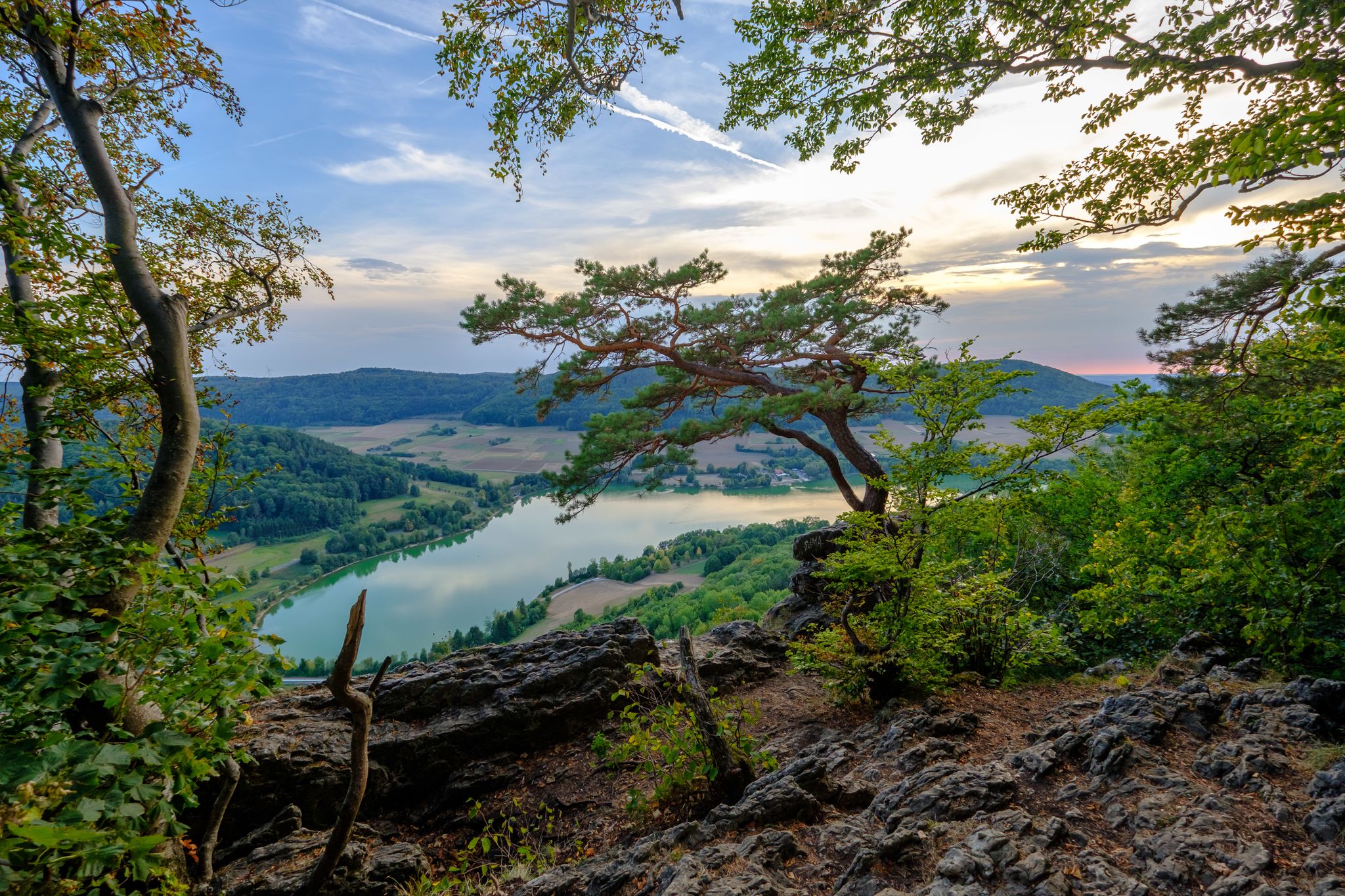
Franconian Jura Panorama Trail in Germany — Silent forests & lonely paths
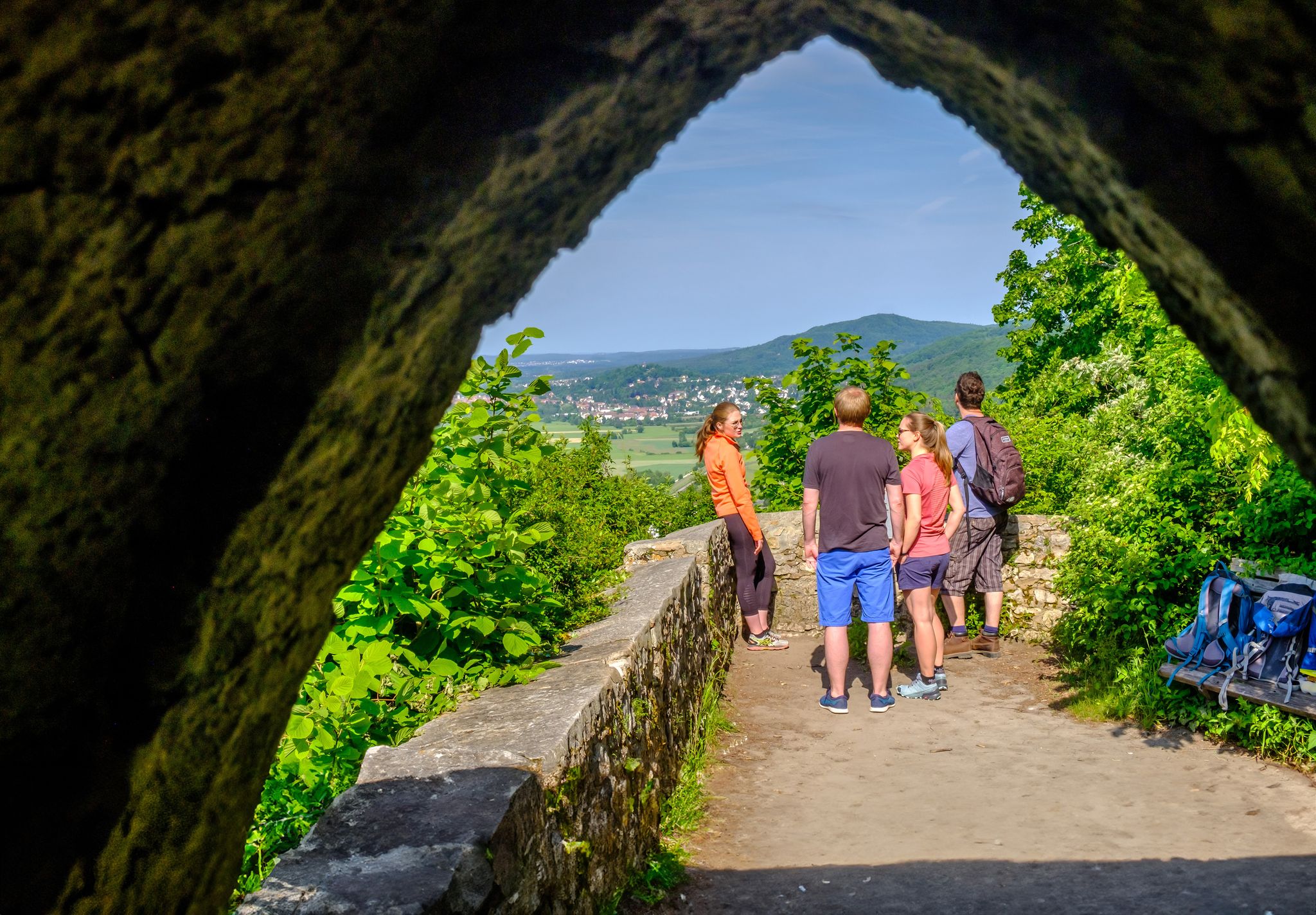
Discover a hiker’s paradise – hiking loops in the Nuremberg region

Cycling to the Hop Weeks in the Nuremberg Region
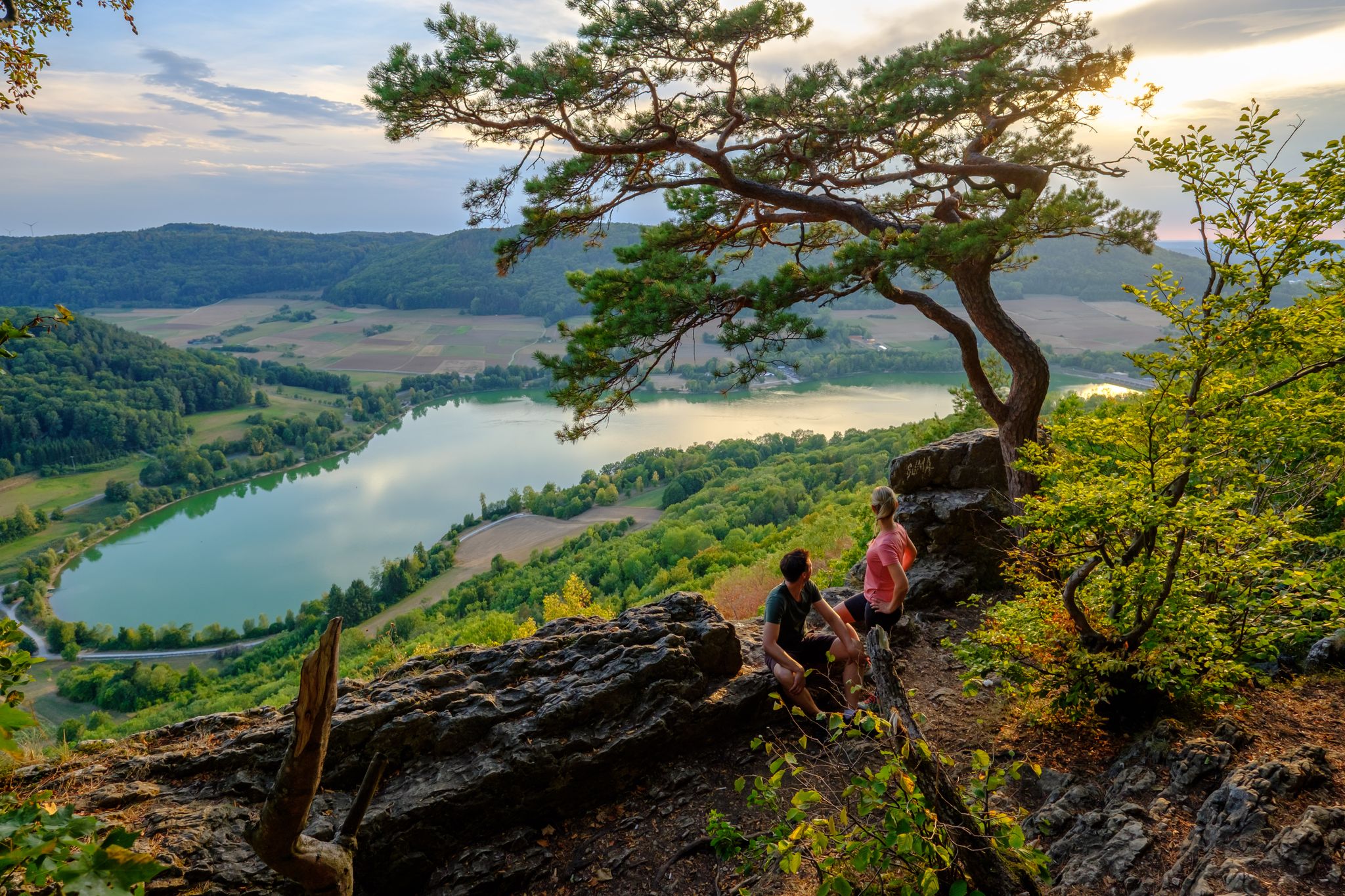
High up on the SevenSummits in the Nuremberg region
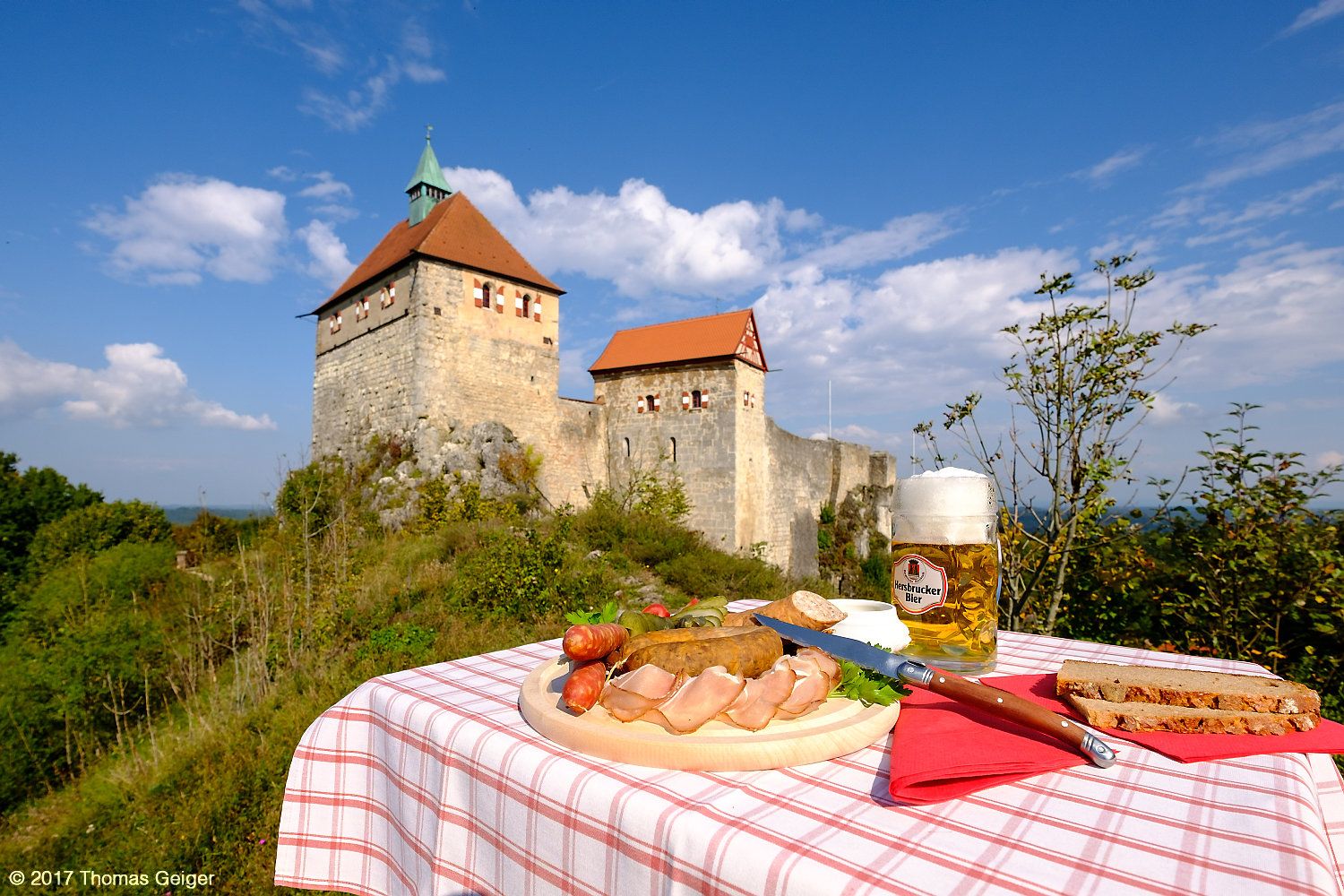
Culinary cycling Tours in the heart of the Franconian Alb mountains
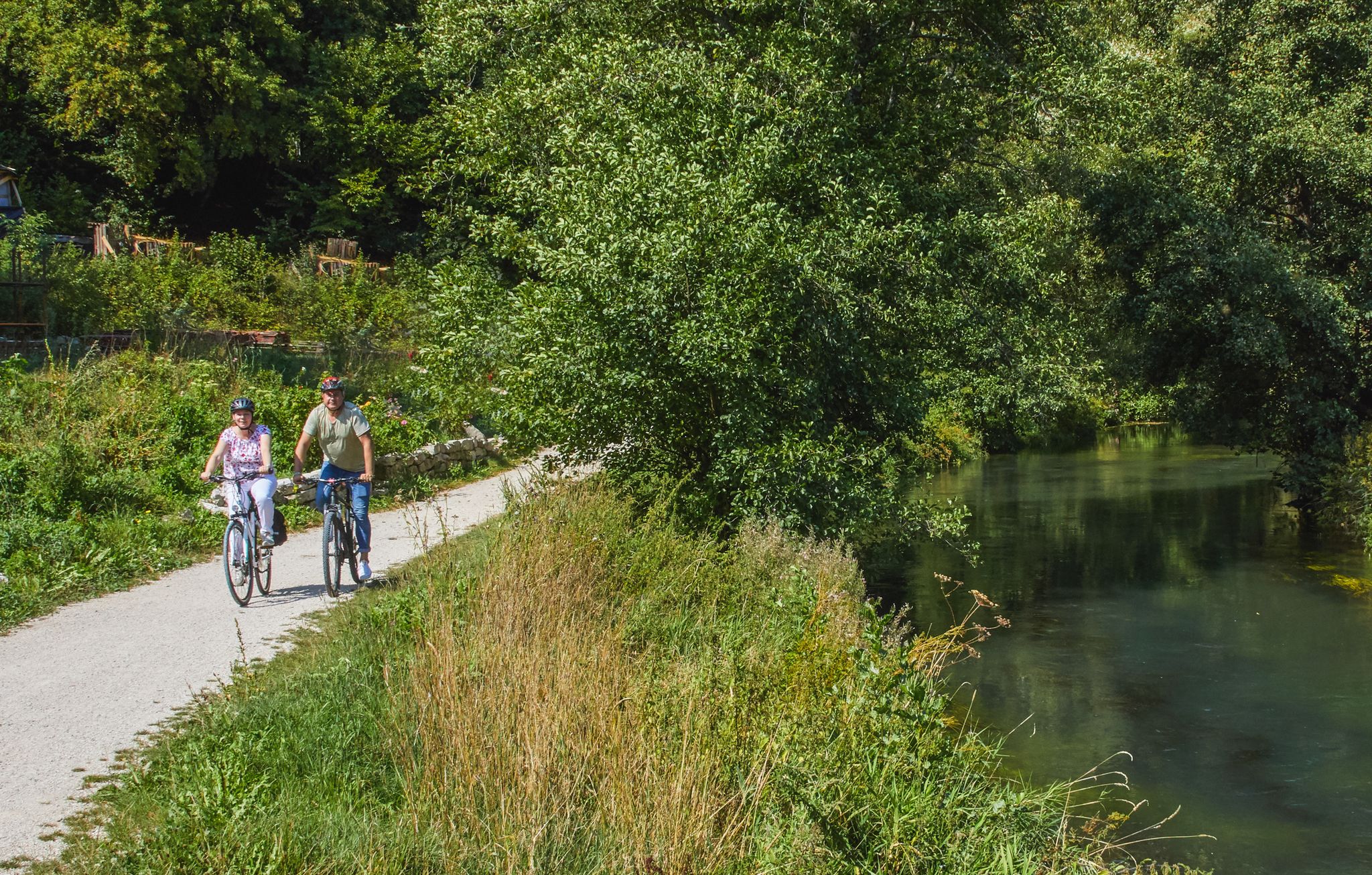
Rivers, forests, ancient castles - cycling in Nürnberger Land
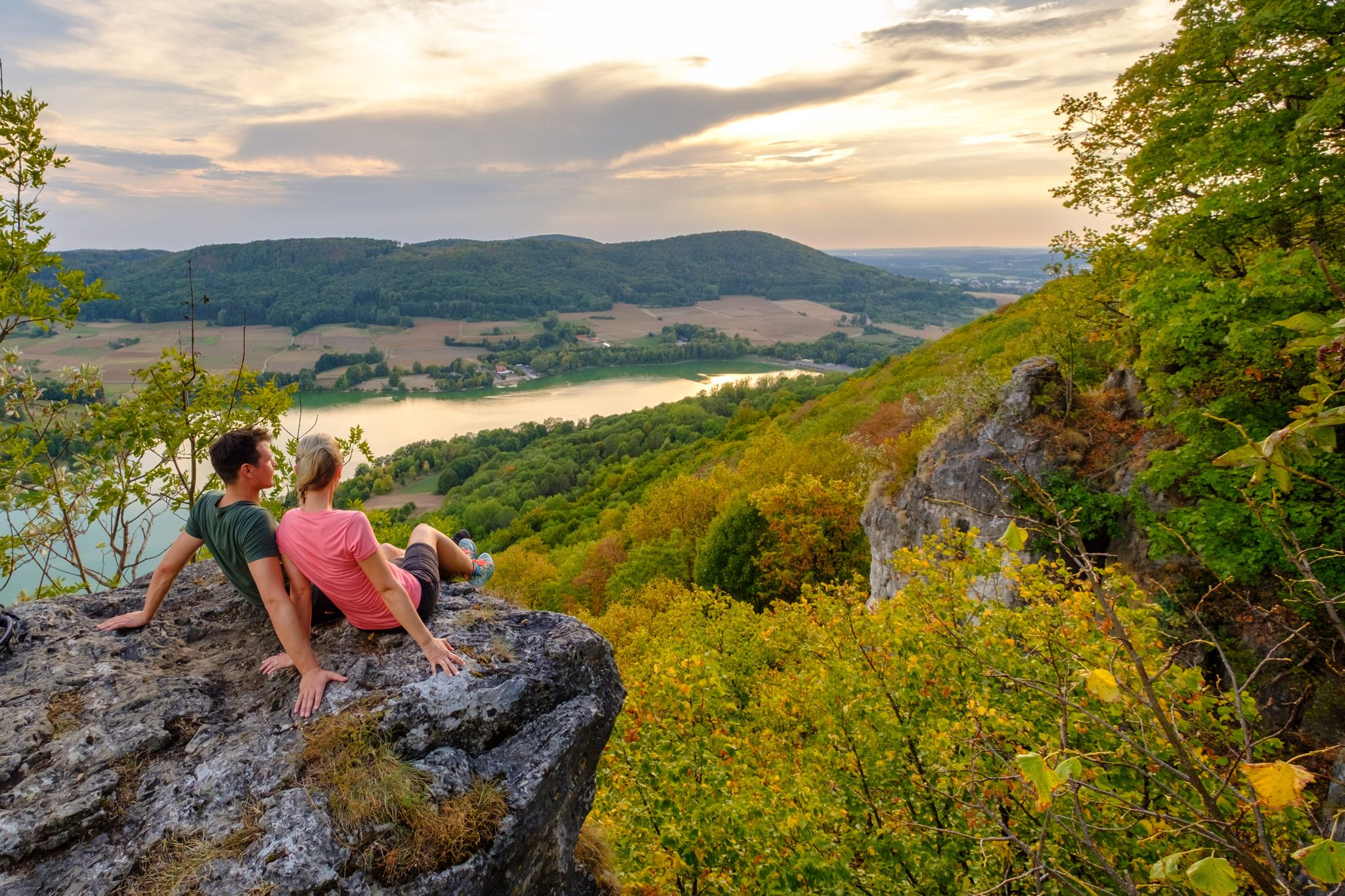
Hiking in the Nürnberger Land
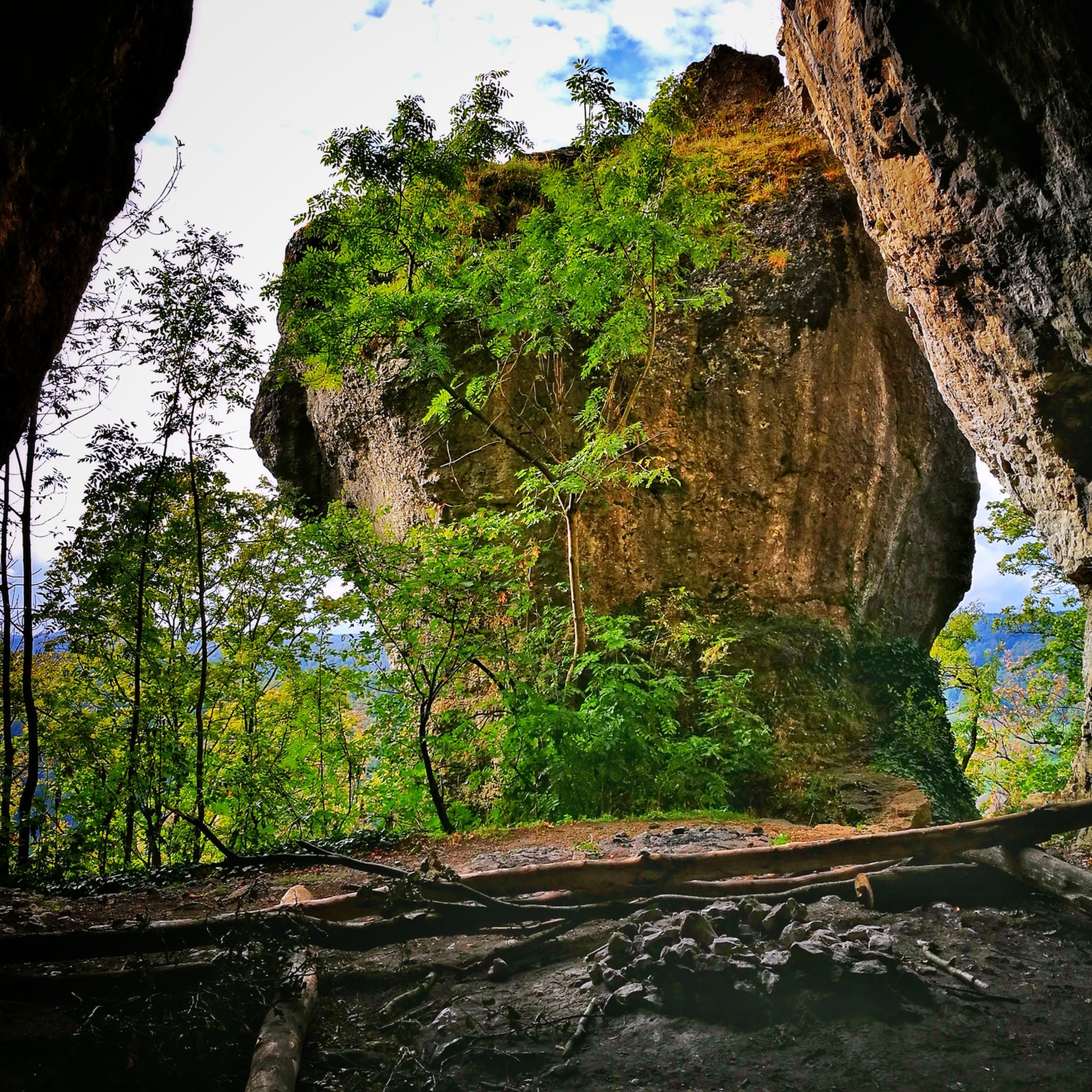
Hiking around Pommelsbrunn
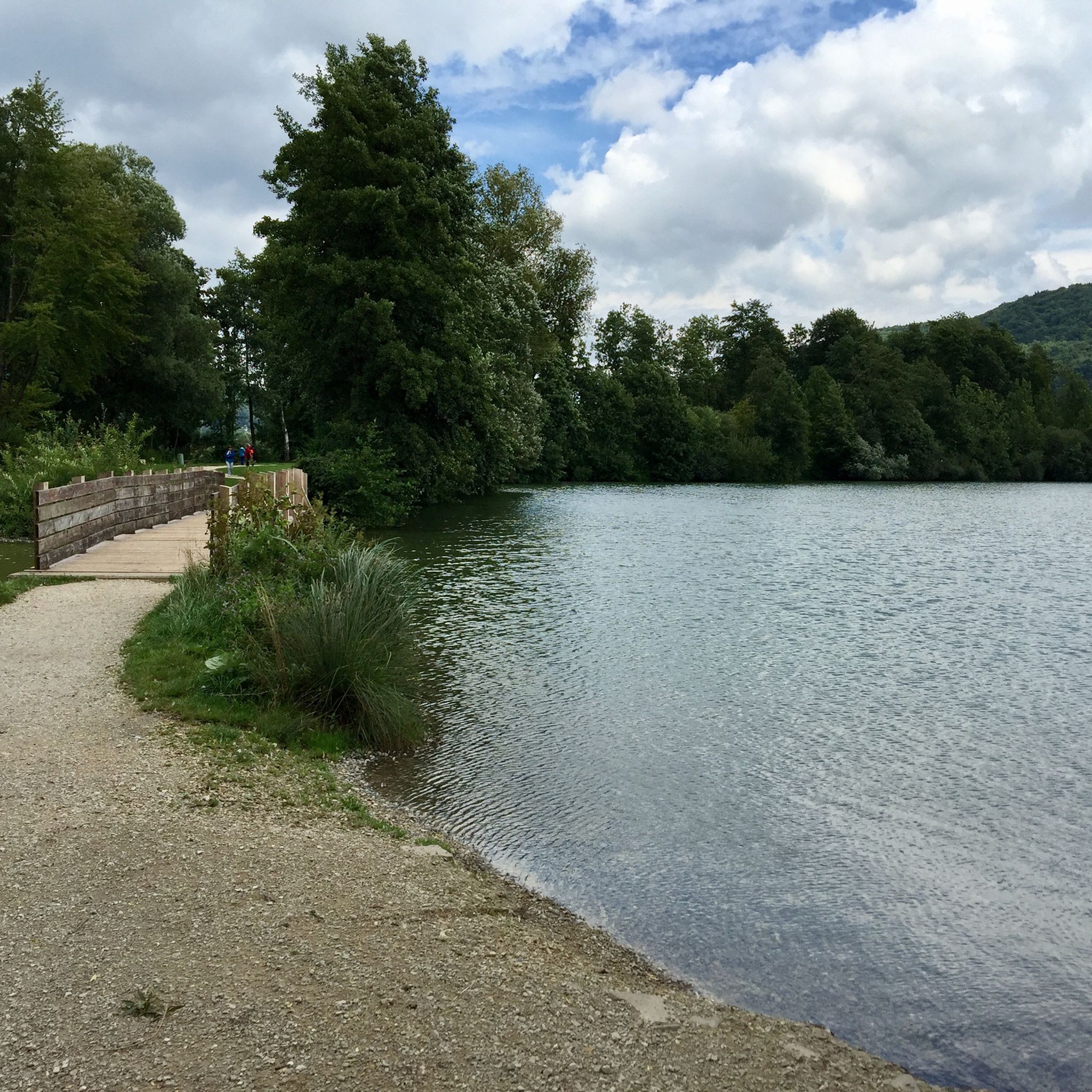
Cycling around Pommelsbrunn
Running Trails around Pommelsbrunn
Other adventures around Pommelsbrunn

Tips from the Community

Very well-maintained property from the outside. From the inside, you don't have to like buildings for this purpose.🤔
9
0

A very charming medieval complex. Today it houses the district court. A landmark of Hersbruck worth seeing!
3
1

This castle is definitely worth a visit if you get the chance.
6
1

In 1391 the castle was pledged to Linhard von Henfenfeld by the Wittelsbach dukes, after which other pledge holders and caretakers appeared. In 1419 it was ceded to the brothers Hans, Eberhart and Wilhelm von Mistelbeck, who had claims against Duke Ludwig of Bavaria-Ingolstadt. The handover did not take place because of the Bavarian War. In the Bavarian War between Duke Ludwig of Bavaria-Ingolstadt and his cousins, the Bavarian Dukes of Landshut and Munich, Lichtenstein Castle was conquered and destroyed in June 1421 by Count Palatine Johann von Neumarkt-Neunburg, who was allied with Ludwig's opponents. In the terrain exploration of the imperial city of Nuremberg from 1503 to 1504, in which all castles and fortifications are listed in relation to the Landshut War of Succession that soon followed, Lichtenstein is described as “an old, traditional castle”. An entry in the Salbuch from 1516 also states that Lichtenstein was only a castle stable. The Sulzbach regional court granted the Mistelbeck brothers their right to compensation in 1421 and again in 1422. The castle ruins fell into disrepair; In 1851 the Bavarian state sold it to Paul Willhelm Freiherr Ebner von Eschenbach. Around 1855, in the spirit of the awakening romanticism of castles, he had the pseudo-ruins built on the upper castle using rising masonry and an English landscape garden set up in the area of the lower castle, which, however, also fell into disrepair.[5] Today there is forest around the castle ruins and it is partly overgrown with bushes. Several hiking trails from Pommelsbrunn and the surrounding area lead to the ruins. The medieval remains of Lichtenstein Castle, especially those of the lower castle, are at great risk of decay. Source: Wikipedia
6
0
It is assumed that a monastery courtyard was built on the site of an old castle. A fortified "tower and seat" is known, about whose construction period nothing is known. As builders, only the monastery vogts are likely candidates: the Counts of Sulzbach in the 11th or early 12th century, the Staufers in the late 12th or early 13th century. After 1504, the Nuremberg lords ordered the demolition. The stones of the tower were used to line the moat. Today, the castle houses the Hersbruck District Court. This is a court of ordinary jurisdiction and one of 73 district courts in Bavaria. The Nuremberg-Fürth Regional Court is subordinate to this, both of which in turn belong to the district of the Nuremberg Higher Regional Court. Source: Wikipedia
5
1

Today there is forest around the castle ruins and it is partly overgrown with bushes. Several hiking trails from Pommelsbrunn and the surrounding area lead to the ruins. In any case, the view is beyond any doubt :)
4
0

Castle with castle square and fountain in Hersbruck. The castle serves as a district court.
5
0

Beautiful, well-preserved castle, which you can walk around just below the walls. You can also visit the inside for a fee of €2.50 for adults. The castle is open from March to November (weather permitting). The castle is open on Sundays and public holidays from 11 a.m. to 5 p.m It is closed on Mondays and Tuesdays.
6
0
Frequently Asked Questions
What kind of views can I expect from the castles around Pommelsbrunn?
Many castles and ruins in the region offer impressive panoramic views. For instance, Lichtenegg Castle Ruins provide magnificent long-distance views, extending as far as the Fichtel Mountains on clear days. Hohenstein Castle, situated at the highest point in the Nuremberg region, also boasts beautiful vistas. Similarly, Lichtenstein castle ruins with viewpoint offer fantastic views of Pommelsbrunn and the surrounding Nuremberg Land.
Are there any family-friendly castles to visit in the area?
Yes, several castles are suitable for families. Lichtenegg Castle Ruins are freely accessible and offer benches and tables for resting, making it a pleasant spot for all ages. Hartenstein Castle also features a beautiful beer garden and good food, which can be enjoyable for families.
Can I go hiking near the castles in Pommelsbrunn?
Absolutely. The region around Pommelsbrunn is excellent for hiking. You can find various routes, from easy to difficult, that often incorporate castle visits. For example, the Burgstall Altes Haus is freely accessible via a hiking trail from Pommelsbrunn. For more hiking options, explore the Hiking around Pommelsbrunn guide, which includes routes like the 'Geißkirchenweg (Goat Church Path)'.
What historical insights do the castles offer?
The castles provide a glimpse into centuries of regional history. Lichtenegg Castle Ruins, first documented over 700 years ago, showcases unearthed artifacts in display cases. Rothenberg Fortress, built between 1729 and 1750, is an impressive example of historical engineering with casemates up to 10 meters high and outer walls up to 16 meters thick. The Burgstall Altes Haus, though only ground traces remain, offers insight into early medieval defensive structures.
Are there guided tours available for any of the castles?
Yes, guided tours are available for Rothenberg Fortress during the summer months. These tours offer deeper insights into its history and construction. It's worth noting that the fortress is closed in winter for bat protection.
What are the accessibility considerations for visiting these castles?
Visiting Hohenstein Castle requires some mobility due to the terrain. However, Lichtenegg Castle Ruins and Burgstall Altes Haus are freely accessible, with the latter reachable via a hiking trail. It's advisable to check specific conditions if you have mobility concerns.
Can I bring my dog to the castle trails?
Many outdoor trails in the region are dog-friendly. For example, the Lichtenstein castle ruins with viewpoint are listed as dog-friendly. Always ensure your dog is on a leash and you clean up after them to respect other visitors and wildlife.
Are there places to eat or drink near the castles?
Yes, you'll find options for refreshments. Near Hohenstein Castle, local restaurants are famous for their large, cream-filled cream puffs. Hartenstein Castle also has a pub and restaurant with a beautiful beer garden. Additionally, near Lichtenegg Castle Ruins, there's an inn, the Alter Schloss-Wirt Lichtenegg, offering regional specialties.
What is the best time of year to visit the castles around Pommelsbrunn?
The warmer months, from spring to autumn, are generally ideal for visiting, as the weather is pleasant for exploring and hiking. Guided tours at Rothenberg Fortress are only available during the summer. While some ruins like Lichtenegg are accessible year-round, winter conditions might limit access or views, though the area near Hohenstein Castle offers a ski lift and toboggan run when there's snow.
What other outdoor activities can I do near the castles?
Beyond hiking, the region offers opportunities for cycling and gravel biking. You can find various routes that pass by or near these historical sites. Check out the Gravel biking around Pommelsbrunn guide and the Cycling around Pommelsbrunn guide for detailed routes and options.
Are there any hidden or lesser-known castle sites worth exploring?
The Burgstall Altes Haus, located south of Pommelsbrunn, is a site of a presumably high medieval noble castle. While only minimal ground traces remain, the castle rock serves as a viewpoint. It's covered by dense forest, offering a more archaeological and natural exploration for those interested in less-preserved historical sites.
What makes <a href="https://www.komoot.com/highlight/202259" target="_blank" rel="noopener">Rothenberg Fortress</a> unique?
Rothenberg Fortress is notable for its impressive scale and engineering. Constructed between 1729 and 1750, it features casemates up to 10 meters high and outer walls up to 16 meters thick. Its water supply was managed by the 'Schneckenbrunnen' outside the main complex, showcasing advanced historical construction techniques.
Is there a castle that offers a unique natural setting?
The Burgstall Altes Haus, while a castle site, is now largely covered by dense forest. It offers a unique blend of historical remains and natural immersion, with only some ramparts and a ditch preserved, making it an interesting spot for those who appreciate archaeological sites within a natural landscape.
Most popular routes around Pommelsbrunn
Most popular attractions around Pommelsbrunn

Get inspired with the komoot mobile app


Explore more
Looking for the best castles somewhere else? Discover other guides around Pommelsbrunn:
