Top 20 Castles around Lahnstein
Best castles around Lahnstein are situated at the confluence of the Rhine and Lahn rivers, a region known for its historical significance and scenic landscapes. This area features a collection of medieval castles and fortifications that reflect centuries of German history and architectural development. The geographic location provided strategic advantages, leading to the construction of numerous defensive structures. Visitors can explore these historical sites set against a backdrop of river valleys and hills.
Best castles around Lahnstein
- The most popular…
Last updated: October 10, 2026
Translated by Google •
Tip by

View of Marksburg Castle from the Rhine riverside path
Highlight • Viewpoint
Translated by Google •
Tip by

Sign up now to discover places like this
Get recommendations on the best single tracks, peaks, & plenty of other exciting outdoor places.
View of Stolzenfels Castle
Highlight • Viewpoint
Translated by Google •
Tip by

Marksburg
Highlight • Castle
It is worth taking a guided tour. To our knowledge, also possible with a dog (at …
Showing Translation
Tip by

Niederburg Castle Ruins (Kobern-Gondorf)
Highlight • Castle
Translated by Google •
Tip by

Sign up for free to discover even more castles around Lahnstein.
Already have an account?
Start today with a free account
Your next adventure awaits.
Popular around Lahnstein
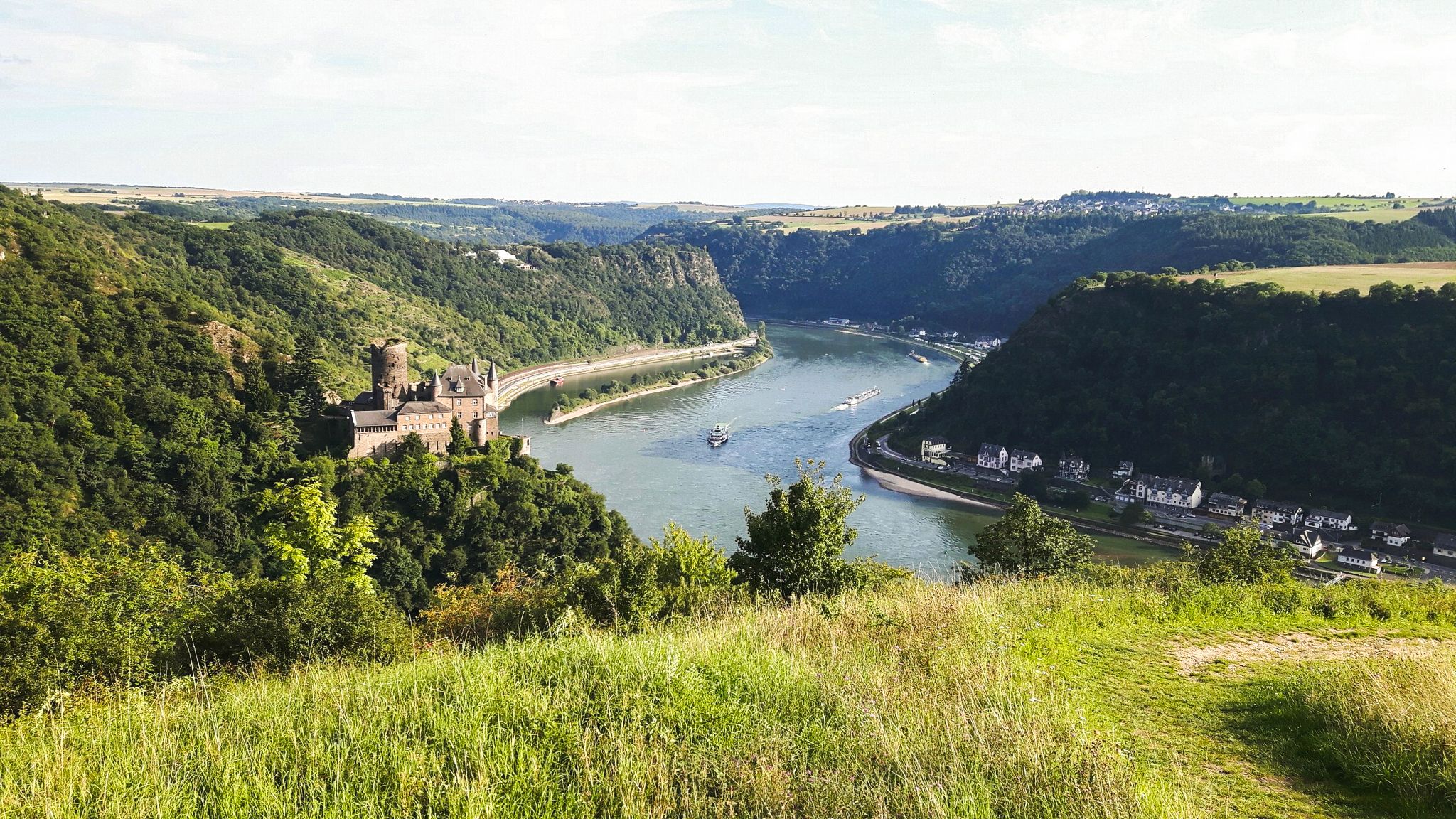
Rheinsteig Trail – The 21 stages along the Rhine
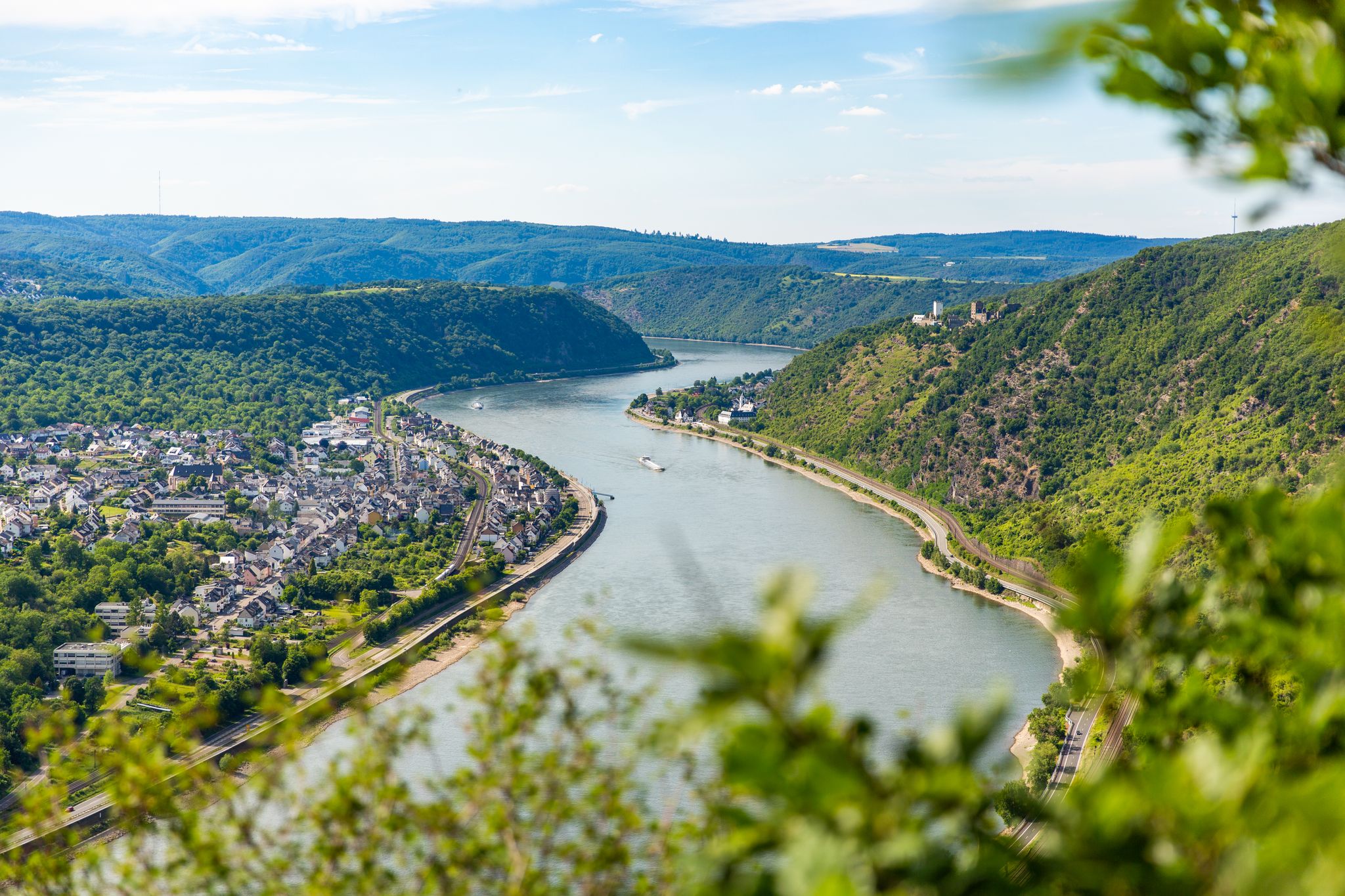
Up and down along the Rhine – adventure on the Rheinsteig
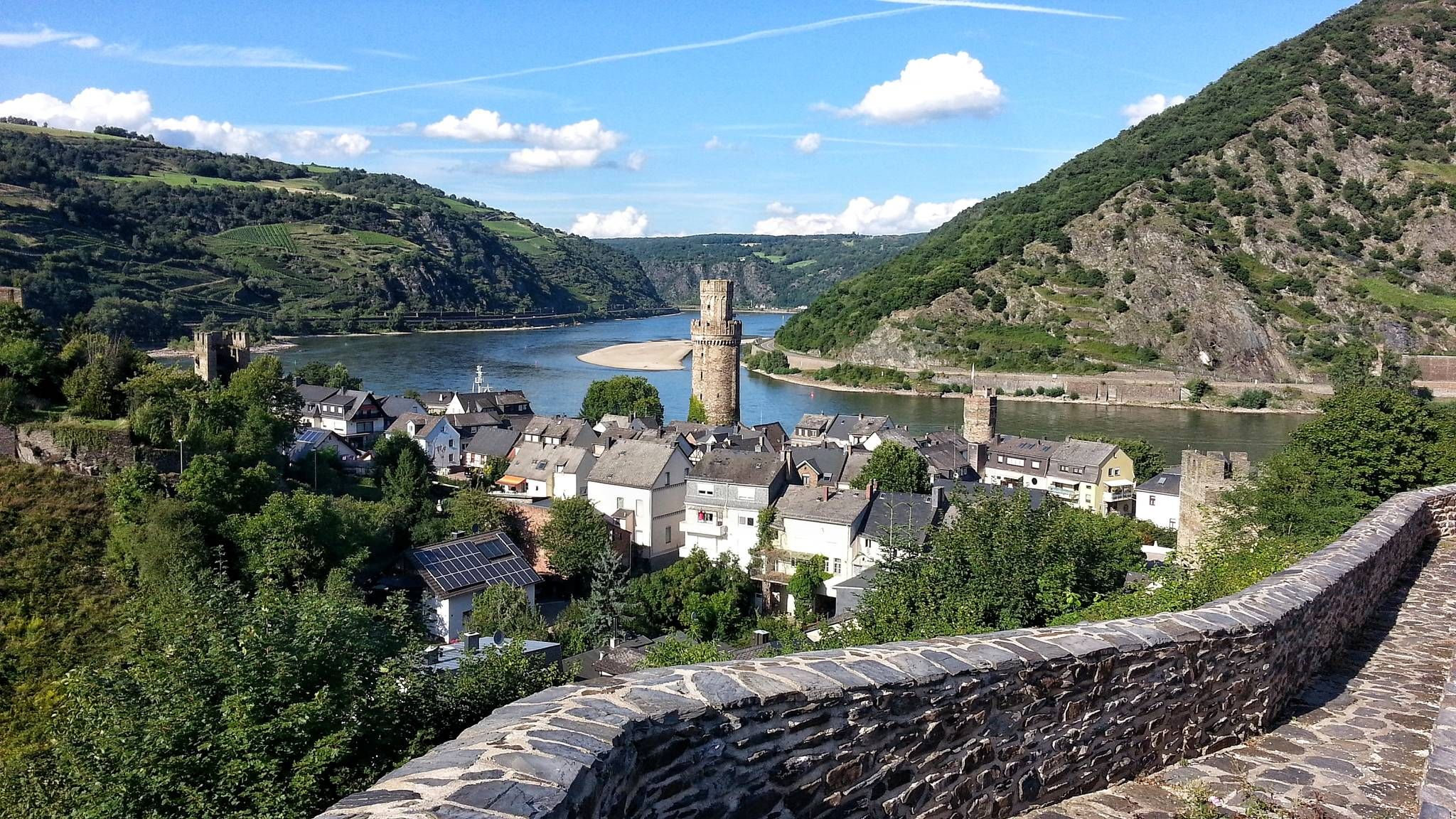
The enchanting Rhine – Day hikes in the Upper Middle Rhine Valley
Hiking around Lahnstein
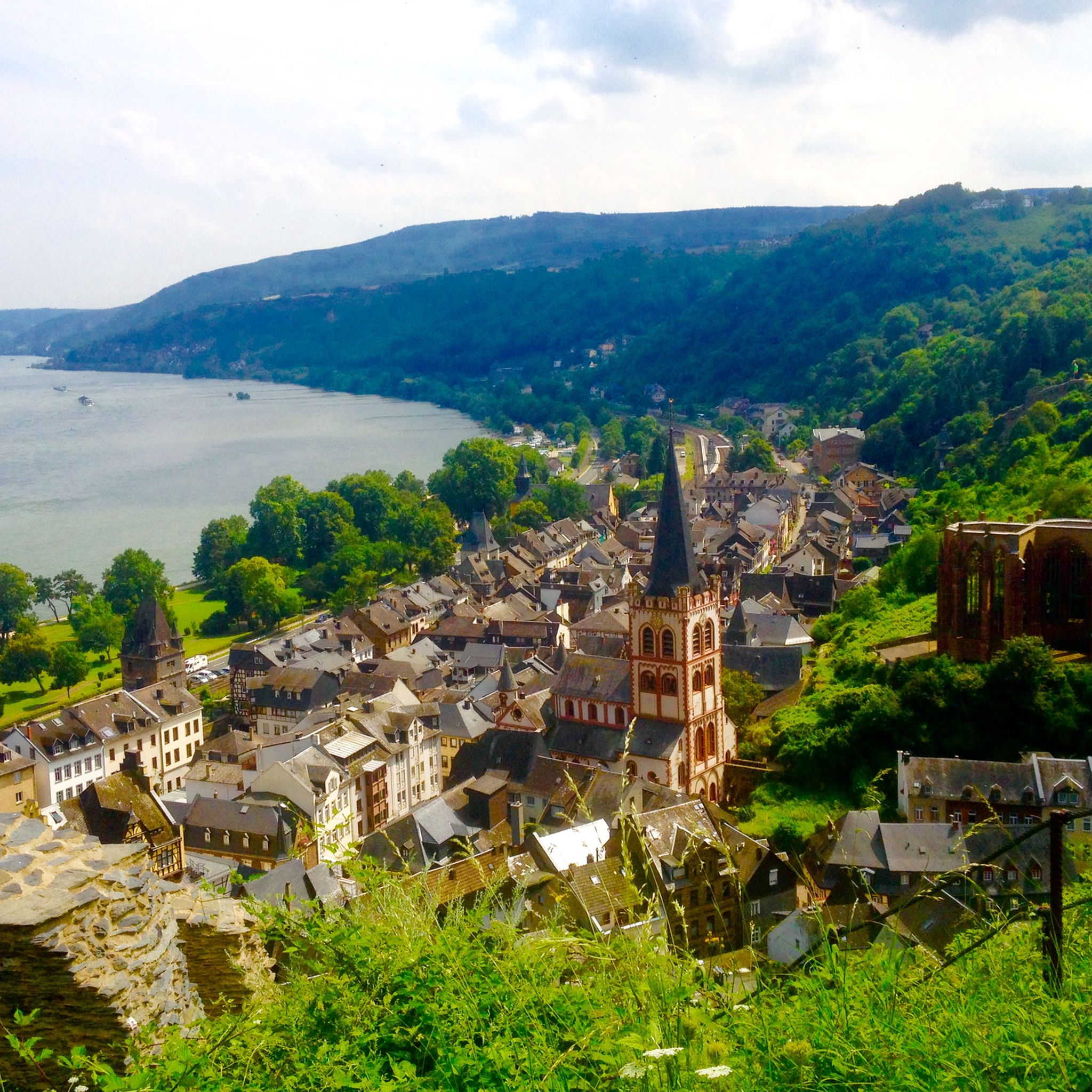
Cycling around Lahnstein
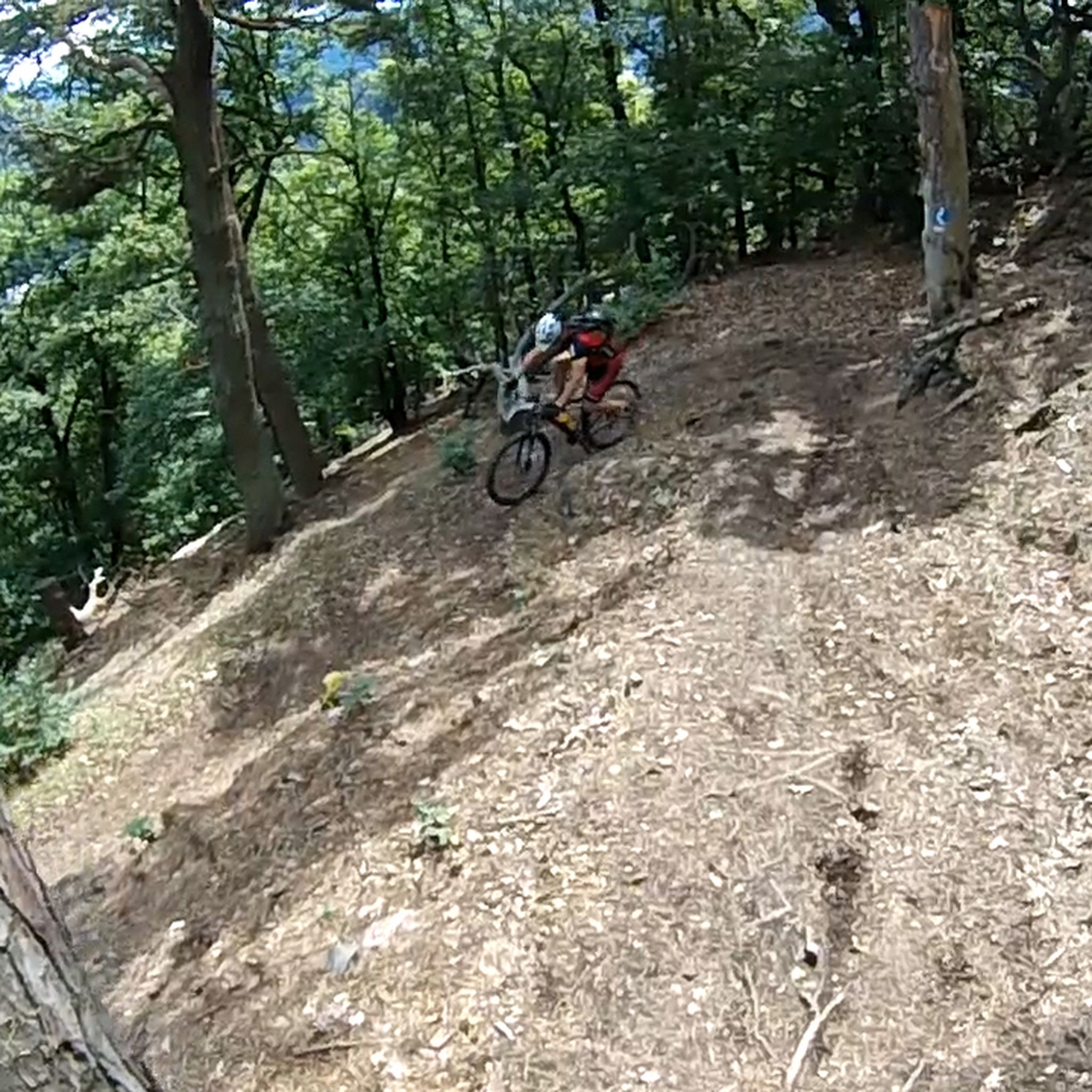
MTB Trails around Lahnstein
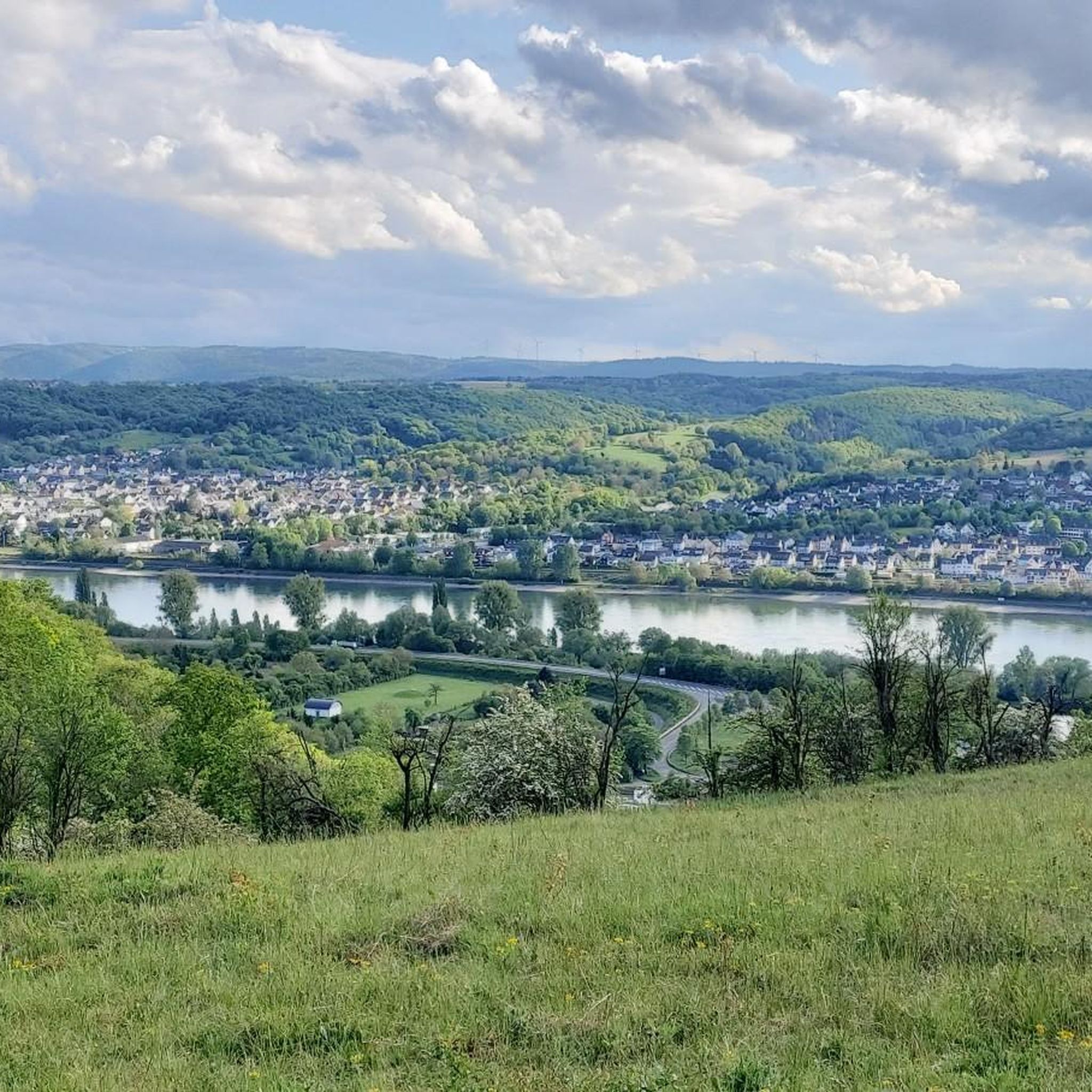
Running Trails around Lahnstein
Road Cycling Routes around Lahnstein
Gravel biking around Lahnstein

Mountain Hikes around Lahnstein
Other adventures around Lahnstein


Tips from the Community

The value and significance of the Marksburg lie primarily in its complete preservation as a medieval fortification. For many visitors it is the epitome of a medieval castle. Its exposed location on a rocky cone 90 meters above the town of Braubach contributes to this. The imposing fortress with buildings mainly from the 13th to 15th centuries is staggered with a keep, several buildings, kennels and bastions. The typical interior rooms such as the castle kitchen, knights' hall, bower, chapel, armory, wine cellar, battlements and tower rooms are particularly worth seeing. They provide insights into medieval life.
13
0

The Lahn rises at the Lahntopf near Lahnhof in the southeastern Rothaar Mountains at an altitude of 625 m and flows into the Rhine in Lahnstein at an altitude of about 69 m at Rhine kilometer 585.7. The right or eastern tributary of the Rhine has a length of 245.6 km.
1
0

The castle was built at the beginning of the 12th century on Celtic fortifications. It was first mentioned in 1195, when the then lord of the castle granted it as a fief to the Archbishop of Trier. The castle is visible from afar.
4
0

Stolzenfels Castle is a feast for the eyes.
1
0

A visit to this new palace and its gardens is also well worth it.
1
0
The castle ruins are worth seeing, but the town centre is also worth seeing.
2
0

Built as Stolzenfels Castle by Trier Archbishop Arnold von Isenburg, it was used to collect the Rhine toll until 1412. In 1689 the French destroyed the castle during the War of the Palatinate Succession. After Napoleon's defeat, the complex became the property of the city of Koblenz. In 1823 the city finally donated the ruins to the Prussian Crown Prince Friedrich Wilhelm. After 1919, Stolzenfels Castle became the property of the Prussian Administration of State Palaces and Gardens. Today it belongs to the state of Rhineland-Palatinate.
6
0

Taking a tour along the Middle Rhine is really wonderful!
1
0
Frequently Asked Questions
What are the most historically significant castles to visit in the Lahnstein area?
The Lahnstein region is rich in history. Two prominent castles are Marksburg and Martinsburg. Marksburg is unique as the only medieval hilltop castle on the Middle Rhine that has never been destroyed, offering a preserved glimpse into 12th-century life. Martinsburg, also known as Schloss Martinsburg, was built in 1298 as a customs castle and showcases a blend of medieval and Baroque architecture, having never been destroyed either.
Are there any castles in Lahnstein that offer guided tours?
Yes, Marksburg offers guided tours, which are highly recommended by visitors to fully appreciate its history and architecture. Burg Lahneck also provides guided tours, typically lasting about 40 minutes, allowing exploration of its interior, chapel, and knight's hall.
Which castles in the Lahnstein area are family-friendly?
Several castles and viewpoints are considered family-friendly. Marksburg is a great option, and its tours are often suitable for families. Additionally, viewpoints like View of Marksburg Castle from the Rhine riverside path and View of Stolzenfels Castle offer accessible spots for families to enjoy the scenic views of the castles without extensive hiking.
Can I bring my dog to the castles or on nearby trails?
According to visitor tips, Marksburg has historically allowed dogs on tours, though it's always best to confirm current policies before visiting. Many of the hiking trails in the region, such as those connected to Burg Lahneck (Rheinsteig, Rheinhöhenweg, Lahnhöhenweg), are generally dog-friendly, allowing you to explore the natural beauty with your pet.
What kind of views can I expect from the castles in Lahnstein?
The castles in Lahnstein offer breathtaking panoramic views. From Burg Lahneck, you can see the confluence of the Lahn and Rhine rivers, including Schloss Stolzenfels across the Rhine. View of Marksburg Castle from the Rhine riverside path provides a stunning perspective of Marksburg towering over the river. Even from the Niederburg Castle Ruins, you get a magnificent view of the Moselle Valley.
What outdoor activities are available near the castles around Lahnstein?
The Lahnstein area is excellent for outdoor enthusiasts. You can find numerous cycling and hiking routes. For road cycling, explore options like the 'Lahn cycle path – Bad Ems Spa Town loop' or the 'Insel Oberau Lock – View of Lahneck Castle loop'. If you prefer mountain hikes, consider the 'Rupperts Gorge – Lahnblick Viewpoint loop'. For more general cycling, routes like 'View of Marksburg Castle – View of Stolzenfels Castle loop' are available. You can find detailed routes in the Road Cycling Routes around Lahnstein, Mountain Hikes around Lahnstein, and Cycling around Lahnstein guides.
When is the best time of year to visit the castles in Lahnstein?
The castles in Lahnstein are generally enjoyable from spring through autumn. Burg Lahneck is open to the public from April through November. The autumn months can be particularly scenic, with vibrant foliage enhancing the views of the castles and river valleys. Always check specific castle opening times before planning your visit.
Are there any castle ruins to explore in the Lahnstein region?
Yes, the Niederburg Castle Ruins (Kobern-Gondorf) offer a fascinating historical site to explore. While not directly in Lahnstein, they are a notable ruin in the broader region, providing a glimpse into past fortifications and offering great views of the Moselle Valley. Be prepared for an uphill walk to reach them.
What makes Marksburg Castle a unique attraction?
Marksburg is exceptional because it is the only medieval hilltop castle on the Middle Rhine that has never been destroyed. This means its original 12th-century structure and subsequent additions have been preserved, offering an authentic experience of a medieval fortress. It is also part of the UNESCO World Heritage Upper Middle Rhine Valley.
What is the significance of Martinsburg Castle in Lahnstein?
Martinsburg, also known as Schloss Martinsburg, is a UNESCO World Heritage Site with a rich history. Built in 1298, it served as a crucial customs castle for the Archbishops of Mainz, strategically controlling trade on the Rhine. Its continuous architectural evolution, from medieval defensive structures to Baroque additions, showcases centuries of history without ever being destroyed, making it a unique historical landmark.
Are there easy walks or accessible options for visiting castles in Lahnstein?
While some castles involve uphill climbs, you can enjoy easy walks and accessible views. The View of Marksburg Castle from the Rhine riverside path offers a gentle riverside path with stunning views of Marksburg. Similarly, the View of Stolzenfels Castle provides an accessible viewpoint to admire the castle from a distance.
Most popular routes around Lahnstein
Most popular attractions around Lahnstein

Get inspired with the komoot mobile app


Explore more
Looking for the best castles somewhere else? Discover other guides around Lahnstein:
