Attractions and Places To See around Konz - Top 20
Best attractions and places to see around Konz are shaped by its location at the confluence of the Saar and Moselle rivers. This region features a landscape characterized by river valleys, vineyards, and green forests. Konz holds historical significance with Roman-era landmarks and offers a variety of cultural sites and natural features for exploration. The area provides opportunities to explore ancient history, cultural heritage, and outdoor activities.
Best attractions and places to see around Konz
- The most popular attractions is Porta Nigra, a historical site that is the best-preserved Roman city gate north of the Alps. It has been a UNESCO World Heritage Site since 1986 and is a landmark of Trier.
- Another must-see spot is Genoveva Cave, a large, open cave. This site offers insights into two million years of earth development and history.
- Visitors also love View of Saarburg and Saarburg Castle, a viewpoint offering excellent views of the castle ruins and the St. Laurentius Church. The castle ruins are a notable historical site in the nearby town of Saarburg.
- Konz is known for historical sites, natural features, and cultural attractions. Visitors can explore Roman heritage, river landscapes, and open-air museums.
- The attractions around Konz are appreciated by the komoot community, with more than 3300 upvotes and over 1000 photos shared by visitors.
Last updated: October 9, 2026
View of Saarburg and Saarburg Castle
Highlight • Viewpoint
Translated by Google •
Tip by

Confluence of the Saar and Moselle
Highlight • River
Translated by Google •
Tip by

Sign up now to discover places like this
Get recommendations on the best single tracks, peaks, & plenty of other exciting outdoor places.
Porta Nigra
Highlight • Historical Site
Showing Translation
Tip by

Trier Main Market
Highlight • Historical Site
Showing Translation
Tip by

Genoveva Cave
Highlight • Cave
Translated by Google •
Tip by

Sign up for free to discover even more attractions around Konz.
Already have an account?
Start today with a free account
Your next adventure awaits.
Popular around Konz
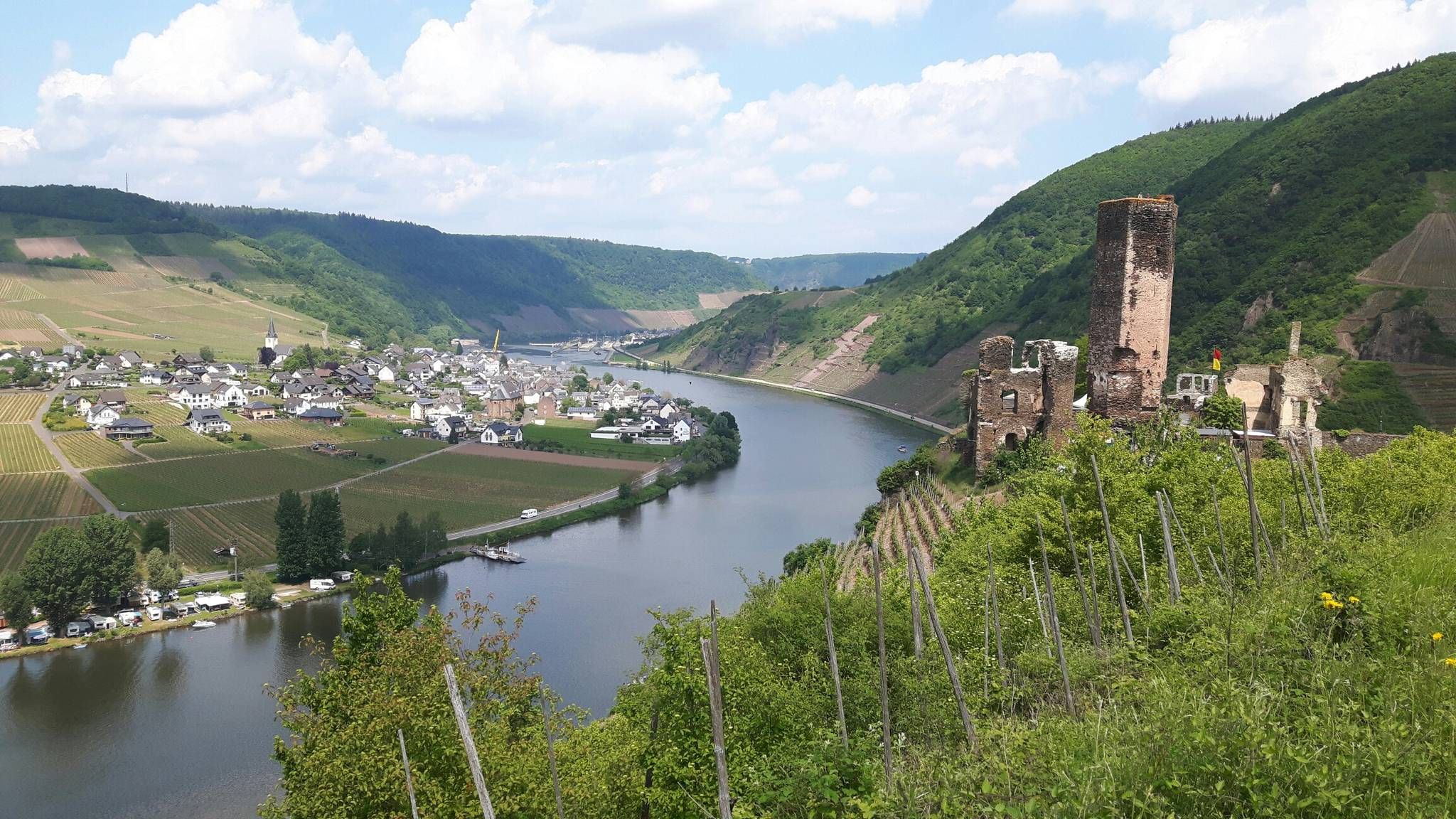
The Moselsteig trail – 24 stages along the sunny Moselle Valley
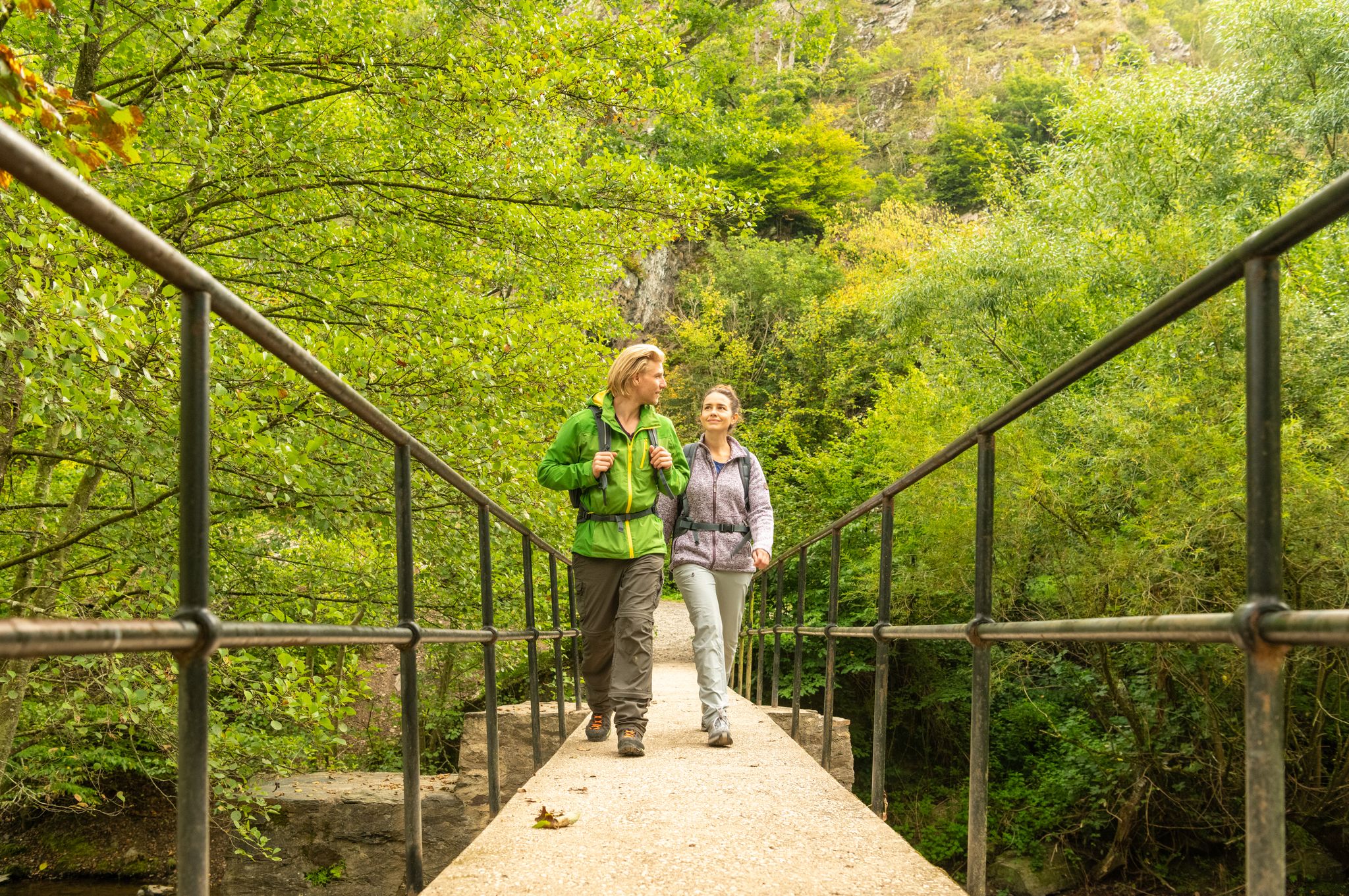
Moselsteig Partner Trails – nature, culture and views
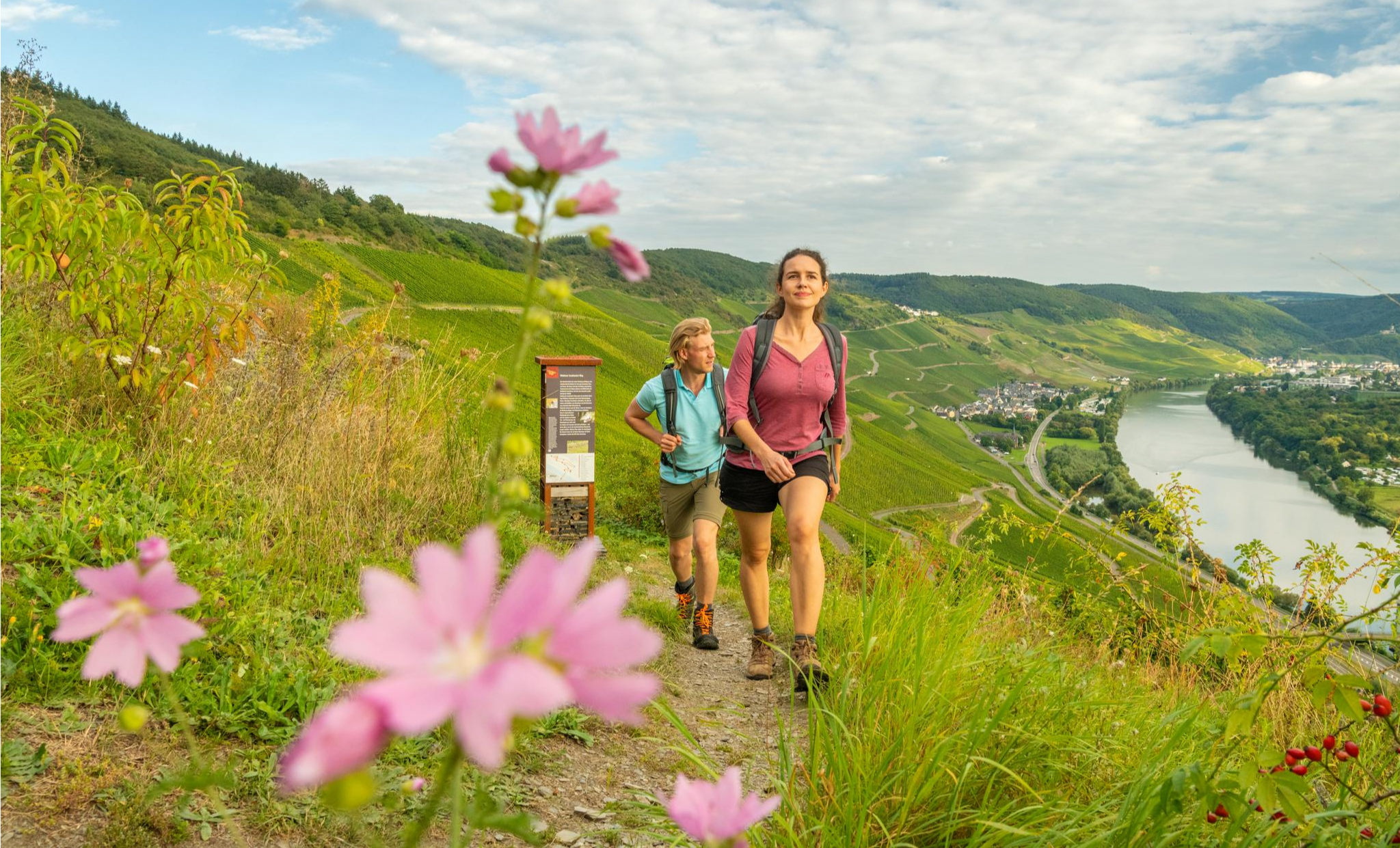
Moselsteig – 24 varied stages from Perl to Koblenz
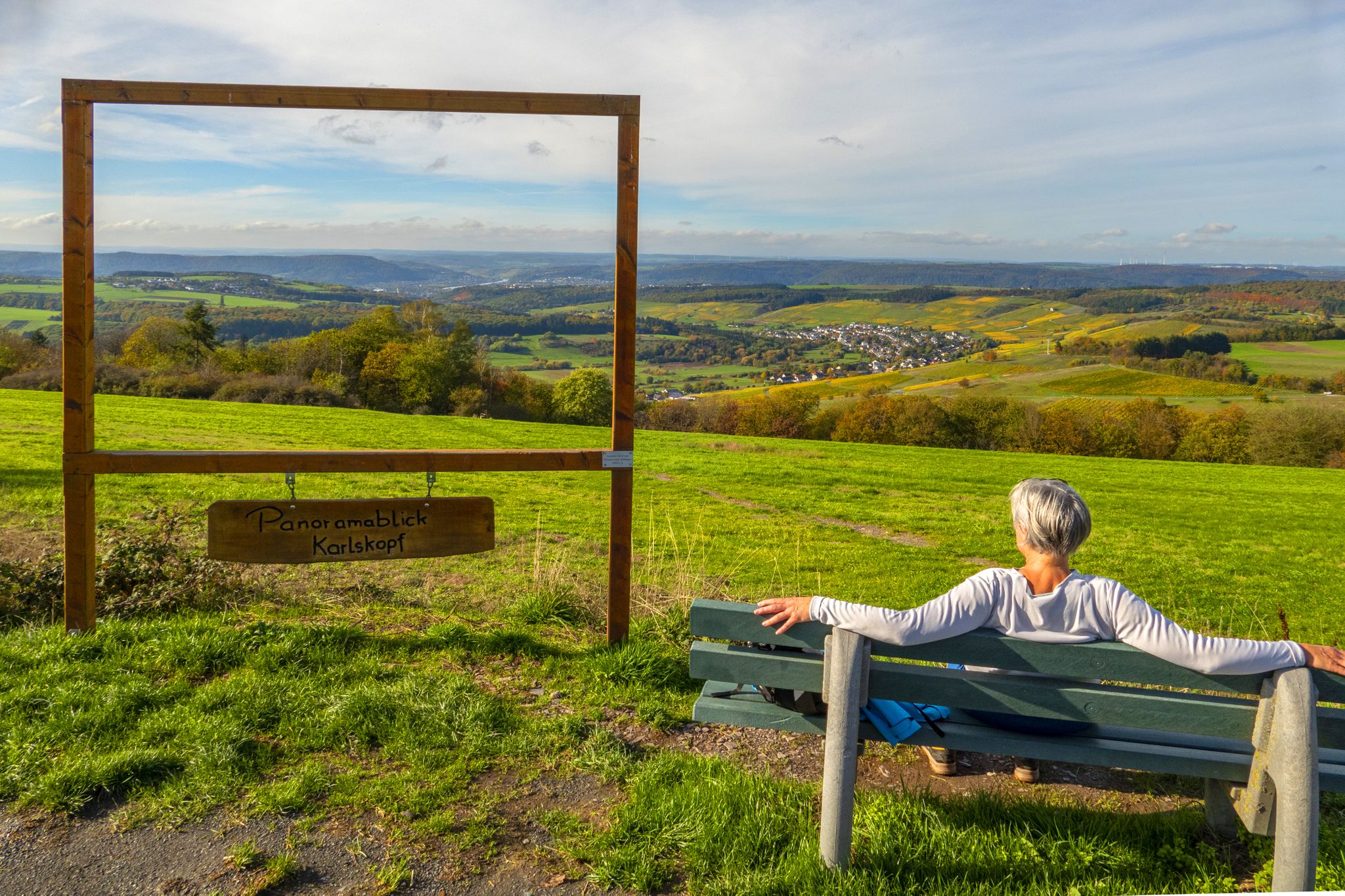
Moselsteig und Seitensprünge in der Urlaubsregion Saar-Obermosel
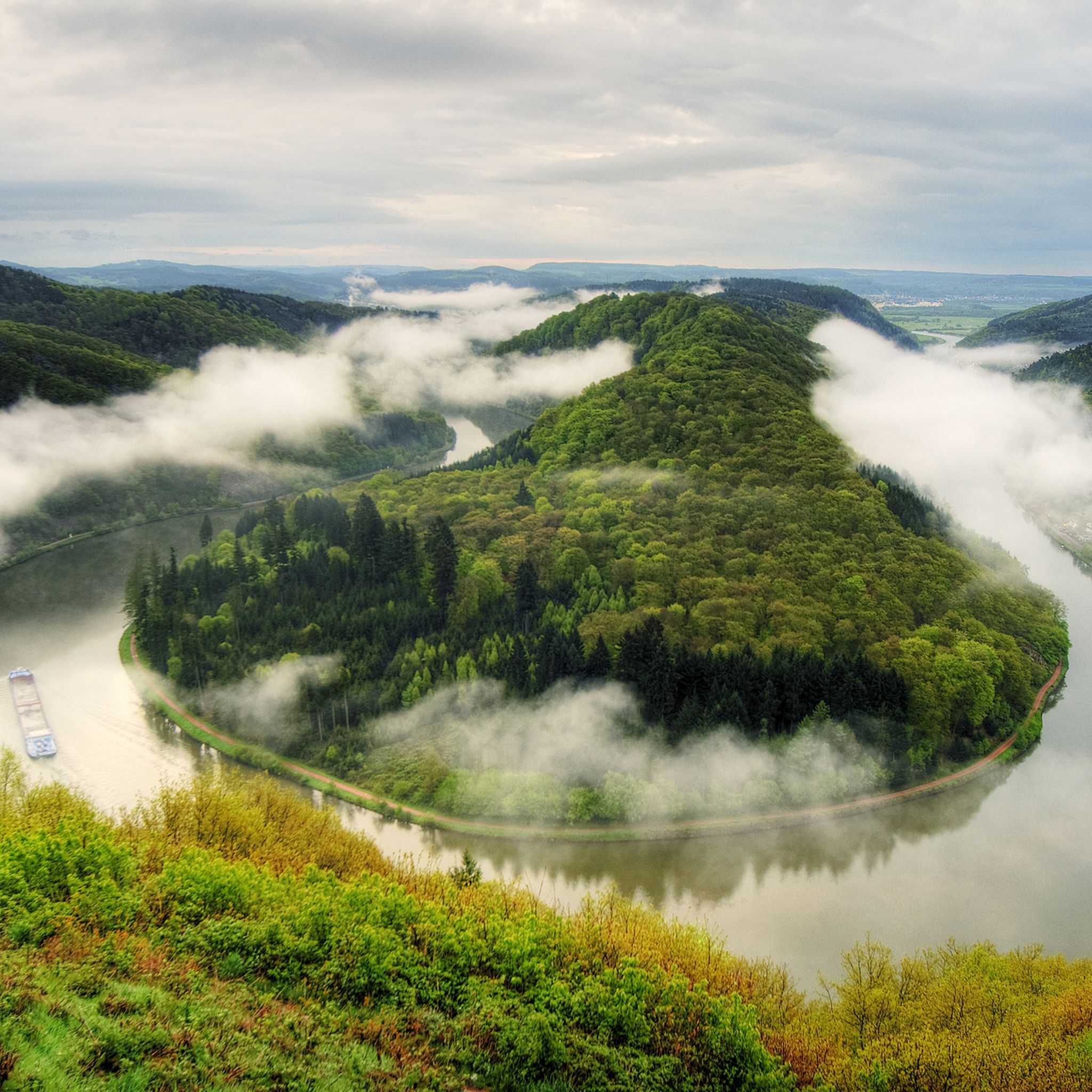
Cycling around Konz
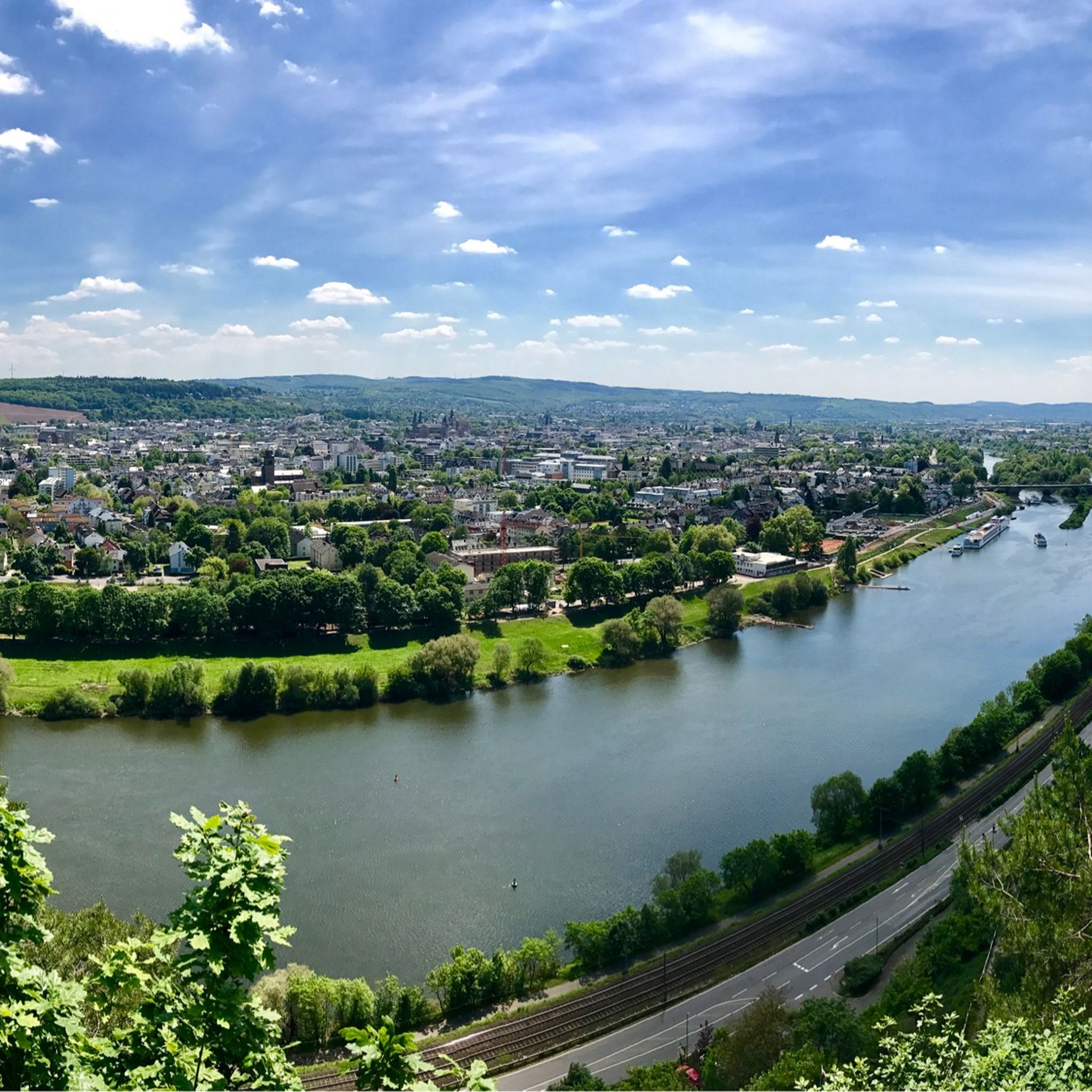
Hiking around Konz
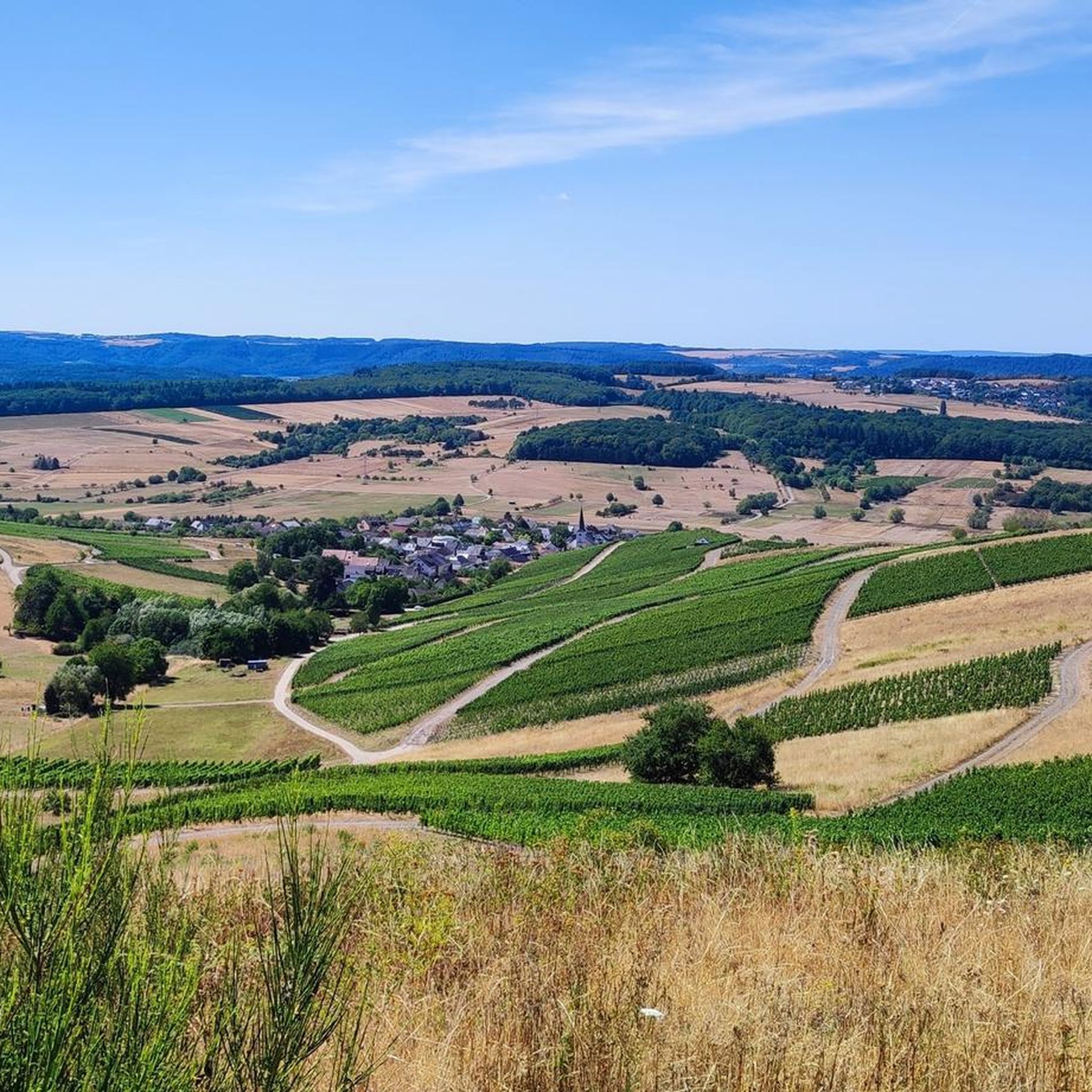
Road Cycling Routes around Konz
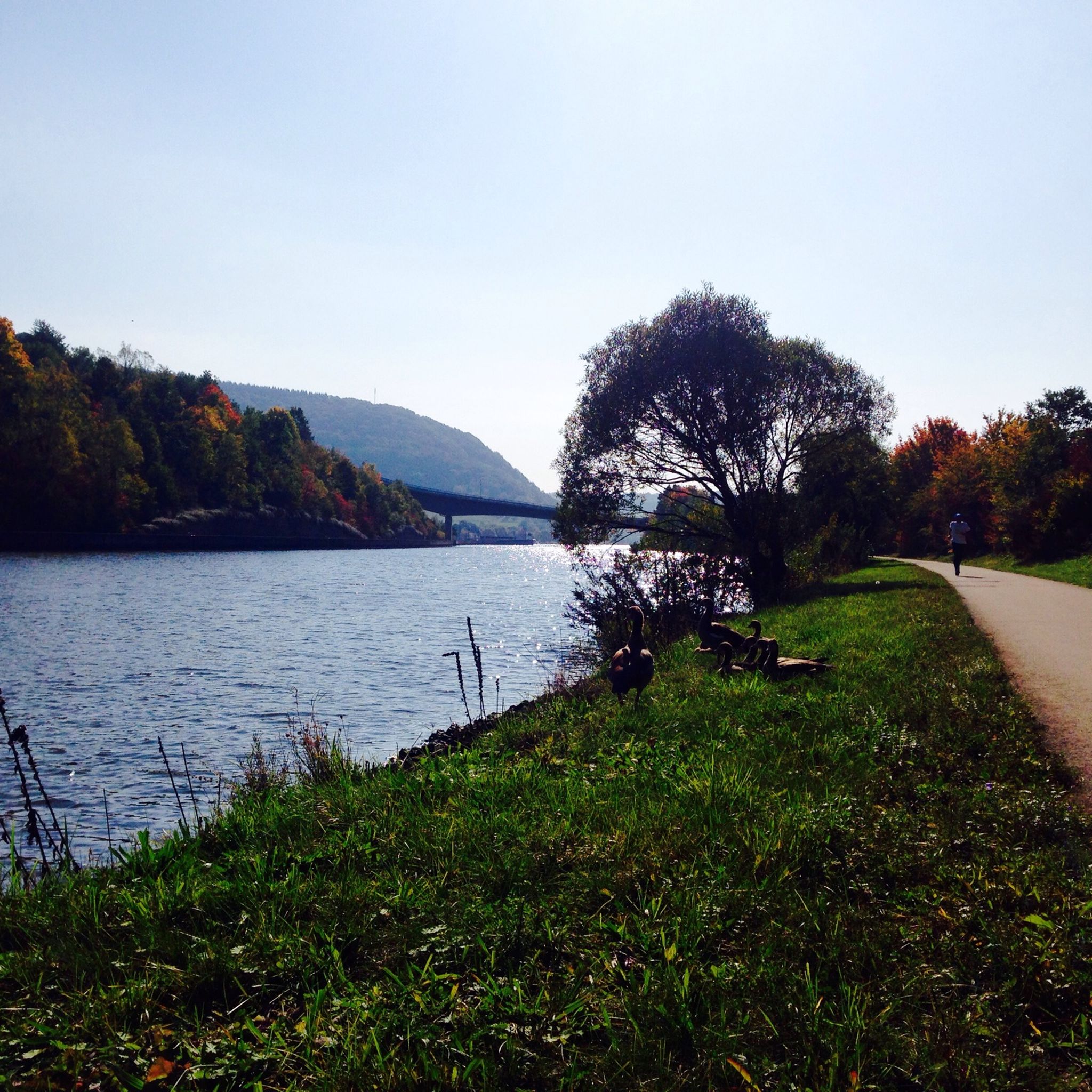
MTB Trails around Konz
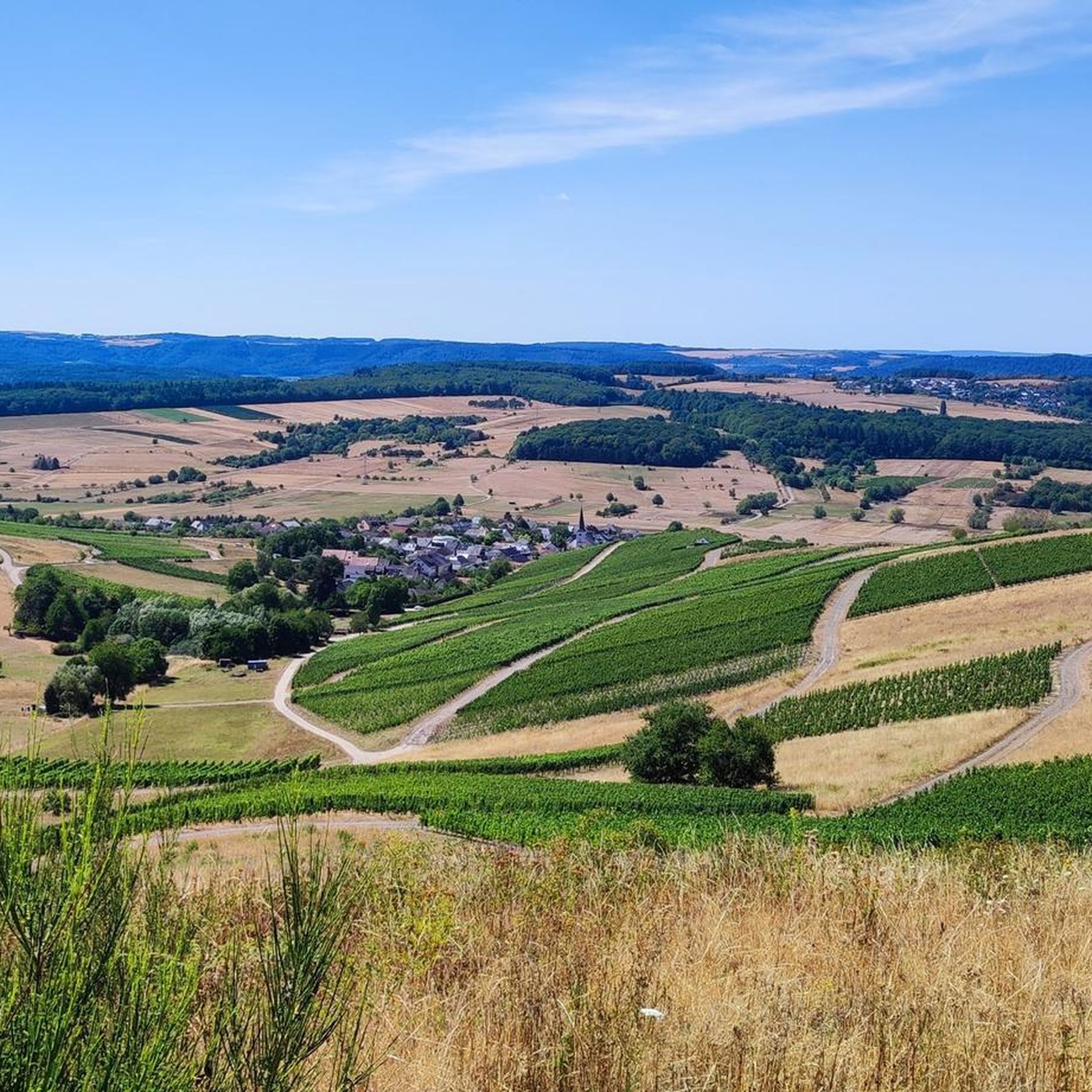
Running Trails around Konz
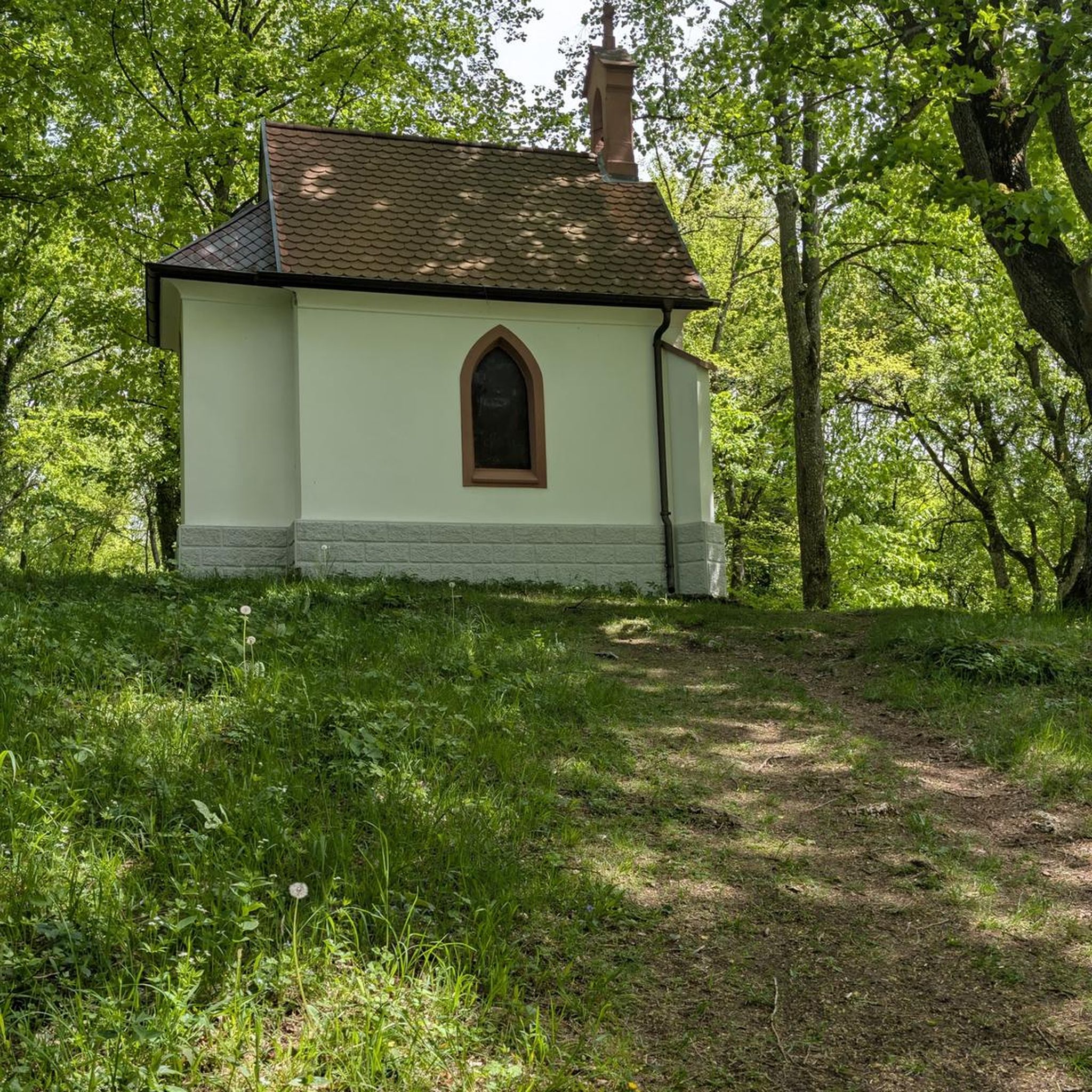
Gravel biking around Konz
Other adventures around Konz


Tips from the Community

The Porta Nigra was built almost 2,000 years ago as a Roman city gate and has survived the centuries almost unscathed. It was built from 7,200 stone blocks and is 29 meters high. Used as a church in the Middle Ages, it has regained its function as a city gate after 800 years. Today, the black gate, as its name translates, is part of the UNESCO World Heritage and is a landmark of Trier. https://www.urlaub-in-rheinland-pfalz.de/urlaub/766/Porta_Nigra/index.htm
23
2

The Porta Nigra (Latin for "Black Gate"; formerly also Porta Martis and Römertor) is a former Roman city gate built from 170 AD on Porta Nigra Square and is a symbol of the city of Trier. The name Porta Nigra comes from the Middle Ages. The inhabitants of Trier usually only call the gate "Porta". The Porta Nigra has been part of the UNESCO World Heritage in Trier since 1986. Furthermore, it is a protected cultural asset under the Hague Convention. The Porta Nigra is the best preserved Roman city gate in Germany.
26
2
Where the Saar and Moselle meet The Moselle and Saar originate in France and meet in Konz after a long journey through varied landscapes. The two rivers give our holiday region its name and have shaped a unique landscape. At the mouth of the Saar there is a triangular sculpture as a place of peace and meditation. You can sit in the stone, shielded from external influences. It is quieter in the stone and the sound of the water is amplified.
15
0

Here the Saar flows into the Moselle and forms a small German Corner. There is a pyramid-shaped stone here as a monument to Kaiser Wilhelm.
12
0

With a length of 235 kilometers, the Saar is the longest tributary of the Moselle. more: https://de.wikipedia.org/wiki/Saar#:~:text=Mit%20235%20Kilometern%20Flie%C3%9Fstrecke%20ist,mit%202.569%2C69%20km%C2%B2%20Fl%C3%A4che.
8
0
The main market of Trier is the central and one of the largest squares in the city. It is located in the historic city center directly in front of the cathedral city in today's Mitte/Gartenfeld district. The most important urban commercial streets come together here. In 958, Archbishop Henry I equipped the main market with the market cross as a symbol of sovereignty. The main market was a place for selling goods and trading in the medieval city.
17
0

The Porta Nigra, Trier's landmark, is the best preserved Roman city gate north of the Alps and is a UNESCO World Heritage Site. The city gate now serves as the central information center on the Roman city, which is shown there in an impressive model. Multimedia guides bring the history of the Porta Nigra to life from its beginnings in antiquity to its use as a church complex. Alternatively, the content of the multimedia guide can be accessed on site free of charge using your own smartphone. Visitors to the Porta Nigra experience a new generation of digital guidance. A multimedia installation illustrates how the ancient city gate could become a place of veneration of saints in the Middle Ages. The city gate was built from approx. 7200 stone blocks around 170 AD, and thanks to the massive construction it has been preserved to this day. With the end of the Roman Empire and the change of time, the city gate was used in a variety of ways. In the 11th century, the building served as a dwelling for the monk Simeon, who lived as a hermit. With his death, the city gate was converted into a church complex - another reason why it has been preserved to this day. The following centuries were marked by renovation and maintenance measures. Under Napoleon's rule, the church was dissolved in 1803 and a restoration of the ancient design was ordered. Even today, measures for the renovation and maintenance of the Porta Nigra are taking place.
29
3

Ideal place to have a picnic and enjoy the view. Think about the fact that the Saar is the longest tributary of the Moselle with over 230 km and flows through this into the Rhine into the North Sea👍
11
0
Frequently Asked Questions
What natural features can I explore around Konz?
Konz is uniquely situated at the confluence of the Saar and Moselle rivers, offering picturesque landscapes. You can visit the Confluence of the Saar and Moselle, a peaceful spot with scenic views. The Konzer Valley, surrounded by vineyards, is also ideal for cycling and hiking. The region's rivers are lined with popular routes like the Saar Cycle Path and Moselle Cycle Path.
Are there any Roman historical sites to visit near Konz?
Yes, Konz has a rich Roman past. You can see the remnants of a Late Roman Imperial Palace, which was once an emperor's summer residence. Just 8 km away in Trier, you'll find significant Roman heritage, including the Porta Nigra, a UNESCO World Heritage Site and the best-preserved Roman city gate north of the Alps. Other Roman sites in Trier include the Amphitheater and Kaiserthermen, and the Roman temple complex in Tawern.
What cultural attractions are available in Konz?
Konz offers several cultural sites. The Roscheider Hof Open-Air Museum is one of the largest ethnological museums in the SaarLorLux Region, showcasing traditional farms and regional folklore. You can also visit the West Wall Museum "Villa Feller" for military history, the Monastery of St. Bruno, or the historic Oil Mill Konz-Niedermennig for a glimpse into past industries.
What outdoor activities can I do near Konz's attractions?
The area around Konz is excellent for outdoor activities, especially hiking and cycling. You can find numerous trails suitable for all experience levels, including sections of the Moselsteig trail and the Saar-Mosel cycle path. Kayaking on the Saar River is also an option. For specific routes, you can explore options like easy hikes around Konz, running trails, or cycling routes.
Are there family-friendly attractions around Konz?
Many attractions in and around Konz are suitable for families. The Confluence of the Saar and Moselle offers open meadows for relaxation. The Porta Nigra and Trier Main Market are engaging for all ages, and the Genoveva Cave provides a short, interesting hike through geological history. The Roscheider Hof Open-Air Museum is also a great family outing.
What are some popular day trip destinations from Konz?
Konz is an ideal base for exploring nearby towns. Trier, just 8 km away, is a must-visit for its extensive Roman heritage, including the Porta Nigra, Cathedral, and Hauptmarkt. Saarburg, about 10 km from Konz, is known for its picturesque waterfall and Saarburg Castle, offering excellent views from spots like the View of Saarburg and Saarburg Castle.
What are the best viewpoints near Konz?
For stunning views, visit the Confluence of the Saar and Moselle, where you can see the two rivers meet. Another excellent spot is the View of Saarburg and Saarburg Castle, which offers panoramic vistas of the castle ruins and St. Laurentius Church in Saarburg.
Are there any wheelchair-accessible attractions in Konz or nearby?
Yes, some attractions are wheelchair accessible. In Trier, the Porta Nigra and the Trier Main Market are noted for their accessibility, allowing visitors to experience these historical sites comfortably.
What is the best time to visit Konz for outdoor activities?
The spring and autumn months generally offer pleasant weather for hiking and cycling along the rivers and through the Konzer Valley. The vineyards are particularly beautiful during these seasons. Summer is also popular, though it can be warmer, while winter offers a different charm, especially if visiting the Christmas Market in nearby Trier.
What do visitors enjoy most about the attractions around Konz?
Visitors frequently appreciate the blend of historical significance and natural beauty. The Roman heritage, particularly in nearby Trier, is a major draw. The scenic river landscapes, especially at the Confluence of the Saar and Moselle, and the opportunities for outdoor activities like cycling and hiking are also highly valued. The Roscheider Hof Open-Air Museum is often highlighted for its insights into regional history.
Are there any unique or 'hidden gem' attractions near Konz?
Beyond the main highlights, you might enjoy discovering the Historical Konzer Locomotive, which offers a glimpse into local industrial history. The Oil Mill Konz-Niedermennig provides another unique look at the region's past. For ancient history enthusiasts, the Roman temple complex in Tawern is a less-frequented site offering insights into the Roman presence.
Most popular routes around Konz
Most popular attractions around Konz

Get inspired with the komoot mobile app


Explore more
Still not found the Highlight you’re looking for? See guides of the top attractions in other regions:
