Top 20 Castles around Kreuztal
Best castles around Kreuztal are found in North Rhine-Westphalia, Germany, a region known for its historical sites and natural surroundings. The area features notable historical castles and intriguing ruins, offering insights into the past. Kreuztal itself is home to the Renaissance-era Schloss Junkernhees, a significant historical monument. Nearby, other sites provide panoramic views and historical depth.
Best castles around Kreuztal
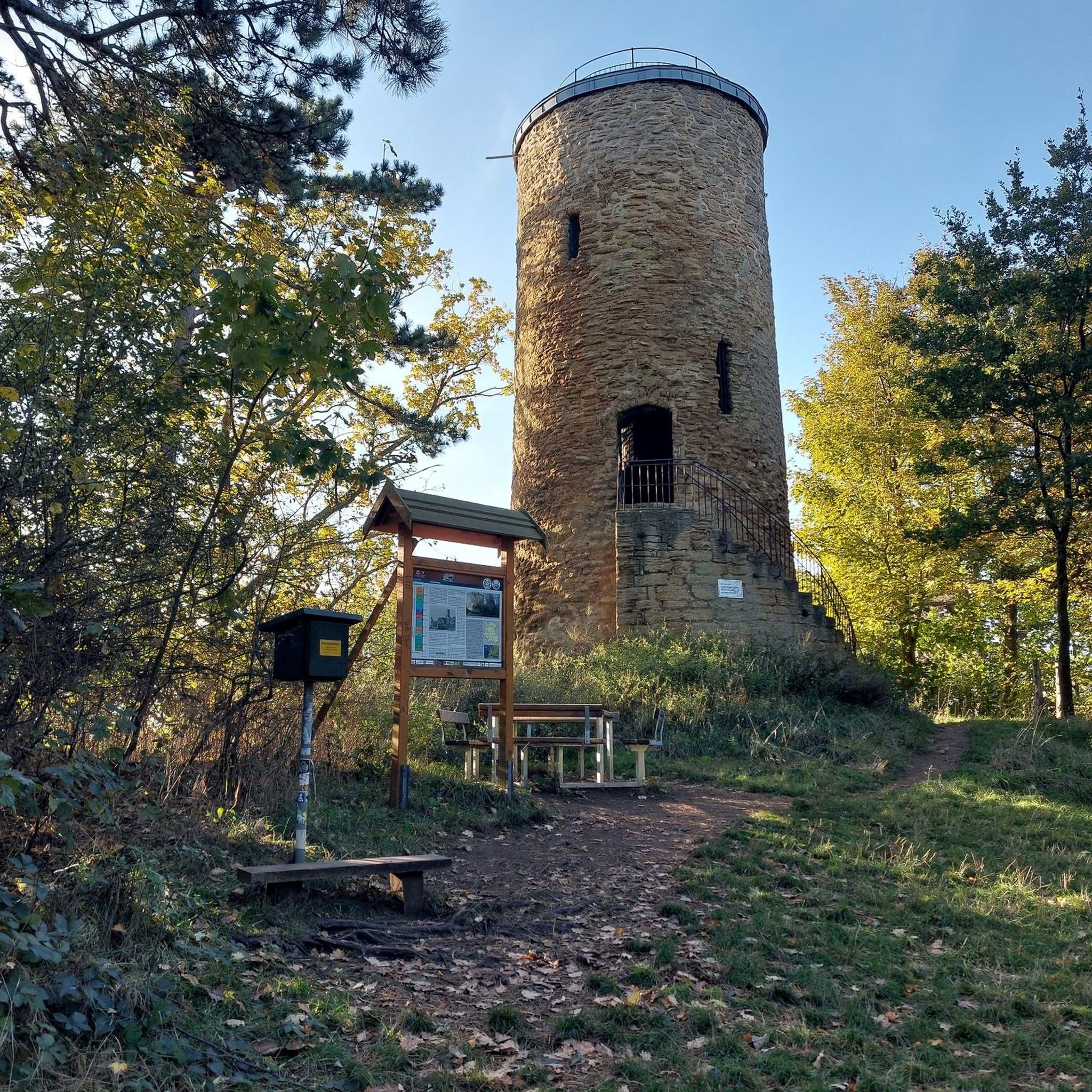
- The most popular castles is Ginsburg keep, a castle that was a frontier fortress for centuries. The main tower…
Last updated: October 9, 2026
Ginsburg keep
Highlight • Castle
Translated by Google •
Tip by

Waldenburg Castle Ruins
Highlight • Castle
Showing Translation
Tip by

Sign up now to discover places like this
Get recommendations on the best single tracks, peaks, & plenty of other exciting outdoor places.
Bilstein Castle
Highlight • Castle
Showing Translation
Tip by

Wildenburg Castle
Highlight • Castle
Translated by Google •
Tip by

Dicke Turm (Lower Castle, Siegen)
Highlight • Monument
Translated by Google •
Tip by

Sign up for free to discover even more castles around Kreuztal.
Already have an account?
Start today with a free account
Your next adventure awaits.
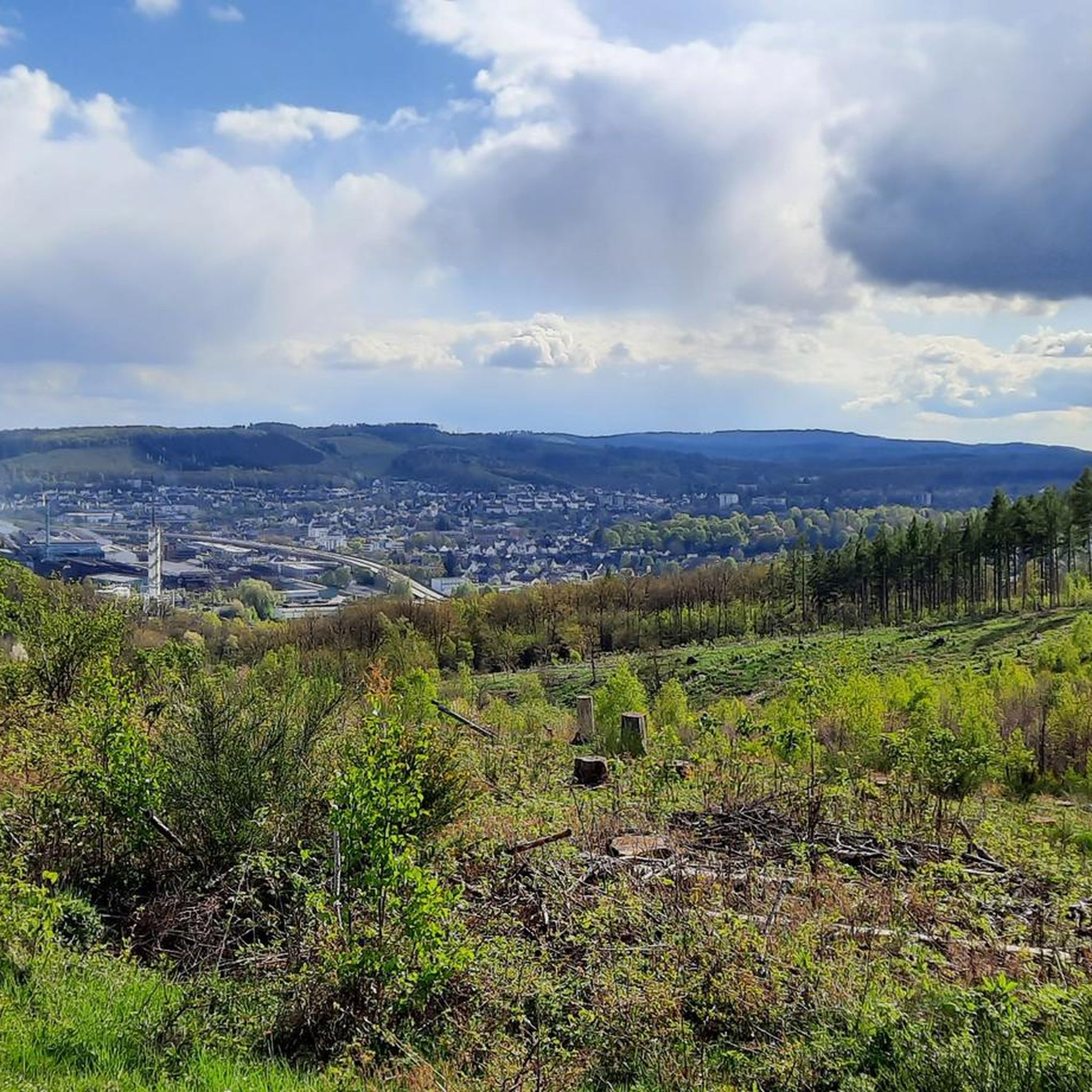
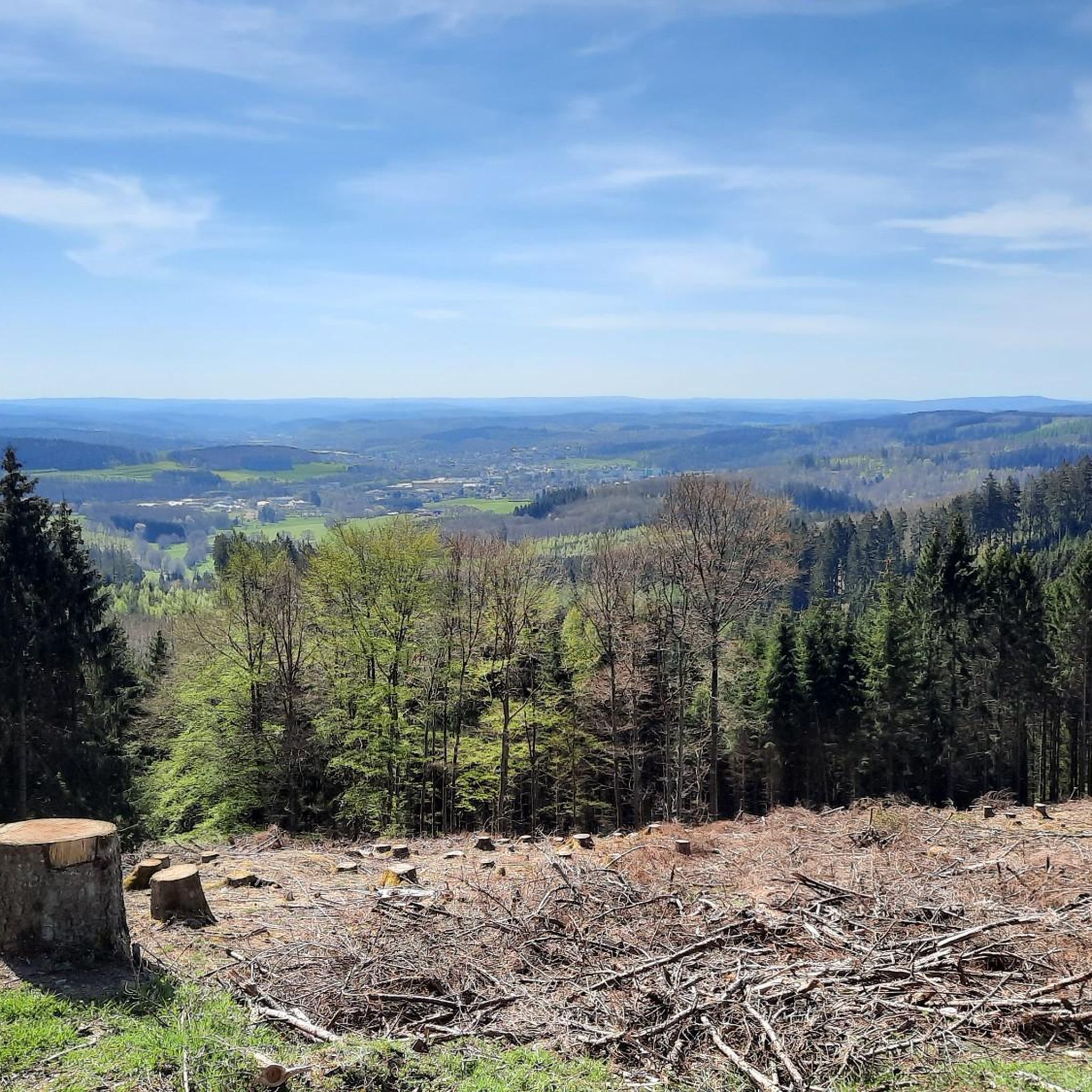
Other adventures around Kreuztal

Tips from the Community

Beautiful castle location above Bilstein, always worth a visit
1
0

Nice, fat tower!
6
0
Interesting setting, very nice building and everything around it is well maintained.
8
0

Bilstein Castle is idyllically situated on the outskirts of the village of the same name. Built in the 12th century, it now also houses a youth hostel. Further information: https://www.jugendherberge.de/jugendherbergen/bilstein-burg
0
0

A historically interesting building and one of the symbols of Siegen. Well preserved and definitely worth a visit.
9
0
A beautiful building, well maintained and the forecourt is very clean. An interesting building with history.
8
0

This is a landmark of Siegen
9
0

Very nice landmark of the city of Siegen
11
0
Frequently Asked Questions
What are the most notable castles to visit around Kreuztal?
The region around Kreuztal offers several significant castles and ruins. Ginsburg keep is a popular choice, known for its historical significance as a frontier fortress and its viewing platform. Another must-see is Wildenburg Castle, the ancestral seat of the Lords of Wildenburg. Don't miss Schloss Junkernhees in Kreuztal itself, a Renaissance-era moated castle with parts dating back to 1523.
Are there family-friendly castles or historical sites near Kreuztal?
Yes, several sites are suitable for families. Ginsburg keep is categorized as family-friendly and hosts school events. Bilstein Castle, which also functions as a youth hostel, offers a knight's atmosphere and facilities for visitors. The Upper Castle Siegen also features a beautiful garden that families can enjoy.
What kind of historical insights can I gain from visiting castles in the Kreuztal area?
The castles around Kreuztal offer a deep dive into regional history. Schloss Junkernhees showcases Renaissance architecture from the 16th century. Ginsburg keep was a crucial frontier fortress and played a role in William of Orange's struggle for freedom. The Wildenburg Castle has a rich history as the ancestral seat of the Lords of Wildenburg, dating back to the 13th century. Additionally, the nearby Altenberg Mining Settlement provides a glimpse into the area's industrial past.
Are there good viewpoints or scenic spots at the castles?
Absolutely. The main tower of Ginsburg keep was rebuilt with a viewing platform, offering expansive views of the Siegerland. Waldenburg Castle Ruins, located on a hill near the Biggetalsperre, also provides a very nice viewpoint over the surrounding area. The Upper Castle Siegen offers great views from its castle park.
Can I combine a castle visit with outdoor activities like hiking or cycling?
Yes, the Kreuztal area is excellent for combining castle visits with outdoor activities. Many castles are situated amidst scenic landscapes. You can find numerous hiking routes, such as the 'View of Hees Valley – Junkernhees Castle loop' or the 'Berghäuser Pond – Owl Carved Wooden Bench loop from Junkernhees', which can be explored on foot. For cycling enthusiasts, routes like the 'Junkernhees Castle – Lindenberg–Seelbach Cycle Path loop' are available. You can find more details on these and other routes in the hiking guide and cycling guide for Kreuztal.
What is the best time of year to visit the castles around Kreuztal?
The castles and their surrounding areas can be enjoyed throughout the year. Spring and autumn offer pleasant temperatures for exploring and hiking, with vibrant foliage or blooming nature. Summer is ideal for longer days and outdoor activities. Even in winter, some sites like Ginsburg keep can be visited, offering unique, often snowy, panoramic views.
Are there any facilities or amenities available at or near the castles?
Some castles offer amenities for visitors. Ginsburg keep has a coffee shop in the tower area. Bilstein Castle functions as a youth hostel, providing accommodation with a unique atmosphere. For other castles, it's advisable to check nearby towns or villages for cafes and restaurants.
How long should I plan for a visit to a castle in the Kreuztal region?
The duration of your visit depends on the specific castle and your interest. For a site like Ginsburg keep, you might spend 1-2 hours exploring the ruins and enjoying the views. Larger sites like Schloss Junkernhees, especially if combined with a walk in its park, could take longer. If you plan to combine a castle visit with a hike, allocate half a day or more.
What do visitors particularly enjoy about the castles around Kreuztal?
Visitors frequently praise the historical atmosphere and the scenic views. The rebuilt tower of Ginsburg keep is noted for its 'crazy view of the Siegerland'. The 'old walls' of Wildenburg Castle are described as 'fascinating'. Many also appreciate the opportunity to combine cultural exploration with nature, such as the beautiful garden at Upper Castle Siegen.
Are there any other historical sites besides castles worth visiting in the Kreuztal area?
Beyond the castles, the region offers other historical points of interest. The Altenberg Mining Settlement provides a look into 13th-century industrial history. The Krombach Evangelical Reformed Church, built around 1250, features unique architectural details. The Heimatmuseum in Ferndorf also displays the region's prehistory, early history, and 17th-18th century home decor.
Is Schloss Junkernhees accessible to the public?
Schloss Junkernhees is a significant Renaissance castle in Kreuztal. While parts of the complex are now used as residential and commercial buildings, its historical architecture and tree-lined park with artificial ponds are visible, offering a glimpse into the region's past. For specific access details to any interior areas, it's recommended to check local information sources.
Most popular routes around Kreuztal
Most popular attractions around Kreuztal

Get inspired with the komoot mobile app


Explore more
Looking for the best castles somewhere else? Discover other guides around Kreuztal:
