Attractions and Places To See around Santa Fe - Top 20
Best attractions and places to see around Santa Fe offer a blend of history, culture, and natural beauty. The city, known for its adobe architecture, is situated amidst the Sangre de Cristo Mountains, providing diverse landscapes. Visitors can explore ancient landmarks, vibrant art districts, and extensive outdoor spaces. This region provides a unique experience for those interested in historical sites, cultural institutions, and outdoor activities.
Best attractions and places to see around Santa Fe
- The most popular attractions is The…
Last updated: August 16, 2026
The Cathedral Basilica of St. Francis of Assisi
Highlight • Religious Site
Translated by Google •
Tip by

New Mexico Museum of Art
Highlight • Monument
Translated by Google •
Tip by
Sign up now to discover places like this
Get recommendations on the best single tracks, peaks, & plenty of other exciting outdoor places.
Sign up for free
Atalaya Mountain Trailhead
Highlight • Trail
Tip by

Santa Fe Plaza
Highlight • Historical Site
Translated by Google •
Tip by

Palace of the Governors
Highlight • Historical Site
Translated by Google •
Tip by
Sign up for free to discover even more attractions around Santa Fe.
Sign up for free
Already have an account?
Start today with a free account
Your next adventure awaits.
Login or Signup
Popular around Santa Fe
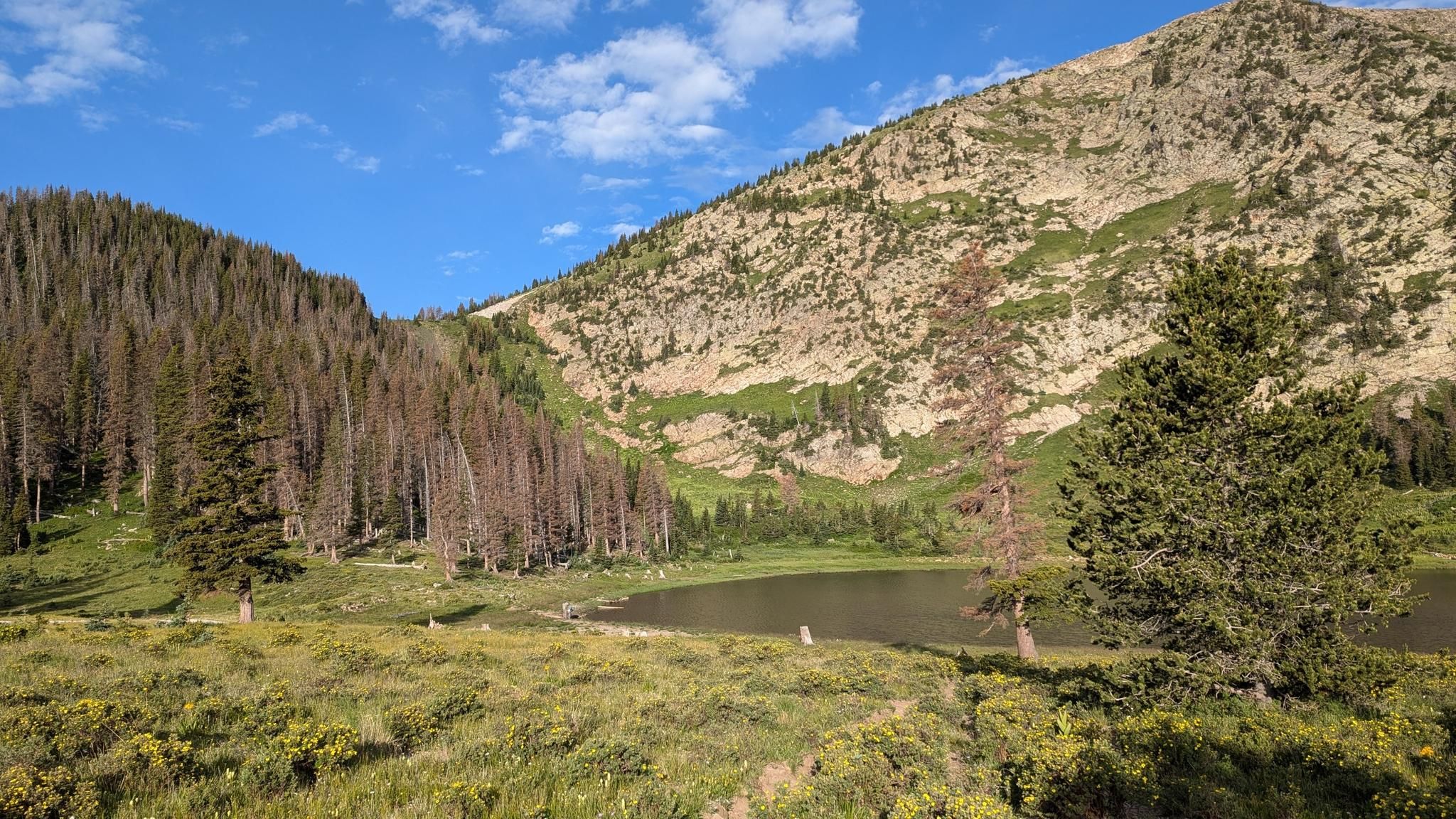
Santa Fe to Taos Thru-Hike — A journey across the Sangre de Cristo Mountains
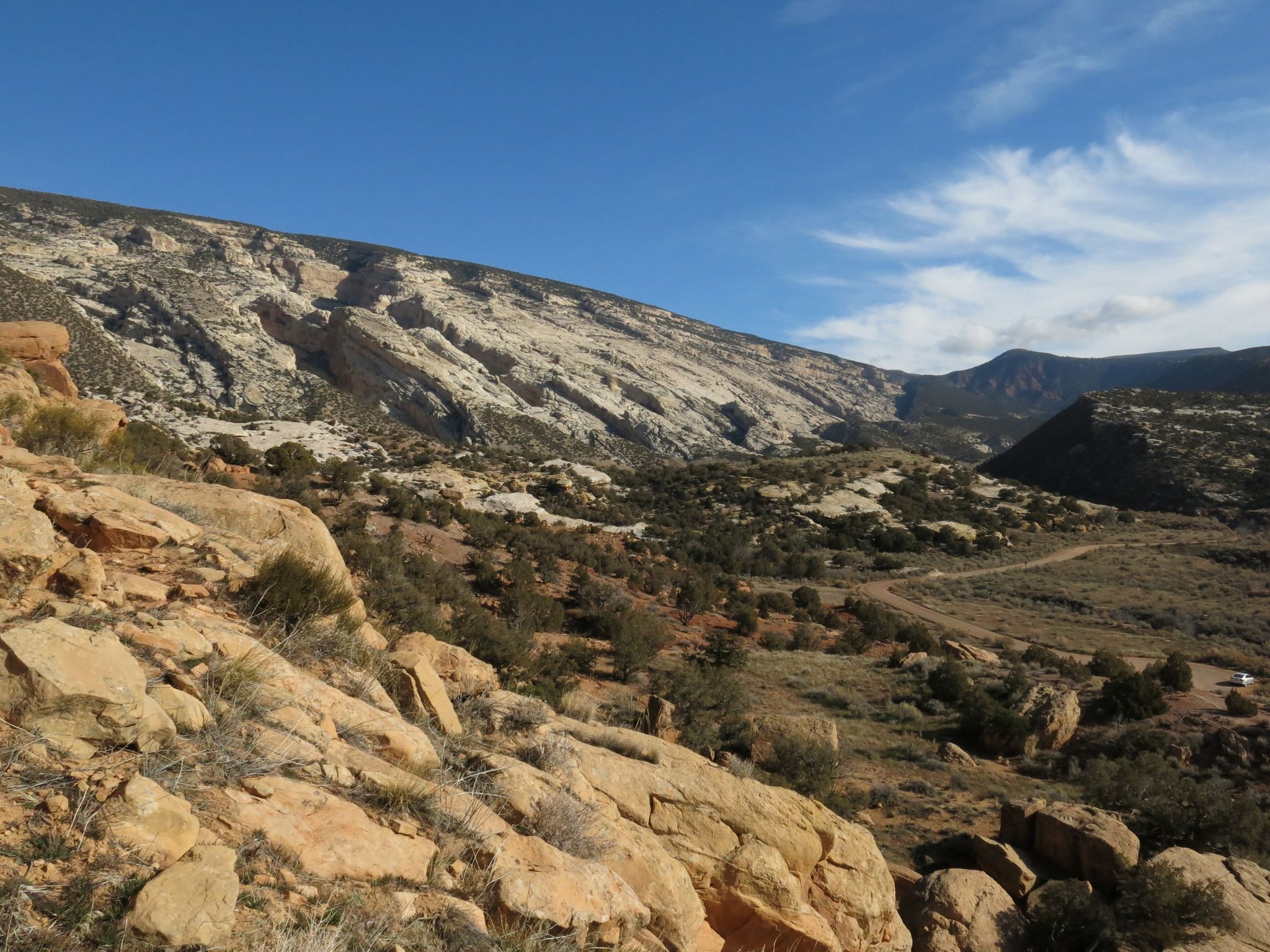
Bikepack in America's southwest – deserts, cacti and Anasazi culture
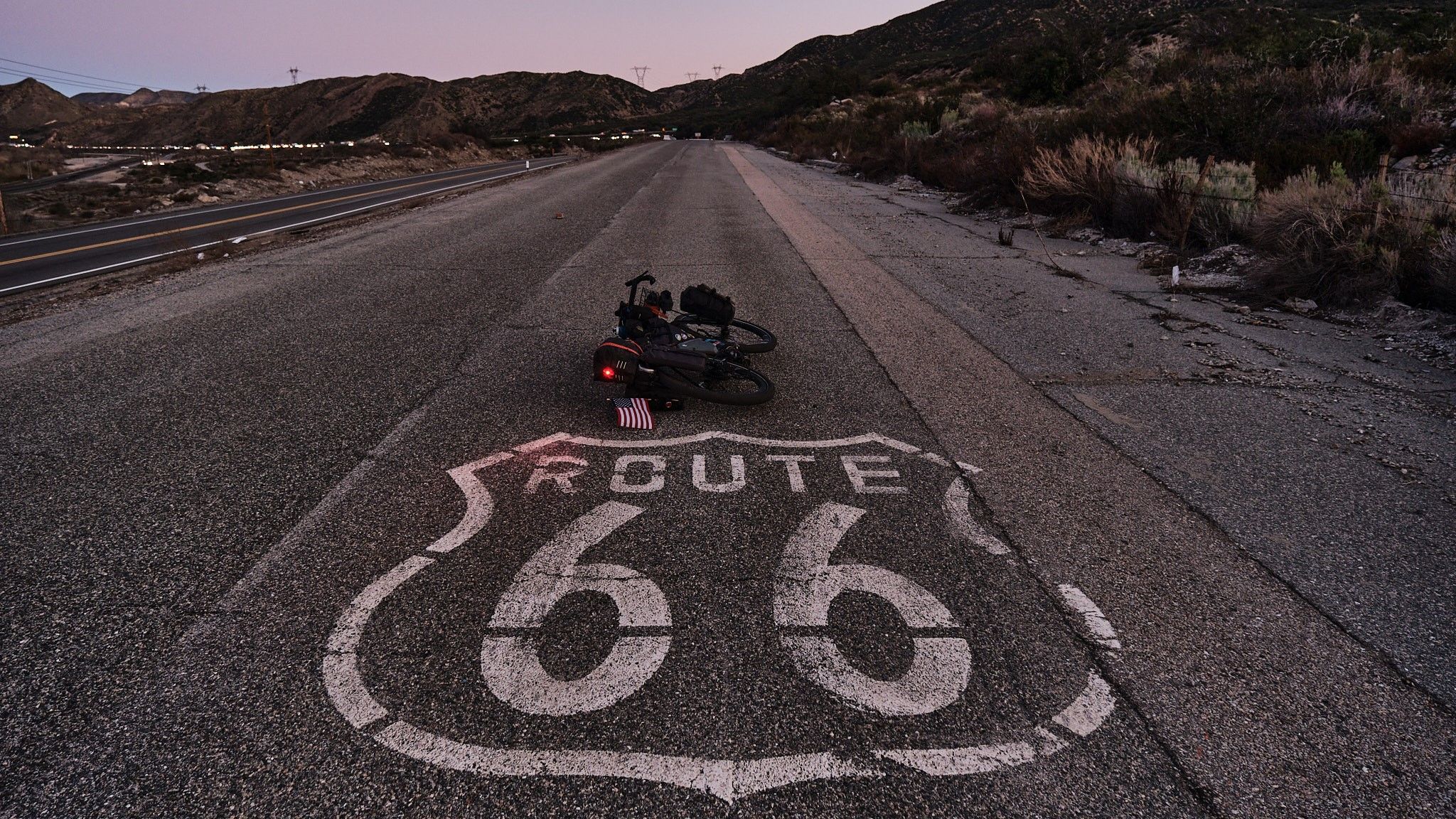
Adventure Cycling Association's Bicycle Route 66 — LA to Chicago
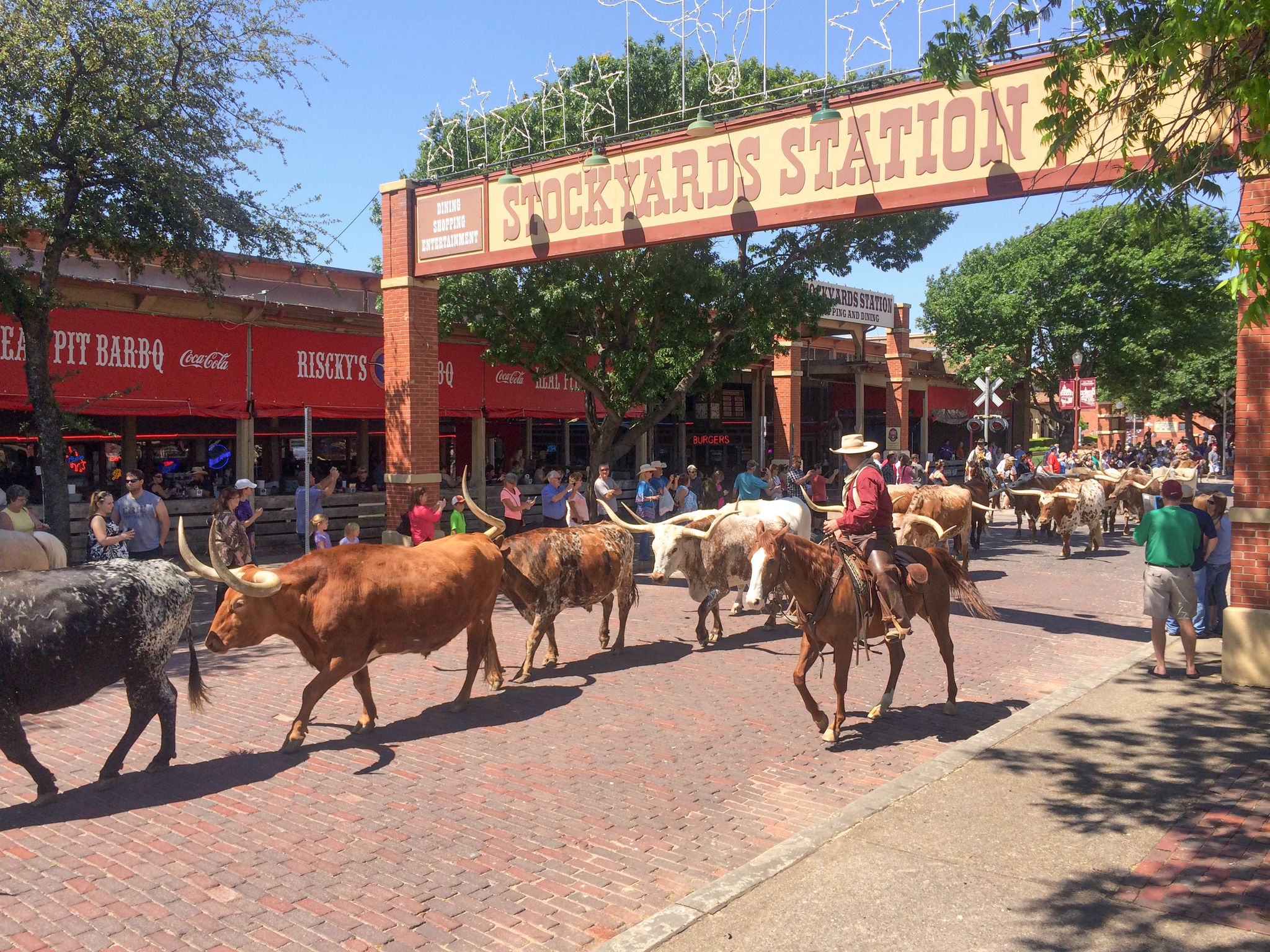
Cowboy country & Route 66 – Wild West meets legend
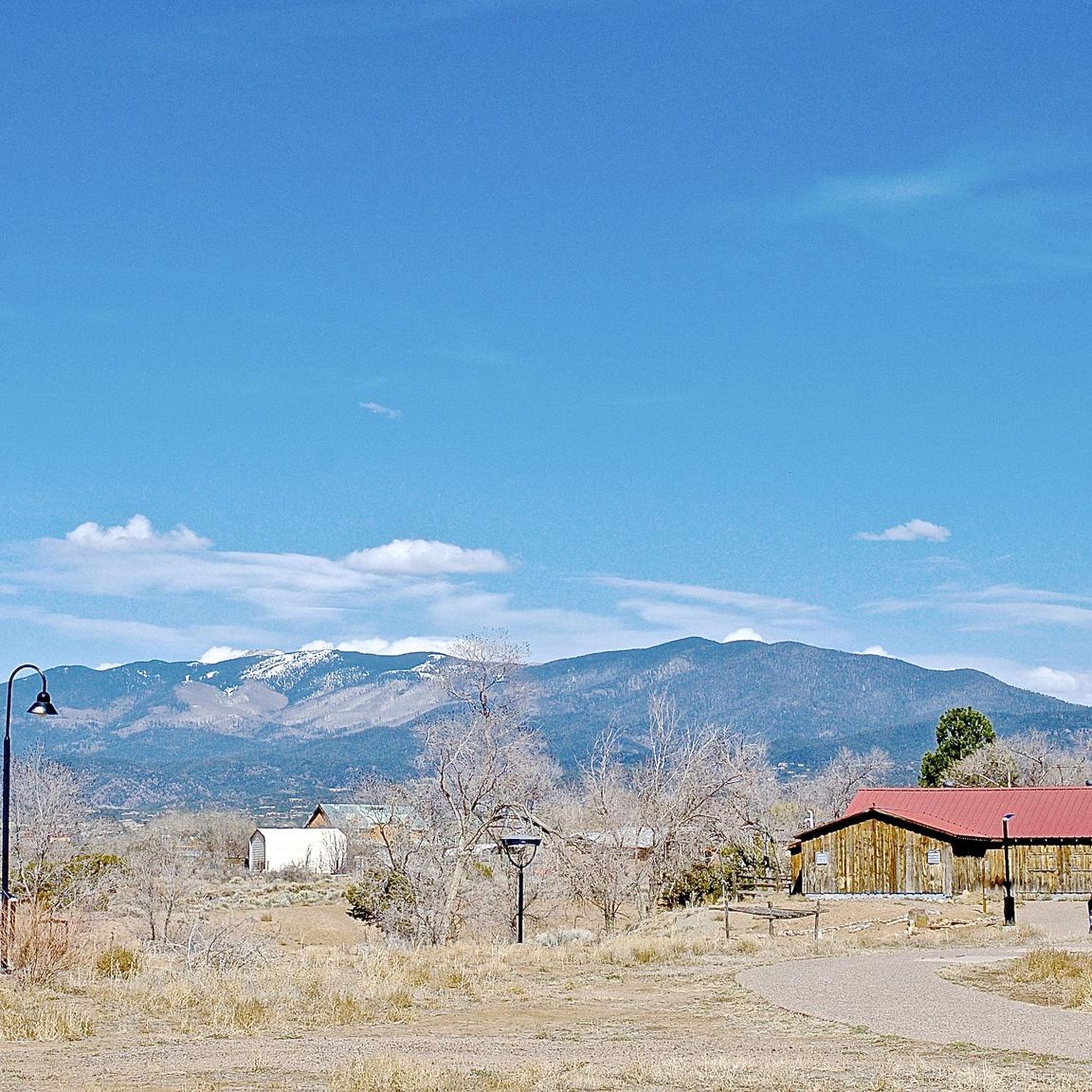
Hiking around Santa Fe
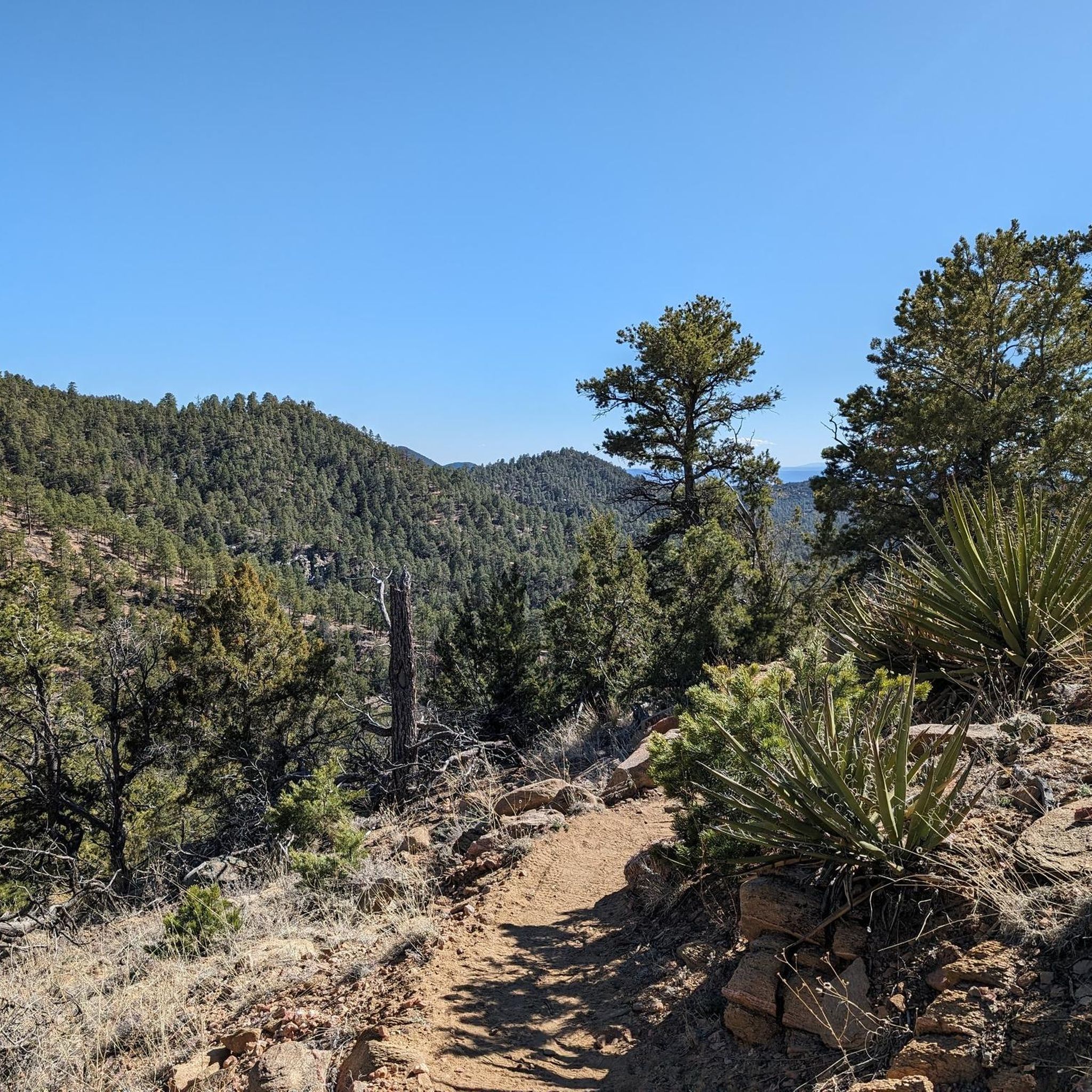
MTB Trails around Santa Fe
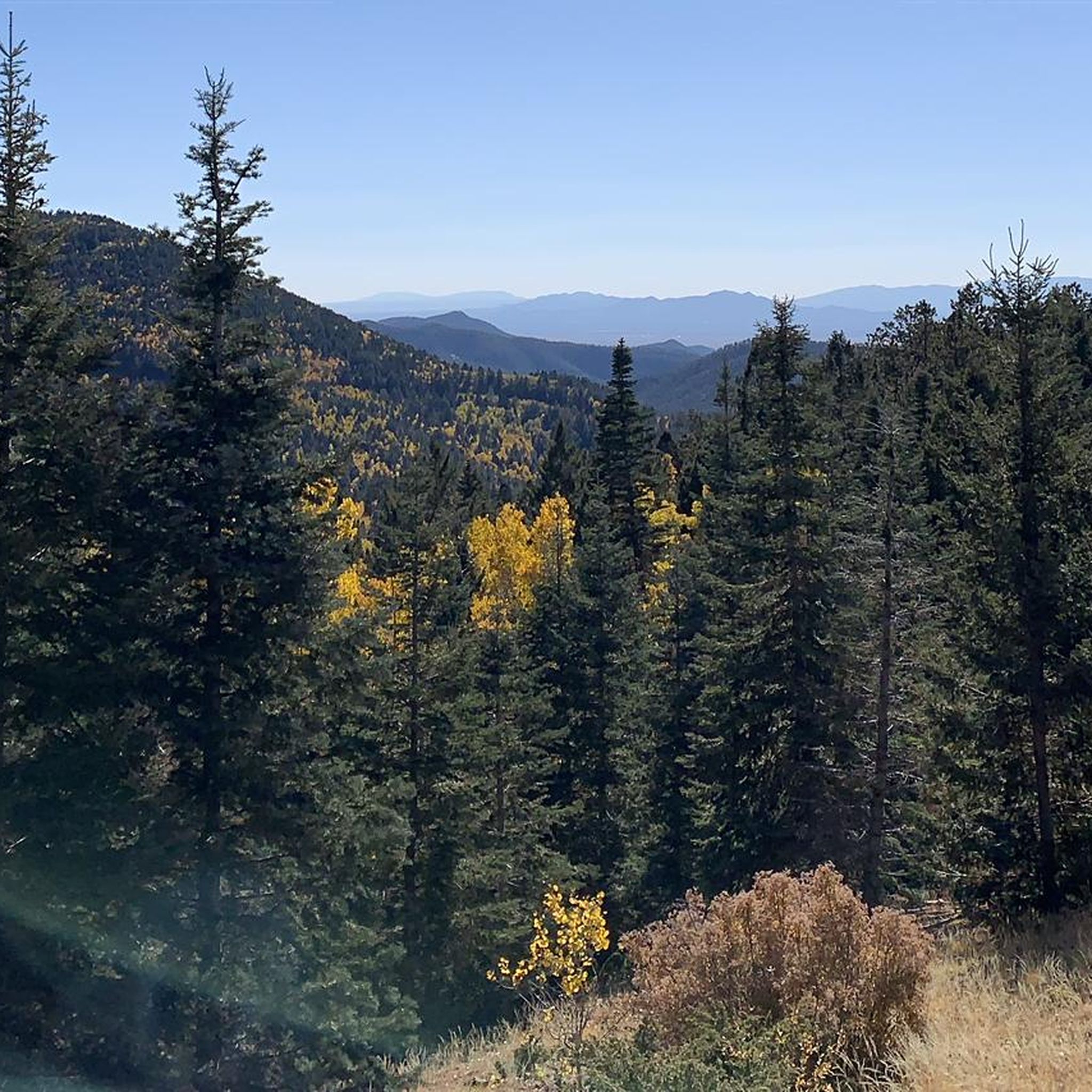
Cycling around Santa Fe
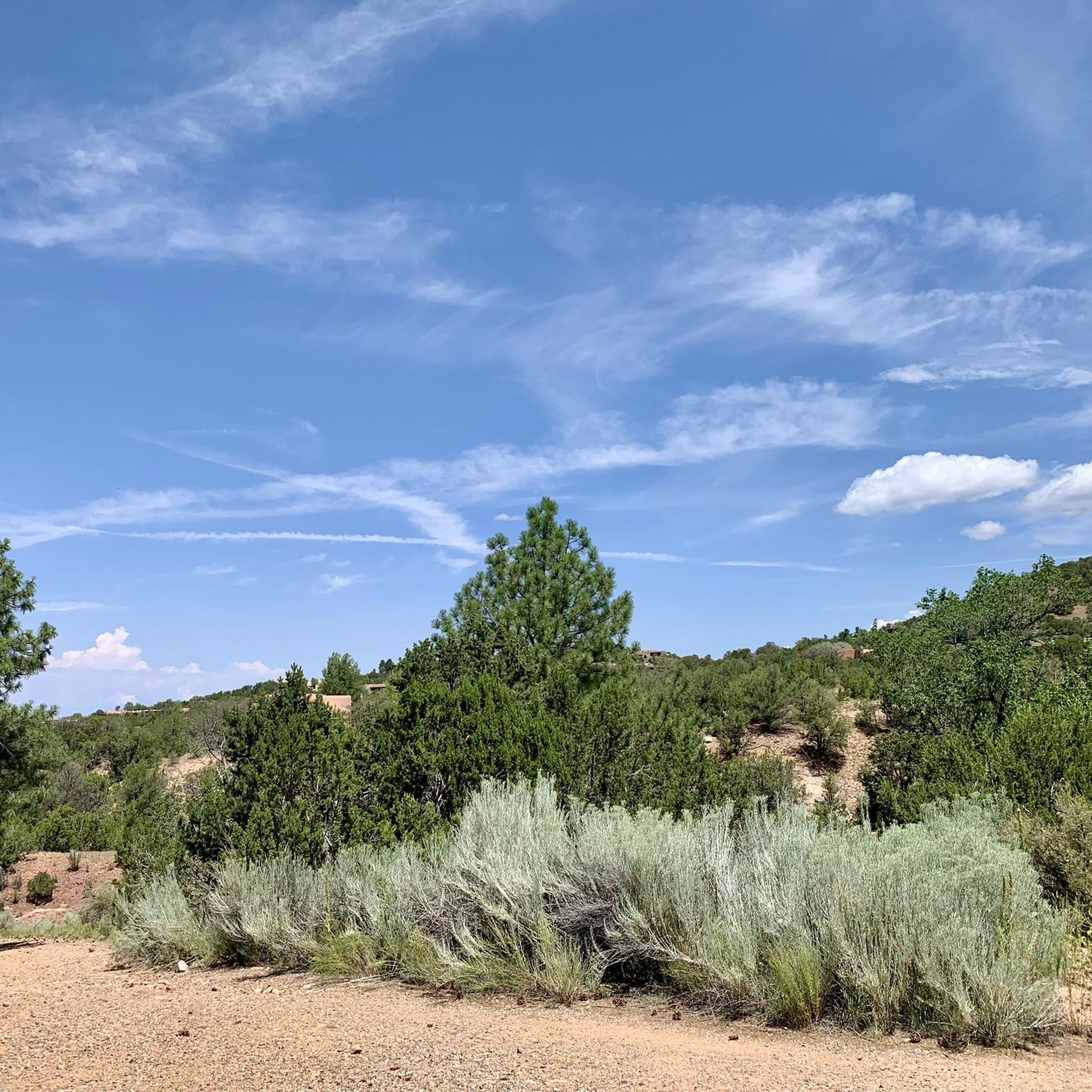
Road Cycling Routes around Santa Fe
Running Trails around Santa Fe
Gravel biking around Santa Fe
Other adventures around Santa Fe


Tips from the Community

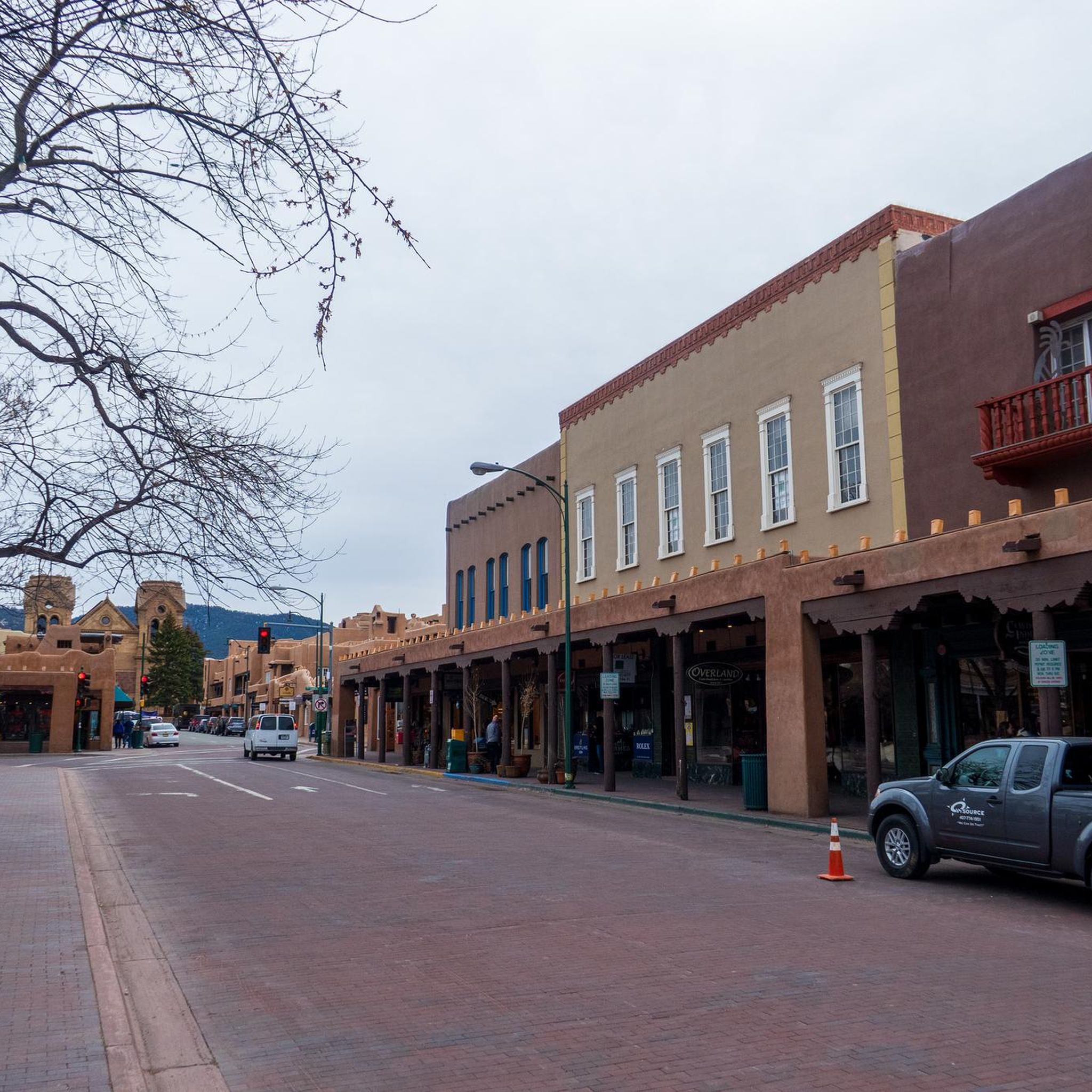
Santa Fe Plaza stands as the historic and cultural heart of Santa Fe. Founded in 1610, it’s one of the oldest continuously occupied public spaces in the United States. The Plaza was originally designed as the central square for the Spanish colonial Presidio, surrounded by residences, a chapel, and the seat of government. Over the centuries it evolved — welcoming trade caravans arriving along the historic Santa Fe Trail, serving as a gathering place for Indigenous, Spanish, Mexican, and later American communities, hosting centuries of civic, social, and cultural life. Today, the Plaza remains a lively public square ringed by adobe-style buildings, galleries, boutiques, and museums — including the Palace of the Governors, the oldest continuously occupied public building in the U.S. The plaza is also the official starting point for the Santa Fe to Taos thru-hike.
0
0

The Basilica was built in the late 1800s by Archbishop Jean Baptiste Lamy, 26 years before New Mexico even became a U.S. state. However the site is much older than that, as the current structure is built on the foundations of earlier churches dating all the way back to 1626.
1
0


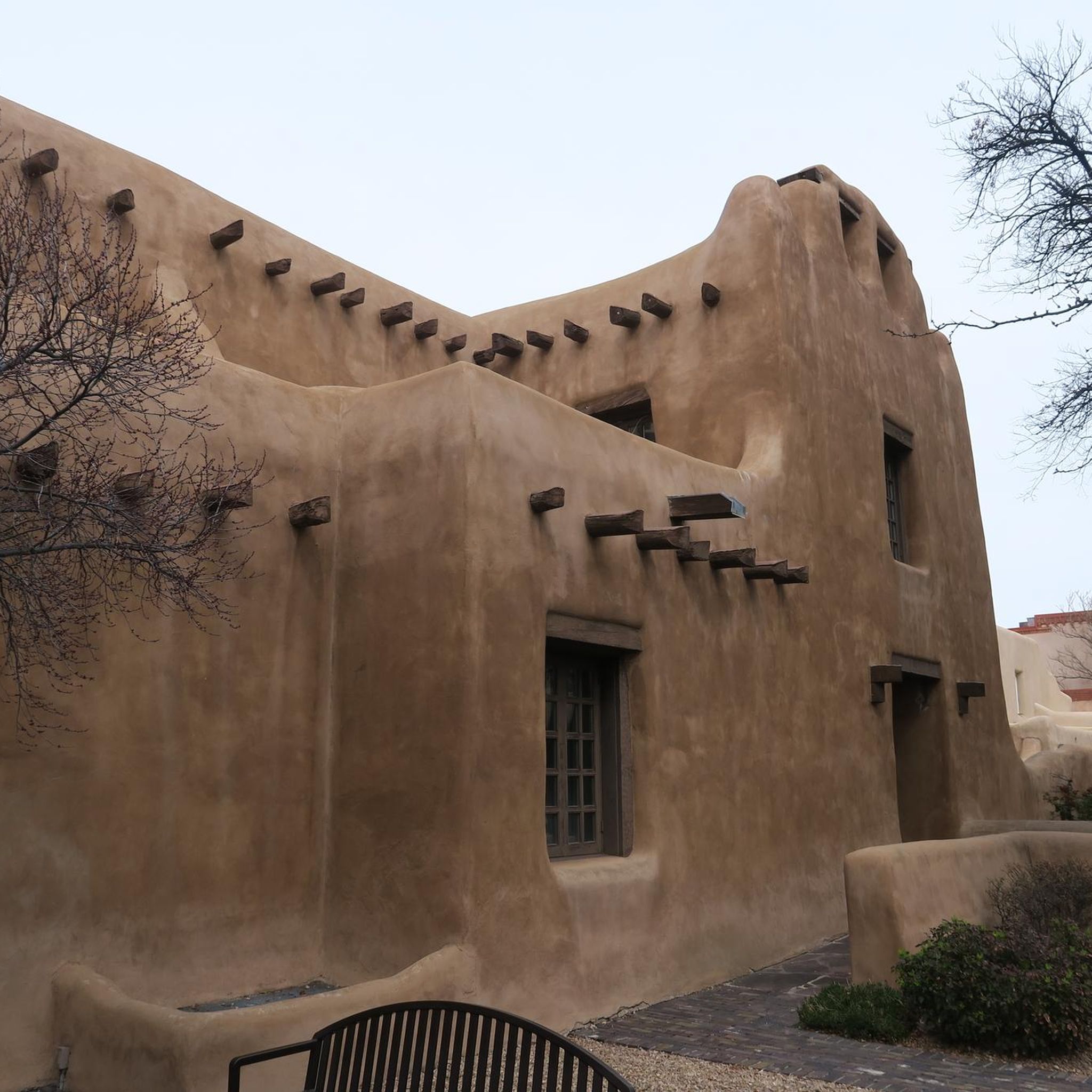
Capital of the US federal state of New Mexico, with many Pueblo style buildings.
0
0

This is the southernmost trail head for the Dale Ball Trail system. The trail starts near St. John's College (there is parking specifically for the trail). Very easy access from downtown Santa Fe. Can't speak to public transportation, as walked to trail head (road has only occasional sidewalks, just fyi), but I did pass a couple of bus stops. Trail is well-marked, especially at the numbered junctions (at which there are also topography maps of the trails). There are also a number of trail heads and interlacing trails, so hikes or bike rides can be shorter or longer depending on what you want, even while out on the hills. On maps, this trail is called "St. John's Trail", but physical markers use the name "Atalaya Trail"; either way, you will follow markers for Trail 174. Lovely hike, with views of the Sangre de Cristo mountains and back across Santa Fe. Website: https://sfct.org/dale-ball-trails/
2
0

The old town of Santa Fe is full of charm. It has kept its authenticity with its old center made of adobe houses. It is a city where you will find many art galleries, but also exceptional and unique museums like the Mocna (Museum of Contemporary Native Art) as well as many sculptures in the streets. This part of the original city revolves around the Santa Fe Plaza, where many artists sell their crafts on the ground. The Mocna is just opposite the church dedicated to Saint Francis of Assisi. For more information see their website: https://iaia.edu/mocna/
0
0

Around the square there are shops on all four sides, especially chic jewelry stores, shoe stores and clothing shops. Sometimes even grouped together in small indoor malls, there is an incredible variety of mostly very expensive shopping opportunities. Especially those who like Indian jewelry and cowboy boots will get their money's worth at a very high price level. But there is also a jeweler with Breitling watches etc. Absolutely comparable to the chic malls and shops in Southern California. In addition, many nice little bars and restaurants as well as some very chic hotels, all in pueblo style and definitely worth a visit.
4
1
The Palace of the Governors was built in Adobe in 1610, stands directly on Santa Fé Plaza and is the oldest permanently inhabited public building in the USA. The Palace of the Governors should be seen when visiting Santa Fé. It is one of the most famous attractions and is part of the New Mexico History Museum. Indian goods, jewelry, handicrafts, etc. are often offered for sale in front of the Palace.
3
0
Frequently Asked Questions
What historical sites can I explore in Santa Fe?
Santa Fe is rich in history. You can visit the Palace of the Governors, the oldest continuously occupied public building in the USA, dating back to 1610. Also, explore the Cathedral Basilica of St. Francis of Assisi, a Romanesque Revival masterpiece built between 1869 and 1886. Other notable sites include the San Miguel Chapel, known as the oldest church in the United States, and the Loretto Chapel with its famous 'miraculous staircase'.
Are there family-friendly attractions in Santa Fe?
Yes, Santa Fe offers several family-friendly attractions. The New Mexico Museum of Art and the Palace of the Governors are both listed as family-friendly. Beyond these, consider El Rancho de las Golondrinas, a living history museum, or the Santa Fe Railyard, which often hosts family events and a farmers market.
What kind of outdoor activities can I do near Santa Fe's attractions?
The Santa Fe area is excellent for outdoor activities. You can find numerous trails for hiking, running, and cycling. For example, the Dale Ball Trails offer an extensive network for hiking and biking, and the Atalaya Mountain Trail provides challenging hikes with panoramic views. You can find easy hikes around Santa Fe, such as the North Bell Loop or the Santa Fe River Trail, by checking out the guide for Easy hikes around Santa Fe.
Where can I find art and cultural experiences in Santa Fe?
Santa Fe is a vibrant art hub. Canyon Road is famous for its over 100 galleries and studios. The New Mexico Museum of Art houses a vast collection of paintings, photographs, and sculptures. Other cultural institutions include the Georgia O'Keeffe Museum, Museum Hill (home to several museums like the Museum of Indian Arts and Culture), and the IAIA Museum of Contemporary Native Arts (MoCNA).
Are there any natural features or viewpoints worth visiting?
Absolutely. The Santa Fe area is surrounded by natural beauty. The Dale Ball Trails and Atalaya Mountain offer stunning views of Santa Fe and the Sangre de Cristo Mountains. The Santa Fe Canyon Preserve provides hiking trails and a bosque of cottonwood and willow trees. For broader outdoor exploration, the Santa Fe National Forest covers over 1.5 million acres with alpine peaks and streams.
What is the best time to visit Santa Fe for outdoor activities?
The best time to visit Santa Fe for hiking and other outdoor activities is generally during the spring (April-May) and fall (September-October) when the weather is mild and pleasant. Summers can be hot, but mornings are often suitable for hiking. Winters offer opportunities for snowshoeing and sledding in places like Hyde Memorial State Park.
Are there any dog-friendly trails or attractions in Santa Fe?
While specific dog-friendly policies vary by attraction, many outdoor trails in the Santa Fe area are dog-friendly, provided dogs are leashed. The Frank S Ortiz Dog Park offers a dedicated space for dogs. Always check local regulations for specific trails or parks before bringing your pet.
What unique architectural sites can I see in Santa Fe?
Santa Fe's architecture is distinctive. The Cathedral Basilica of St. Francis of Assisi stands out with its Romanesque Revival style, a contrast to the city's prevalent adobe. The New Mexico Museum of Art is a prime example of Pueblo Revival Style architecture. The Loretto Chapel is also notable for its Gothic Revival design and the 'miraculous staircase'.
Can I find easy hiking trails near Santa Fe?
Yes, there are several easy hiking options. The Santa Fe River Trail offers a pleasant, accessible walk. The Dale Ball Trails system also includes sections suitable for easier hikes. For more options, you can explore the guide for Easy hikes around Santa Fe, which lists routes like the North Bell Loop and Saint John's Trail (174).
Are there any ancient Puebloan sites near Santa Fe?
Yes, you can explore significant ancient Puebloan history nearby. Bandelier National Monument, located outside Santa Fe, features cliff dwellings, petroglyphs, and kivas dating back over 11,000 years. Another site is La Cieneguilla Petroglyph Site, which contains hundreds of petroglyphs carved by ancestral Puebloan people between the 13th and 17th centuries.
What is the Santa Fe Railyard district known for?
The revitalized Santa Fe Railyard district is a vibrant area known for its farmers market featuring local vendors, a movie theater, and a park with an outdoor stage for live music. It's a great place to experience local culture and community events.
What is the significance of the Old Santa Fe Trail?
The Old Santa Fe Trail was a crucial 19th-century trade route connecting the American frontier with Mexico. Its final miles descend into modern-day Santa Fe, and following this historic path offers a unique connection to New Mexico’s frontier origins. It's a significant historical site that played a vital role in the region's development.
Most popular routes around Santa Fe

Get inspired with the komoot mobile app


Explore more
Still not found the Highlight you’re looking for? See guides of the top attractions in other regions:
