Top 20 Caves around Hohnstein
Best caves around Hohnstein are situated within the Elbe Sandstone Mountains of Saxon Switzerland, characterized by unique rock formations and grottos. These natural features are significant for their geological structures and offer opportunities for hiking. The area provides access to various rock formations often referred to as caves or grottos.
Best caves around Hohnstein
- The most popular caves is Kuhstall Rock Arch, a natural monument that is an 11 meter high, 17 meter wide, and 24 meter deep rock…
Last updated: September 26, 2026
Kuhstall Rock Arch
Highlight • Natural Monument
Translated by Google •
Tip by

Frienstein
Highlight • Cave
Translated by Google •
Tip by

Sign up now to discover places like this
Get recommendations on the best single tracks, peaks, & plenty of other exciting outdoor places.
Ida Grotto at Frienstein
Highlight • Cave
Translated by Google •
Tip by

View of Hohnstein Castle and the Polenz Valley from the Hockstein
Highlight • Viewpoint
Translated by Google •
Tip by

Teufelskammer Gorge
Highlight (Segment) • Gorge
Translated by Google •
Tip by

Sign up for free to discover even more caves around Hohnstein.
Already have an account?
Start today with a free account
Your next adventure awaits.
Popular around Hohnstein
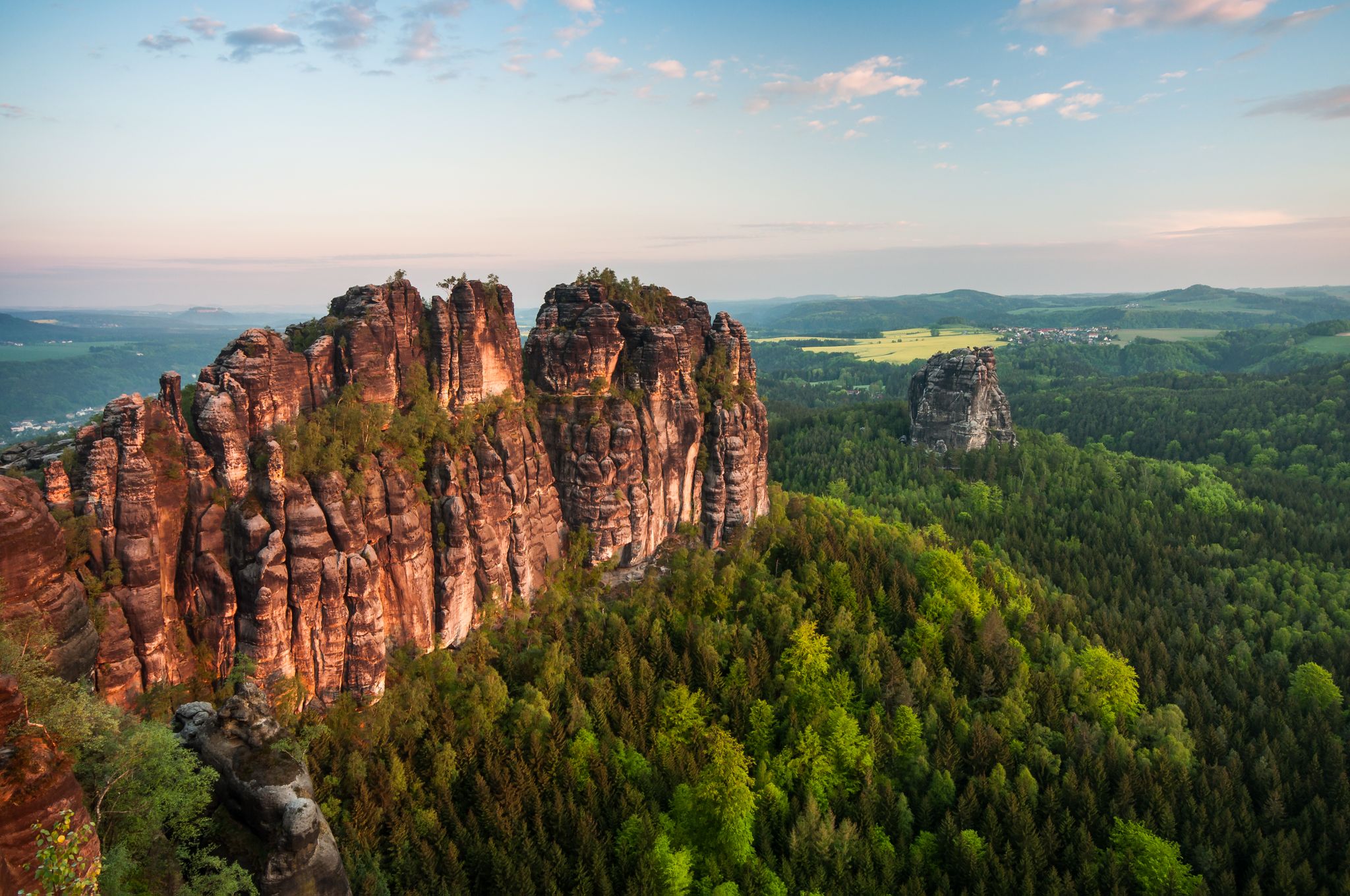
Malerweg — following the trails of the artists in Saxon Switzerland
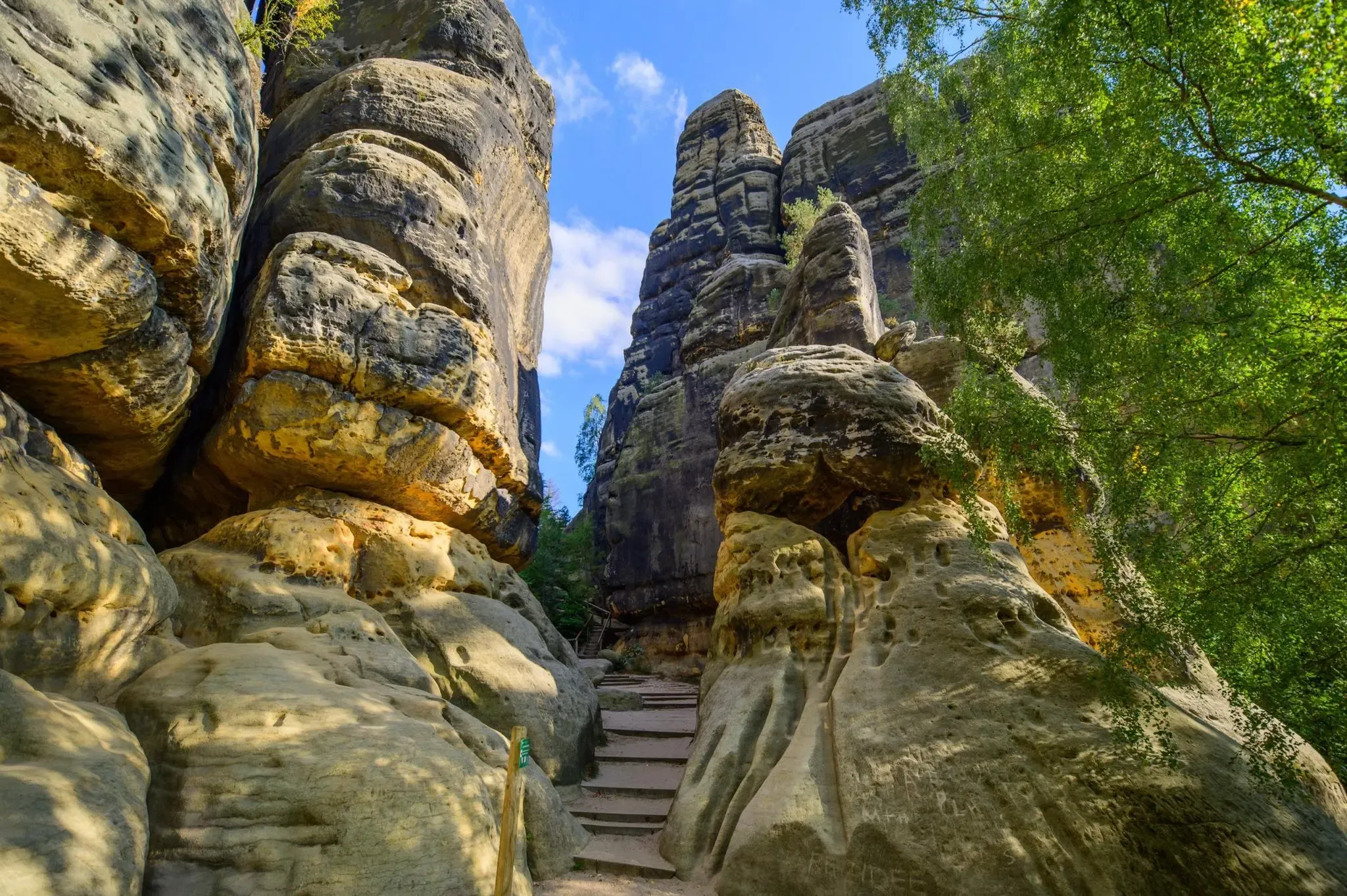
Malerweg – Trail running in Germany's dramatic Saxon Switzerland area
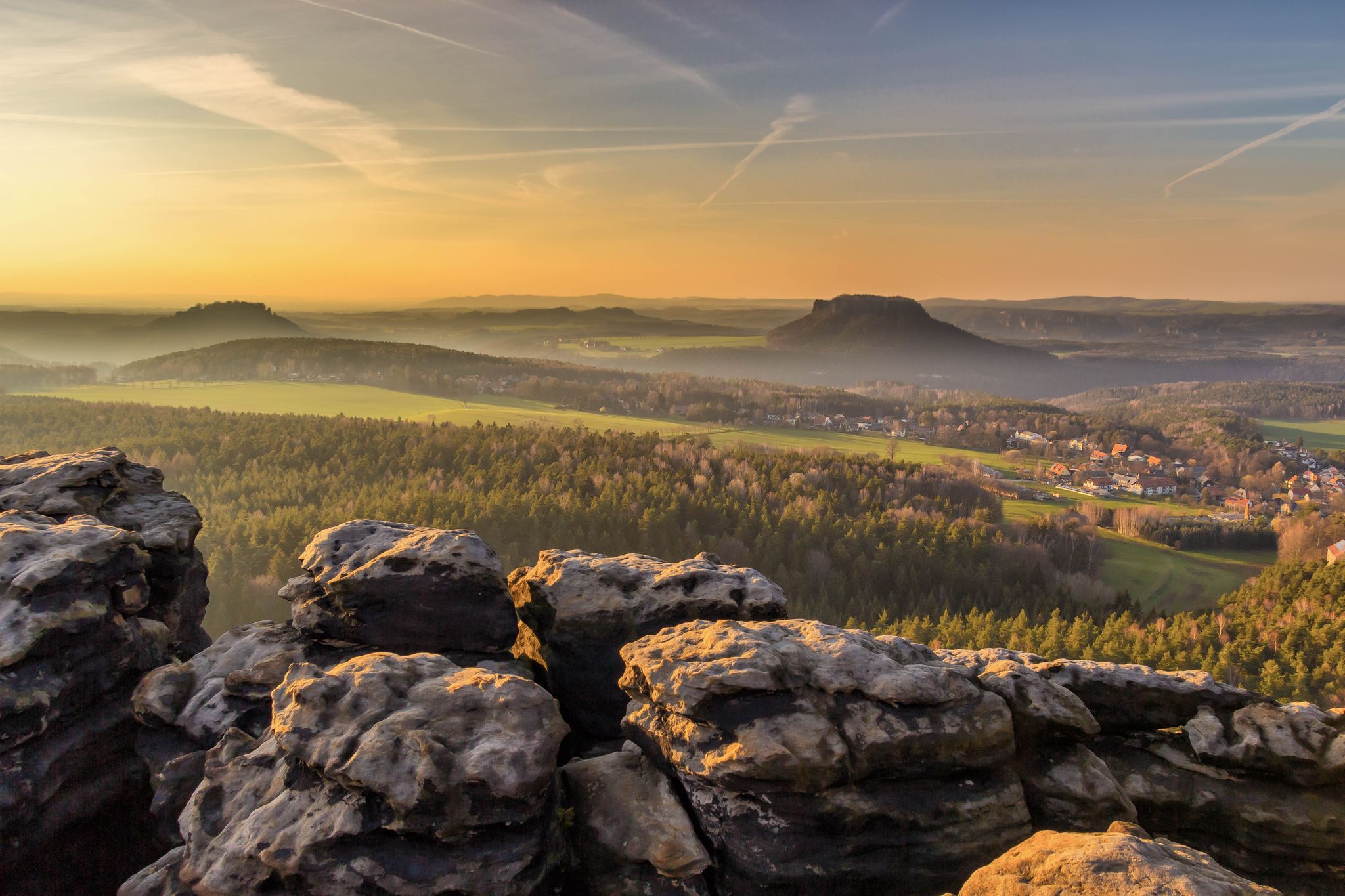
National Park Region Saxon Switzerland: Hiking Recommendations 2023
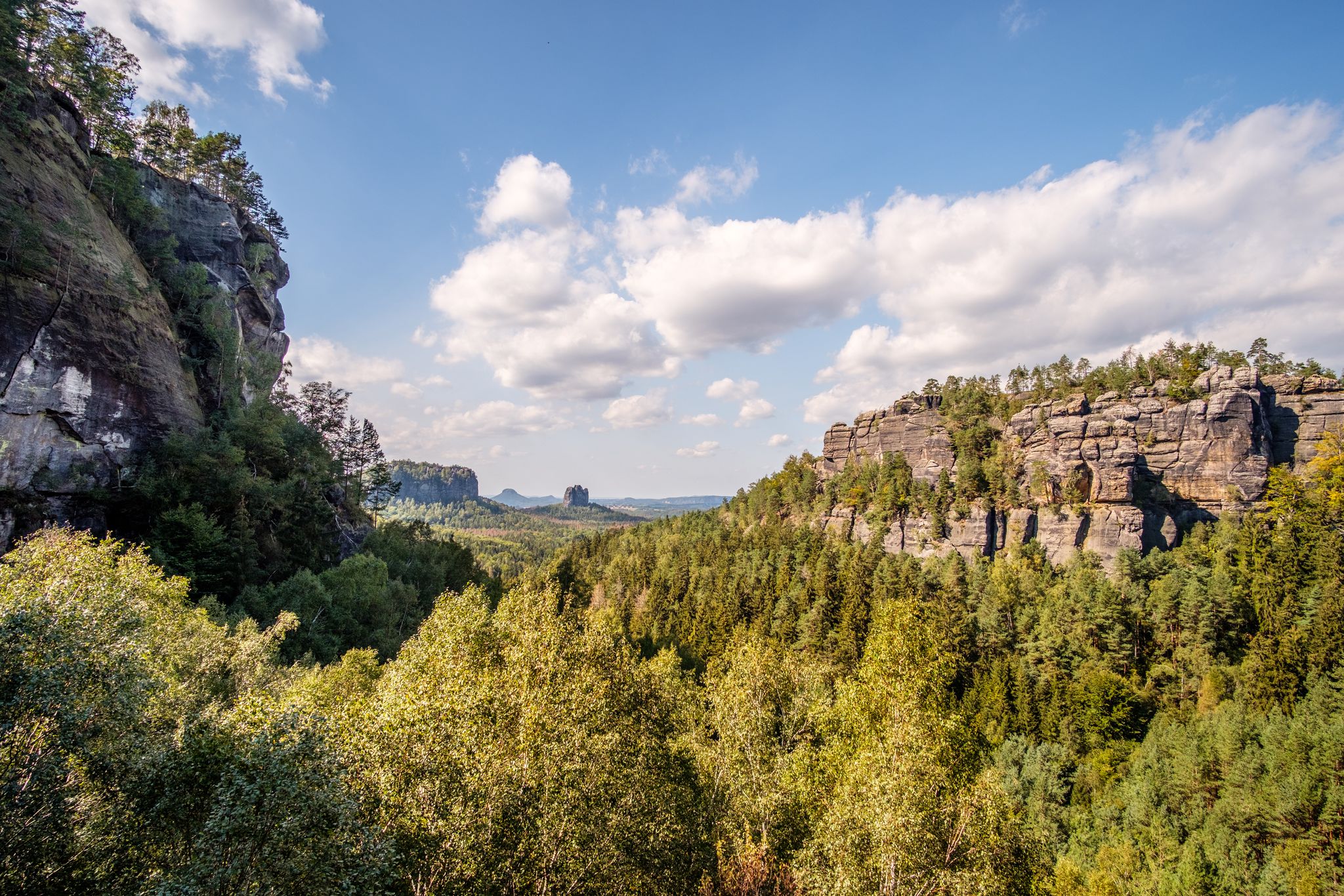
Most beautiful paths through the Elbe Sandstone Mountains
Saxon Switzerland - Adventures for Everyone
Winterwanderungen in der Sächsischen Schweiz
Wanderempfehlungen Nationalparkregion Sächsische Schweiz
Hiking around Hohnstein
Gravel biking around Hohnstein
Cycling around Hohnstein
Other adventures around Hohnstein


Tips from the Community

Awesome view of the valley and Hohenstein. Fantastic.
10
0

The Teufelsgrund with its branching gorges and around 30 native ferns is one of the most species-rich valleys in the German low mountain ranges. Together with the Heringshöhle, this wild and romantic area offers a lot of interesting things to discover.
9
0

Great view of Hohnstein & its fortress.
3
0

If you stand here and look down into the valley, you will witness the constant change that our forests are going through. Once green and vibrant, many trees now show brown marks, signs of the bark beetle that has wreaked havoc in this area. But even if this scene makes the heart heavy, the view is still impressive. Secured by a railing, the view here is no less impressive in its melancholy - and it is also safe for children to access. The silence that surrounds the valley is broken by the majestic view of Hohnstein with its imposing castle, which stands proudly on a rock opposite. And further back, the picturesque Polenztal valley meanders along. A panorama that, in its beauty and at the same time in its vulnerability, conveys a powerful message: nature is in constant change, and it is in our hands how this story continues.
7
0

Simply recommended, words cannot describe how beautiful it is there. You have a beautiful view of the Lorenzstein, the Winterstein and the Kleinen Winterberg as well as the Friesenstein. Go there and let yourself be overwhelmed by the impressions of the landscape.
7
0

Beautiful view of Hohnstein Castle and down in Polenztal
4
0
Even in the Elbe Sandstone Mountains, the forest is dying...
4
1

It is a little small when there are crowds of people here, but it is secured with a railing. What is special is that from this view you can see the two landscape forms, one characterized by granite, the other by sandstone. This is precisely where the granite rock pushed under the sandstone slab. To the north there is a more V-shaped valley with sloping granite slopes, while to the south the vertically terraced walls of the sandstone are visible.
2
0
Frequently Asked Questions
What kind of natural features can I expect to see in the caves around Hohnstein?
The Hohnstein area, part of the Elbe Sandstone Mountains, is known for its unique rock formations, grottos, and rock gates. You'll find impressive sandstone structures, natural arches, and even waterfalls. For example, the Kuhstall Rock Arch is a massive rock gate, and Gautsch Grotto features a waterfall that can turn into a large ice column in winter.
Are there family-friendly caves or grottos suitable for children around Hohnstein?
Yes, the Kuhstall Rock Arch is considered family-friendly. It's a substantial rock gate that's easily accessible, and the nearby 'Himmelsleiter' (Ladder to Heaven) offers an exciting, though steep, experience for older children. Many viewpoints in the area, like the one from Hockstein overlooking Hohnstein Castle, are also secured and safe for families.
What is the best time of year to visit the caves and grottos near Hohnstein?
The caves and grottos around Hohnstein are beautiful year-round. Spring and autumn offer pleasant hiking temperatures and vibrant foliage. In winter, the Gautsch Grotto is particularly striking as its waterfall often freezes into a gigantic ice column, creating a unique spectacle.
What are the difficulty levels for exploring these natural formations?
Difficulty varies. Many formations, like the Kuhstall Rock Arch, are easily accessible. However, some, such as the path to Ida Grotto at Frienstein, are exposed and moderately secured, requiring sure-footedness and not being afraid of heights due to a 70-meter vertical drop. Always check the specific trail conditions before you go.
Are there any historical aspects associated with the caves around Hohnstein?
Yes, some of these natural formations have historical significance. For instance, the Kuhstall Rock Arch is said to have been used by local residents to hide their cattle from Swedish soldiers during the Thirty Years' War. It's also a notable stop on the historic Malerweg (Painters' Way).
Can I find hiking trails that incorporate these caves and grottos?
Absolutely. The region is crisscrossed with hiking trails that lead to and through these formations. The Teufelskammer Gorge, for example, is located directly on the Malerweg. You can find many routes, including circular walks, that feature these natural wonders. For more ideas, explore the Waterfall hikes around Hohnstein guide.
What outdoor activities can I do near the caves around Hohnstein?
Beyond exploring the caves, the Hohnstein area offers diverse outdoor activities. You can enjoy extensive hiking, with options ranging from easy to challenging. The region is also popular for cycling, including gravel biking and road cycling. Check out guides like Gravel biking around Hohnstein or Road Cycling Routes around Hohnstein for route suggestions.
Are the caves around Hohnstein accessible by public transport?
Many of the popular sites are accessible, though some may require a combination of public transport and a walk. For example, the Kuhstall Rock Arch can be reached on foot in about 30 minutes from the Lichtenhain waterfall, which itself is often a public transport hub.
What do visitors enjoy most about the caves and rock formations in Hohnstein?
Visitors frequently praise the magnificent views, the unique geological formations, and the sense of awe inspired by the sheer size and natural beauty of these sites. The opportunity to combine cave exploration with scenic hikes through the Elbe Sandstone Mountains is also a major draw.
Are there any less-known or 'hidden gem' grottos worth exploring?
While the main highlights are well-known, the entire region is full of impressive rock formations. The Gautsch Grotto, located in the Hohnstein forests above the Polenz valley, offers a unique experience with its circular rock and waterfall, and is a bit off the most beaten path compared to Kuhstall.
How long does it typically take to explore a cave or grotto in the Hohnstein area?
The time required varies. Visiting a single prominent formation like the Kuhstall Rock Arch might take an hour or two, including the walk to get there and exploring the immediate surroundings. If you plan to incorporate multiple grottos into a longer hike, you should allocate a full day.
Most popular routes around Hohnstein
Most popular attractions around Hohnstein

Get inspired with the komoot mobile app


Explore more
Extend your search for the best caves by checking out these guides of the top ones around Hohnstein:
