Top 20 Castles around Hersbruck
Castles around Hersbruck, a town in Middle Franconia, Bavaria, offer a rich historical landscape. The region is characterized by its historical fortifications and serves as a gateway to several notable castles. These sites provide insights into medieval and early modern European architecture. The area combines cultural significance with natural features, making it suitable for exploration.
Best castles around Hersbruck
- The most popular castles is Hohenstein Castle, a castle that offers panoramic views from the highest point in Middle Franconia.…
Last updated: June 22, 2026
Hohenstein Castle
Highlight • Castle
In winter, when there …
Translated by Google •
Tip by

View of Wenzel Castle (Lauf Castle)
Highlight • Castle
Translated by Google •
Tip by

Sign up now to discover places like this
Get recommendations on the best single tracks, peaks, & plenty of other exciting outdoor places.
Sign up for free
Rothenberg Fortress
Highlight • Historical Site
Guided tours are only available during the summer …
Translated by Google •
Tip by

Lichtenstein castle ruins with viewpoint
Highlight • Viewpoint
Translated by Google •
Tip by
Wenceslas Castle, Lauf an der Pegnitz
Highlight • Castle
Translated by Google •
Tip by

Sign up for free to discover even more castles around Hersbruck.
Sign up for free
Already have an account?
Start today with a free account
Your next adventure awaits.
Login or Signup
Popular around Hersbruck
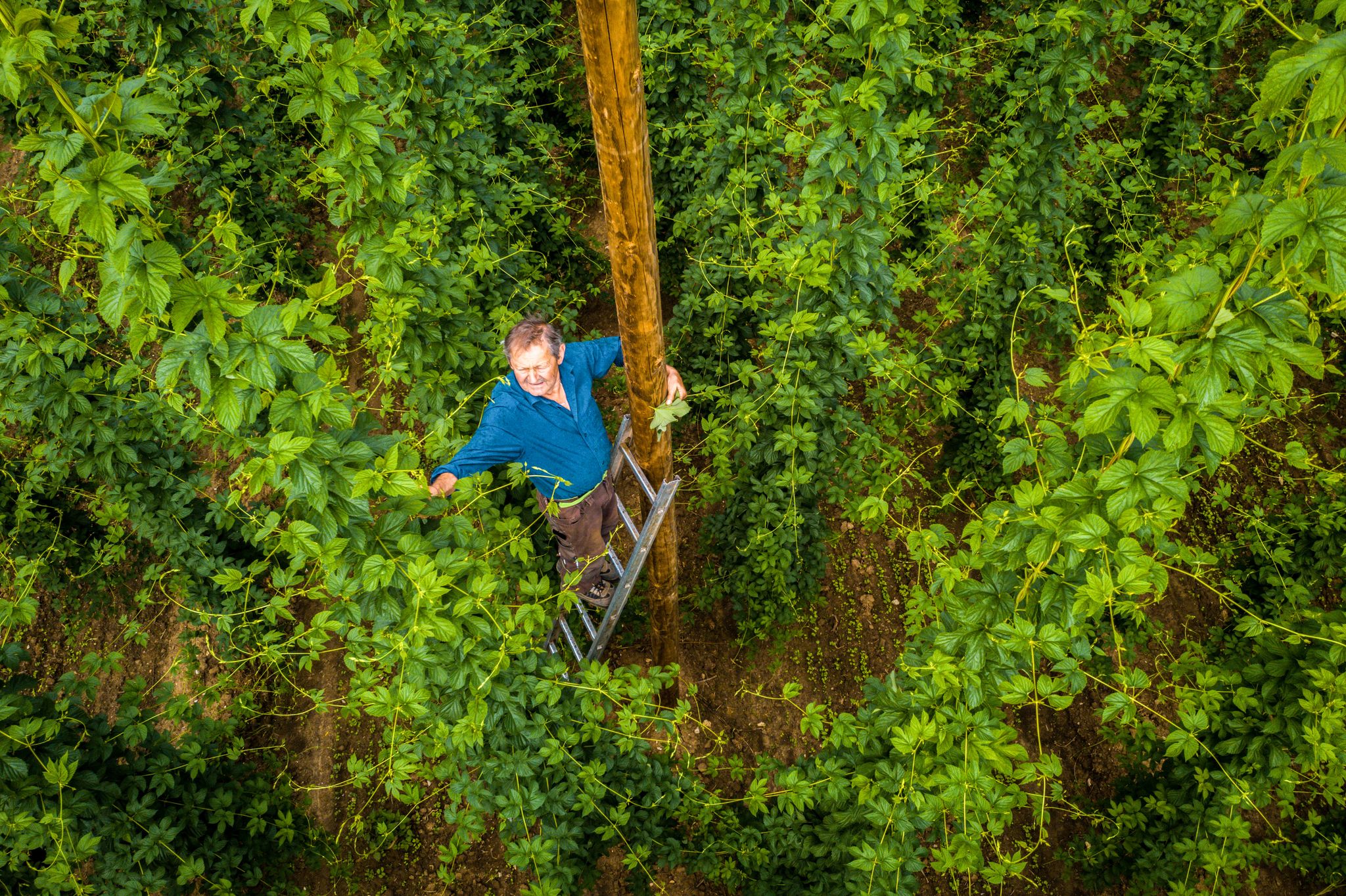
Hop Weeks in the Nürnberger Land – Hiking Trails Full of Delight

Cycling to the Hop Weeks in the Nuremberg Region
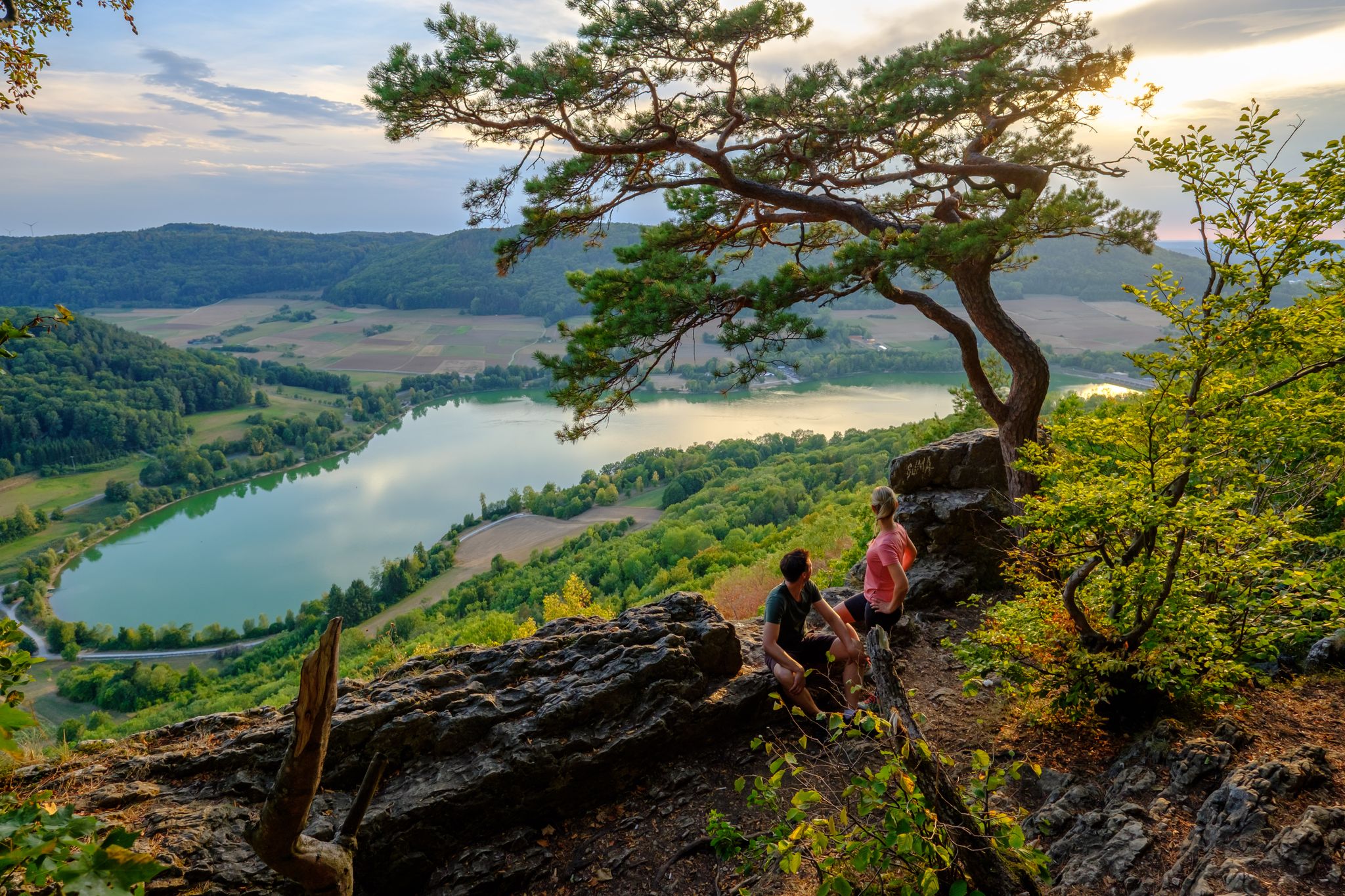
High up on the SevenSummits in the Nuremberg region
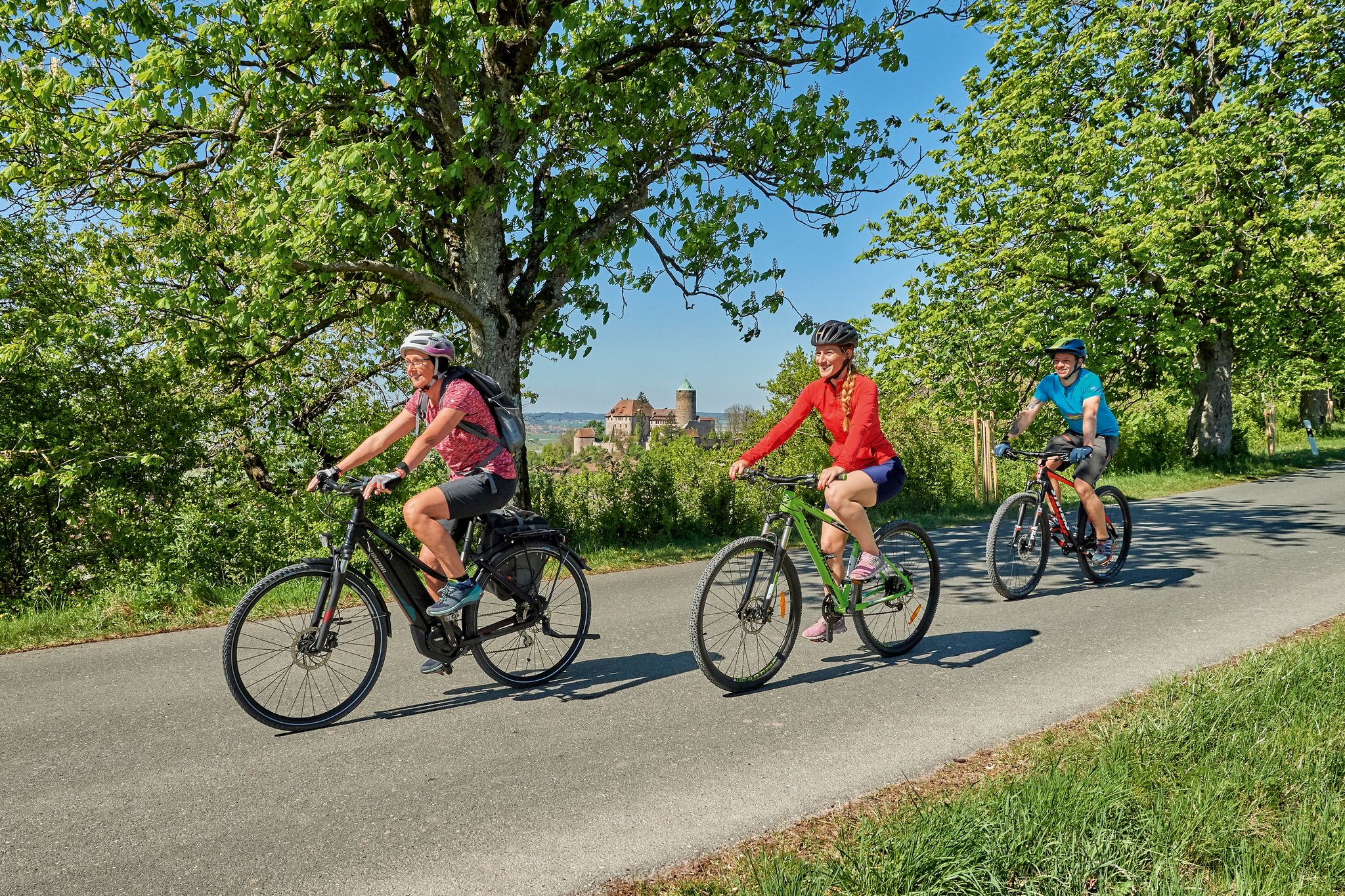
Sustainable cycling holidays — e-bike Tours through Franconia

Get ready to explore — e-biking in Germany’s Nuremberg Region
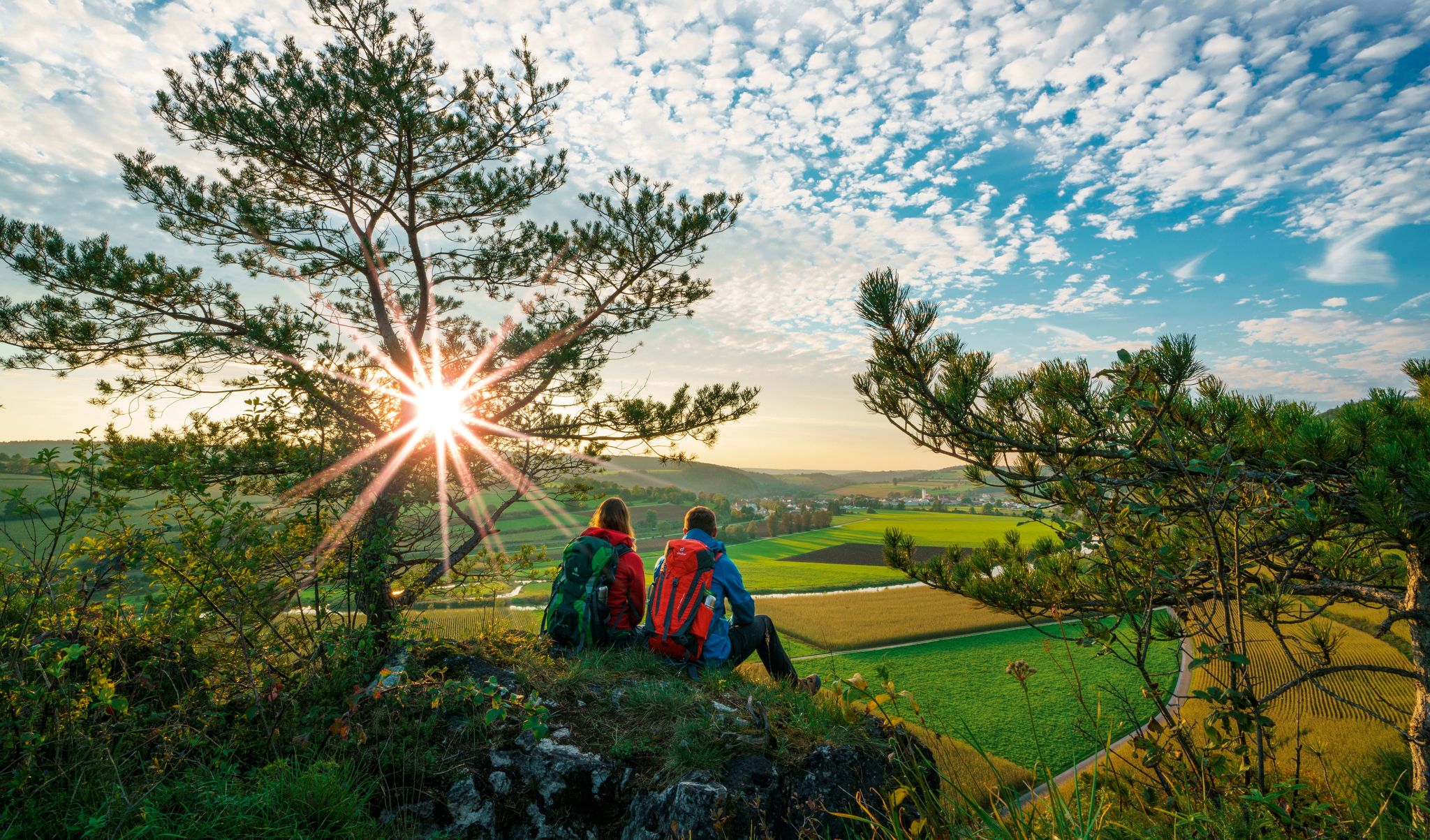
The Franconian Trail – A Diverse Hiking Dream Across 24 Stages
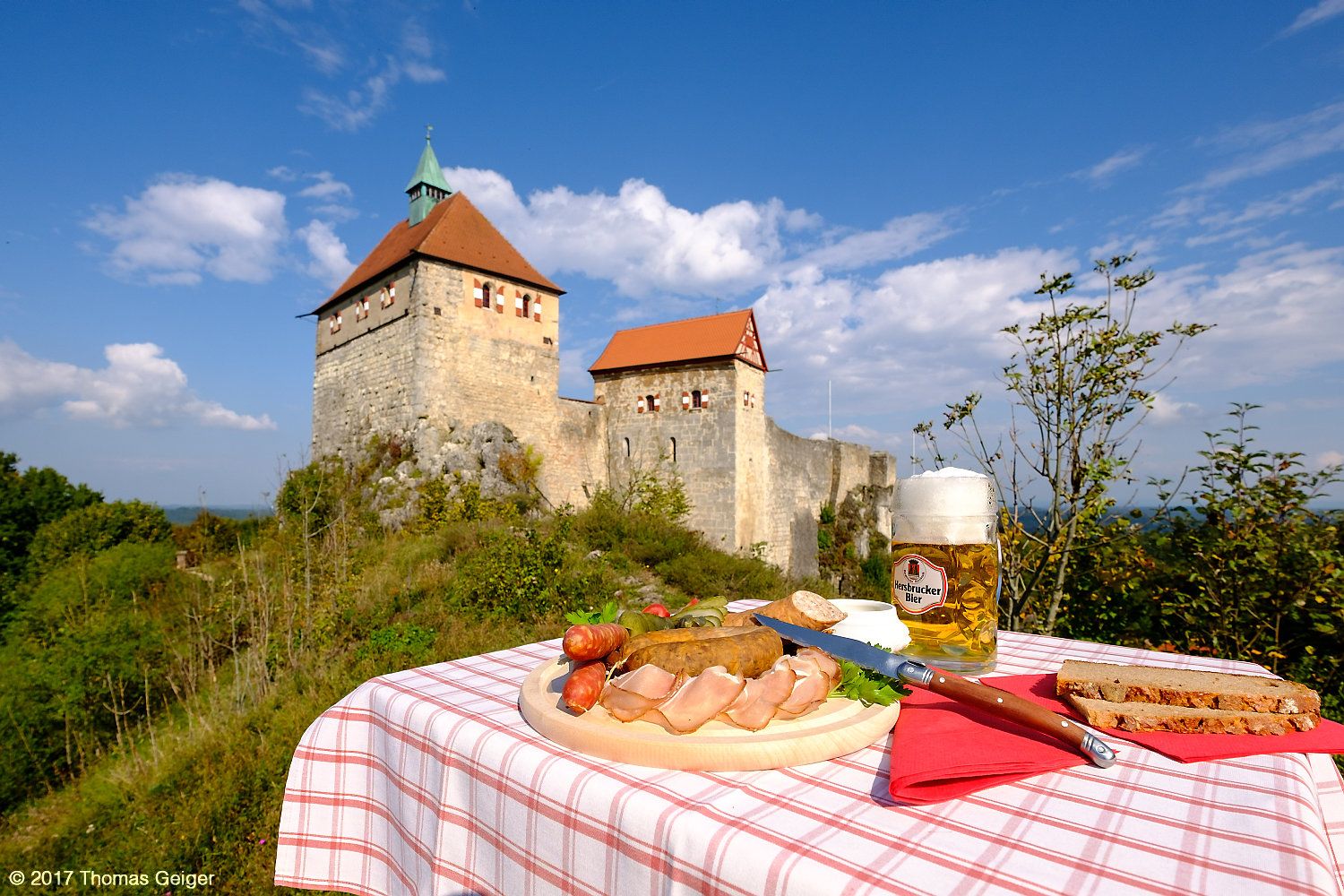
Culinary cycling Tours in the heart of the Franconian Alb mountains

Explore southern Germany – hiking and biking with the VGN
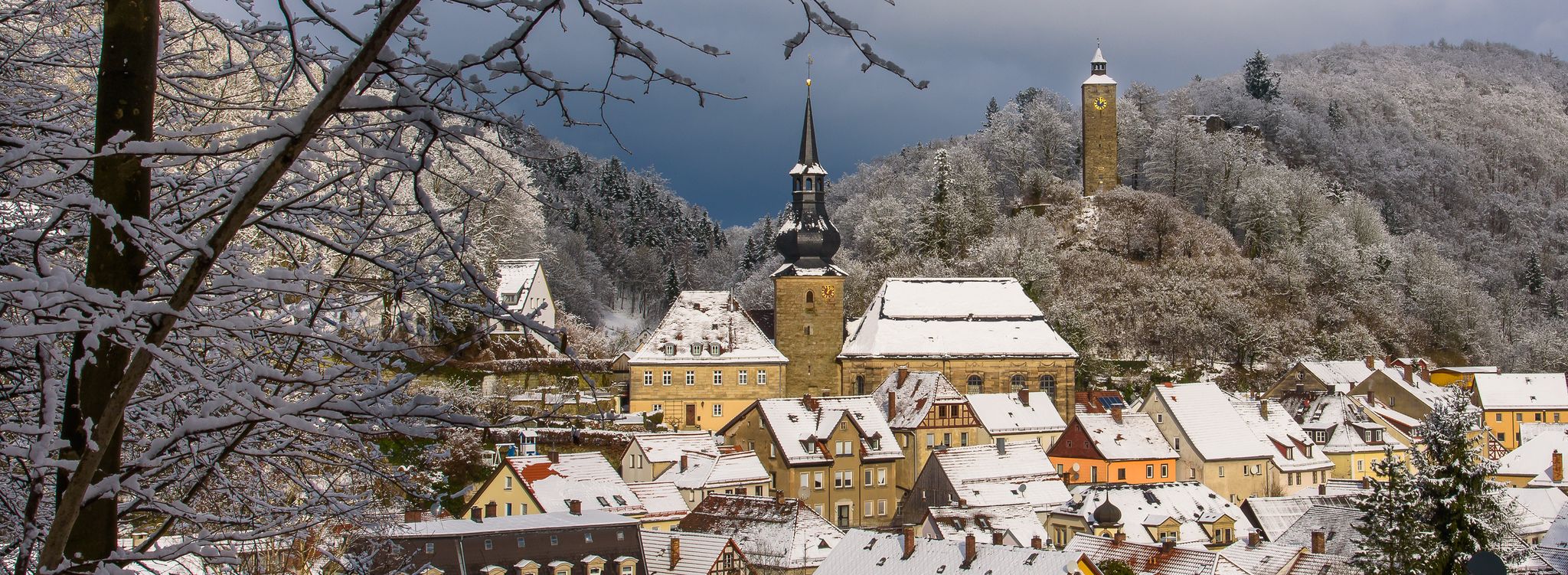
Get out into the fresh Nuremberg air – winter walks with VGN leisure tips
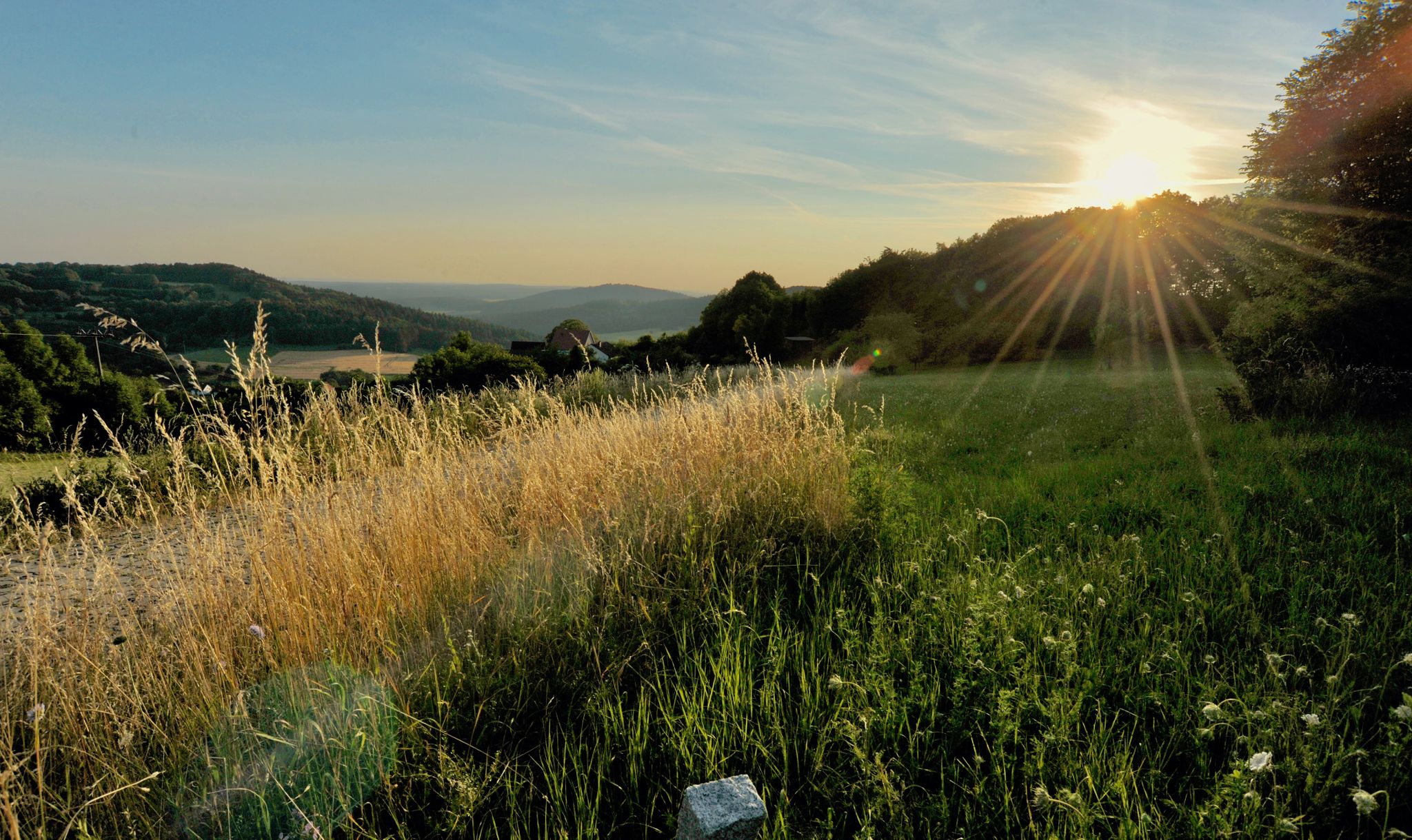
Hiking quiet paths through the Nürnberger Land in Bavaria
Other adventures around Hersbruck


Tips from the Community

The castle was built between 1356 and 1360 by Emperor Charles IV. It was strategically located on the "Golden Road", the important trade route between Nuremberg and Prague. Charles IV used it as a stopover castle and residence to consolidate his claims to power in the region. Today, it houses an external campus of the Nuremberg Academy of Fine Arts.
9
0

From the Pegnitz Bridge there is a wonderful view of the Laufer Wenzelsburg Castle.
4
0

In 1391 the castle was pledged to Linhard von Henfenfeld by the Wittelsbach dukes, after which other pledge holders and caretakers appeared. In 1419 it was ceded to the brothers Hans, Eberhart and Wilhelm von Mistelbeck, who had claims against Duke Ludwig of Bavaria-Ingolstadt. The handover did not take place because of the Bavarian War. In the Bavarian War between Duke Ludwig of Bavaria-Ingolstadt and his cousins, the Bavarian Dukes of Landshut and Munich, Lichtenstein Castle was conquered and destroyed in June 1421 by Count Palatine Johann von Neumarkt-Neunburg, who was allied with Ludwig's opponents. In the terrain exploration of the imperial city of Nuremberg from 1503 to 1504, in which all castles and fortifications are listed in relation to the Landshut War of Succession that soon followed, Lichtenstein is described as “an old, traditional castle”. An entry in the Salbuch from 1516 also states that Lichtenstein was only a castle stable. The Sulzbach regional court granted the Mistelbeck brothers their right to compensation in 1421 and again in 1422. The castle ruins fell into disrepair; In 1851 the Bavarian state sold it to Paul Willhelm Freiherr Ebner von Eschenbach. Around 1855, in the spirit of the awakening romanticism of castles, he had the pseudo-ruins built on the upper castle using rising masonry and an English landscape garden set up in the area of the lower castle, which, however, also fell into disrepair.[5] Today there is forest around the castle ruins and it is partly overgrown with bushes. Several hiking trails from Pommelsbrunn and the surrounding area lead to the ruins. The medieval remains of Lichtenstein Castle, especially those of the lower castle, are at great risk of decay. Source: Wikipedia
6
0

Today there is forest around the castle ruins and it is partly overgrown with bushes. Several hiking trails from Pommelsbrunn and the surrounding area lead to the ruins. In any case, the view is beyond any doubt :)
4
0

Beautiful, well-preserved castle, which you can walk around just below the walls. You can also visit the inside for a fee of €2.50 for adults. The castle is open from March to November (weather permitting). The castle is open on Sundays and public holidays from 11 a.m. to 5 p.m It is closed on Mondays and Tuesdays.
6
0
The Wenzelburg (also: Burg Lauf or Laufer Kaiserburg) is a former imperial residence on an island in the Pegnitz in the Franconian town of Lauf an der Pegnitz in the district of Nürnberger Land.
2
0

Castle is accessible and can be visited. You have a great view. Between the floors there is a beautiful herb garden. A part is integrated into a rock. A newer building, the "long house", houses, among other things, holiday apartments.
6
1

Frequently Asked Questions
What kind of historical architecture can I expect to see at castles near Hersbruck?
The castles around Hersbruck showcase a rich tapestry of architectural styles, from medieval fortifications to Renaissance residences and Baroque fortresses. For example, Lauf Castle was originally a medieval fortress rebuilt in the 14th century, while Hersbruck Castle evolved from a protective structure to a Renaissance building with additions in the 17th century. Rothenberg Fortress is a prime example of an impressive Baroque military fortification.
Are there any castles near Hersbruck that offer panoramic views?
Yes, several castles provide spectacular views. Hohenstein Castle, perched on the highest point in Middle Franconia, offers breathtaking panoramic vistas. Similarly, Rothenberg Fortress also provides great views of the surrounding area from its elevated position.
Which castles are particularly family-friendly around Hersbruck?
Many castles offer enjoyable experiences for families. Lauf Castle is considered family-friendly, and its unique Hall of Arms can be fascinating for all ages. Hartenstein Castle also features a small museum on knighthood, which can be engaging for children.
What are some unique historical features of castles in the Hersbruck region?
The region's castles boast unique historical elements. Lauf Castle is renowned for its Hall of Arms, featuring 112 coats of arms of Bohemian nobility, a truly unparalleled historical and artistic treasure. Hersbruck Castle, still housing the District Court, offers a unique blend of historical significance and contemporary function. Rothenberg Fortress is notable for its massive defensive architecture, including outer walls up to 16 meters thick and high casemates.
Can I visit castles near Hersbruck with my dog?
While specific rules vary by castle, many outdoor areas and trails around castle ruins are dog-friendly. For example, the area around Lichtenstein castle ruins is noted as dog-friendly, making it a good option for walks with your pet. Always check individual castle regulations before your visit.
What outdoor activities can I do near these castles?
The Hersbruck region offers a variety of outdoor activities near its castles. You can find numerous hiking trails, such as the 'Kalorienweg' or routes around the Happurg Reservoir. For cycling enthusiasts, there are gravel biking and mountain biking trails, including routes like 'Winding Road to Aspertshofen – View of Hohenstein Castle loop'. You can explore more options in the hiking guide, gravel biking guide, and MTB trails guide for Hersbruck.
Are there any less crowded or hidden gem castles worth visiting?
While popular sites draw crowds, Burg Henfenfeld and Schloss Artelshofen offer a quieter experience. Burg Henfenfeld is a well-preserved hill castle with a nationally significant landscaped garden, often used for cultural events. Schloss Artelshofen, a privately owned manor house with medieval origins, provides a glimpse into a blend of medieval and Renaissance styles in a serene setting.
What is the best time of year to visit the castles around Hersbruck?
The summer months are generally ideal for visiting, as many castles offer guided tours and outdoor access. For instance, guided tours at Rothenberg Fortress are available during summer, while its casemates are closed in winter for bat protection. Spring and autumn also offer pleasant weather for exploring the castle grounds and surrounding nature.
Are there cafes or restaurants near the castles?
Yes, some castles have facilities or are located near towns with dining options. Hartenstein Castle, for example, has a beautiful beer garden and good food. In towns like Lauf an der Pegnitz (near Lauf Castle) or Hersbruck itself, you'll find various cafes and restaurants.
How can I get to the castles using public transport?
Hersbruck is well-connected by regional train services. From Hersbruck, local buses or short taxi rides can often take you to the vicinity of many castles. For specific castles like Lauf Castle, which is located in Lauf an der Pegnitz, direct train connections are available from Nuremberg, making it easily accessible by public transport.
What should I bring for a day trip to the castles and surrounding trails?
For castle visits and walks, it's advisable to wear comfortable walking shoes, especially if you plan to explore castle grounds or nearby trails. Depending on the weather, bring appropriate clothing, water, and snacks. Some castles, like Hohenstein Castle, might require some off-road mobility, so sturdy footwear is recommended.
Are there any castles that host cultural events or exhibitions?
Yes, several castles in the region are active cultural venues. Hohenstein Castle regularly hosts art exhibitions and castle plays. Burg Henfenfeld, which houses an opera academy, is also used for various cultural events and catering, offering a vibrant historical setting for performances.
Most popular routes around Hersbruck
Most popular attractions around Hersbruck

Get inspired with the komoot mobile app


Explore more
Looking for the best castles somewhere else? Discover other guides around Hersbruck:
