Attractions and Places To See around Grimma - Top 20
Best attractions and places to see around Grimma include a blend of historical significance and natural beauty. Situated in the Mulde River Valley, the region features a picturesque landscape of gentle hills and riverbanks. Visitors can explore notable landmarks, engaging cultural sites, and natural features. The Old Town of Grimma is recognized for its historical architecture, while the surrounding area offers various outdoor activities.
Best attractions and places to see around Grimma
- The most popular attractions is Grimma Suspension Bridge…
Last updated: October 11, 2026
Pöppelmann Bridge (Grimma)
Highlight • Bridge
It's a shame that such architecture no longer exists.
Great bridge with hollows and city views.
Translated by Google •
Tip by

Albert Tower on the Collmberg
Highlight • Monument
Translated by Google •
Tip by

Sign up now to discover places like this
Get recommendations on the best single tracks, peaks, & plenty of other exciting outdoor places.
Gattersburg Suspension Bridge
Highlight • Bridge
After …
Translated by Google •
Tip by

Mulde Cycle Path
Highlight • Cycleway
Translated by Google •
Tip by

Nimbschen monastery ruins
Highlight • Historical Site
Showing Translation
Tip by

Sign up for free to discover even more attractions around Grimma.
Already have an account?
Start today with a free account
Your next adventure awaits.
Popular around Grimma

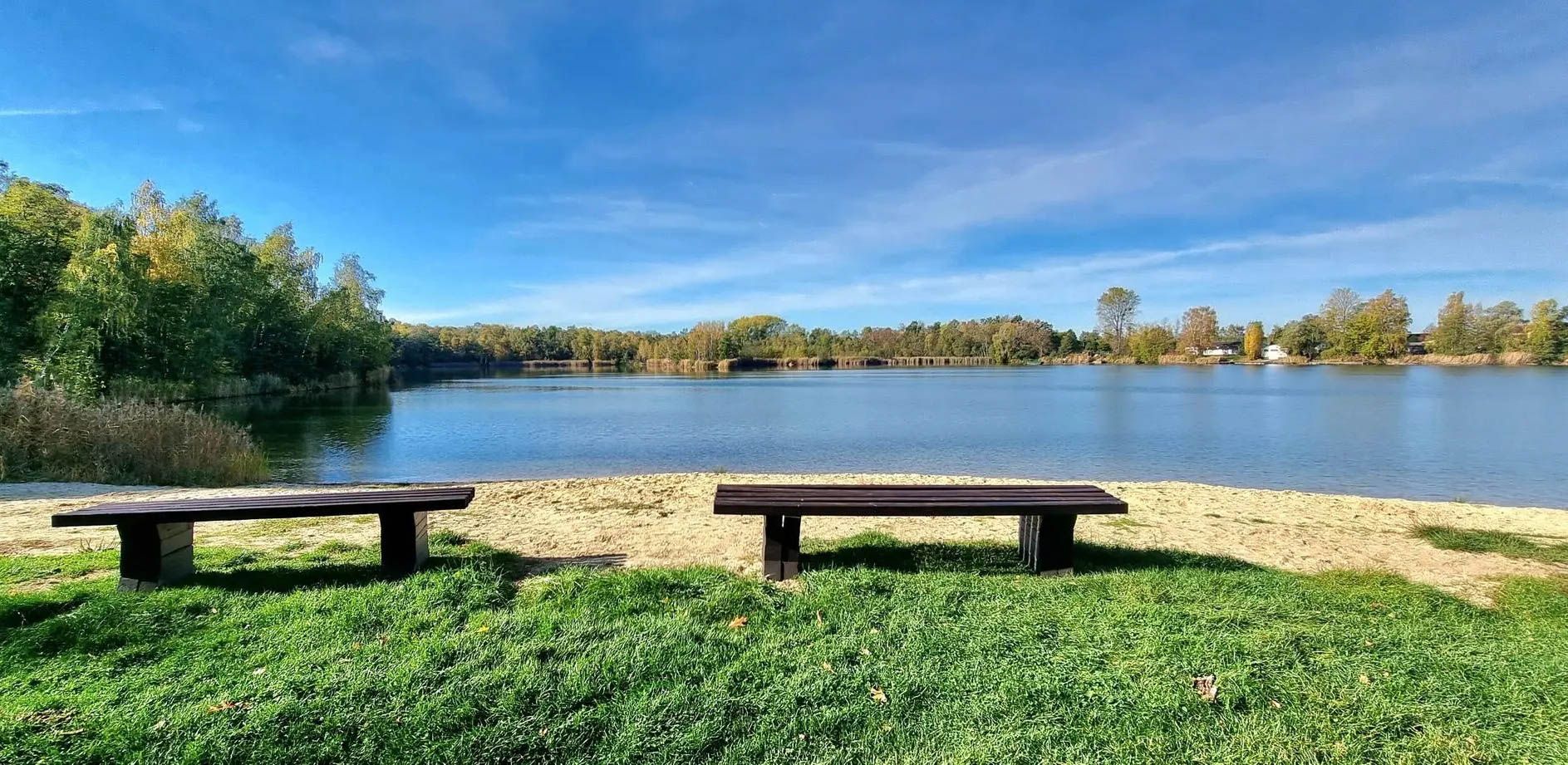
Lake views and fresh air – cycling by the water in the Leipzig region
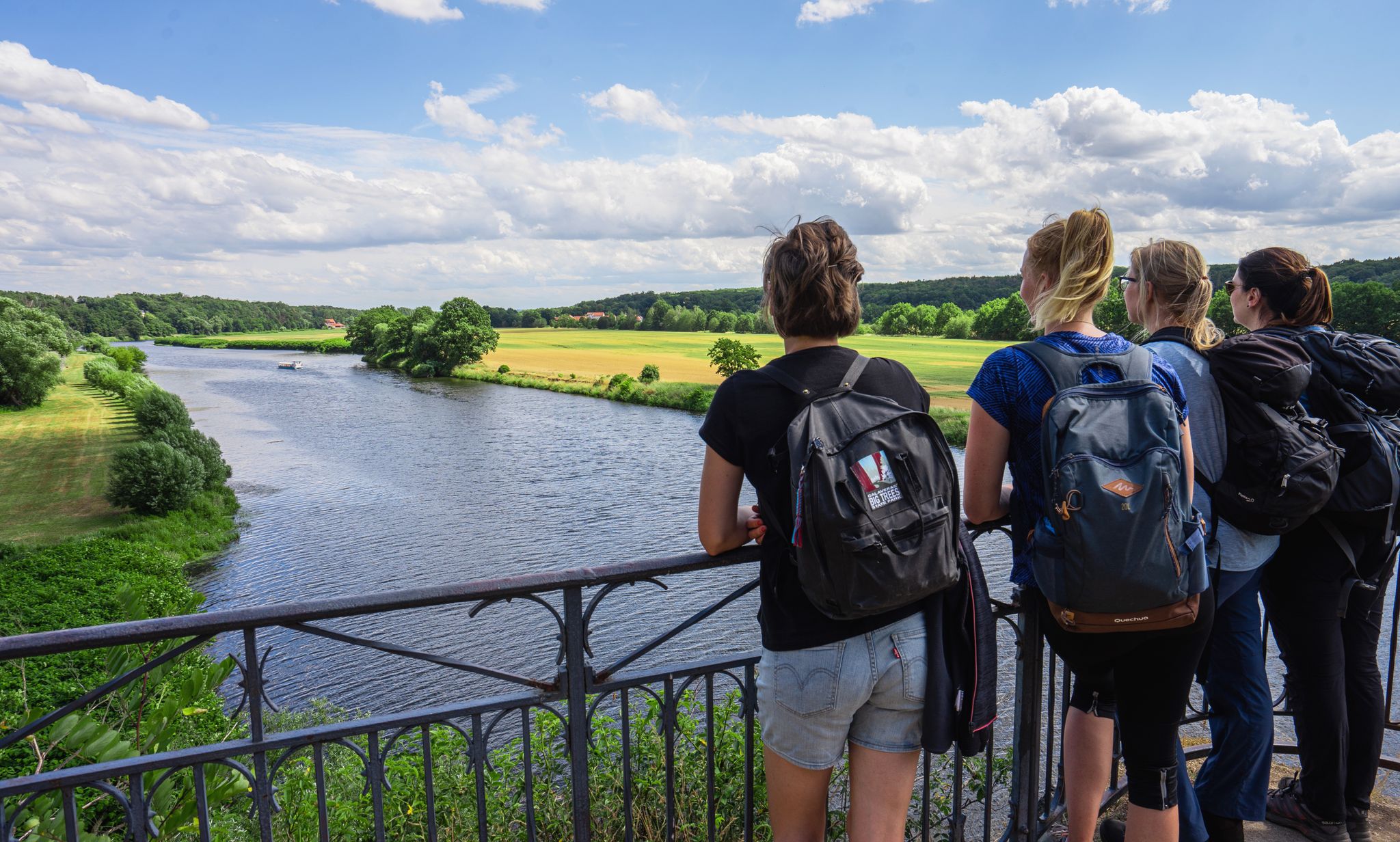
With the PlusBus to wonderful hikes near Leipzig
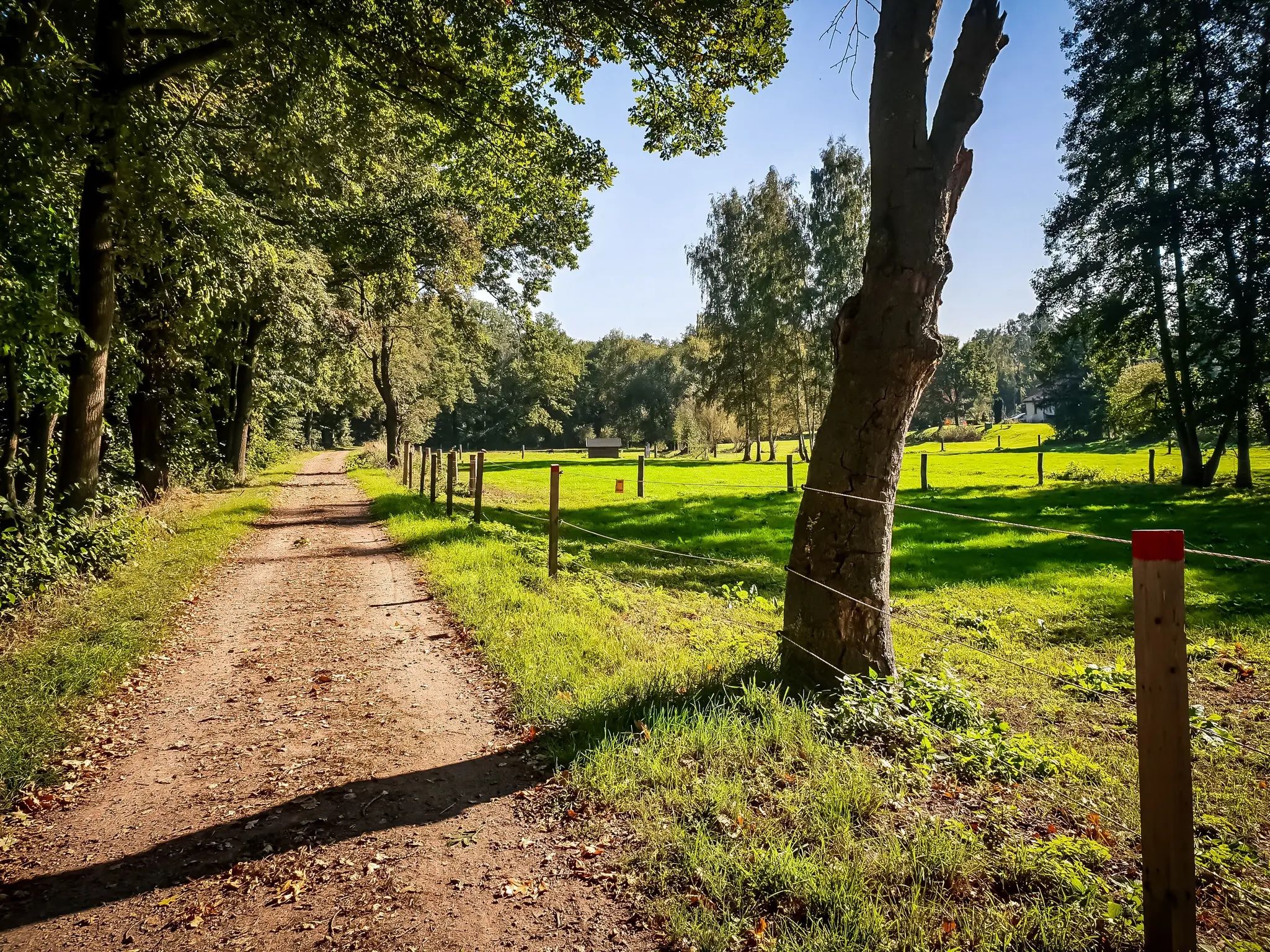
Hiking between big city and nature – urban escapism Leipzig
Out and about with the pram – hiking around Leipzig
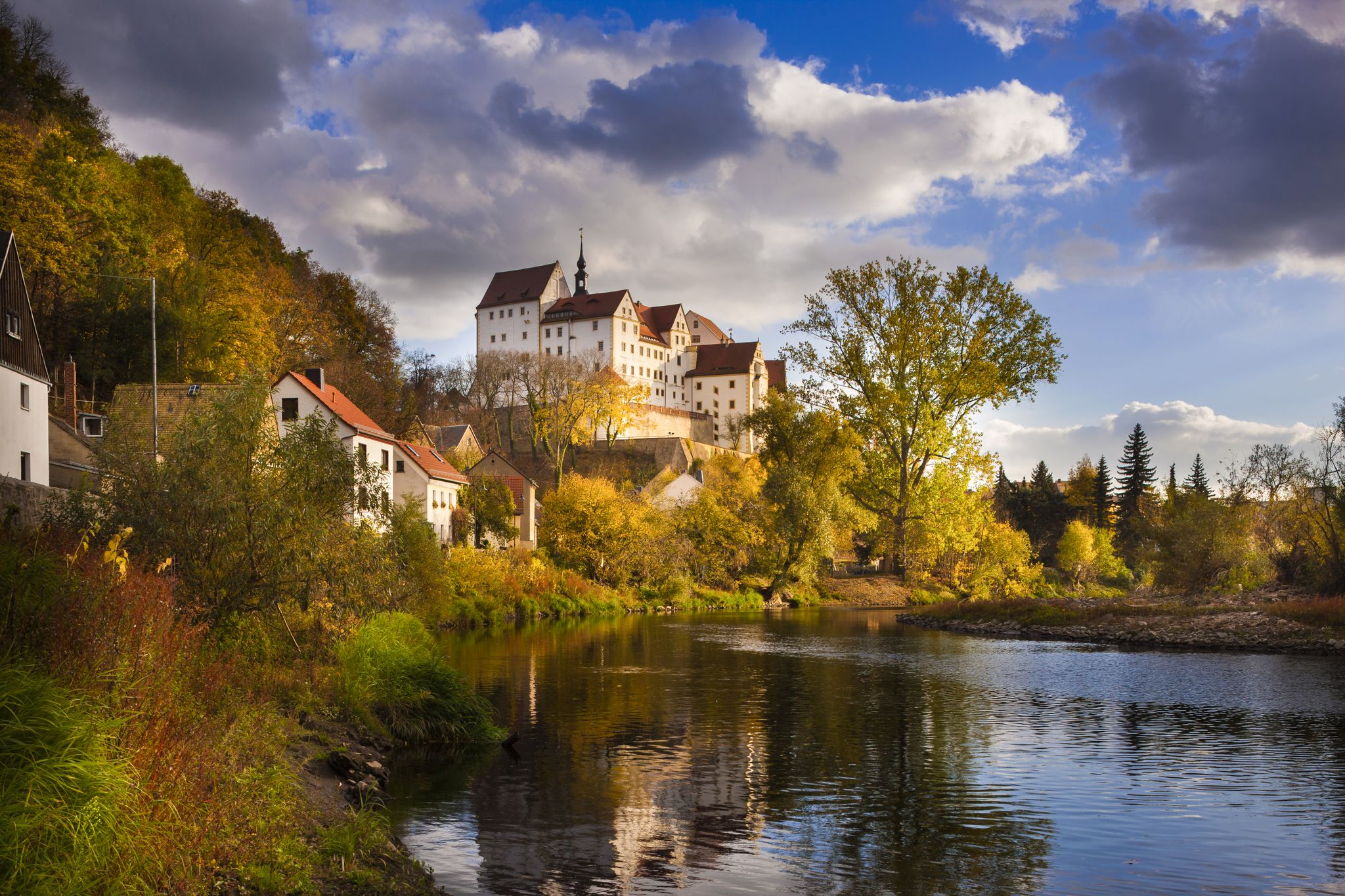
Experience art, culture and handicrafts – Germany’s Mulde Cycle Path
Historical discovery Tours on the MDV in Germany
Hike and enjoy with Germany’s MDV – explore around Leipzig and Halle
Cycling to exciting events around Germany’s Leipzig

Vast forests & pretty lakes – discovering Leipzig’s surroundings on foot
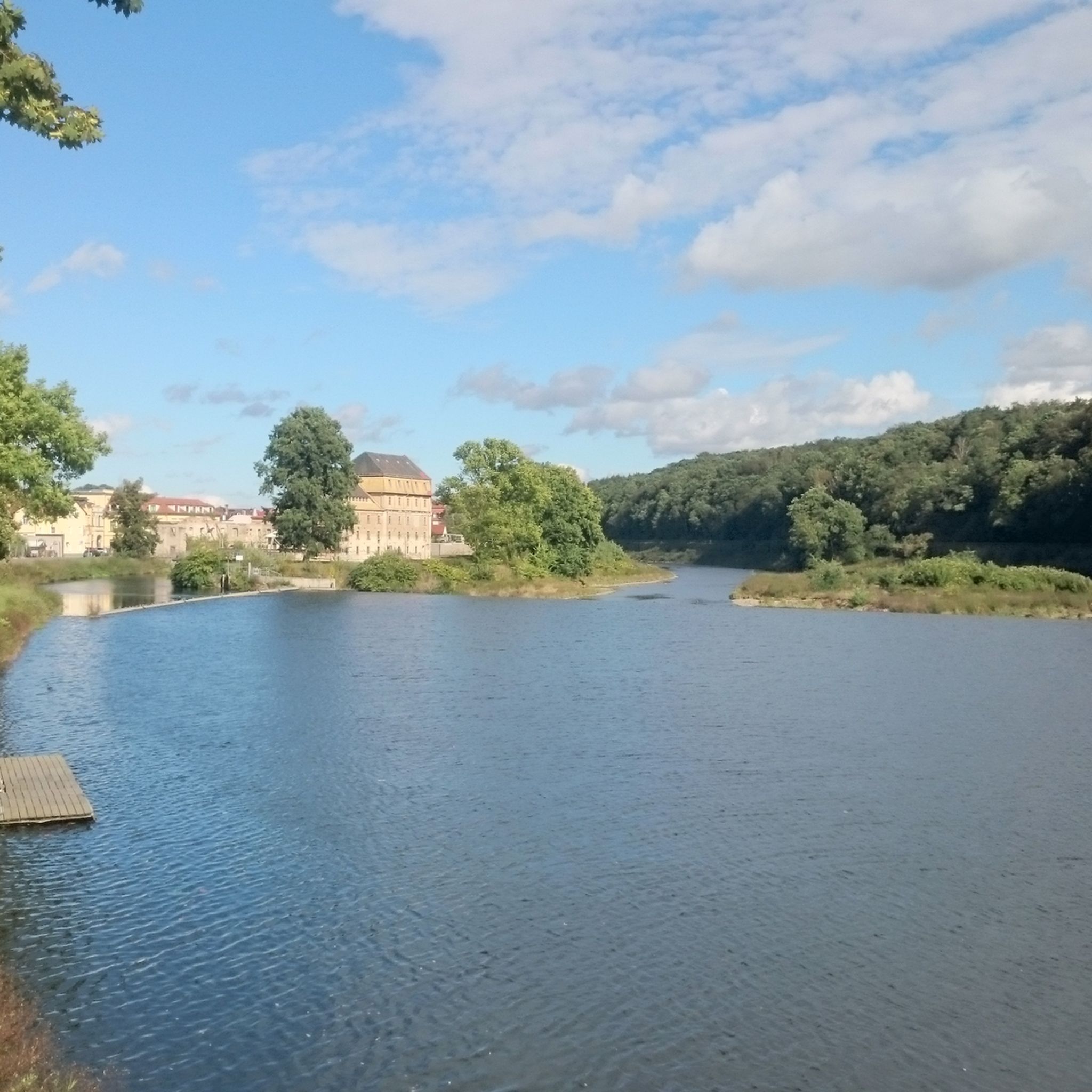
Hiking around Grimma
Other adventures around Grimma


Tips from the Community


Even a small bridge snack bar can be found here with a wide range.
17
0
If you had to choose between the concrete bridge and the baroque Pöppelmann Bridge, it would be clear. It's a shame that such architecture no longer exists. Great bridge with hollows and city views.
18
0

radio tower collm The Oschatz transmitter is a basic network transmitter of Deutsche Funkturm GmbH for broadcasting radio signals. It is located on the Collm six kilometers west of Oschatz. A 90 meter high reinforced concrete tower, which was built in 1960, was originally used as the antenna carrier. @wikipedia
5
1


☆ Matthäus Pöppelmann managed the construction.
8
0

Very beautiful monastery ruins. Sometimes serves as a beautiful wedding backdrop!
1
0

When the weather is nice, you have a very wide view (among other things, you can see the Monument to the Battle of the Nations in Leipzig). To get to the tower, you have to overcome 102 steps.
6
2
Frequently Asked Questions
What historical landmarks can I explore in Grimma?
Grimma is rich in history. You can explore the picturesque Nimbschen monastery ruins, once home to Katharina von Bora, Martin Luther's wife. The Pöppelmann Bridge (Grimma) is a historic stone bridge offering views of the Mulde River. Don't miss Grimma's Old Town, renowned for its 26 magnificent buildings spanning five stylistic periods, including the Town Hall and the Frauenkirche.
Are there any notable viewpoints or natural features around Grimma?
Absolutely! Grimma is known as the 'Pearl of the Mulde River Valley' for its scenic beauty. The Grimma Suspension Bridge, Saxony's longest cable-stayed suspension bridge, offers great views of the Mulde River and connects to the city park. For panoramic vistas, climb the 18-meter-high Albert Tower on the Collmberg, which at 312 meters, provides wide views, even of the Monument to the Battle of the Nations in Leipzig on clear days.
What cultural sites are worth visiting in Grimma?
Grimma offers several engaging cultural sites. The Göschenhaus Grimma and Seume Memorial, the former home of publisher Georg Joachim Göschen, provides insights into 18th-century book publishing. The St. Augustin Gymnasium, founded in 1550, along with the adjacent Grimma Monastery Church, forms an iconic view of the town. You can also visit the Wilhelm Ostwald Park and Museum, dedicated to the Nobel Prize winner in chemistry.
What kind of outdoor activities can I do near Grimma's attractions?
The Mulde River Valley offers an extensive network of paths for various outdoor activities. You can find numerous options for easy hikes around Grimma, including routes that pass by the Grimma Suspension Bridge and the Mulde Weir. For cyclists, there are gravel biking routes along the Mulde Cycle Path. Runners can explore running trails that connect highlights like the Grimma Suspension Bridge and the Gattersburg Suspension Bridge.
Are there family-friendly attractions in Grimma?
Yes, many attractions in Grimma are suitable for families. The Grimma Suspension Bridge and Pöppelmann Bridge (Grimma) are great for a stroll. The Nimbschen monastery ruins offer an interesting historical experience for all ages. Additionally, the Stadtgut Grimma museum features local minerals, 20th-century living culture in miniatures, and a functional bakery oven, which can be engaging for children.
What is the best time of year to visit Grimma?
Grimma is beautiful year-round, but the spring and summer months (April to September) are ideal for enjoying the outdoor activities along the Mulde River, such as walking, cycling, and boat trips. The mild weather makes exploring the Old Town and historical sites particularly pleasant. Autumn also offers stunning scenery with colorful foliage in the Mulde River Valley.
Can I find easy hiking trails around Grimma?
Yes, Grimma offers several easy hiking trails perfect for a relaxed outdoor experience. You can find routes like the 'Grimma Suspension Bridge – Mulde Weir' loop or the 'Höfgen Ship Mill Museum – Weg der Steine' loop, both of which are considered easy. These trails allow you to enjoy the picturesque Mulde River Valley and its attractions. For more options, explore the easy hikes around Grimma guide.
Are there any unique or 'hidden gem' attractions in Grimma?
Beyond the main highlights, consider visiting the Floating Water Mill in Höfgen, a unique attraction where you can experience crossing the Mulde by boat and exploring the water and boat mill. The First European Toy Boat Museum in Mutzschen, located nearby, showcases over 1,700 miniature and toy boats, offering a charming and unexpected experience.
What do visitors enjoy most about Grimma?
Visitors frequently praise Grimma for its blend of historical charm and natural beauty. The well-preserved Old Town with its magnificent architecture, the scenic Mulde River Valley, and the historical significance of sites like the Nimbschen monastery ruins are often highlighted. The extensive network of walking and cycling paths along the river also receives positive feedback for outdoor enthusiasts.
Are there any dog-friendly walks around Grimma?
The natural landscapes around Grimma, particularly the Mulde Riverbanks and the city park, offer excellent opportunities for dog-friendly walks. Many of the walking and cycling paths, including sections of the Mulde Cycle Path, are suitable for exploring with your dog. Always ensure your dog is on a leash where required and respect local regulations.
How long should I plan for visiting Grimma's attractions?
To experience Grimma's main attractions, including a stroll through the Old Town, a visit to the Nimbschen monastery ruins, and a walk across the Grimma Suspension Bridge, a full day is recommended. If you wish to explore the museums, hike or cycle along the Mulde River, or visit the Albert Tower on the Collmberg, consider extending your visit to two or more days.
Are there any castles or palaces in the Grimma region?
Yes, the region around Grimma is dotted with numerous beautiful palaces, castles, and manor houses. Grimma Castle itself was built as a moated castle around 1200, with parts of its Romanesque architecture still visible. The Gattersburg, located on a rock overlooking the Mulde, is another significant historical structure worth noting.
Most popular routes around Grimma
Most popular attractions around Grimma

Get inspired with the komoot mobile app


Explore more
Still not found the Highlight you’re looking for? See guides of the top attractions in other regions:
