Top 18 Caves around Glashütten
Best caves around Glashütten are located within the Taunus Nature Park, a region known for its forested landscapes and historical sites, including remnants of the Roman Limes. While the area is primarily recognized for hiking, it also features various geological formations and smaller grottoes. Glashütten, situated in the Hochtaunuskreis district, offers a landscape of varied terrain. The region provides opportunities to explore natural rock formations and historical features.
Best caves around Glashütten
- The most popular caves is Gagern Cave,…
Last updated: July 1, 2026
Bear cave with stuffed animals
Highlight • Cave
To reach it via a narrow path that goes from the main path.
Translated by Google •
Tip by

Gagern Cave
Highlight • Cave
Translated by Google •
Tip by

Sign up now to discover places like this
Get recommendations on the best single tracks, peaks, & plenty of other exciting outdoor places.
Sign up for free
Bear Cave
Highlight • Cave
No bears to be seen 😂
At least an angel smiled at me 👌😉
Translated by Google •
Tip by

Oberauroff Cave
Highlight • Cave
Translated by Google •
Tip by

Entrance to the Goldgrube Mine Adit
Highlight • Historical Site
Translated by Google •
Tip by

Sign up for free to discover even more caves around Glashütten.
Sign up for free
Already have an account?
Start today with a free account
Your next adventure awaits.
Login or Signup
Popular around Glashütten

History, forest and gnomes – hiking in Germany’s Hochtaunus region

From safari to world heritage — cycling tours in the Taunus region
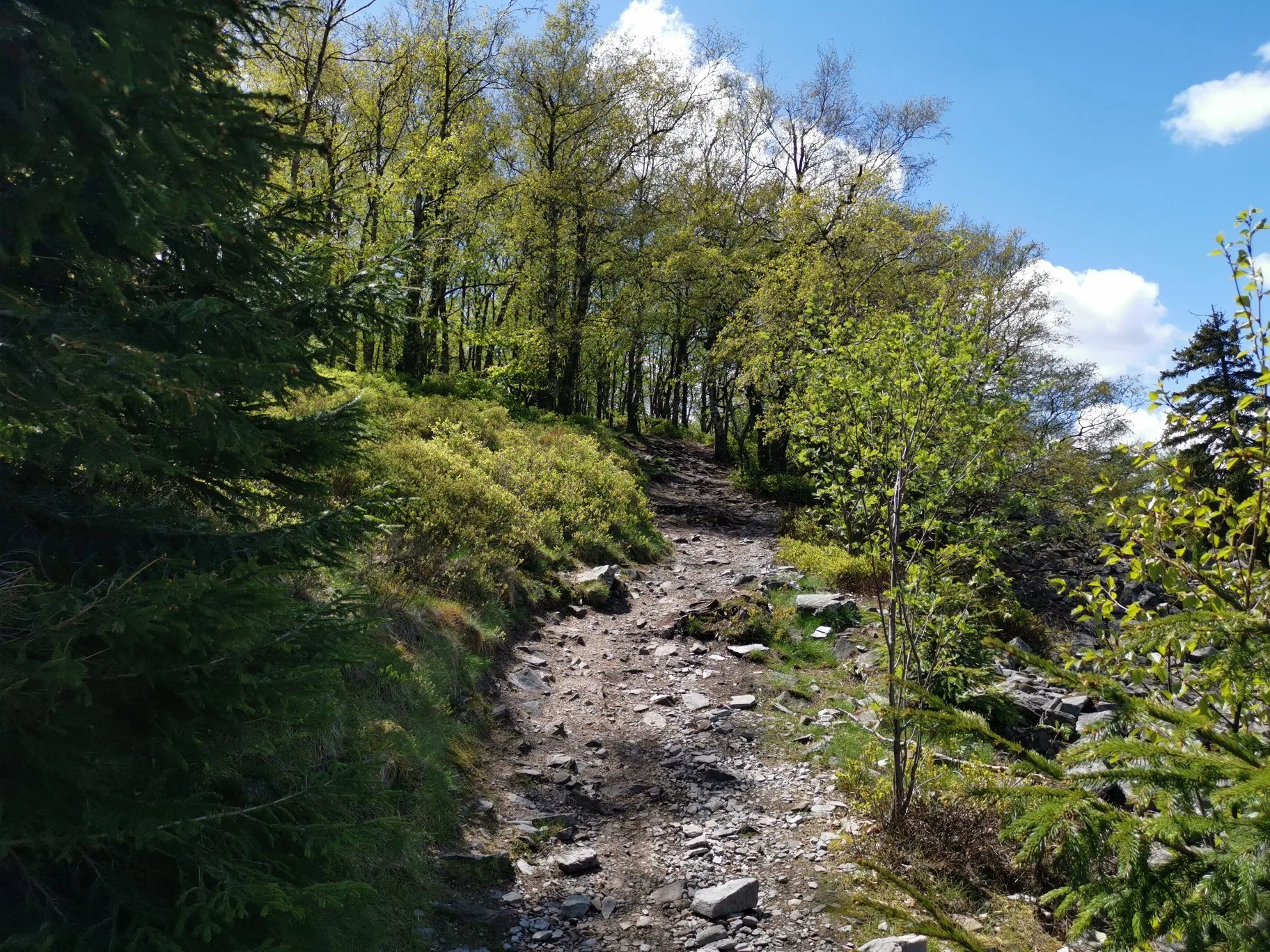
Autumn hikes around Frankfurt
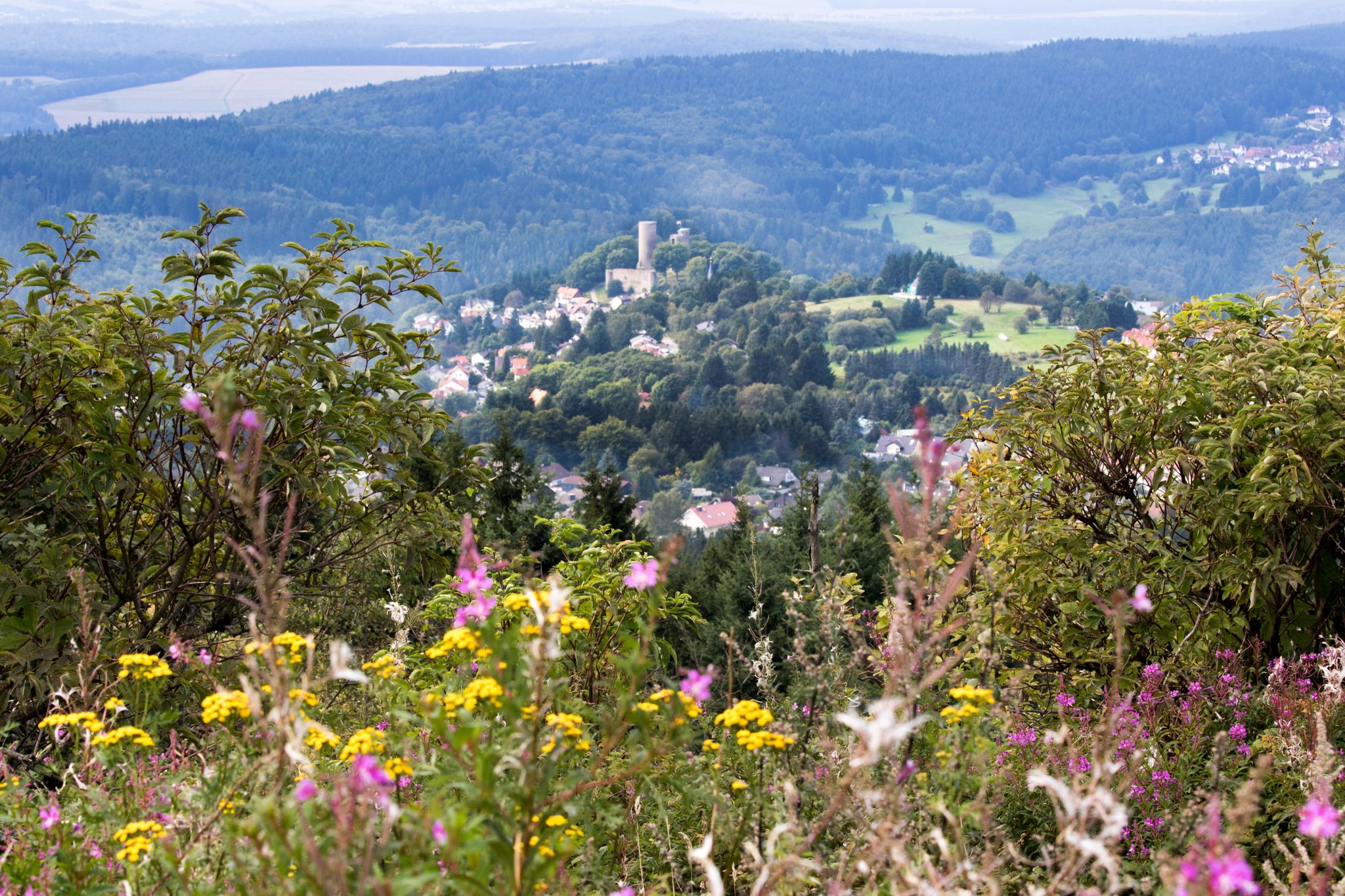
Zwischen Gipfeln und Geschichte – abwechslungsreiche Radtouren im Taunus
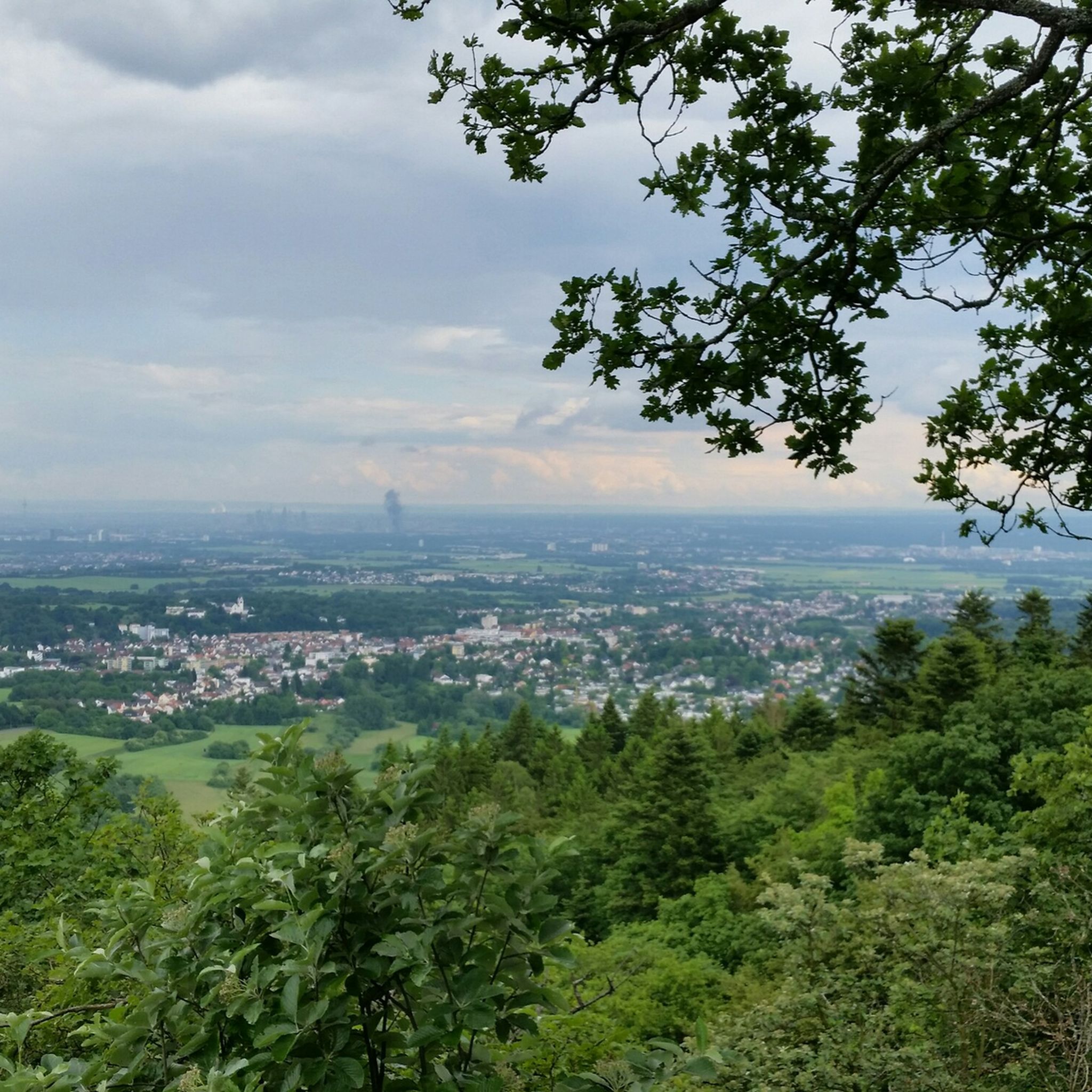
Hiking around Glashütten
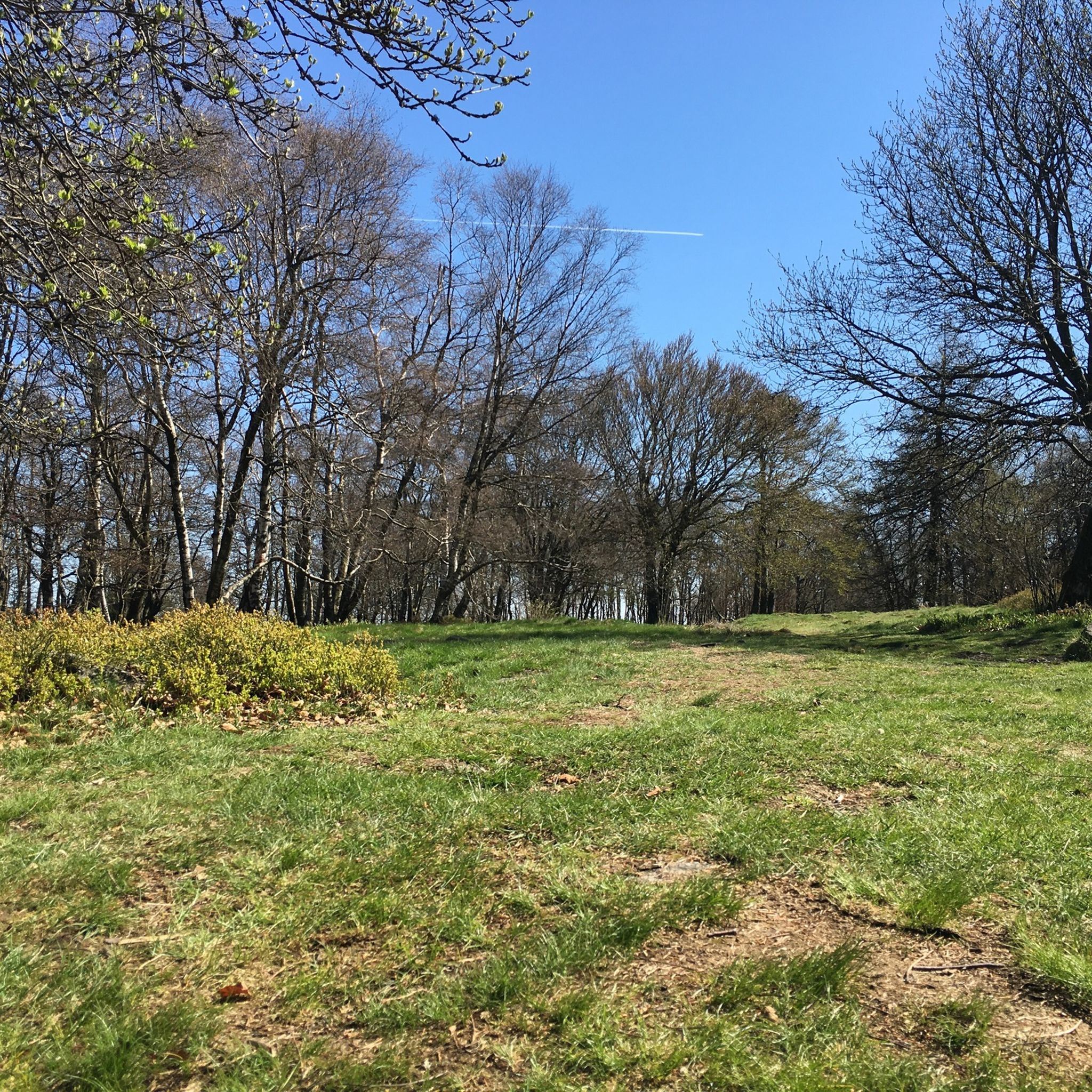
MTB Trails around Glashütten
Running Trails around Glashütten
Cycling around Glashütten
Road Cycling Routes around Glashütten
Mountain Hikes around Glashütten
Other adventures around Glashütten


Tips from the Community

The Fuchshöhle (Fox Cave), also known as Ofterdingen Cave, lies near a small footbridge over the Liederbach stream and can be reached from Gagernring. Legend has it that the minnesinger Heinrich von Ofterdingen lived there in the Middle Ages after returning from the singing competition at Wartburg Castle. However, it is more likely that this small rock grotto below the Gräbenwald forest was created or enlarged at the suggestion of Friedrich von Gagern, who particularly enjoyed spending time there during his visits to Hornau. The Gagern Cave is first mentioned in writing on April 14, 1834.
18
0

The Oberauroff Cave near Idstein is an exciting natural highlight for hikers and cyclists, which can be wonderfully integrated into a tour through the Rheingau-Taunus district.
2
1
A great way to drive the path along the Liederbach
5
0
A small path along the stream a bit tricky to drive the way but really great
6
0

The gold mine 🪙💰 near Oberursel was an experimental mine with several shafts, which probably dates back to Roman times or possibly even to Celtic origins. The visible tunnel now serves as a bat quarters🦇🦇🦇. Please avoid unnecessarily illuminating the tunnel entrance. 🕯️
4
0

I crawled into the little cave again today. No bears to be seen 😂 At least an angel smiled at me 👌😉
8
0

A place steeped in history and surrounded by many rumors.
1
0
Frequently Asked Questions
What types of caves can I explore around Glashütten?
The Glashütten area, situated within the Taunus Nature Park, features primarily natural rock grottoes, smaller geological formations, and historical mine adits rather than large, developed show caves. These sites offer insights into the region's natural geology and historical mining activities.
Are there any family-friendly caves to visit near Glashütten?
Yes, the area offers a few family-friendly spots. The Bear Cave is a small grotto that is sometimes adorned with figures, making it an interesting point for families. Additionally, Gagern Cave is also considered family-friendly and is associated with local legends.
What is the most popular cave in the Glashütten region?
The most popular cave in the area is Gagern Cave. This rock grotto is known for its historical legends, including tales of the minnesinger Heinrich von Ofterdingen, and was first documented in 1834.
Are there any caves with historical significance around Glashütten?
Yes, the Gagern Cave holds historical significance, being linked to medieval legends. Another notable historical site is the Entrance to the Goldgrube Mine Adit, an experimental mine with origins possibly dating back to Roman or Celtic times, though it now serves as a bat hibernation area.
Can I find any caves that offer unique natural features or viewpoints?
The Oberauroff Cave is a natural monument featuring an unusually large hole in a rock wall, which also serves as a unique resting place and viewpoint for hikers and cyclists.
Are there any large, publicly accessible show caves in the immediate vicinity of Glashütten?
No, Glashütten in the Taunus Nature Park does not feature large, publicly accessible show caves as primary tourist attractions. The region is characterized by smaller natural grottoes, rock formations, and historical mine adits.
What outdoor activities can I combine with visiting caves in Glashütten?
The Glashütten area is excellent for various outdoor activities. You can combine cave visits with extensive hiking on trails like the 'View from the Atzelberg Tower – Silberbach Valley loop' or the 'View of the Taunus – Großer Feldberg Summit loop'. There are also numerous cycling routes, such as the 'Glass Bench by Ines Nickchen – View of Glaskopf loop', and mountain biking trails like the 'Großer Feldberg Summit – View from Altkönig toward the Feldberg loop'. You can find more routes on the Hiking around Glashütten, Cycling around Glashütten, and MTB Trails around Glashütten guide pages.
Are there any caves in the region that are important for wildlife?
Yes, the Entrance to the Goldgrube Mine Adit is fenced off and serves as a crucial hibernation area for bats. There is also a small, hidden Bat Cave near the Sauerquelle stream, which is an important habitat for rare, protected bats, and visitors are advised to observe from a distance.
What should I know about accessibility when visiting caves around Glashütten?
The caves and grottoes in the Glashütten area are generally natural formations, often requiring walking on unpaved paths. While some, like Gagern Cave, are easily accessible via footpaths, others might involve narrower trails. Larger, developed caves with paved access are not typical for this region.
What do komoot users appreciate most about the caves in Glashütten?
Komoot users appreciate the unique character of these smaller sites. They enjoy discovering hidden gems like the Bear Cave with its playful decorations, the historical context of Gagern Cave, and the scenic resting spot at Oberauroff Cave. The blend of nature, history, and the opportunity to integrate these spots into hiking or cycling tours is highly valued.
Are there any guided caving tours available in Glashütten?
Due to the nature of the caves in the Glashütten area, which are mostly smaller grottoes and historical adits rather than extensive cave systems, formal guided caving tours are not typically offered. Exploration is generally self-guided as part of hiking or cycling routes.
What is the best time of year to visit the caves and grottoes in Glashütten?
The caves and grottoes around Glashütten can be visited year-round. Spring and autumn offer pleasant temperatures for hiking and exploring the surrounding Taunus Nature Park. In winter, some paths might be slippery, but the sites remain accessible. For sites like the Goldgrube Mine Adit, which serves as a bat habitat, it's especially important to minimize disturbance during colder months when bats are hibernating.
Most popular routes around Glashütten
Most popular attractions around Glashütten

Get inspired with the komoot mobile app


Explore more
Extend your search for the best caves by checking out these guides of the top ones around Glashütten:
