The 20 Most Amazing Peaks around Freital
Mountain peaks around Freital are characterized by their diverse geological features and historical significance. While Freital itself features the local Windberg hill, the town benefits from its proximity to the Ore Mountains and Saxon Switzerland. These regions offer a range of elevations, from rolling hills with a rich mining heritage to dramatic sandstone formations. The area provides varied terrain for outdoor exploration.
Best mountain peaks around Freital
- The most popular mountain peaks is Wilisch Summit Triangulation Pillar and World War…
Last updated: June 22, 2026
Wilisch Summit Triangulation Pillar and World War I Memorial
Highlight • Summit
Translated by Google •
Tip by

Babisnauer Poplar and Observation Tower
Highlight • Natural Monument
Translated by Google •
Tip by

Sign up now to discover places like this
Get recommendations on the best single tracks, peaks, & plenty of other exciting outdoor places.
Sign up for free
Kaitzer Heights
Highlight • Viewpoint
Translated by Google •
Tip by
Gohlig Triangulation Pillar
Highlight • Monument
Translated by Google •
Tip by

Trutzsch
Highlight • Viewpoint
Translated by Google •
Tip by
Sign up for free to discover even more peaks around Freital.
Sign up for free
Already have an account?
Start today with a free account
Your next adventure awaits.
Login or Signup
Popular around Freital
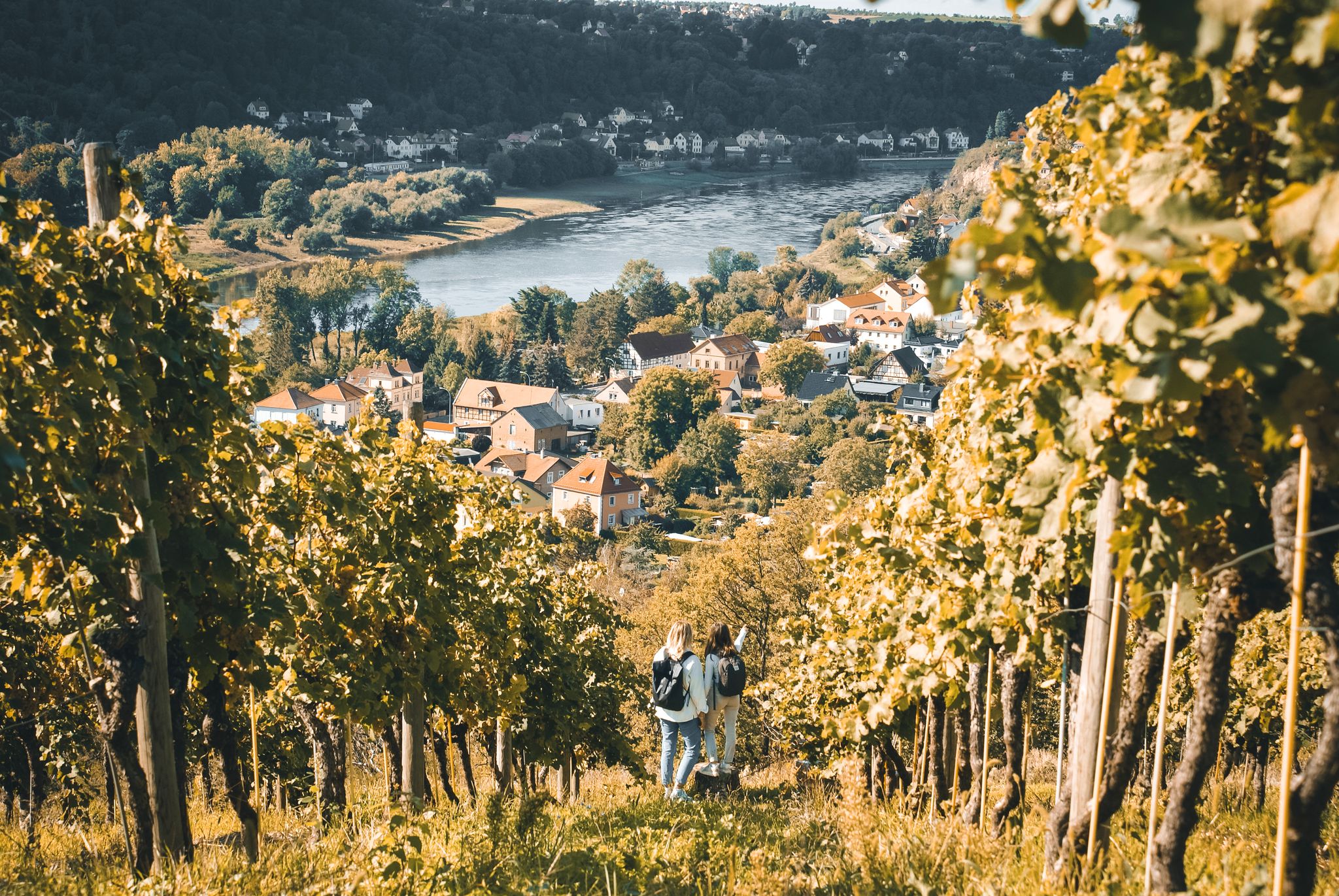
Natural treasures and idyllic villages – walking around Dresden
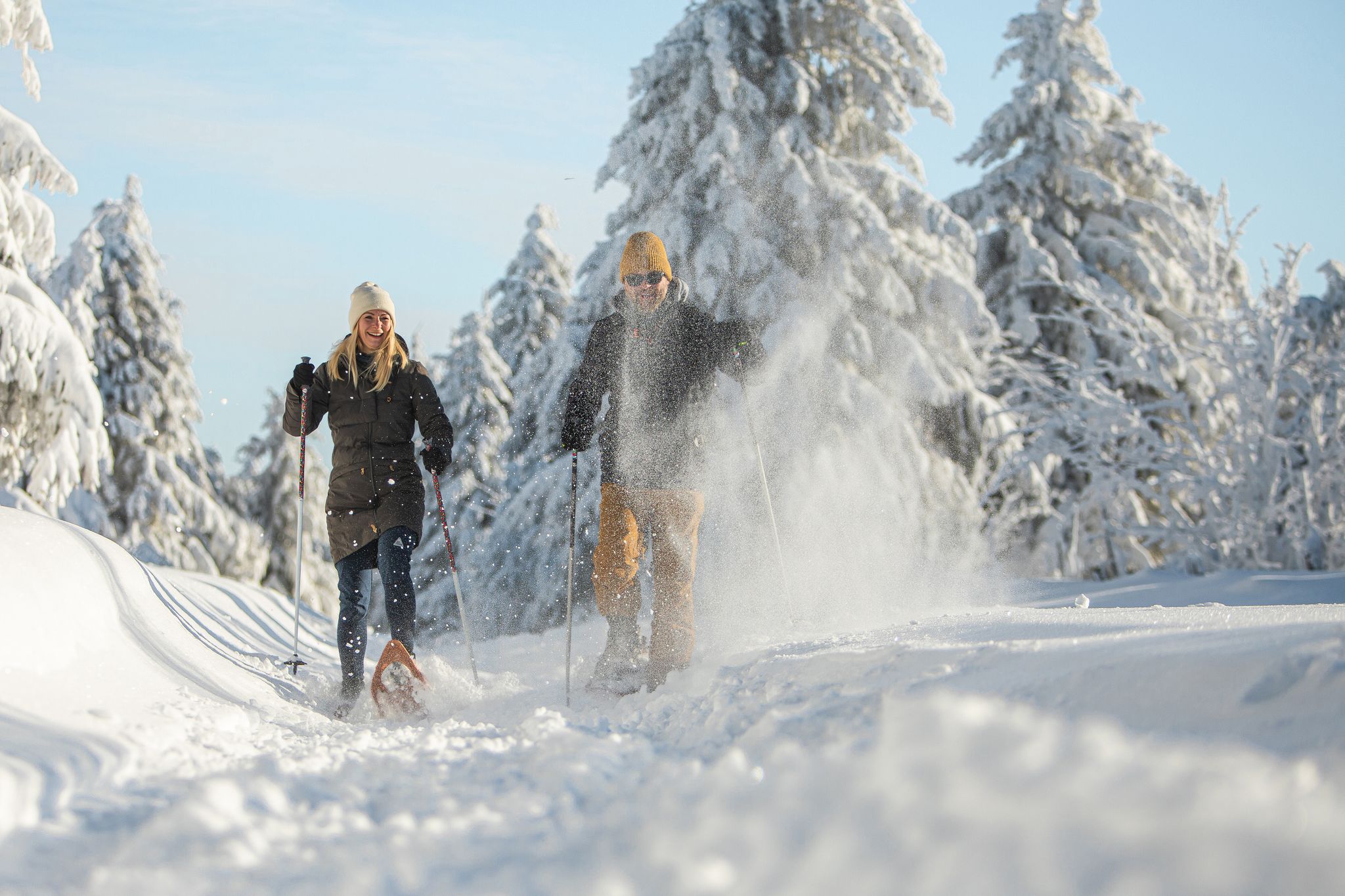
Glittering slopes and forests - winter hiking in the Ore Mountains
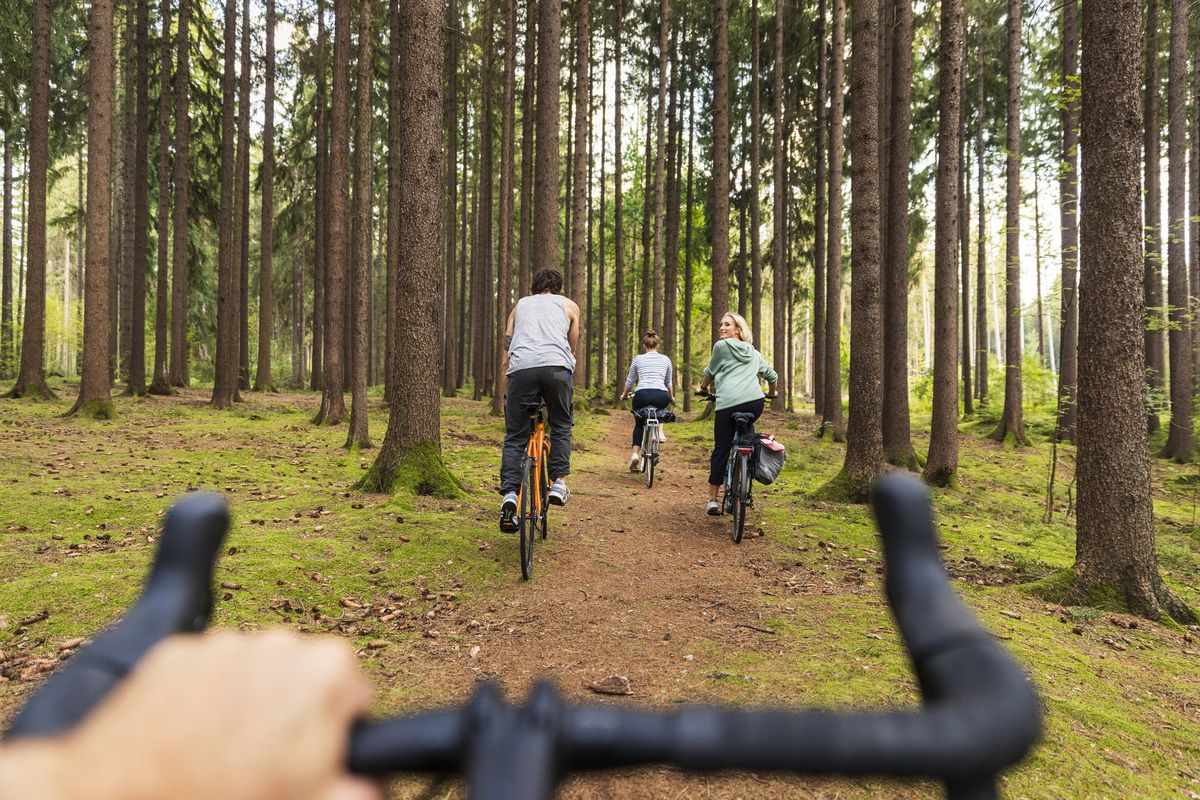
Explore Dresden and the Elbland – 11 beautiful bike rides
Full steam ahead – cycling through railway history around Dresden
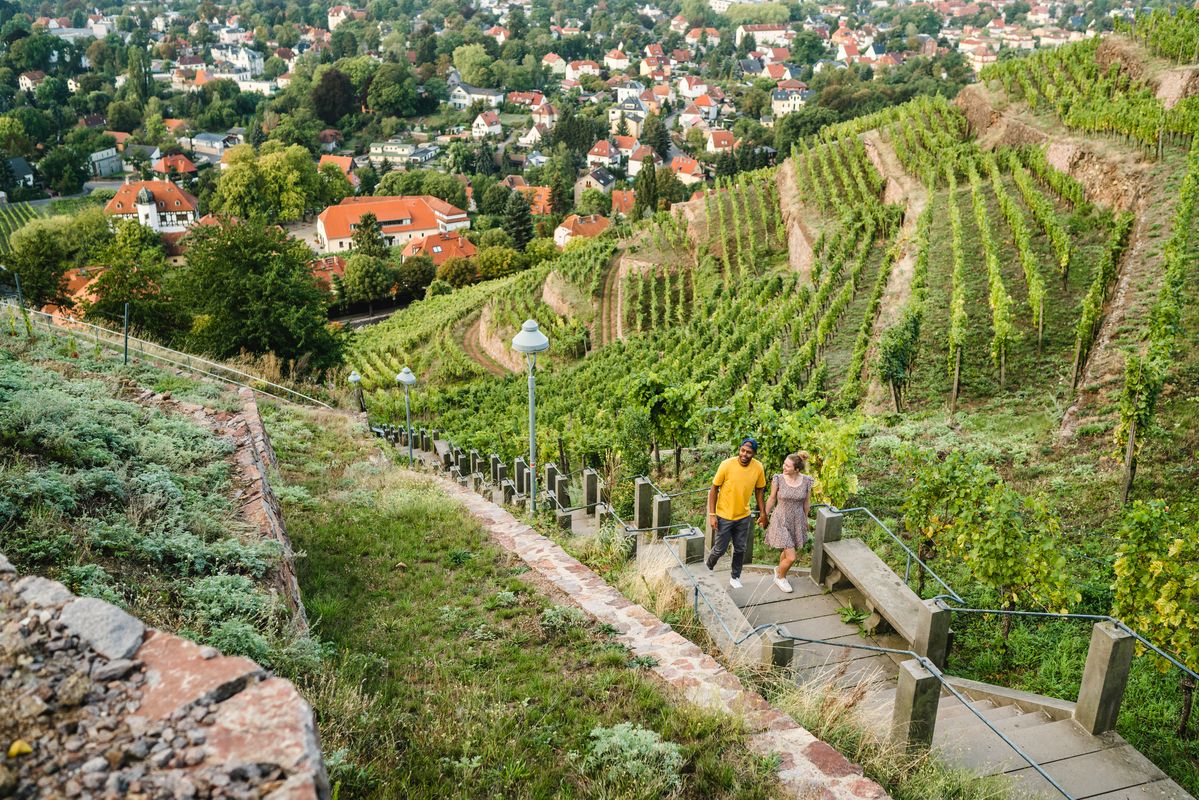
Great places closer to home – nature and fun in the Dresden Elbland
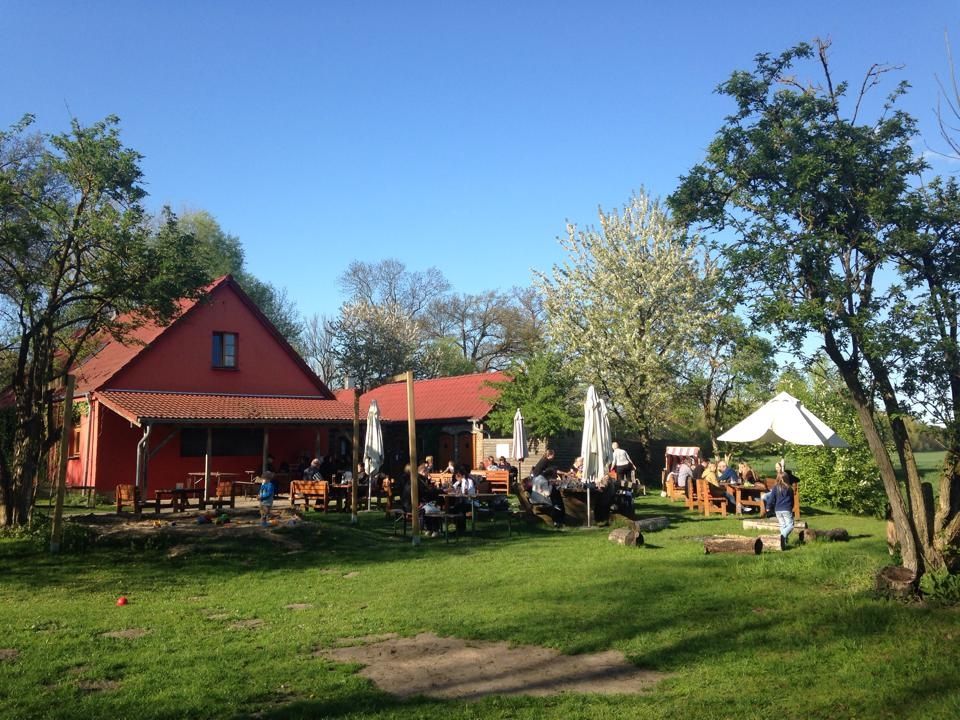
Farmer's shops — escape to the country
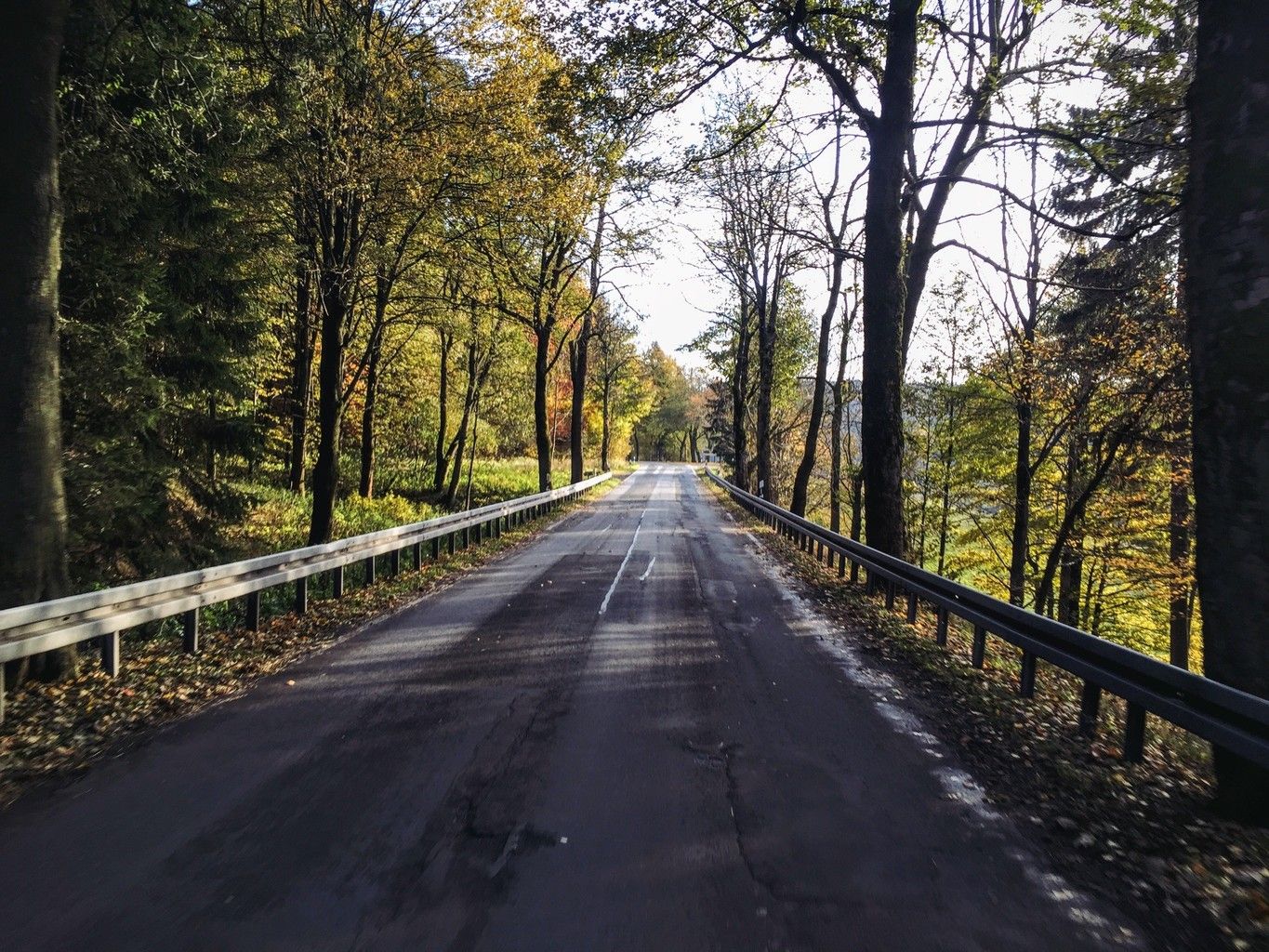
Weekend tours in the Ore Mountains
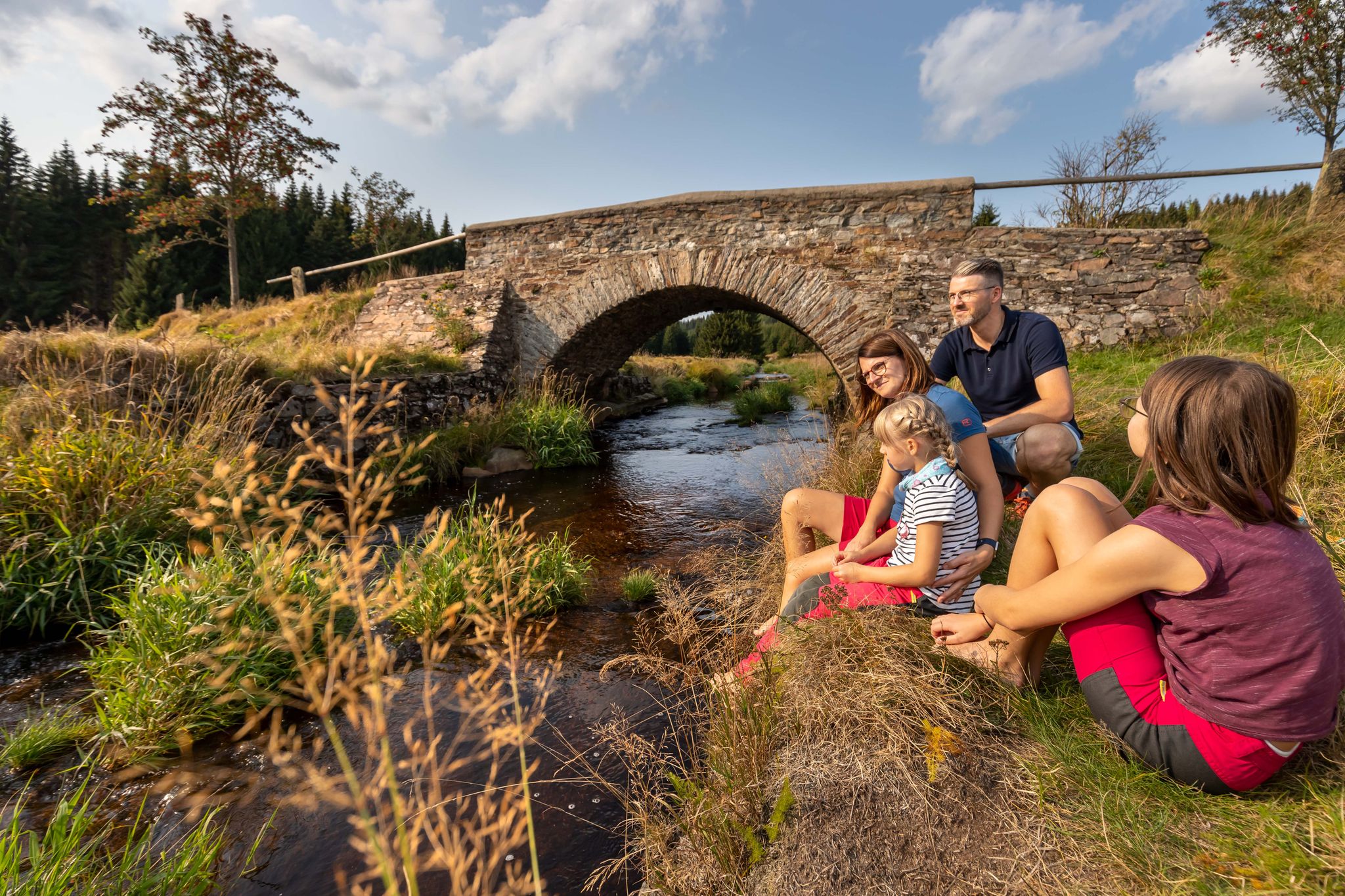
Wandertouren - Für kleine Wanderfreunde
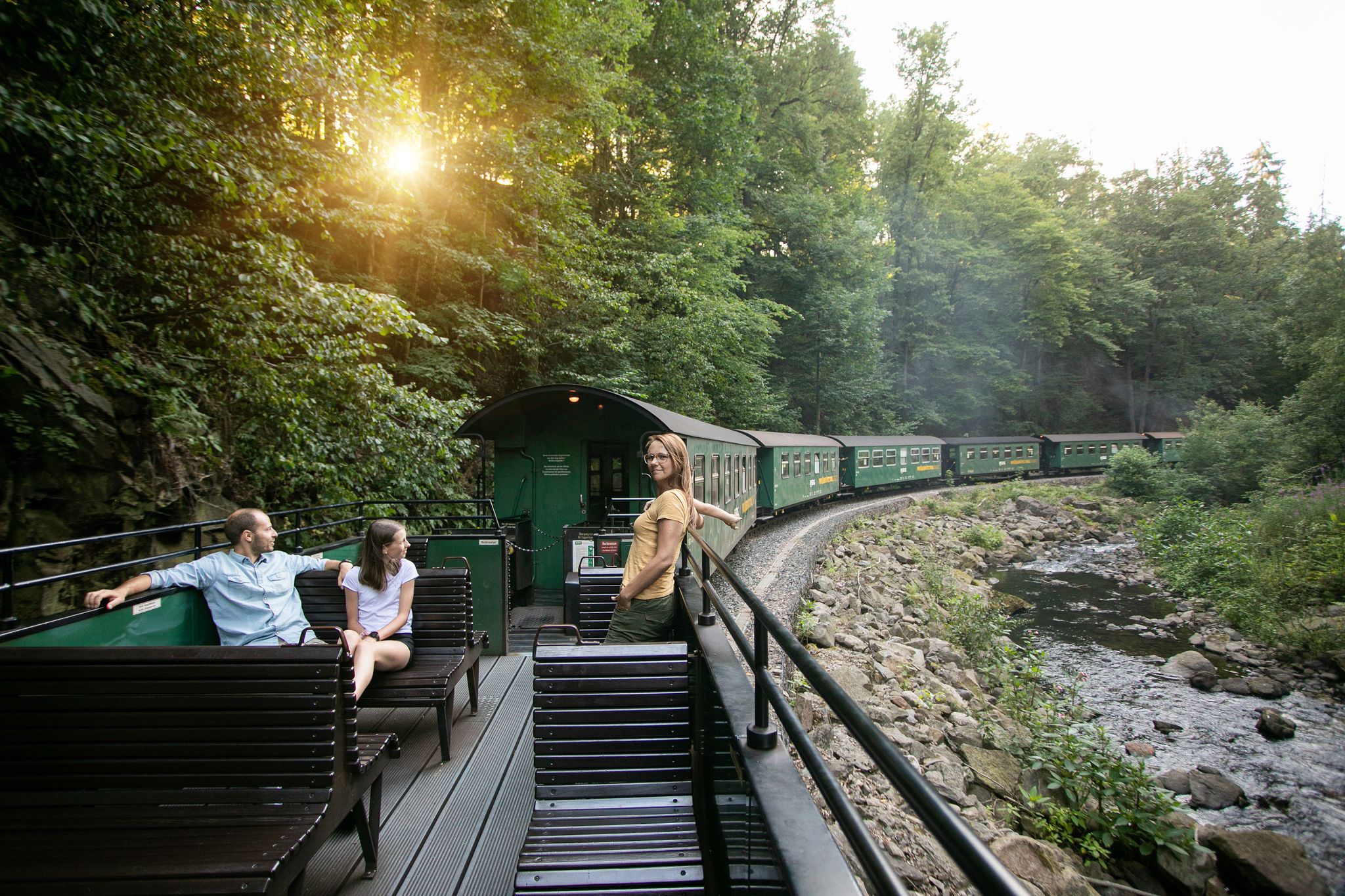
Wandertouren - Eisenbahn & Wanderstock
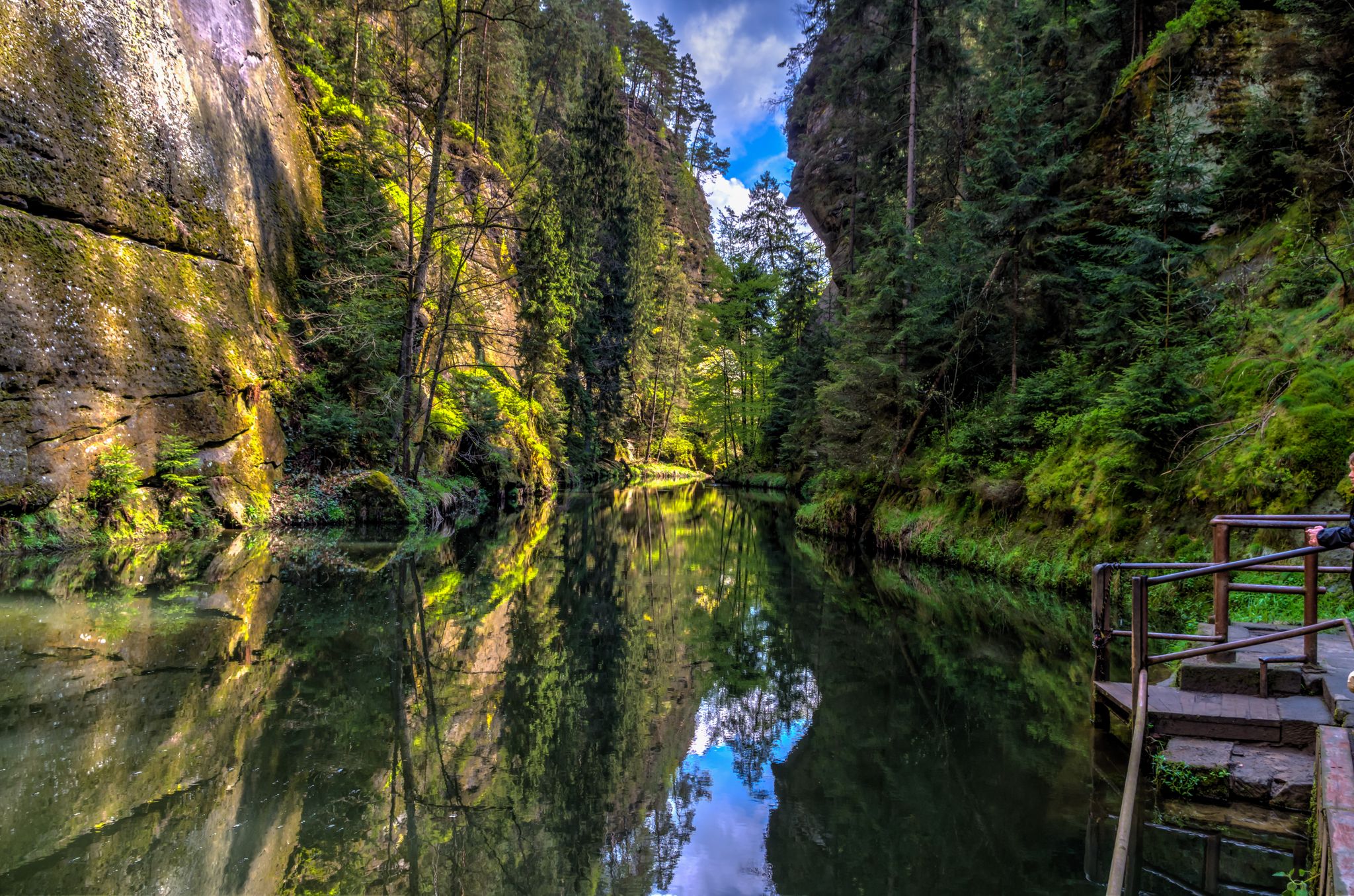
Die Magie von Klammen im Osten Deutschlands
Other adventures around Freital


Tips from the Community

The hill, approximately 200 meters high, was formed around 95 million years ago when the Cretaceous sea deposited Pläner (calcareous sandstone) and sandstone. In 1939, during the construction of a parade ground, several urn graves dating from 1300 BC onwards were discovered. The Trutzsch has only been accessible to the public again since the end of its military use in 1995. From the viewing platform, one is rewarded with a view through the trees and bushes over Nickern and Prohlis, all the way to the opposite bank of the Elbe River.
2
0

Gohlig Triangulation Pillar, with seating and a view. Information: Gohlig Saxon Station. Land survey pillar (Nagel Pillar), erected in 1865. The Gohlig, also known as Golden Height, is a hill in Bannewitz, approximately 345 meters high. The name originates from Sorbian and means "bare, treeless hill".
1
0

The 476 meter high Wilisch consists mainly of basalt, which is due to its volcanic origin. The last volcanic activity that led to the formation of the Wilisch dates back to the Tertiary, more precisely the Oligocene to Miocene. The region around the Wilisch is also geologically interesting because it is rich in basalt, which in the past led to the intensive extraction and use of this rock. The view from the Wilisch and the triangulation column are also really very impressive.
4
0

with a view of Dresden, several hiking trails
5
0
Erected in 1865, made of sandstone, techn. monument
3
0

Trutzsch is bleating: Sheep and goats should prevent the uncontrolled overgrowth of the Trutzsch: Greenery has been growing and thriving on the former military site in Nickern since the mid-1990s. Too much. The blackberries in particular are on the rise and can only be kept off the paths with great effort. There are not enough workers to maintain the entire area. That's why around 70 sheep and one goat have been doing it since May. Four areas of different sizes were fenced off for this purpose. The animals migrate back and forth between the four areas at intervals of one and a half and three weeks. As a result, only one of the four areas is always closed and all others can be used by visitors at any time. As the sheep eat the leaves of the blackberries, they become smaller from year to year and can thus be kept under control. In addition to building the fences, the city has also planted 1,850 white elms in recent weeks. In addition, 46 cairns provide a habitat for the native sand lizards. Thanks to the sheep, the cairns are no longer overgrown with brambles.
1
0
The Royal Saxon Triangulation was a large-scale surveying project carried out in the Kingdom of Saxony between 1862 and 1902. The aim was to measure the country precisely and determine geographic coordinates in order to create better maps. The survey covered numerous points throughout the kingdom and 36 1st order and 122 2nd order triangulation pillars were erected, including the triangulation pillar on the Gohilg. The survey results formed the basis for the creation of the first topographical map of the Kingdom of Saxony.
4
0

Frequently Asked Questions
What are some popular mountain peaks and viewpoints around Freital?
Freital offers access to diverse elevations. Among the most popular are the Wilisch Summit Triangulation Pillar and World War I Memorial, which provides panoramic views from its 476-meter elevation. Another favorite is Kaitzer Heights, a viewpoint offering great vistas of Dresden. The Götzenbusch Geological Monument is also highly regarded for its unique natural formations.
What kind of terrain can I expect when exploring mountain peaks near Freital?
The terrain around Freital is quite varied. Within the town, you'll find the local hill, Windberg, offering easy trails and woodland. Further afield, the nearby Ore Mountains feature rolling hills and dense forests, while Saxon Switzerland is famous for its dramatic sandstone cliffs, deep gorges, and majestic table mountains. This diversity provides options from gentle walks to challenging climbs.
Are there any unique natural or geological features among the peaks near Freital?
Yes, the region boasts unique geological formations. The Götzenbusch Geological Monument is particularly notable for its chalk sandstone cliffs and rare tropical red loams, a combination found in very few other places globally. Additionally, Saxon Switzerland, easily accessible from Freital, is renowned for its bizarre sandstone formations and deep gorges.
Do the mountain peaks around Freital have historical significance?
Many peaks and areas around Freital are rich in history. The Windberg, Freital's local hill, has over 500 years of coal mining history. The Wilisch Summit features a World War I memorial. The Gohlig Triangulation Pillar is a technical monument from the Royal Saxon Triangulation survey of the 19th century. The entire Ore Mountains region is a UNESCO World Heritage Site, recognized for its over 800-year-old mining tradition.
Are there hiking trails suitable for different skill levels near Freital's peaks?
Absolutely. The region offers an extensive network of trails. For easier walks, the Windberg has well-marked paths. In the nearby Ore Mountains and Saxon Switzerland, you'll find everything from gentle strolls through forests to challenging routes like sections of the Malerweg in Saxon Switzerland. You can find various hiking options in the Hiking around Freital guide, including moderate and difficult trails.
What outdoor activities can I do near the mountain peaks around Freital?
Beyond hiking, the area around Freital is excellent for various outdoor activities. You can explore numerous MTB Trails around Freital, with routes like the 'Bridge to Lübauer Gründl – Red Weißeritz Valley loop'. There are also dedicated Running Trails around Freital, such as the 'Plauenscher Grund – Old Weizenmühle Tower loop'. Saxon Switzerland is also a popular destination for climbing.
Are there family-friendly mountain trails or viewpoints in the Freital area?
Yes, several spots are suitable for families. The Kaitzer Heights viewpoint is accessible via well-developed paths, making it a good choice for families. The Gohlig Triangulation Pillar is also listed as family-friendly. The Windberg offers easy hiking trails through its nature reserve, perfect for a family outing.
Where can I find the best panoramic views of Freital and the surrounding landscape?
For stunning panoramic views, consider the Wilisch Summit, which offers expansive vistas. The Kaitzer Heights provides excellent views of Dresden. From the Windberg, you can enjoy views over the Weißeritz valley, Freital, and even glimpses of the Eastern Ore Mountains. The Trümmerberg Halde 1 also offers a great perspective of southwest Dresden and the Freitaler Windberg.
What is the best time of year to visit the mountain peaks around Freital?
The best time to visit largely depends on your preferred activities. Spring and autumn offer pleasant temperatures for hiking and exploring the natural beauty, with vibrant foliage in autumn. Summer is ideal for longer days and a wider range of outdoor activities. Winter can be beautiful for snowy landscapes, and higher elevations in the Ore Mountains, like Fichtelberg, offer winter sports opportunities.
What do visitors particularly enjoy about the mountain peaks near Freital?
Visitors frequently praise the diverse views and the sense of tranquility. For instance, the Wilisch Summit is loved for its beautiful panoramic views. The Kaitzer Heights is appreciated for its great viewpoint of Dresden. The unique geological formations at Götzenbusch also captivate many, with some comparing its uniqueness to sites in the Andes.
Are there any less-known or 'hidden gem' mountain spots near Freital?
While not a traditional mountain, the Trümmerberg Halde 1 offers a unique experience. This reforested rubble heap from post-WWII Dresden provides a quiet, grassy plateau with unexpected views of Dresden and the Freitaler Windberg, making it a surprising and less-trafficked spot for a picnic or a peaceful walk.
How can I reach the mountain peaks around Freital using public transport?
Freital itself has good public transport connections, and from there, you can often reach the starting points for trails to local peaks like Windberg. For the broader mountain regions like Saxon Switzerland and the Ore Mountains, regional trains and buses connect Freital to towns like Pirna (gateway to Saxon Switzerland) or other access points within the Ore Mountains, allowing you to reach various trailheads and attractions.
Most popular routes around Freital
Most popular attractions around Freital

Get inspired with the komoot mobile app


Explore more
See even more amazing summits around Freital with these guides:
