Top 20 Caves around Blaustein
Best caves around Blaustein are found in the Swabian Alb, a region characterized by its karst landscape and numerous subterranean formations. This area is recognized for its geological features and significant archaeological sites, many of which hold UNESCO World Heritage status. The caves offer insights into Ice Age art and early human history. Blaustein serves as a central point for exploring these natural and historical underground wonders.
Best caves around Blaustein
- The most popular caves is Blautopf, a lake…
Last updated: June 23, 2026
Blautopf
Highlight • Lake
Translated by Google •
Tip by

Hohle Fels Cave
Highlight • Cave
Translated by Google •
Tip by

Sign up now to discover places like this
Get recommendations on the best single tracks, peaks, & plenty of other exciting outdoor places.
Sign up for free
Trail to Brillenhöhle
Highlight (Segment) • Trail
Translated by Google •
Tip by

Brillen Cave
Highlight • Cave
Translated by Google •
Tip by

Little Grotto
Highlight • Cave
Translated by Google •
Tip by

Sign up for free to discover even more caves around Blaustein.
Sign up for free
Already have an account?
Start today with a free account
Your next adventure awaits.
Login or Signup
Popular around Blaustein
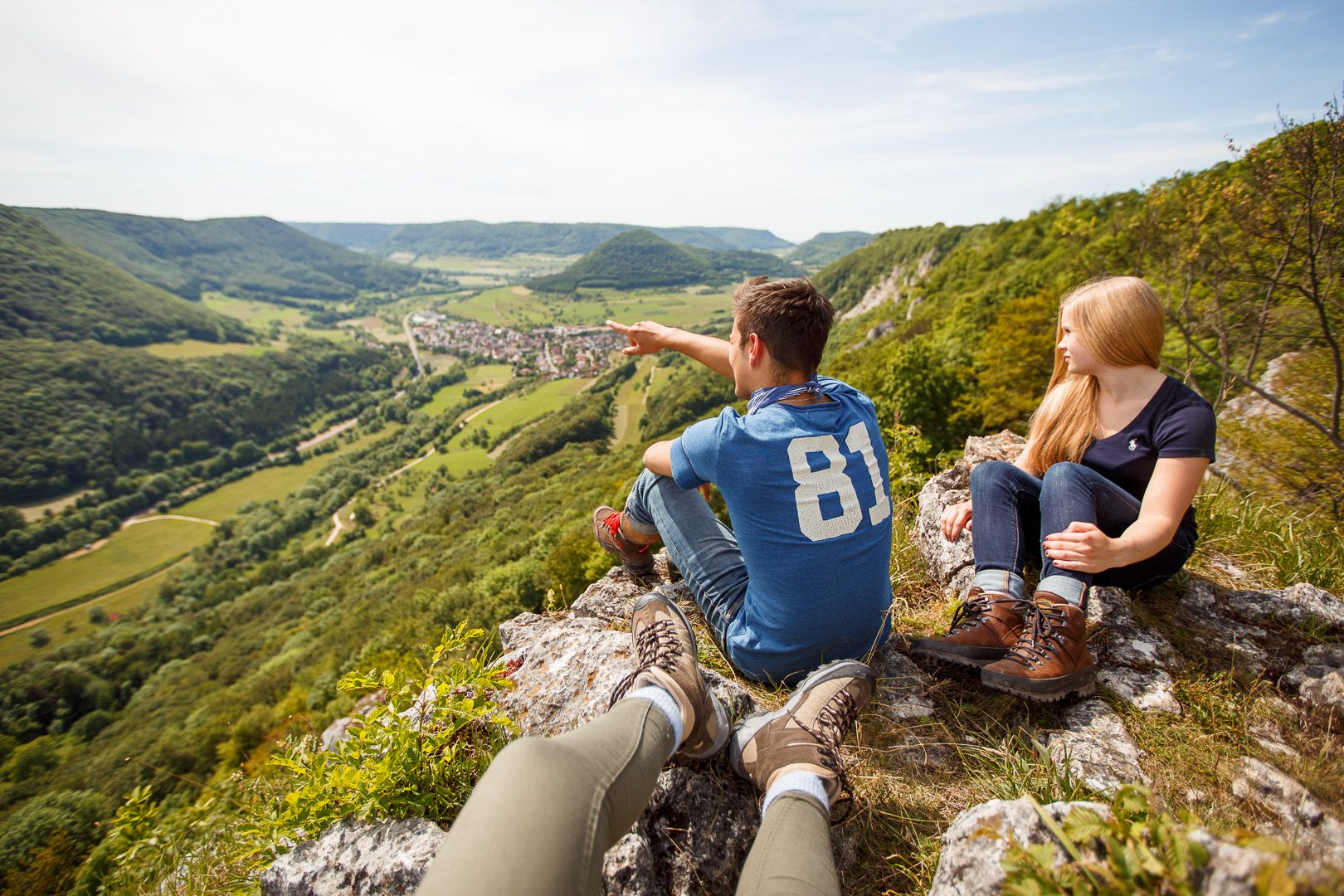
10 beautiful trails in the Swabian Jura for sporty hikers
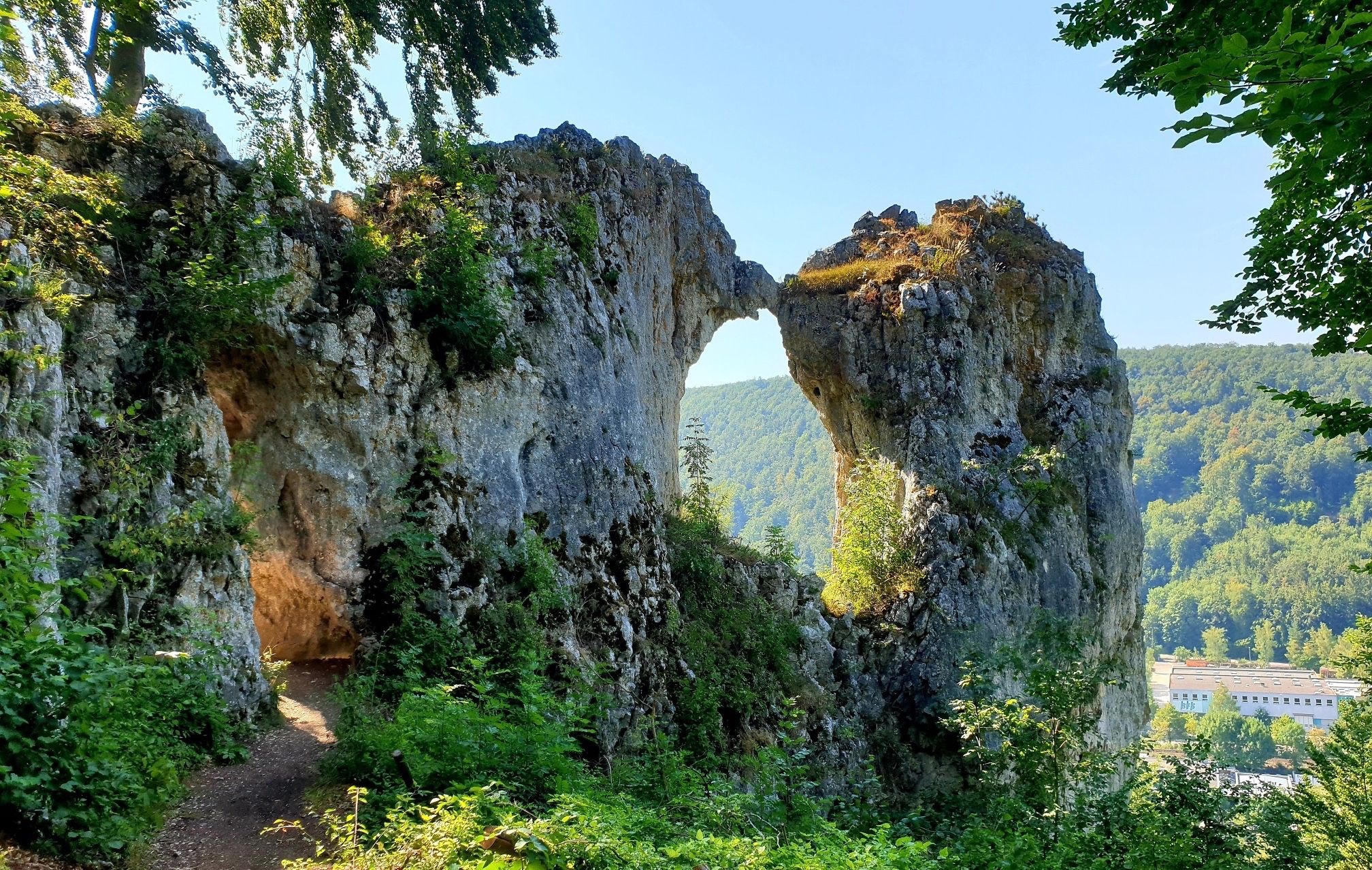
Ice Age hunters and the art of brewing – trails through the Swabian Alb
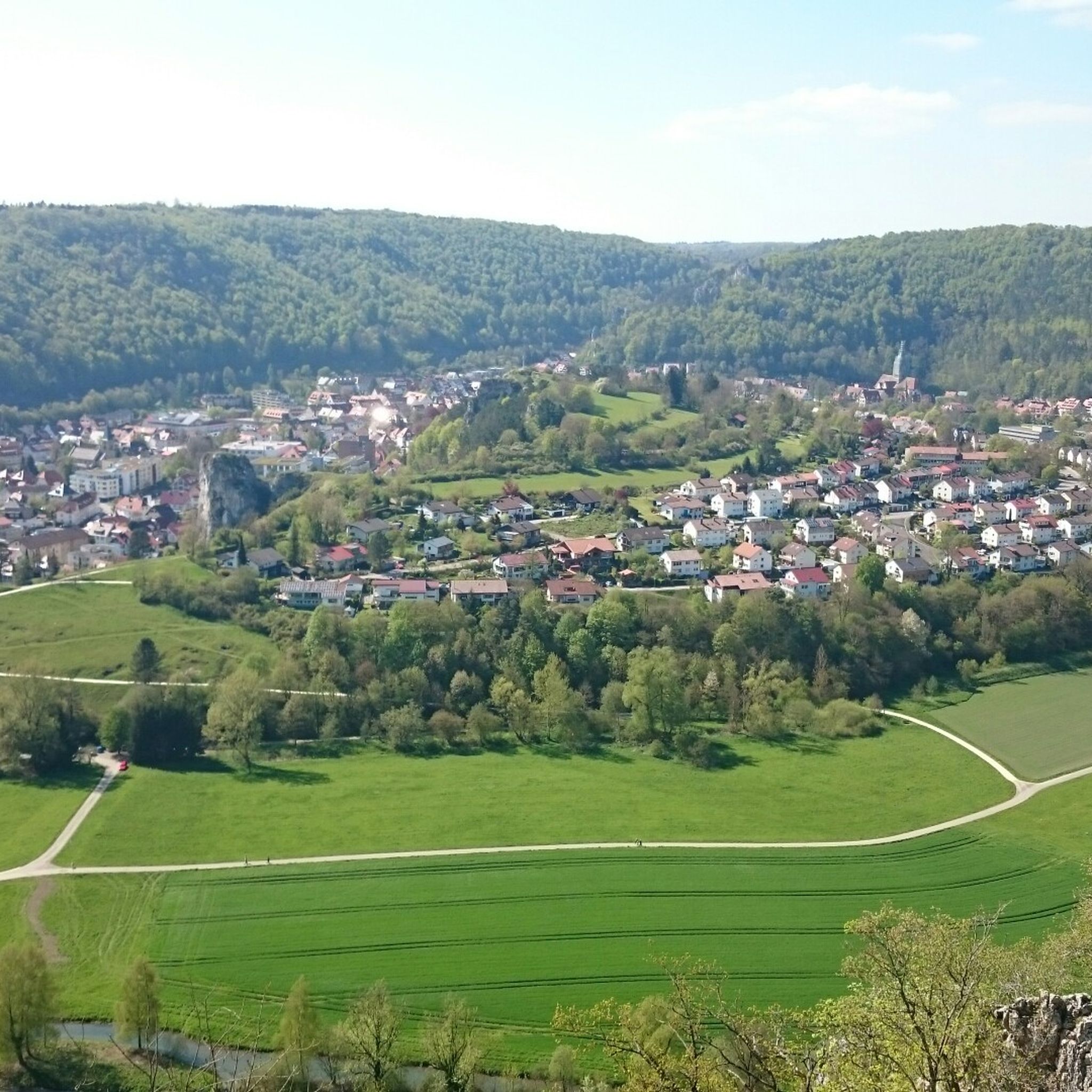
Hiking around Blaustein
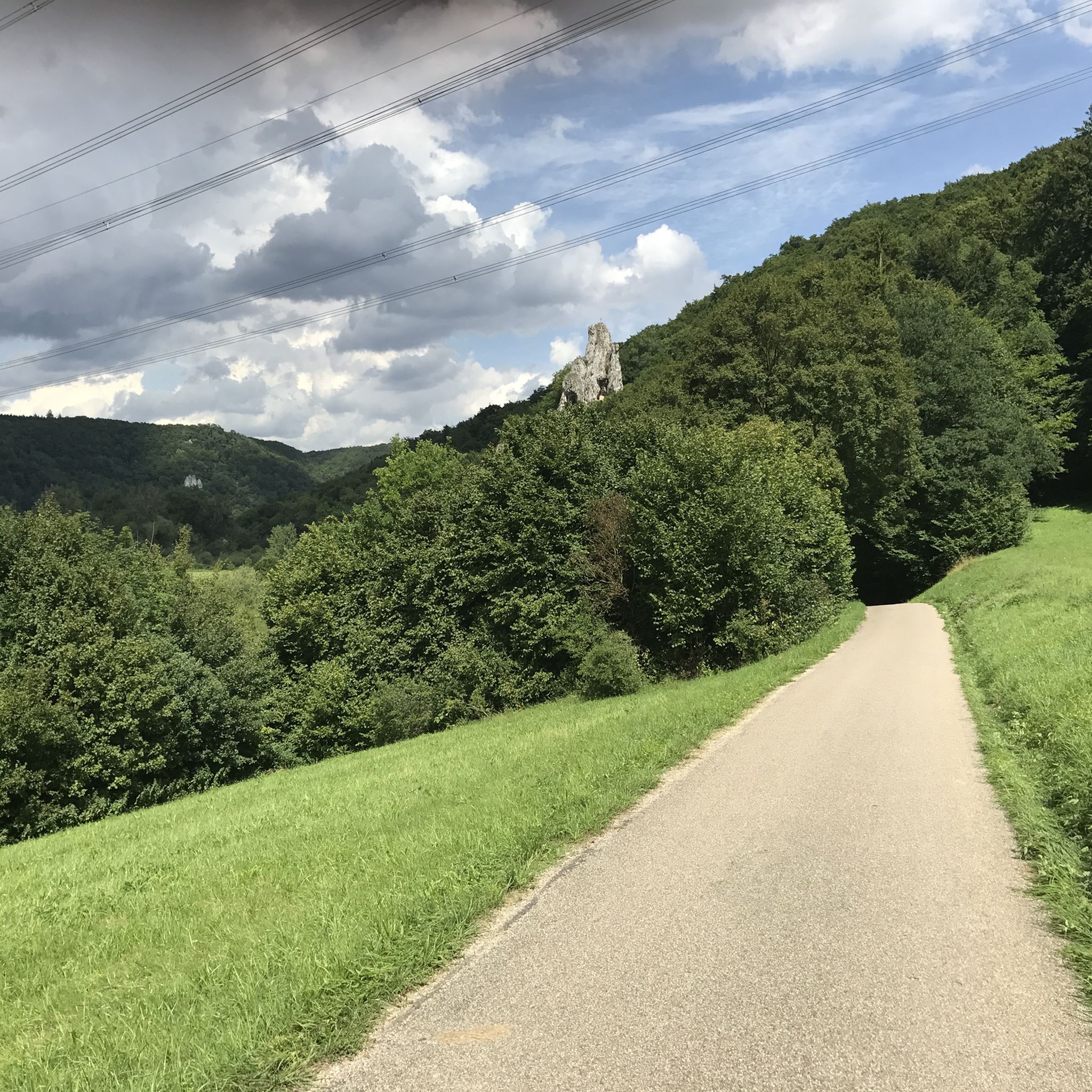
Cycling around Blaustein
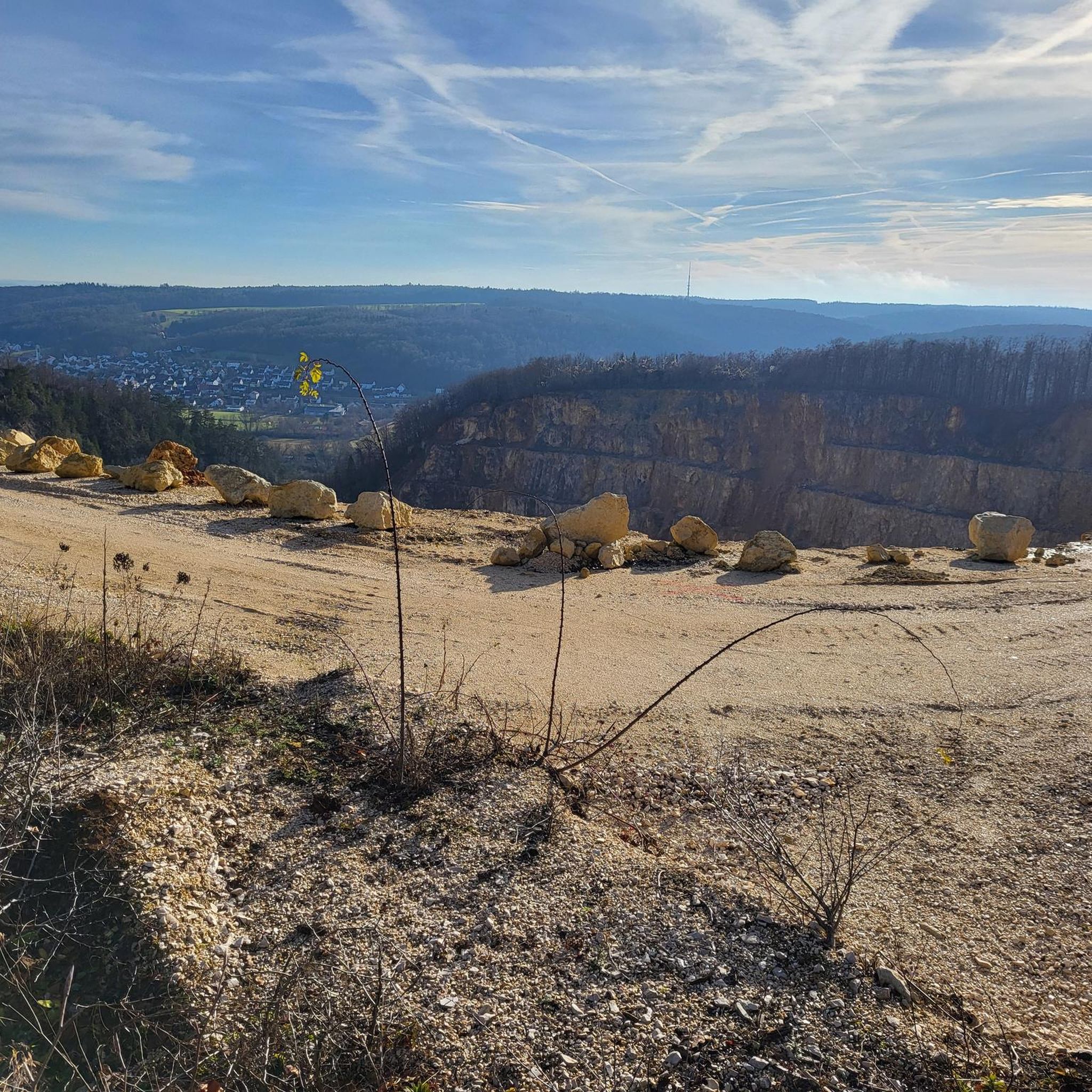
Running Trails around Blaustein
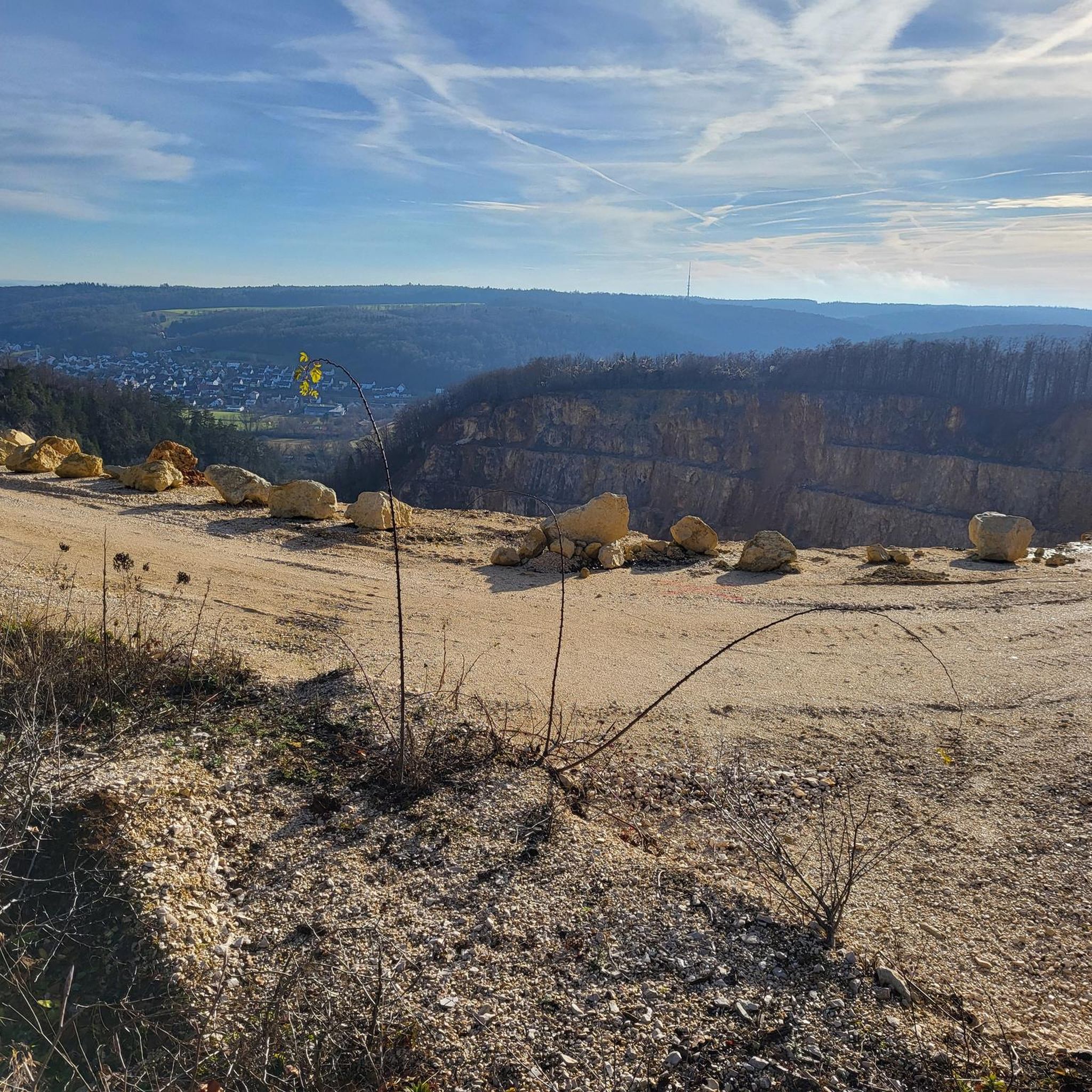
Road Cycling Routes around Blaustein
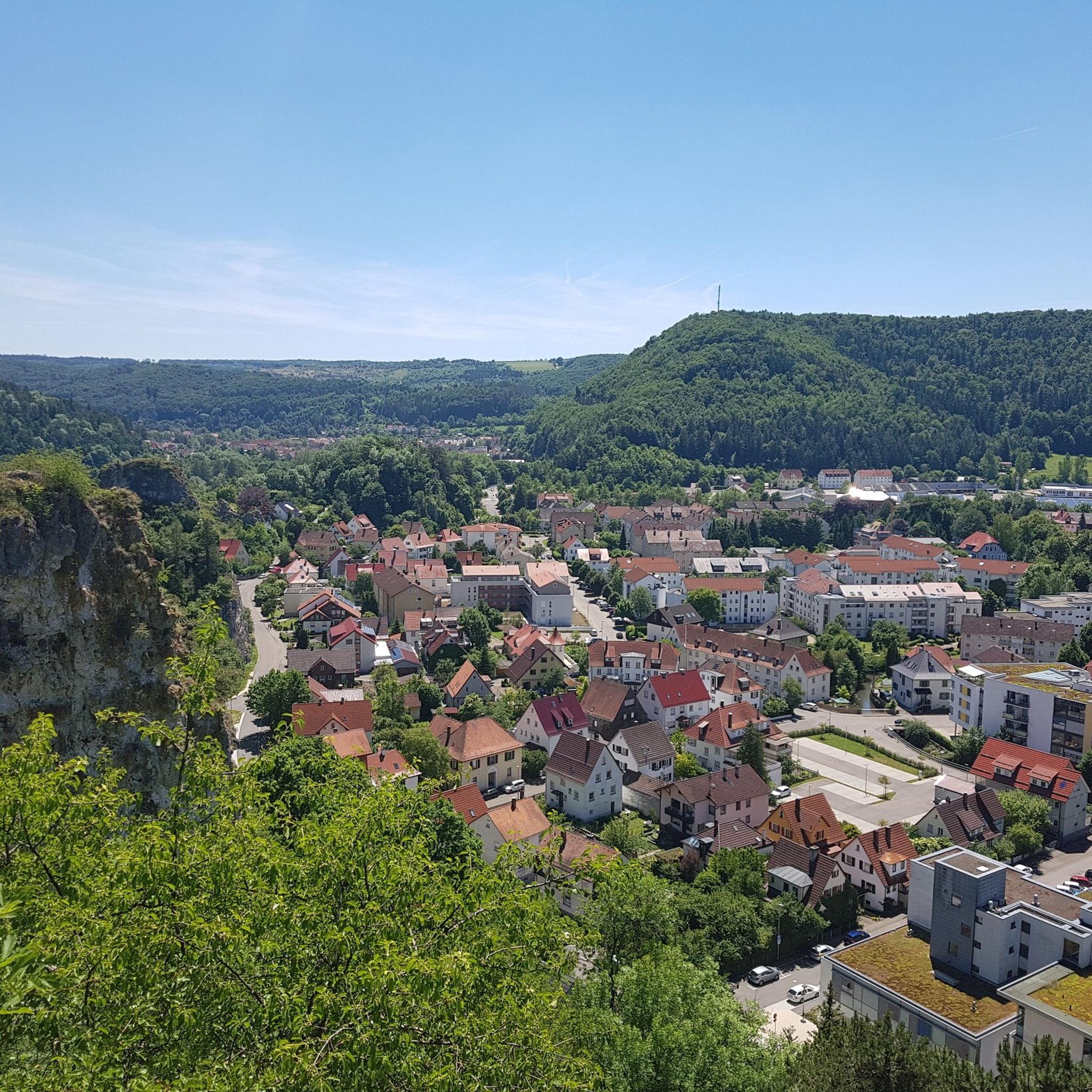
MTB Trails around Blaustein
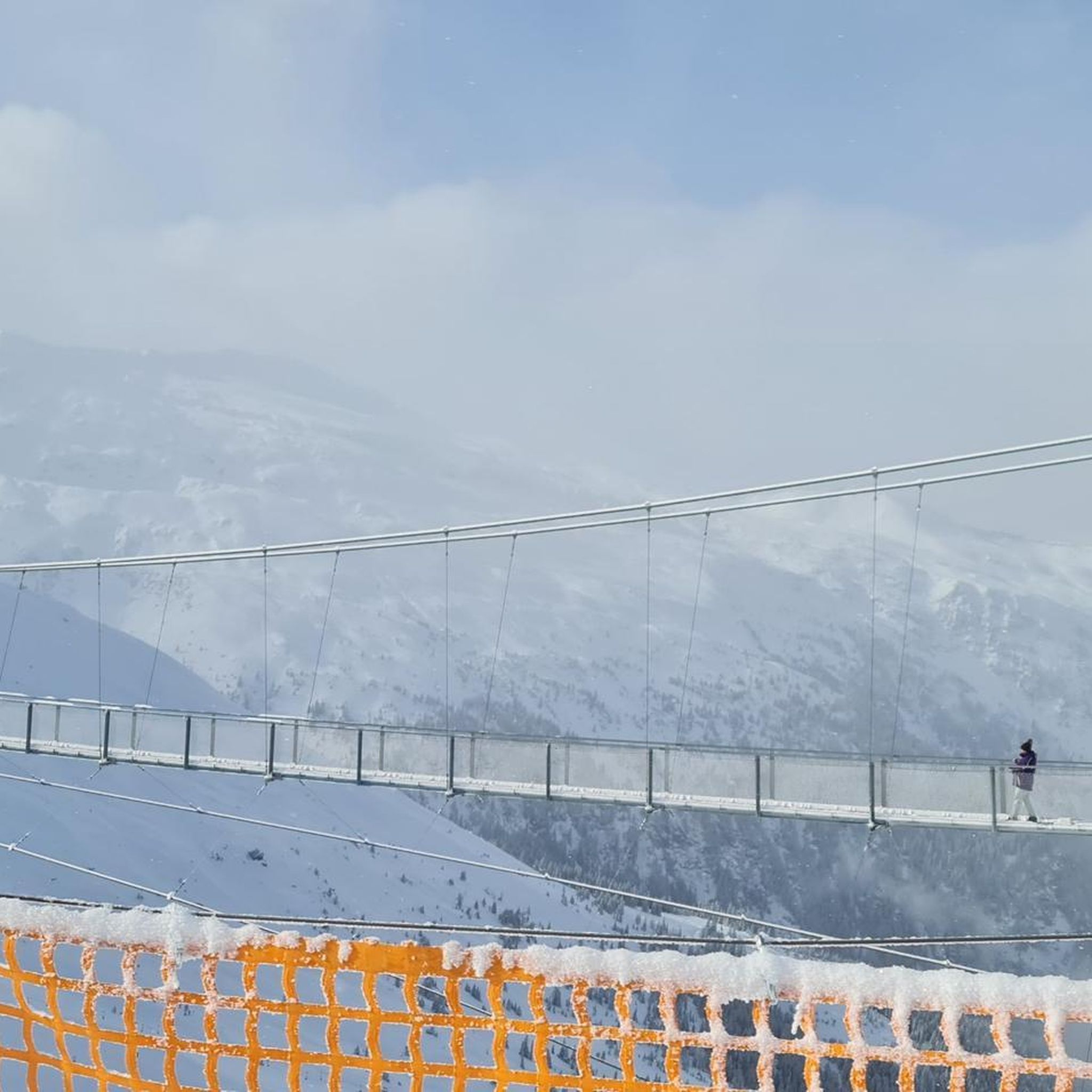
Gravel biking around Blaustein

Mountain Hikes around Blaustein

Tips from the Community

A welcome discovery for children, but a little caution is still required. A few steps have been carved into the rock here to give you more surefootedness.
4
0


The cave's two indentations form a kind of pair of glasses, hence the name. It is an important archaeological site. Therefore - and for safety reasons - the interior of the cave cannot be entered. It is always an impressive sight.
5
4

Nice little grotto that you can easily overlook
4
0


The spectacle cave is not accessible at the moment.
2
0


A hiking path leads past the Glasses Cave in a few minutes walk to the rock formation "Kissing Sau".
3
0
Frequently Asked Questions
What makes the caves around Blaustein historically significant?
The Swabian Alb region, including the caves near Blaustein, is a UNESCO World Heritage Site due to its exceptional Ice Age art and archaeological finds. Sites like Hohle Fels Cave have yielded world-famous discoveries such as the "Venus of Hohle Fels" and ancient musical instruments, offering profound insights into early human history and creativity.
Are there any caves where I can see evidence of Neanderthal settlements?
Yes, the Bocksteinhöhle in the Lonetal valley is recognized as the oldest known settlement complex of Neanderthals in Southern Germany, with findings dating back 50,000 to 70,000 years. It is freely accessible and offers a unique opportunity to connect with the deep past.
Which caves are suitable for families with children?
For families, the Little Grotto is a charming and easily accessible spot with a beautiful rock arch and steps carved into the rock. It offers a pleasant and easy exploration experience. The Sontheimer Höhle is also family-friendly with guided tours and a nearby cave inn.
What kind of natural formations can I expect to see in the caves?
Many caves in the region, such as the Sontheimer Höhle, feature impressive geological formations like stalactites and stalagmites. The region's karst landscape also gives rise to unique natural wonders like the Blautopf, a stunning intensely blue karst spring, though it's not a traditional cave you can walk into.
Is there an adventurous caving experience available in the area?
For those seeking adventure, the Falkensteiner Cave near Grabenstetten is Germany's only accessible water-bearing cave where guided tours are possible. It offers an untouched 'primal world' experience with narrow passages and water-filled sections, suitable for various levels of athleticism. Tours are available from April 1st to September 30th.
What is the best time of year to visit the caves around Blaustein?
The best time to visit depends on the specific cave. Show caves like Sontheimer Höhle are typically open from May to October, closing in winter for bat protection. Adventurous caves like Falkensteiner Cave offer tours from April to September. Outdoor sites and the Blautopf are generally accessible year-round, though good footwear is recommended for ascents, especially in wet conditions.
Can I explore the caves on my own, or are guided tours required?
Some sites like Bocksteinhöhle and the Little Grotto are freely accessible. However, for caves like Hohle Fels Cave and Sontheimer Höhle, guided tours are available and often recommended to fully appreciate their significance and features. The adventurous Falkensteiner Cave strictly requires experienced guides for safety.
Are there any caves that are important for wildlife?
Yes, the Sontheimer Höhle serves as an important natural winter roost for approximately 300 bats, with 13 different species identified. For this reason, the cave is closed to visitors from November to April to protect the bat population during their hibernation period.
What outdoor activities can I combine with a visit to the caves?
The region offers numerous outdoor activities. You can find many hiking opportunities, including easy hikes around Blaustein, as well as more challenging routes. For example, explore the hiking trails around Blaustein or consider mountain hikes that often pass by cave entrances or offer scenic views of the karst landscape.
What should I wear when visiting the caves?
For most accessible caves, comfortable walking shoes are advisable, especially for sites like Bocksteinhöhle where good footwear is recommended for the ascent. For water-bearing caves like Falkensteiner Cave, specialized gear and appropriate clothing for cold, wet conditions are essential, and usually provided or specified by tour operators.
Can I see Ice Age art or artifacts in the caves themselves?
While many artifacts were found in caves like Hohle Fels Cave and Geißenklösterle, the original artifacts are typically displayed in museums, such as the Urgeschichtliches Museum Blaubeuren, to ensure their preservation. However, visiting the caves provides the historical context of where these significant discoveries were made.
Are there any caves that are not fully accessible but still worth seeing?
Yes, Geißenklösterle near Blaubeuren is a significant archaeological site where early prehistoric art and musical instruments were found. While the cave itself cannot be entered, viewing through a protective grid is possible, allowing visitors to appreciate the context of these groundbreaking discoveries and the cave's unique 'Gothic church ruin' appearance.
Most popular routes around Blaustein
Most popular attractions around Blaustein

Get inspired with the komoot mobile app


Explore more
Extend your search for the best caves by checking out these guides of the top ones around Blaustein:
