Top 11 Caves around Detmold
Best caves around Detmold are found within the Teutoburg Forest, a region characterized by its distinctive rock formations and dense woodlands. Detmold, situated in North Rhine-Westphalia, offers a landscape shaped by geological processes, resulting in various natural monuments and historical sites. The area is known for its sandstone cliffs, gorges, and subterranean features. These geological features provide opportunities for exploring natural caves and rock shelters.
Best caves around Detmold
- The most popular caves is Bielstein Gorge, a gorge that…
Last updated: October 4, 2026
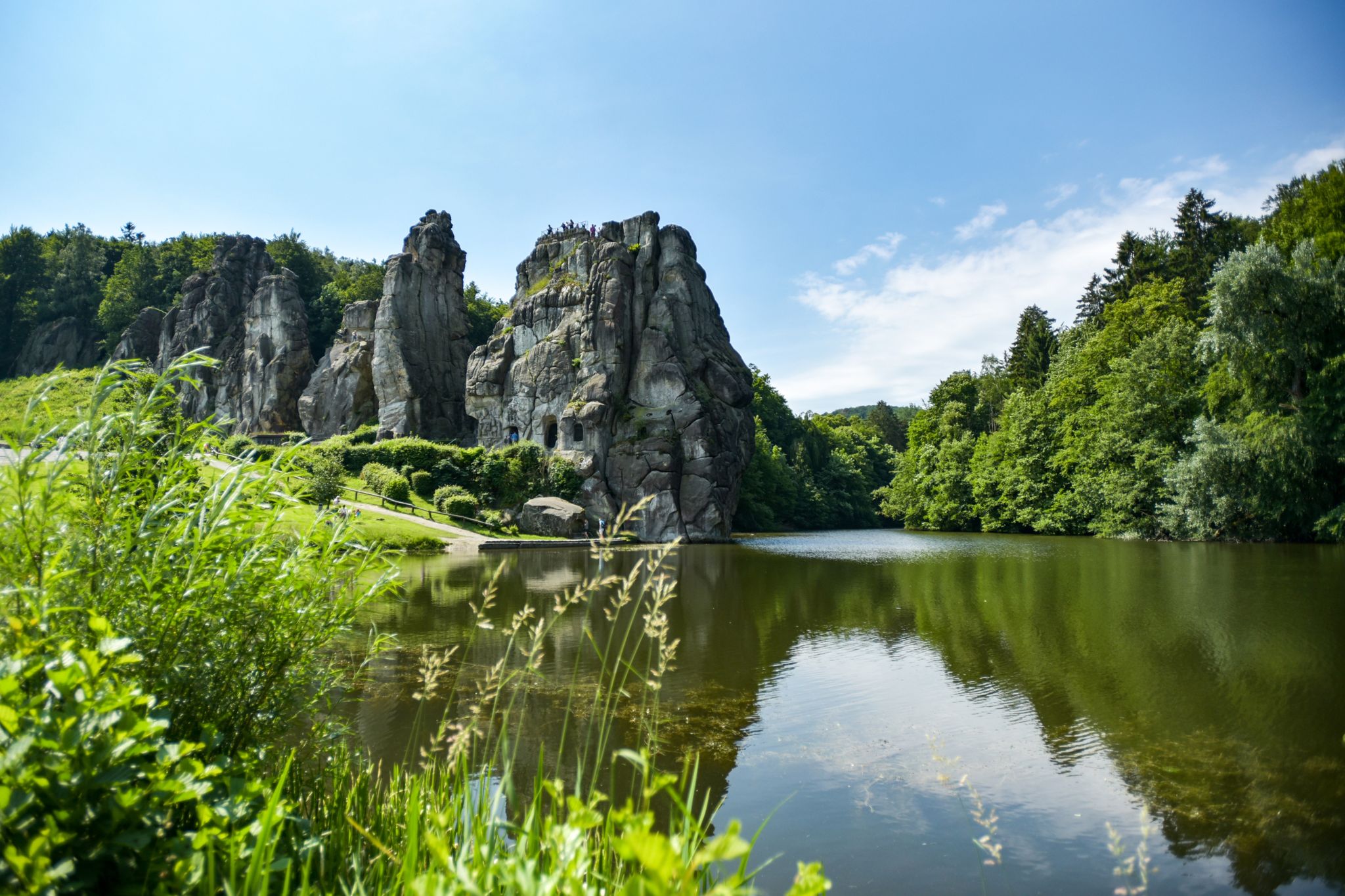
Crucifixion Relief and Grotto at the Externsteine
Highlight • Monument
Translated by Google •
Tip by

Bielstein Gorge
Highlight • Gorge
Translated by Google •
Tip by

Sign up now to discover places like this
Get recommendations on the best single tracks, peaks, & plenty of other exciting outdoor places.
Rocky gorge at the Mordkopf
Highlight • Gorge
Translated by Google •
Tip by

Hohlstein Cave
Highlight • Cave
Translated by Google •
Tip by

Lukenloch Karst Sinkhole
Highlight • Cave
Translated by Google •
Tip by

Sign up for free to discover even more caves around Detmold.
Already have an account?
Start today with a free account
Your next adventure awaits.
Popular around Detmold
Hiking Germany's Hermannsweg – In the footsteps of the Cheruscan
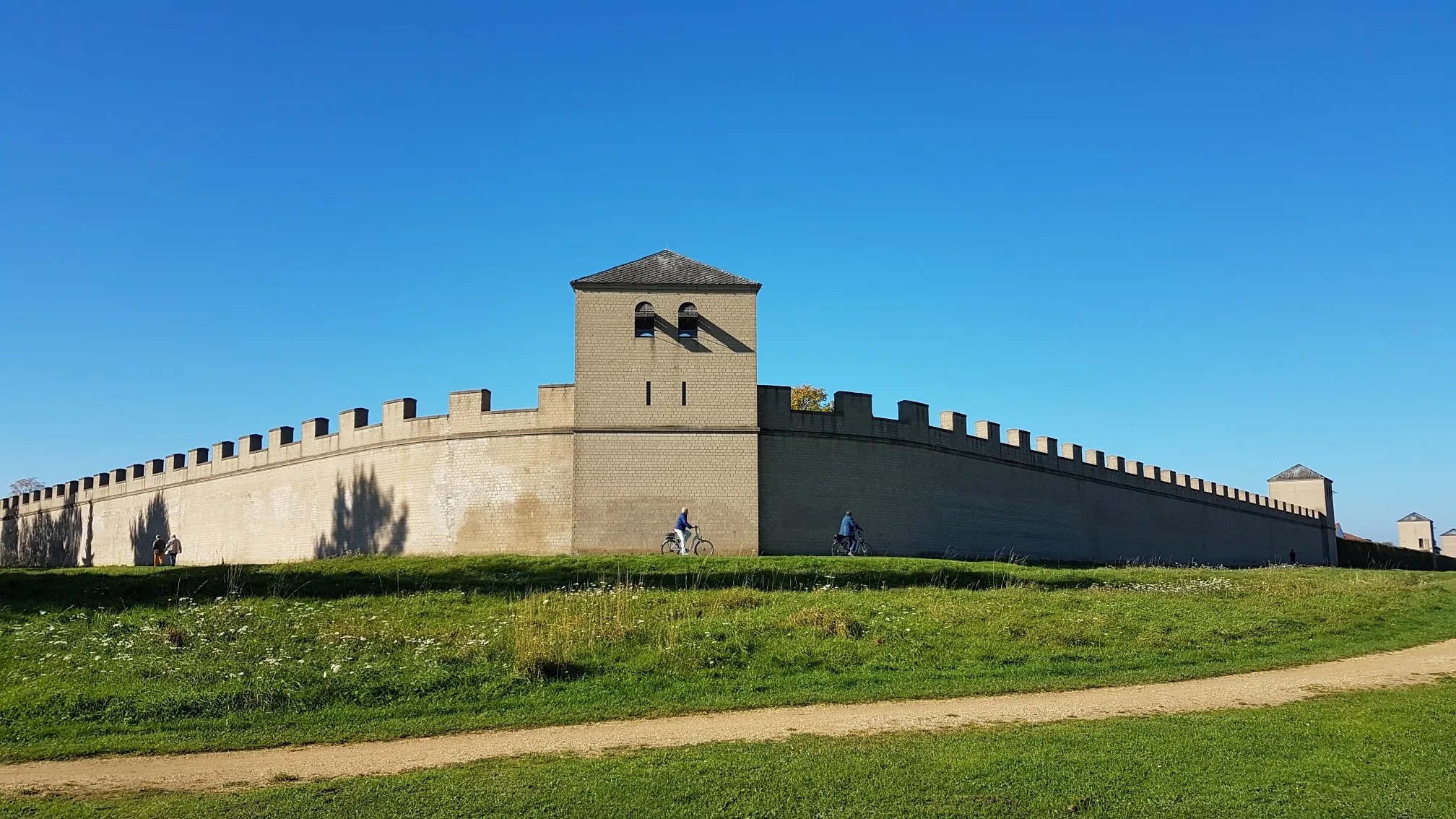
Römer‑Lippe Route – Water and history – 6 days
Römer‑Lippe Route – Water & history, 6 days
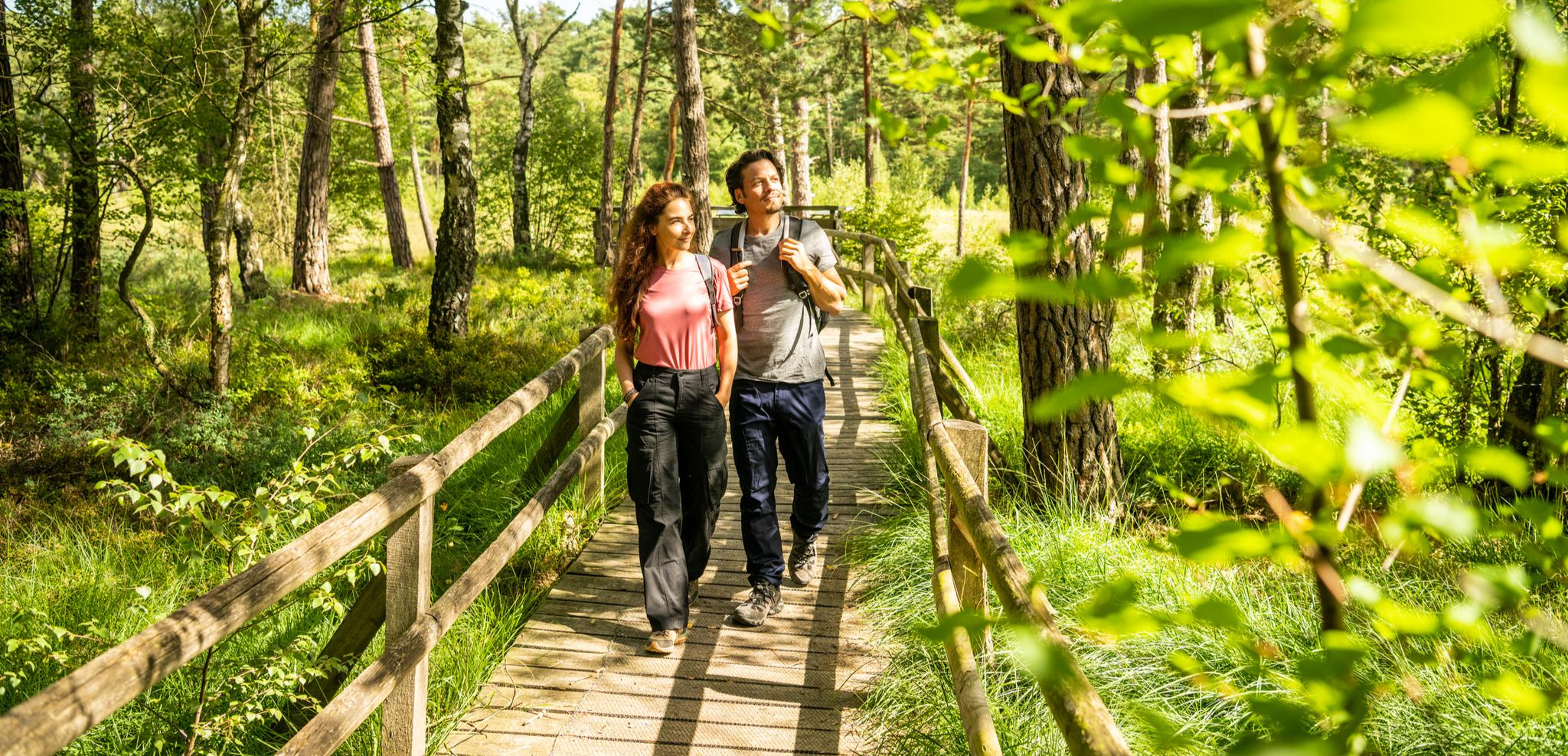
Lippe Quality Trails – hiking in the land of Hermann
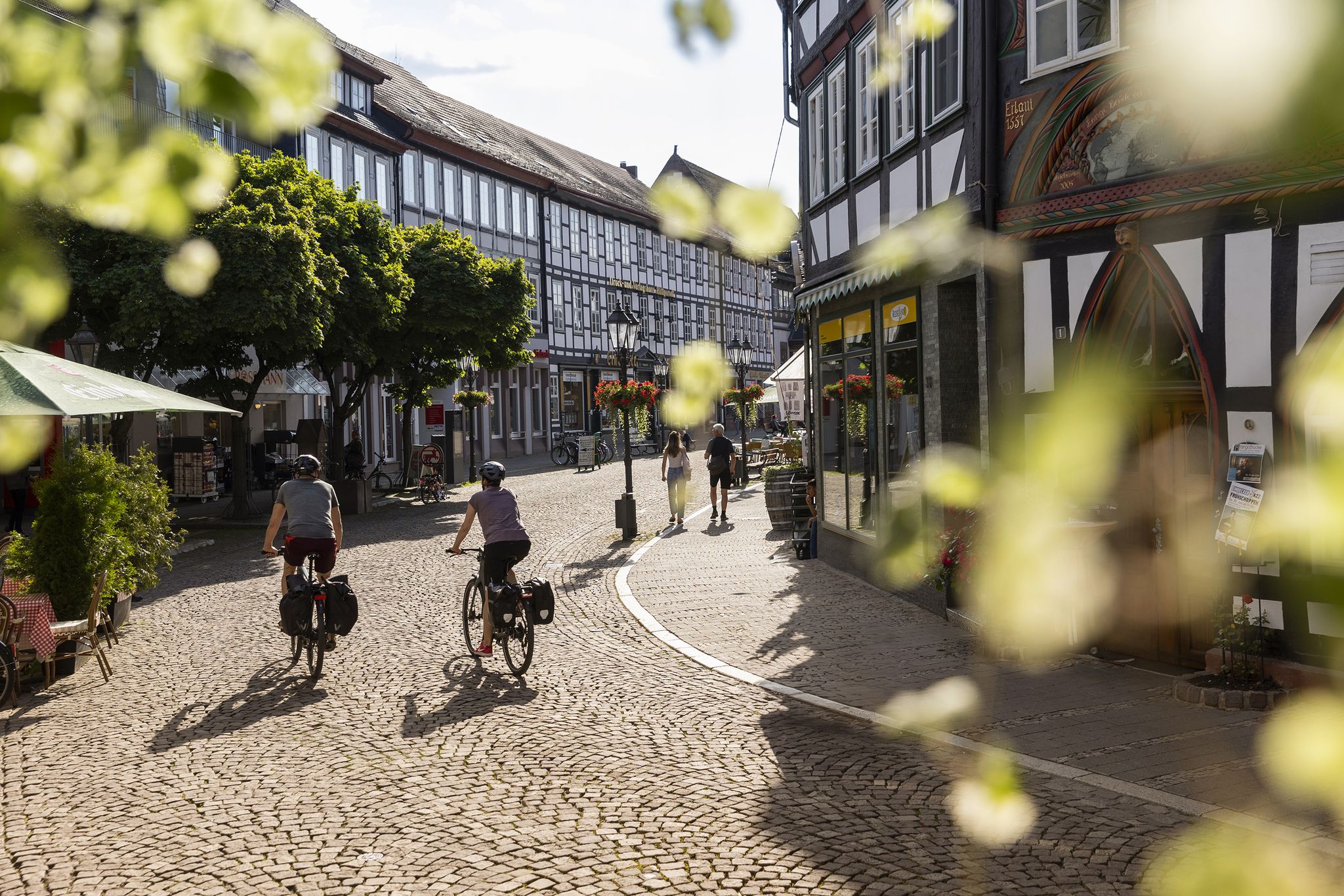
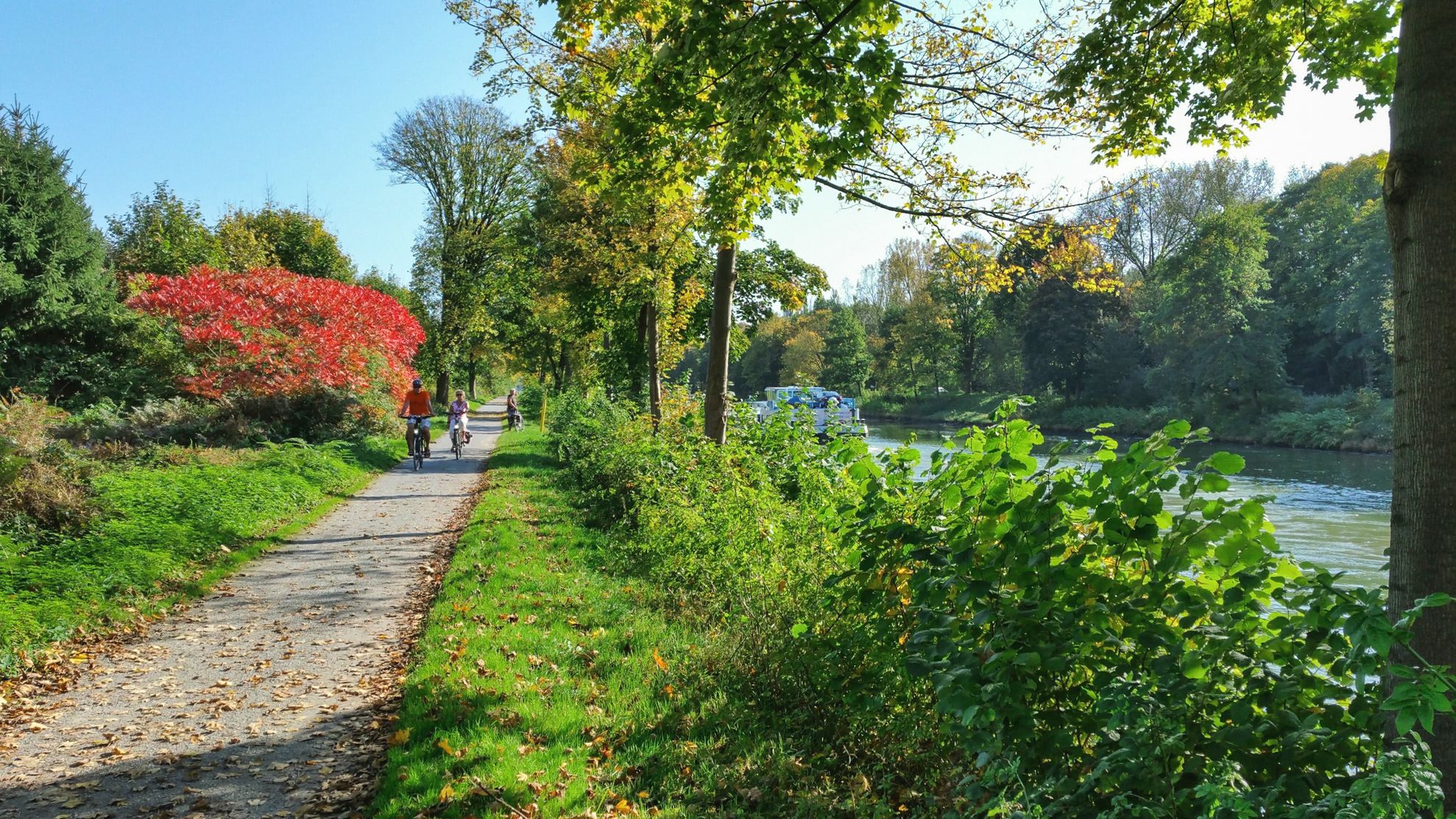
Experience cultural history on D-Route 3 – European Cycle Route R1
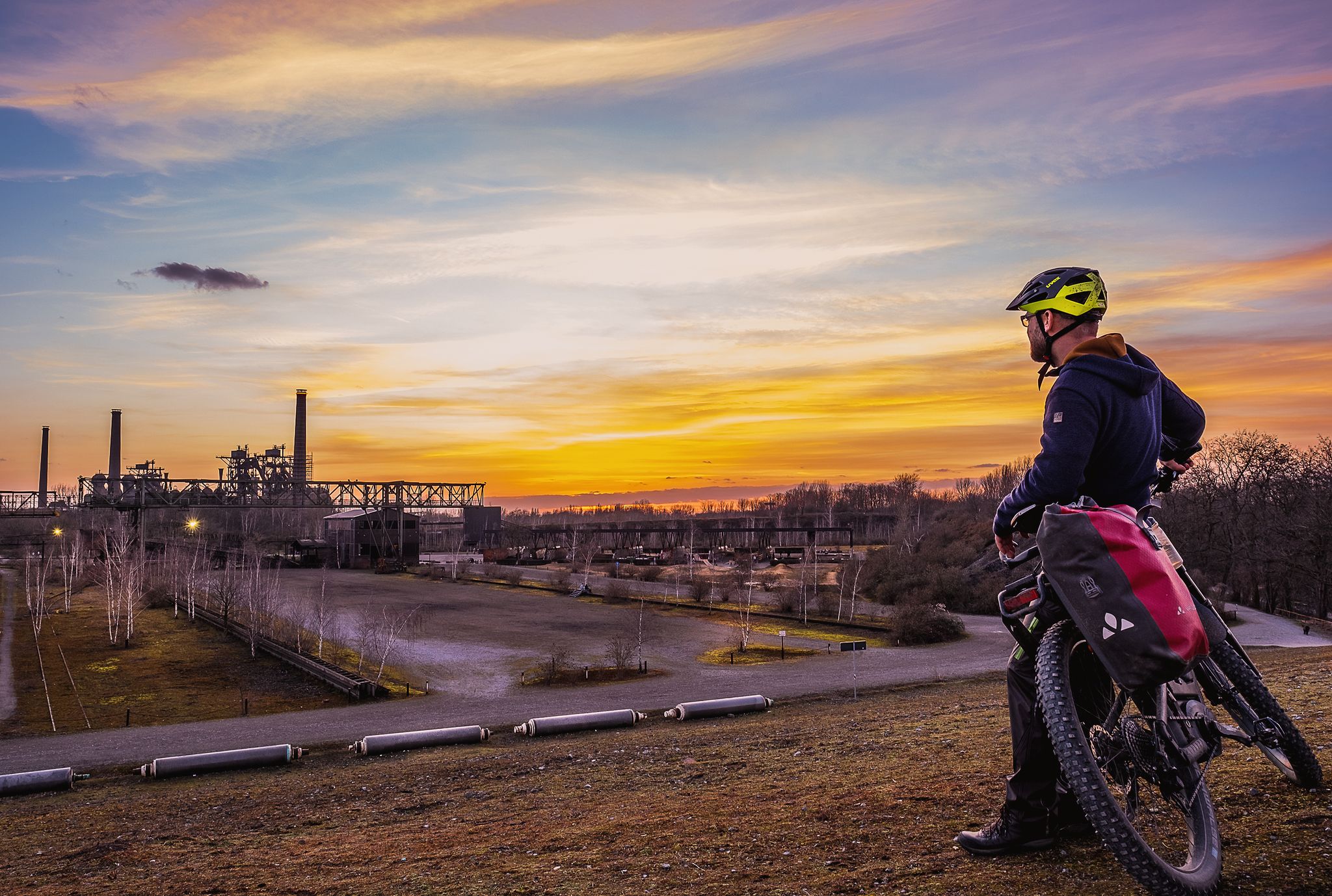
The most eventful long-distance cycle routes in the Ruhr region
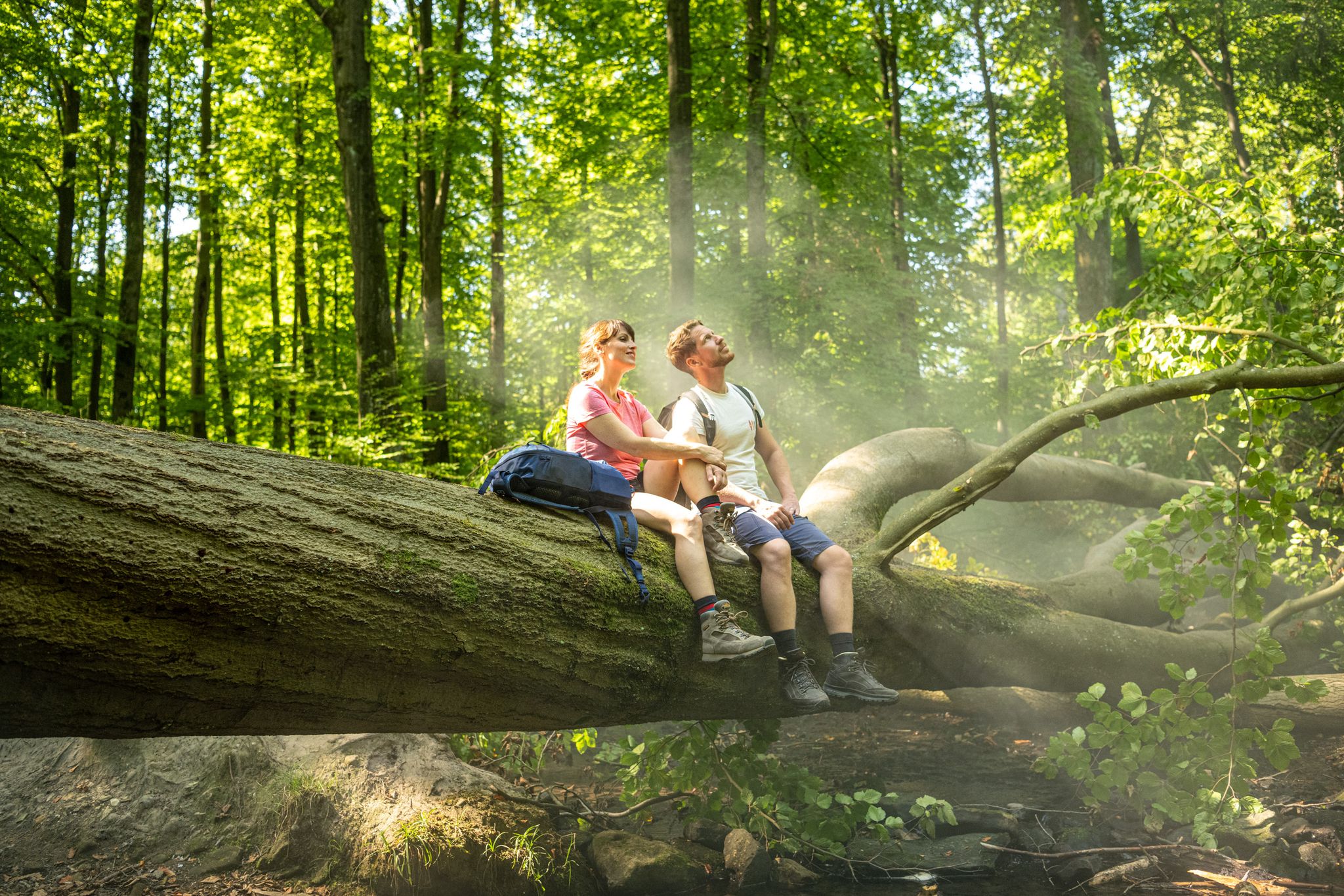
Discover pure nature – Germany’s Teutoburg Forest trails
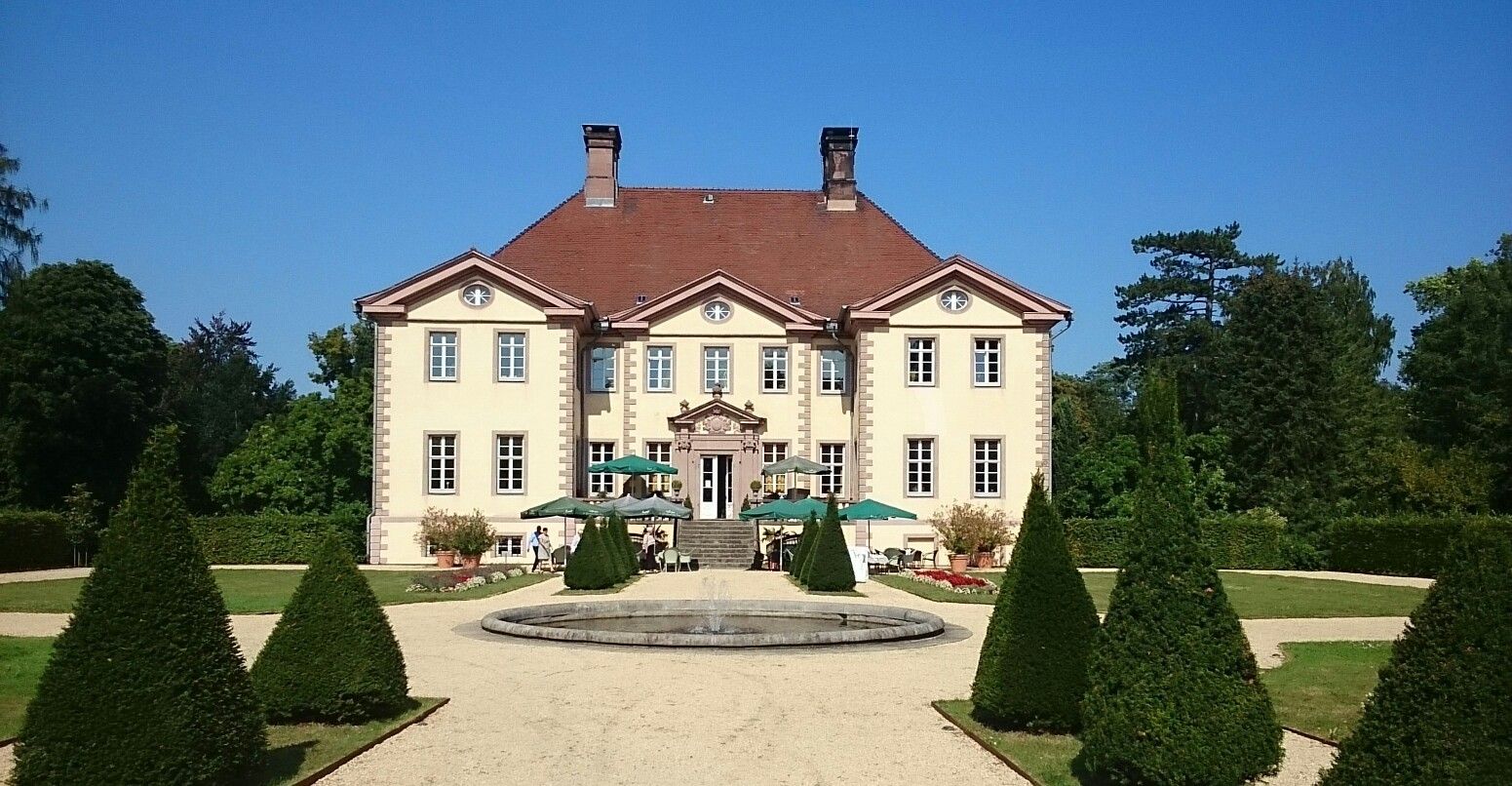
Cultural landscape and historical manor houses - Fürstenroute Lippe
Enchanting East Westphalia — two days on the Lönspfad Trail
Culture and nature from Rheine to Marsburg – Hermann Heights Trail
Other adventures around Detmold


Tips from the Community

Watch out! A man is walking past quickly.
0
0

The largest cave in Lippe is the Hohlsteinhöhle, which is 47 m high and 185 m long. A cave beetle that does not exist anywhere else in the world has also lived here since the last ice age. 👍
9
0
At the hatch hole you can only see the entrance hole of the 27 m deep funnel cave. Of course it is locked for safety reasons.
8
0
The Bielstein Gorge is a fantastic natural spectacle. It's definitely worth a visit!
10
0

The Descent from the Cross - relief is one of the most significant medieval works. It is carved into sandstone and, at 4.80 × 3.70 m, is the largest relief in the entire northwestern European region.
4
0

The largest cave in the district of Lippe, with up to 50m height (rock crevices)
1
0
The relief of the Descent from the Cross from 1150 is one of the most extraordinary works of art in the area. It is well preserved for its high age.
11
0

Karst cave, refuge for bats
1
0
Frequently Asked Questions
What makes the caves around Detmold unique?
The caves and cave-like features around Detmold are primarily found within the Teutoburg Forest, characterized by distinctive sandstone cliffs, gorges, and subterranean formations. Many are significant natural monuments, serving as important wintering quarters for bats, and some even host unique species like the cave beetle found in Hohlstein Cave.
Are there any easy-to-explore caves or rock formations near Detmold?
While some caves are protected, the Crucifixion Relief and Grotto at the Externsteine offers an accessible experience with its impressive rock relief and grotto. For a more adventurous but still manageable exploration, the Bielstein Gorge provides a scenic wander, though access to its main cave system is restricted.
Which caves are suitable for families with children?
The Rocky gorge at the Mordkopf, featuring the 'Räuberhöhle' (robber's cave), is a popular spot for families. While it's more of a chasm than a true cave, it offers an exciting exploration point for children within the Teutoburg Forest. Always supervise children due to potential cracks in the ground.
What is the best time of year to visit the caves around Detmold?
Many of the natural caves, such as Bielstein Gorge and Bielstein Cave (Kellerloch), are important bat wintering quarters. Access to these specific cave systems is often restricted during winter months to protect the bats. The summer months, typically June to August, are generally the best time for permitted access to certain areas, like the Kellerloch.
Are there any caves open in winter near Detmold?
Many natural caves in the region serve as bat wintering quarters and are closed to the public during the colder months to protect these animals. For example, Hohlstein Cave is under strict protection and not open to the public at any time. It's best to check local regulations or visitor information for specific sites if planning a winter visit.
What kind of geological features can be observed in the caves of the Teutoburg Forest?
The caves and gorges in the Teutoburg Forest are primarily formed within marl limestones and sandstone. You can observe impressive cleft systems, chasms, and rock faults. The region's geological history, including glacial embossing, has created unique formations like the hollow stone cave system in Bielstein Gorge and the chasm at the Rocky gorge at the Mordkopf.
What should I wear when exploring caves or gorges in the Detmold area?
For exploring the gorges and cave-like features, sturdy shoes are essential, as paths can be uneven and steep. Layers of clothing are advisable, as temperatures inside rock formations can be cooler than outside. If you plan to venture into any accessible crevices, be prepared for tight squeezes and potentially muddy conditions.
Are there any less crowded caves or natural rock shelters to visit?
While popular sites like the Externsteine can attract many visitors, exploring the various gorges and smaller rock shelters within the Teutoburg Forest can offer a more secluded experience. For instance, the Bielstein Cave (Kellerloch), located within the Bielstein Gorge, is described as having a great atmosphere, especially if visited alone or in a small group.
Are there hiking routes that include caves or rock formations near Detmold?
Yes, the region offers numerous hiking opportunities that incorporate these natural features. You can find circular hiking routes that pass by sites like the Externsteine or through gorges like Bielstein Gorge. For more detailed routes, explore the Running Trails around Detmold guide, which includes paths through the scenic forest landscape.
What other outdoor activities can I do near the caves around Detmold?
The area around Detmold, particularly the Teutoburg Forest, is excellent for various outdoor activities. You can find extensive networks for road cycling, running, and gravel biking. Many routes pass by or near the natural monuments and historical sites, offering a diverse outdoor experience.
What do visitors enjoy most about the caves and rock formations in the Detmold region?
Visitors frequently appreciate the natural beauty and the sense of discovery these sites offer. The unique rock formations, the historical significance of places like the Crucifixion Relief at the Externsteine, and the mystical atmosphere of the gorges are often highlighted. The opportunity to explore and connect with nature in the Teutoburg Forest is a major draw.
Most popular routes around Detmold
Most popular attractions around Detmold

Get inspired with the komoot mobile app


Explore more
Extend your search for the best caves by checking out these guides of the top ones around Detmold:
