Top 10 Caves around Alexisbad
Best caves around Alexisbad are primarily found within the Harz Mountains, a region known for its geological features and historical mining activities. Alexisbad itself is situated in the picturesque Selke Valley, offering access to various natural and man-made underground structures. The area features a mix of historical mine entrances, adits, and rock tunnels, reflecting its rich past. These sites provide insights into the region's mining heritage and natural rock formations.
Best caves around Alexisbad
- The most popular caves is Glasebach…
Last updated: June 17, 2026
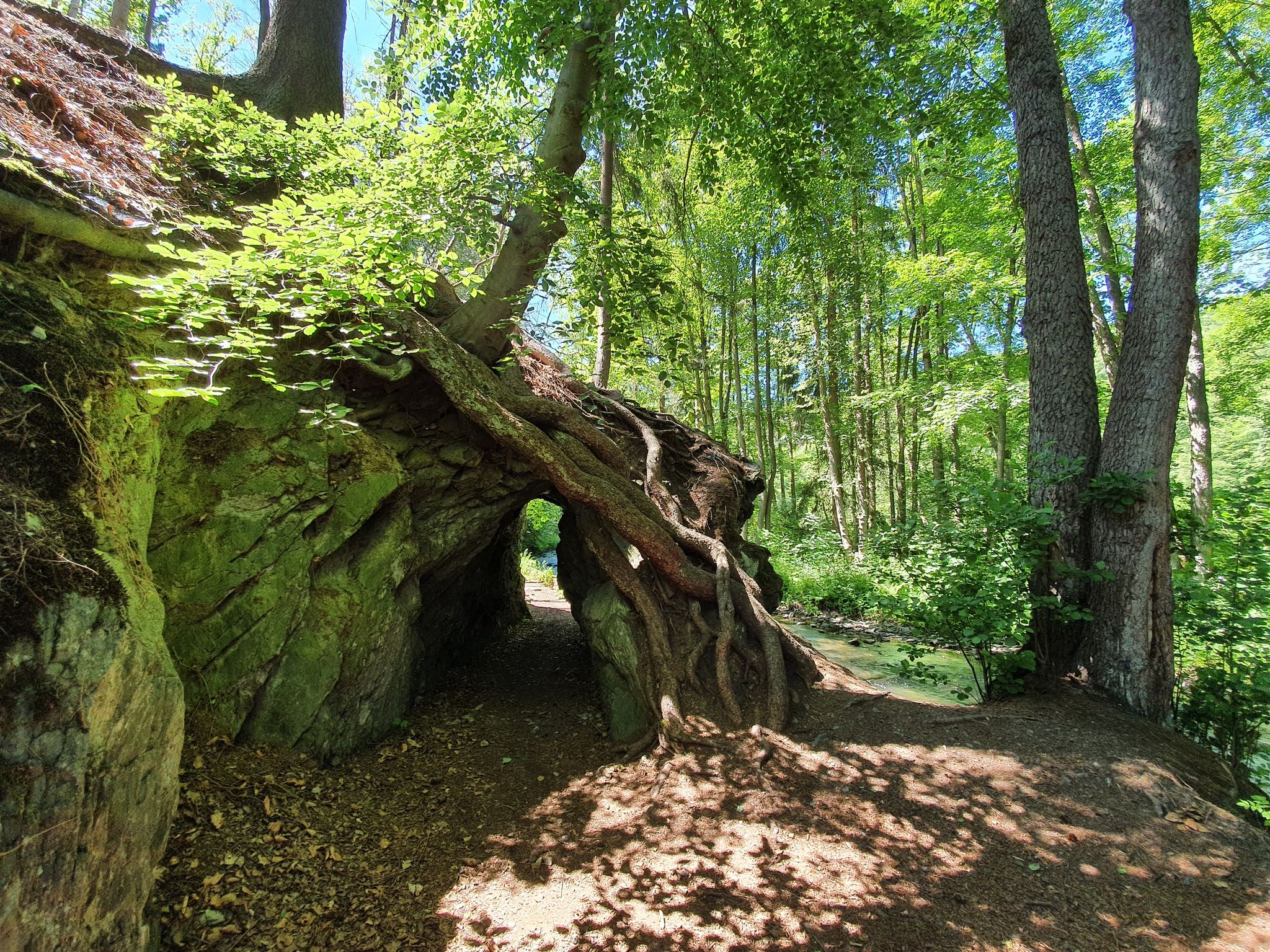
Pioneer Tunnel (Pioniertunnel)
Highlight • Structure
Translated by Google •
Tip by

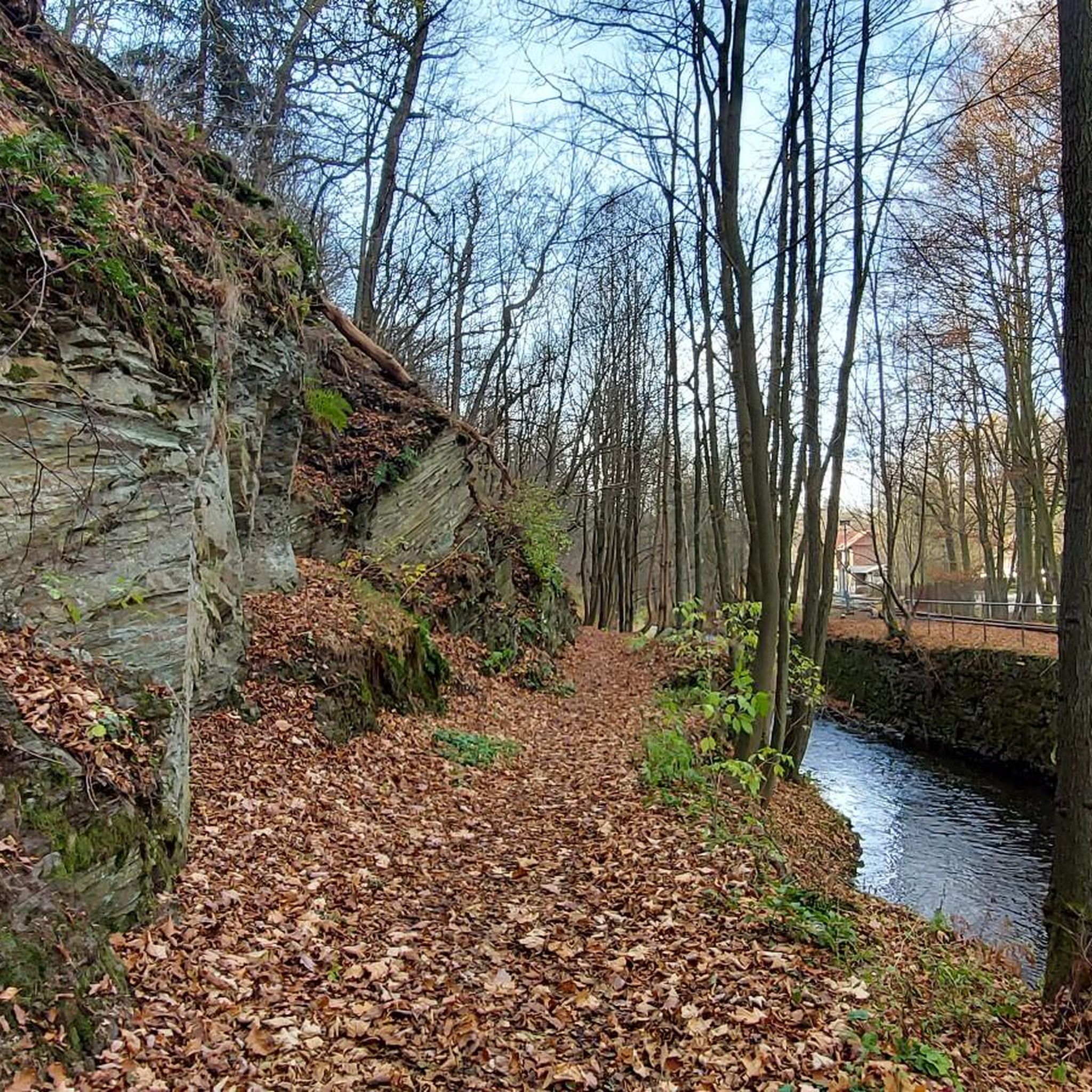
Glasebach Adit (HWN 175)
Highlight • Historical Site
Translated by Google •
Tip by

Sign up now to discover places like this
Get recommendations on the best single tracks, peaks, & plenty of other exciting outdoor places.
Sign up for free
Lessinghöhle — Mine Entrances
Highlight • Structure
Translated by Google •
Tip by

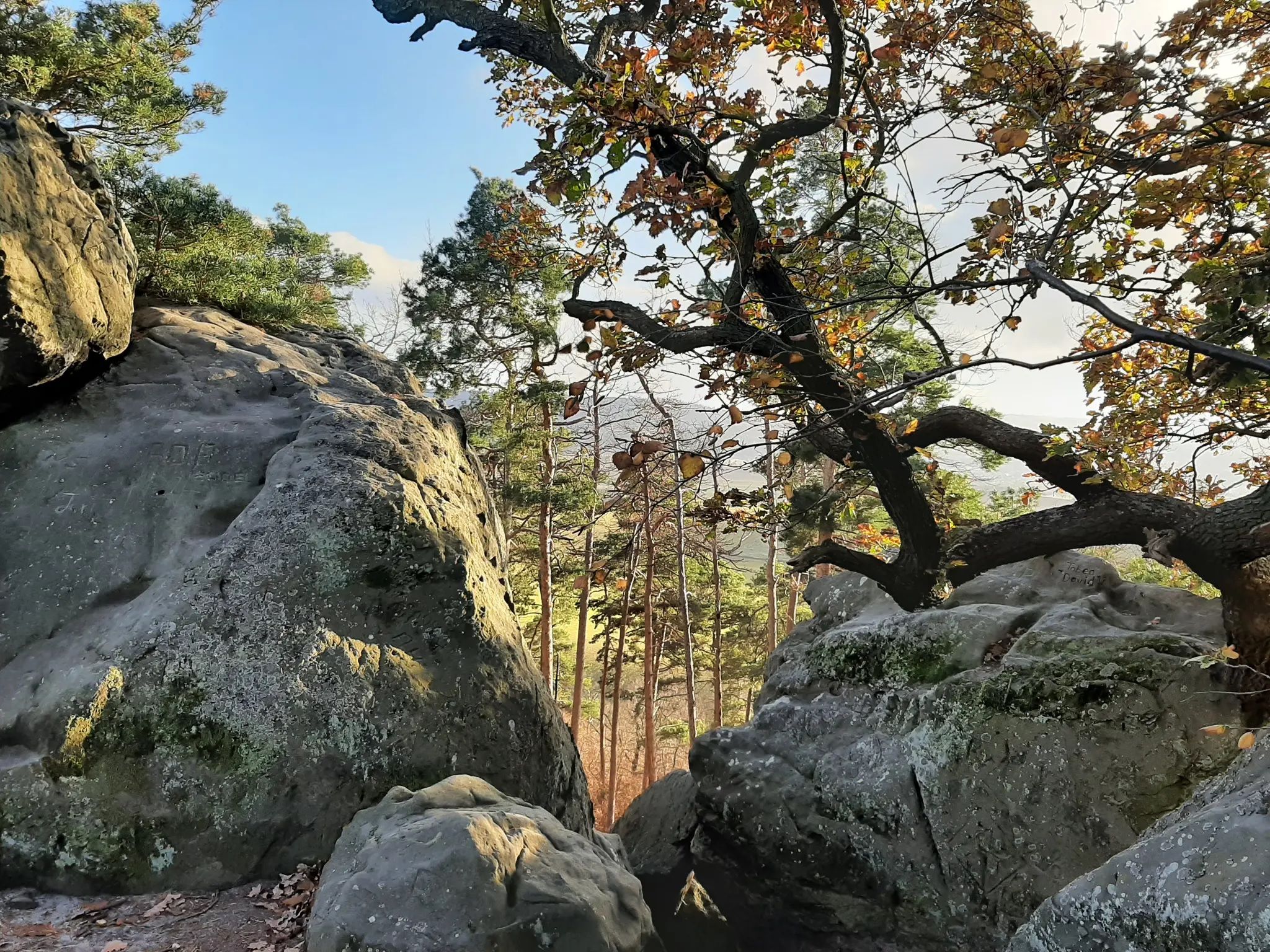
Adolph's Rock Tunnel
Highlight • Cave
Translated by Google •
Tip by

Straßberg with the Glasebach mine
Highlight • Historical Site
Translated by Google •
Tip by

Sign up for free to discover even more caves around Alexisbad.
Sign up for free
Already have an account?
Start today with a free account
Your next adventure awaits.
Login or Signup
Popular around Alexisbad



Tips from the Community

The mine is definitely worth a visit.
0
0

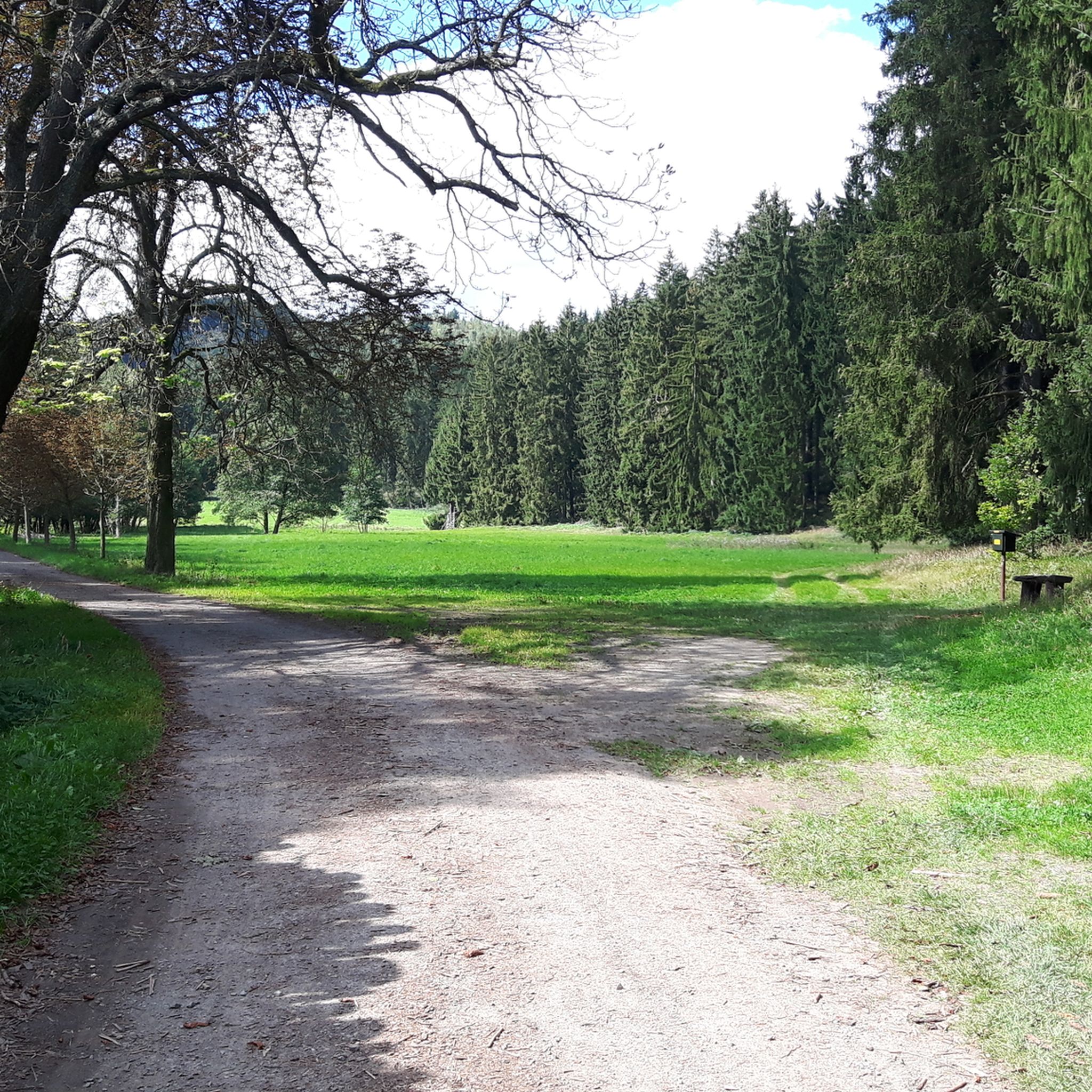
Nice corner to take a breather, especially when the sun is shining it is still nice and shady
0
0

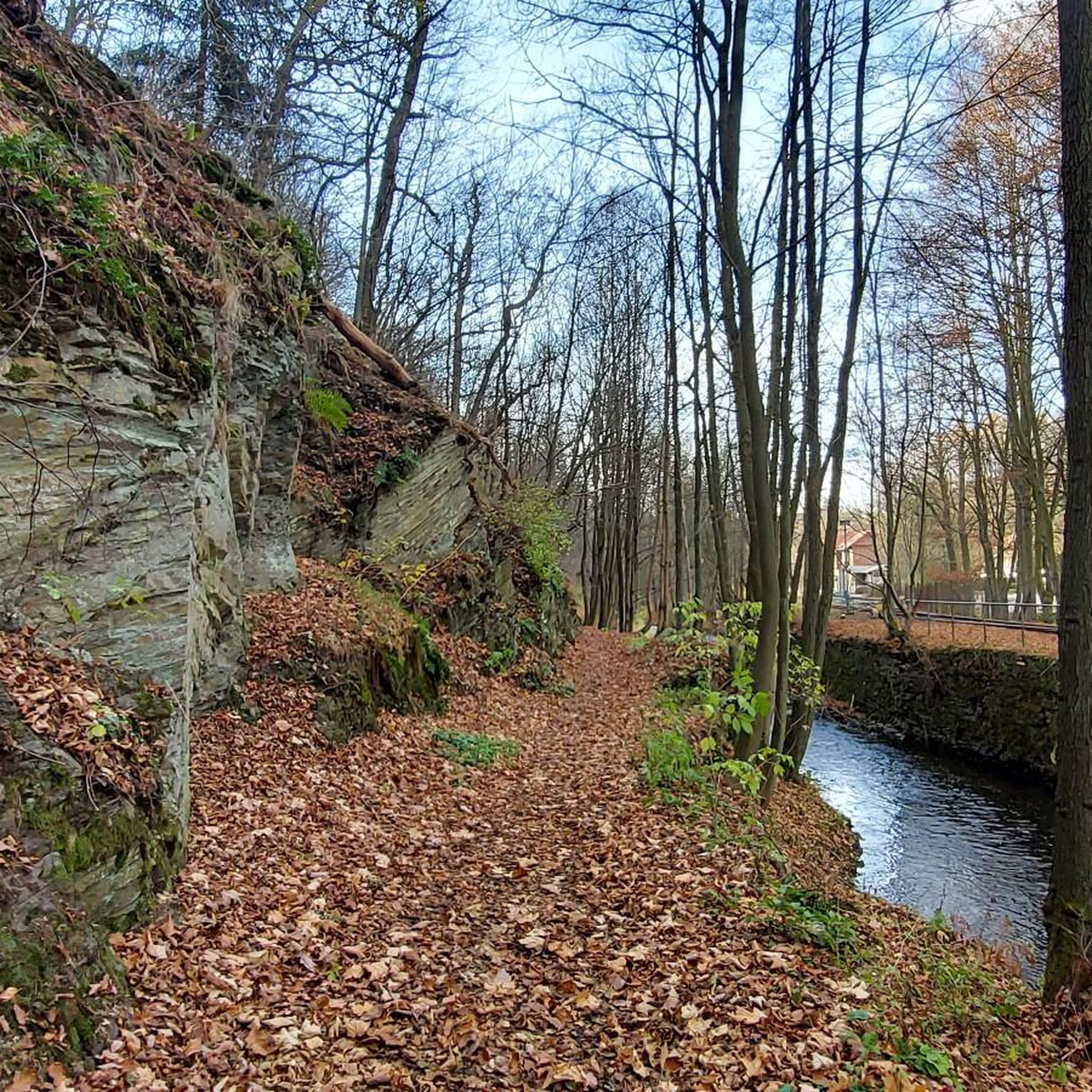
Beautiful hiking trail, you can discover something different in every season.
2
0

Super well preserved memory of the mining of that time 👍🏼
1
0

Rest area with stamp box of HWN No. 175 A must for stamp hunters 😉
1
0

A mine was probably built here in the 16th century to mine copper and iron ore. However, fluorspar, chalcopyrite, arsenic pyrite and galena were mined. After it was closed in the 17th century, the mine fell into oblivion and was only rediscovered in the 1870s when gravel was extracted for road construction. The Magdeburg researcher Lessing then explored the cave, but the water in the shafts was up to 25 m high. After it was filled in, a waterworks was built here at the beginning of the 20th century, but it was destroyed by a rockfall just a few years later. In the 1950s, the Lessing Cave was searched for uranium-containing ore. The proportion of this radioactive metal was, fortunately for the town, too small. Today the cave serves as a refuge for bats and is therefore under special protection. Source: https://www.quedlinburg-info.de
5
0
The right tunnel can be accessed for about 40m. The deeper mine workings are flooded and the other two tunnels are filled. The Lessing Cave is also opened up every year for the "hike on the trail of mining". Source: https://harzklub-bad-suderode.de
9
0

From the perspective of hikers, the Glasebach mine is located near Straßberg and not in the middle of it. A nice starting point in Glasberg is the Selketalbahn station. The path to the Glasebach mine (with stamping point HWN 175) is about 2 km from here.
2
0
Frequently Asked Questions
What types of caves can I explore around Alexisbad?
Around Alexisbad, you'll primarily find historical mine entrances, adits, and rock tunnels, reflecting the region's rich mining heritage. These man-made structures offer a glimpse into the past and unique geological formations. For natural dripstone caves, the renowned Rübeland Caves (Baumanns Cave and Hermanns Cave) are a significant attraction in the wider Harz Mountains region.
Are there any historical caves or mining sites near Alexisbad?
Yes, Alexisbad is rich in historical mining sites. You can visit the Glasebach Adit (HWN 175), a historical site and stamping point for the Harz hiking pin. Another significant historical site is Lessinghöhle — Mine Entrances, first mentioned in 1546, which now serves as a retreat for bats.
What are the most unique natural features in the caves around Alexisbad?
While the immediate Alexisbad area features mostly man-made tunnels, the broader Harz region boasts impressive natural dripstone caves. The Rübeland Caves, for instance, are known for their spectacular stalactite and stalagmite formations, with Baumanns Cave featuring the large Goethe Hall and Hermanns Cave housing rare olms and a unique crystal chamber.
Are there family-friendly caves or activities suitable for children?
The historical mine entrances and rock tunnels around Alexisbad, such as the Pioneer Tunnel (Pioniertunnel) or Adolph's Rock Tunnel, can be an exciting adventure for children due to their unique passage through rock. For a more structured family experience, the show caves in Rübeland offer guided tours that are educational and engaging for all ages, with illuminated formations and insights into cave dwellers.
What is the best time to visit the caves in the Harz Mountains?
The caves in the Harz Mountains, including the Rübeland Caves, maintain a constant temperature of around 8-9 degrees Celsius year-round. This makes them a refreshing visit even on warm summer days and a sheltered option during colder months. The historical mine entrances around Alexisbad are also accessible in various seasons, though some may be part of hiking trails best enjoyed in milder weather.
What outdoor activities can I combine with a visit to the caves near Alexisbad?
The caves around Alexisbad are often integrated into hiking routes. For example, the Pioneer Tunnel (Pioniertunnel) is an integral part of the Selketalstieg hiking trail. You can also explore various hiking and cycling routes in the picturesque Selke Valley. For more options, consider exploring the easy hikes around Alexisbad or the cycling routes around Alexisbad.
Are there any caves that are important for wildlife or conservation?
Yes, the Lessinghöhle — Mine Entrances serves as a retreat for bats and other protected animal species. In the broader Harz region, Hermanns Cave in Rübeland is particularly notable as the only place in Germany where rare olms (aquatic salamanders) were settled and can be observed in an underground lake. Both Rübeland caves are also home to bats.
What should I wear when visiting caves in the Alexisbad area?
Given the constant cool temperatures inside the caves (around 8-9 degrees Celsius in the Rübeland Caves), it's advisable to wear warm clothing, even in summer. Comfortable, sturdy shoes are also recommended, especially if you plan to explore the historical mine entrances or combine your visit with hiking on the surrounding trails.
How long does it typically take to explore the caves?
For the historical mine entrances and rock tunnels directly around Alexisbad, exploration time can vary, often integrated into a longer hike. For example, passing through the Pioneer Tunnel (Pioniertunnel) is a brief but memorable part of the Selketalstieg. Guided tours in the Rübeland Caves typically last about an hour, allowing ample time to appreciate the formations and learn about their history.
What do visitors enjoy most about the caves and tunnels near Alexisbad?
Visitors particularly appreciate the unique experience of passing through the rock breakthroughs like the Pioneer Tunnel (Pioniertunnel), which offers no alternative route and provides beautiful views of the Selke Valley. The Glasebach Adit (HWN 175) is valued for its cool, shaded rest area and its role as a Harz hiking pin stamping point. The historical significance and the glimpse into mining heritage are also highly regarded.
Are there any show caves with special events or features in the Harz region?
Yes, Baumanns Cave in Rübeland is famous for its 'Goethe Hall,' an impressive underground natural stage where theater performances and concerts are regularly held. This unique setting, surrounded by stunning stalactite formations, can accommodate up to 300 people and even features an artificial lake called Wolfgangsee.
Can I find food and drink options near the caves?
While the immediate vicinity of some smaller tunnels around Alexisbad might not have direct facilities, the Glasebach Adit (HWN 175) offers a rest area. For more substantial options, the villages and towns in the Harz Mountains, including Alexisbad itself and Rübeland, provide cafes, pubs, and restaurants. The Glasebach mine near Straßberg also has facilities for visitors.
Most popular routes around Alexisbad
Most popular attractions around Alexisbad

Get inspired with the komoot mobile app


Explore more
Extend your search for the best caves by checking out these guides of the top ones around Alexisbad:
