Top 20 Castles around Bad Staffelstein
Castles around Bad Staffelstein are found in the picturesque Upper Main Valley, a region rich in history and impressive architecture. This area, known for its spa and the iconic Staffelberg mountain, features several notable castles and historical residences. These structures offer insights into centuries of Franconian heritage. Visitors can explore a diverse range of historical experiences in the vicinity.
Best castles around Bad Staffelstein
- The most popular castles is 🏛️ Giechburg, a castle located on the western end of…
Last updated: August 30, 2026
🏛️ Giechburg
Highlight • Castle
Translated by Google •
Tip by

Coburg Fortress
Highlight • Castle
Translated by Google •
Tip by

Sign up now to discover places like this
Get recommendations on the best single tracks, peaks, & plenty of other exciting outdoor places.
Sign up for free
Pilgrimage Church of St. Pankratius (Gügel Church)
Highlight • Religious Site
Translated by Google •
Tip by

Ehrenburg Palace
Highlight • Castle
Translated by Google •
Tip by

Lichtenfels Market Square
Highlight • Settlement
Translated by Google •
Tip by

Sign up for free to discover even more castles around Bad Staffelstein.
Sign up for free
Already have an account?
Start today with a free account
Your next adventure awaits.
Login or Signup
Popular around Bad Staffelstein

Bergmenschen – die 10. Staffel: Freundschaft, Bikes & Berge
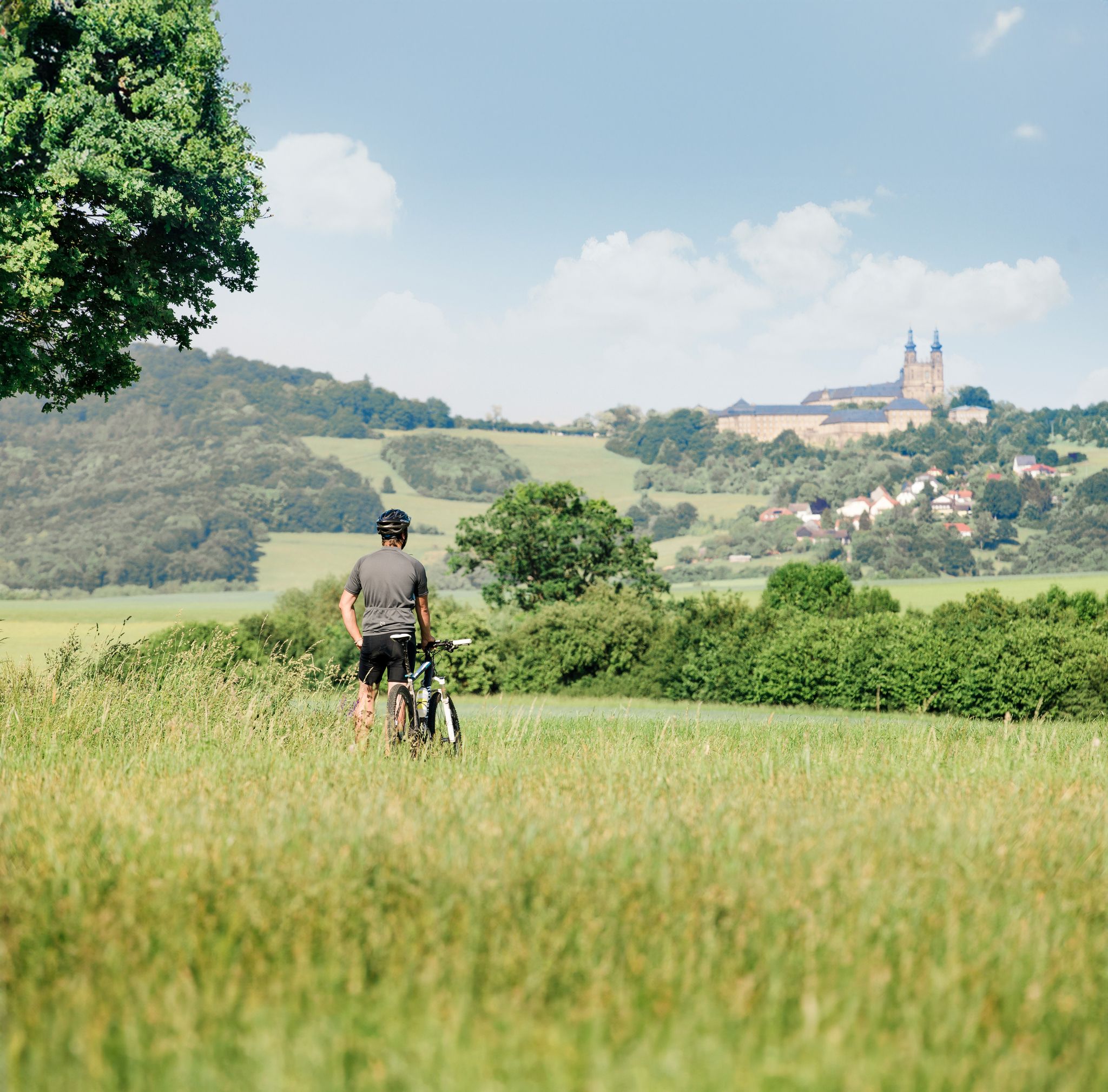
Panoramic cycling in the Obermain.Jura – discovering Franconia by bike
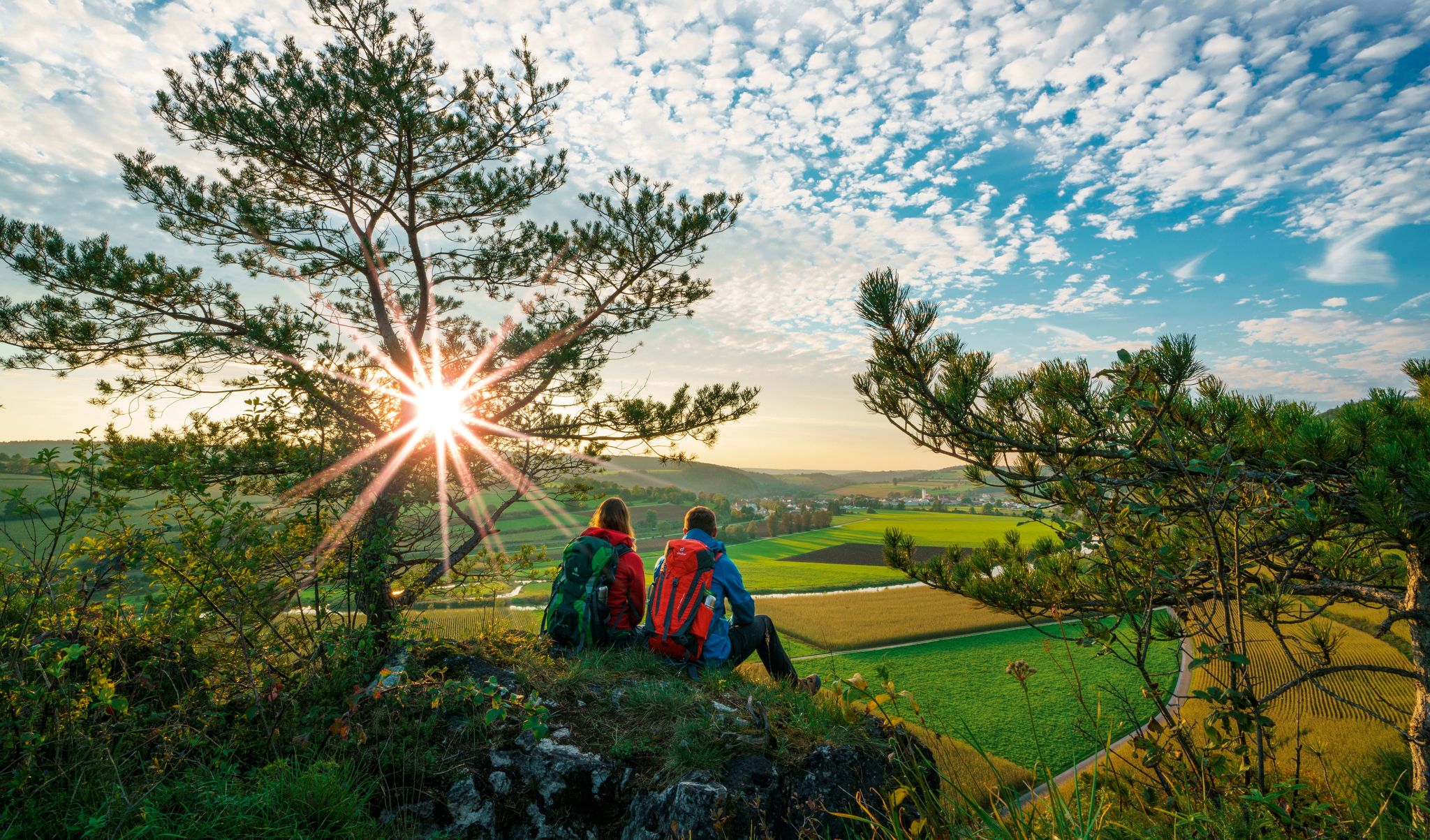
The Franconian Trail – A Diverse Hiking Dream Across 24 Stages
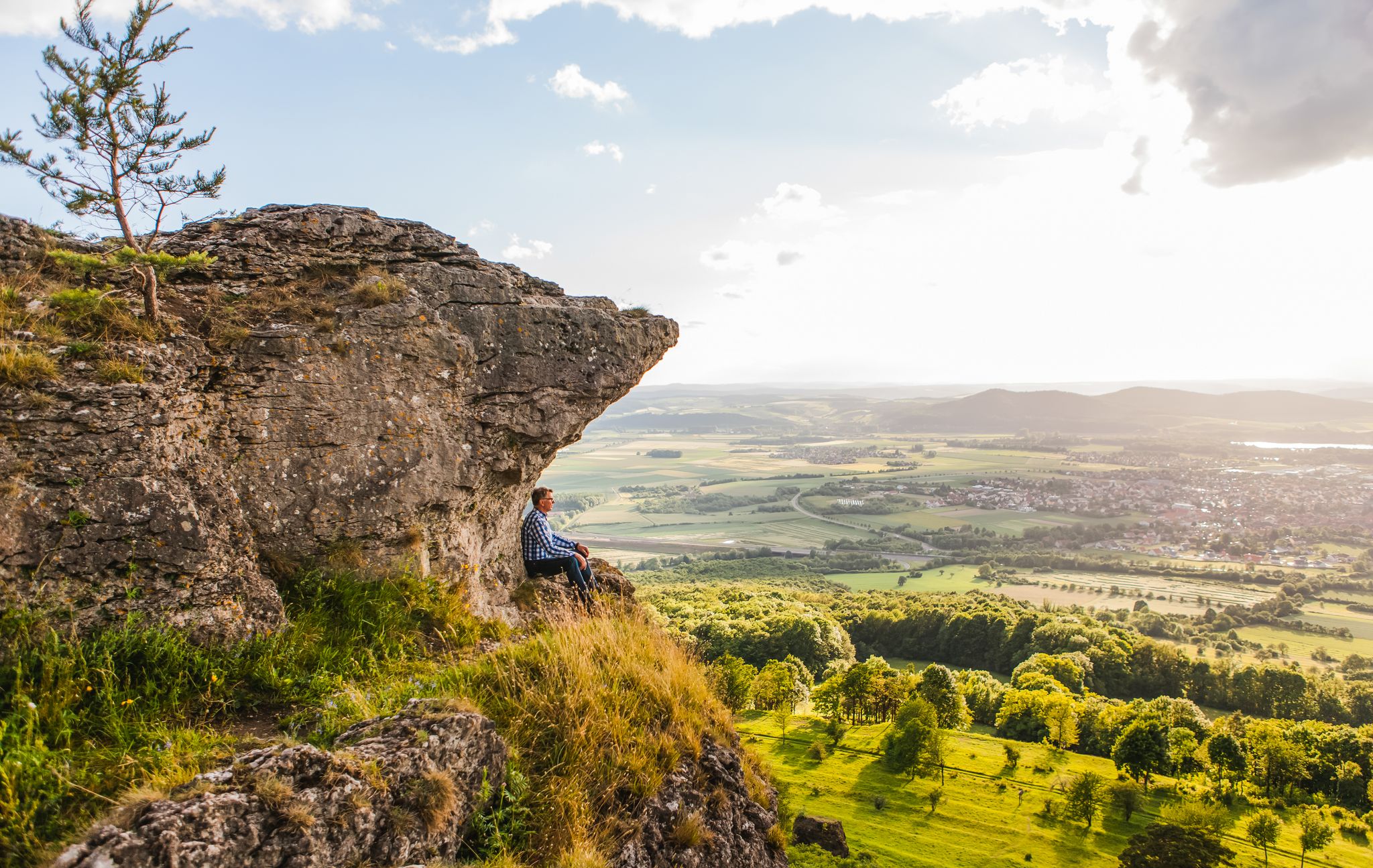
Our 10 favourite Tours through Upper Main’s Garden of Eden

Panoramic cycling in the Upper Main•Jura
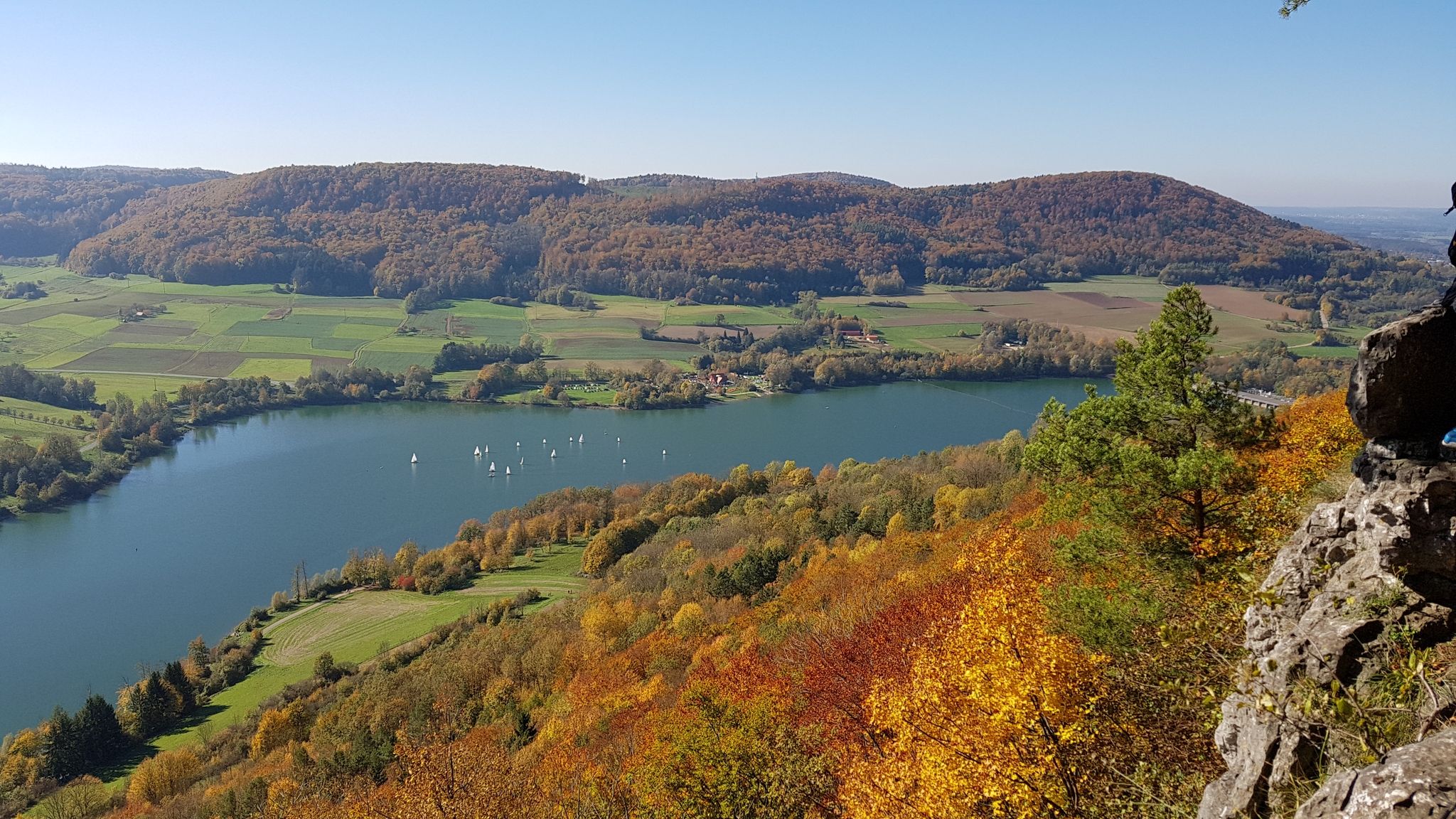
Colourful leaves & gentle hills – hiking in autumn in Franconia
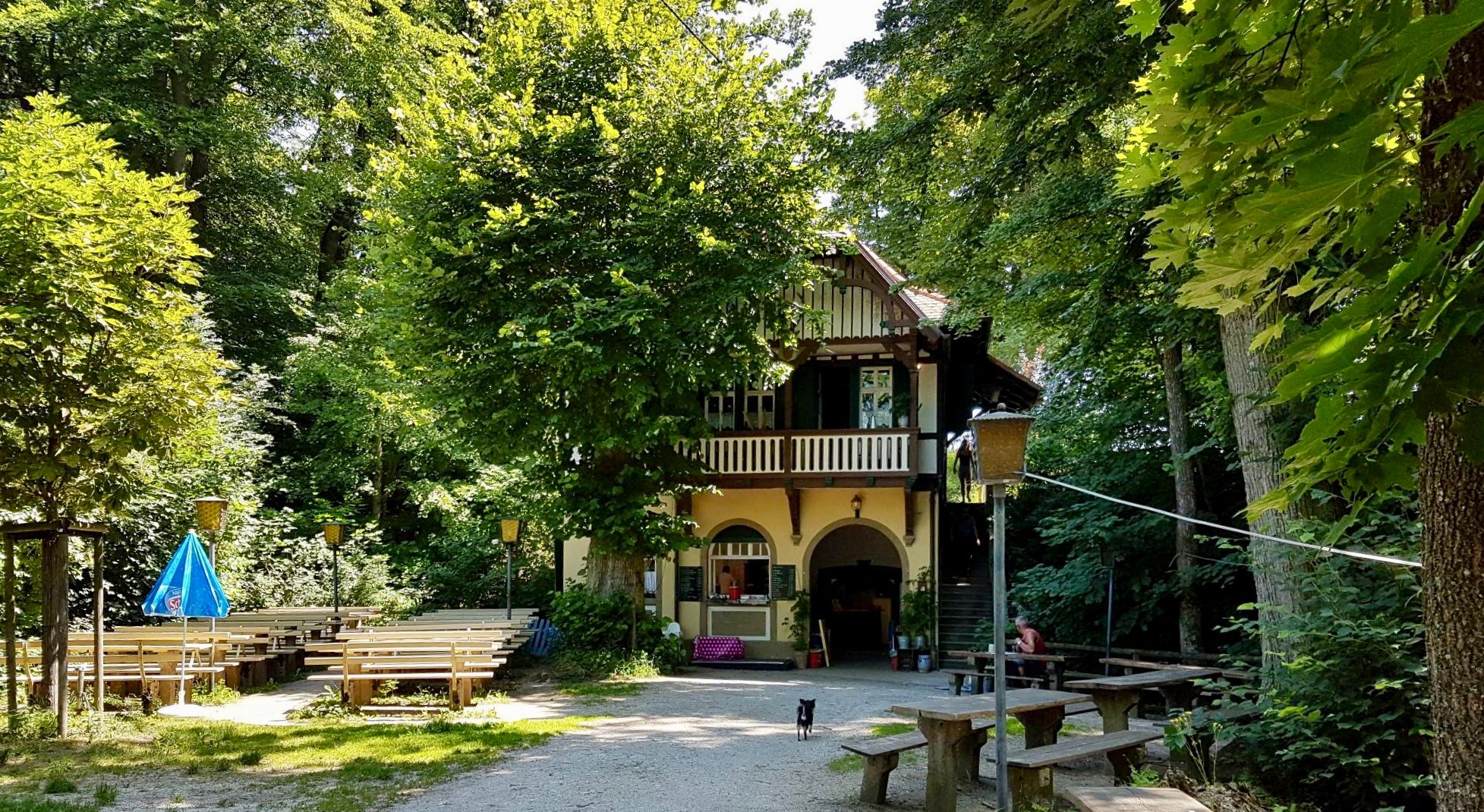
Franconian Switzerland — on the trace of the Purity Law
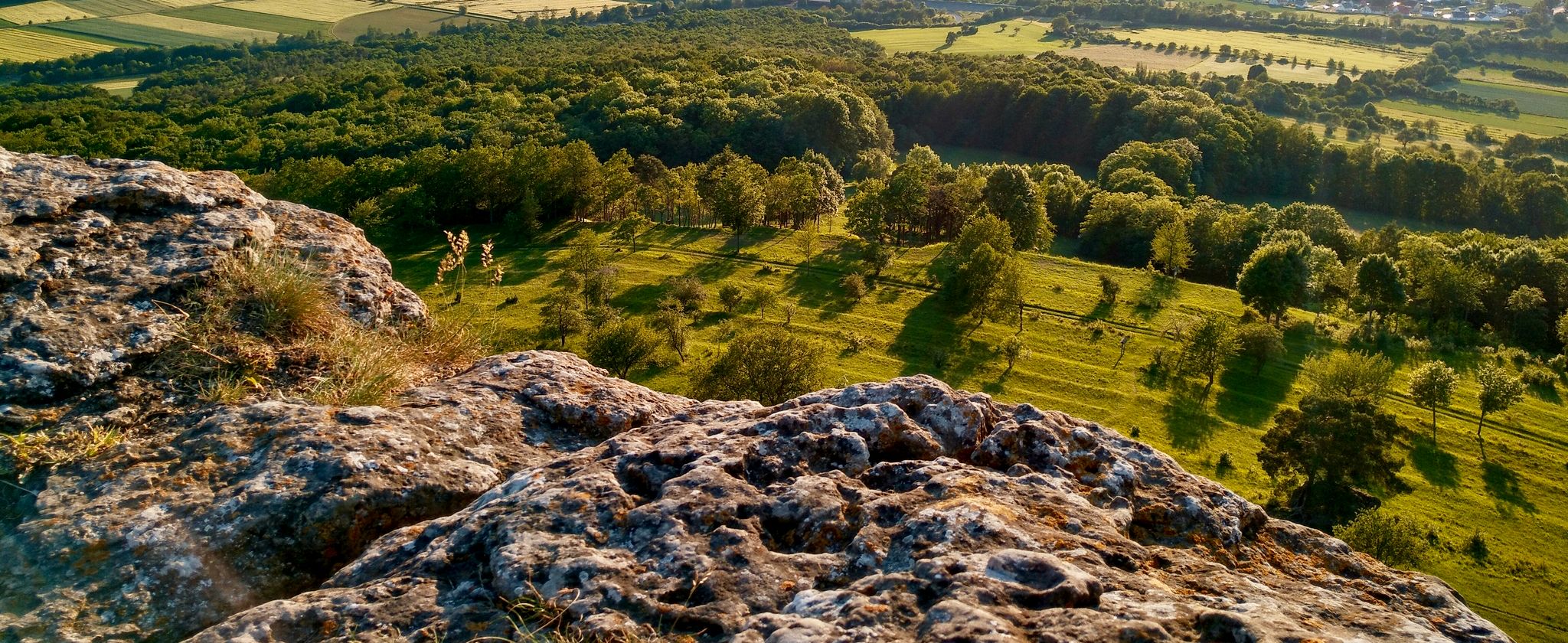
On Celtic trails in Franconia
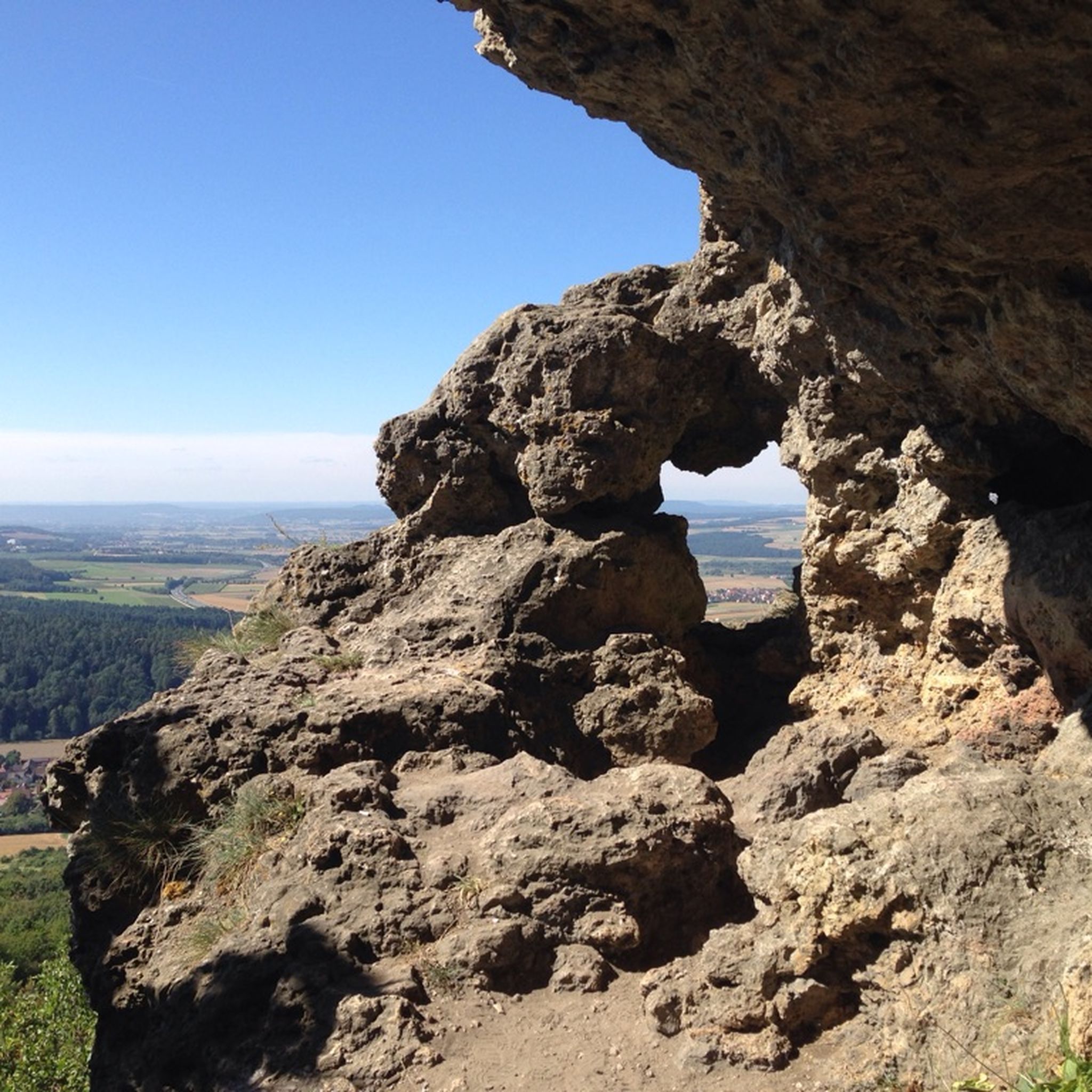
Hiking around Bad Staffelstein
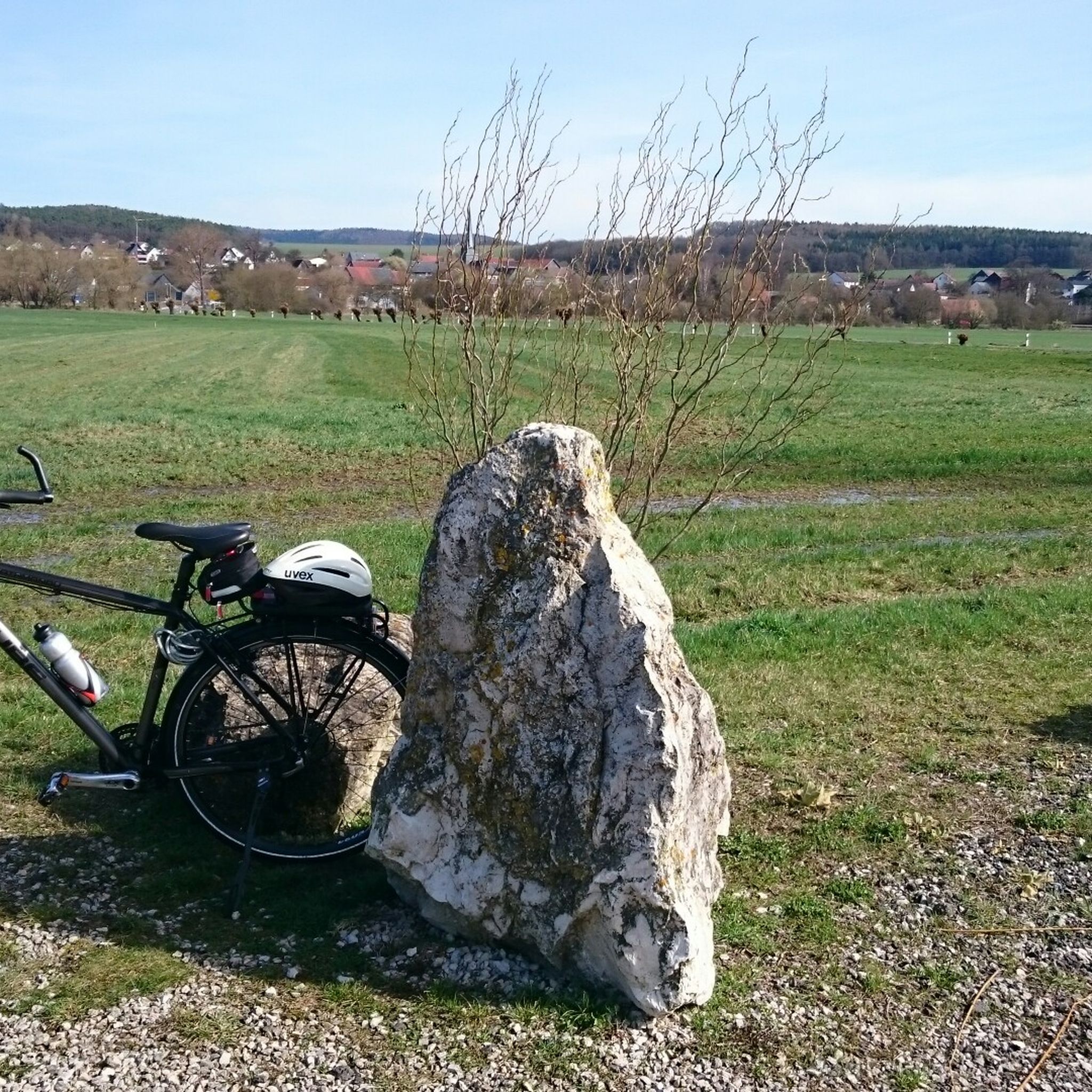
Cycling around Bad Staffelstein
Other adventures around Bad Staffelstein


Tips from the Community

In any case, it's a huge building. More defiant than beautiful.
8
2

The town is located in the oldest prehistoric settlement area in the Main Valley. In a very small area, there is continuous evidence of settlement, which stretches from the Paleolithic period through the Hallstatt period to the Carolingian period. The name of the town was already borne by the fortress built around the year 1000 on a hill, a "light rock", and destroyed in the Peasants' War in 1525. Duke Otto I of Andechs-Merania had his market town of Lichtenfels fortified in 1231, which can probably be interpreted as an indication that town rights had already been granted. A place on the Main and centrally located on old streets was deliberately chosen for the founding of Lichtenfels. The spacious market square, the center of the town, where all the alleys and paths converged, was and is well suited for weekly and annual markets. Source: https://www.lichtenfels.de/leben-und-wohnen/unser-lichtenfels/stadtportrait/die-geschichte-der-stadt-lichtenfels
13
2

In 1543, Duke Johann Ernst of Saxony decided to move his court from the Veste Coburg down into the city and chose the site of the dissolved Franciscan monastery, along which the city wall ran to the east. The monastery was in the area of the former middle courtyard. Recent research attributes the architectural design to the Saxon architect Nikolaus Gromann.[1] The building shows clear stylistic parallels with the work of Gromann, who may also have been close to the building project in organizational terms as the appointed court architect of Johann Ernst's half-brother, Elector Johann Friedrich. The complex was built until around 1547 under the construction management of Caspar Vischer. A complex was created around two square courtyards, which could be entered from the south via Steingasse.[2] The buildings of the first courtyard with the stair tower, the corner bay window and the dormer windows from this period are still preserved.[3] Between the courtyards was the three-storey princely building, which was accessed via another large stair tower on the north side and had a large hall and a dining room. The palace chapel and other living quarters were located around the second courtyard on the east side, the kitchen on an irregular floor plan to the north and other subordinate rooms to the west. This complex can still be seen with various subordinate extensions on Bieler's floor plan from 1679. It is unclear whether the third courtyard with the stables had already begun in 1543. Only paid craftsmen were employed for the construction and not, as was usual at the time, serf laborers. This special feature is said to have been the reason for the visit of Emperor Charles V in 1547. Charles is said to have given the newly occupied complex the name Ehrenburg on this occasion. The new city palace was inhabited as the residence of a ruling duke until the death of Johann Ernst in 1553 and was then only used extensively.
8
2

A really beautiful building.
9
2

Magnificent palace, formerly the residence of the Coburg dukes, with art by Dutch and Flemish masters.
17
2
Collections of decorative and fine art in the former palace of the Saxon electors with a glass museum.
16
0
If you would like to receive comprehensive information, follow this link: https://de.m.wikipedia.org/wiki/Schloss_Ehrenburg
16
3

Ehrenburg Castle Ehrenburg Castle was built in the 16th century as a representative city residence under the Coburg dukes. In 1543, Johann Ernst of Saxe-Coburg commissioned the building, which was intended to replace an abolished Franciscan monastery. Just five years later, the Duke was able to move his court from the fortress on the castle hill down to the city. Emperor Charles V is said to have given the completed three-wing complex the name “Ehrenburg” because the construction was carried out without compulsory labor.
11
2
Frequently Asked Questions
What types of historical sites can I explore near Bad Staffelstein?
Near Bad Staffelstein, you can explore a diverse range of historical sites, from majestic Baroque abbeys to resilient hilltop castles and grand city residences. These include the former Benedictine Banz Abbey, the strategic Giechburg Castle, and the impressive Ehrenburg Palace in nearby Coburg.
What makes Banz Abbey a significant historical site?
Banz Abbey, often referred to as Banz Castle, is a former Benedictine monastery known for its magnificent Baroque architecture by renowned builders like Leonhard and Johann Dientzenhofer. Rebuilt after the Thirty Years' War, it now functions as an educational center and hosts events. It also features a museum with a fossil collection and an oriental collection, all while offering breathtaking panoramic views over the Main River valley.
What can I expect when visiting Giechburg Castle?
Giechburg Castle is a partly reconstructed hilltop castle offering commanding panoramic views across the Bamberg region. It has a rich history of destruction and rebuilding, showcasing its resilience. Today, it's a popular excursion destination with a restaurant, serving as a venue for meetings and cultural events, and its keep regularly hosts art exhibitions.
Are there any royal palaces or fortresses near Bad Staffelstein?
Yes, in nearby Coburg, you can visit Ehrenburg Palace, a 16th-century city residence that was once home to the Coburg dukes and the birthplace of King Leopold I of Belgium. It features a unique blend of 16th-century origins and 19th-century Neo-Gothic redesigns. Additionally, the imposing Coburg Fortress, known as the 'Franconian Crown,' is nearby and houses significant art collections.
What outdoor activities can I do near the castles around Bad Staffelstein?
The region around Bad Staffelstein offers various outdoor activities. You can find numerous cycling routes, such as the 'Fränkische Jura Route' or the 'Banz-Route,' which pass by historical sites. For hikers, there are mountain hikes like the 'Staffelberg loop from Basilika Vierzehnheiligen.' Mountain biking enthusiasts can explore trails like the 'Nothelfersteig – Spitzberg Downhill Trail loop.' You can find more details on these activities in the cycling, mountain hiking, and MTB guides for Bad Staffelstein.
Are the castles around Bad Staffelstein suitable for families?
Many castles and historical sites in the area are family-friendly. For instance, Giechburg Castle and Coburg Fortress are listed as family-friendly. The Pilgrimage Church of St. Pankratius (Gügel Church) also has interesting features like narrow corridors and stairs that children enjoy exploring.
What is the best time to visit the castles and historical sites in this region?
The best time to visit the castles and historical sites around Bad Staffelstein is generally during the spring, summer, and early autumn months (April to October) when the weather is pleasant for exploring and outdoor activities. Many sites, like Banz Abbey, also host annual events such as the 'Lieder auf Banz' music festival during warmer months.
Can I find places to eat or drink near the castles?
Yes, several castles and historical sites offer dining options. Giechburg Castle, for example, houses a restaurant. Coburg Fortress also has a restaurant, pub, and cafe. The Schlossplatz in Coburg, near Ehrenburg Palace, is known for its vibrant atmosphere and events, likely offering nearby cafes and restaurants.
Are there any castles with unique architectural features?
Absolutely. Banz Abbey stands out with its grand Baroque architecture, considered one of Bavaria's largest monasteries. Ehrenburg Palace in Coburg showcases a fascinating blend of 16th-century origins and a magnificent 19th-century Neo-Gothic redesign, offering a unique architectural experience.
What historical events are associated with the castles in the area?
The castles in the region have witnessed significant historical events. Banz Abbey was rebuilt after destruction in the Thirty Years' War. Giechburg Castle was destroyed and rebuilt multiple times during conflicts like the Hussite wars and the German Peasants' War. Coburg Fortress famously housed Martin Luther during the Reformation, where he worked on his Bible translation.
Are there viewpoints near the castles for scenic photography?
Many castles are situated in elevated positions, offering excellent viewpoints. Banz Abbey provides breathtaking vistas of the surrounding 'Gottesgarten am Obermain.' Giechburg Castle, perched at 520 meters, offers wonderful panoramic views. The Pilgrimage Church of St. Pankratius (Gügel Church) is also known for its scenic location on a mountain.
How can I reach these castles using public transport from Bad Staffelstein?
While specific direct routes can vary, Bad Staffelstein is generally well-connected. For Banz Abbey, local buses often run from Bad Staffelstein. For castles further afield like those in Coburg, regional trains or buses would typically connect Bad Staffelstein to Coburg, from where local transport or a short walk can take you to the sites. It's advisable to check local public transport schedules for the most current information.
Most popular routes around Bad Staffelstein
Most popular attractions around Bad Staffelstein

Get inspired with the komoot mobile app


Explore more
Looking for the best castles somewhere else? Discover other guides around Bad Staffelstein:
