Top 13 Caves around Bad Lippspringe
Caves around Bad Lippspringe offer diverse natural features within the Teutoburg Forest and Eggegebirge regions. This area is characterized by its geological formations, including gorges and limestone chasms. The landscape provides opportunities to explore unique natural monuments and ancient geological structures. These natural sites are often protected as habitats for wildlife, such as bats.
Best caves around Bad Lippspringe
- The most popular caves is Bielstein Gorge, a gorge and cave system that is one of the most significant in…
Last updated: July 1, 2026
Crucifixion Relief and Grotto at the Externsteine
Highlight • Monument
Translated by Google •
Tip by

Bielstein Gorge
Highlight • Gorge
Translated by Google •
Tip by

Sign up now to discover places like this
Get recommendations on the best single tracks, peaks, & plenty of other exciting outdoor places.
Sign up for free
Rocky gorge at the Mordkopf
Highlight • Gorge
Translated by Google •
Tip by

Bielstein Cave (Kellerloch)
Highlight • Cave
That wouldn't really be for me, though. ☺️
Translated by Google •
Tip by

Hohlstein Cave
Highlight • Cave
Translated by Google •
Tip by

Sign up for free to discover even more caves around Bad Lippspringe.
Sign up for free
Already have an account?
Start today with a free account
Your next adventure awaits.
Login or Signup
Popular around Bad Lippspringe
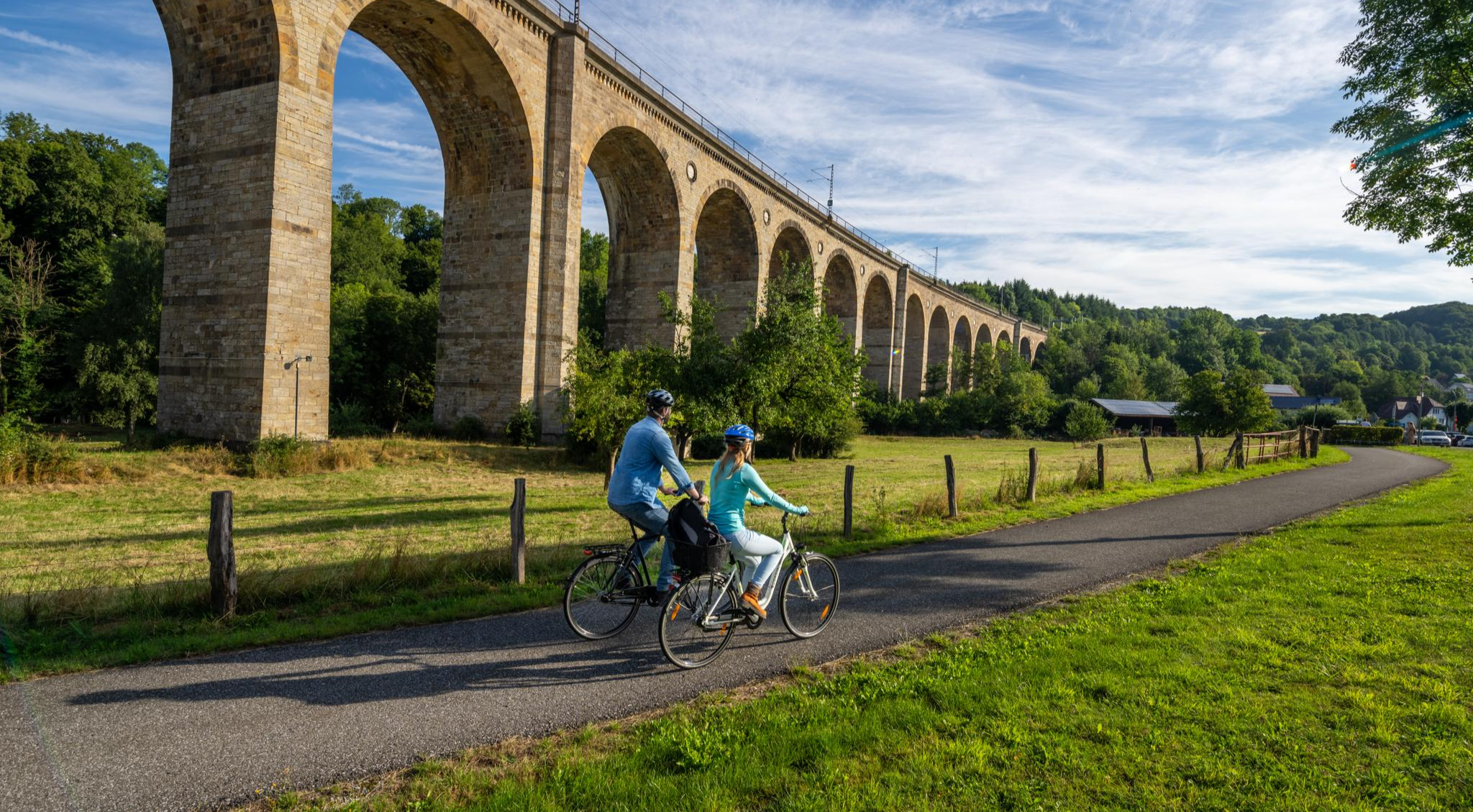
The Paderborn Land Route – 250 kilometers through the middle of Westphalia
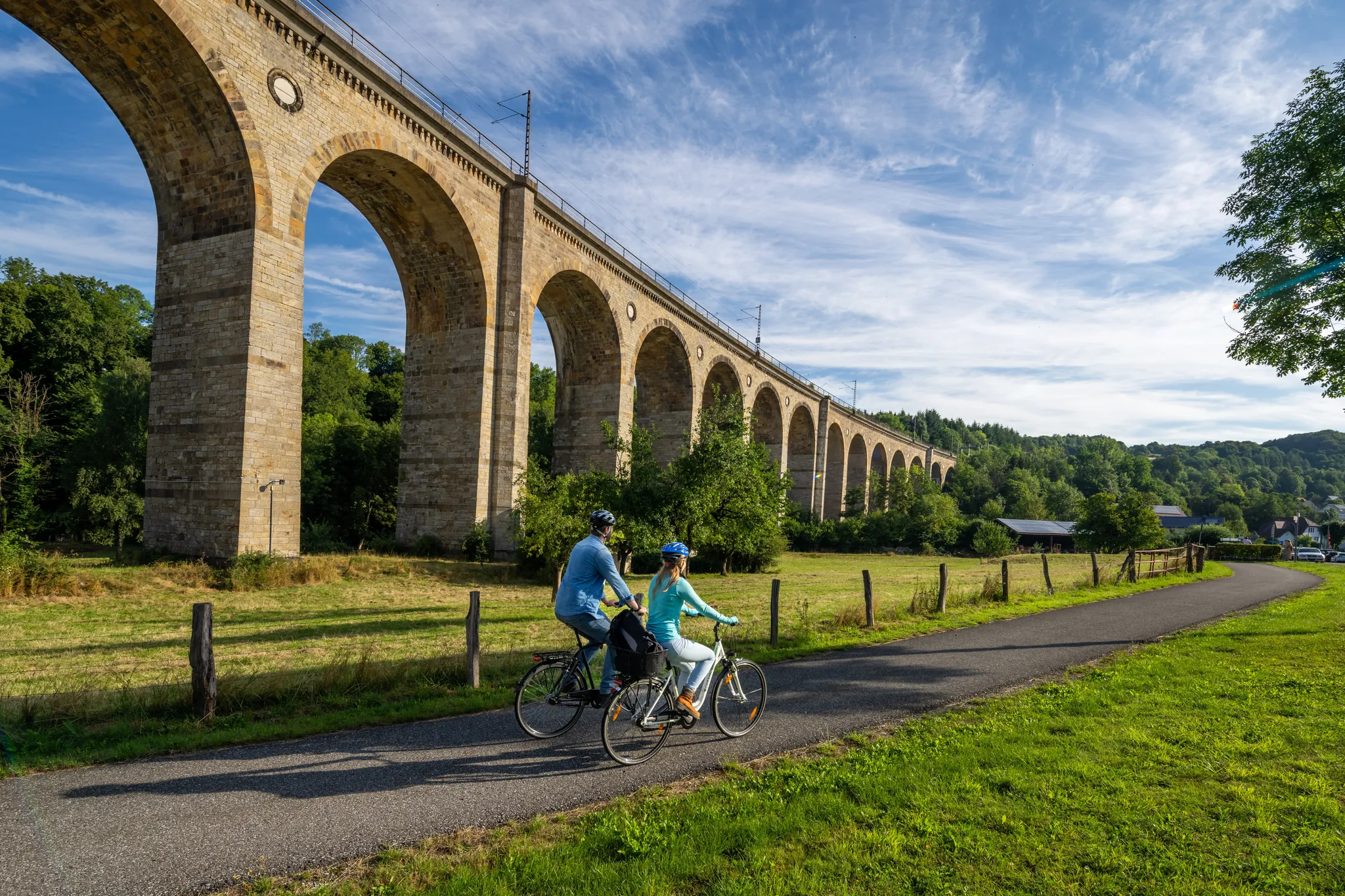
The Paderborn Land Route – 250 kilometers through the middle of Westphalia
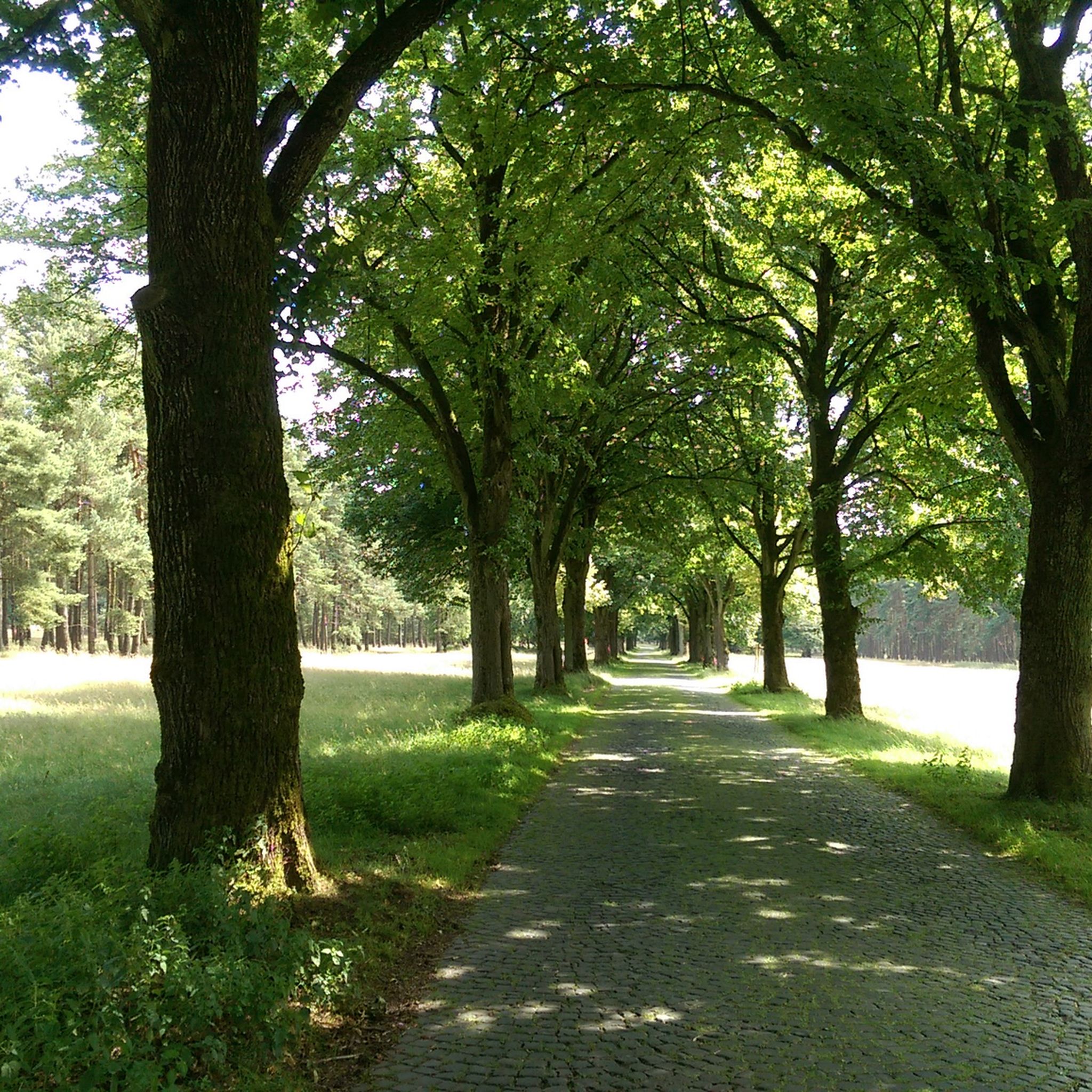
Cycling around Bad Lippspringe
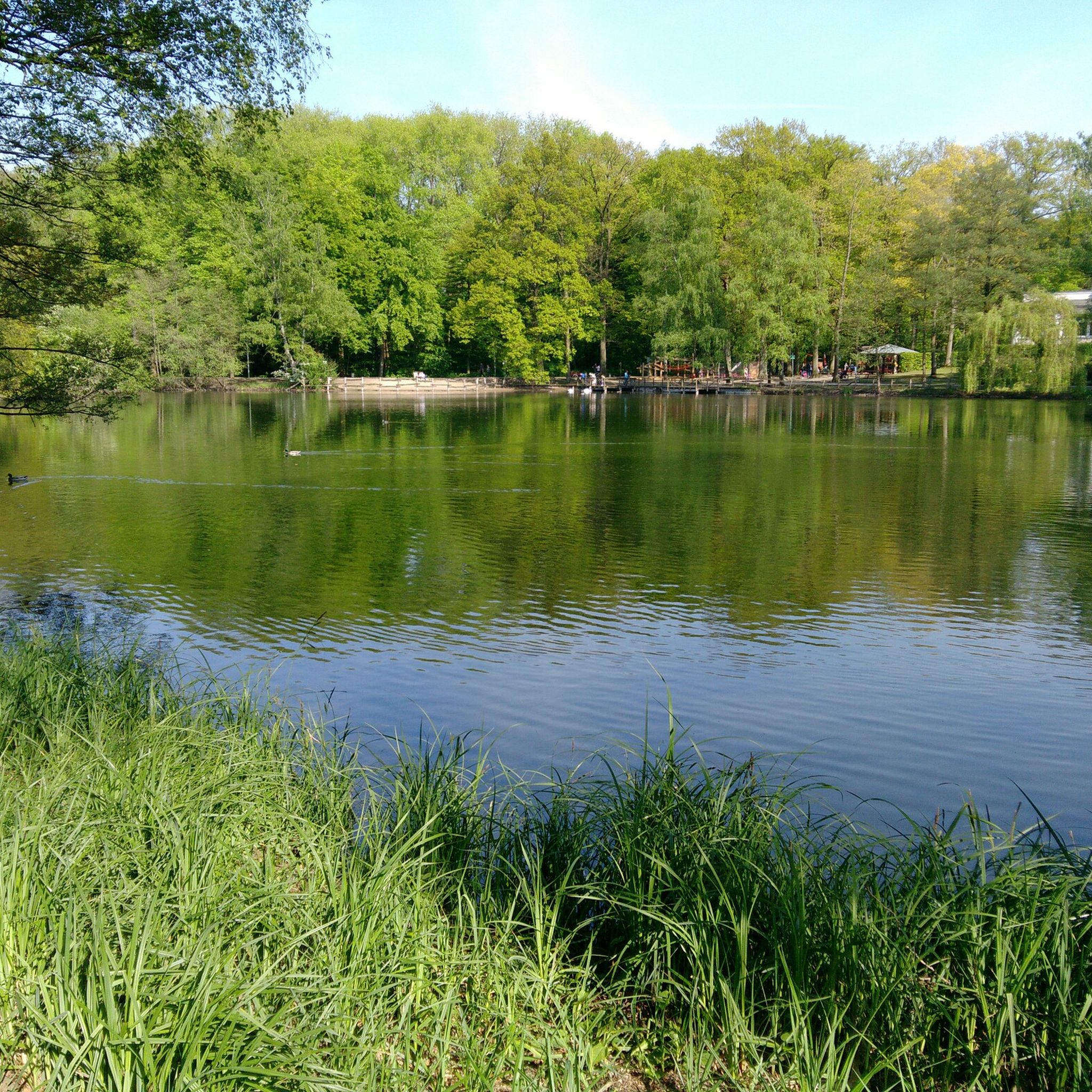
Hiking around Bad Lippspringe
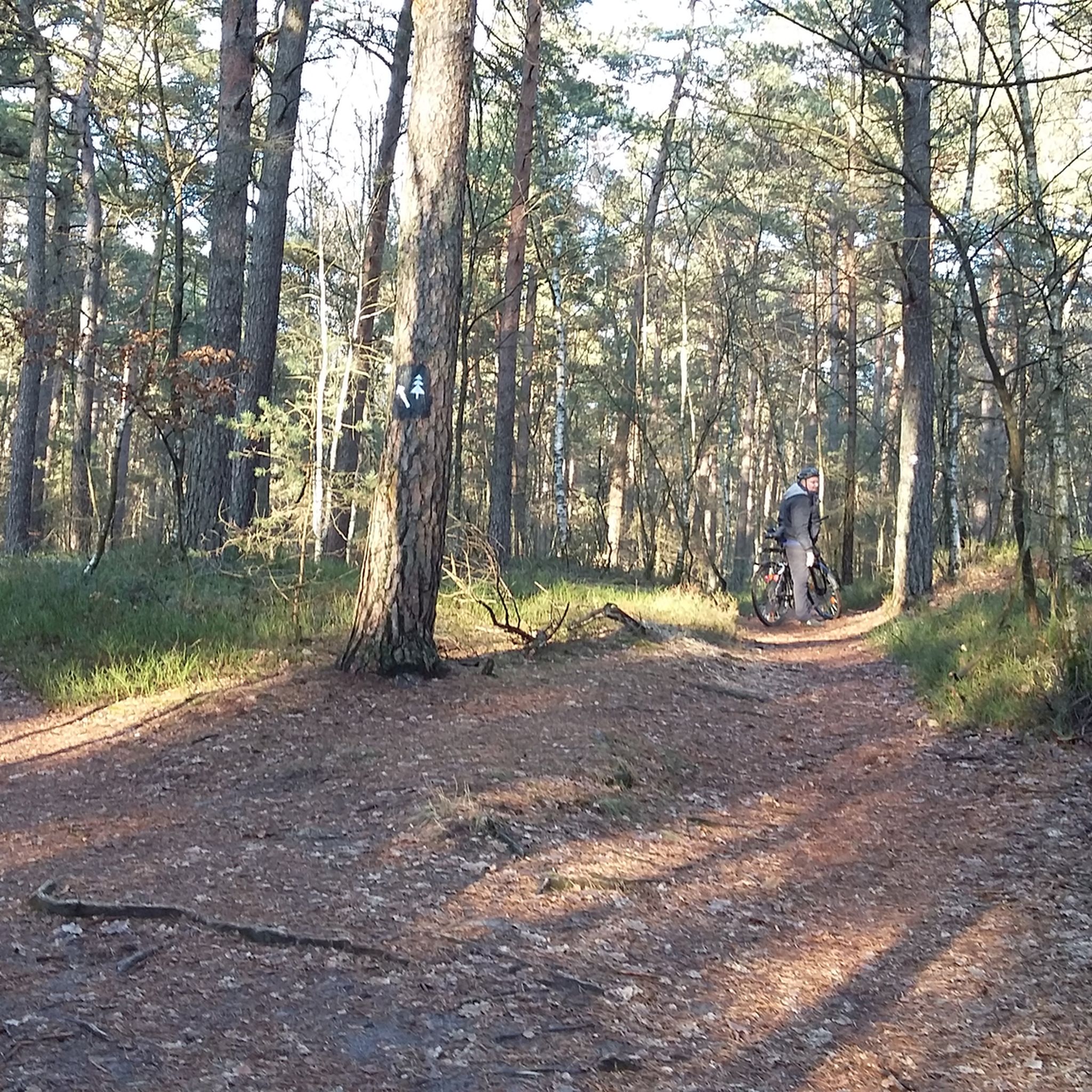
MTB Trails around Bad Lippspringe
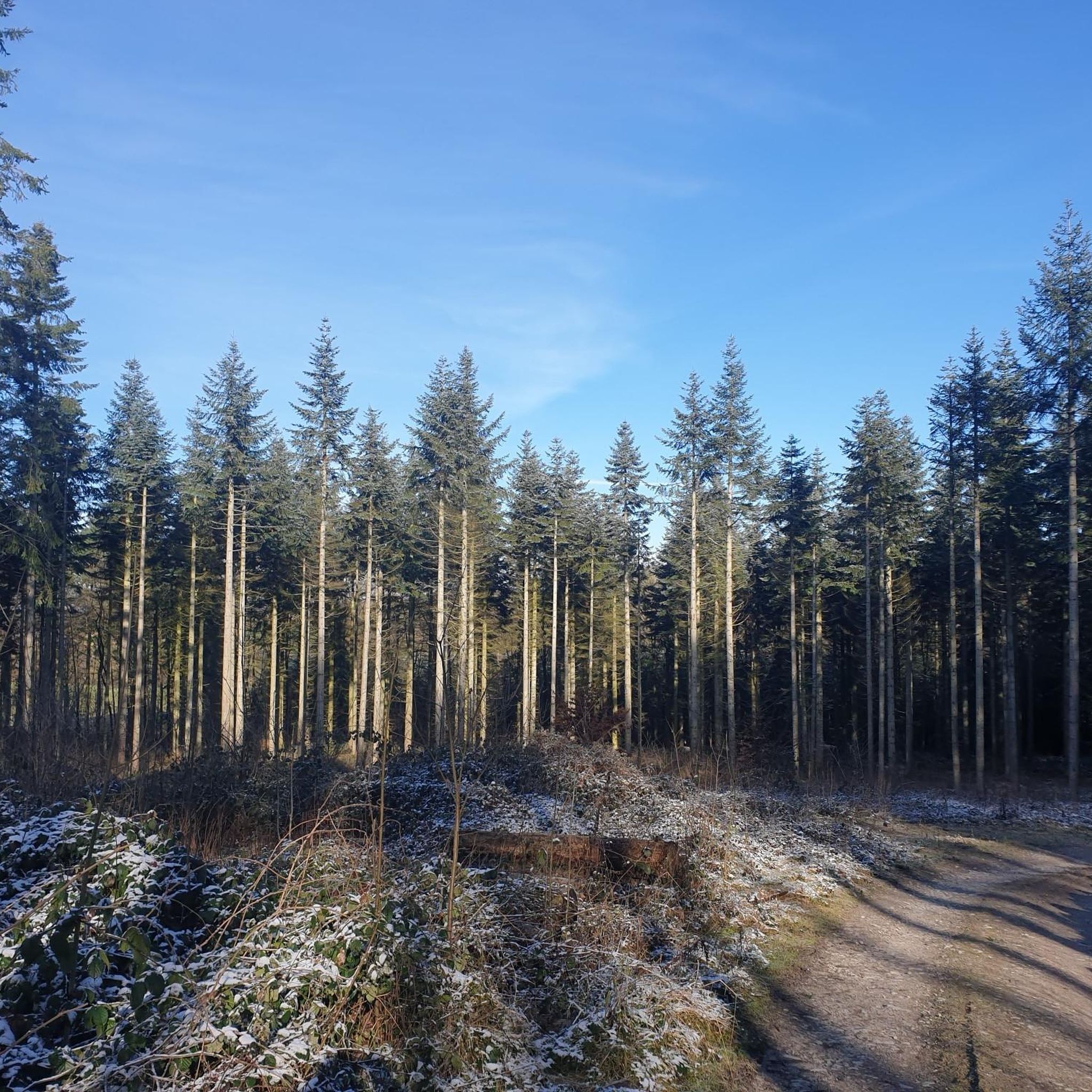
Running Trails around Bad Lippspringe
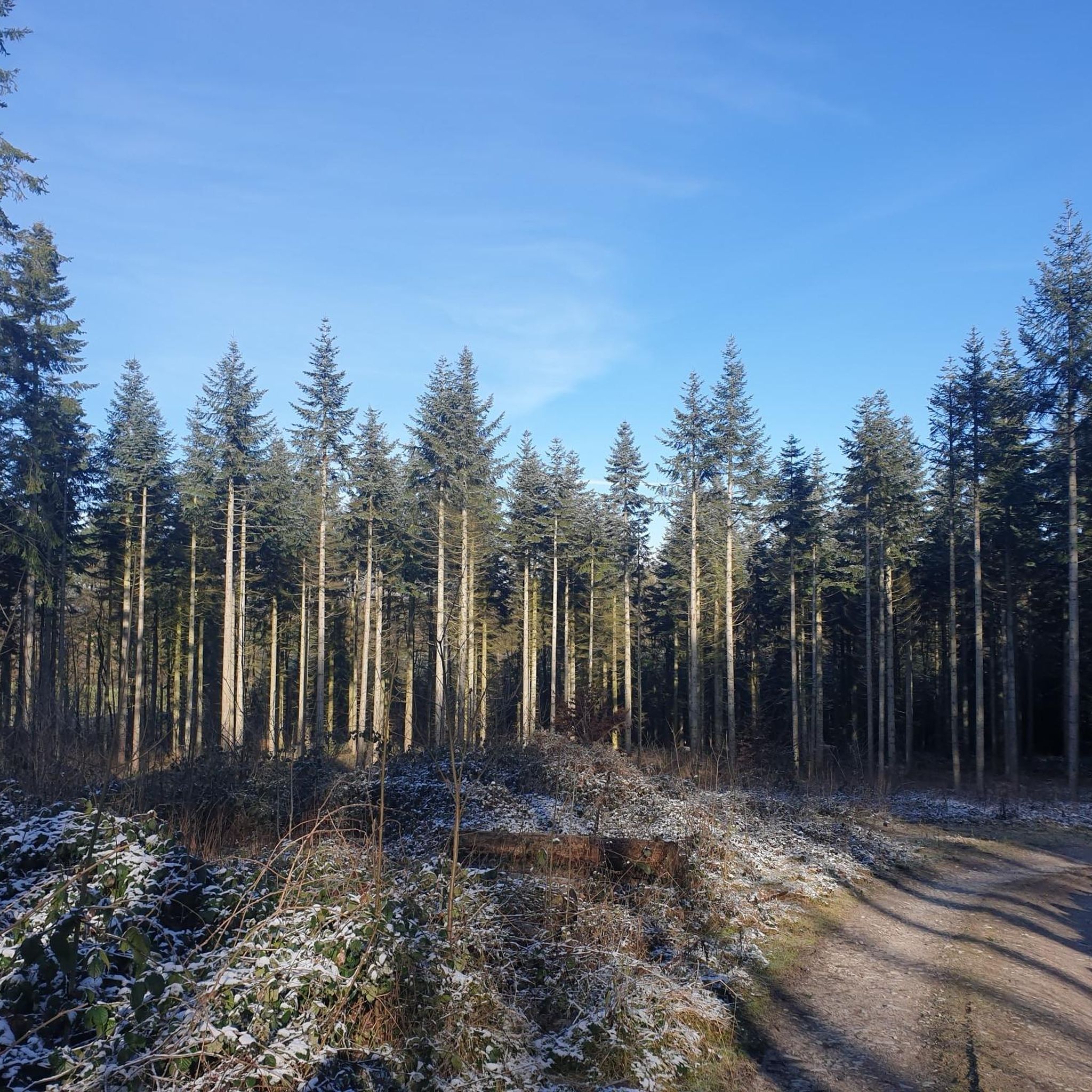
Road Cycling Routes around Bad Lippspringe
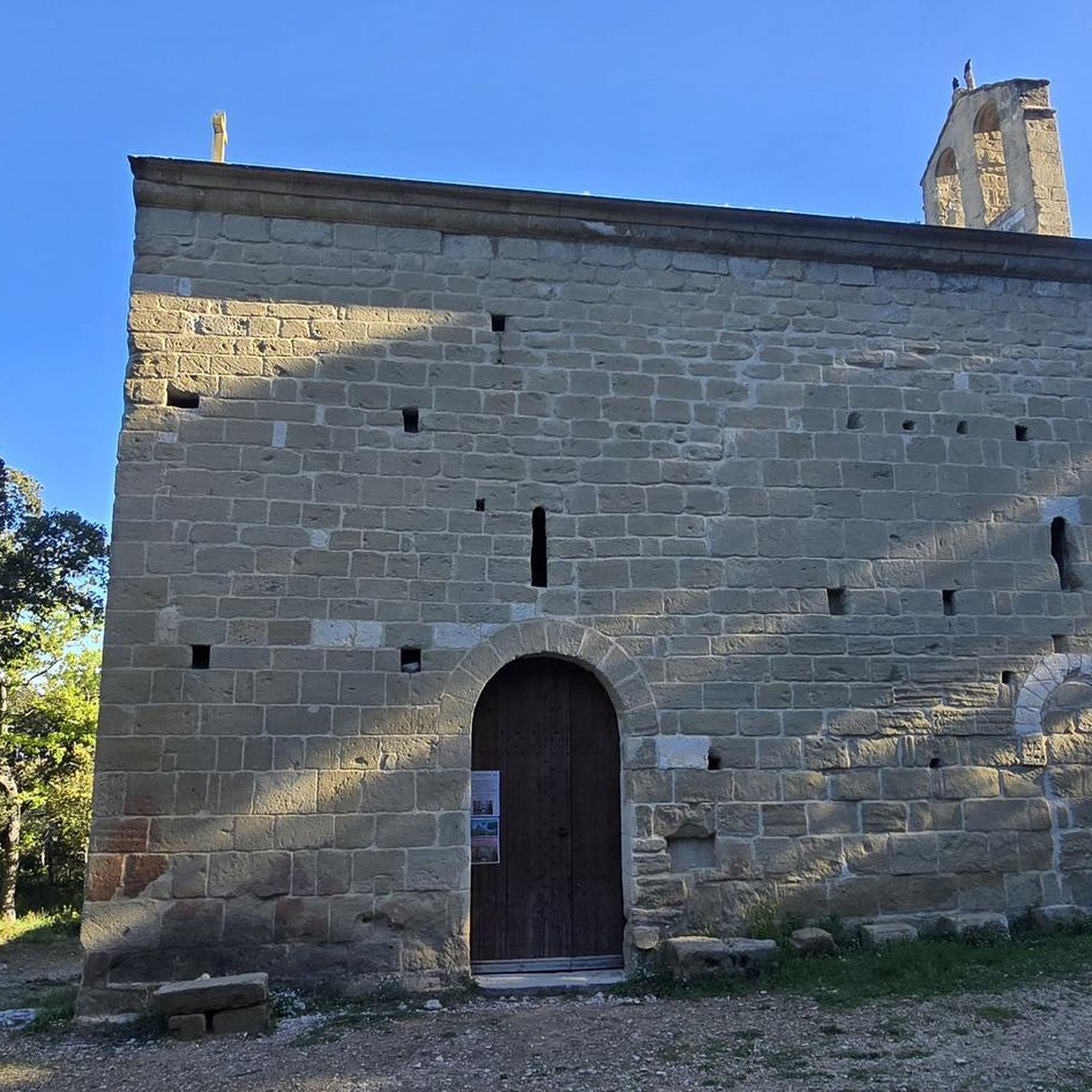
Gravel biking around Bad Lippspringe
Mountain Hikes around Bad Lippspringe


Tips from the Community

The largest cave in Lippe is the Hohlsteinhöhle, which is 47 m high and 185 m long. A cave beetle that does not exist anywhere else in the world has also lived here since the last ice age. 👍
9
0
The Bielstein Gorge is a fantastic natural spectacle. It's definitely worth a visit!
9
0
The Kellerloch (the Bielstein Cave) is located within the Bielstein Gorge and can only be visited in summer (June to August). That wouldn't really be for me, though. ☺️
9
0

The Deposition from the Cross relief is one of the most important medieval works. It is carved into sandstone and, at 4.80 × 3.70 m, is the largest relief in the entire northwestern European region.
4
0

The largest cave in the district of Lippe, with up to 50m height (rock crevices)
1
0
The relief of the Descent from the Cross from 1150 is one of the most extraordinary works of art in the area. Given its age, it is well preserved.
11
0

"...At the first rock there are also artificial caves and a Descent from the Cross relief carved into the stone. At the second rock you reach a space-like platform via a curved bridge..." Find out more about our wonderful hike to the spectacular Externsteine at: https://www.netreisetagebuch.de/externsteine-wandern/
9
1

Very nice rock relief, carved into the sandstone, it shows the descent of Jesus Christ from the cross. As one of the most important medieval works, thousands of visitors and art historians from all over the world are drawn to the Externsteine every year. With dimensions of 4.80 by 3.70 meters, it is the largest in all of north-western Europe.
14
0
Frequently Asked Questions
What unique geological features can I find in the caves around Bad Lippspringe?
The region around Bad Lippspringe, particularly within the Teutoburg Forest and Eggegebirge, is known for its diverse geological formations. You can explore gorges and limestone chasms, such as the Bielstein Gorge, which features a significant cave system. Another notable site is the Rocky gorge at the Mordkopf, where you can observe faults in the rock and the "Räuberhöhle," a chasm in the limestone.
Are there any historically significant sites related to caves in the region?
Yes, the broader region offers significant historical insights. The Crucifixion Relief and Grotto at the Externsteine is a man-made monument featuring a rock relief from 1150, considered one of the most important medieval works in north-western Europe. Further afield, the HöhlenErlebnisZentrum, which houses the Iberg Dripstone Cave, includes a museum showcasing research from the nearby Lichtenstein Cave, a 3,000-year-old Bronze Age burial site where a family clan's probable descendants have been identified.
What makes the Iberg Dripstone Cave a notable attraction in the broader region?
The Iberg Dripstone Cave, located in Bad Grund in the Harz Mountains, is remarkable for its ancient geological history, having formed approximately 385 million years ago as a coral reef. It boasts an impressive array of dripstone formations like stalactites, stalagmites, and sinter cascades. It's part of the modern HöhlenErlebnisZentrum, offering interactive exhibits and archaeological insights from the Lichtenstein Cave.
What kind of formations can I expect to see in the Iberg Dripstone Cave?
Inside the Iberg Dripstone Cave, you'll encounter a stunning variety of dripstone formations, including stalactites, stalagmites, and sinter cascades. These formations display varying colors, creating a captivating underground landscape. Specific formations include "König Hübich" (King Hübich), a large stalagmite, and a petrified waterfall. You can also discover fossils of ancient reef inhabitants on the cave walls.
Are the caves around Bad Lippspringe generally accessible to the public?
Access to some caves around Bad Lippspringe is restricted to protect their natural environment and wildlife. For instance, the Bielstein Gorge's cave system is designated as a natural monument and serves as wintering quarters for bats, limiting public entry. Similarly, the Hohlstein Cave is under strict protection and not open to the public due to its importance as a bat wintering location and home to a unique cave beetle.
Can I explore the Bielstein Gorge and its caves?
The Bielstein Gorge is generally accessible for hiking, but the associated cave system, including the Bielstein Cave (Kellerloch), has restricted access. It is primarily open to brave and knowledgeable speleologists from the beginning of May to the end of August. The cave is a designated natural monument and an important wintering quarter for bats, so public access is limited to protect this sensitive habitat.
Is the Hohlstein Cave open for visitors?
No, the Hohlstein Cave is not open to the public. It is the largest cave in the Lippe region and is under strict protection due to its significance as one of the most important wintering locations for bats and as home to a unique cave beetle that exists nowhere else in the world.
What should I know before visiting the Iberg Dripstone Cave?
The Iberg Dripstone Cave can only be explored as part of a guided tour, which typically lasts around 30 minutes. It maintains a cool temperature of 8-9°C year-round with high humidity, so it's advisable to wear comfortable shoes and bring a light jacket. English audio guides are available, and English-speaking guided tours can be booked in advance for groups.
Are there guided tours available for caves in the region?
Yes, guided tours are available for the Iberg Dripstone Cave, located in the broader region in Bad Grund. These tours provide insights into the cave's exploration history, unique formation, and wildlife. For the local caves around Bad Lippspringe, public access is often restricted, and guided tours are not typically offered due to their protected status.
Are there family-friendly cave experiences near Bad Lippspringe?
While some local caves have restricted access, the Rocky gorge at the Mordkopf offers the "Räuberhöhle," a chasm in the limestone that can be a highlight for both children and adults. Further afield, the Iberg Dripstone Cave is considered a family-friendly experience, where children can enjoy the cave as the mythical kingdom of the benevolent dwarf king Hübich.
What outdoor activities can I combine with a visit to the caves around Bad Lippspringe?
The area around Bad Lippspringe offers various outdoor activities. You can find numerous routes for gravel biking, mountain biking, and running. For gravel biking, explore routes like the "Externsteine – The Falkenburg loop from Bad Lippspringe." Mountain bikers can enjoy trails such as the "Externsteine – View of the Externsteine loop from Bad Lippspringe." Runners have options like the "Healing Forest Bad Lippspringe loop." You can find more details on these activities in the Gravel biking around Bad Lippspringe, MTB Trails around Bad Lippspringe, and Running Trails around Bad Lippspringe guides.
Are there hiking trails that lead to or past these caves?
Yes, the region offers hiking opportunities that incorporate these natural features. For instance, the Bielstein Gorge is part of a small canyon system that can be explored on foot. Some routes, like those mentioned in the running guides, may pass by or near these natural monuments. The area is characterized by mystical and romantic paths through the Eggegebirge and Teutoburg Forest, often leading to or near sites like the Hohlsteinhöhle and Bielsteinschlucht.
What is the best time to visit caves in the region?
The best time to visit depends on the specific cave. For the Iberg Dripstone Cave, it maintains a cool temperature year-round, so a light jacket is always recommended. For local caves like the Bielstein Cave (Kellerloch) within the Bielstein Gorge, access for speleologists is typically limited to the summer months (June to August) to protect bat populations during their wintering period. Generally, spring offers vibrant flower carpets and beech forests, making it an appealing time for hikes that pass by these natural features.
Most popular routes around Bad Lippspringe
Most popular attractions around Bad Lippspringe

Get inspired with the komoot mobile app


Explore more
Extend your search for the best caves by checking out these guides of the top ones around Bad Lippspringe:
