Top 12 Castles around Bad Sachsa
Castles near Bad Sachsa are primarily historical ruins located in the scenic Harz mountains, a spa town on the southern edge of the region. This area offers insights into the past through its well-preserved remnants of fortifications. The landscape combines historical exploration with natural beauty, providing opportunities for hiking. The region is characterized by its historical significance and varied terrain.
Best castles around Bad Sachsa
- The most popular castles is Scharzfels Castle Ruins (HWN 151), a castle renowned for its unique design, as the castle is said to have "literally grown together with the rock". Its unusual construction directly integrated into the natural rock makes it a rare example in Northern Germany.
- Another must-see spot is Sachsenstein Castle Ruins, a castle and natural monument. Visitors can expect a quiet place to relax with views of the Sachsenstein and a part of the southern Harz, along with visible masonry art in a herringbone pattern.
- Visitors also love Frauenstein Rock and Medieval Cellar Vaults, a historical site. Though primarily ruins with limited visible structures, the presence of medieval cellar vaults and the rock itself offers a historical hiking experience.
- Bad Sachsa is known for castle ruins and historical sites. The area offers a variety of castles to see and explore, often integrated into natural landscapes.
- The castles around Bad Sachsa are appreciated by the komoot community, with more than 3400 upvotes and over 4200 photos shared by visitors.
Last updated: October 4, 2026
Scharzfels Castle Ruins (HWN 151)
Highlight • Castle
Translated by Google •
Tip by

Loop around the Scharzfels Ruins
Highlight • Trail
Translated by Google •
Tip by

Sign up now to discover places like this
Get recommendations on the best single tracks, peaks, & plenty of other exciting outdoor places.
Sachsenstein Castle Ruins
Highlight • Castle
For railway fans, there is an extra tip: here regularly a regional train drives directly past the castle ruins. Railway photos are almost a must here.
Translated by Google •
Tip by

Frauenstein Rock and Medieval Cellar Vaults
Highlight • Historical Site
Translated by Google •
Tip by

Allerburg Ruins
Highlight • Castle
Translated by Google •
Tip by

Sign up for free to discover even more castles around Bad Sachsa.
Already have an account?
Start today with a free account
Your next adventure awaits.
Popular around Bad Sachsa
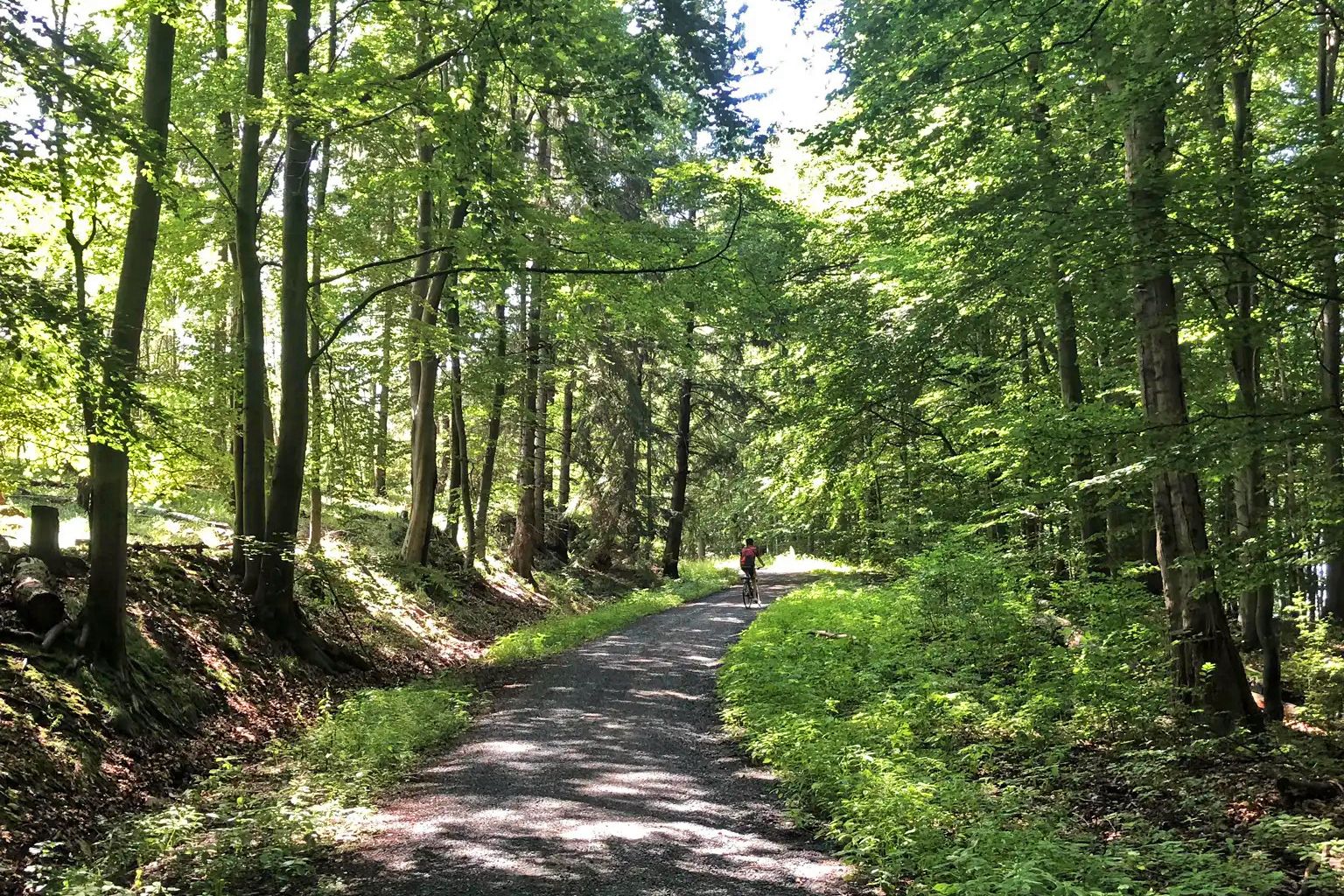
The Harz-Rundweg – once around the low mountain range in the Harz foreland
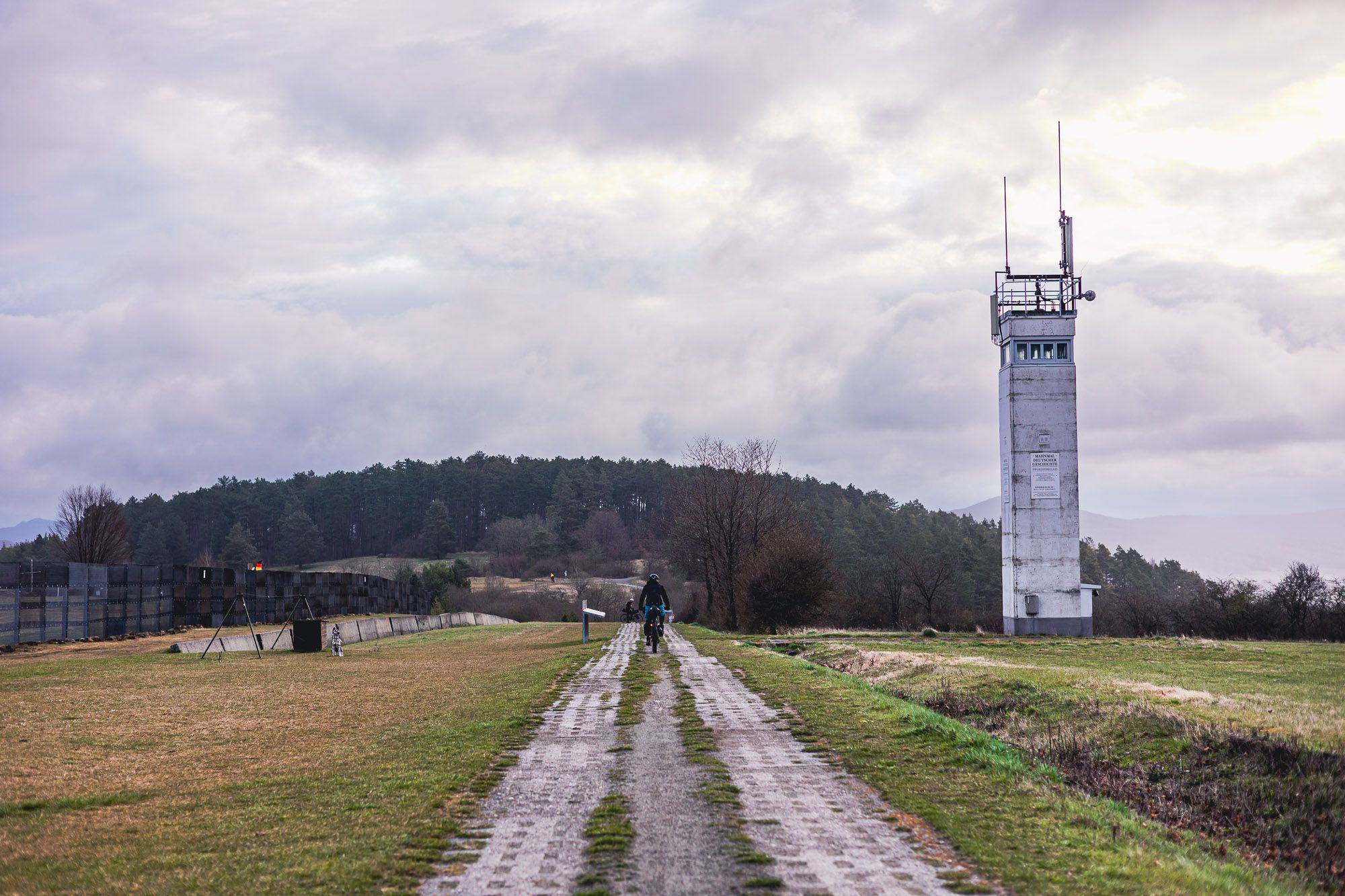
The Baltic Sea to Vogtland – 8 days along Germany's green former border
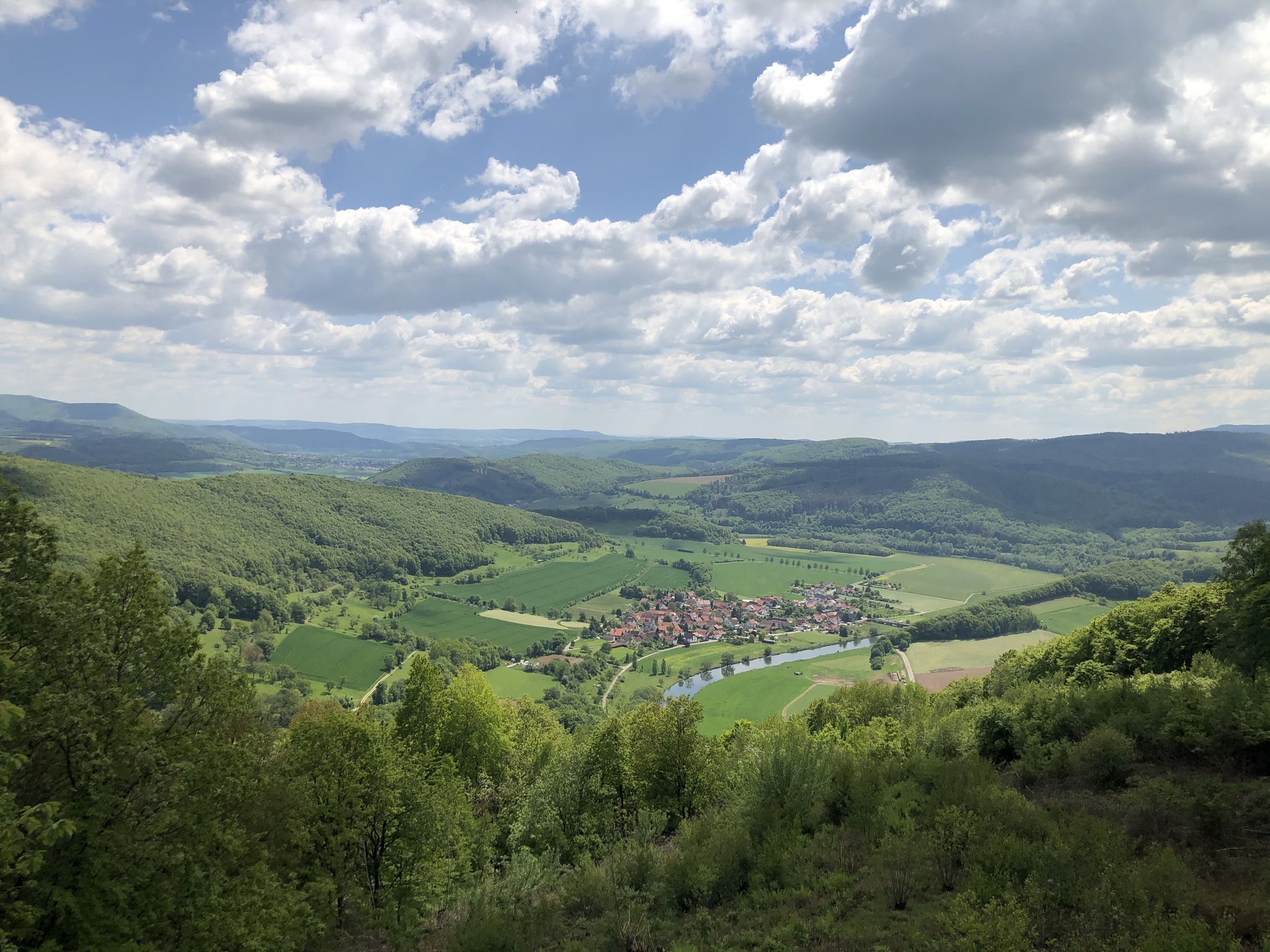
Wonderful Green Band
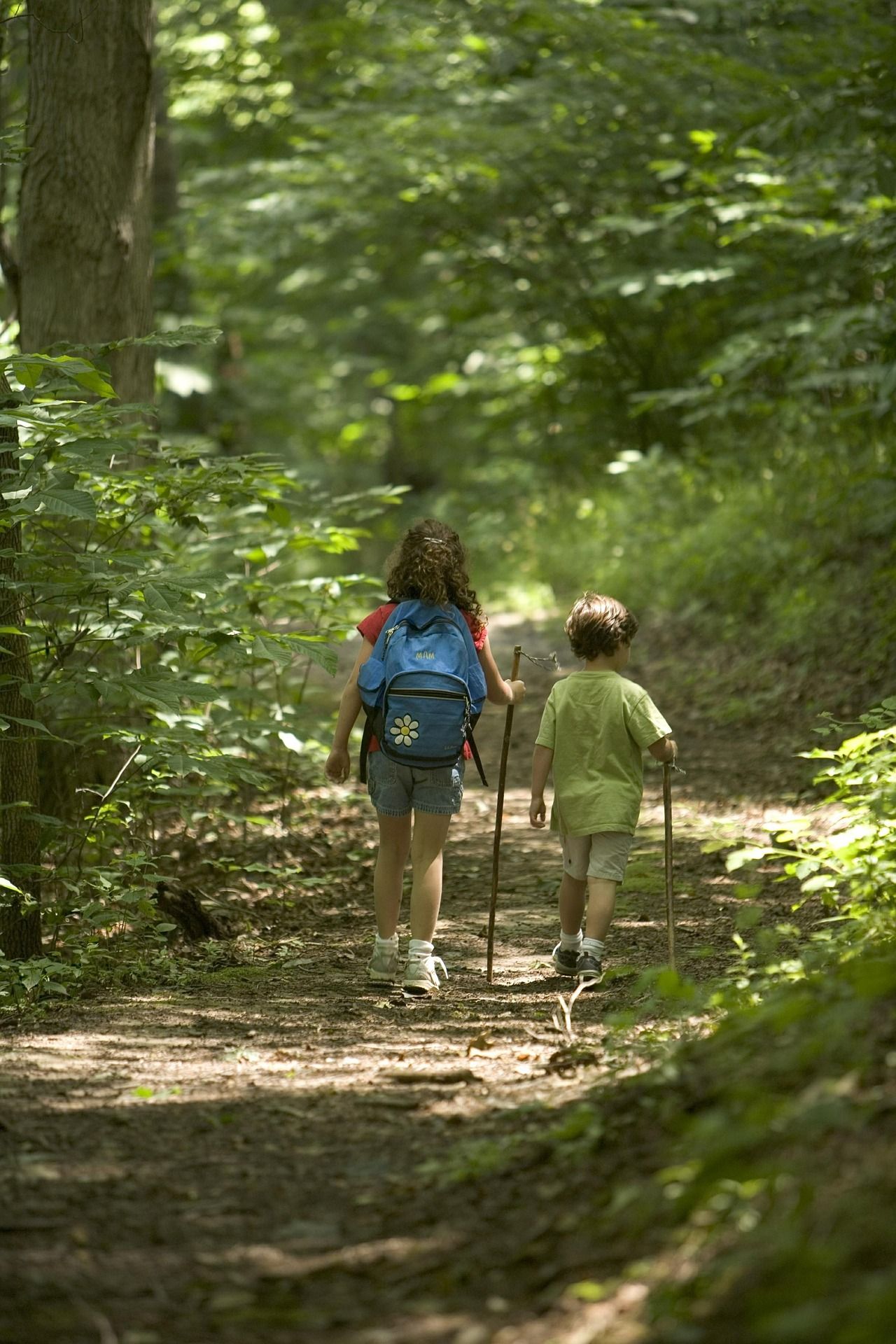
Family adventures in the Harz
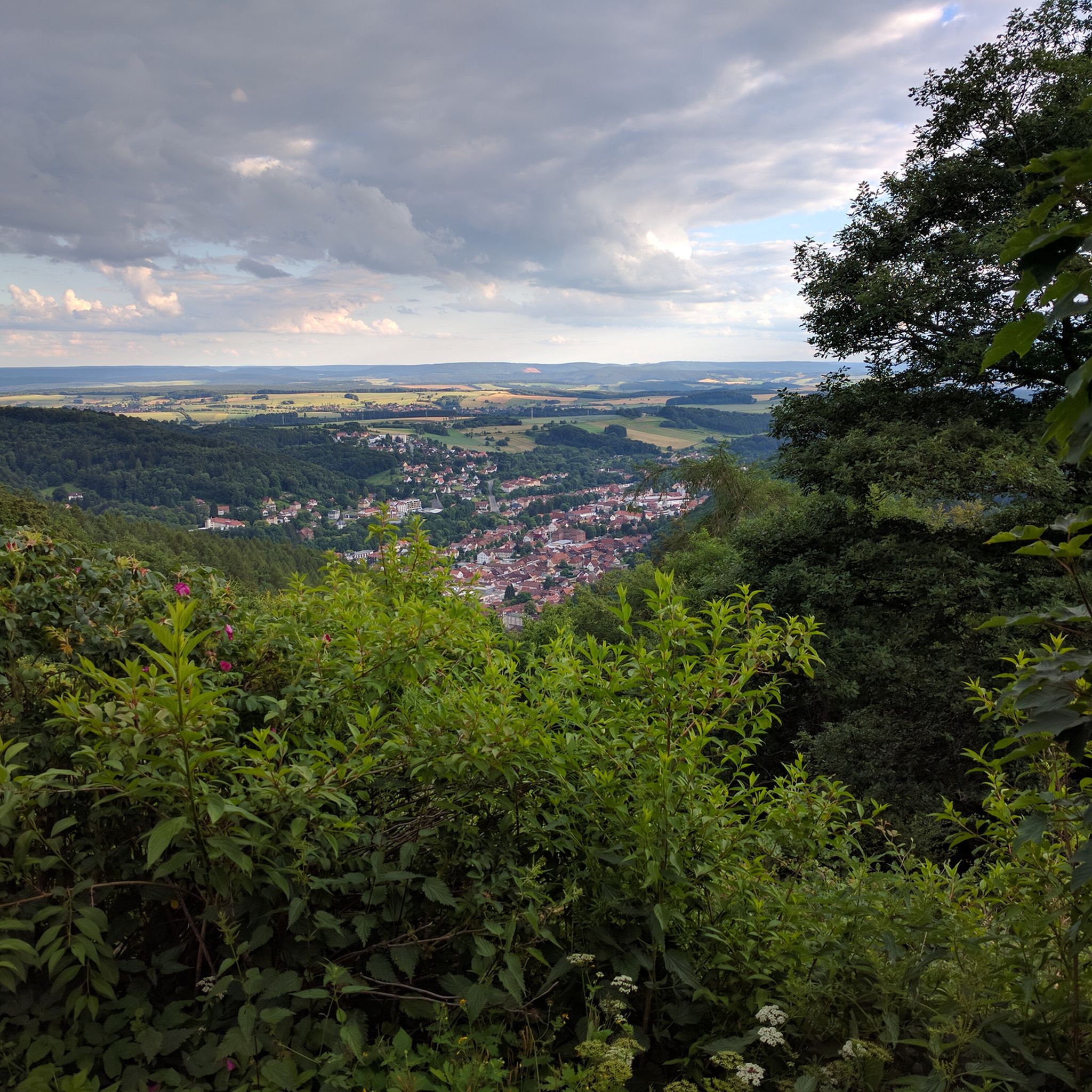
Hiking around Bad Sachsa
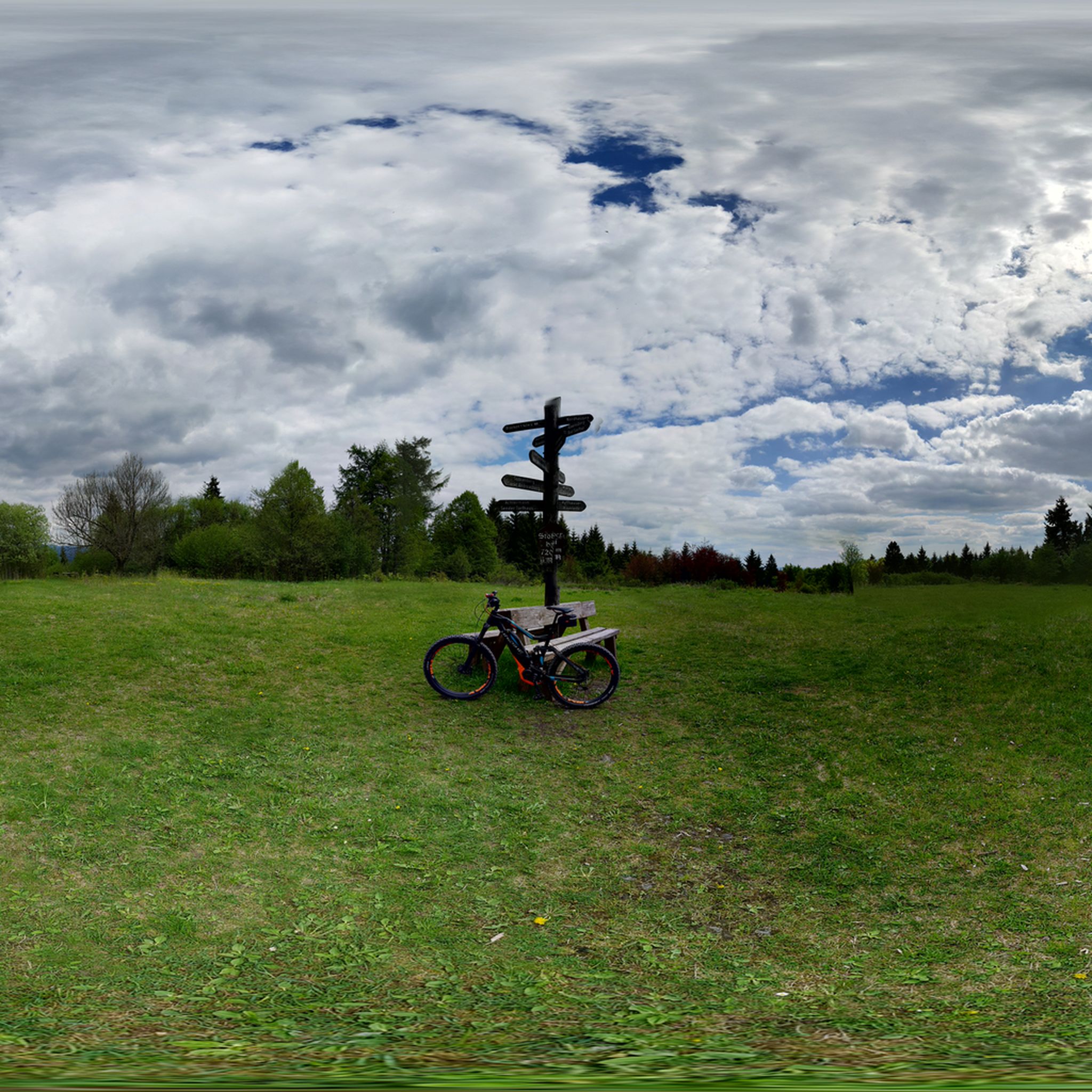
MTB Trails around Bad Sachsa
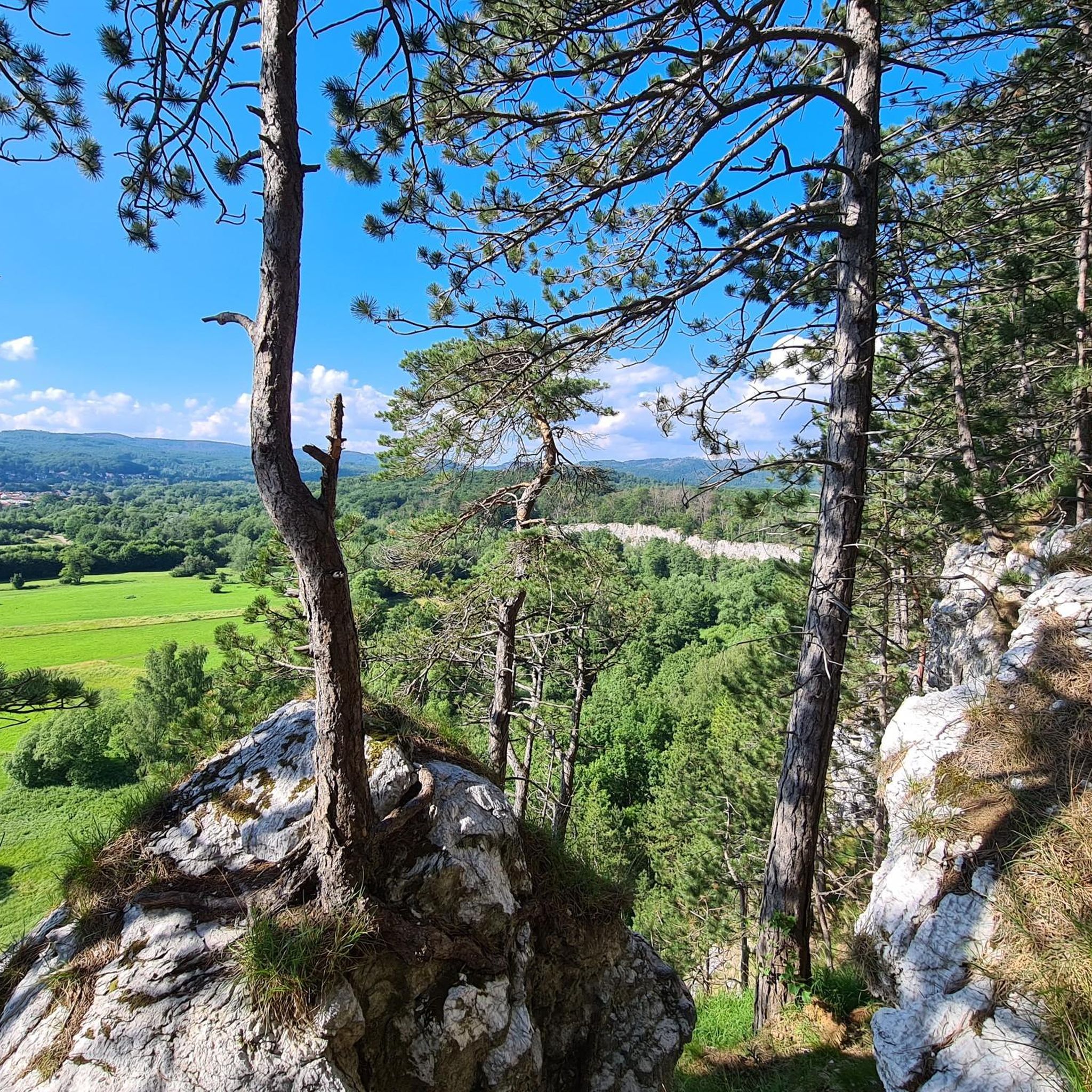
Cycling around Bad Sachsa
Road Cycling Routes around Bad Sachsa
Running Trails around Bad Sachsa

Gravel biking around Bad Sachsa
Other adventures around Bad Sachsa


Tips from the Community

The Frauenstein is right on the path. An impressive dolomite rock that was part of the castle complex.
2
0

Apart from the trenches, there is not much left to see of the former fortifications.
11
0

This circular route is definitely worth taking. You should wear sturdy shoes and be sure-footed. 🔝
3
0

As small and inconspicuous as the Allerburg is compared to other castles, there is a legend surrounding it: There is said to be a treasure inside that has not yet been recovered. Only a pure virgin should be able to get to it in the midday sun of St. Thomas' Day.
2
0

Beautiful cliff, and there is information about the former castle on a board.
2
0

The Scharzfeld castle ruins are worth a visit. Many information boards provide information about the history of the facility. A restaurant invites you to linger. Many animals such as birds and squirrels can be observed on the circular path around the ruins.
12
0

Nice secluded castle ruins with great views of the area
1
0

A historically interesting place. Unfortunately not much to explore
4
1
Frequently Asked Questions
What makes the castle ruins around Bad Sachsa unique?
The castle ruins in this region, particularly Scharzfels Castle Ruins (HWN 151), are notable for their integration with the natural rock formations. Scharzfels, for instance, is said to have 'literally grown together with the rock,' offering unique passages and rock formations to explore. This makes them rare examples of their kind in Northern Germany.
Which castle ruins offer the best views of the Harz foothills?
Scharzfels Castle Ruins (HWN 151) provide rewarding views of the southern Harz foothills and the Thuringian mountains. Similarly, Sachsenstein Castle Ruins offer a quiet place to relax with views of the Sachsenstein and a part of the southern Harz.
Are there any family-friendly castle ruins to visit near Bad Sachsa?
Yes, Scharzfels Castle Ruins (HWN 151) are considered family-friendly. The site offers informative panels explaining the castle's history and geology, making it an engaging visit for all ages. The unique rock formations and views also add to the appeal for families.
Can I bring my dog to the castle ruins?
Yes, Scharzfels Castle Ruins (HWN 151) are dog-friendly, allowing you to explore the historical site and surrounding nature with your canine companion.
What kind of historical details can I expect to see at Sachsenstein Castle Ruins?
Sachsenstein Castle Ruins are known for their former masonry art, particularly visible in a herringbone pattern within the ruins. The remains of a large keep, with a diameter of over ten meters, are also clearly visible. The castle was built in the 11th century and destroyed in 1074.
Are there hiking opportunities that connect to the castle ruins?
Yes, the castle ruins are often integrated into the natural landscape, providing excellent hiking opportunities. For example, Sachsenstein Castle Ruins are ideal for hikers and can be reached via a walking track from Blomberg street. You can find various routes, including mountain hikes, in the area. Explore options like the Mountain Hikes around Bad Sachsa guide for trails near these historical sites.
What are the Frauenstein Rock and Medieval Cellar Vaults?
Frauenstein Rock and Medieval Cellar Vaults are a historical site where, apart from trenches, not much of the original fortifications remain. However, the presence of medieval cellar vaults and the rock itself offers a unique historical hiking experience. It's a special place where you can imagine the former layout of the castle.
Is there gastronomy available near the castle ruins?
Yes, Scharzfels Castle Ruins (HWN 151) has gastronomy available on-site, providing a pleasant spot to refresh and enjoy the views of the southern Harz foreland.
What is the best time to visit the castle ruins around Bad Sachsa?
The Harz region offers beautiful scenery year-round. Visiting in spring allows you to see wildflowers, while autumn provides vibrant foliage. The historical sites are accessible in most seasons, but checking local weather conditions is always advisable, especially for winter visits.
Are there any lesser-known castle ruins worth exploring near Bad Sachsa?
Beyond the more prominent sites, the Allerburg Ruins, situated on a steep mountain cone, offer a historical hiking experience with potential scenic views. The Staufenburg ruins, though consisting mainly of two ring walls and a few remains, also provide interesting historical context with an information board.
What other outdoor activities can I do near the castles?
The area around Bad Sachsa, including near the castle ruins, offers various outdoor activities. You can explore gravel biking routes or enjoy road cycling. The region is also excellent for mountain hikes, with trails ranging from moderate to difficult.
Most popular routes around Bad Sachsa
Most popular attractions around Bad Sachsa

Get inspired with the komoot mobile app


Explore more
Looking for the best castles somewhere else? Discover other guides around Bad Sachsa:
