Top 20 Natural Monuments around Deidesheim
Best natural monuments around Deidesheim are found within the Palatinate Natural Park, a region known for its lush forests and diverse landscapes. Deidesheim is situated on the German Wine Route, benefiting from a mild climate that supports varied flora. The area features significant geological formations, historical sites, and unique ecological areas. These natural features provide opportunities for exploration and experiencing the local environment.
Best natural monuments around Deidesheim
- The most popular natural monuments is Felsenmeer Hüttenberg (Felsenmeer Kalmit), a…
Last updated: September 29, 2026
Kalmithaus
Highlight • Mountain Hut
Translated by Google •
Tip by

Ungeheuersee
Highlight • Lake
Translated by Google •
Tip by

Sign up now to discover places like this
Get recommendations on the best single tracks, peaks, & plenty of other exciting outdoor places.
Felsenmeer Hüttenberg (Felsenmeer Kalmit)
Highlight • Natural Monument
Translated by Google •
Tip by

Kriemhildenstuhl Roman Quarry
Highlight • Historical Site
Many display boards provide information on site about this cultural and historical highlight.
Due to the proximity to the city and the good …
Translated by Google •
Tip by

Heidenlöcher - 9th-10th century refuge (with knight's stone no. 260)
Highlight • Historical Site
Translated by Google •
Tip by

Sign up for free to discover even more natural monuments around Deidesheim.
Already have an account?
Start today with a free account
Your next adventure awaits.
Popular around Deidesheim
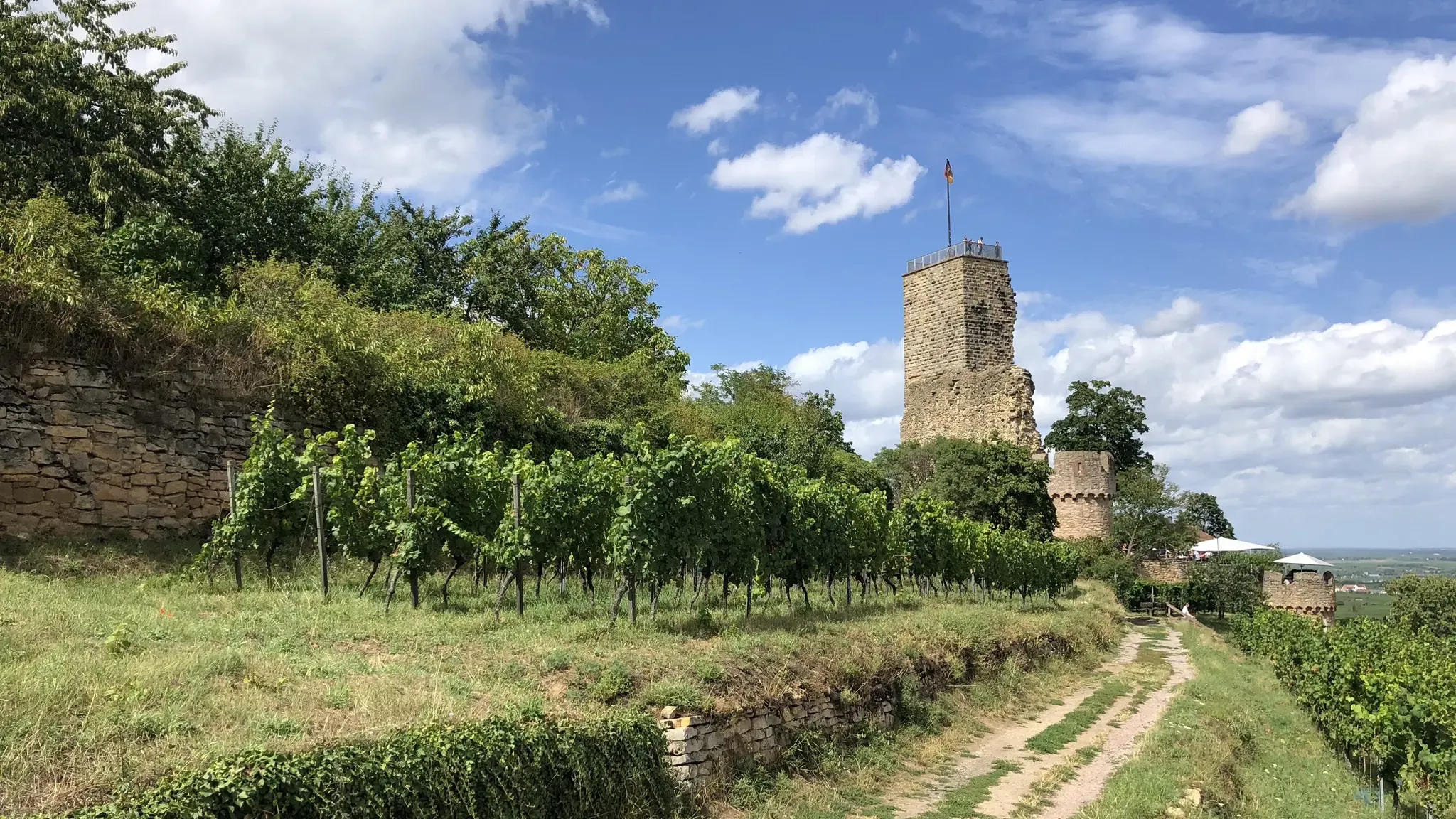
Pfälzer Weinsteig trail – 11 stages along forests and vinyards
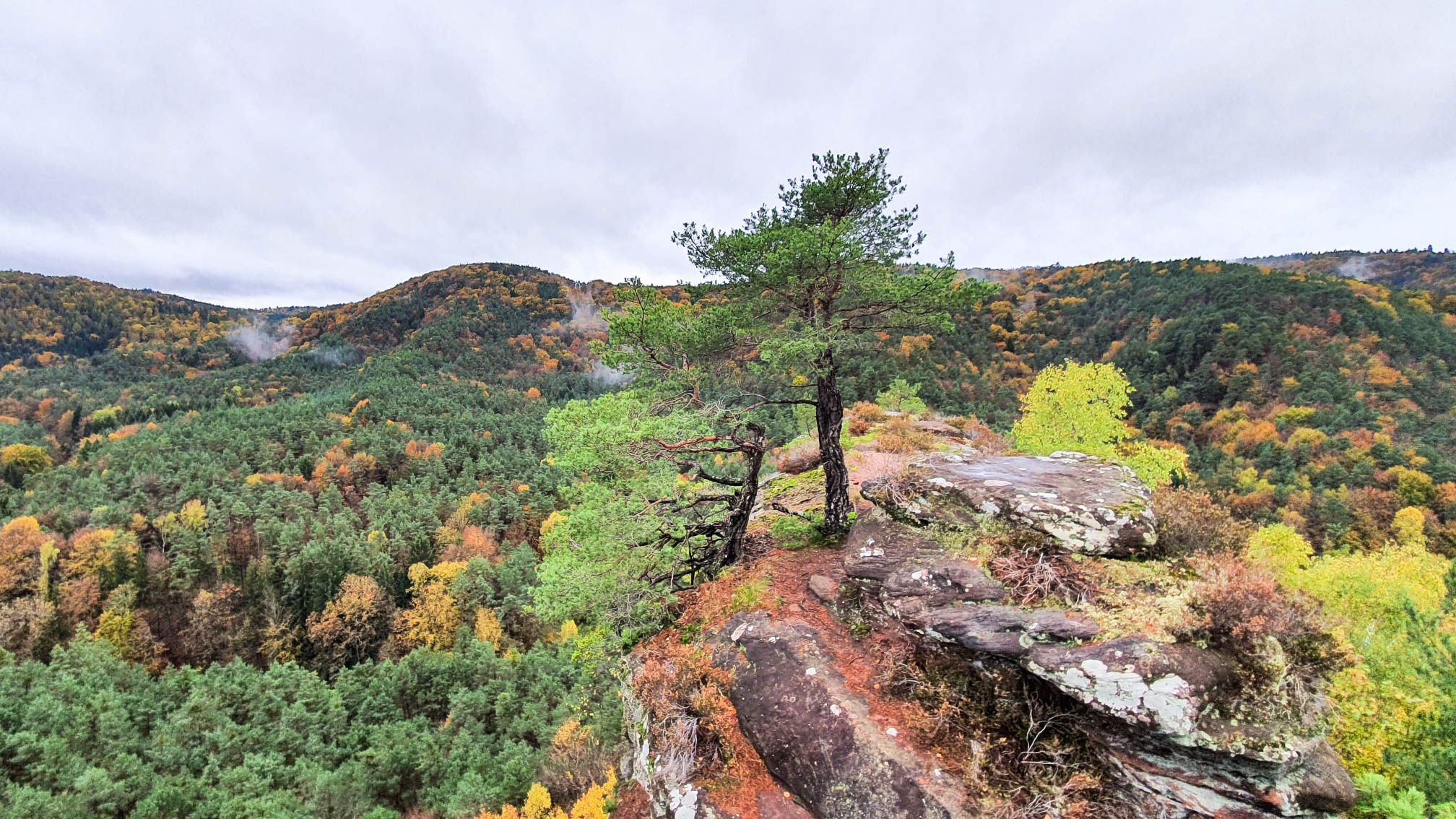
Colourful views — autumnal hikes in the Palatinate Forest
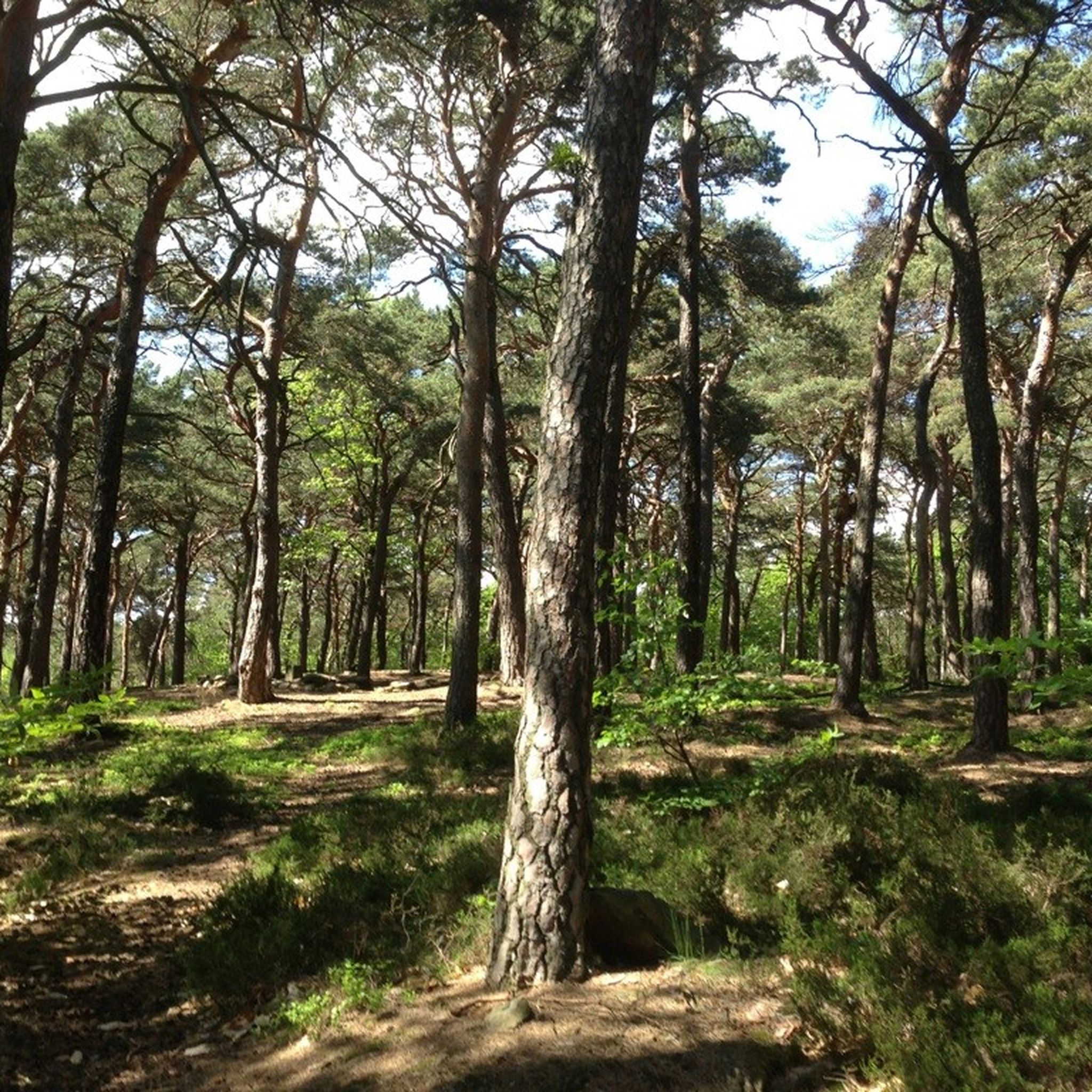
Hiking around Deidesheim
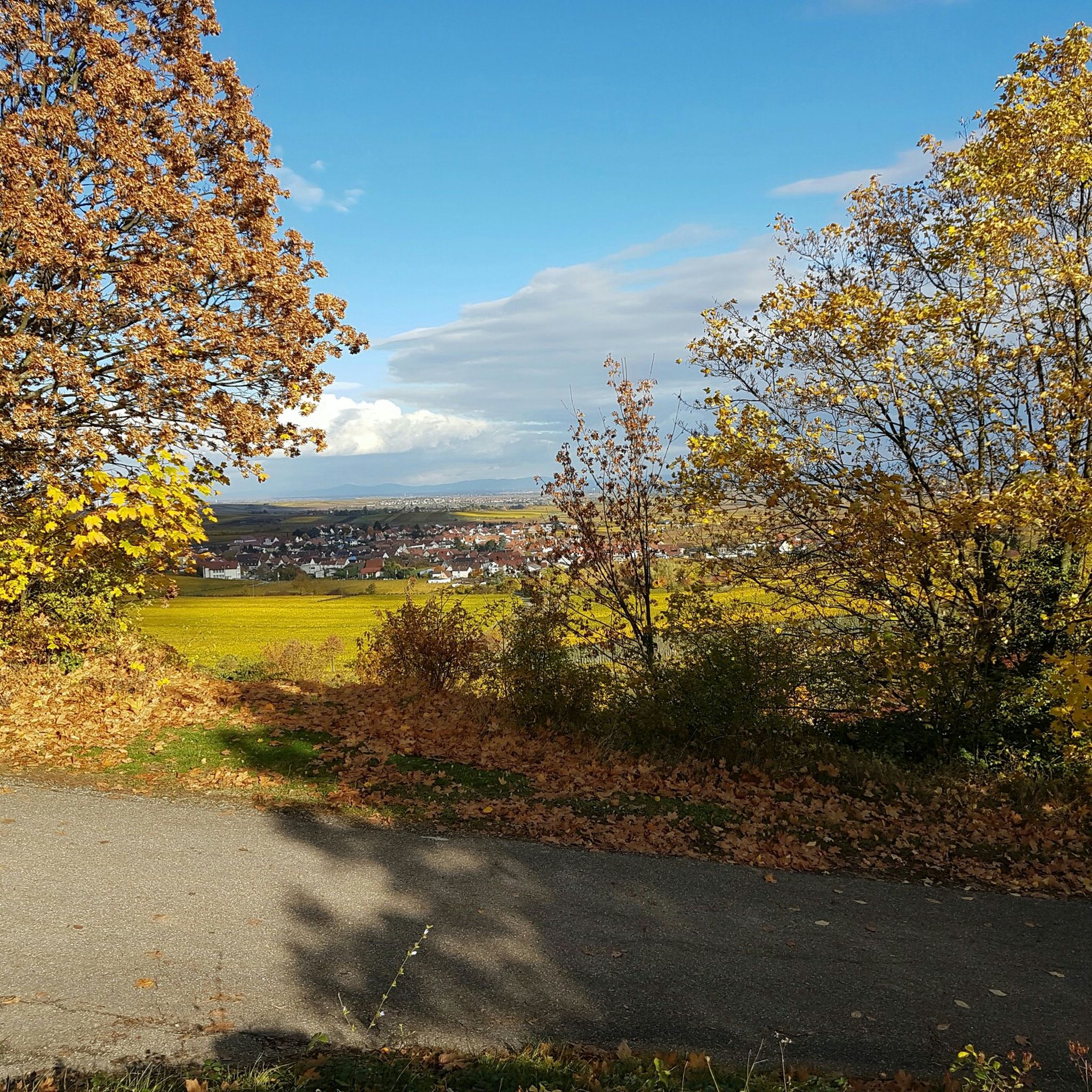
Cycling around Deidesheim
Road Cycling Routes around Deidesheim
MTB Trails around Deidesheim
Running Trails around Deidesheim
Gravel biking around Deidesheim
Mountain Hikes around Deidesheim

Tips from the Community

A highlight for big and small
24
2

Once you have arrived at the Kalmit, you will be rewarded with a breathtaking view of the Upper Rhine Valley. The Kalmithaus is located at 673 m on the Palatinate Wine Trail and is the highest hut in the Palatinate Forest. It is the first and oldest hiking hut in the region. The house was inaugurated in 1908. Guests can enjoy Palatinate dishes or changing daily specials and game specialties inside and on the patio with a panoramic view.
7
1

The (Great) Kalmit is 672.6 m above sea level. NHN height the highest mountain in the Palatinate Forest and after the Donnersberg the second highest peak in the Palatinate region.
9
0

Here stands Ritterstein No. 260. It is one of over 300 Rittersteine (memorial stones) erected by the Palatinate Forest Association (PWV) and bears the inscription "Heidenlöcher – Refuge Castle 9th-10th Century." It marks the remains of a refuge castle that served as protection against the warring Normans and Hungarians. Today, the foundations of two gate structures, 65 stone houses, and a 450-meter-long curtain wall are still preserved. The inner of the two adjoining dry-stone walls served as a parapet walk. - Source: Information panels on site A little further to the right of this Ritterstein are the foundations of one of the gate structures. The refuge castle, or rather its remains, can be entered through the two gate structures. The curtain wall can be easily walked along (with minor exceptions): either on top of the wall or along its inner side – and the remains of many stone houses can be seen along the way. Without Komoot, it is easy to get lost here: Therefore, it is best to follow the "Palatinate Wine Trail" hiking signs!
13
0

The entire facility is very exciting. A look into early history.
8
0
In contrast to the (red) quarries in the middle of the Palatinate Forest, sandstone on the Haardt edge is white and yellow! Many of the inscriptions/pictures that can be found on the walls are explained on a beautiful information board and marked with red arrows on the walls of the quarry. Horse pictures are particularly easy to recognize. These rock paintings come from the Roman legionnaires who worked in the quarry here. Also carved into the stone: a large memorial plaque for the Bad Dürkheim soldiers who died in World War I and all their names.
23
2

The Ungeheuersee in the Leininger Sporn, part of the northeastern Palatinate Forest, is a shallow pond that is fed by the Krumbach. The lake has been protected as a natural monument since the 1930s. It has been listed in the official register since 1971 with the list number ND-7332-195. Source: Wikipedia Height above sea level: 359 m Maximum depth: 1.8 m Height above sea level: 357 m above NHN Length: 140 m Circumference: 400 m
16
1

A dream to walk on the "ridge" over smoothly polished rocks and between thick boulders in every season of the year. A special adventure in snow.
9
0
Frequently Asked Questions
What unique natural monuments can I explore around Deidesheim?
Beyond the well-known sites, you can discover the Ungeheuersee, a rare raised bog pond protected as a natural monument since the 1930s. Another notable spot is the Kalmithaus, located at the highest point in the Palatinate Forest, offering panoramic views and Palatinate dishes.
Are there family-friendly natural monuments around Deidesheim?
Yes, several natural monuments are suitable for families. The Ungeheuersee is an idyllic spot for a leisurely walk. The Kriemhildenstuhl Roman Quarry offers an educational experience with display boards about ancient history, and the Heidenlöcher, a 9th-10th century refuge, provides an adventurous exploration of historical ruins.
What historical sites are considered natural monuments in the area?
The Kriemhildenstuhl Roman Quarry, dating back to around 200 AD, is a significant historical site with informative display boards. Another is the Heidenlöcher, ruins of a hilltop castle from Carolingian times, marked by Ritterstein No. 260, where you can explore foundations of gate structures and stone houses.
What kind of views can I expect from the natural monuments around Deidesheim?
Many natural monuments offer impressive vistas. From the Kalmithaus, you get breathtaking panoramic views of the Upper Rhine Valley. The Kriemhildenstuhl Roman Quarry also provides good views, particularly towards Bad Dürkheim. Additionally, the Eckkopf Tower, though not listed as a highlight here, offers magnificent views of the surrounding forest and the Upper Rhine Valley.
Are there hiking trails near these natural monuments?
Yes, the region around Deidesheim, particularly within the Palatinate Natural Park, is rich in hiking opportunities. You can find various trails, from easy walks like the 'Forest trail to Pfalzblick' to more challenging mountain hikes. For detailed routes and options, explore the Easy hikes around Deidesheim or Mountain Hikes around Deidesheim guides.
What outdoor activities can I do near the natural monuments?
Besides hiking, the area offers various outdoor activities. The Palatinate Forest provides extensive trails popular with mountain bikers, such as those around the Eckkopf. You can also find numerous running trails. Check out the Running Trails around Deidesheim guide for more options.
What is the best time to visit the natural monuments around Deidesheim?
Deidesheim benefits from a mild, almost Mediterranean climate, making it pleasant to visit throughout much of the year. Spring and autumn are ideal for hiking and enjoying the changing foliage. The diverse flora, including exotic plants, thrives in this climate, making late spring and summer also very beautiful. Even winter offers opportunities for walks, especially around sites like the Ungeheuersee.
Can I bring my dog to the natural monuments?
Many natural areas and trails in the Palatinate Forest are dog-friendly. For instance, the Heidenlöcher are explicitly listed as dog-friendly. It's generally advisable to keep dogs on a leash, especially in protected areas or near wildlife.
Where can I find food or drinks near the natural monuments?
The Kalmithaus, located at the summit of Kalmit, is a popular spot offering Palatinate dishes and daily specials with panoramic views. The Ungeheuersee also has the PWV hut Weisenheim on site, though it's good to check their opening hours.
What geological features can I find among Deidesheim's natural monuments?
The most prominent geological feature is the Felsenmeer Hüttenberg (Felsenmeer Kalmit), a natural monument featuring beautiful rock formations that you can walk through on the way to Kalmit. The Ungeheuersee is also geologically significant as the only raised bog in this low mountain range.
Are there any natural monuments suitable for winter walks?
While specific winter conditions vary, the mild climate of Deidesheim means many trails remain accessible. The serene atmosphere around the Ungeheuersee can be particularly beautiful in winter. Always check local conditions and trail reports before heading out.
What makes the Ungeheuersee a unique natural monument?
The Ungeheuersee is unique because it is a shallow bog pond and the only raised bog in this low mountain range. It has been protected as a natural monument since the 1930s due to its rare ecological significance. Its name, contrary to popular belief, derives from old German words for 'forest pasture' and 'enclosures,' not from 'monsters,' adding to its historical charm.
Most popular routes around Deidesheim
Most popular attractions around Deidesheim

Get inspired with the komoot mobile app


Explore more
Extend your search for the best caves by checking out these guides of the top ones around Deidesheim:
