Top 14 Castles around Bad Herrenalb
Best castles around Bad Herrenalb are found in the Northern Black Forest, a region characterized by its historical sites and natural landscapes. While Bad Herrenalb features the historical Herrenalb Abbey, the surrounding area offers various castles and ruins. These sites provide insight into the region's history.
Best castles around Bad Herrenalb
- The most popular castles is Eberstein Castle, a castle that functions as a vineyard, hotel, and features a restaurant. It offers views of the vineyards, the valley, and…
Last updated: July 6, 2026
Eberstein Castle
Highlight • Castle
Translated by Google •
Tip by

Alt-Eberstein Castle Ruins
Highlight • Castle
Translated by Google •
Tip by

Sign up now to discover places like this
Get recommendations on the best single tracks, peaks, & plenty of other exciting outdoor places.
Sign up for free
St. Barbara Chapel Ruins
Highlight • Religious Site
Make sure to stop by under the chapel, there is a small passage there.
Translated by Google •
Tip by

Rotenfels Castle
Highlight • Castle
Translated by Google •
Tip by

Neuenbürg Castle and ruins
Highlight • Castle
Translated by Google •
Tip by

Sign up for free to discover even more castles around Bad Herrenalb.
Sign up for free
Already have an account?
Start today with a free account
Your next adventure awaits.
Login or Signup
Popular around Bad Herrenalb
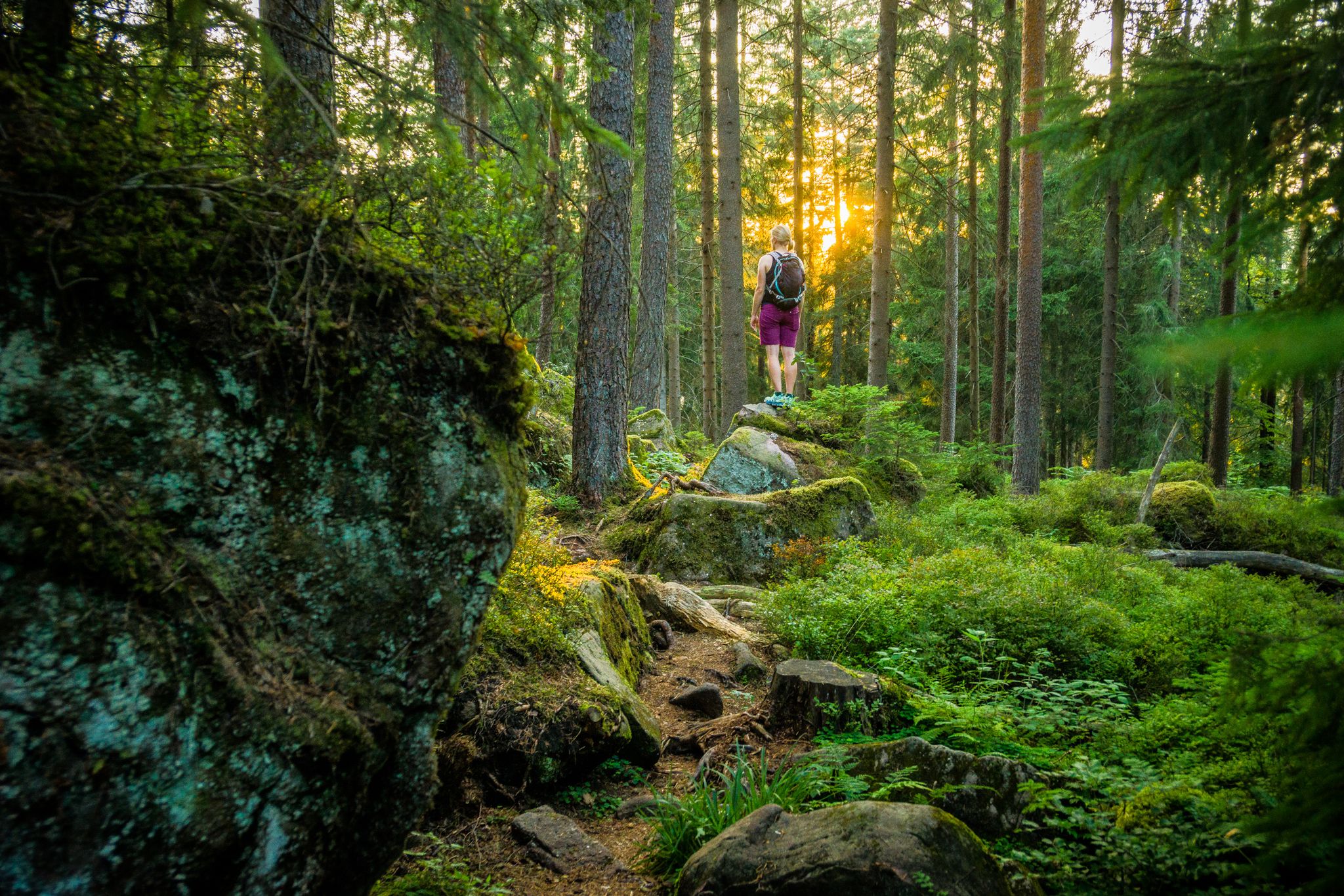
Where the forest whispers and the trails enchant
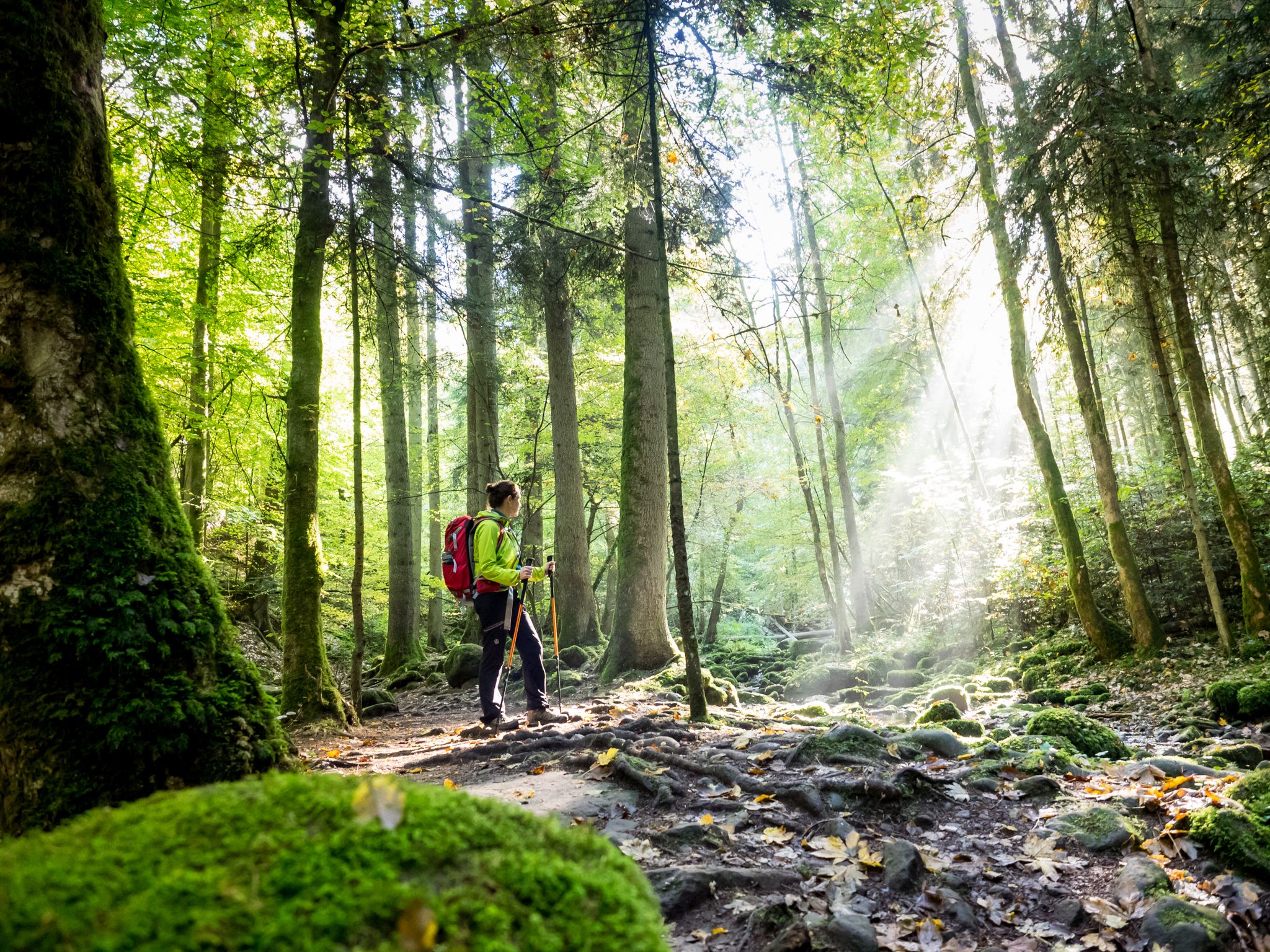
Far from the hustle and bustle – Hidden Trails in the Black Forest
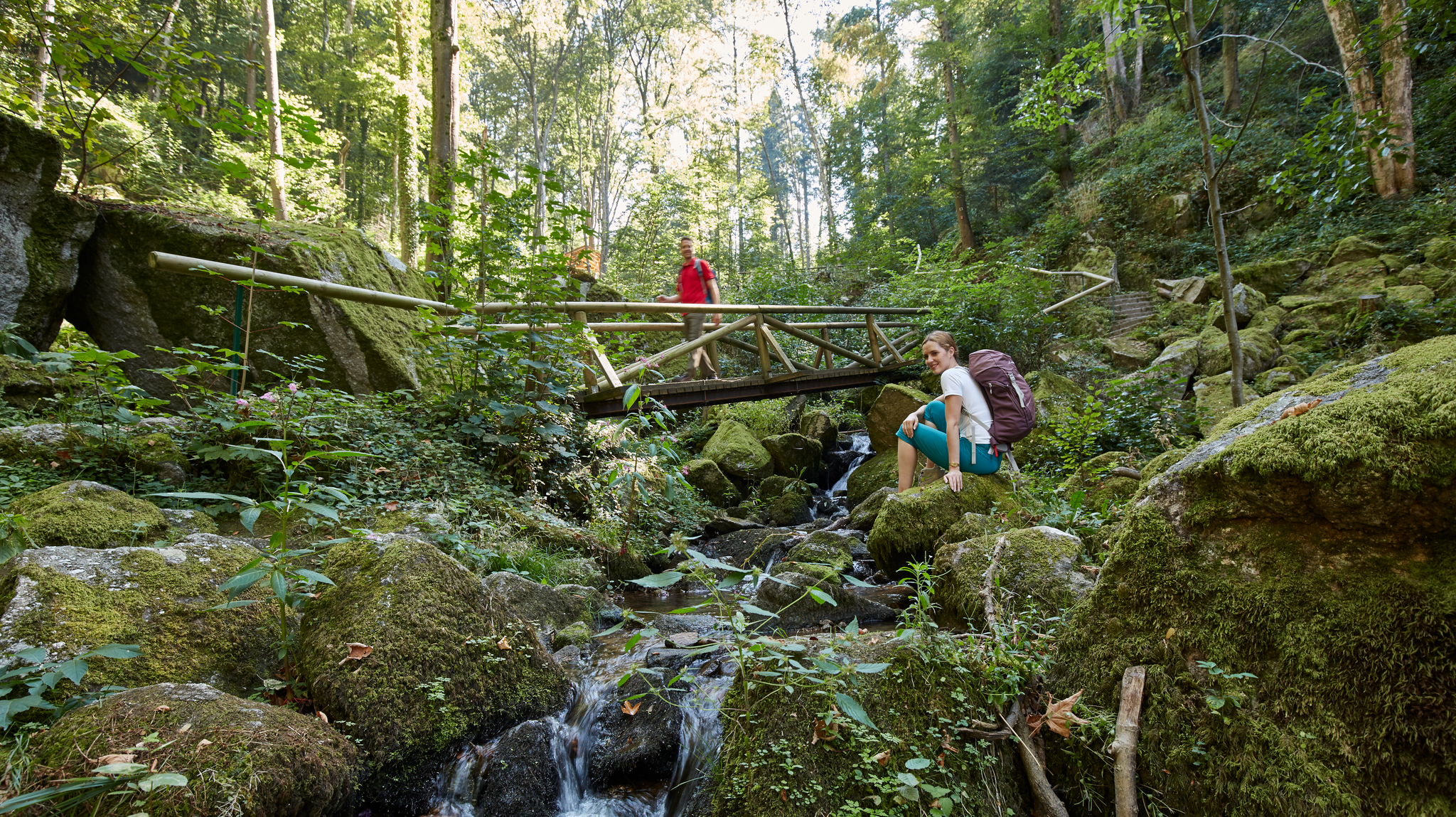
Waterfalls, gorges and cliffs – cooling off in Baden-Württemberg
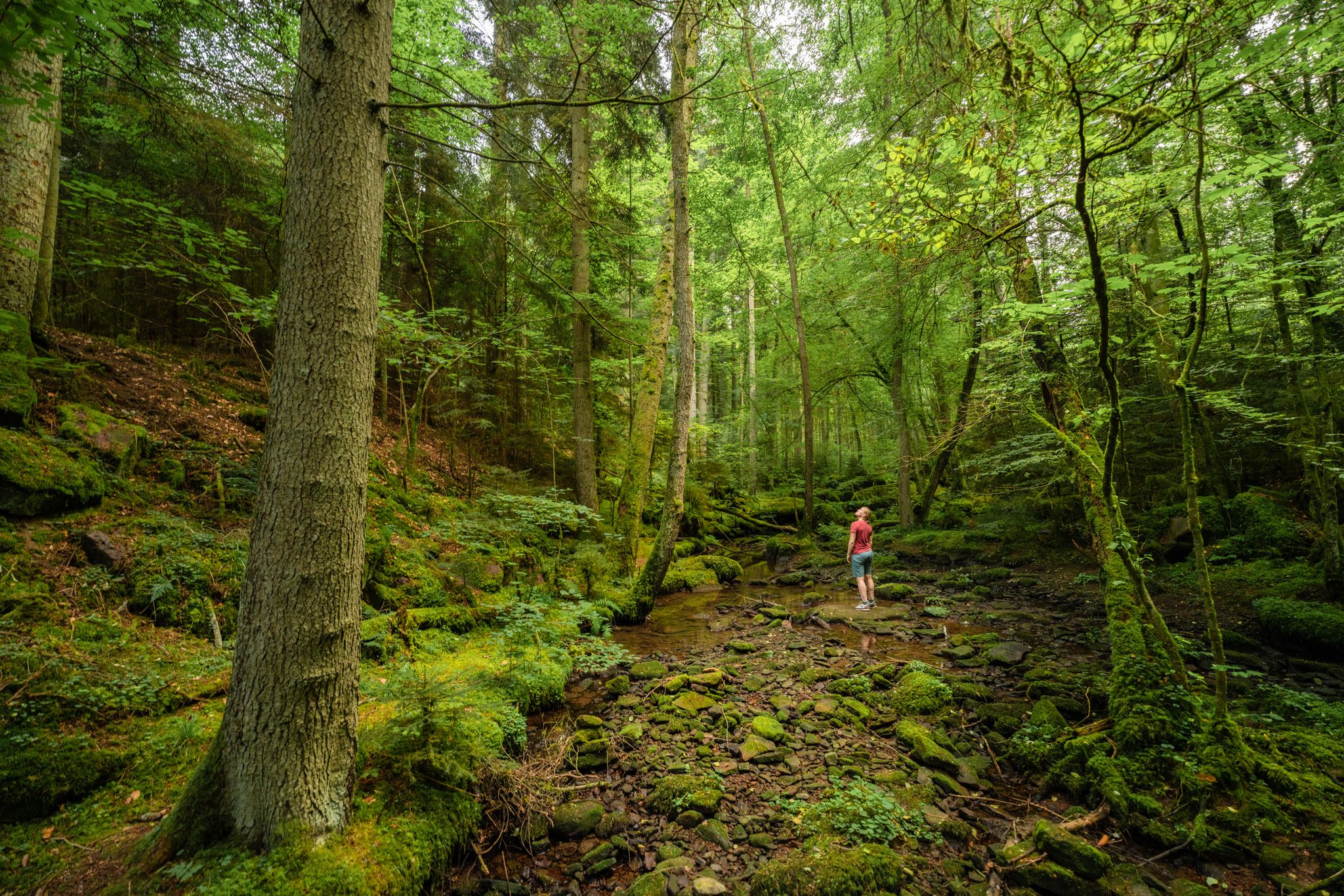
Superb adventures – the best hiking Tours in the Northern Black Forest

Hike with BUND on the trail of the European wildcat
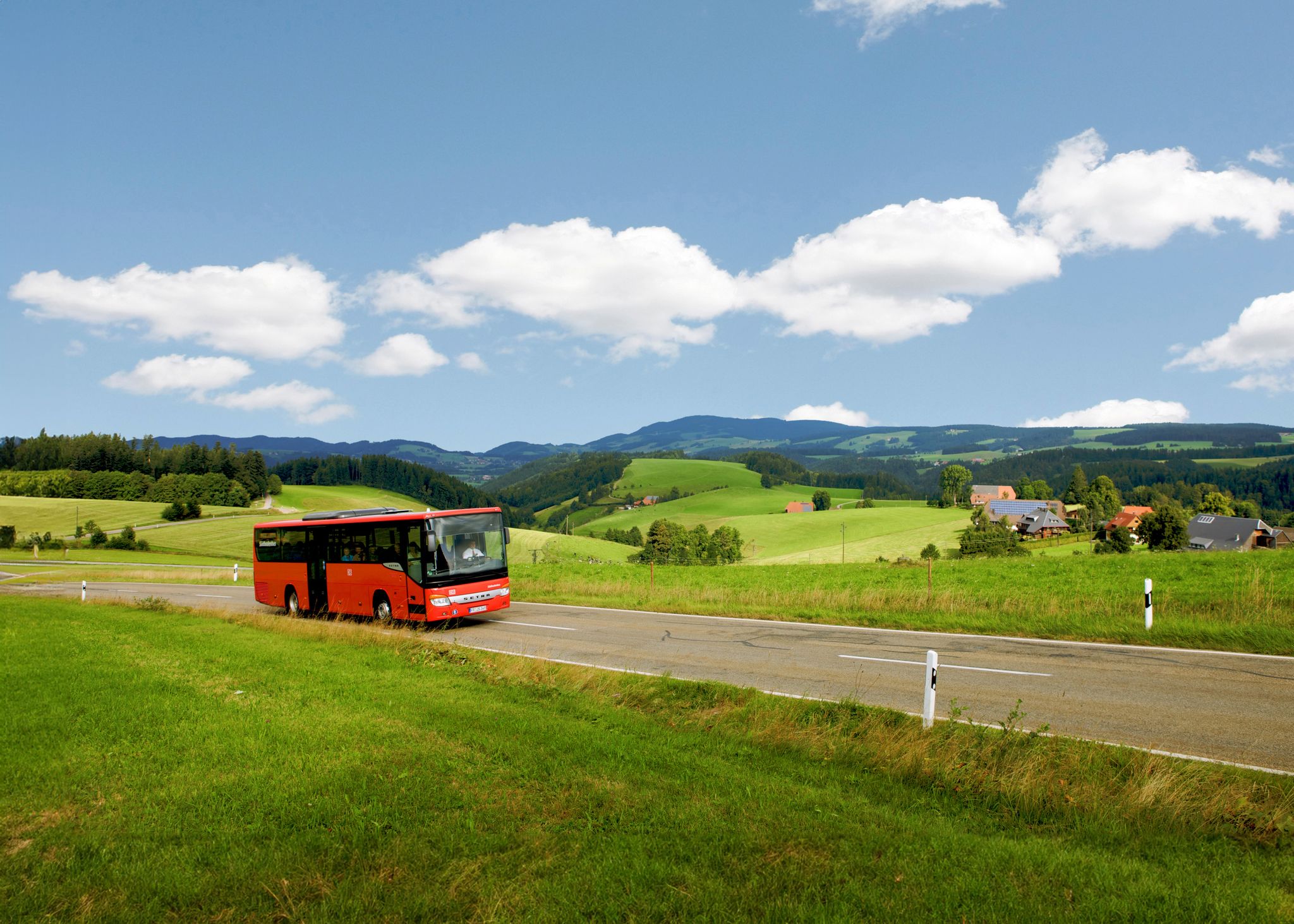
Sustainable travel – hikes that you can enjoy without a car
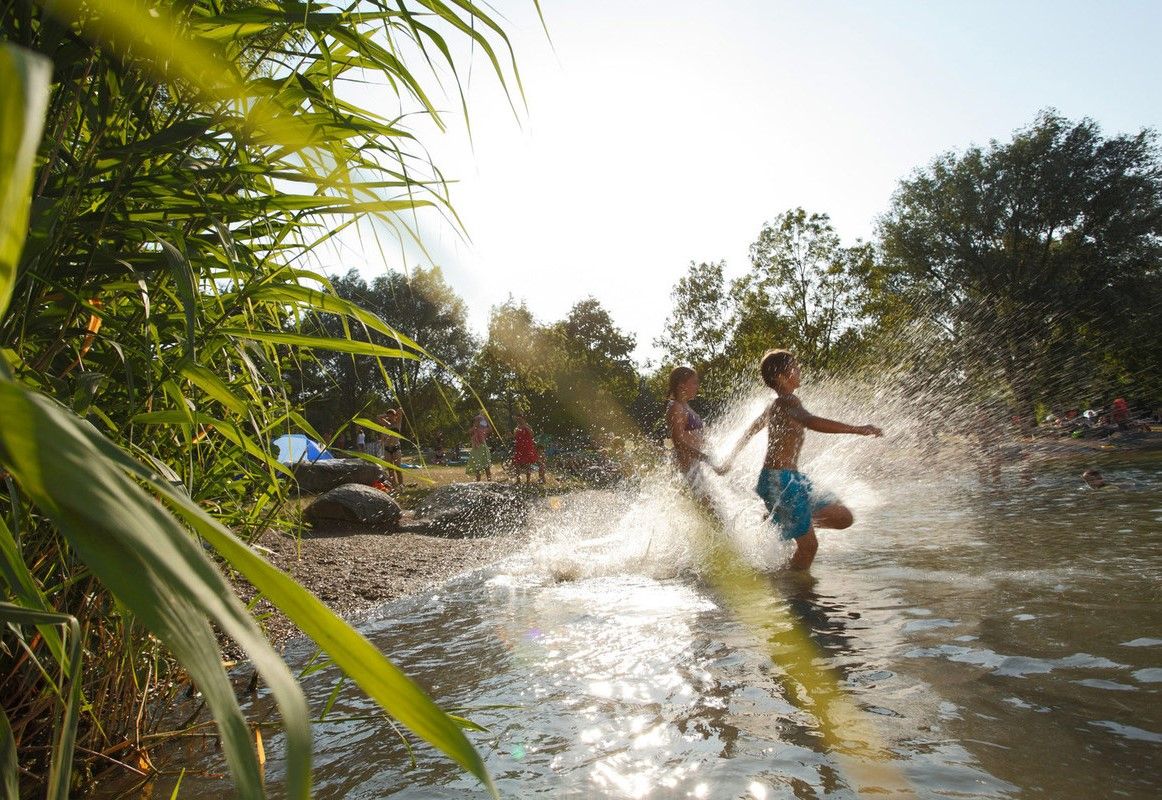
Refreshing summer hikes in Baden Wuerttemberg – bathing fun for the whole family
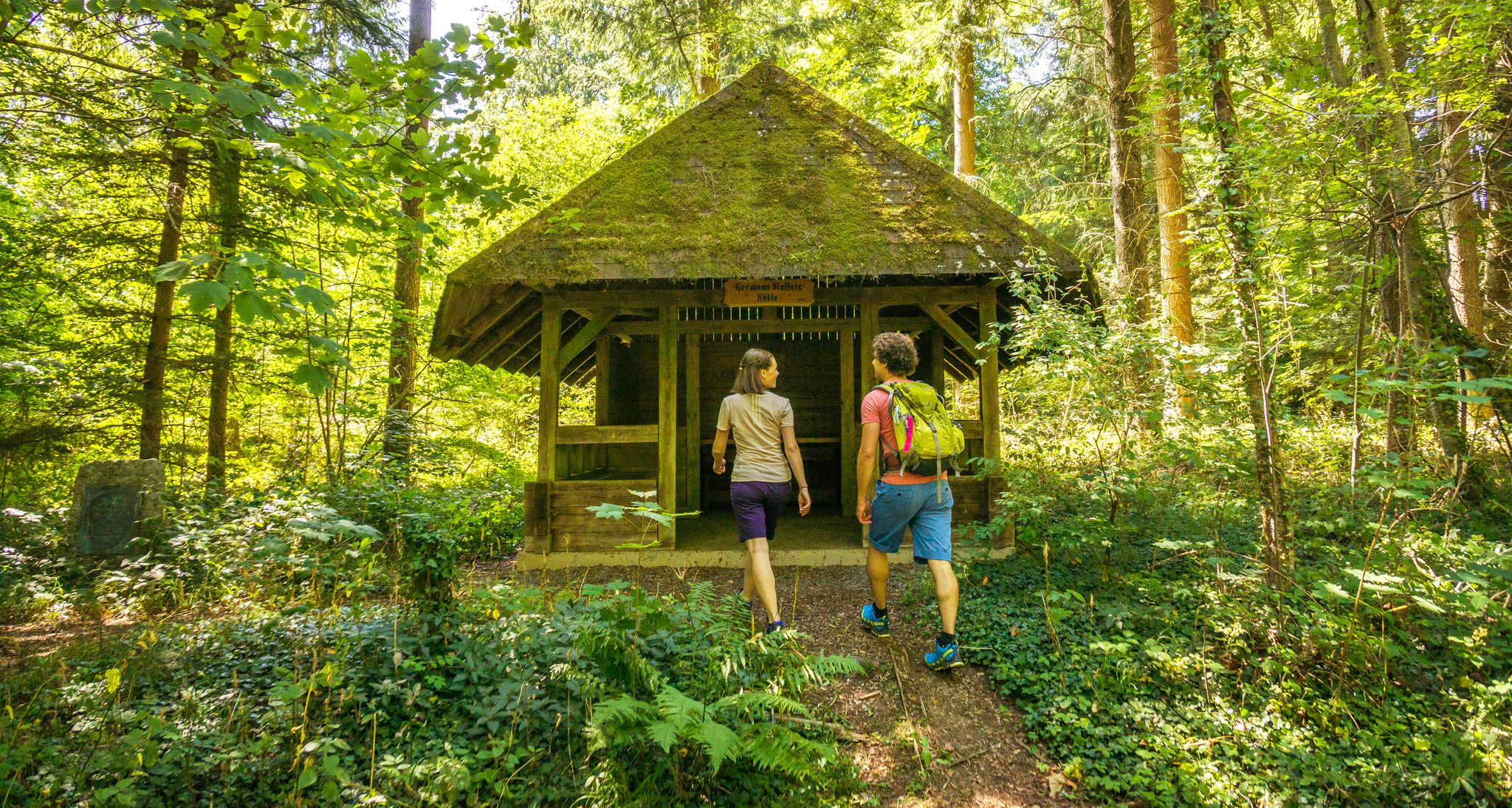
A green adventure – sustainable hiking in the Northern Black Forest
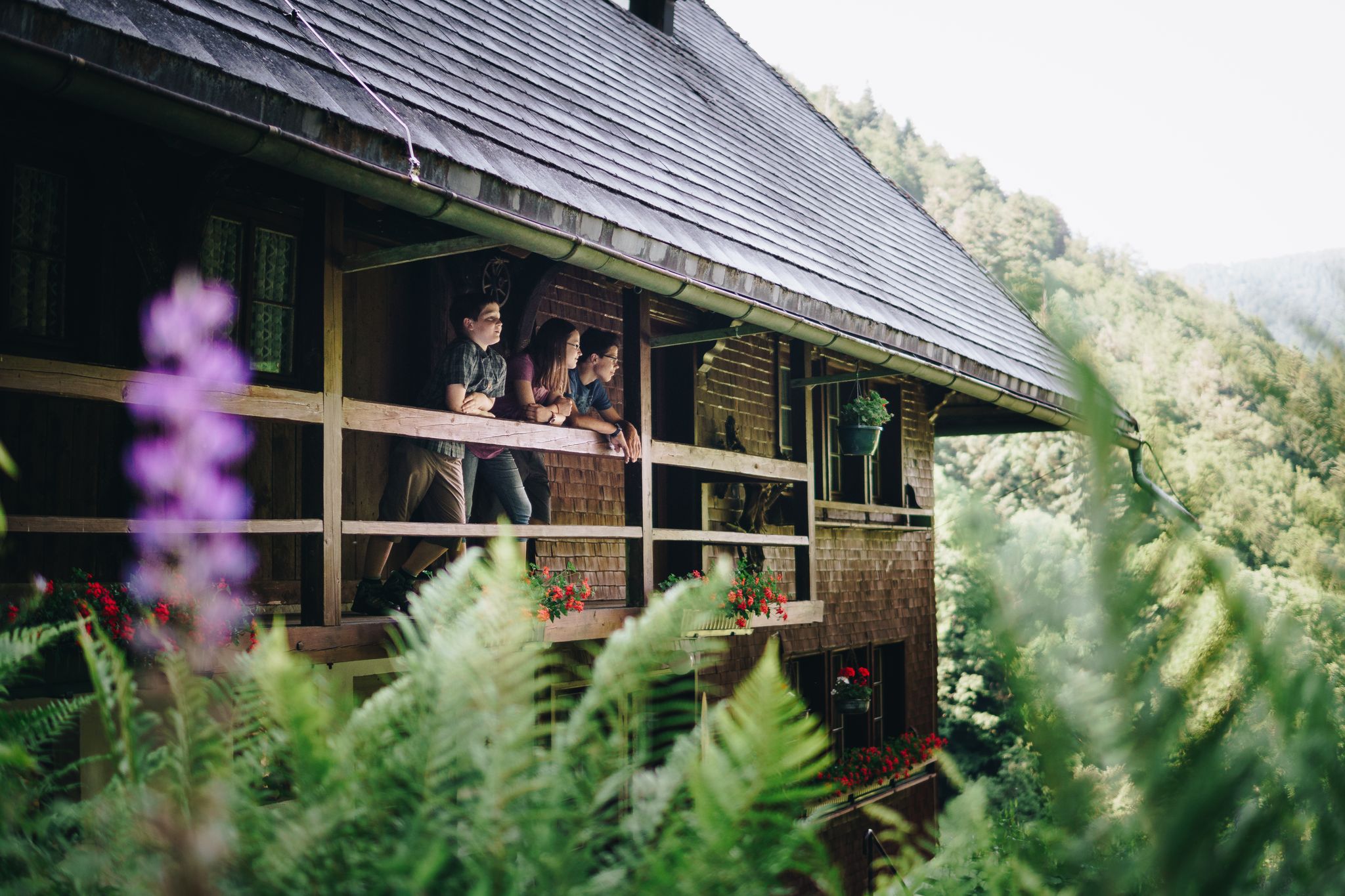
Kids in boots – the most beautiful family Tours in the Black Forest
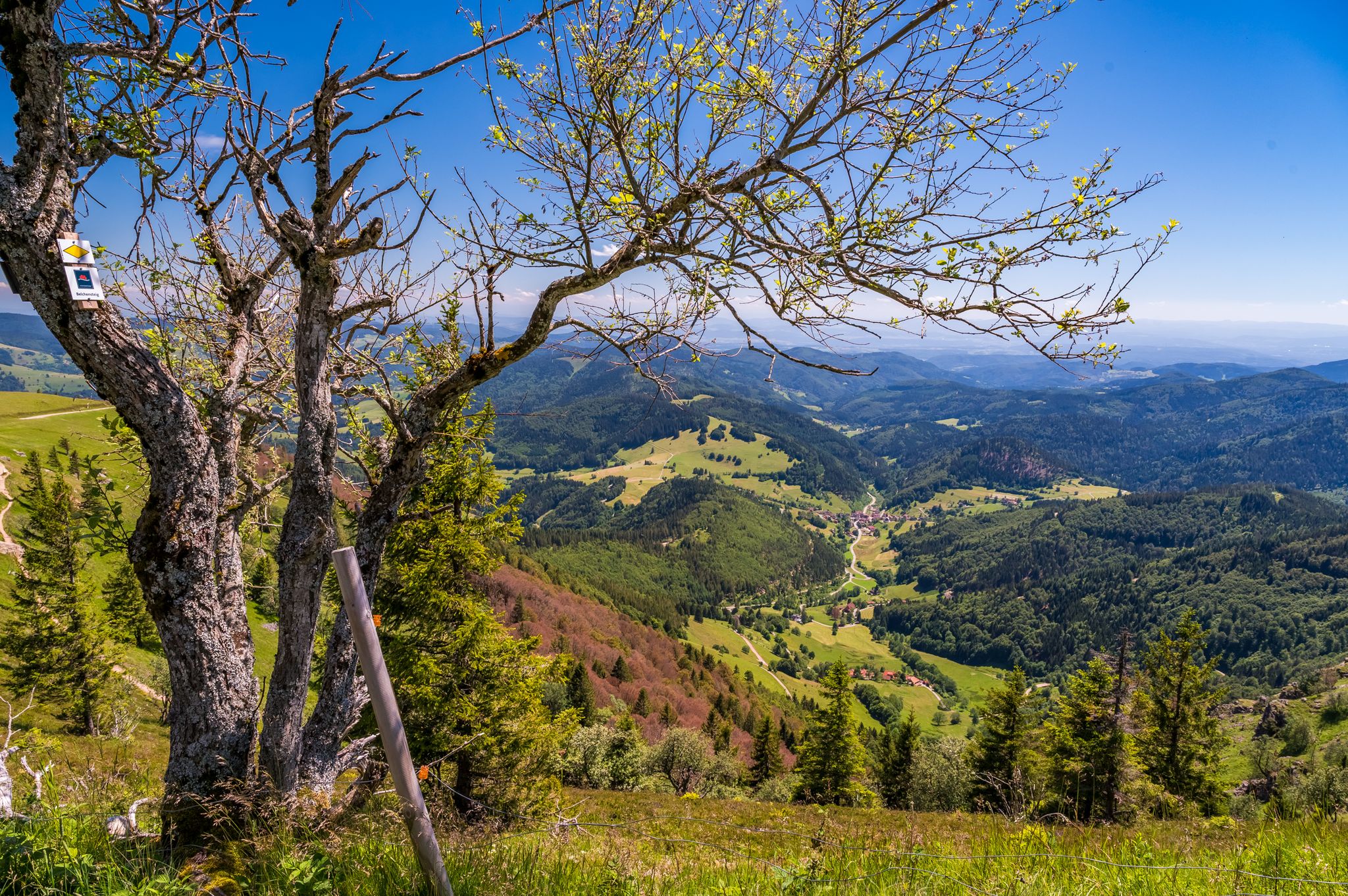
Summer, summits and huts – varied hikes in the Black Forest
Other adventures around Bad Herrenalb


Tips from the Community

Finds show that the Celts settled on the castle hill over 2000 years ago. Evidence of the "more recent" history of Neuenbürg Castle only dates back to around the year 1000. Various families of counts, including the Counts Palatine of Tübingen, the Counts of Calw-Vaihingen, the Counts of Eberstein, the Margraves of Baden and the Counts of Württemberg, determined the fate and history of the picturesque old Neuenbürg Castle. The castle (today's rear castle ruins) was probably founded by the Counts of Vaihingen in the 11th century. The Counts of Württemberg acquired the castle around 1320 and built an official residence for the town, which already belonged to them, and the surrounding villages. This was followed in 1572 by a conversion of the rear castle into a fruit store (here a granary and wine store). During the Thirty Years' War in 1634, the castle was plundered, and in 1638 the north wing burned down due to the carelessness of a Bavarian ensign. Neuenbürg Castle consists of the old "rear castle", of which only the remains of the castle with walls up to 3 meters thick remain as ruins, and the current new castle built by Duke Christoph of Württemberg around 1650, which was built using older parts of the building. At the end of the 17th century, the dilapidated rear castle was sold and the bricks were used to rebuild the town of Neuenbürg, which had been destroyed in a major fire in 1783. Despite several attempts, Neuenbürg never became a ducal residence, and the honored princes Duke Magnus (1594-1622) and Duke Ulrich (1617-1671) were not lured to the Black Forest province. Neuenbürg Castle was always only the seat of authorities and offices and was inhabited by ducal officials. Until 2004, the State Forestry Office was housed in Neuenbürg Castle. From 1940 onwards, the castle rooms housed apartments and a painter's studio. Since 2001, Neuenbürg Castle has housed a branch museum of the Baden State Museum.
5
0

The castle ruins behind the castle garden are normally locked, but can be rented through the castle administration. https://www.schloss-neuenbuerg.de/
4
0

<< Eberstein Castle >> "Since the mid-13th century, Eberstein Castle has overlooked the valley below. After the Eberstein family died out in 1660, the property passed to the Margraviate of Baden, and today it is privately owned. The architect Friedrich Weinbrenner carried out a major renovation of the castle in the 19th century, giving it its present appearance after 1829. From up here, there is a magnificent view of the central Murg Valley. This more than compensates for the sometimes strenuous climb to this prominently situated cultural monument. And hungry hikers can expect Baden hospitality in the castle tavern. Of course, it tastes especially delicious on the plane tree terrace. The legends surrounding Eberstein Castle and the Eberstein noble family that originated there are rich. There are heroes like the daring Wolf von Eberstein, the monastery founder Bertold, and the lovestruck Wolfheiner. The legend of how the Ebersteins acquired their coat of arms has also been passed down." They came. After delivering an important message from the Emperor to Rome, the Count of Eberstein received a rose of gleaming gold from the Pope. When the Count returned to his castle, the rose came to life and flourished magnificently. Thus, the rose found its way into his coat of arms. https://www.gernsbach.de/sagenweg/schloss.html
4
0

The former margravial property known as Rotenfels Castle is made up of various parts: firstly, there is a margravial ironworks founded in 1729, which was then replaced by a crucible and stoneware factory, which was then converted into today's Rotenfels country castle. In its immediate vicinity is a rock cellar created in 1753, which was built over in 1804 with a count's pleasure house (its remains are now known as the "Witches' Dance Ground"), when there were still no plans for a castle. And finally, there is the former extensive castle park with various architectural relics, which today is partly continued as a spa park, but partly has become overgrown and converted into forest, as well as agricultural and forestry areas that formerly belonged to Rotenfels. The Great Schanzenberg and the Little Schanzenberg with their respective ramparts from the High Middle Ages are also located within this property, although they have no direct historical connection with the castle (and today, despite their proximity to the castle, they belong administratively to the neighboring municipality of Kuppenheim). The current castle itself was largely built by converting the previous crucible and earthenware factory, to which the majority of its building fabric can be traced back, both in the main building and in the two commercial buildings flanking the castle square (former horse stables and coach houses). It was ultimately only used as a stately castle for just under 100 years, and during this time mostly only occasionally, for example as a summer or hunting residence, and after the discovery of the thermal spring after 1839, for a few decades as a private spa for the count's family with its own bathhouse built for this purpose (no longer exists). Source: https://www.alleburgen.de/bd.php?id=11875
5
0

Great facility, with shade, a museum and a good view of the valley
5
0

An art academy is located here today
4
1

Beautiful property - even when the weather is not so good.
5
0
The first documented mention of the Barbara Chapel as "capella sanctae Barbarae" dates back to 1432. The building itself dates back to the 14th century. Before the chapel and the associated spring were dedicated to Saint Barbara, there was probably a Celtic spring sanctuary there. The dedication of the chapel is certainly related to this. For some time there was a cemetery next to the church – remains of walls can be seen on the square and foundations are buried underground. Various legends are entwined around the chapel and spring. For almost a century and a half, the chapel was a popular place of pilgrimage and the square in front was used for markets. A turning point occurred in the second half of the 16th century when the Reformed Duke of Württemberg, who was now responsible, rejected the pilgrimage. However, it was to be many years before the pilgrimage stopped. In 1590 the church was still described as a "magnificent temple on the Barbaraberg, adorned with artistic paintings, dedicated to St. Barbara". Twice a year a market is held in front of this temple in the presence of a large crowd. In the Langensteinbach camp book of 1605, however, the first signs of deterioration in the church are described. The times of the Thirty Years' War that soon followed also made traveling overland too dangerous, so that the pilgrimage finally fell completely into oblivion. Even the assignment of the church to the restituted Herrenalb monastery did not change anything, as this was now completely impoverished. Only the market continued to be held on the Barbaraberg. In 1818, St. Barbara had fallen into complete ruin and was left to decay and plundered throughout the 19th century. In 1902 the ruins were remembered and restoration began. The tower in particular was to be used again as a lookout tower. During another renovation in 1966, a massive spiral staircase was installed in the tower. The tower is open daily as a lookout tower and is located in the St. Barbara Forest Park in Karlsbad-Langensteinbach. It can be reached on foot from the "Schwimmbad" car park via the Römerstraße in the direction of Kurfürstenbad. Every year on May 1st a festival of the music association takes place at the ruins. Source: https://www.albtal-tourismus.de/ attraction/ruine-st.-barbara-kapelle-df18b400e5
9
1
Frequently Asked Questions
What historical sites can I visit directly in Bad Herrenalb?
While not a traditional castle, Herrenalb Abbey is the most significant historical structure within the town. You can explore the well-preserved Romanesque elements, the Protestant monastery church, and the surrounding monastery garden. The 'Historical Route' provides fascinating information about its past.
Which castles offer the best panoramic views?
For breathtaking vistas, visit Alt-Eberstein Castle Ruins, which provides fantastic views over the Black Forest, the Rhine plain, and the Vosges Mountains. Eberstein Castle also offers beautiful views of vineyards, the valley, and surrounding mountains.
Are there family-friendly castles to visit near Bad Herrenalb?
Yes, several castles are suitable for families. Eberstein Castle, Alt-Eberstein Castle Ruins, and Neuenbürg Castle and ruins are all marked as family-friendly. Neuenbürg Castle, in particular, has a museum and managed outdoor area, making it a well-rounded outing.
Can I combine a castle visit with dining or wine tasting?
Absolutely. Eberstein Castle functions as a vineyard, hotel, and features a starred restaurant and castle tavern, allowing you to enjoy fine dining and local wines. Neuenbürg Castle and ruins also houses a good Portuguese restaurant, and Alt-Eberstein Castle Ruins has a pleasant restaurant with a beer garden during summer months.
What kind of outdoor activities can I do near these castles?
The region around Bad Herrenalb offers various outdoor activities. You can find numerous hiking trails, such as the 'Grand tour of the Teufelsmühle' or the 'AugenBlick Nature Park Loop'. For more options, explore the Hiking around Bad Herrenalb guide, or the Running Trails around Bad Herrenalb guide.
Are there easy walks or hikes to castles near Bad Herrenalb?
Yes, there are easier options. The 'Quality trail: Wildcat Forest Adventure Trail' is an easy hike that can be combined with exploring the area. For more gentle routes, check the Easy hikes around Bad Herrenalb guide, which includes routes like the 'Bad Herrenalb monastery ruins – Alb River Trail loop'.
Which castles offer insights into medieval fortifications?
Alt-Eberstein Castle Ruins was a major defensive fortification for the Margraviate of Baden, and its ruins allow visitors to imagine its former grandeur. Neuenbürg Castle and ruins also has a long history, with its strategic location inhabited since Celtic times.
What is the best season to visit the castles in the Bad Herrenalb region?
The castles and ruins in the Northern Black Forest are beautiful year-round. Spring and autumn offer pleasant temperatures for exploring and hiking, with vibrant foliage in autumn. Summer allows for enjoying outdoor dining and beer gardens, while winter can provide a unique, serene atmosphere, especially if there's snow.
Is there a castle that now serves a modern purpose?
Rotenfels Castle, originally a country estate, has housed the State Academy for Art, Theater, and Culture since 1995. While access might be limited due to its current use, it's an interesting site for those interested in local history and contemporary arts.
Can I visit castle ruins that are less crowded?
While popular sites like Alt-Eberstein can attract visitors, exploring lesser-known ruins such as the St. Barbara Chapel Ruins near Langensteinbach can offer a more tranquil experience. These ruins provide great views and a sense of history without the larger crowds.
What do visitors enjoy most about the castles around Bad Herrenalb?
Visitors frequently appreciate the blend of history, stunning natural views, and the opportunity to combine castle visits with outdoor activities. The unique experiences, such as wine tasting at Eberstein Castle or exploring the museum at Neuenbürg Castle and ruins, are also highly valued.
Most popular routes around Bad Herrenalb
Most popular attractions around Bad Herrenalb

Get inspired with the komoot mobile app


Explore more
Looking for the best castles somewhere else? Discover other guides around Bad Herrenalb:
