Top 20 Castles around Bad Reichenhall
Best castles around Bad Reichenhall offer insights into the region's history and provide scenic views. Bad Reichenhall, located in Bavaria, Germany, features a landscape characterized by alpine surroundings and historic architecture. The area is known for its salt springs and its position within a historic district. Visitors can explore various historical sites and natural settings.
Best castles around Bad Reichenhall
- The most popular castles is Mirabell Palace, a castle with a magnificent garden and Marble Hall open to visitors.…
Last updated: October 9, 2026
Mirabell Palace
Highlight • Castle
Translated by Google •
Tip by

View of Hohensalzburg Fortress
Highlight • Viewpoint
Translated by Google •
Tip by

Sign up now to discover places like this
Get recommendations on the best single tracks, peaks, & plenty of other exciting outdoor places.
View of Hohensalzburg Fortress and Salzburg’s Old Town from Franz-Josef-Kai
Highlight • Viewpoint
Translated by Google •
Tip by
View of Salzburg’s Old Town and Hohensalzburg Fortress from the Franz-Josef-Kai
Highlight • Viewpoint
Translated by Google •
Tip by

Marko-Feingold Footbridge
Highlight • Bridge
The Makartsteg is a bridge over the Salzach in Salzburg's old town. It was named after the actually rather insignificant artist Hans Makart, …
Translated by Google •
Tip by

Sign up for free to discover even more castles around Bad Reichenhall.
Already have an account?
Start today with a free account
Your next adventure awaits.
Popular around Bad Reichenhall
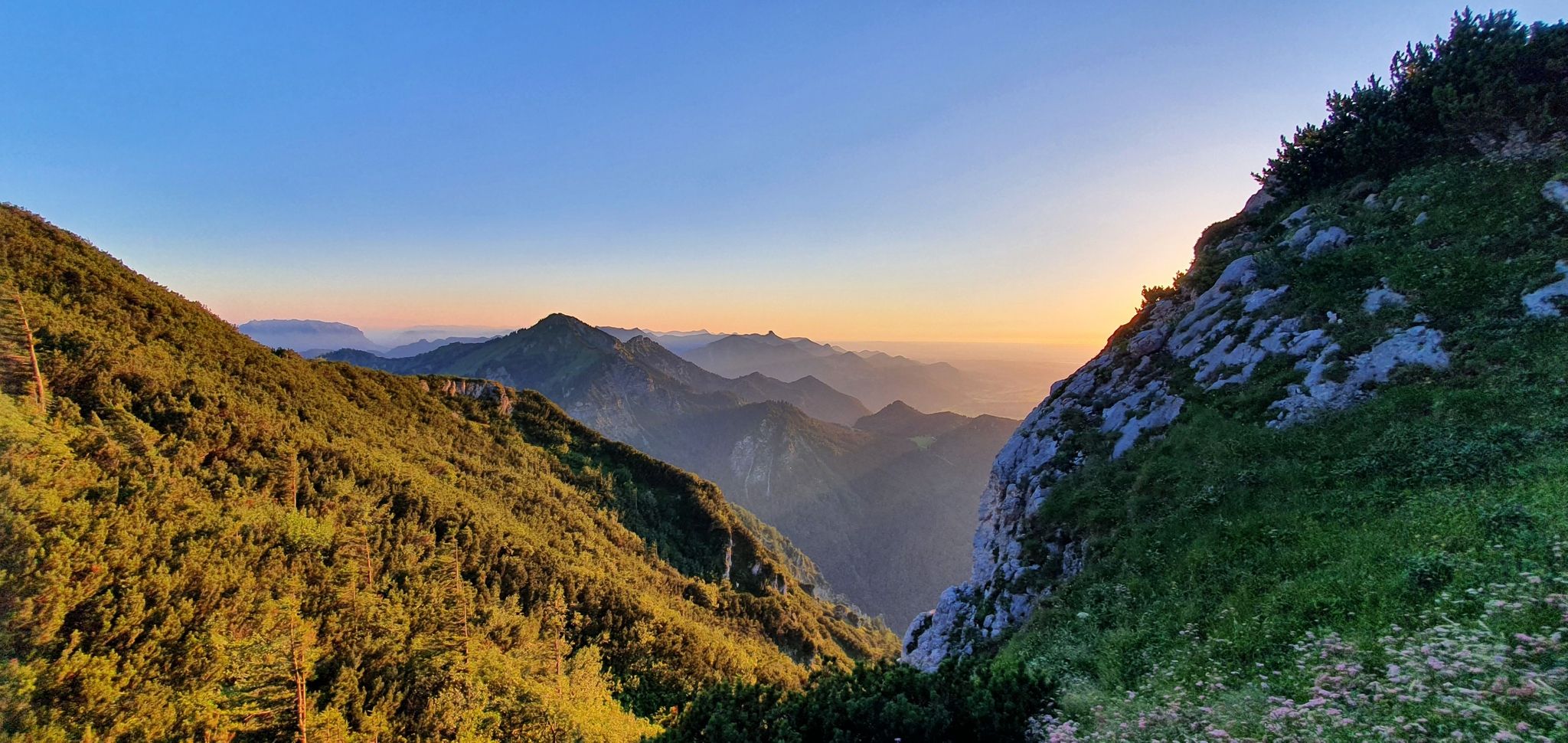
The SalzAlpenSteig – On the tracks of white gold
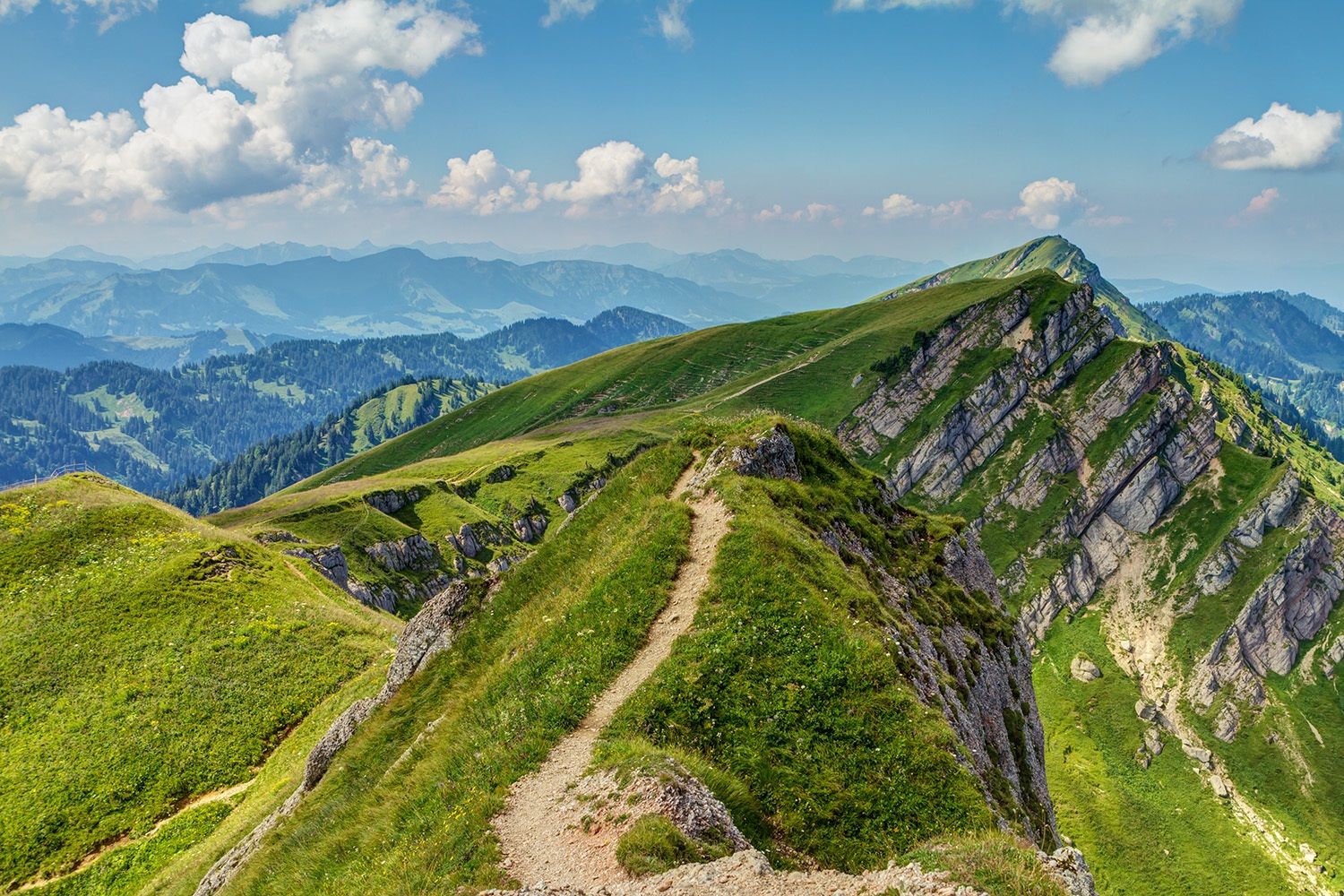
Maximilian Trail in Germany — Lake Constance to Königssee
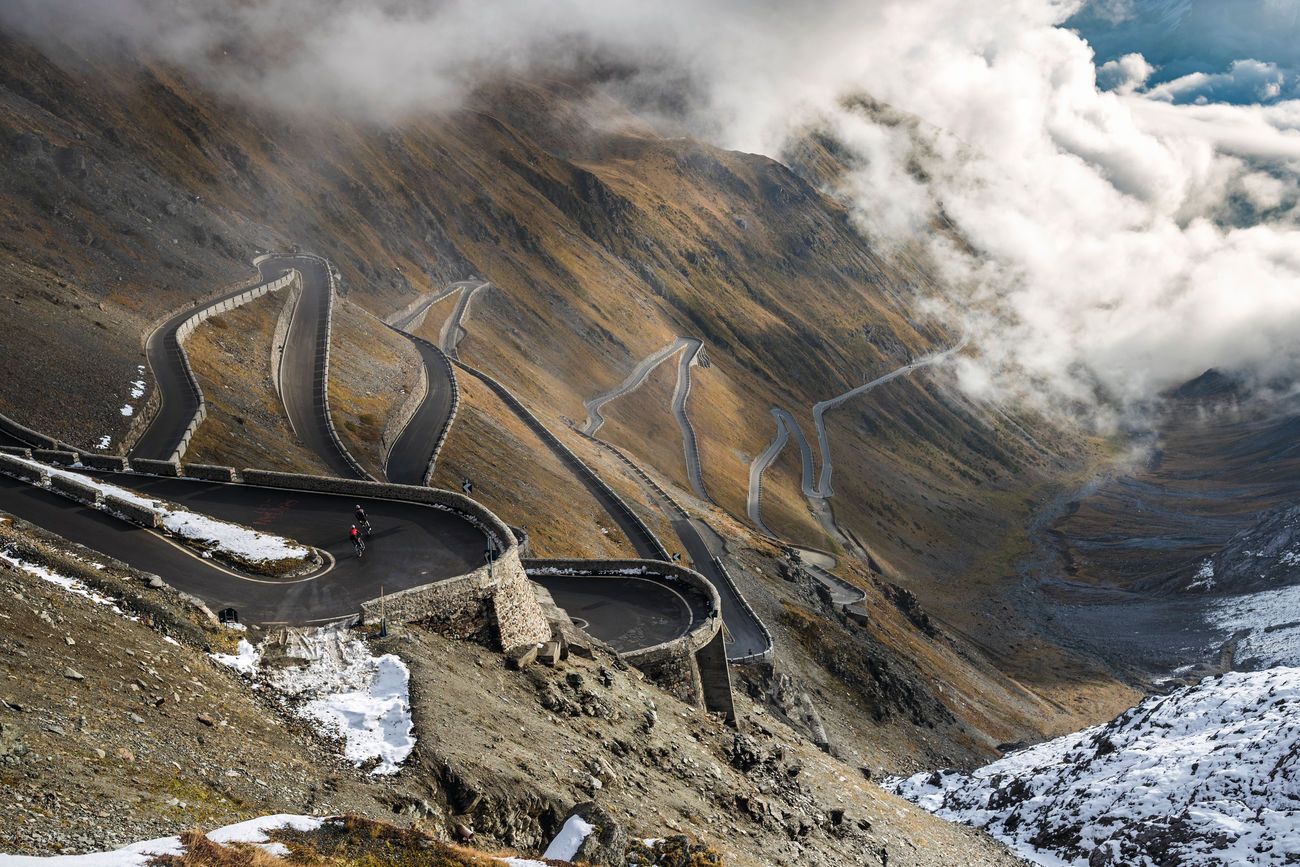
Transalp: Five Road Cycling Routes over the Alps
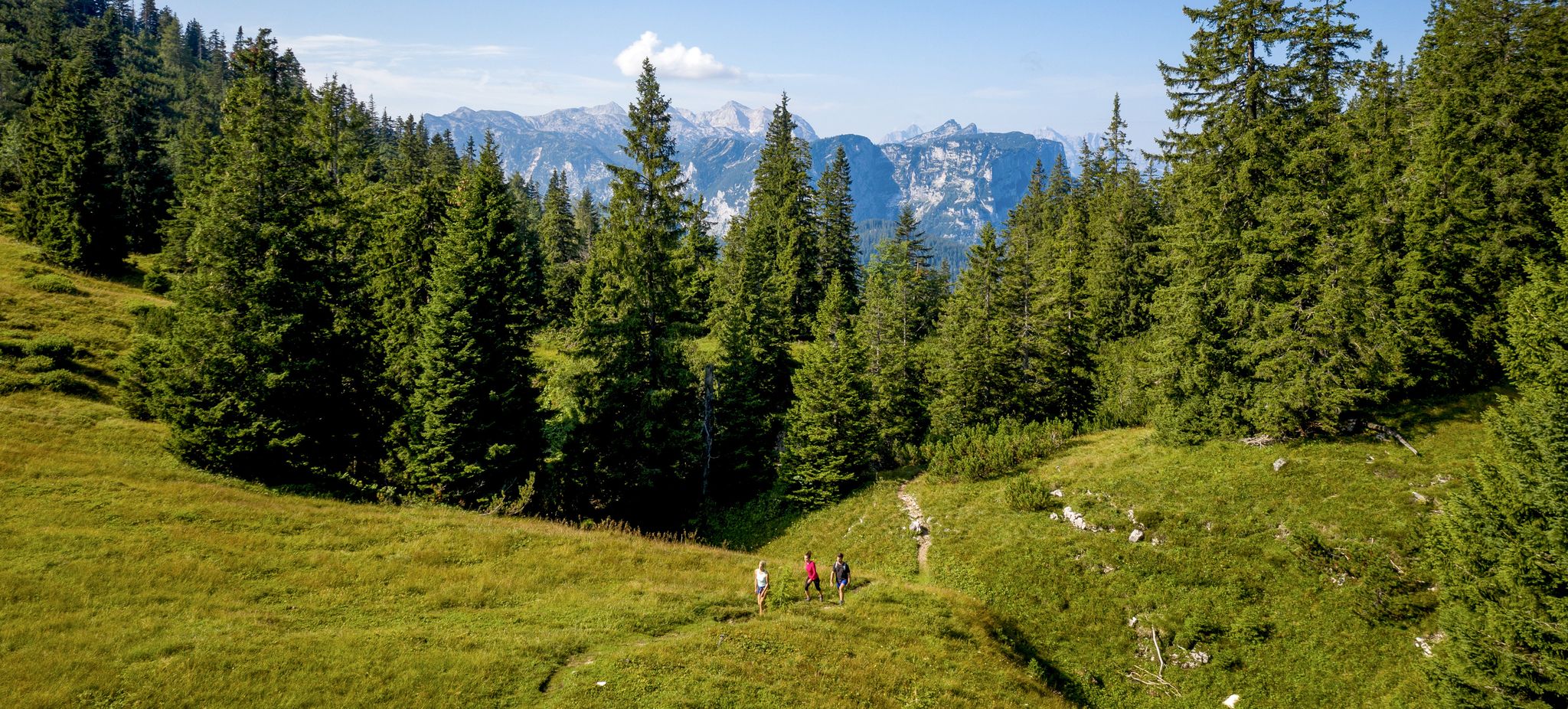
Hike, scramble and relax – outdoors in Bad Reichenhall
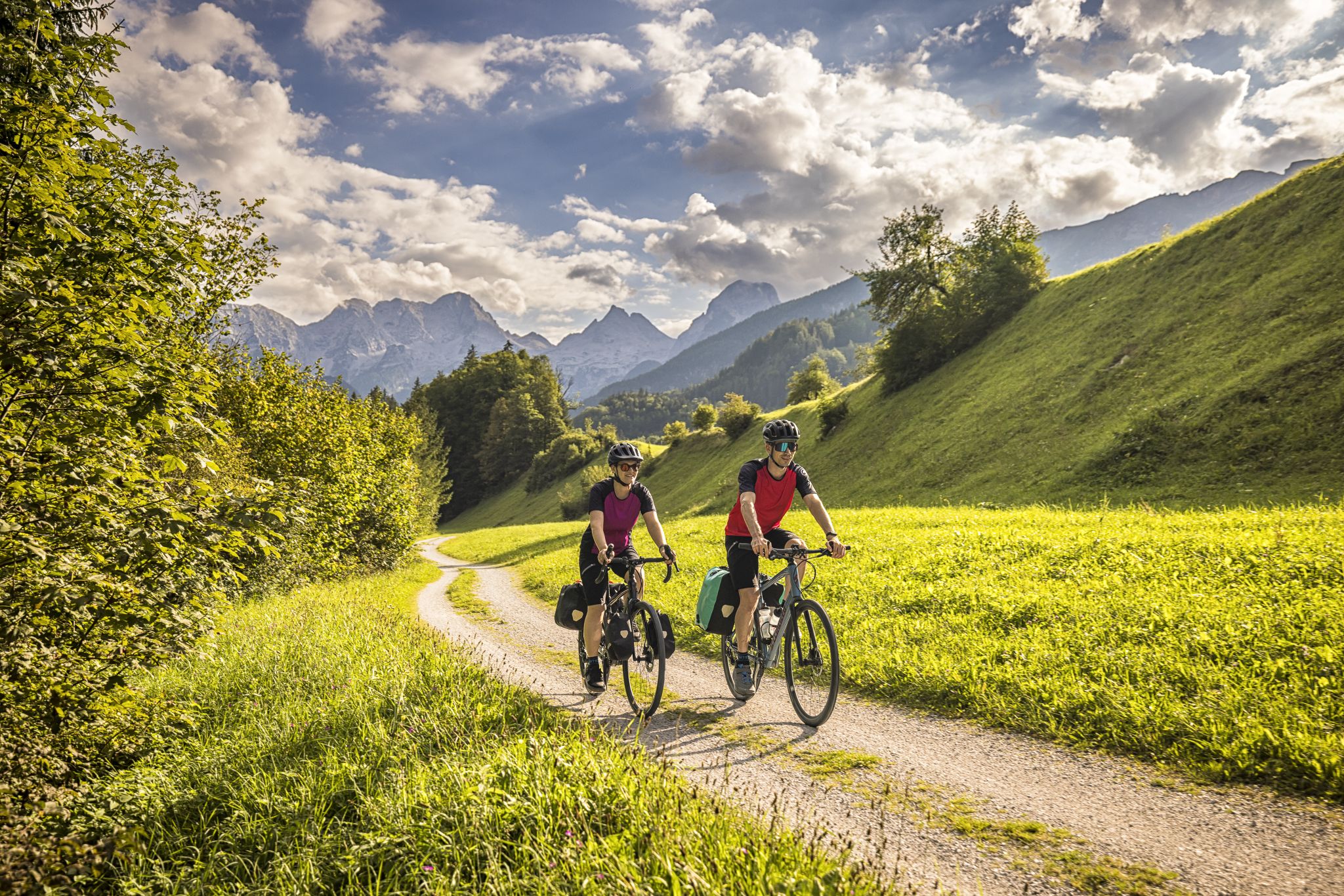
Classic and fantastic – Mozart Cycle Route
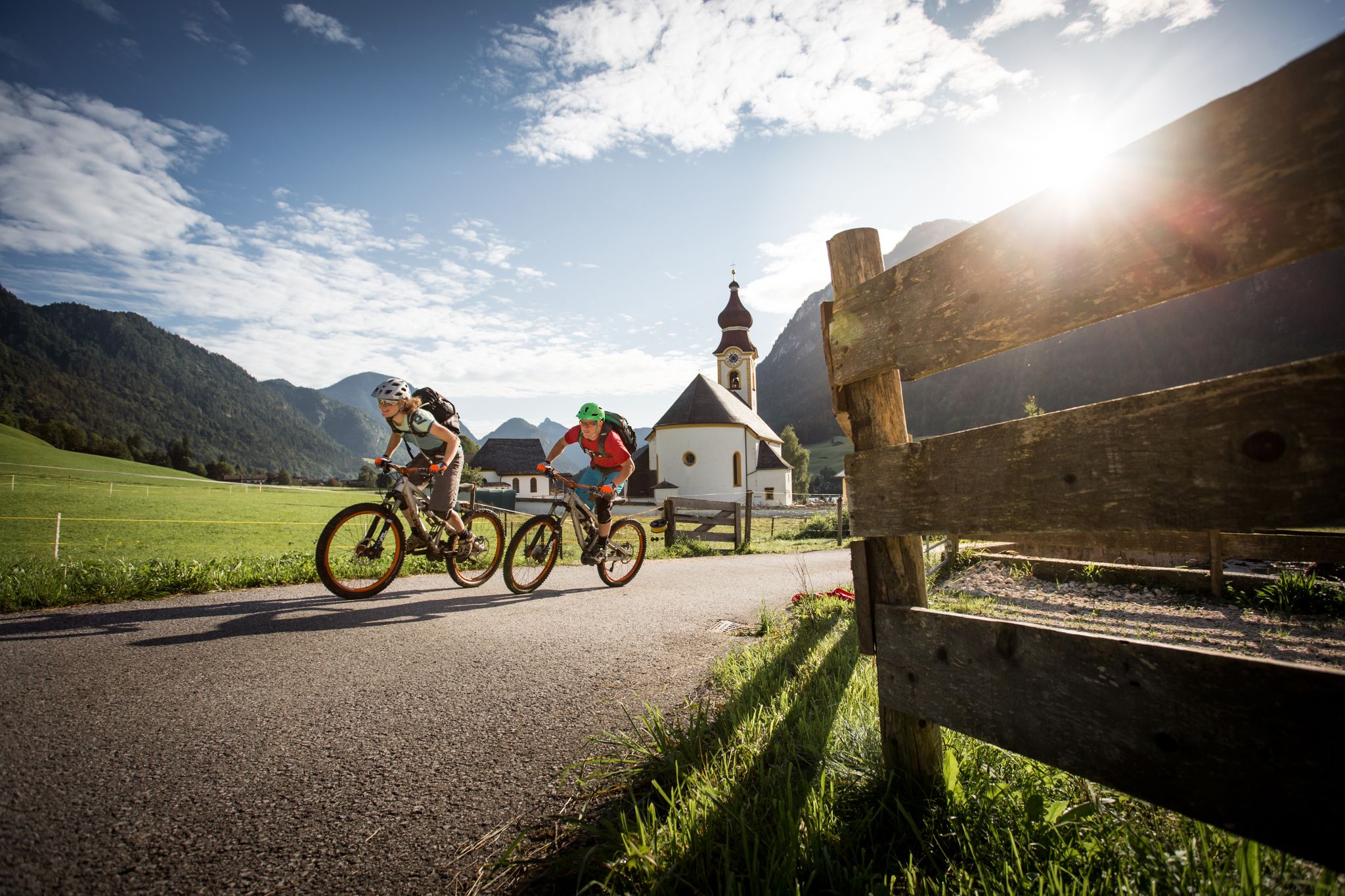
High up on the E-MTB – Watzmann Hochkönig Circuit
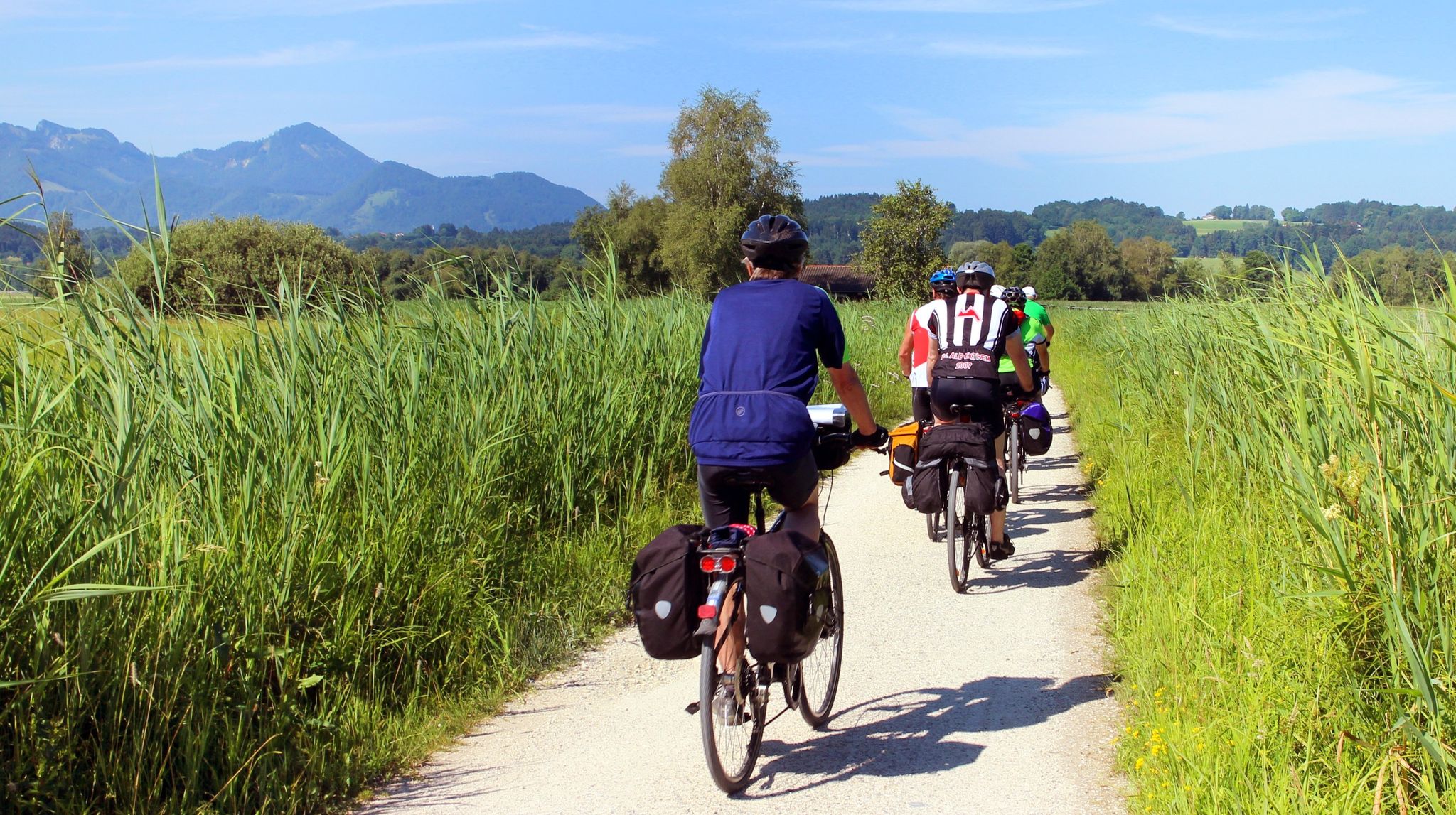
Explore the German Alps – day rides in Chiemgau & Berchtesgadener Land
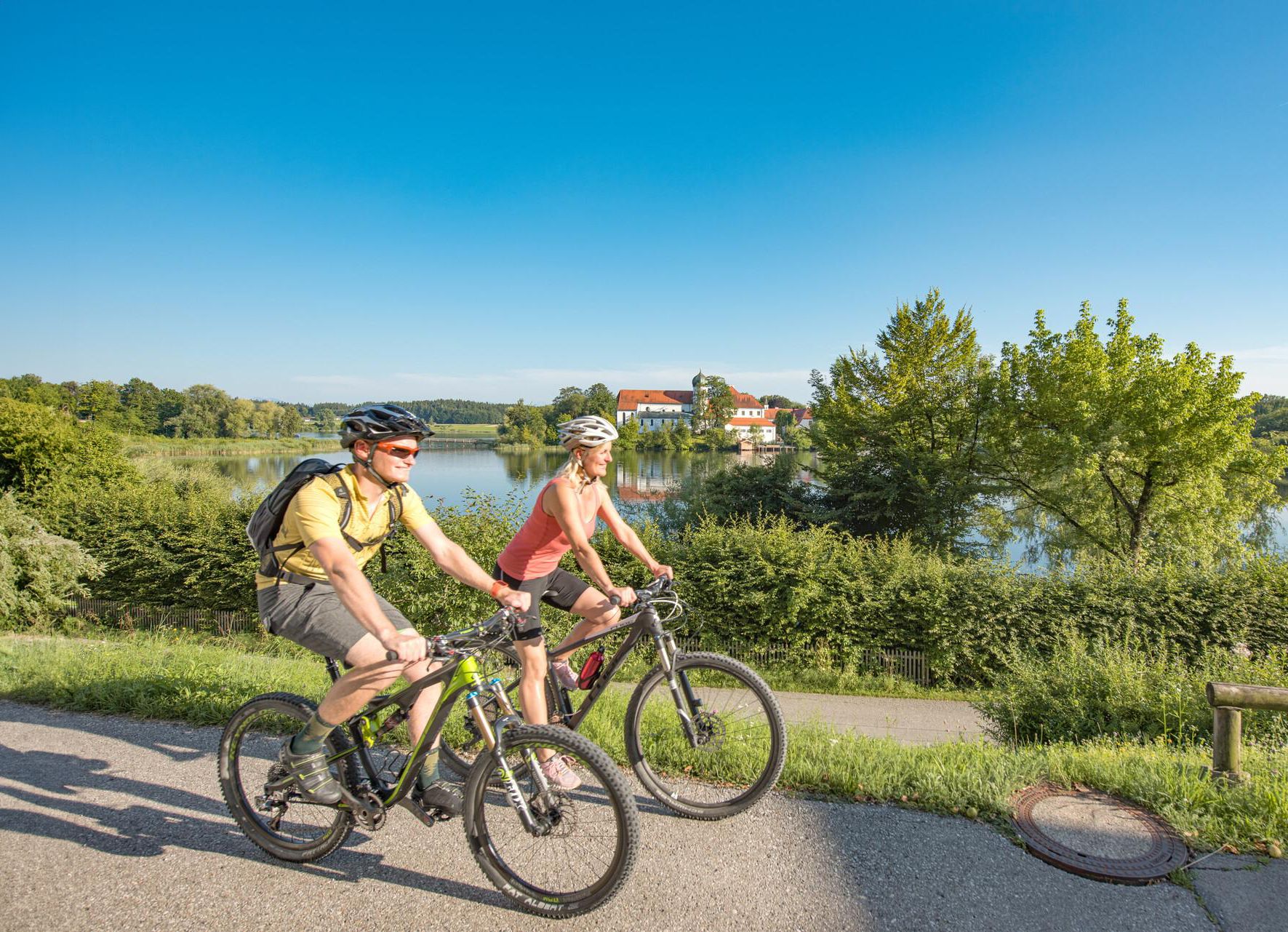
Cycling for a half – 5 Tours to breweries and beer gardens in Germany’s Bavaria
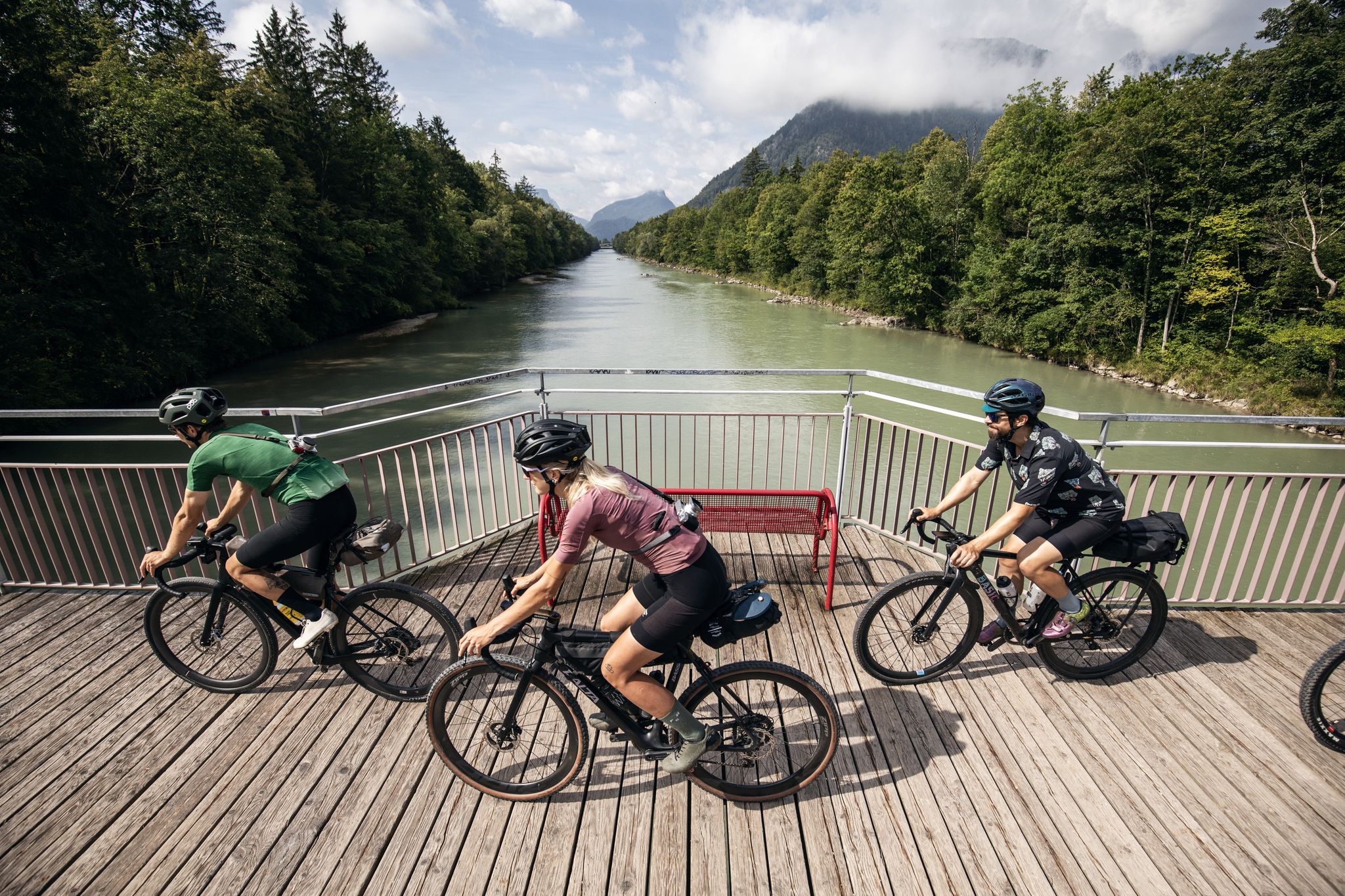
Salzschleife – Wasser-Radlwege Oberbayern
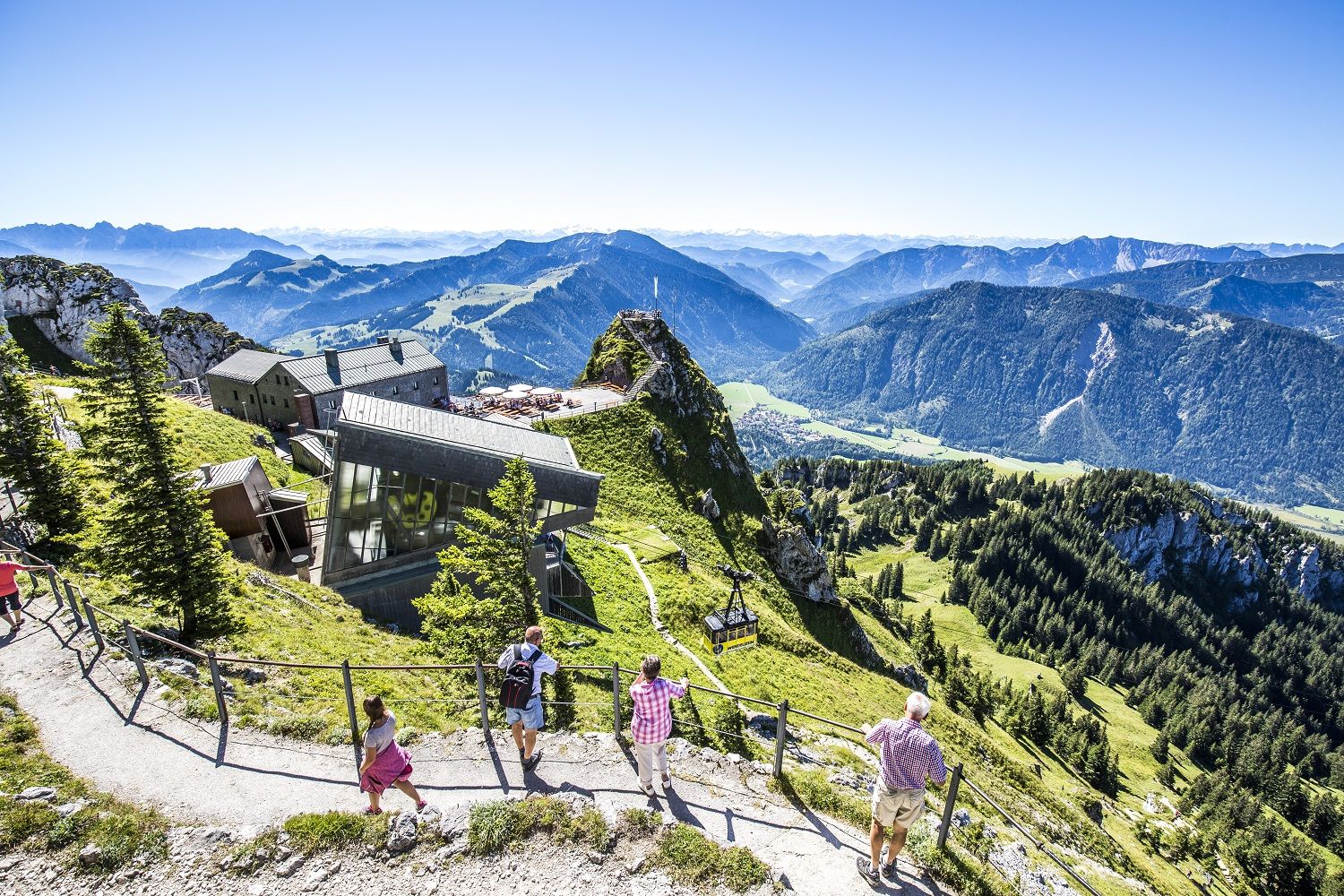
A little help to the top – mountain railways & cable cars in Chiemgau
Other adventures around Bad Reichenhall


Tips from the Community

Orangery in the Mirabell Gardens, Mirabell Palace, Salzburg The Orangery in the Mirabell Gardens is more of an insider tip. It is located in the southern part of Mirabell Palace. The palm house was built around 1725 next to the large garden parterre. The name Orangery comes from the time when orange trees and exotic ornamental woods were still being cultivated. Precious, non-hardy plants were brought back to the Orangery to overwinter. Orange trees were seen as a metaphor for wealth in the Baroque period and for this reason were a must even then. The eastern part of the Orangery was used for other purposes after the Second World War and was not put back together until 1980. The Baroque Museum is now located in the southern part of the Orangery. Today, in the northern part of the building, somewhat hidden, there is a small, beautiful tropical garden. A small pool with turtles and goldfish and for bird lovers there is a very large birdcage with numerous birds to marvel at. Opening hours of the Orangery in the Mirabell Gardens Open all year round, daily from 9 a.m. to 4 p.m. Text / Source: Salzburger Saalachtal. com https://www.salzburger-saalachtal.com/ausflugsziele/stadt-salzburg/mirabellgarten/orangerie-mirabellgarten
13
0
Mirabell Palace, Salzburg The Baroque Mirabell Palace was originally built as "Altenau Palace" under the reign of Prince Archbishop Wolf Dietrich von Raitenau in 1606. The palace was created as a gift for Salome Alt, the archbishop's concubine and mother of his children. Mirabell Palace is known for its gardens, which are discussed in a separate article. Wolf Dietrich's successor and adversary, Prince Archbishop Markus Sittikus, renamed the building Mirabell Palace. Prince Archbishop Franz Anton Harrach had large sections of the building demolished and rebuilt between 1721 and 1727 according to plans by Johann Lukas von Hildebrandt. Mirabell Palace was severely damaged by the great city fire of 1818 and rebuilt in the following years according to plans by Peter Nobile. The formerly dominant tower on the east wing of the palace was destroyed, and the facade was rebuilt in the Neoclassical style. Text / Source: TSG Tourismus Salzburg GmbH, Auerspergstraße 6, Salzburg https://www.visit-salzburg.net/deutsch/sehenswuerdig/schloss-mirabell.htm
14
0
Construction & expansion of the early Hohensalzburg Fortress Under the leadership of Prince Archbishop Conrad I (1106 to 1147), a stone tower was built and over the next few years the fortified areas of the castle were continuously expanded. This trend continued throughout the 12th and 13th centuries, until most of today's fortress hill was enclosed. This area was called Bering. By this time, the Investiture Controversy had long since been settled, but Salzburg had developed economically and new conflicts between Bavaria and Babenberg and later Habsburg Austria caused new problems in the region. The "Salz Castle" became increasingly strategically important. The prosperity that Salzburg experienced in the late Middle Ages was accompanied by social unrest. Prince Archbishop Burkhard III of Weisspriach (1461 to 1466) had the four main towers that still exist today built, together with the outer fortification wall: bell tower in the north; trumpeter tower in the northeast; Krautturm in the north; and Schmied- or Arrestantenturm in the south. The Rohrbastei was built under the rule of Burkhard's successor, Prince Archbishop Bernhard von Rohr (1466 to 1481) - the rulers at that time had concerns: the miners in the south of Salzburg were becoming increasingly rebellious and the city's wealthy citizens were demanding more power and influence. But the fear of a Turkish invasion from the east was even more serious. The fortress had to be expanded further. Text / Source: TSG Tourismus Salzburg GmbH, Auerspergstraße 6, Salzburg https://visit-salzburg.net/deutsch/sehenswuerdig/festung-hohensalzburg.htm
16
1
Hohensalzburg Fortress (built between 1060 and 1088) It is often described as the largest fortification in Central Europe, it is known as a bulwark in a prominent location, and tourists from overseas often refer to it somewhat incorrectly as "Salzburg Castle": Hohensalzburg Fortress dominates the cityscape and is Salzburg's landmark. No self-respecting tourist should miss a visit to the fortress. The oldest defenses on the southern slope of the Mönchsberg date back to Roman times. Where exactly they are located and how strongly fortified the mountain really was is unclear, however. The location of today's fortress would have made sense even then: from the position of the fortress, the surroundings of Salzburg and the Salzach River can be better controlled than from any other point in the city. Prince Archbishop Eberhard (1060 to 1088) built the first castle here, on the segment of the Mönchsberg that is now known as the Festungsberg. This first castle was completed in 1077 and can be seen as the result of the Investiture Controversy: a power struggle between the Holy Roman Emperor of the German Nation, Henry IV, and Pope Gregory VII in Rome. The Archbishop of Salzburg was caught in the crossfire and sided with the Pope. Text / Source: TSG Tourismus Salzburg GmbH, Auerspergstraße 6, Salzburg https://visit-salzburg.net/deutsch/sehenswuerdig/festung-hohensalzburg.htm
15
1
Makartsteg - Bridge over the Salzach, Salzburg The Makartsteg is a bridge over the Salzach in Salzburg's old town. It was named after the actually rather insignificant artist Hans Makart, who was born and grew up in Salzburg. As a painter, he established himself in Viennese historicism, appropriately in the capital, where he contributed many very lavish paintings for the redesign of the Ringstrasse buildings. The Makartsteg is only open to pedestrians and cyclists. The current Makartsteg is the youngest and most modern bridge over the Salzach, but already the third bridge of this name. The first was built here in 1905 in the Art Nouveau style, but was torn down again in 1967 when a larger construction became necessary. This second Makartsteg became known as the "swinging bridge" because it vibrated relatively strongly. The editorial team of Visit-Salzburg.net consists mainly of people who still walked the Makartsteg with great pleasure as children; The strong vibrations and oscillations are more likely to be due to weaknesses in the construction and planning than to desired effects. And with around 20,000 people crossing the Makartsteg every day, the second bridge was soon in poor condition too. In 2000 it was demolished. One year later, the current Makartsteg was opened with a big festival including fireworks over the Salzach. Live music along the Salzach on a warm June night ensured that the people of Salzburg immediately took the new bridge to their hearts. Around 25,000 visitors attended the opening. On one side of the Makartsteg you can see the mooring of the Amadeus, the tourist boat that first dropped anchor there at around the same time. Shortly before the bridge was opened, there was a suggestion to name the bridge after the physicist Christian Doppler, who was born not far from the bridge in 1803. Doppler had been virtually forgotten for decades and was only rediscovered by Salzburg in the late 1990s. In addition to a hospital, a school and a sweet from the Fürst house were also named after him. The city administration nevertheless decided to keep the much less important Hans Makart as the namesake. Text / Source: TSG Tourismus Salzburg GmbH, Auerspergstraße 6, Salzburg https://visit-salzburg.net/deutsch/sehenswuerdig/makartsteg.htm
16
1

Mozart city Salzburg Salzburg is an Austrian city that lies on the border with Germany at the foot of the Eastern Alps. The Salzach flows through the middle of the city. On the left bank is the old town, designated as a pedestrian zone, with buildings from the Middle Ages and the Baroque period. On the opposite side of the river stretches the new town from the 19th century. Mozart's birthplace in the old town is now home to a museum that shows original instruments from the famous composer's childhood.
7
0

07/27/2023 - A very helpful shortcut from the Mirabell Gardens to the old town. As well as an interesting history of the namesake.
9
1

Frequently Asked Questions
Which historical castles can I explore around Bad Reichenhall?
Bad Reichenhall offers a mix of historic castles and ruins. While some, like Burg Gruttenstein and Schloss Marzoll, are privately owned and not publicly accessible, their striking presence contributes to the historic ambiance. Burgruine Karlstein, however, is a medieval ruin that visitors can explore, offering both historical insights and panoramic views.
Are there any castles or palaces with public access in the area?
Yes, Mirabell Palace, though located a short distance away, is a significant site with its magnificent garden and Marble Hall open to visitors. The park and palace offer free admission. Locally, Burgruine Karlstein is also freely accessible for exploration.
Which castles offer the best panoramic views?
Burgruine Karlstein, perched on the Pankranzfels, provides breathtaking panoramic views of the surrounding Alps and the region. Additionally, several viewpoints around the area, such as View of Hohensalzburg Fortress and View of Hohensalzburg Fortress and Salzburg’s Old Town from Franz-Josef-Kai, offer stunning vistas that often include historic structures.
Are there family-friendly castle experiences near Bad Reichenhall?
Yes, Mirabell Palace with its beautiful gardens is considered family-friendly. The open-air exploration of Burgruine Karlstein can also be an engaging outing for families interested in history and light hiking. Many viewpoints, like the Marko-Feingold Footbridge, are also suitable for families.
What kind of architecture can I expect from the castles in the Bad Reichenhall region?
The region showcases a range of architectural styles. Burg Gruttenstein features medieval architecture, having been rebuilt after its destruction in the 12th century. Burgruine Karlstein represents medieval fortification ruins. Schloss Marzoll is a notable example of Renaissance architecture, built between 1527 and 1536, introducing Italian-influenced design to Bavaria with its distinctive square layout and four corner towers.
Are there hiking trails that incorporate castle visits?
Yes, a scenic footpath leads directly to Burgruine Karlstein, making it ideal for those who enjoy history and hiking. The area around Schloss Marzoll is also a popular starting point for various hikes, including the 'Burgenweg' (Castle Trail), which explores historical areas.
What outdoor activities can I do near these castles?
The castles are often integrated into beautiful natural surroundings. Near Schloss Marzoll, you can find various hiking trails and, in winter, cross-country ski trails. For more extensive outdoor activities, you can explore numerous hiking routes around Bad Reichenhall, ranging from easy to difficult, or enjoy cycling along the Salzach River. Find more details on hiking around Bad Reichenhall or cycling around Bad Reichenhall.
Are there any castles that are wheelchair accessible?
Mirabell Palace and its gardens are noted as wheelchair accessible. Additionally, some viewpoints like the View of Hohensalzburg Fortress and Salzburg’s Old Town from Franz-Josef-Kai and the Marko-Feingold Footbridge are also wheelchair friendly, offering views of distant castles.
What do visitors enjoy most about the castles and historical sites in the Bad Reichenhall area?
Visitors frequently appreciate the combination of historical exploration and scenic beauty. The panoramic views from ruins like Burgruine Karlstein are highly valued, as are the opportunities for cycling and walking along the Salzach with views of distant fortresses. The well-maintained paths and the historical ambiance of places like Mirabell Palace also receive high praise.
Is there a 'Castle Trail' or similar themed route in the region?
Yes, the area around Schloss Marzoll is a starting point for the 'Burgenweg' (Castle Trail), which allows you to explore historical areas and the surrounding nature. This trail is a great way to combine outdoor activity with an appreciation for the region's past.
What is the best season to visit the castles around Bad Reichenhall?
The castles and their surroundings can be enjoyed throughout the year. Spring and autumn offer pleasant temperatures for hiking and exploring the ruins and trails. Summer is ideal for combining visits with other outdoor activities. Even in winter, the area around Schloss Marzoll offers cross-country skiing, providing a unique perspective on the historical landscape.
Most popular routes around Bad Reichenhall
Most popular attractions around Bad Reichenhall

Get inspired with the komoot mobile app


Explore more
Looking for the best castles somewhere else? Discover other guides around Bad Reichenhall:
