Top 20 Natural Monuments in the Dolomites
Best natural monuments in the Dolomites are characterized by dramatic vertical walls, sheer cliffs, and deep valleys. This UNESCO World Heritage site in the northern Italian Alps showcases significant geological processes. The region offers a unique blend of aesthetic beauty and scientific importance. These landscapes provide evidence of Mesozoic carbonate platforms and the evolution of life over millions of years.
Best natural monuments in the Dolomites
- The most popular natural monuments is Seceda Summit, a summit that offers striking,…
Last updated: June 26, 2026
Rifugio Antonio Locatelli – View of Tre Cime di Lavaredo
Highlight • Mountain Hut
28.06. – 28.09.2025
Mountain hut hosts:
Pintossi Angelo family
WhatsApp: +39 389 9076228
Translated by Google •
Tip by

Source of the Rienz River
Highlight • River
Translated by Google •
Tip by
Sign up now to discover places like this
Get recommendations on the best single tracks, peaks, & plenty of other exciting outdoor places.
Sign up for free
Lake Braies north shore
Highlight • Lake
Translated by Google •
Tip by

View of Tre Cime di Lavaredo
Highlight • Viewpoint
Translated by Google •
Tip by

Alpe di Siusi / Seiser Alm
Highlight • Natural Monument
Translated by Google •
Tip by

Lavaredo Fork
Highlight • Viewpoint
Translated by Google •
Tip by

Alpe di Siusi Plateau
Highlight • Viewpoint
Translated by Google •
Tip by

Lake Braies / Pragser Wildsee
Highlight • Lake
Translated by Google •
Tip by

Völser Weiher – Laghetto di Fiè
Highlight • Lake
Translated by Google •
Tip by

Lake Carezza (Karersee)
Highlight • Lake
Translated by Google •
Tip by

Sign up for free to discover even more natural monuments in the Dolomites.
Sign up for free
Already have an account?
Start today with a free account
Your next adventure awaits.
Login or Signup
Popular around Dolomites
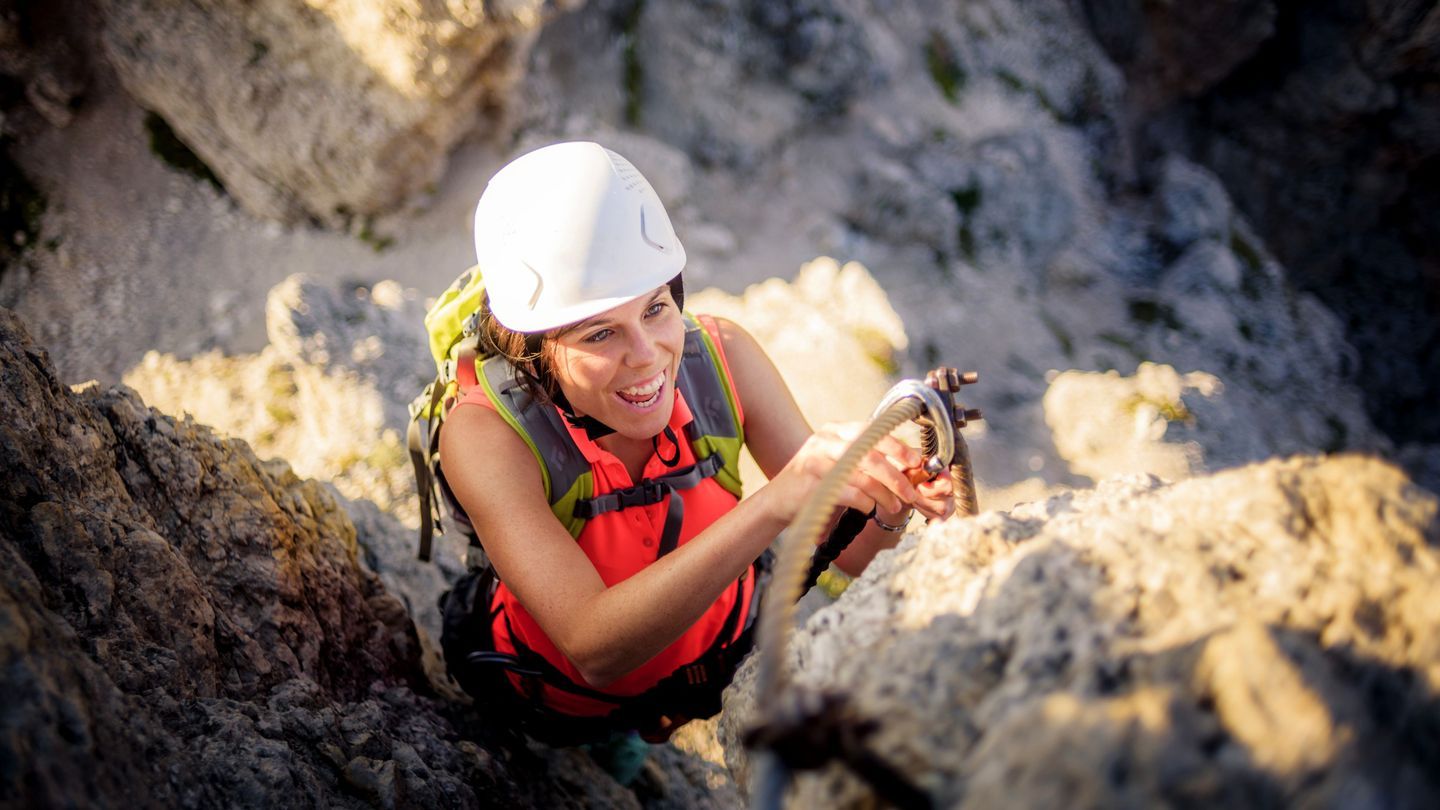
Via ferratas in Val Gardena – Dolomites
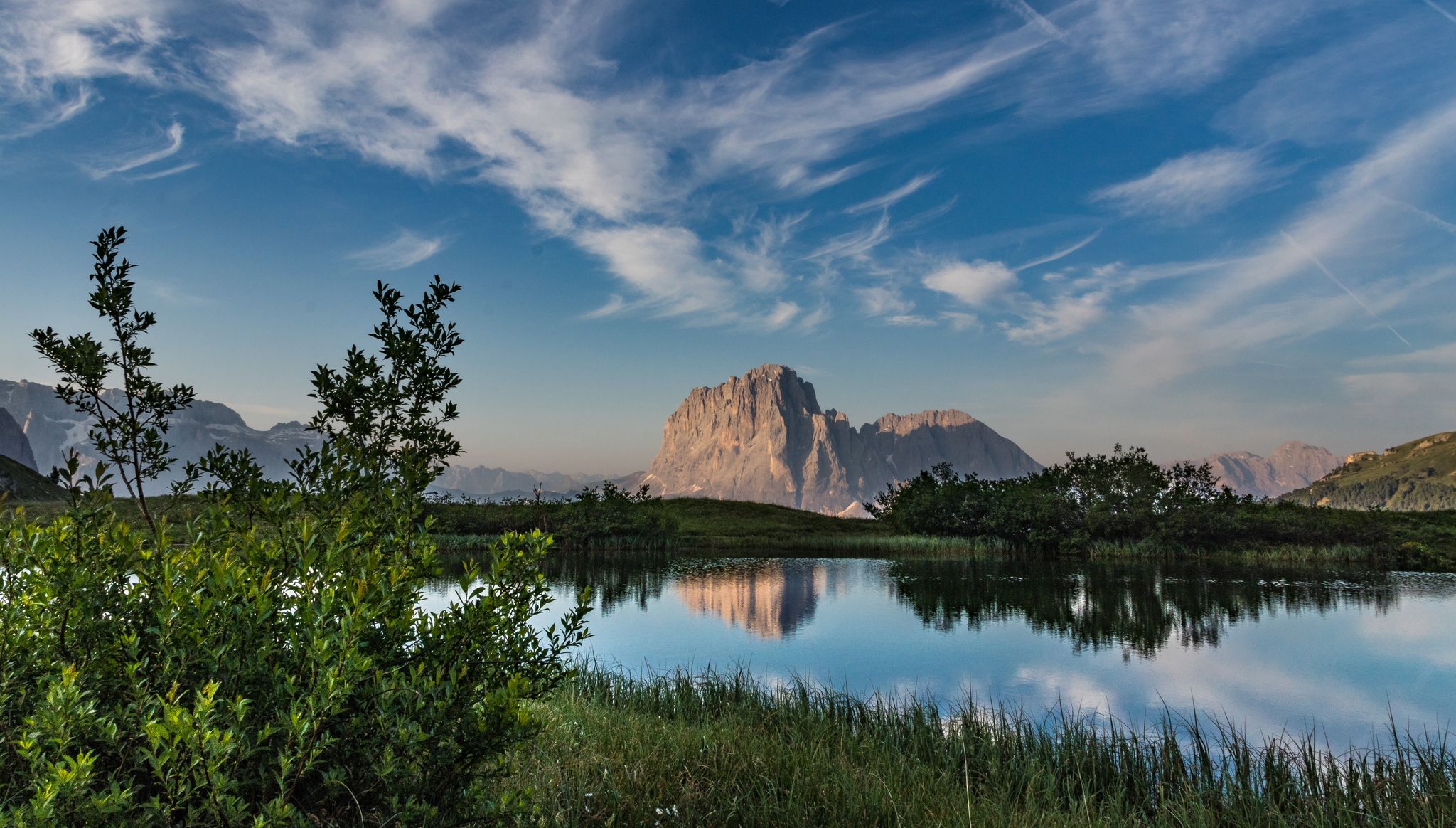
Secret Dolomites - beautiful spring in Val Gardena
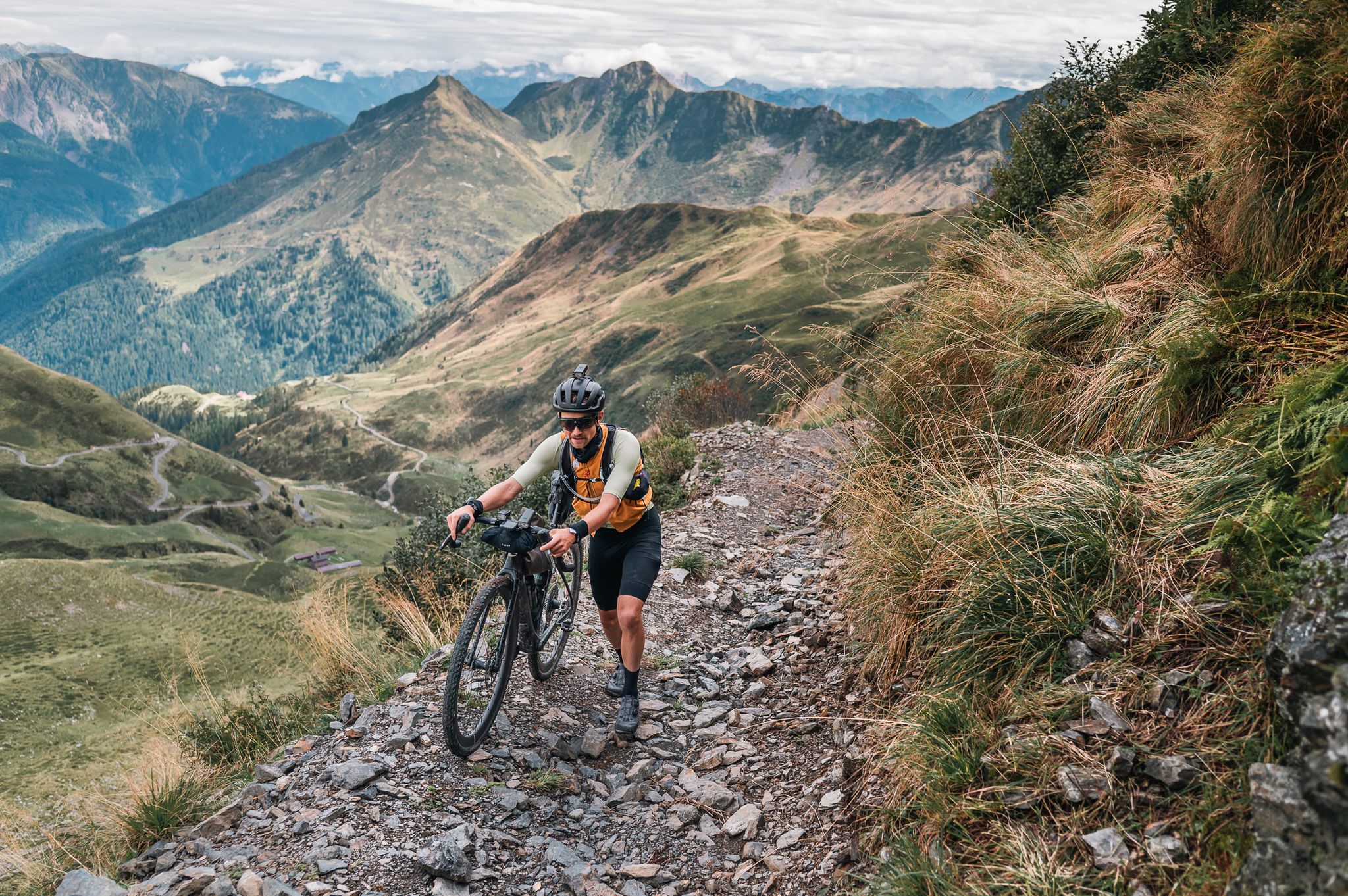
Sneak Peaks ADVENTURE 🥇
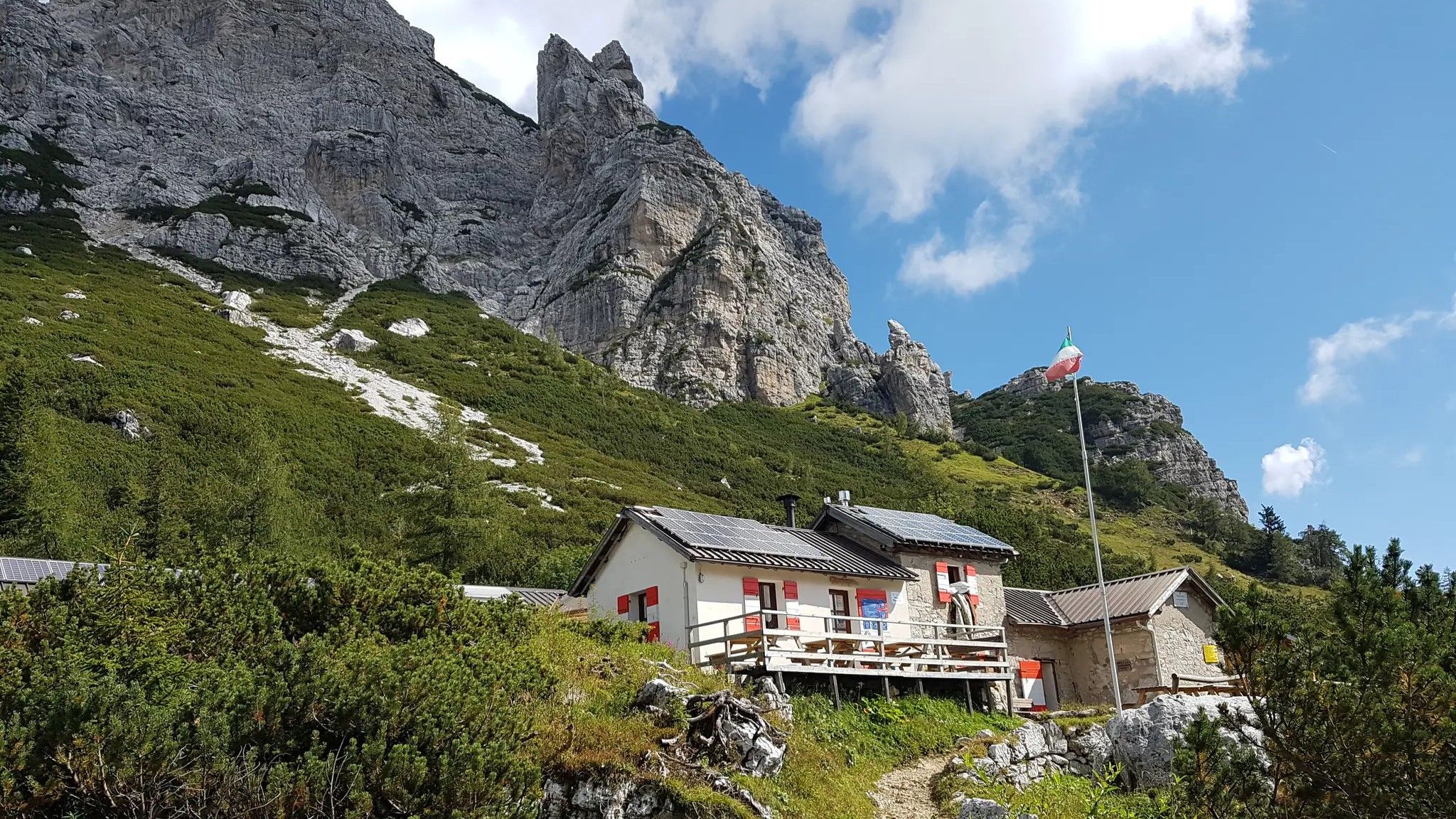
Alta Via Dolomiti Bellunesi – the wild Dolomiti Bellunesi National Park
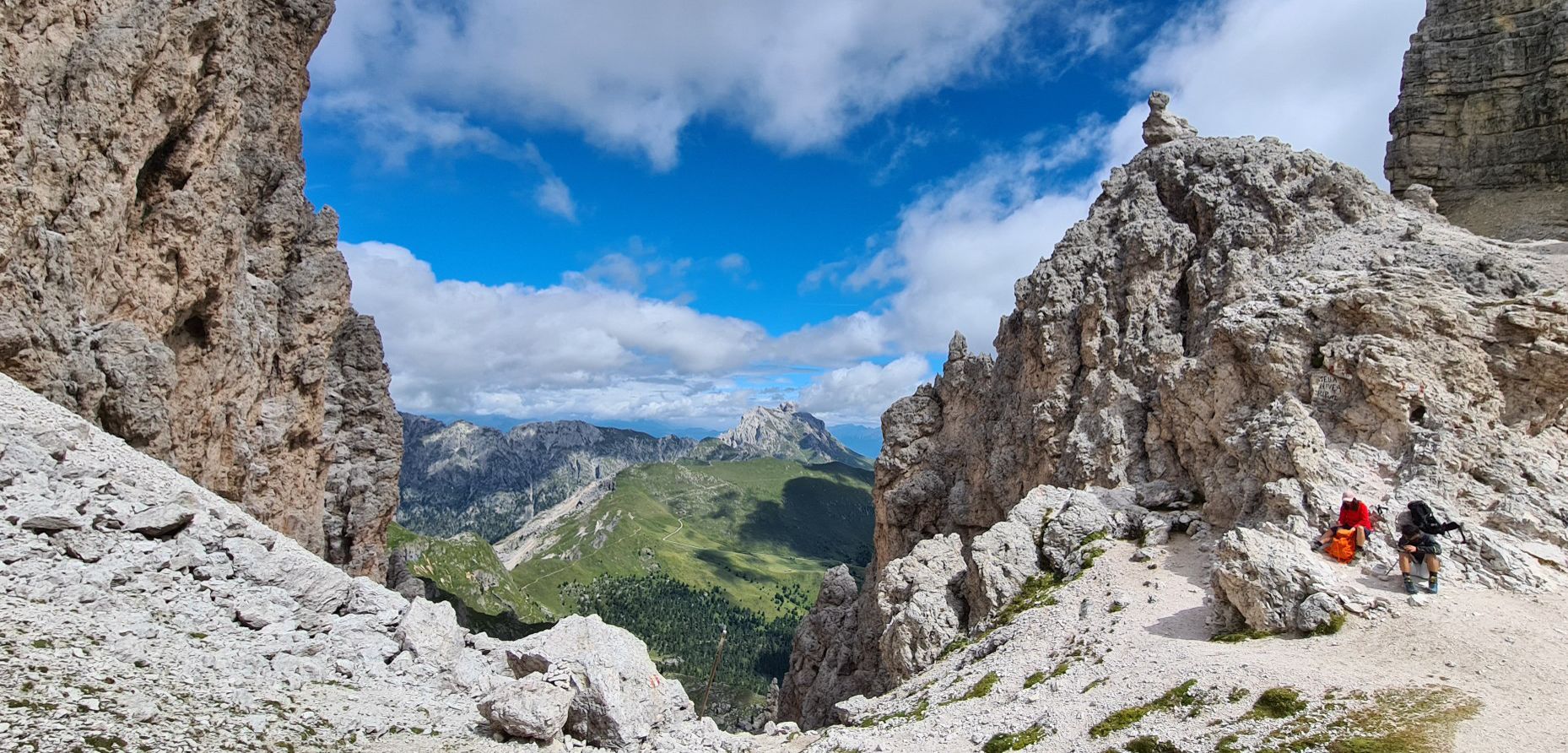
Puez-Odle Nature Park – Hike the Italian Dolomites
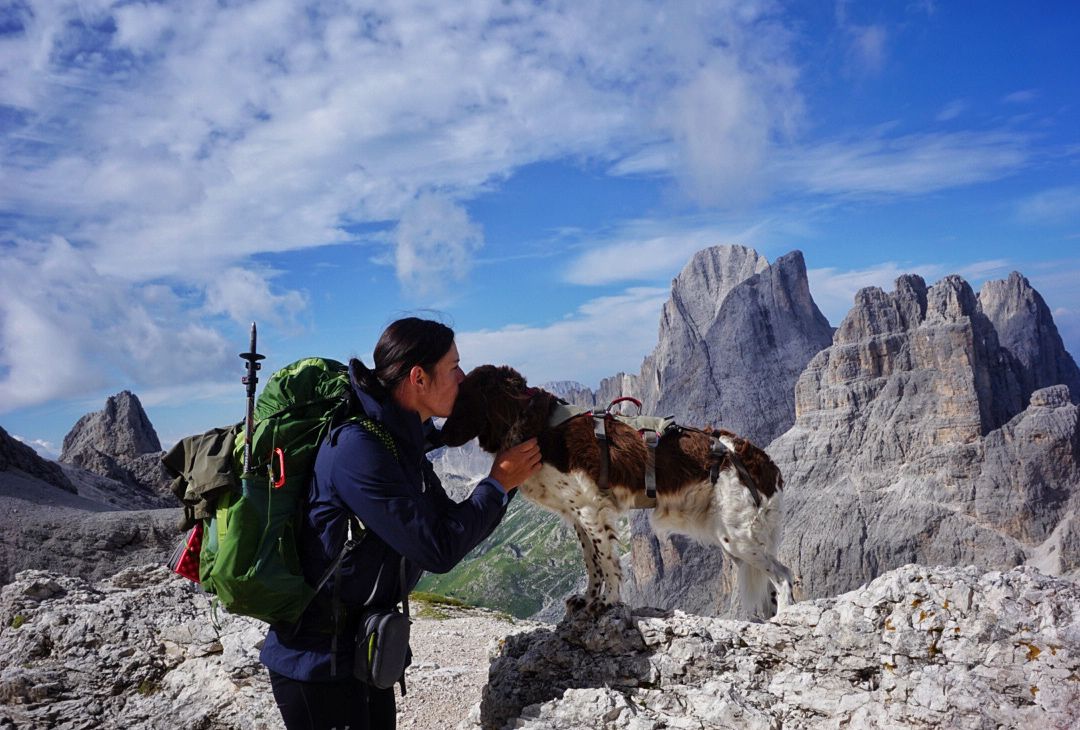
The extra-large Dolomites round – an out-of-this-world hiking adventure
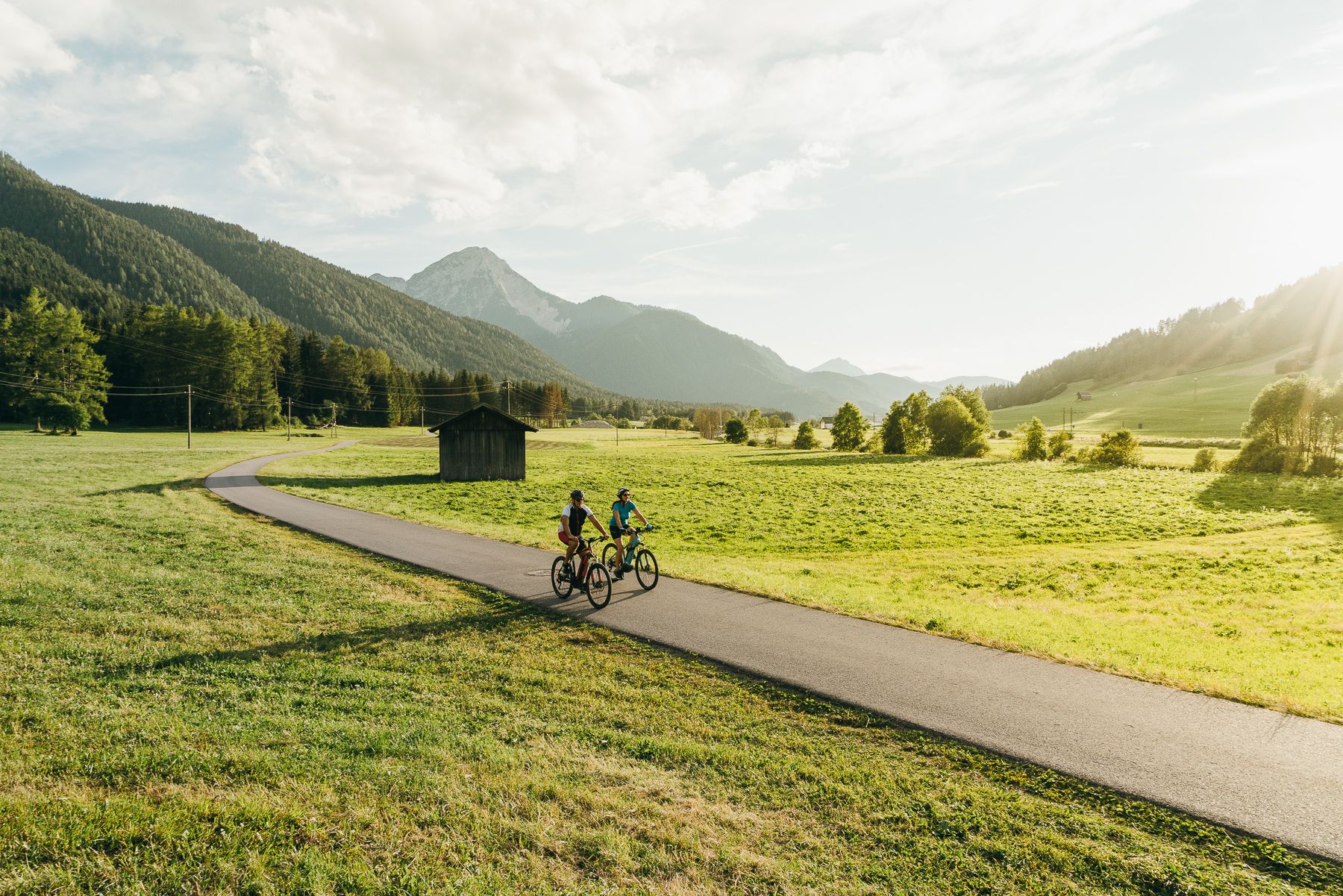
The River Drava Cycle Path – From the Dolomites to the vast landscapes of Pannonia
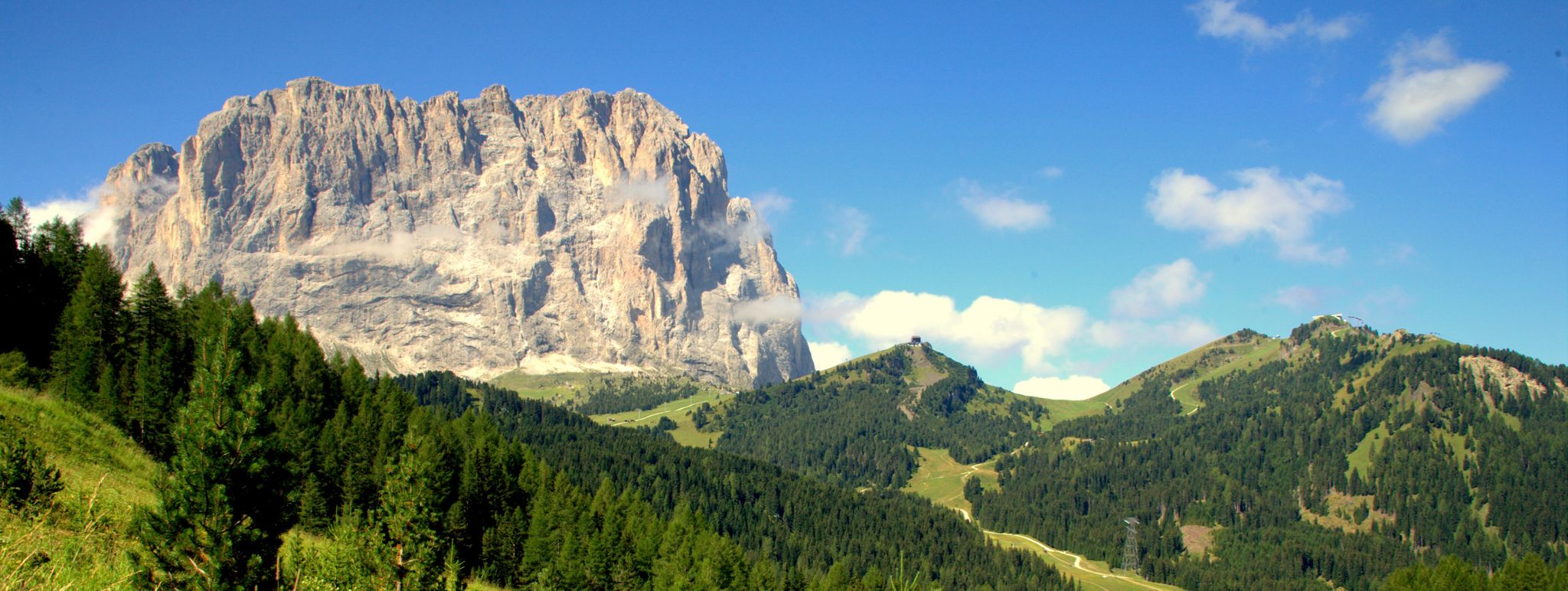
Via Venezia Alpina – hiking across the Alps to the Adriatic Sea
The Munich-Venice Long-Distance Cycle Path – A beautiful Alps crossing
Chasing the sun across the Alps — unsupported solo
Other adventures in the Dolomites


Tips from the Community

The Seiser Alm is the largest and probably most beautiful high alpine pasture in Europe.
0
0

Impressive Alpine peak panoramas
0
0

The Patern Saddle, also known as Forcella Lavaredo, lies at an altitude of approximately 2,454 meters between the Lavaredo Hut and the Dreizinnen Hut. It is one of the most famous viewpoints in the Sesto Dolomites and offers direct views of the imposing north faces of the Three Peaks. The pass is easily accessible, usually via the hiking trail from the Auronzo Hut, and is considered a key point on the classic circular route around the Three Peaks. Thanks to its location, it is not only a popular photo opportunity but also a place to linger before continuing on to the surrounding huts or embarking on more challenging mountain tours.
29
0
The western shore of Lake Wildsee is the most easily accessible area for visitors of all ages. The well-developed section of the circular trail here allows for barrier-free strolls and child-friendly short excursions.
16
0
Lake Braies (Italian: Lago di Braies) lies at an altitude of approximately 1,500 meters in the Prags Valley, a side valley of the Puster Valley. It is considered one of the most beautiful lakes in the region and is often called the "Pearl of the Dolomites" due to its clear, emerald green to turquoise-blue shimmering water. Surrounded by steep rock faces and dense forests, the lake offers an impressive natural backdrop and is one of the most photographed motifs in South Tyrol. It is approximately 1.2 kilometers long, up to 36 meters deep, and can be circumnavigated on foot in about an hour on a scenic circular path. Excursions in traditional wooden rowboats are particularly popular in summer, lending the lake a romantic character. In addition to its scenic beauty, the lake also has historical significance, as it was the scene of a liberation of concentration camp prisoners during World War II. An information panel about this is located at the entrance to the Chapel of St. Mary.
38
0
Here, at the foot of the Three Peaks, the Rienz river has its source at an altitude of 2180 m. In its upper reaches, the river initially crosses protected areas in the Three Peaks Nature Park and the Fanes-Sennes-Braies Nature Park, namely the short Rienz valley and then the Höhlenstein valley.
38
0
open: 28.06. – 28.09.2025 Mountain hut hosts: Pintossi Angelo family WhatsApp: +39 389 9076228
26
1

Here you can enjoy a relaxed hike
2
0
Frequently Asked Questions
What are some of the most iconic natural monuments to visit in the Dolomites?
The Dolomites are home to several iconic natural monuments. Among the most striking are the Seceda Summit, known for its knife-edged peaks and panoramic views of the Geisler peaks, and the Alpe di Siusi Plateau, Europe's largest and highest alpine plateau offering vast meadows with the majestic Sassolungo and Sciliar massifs as a backdrop. Another must-see is the area around the Tre Cime di Lavaredo, where you can find the Source of the Rienz River, providing broad views of these famous peaks.
Are there any family-friendly natural monuments in the Dolomites?
Yes, several natural monuments in the Dolomites are well-suited for families. Lake Braies, often called the 'Pearl of the Dolomites,' offers a scenic circular path suitable for all ages, and you can rent rowing boats in summer. The Alpe di Siusi Plateau is also very family-friendly, with its expansive rolling meadows perfect for gentle walks and enjoying the scenery. Additionally, Völser Weiher – Laghetto di Fiè is an idyllic lake suitable for swimming in summer and ice skating in winter, making it a great spot for family outings.
What kind of outdoor activities can I do near the natural monuments in the Dolomites?
The Dolomites offer a wide array of outdoor activities near its natural monuments. You can explore numerous hiking trails, such as the popular Tre Cime di Lavaredo Loop or the Panorama tour around Puflatsch on the Seiser Alm. For mountain biking enthusiasts, there are challenging routes like the Sellaronda on MTB or the Sassolungo and Sasso Piatto MTB Loop. You can find more details and routes in the Hiking in the Dolomites and MTB Trails in the Dolomites guides.
What is the geological significance of the Dolomites' natural monuments?
The Dolomites are a UNESCO World Heritage site primarily due to their exceptional geological and geomorphological value. The dramatic vertical walls, sheer cliffs, and deep valleys are a testament to significant geological processes. These landscapes provide evidence of Mesozoic carbonate platforms and the evolution of life over millions of years, showcasing spectacular forms like pinnacles, spires, and towers that contrast with horizontal ledges and plateaux. Areas like the Puez-Odle Nature Park are particularly rich in fossils, offering insights into an ancient sea that once covered the region.
When is the best time to visit the natural monuments in the Dolomites?
The best time to visit the natural monuments in the Dolomites largely depends on the activities you plan. Summer (June to September) is ideal for hiking, mountain biking, and enjoying the vibrant alpine flowers, with pleasant temperatures and longer daylight hours. Autumn (September to October) offers stunning fall foliage and fewer crowds. Winter (December to March) transforms the landscape into a snowy wonderland, perfect for winter hikes, skiing, and ice skating on frozen lakes like Völser Weiher.
Are there any natural monuments that offer unique viewpoints or photographic opportunities?
Absolutely. The Seceda Summit is renowned for its striking, knife-edged peaks that provide dramatic vistas, making it an ideal spot for impressive photographs of the Geisler peaks. Lake Braies, with its emerald green to turquoise-blue water surrounded by steep rock faces and dense forests, is one of the most photographed motifs in South Tyrol. The Lake Carezza (Karersee) is also famous for its vibrant colors and picturesque setting.
What are some of the natural parks in the Dolomites that feature significant natural monuments?
The Dolomites are home to several natural parks that encompass significant natural monuments. The Fanes-Sennes-Braies Nature Park features diverse landscapes, including rocky peaks, alpine meadows, and beautiful lakes like Lago di Braies. The Puez-Odle Nature Park is known for the stunning Geisler Group with its jagged spires. The Sciliar-Catinaccio Nature Park is defined by the iconic Schlern mountain and is adjacent to the Alpe di Siusi, offering magnificent flowers and diverse hiking opportunities. Additionally, the Dolomiti Bellunesi National Park is a wild area known for its rich biodiversity and deep gorges.
What do visitors enjoy most about the natural monuments in the Dolomites?
Visitors consistently praise the breathtaking and dramatic landscapes of the Dolomites. They appreciate the unique geological formations, the stunning panoramic views from summits like Seceda Summit, and the serene beauty of lakes such as Lake Braies. The vastness and tranquility of places like the Alpe di Siusi Plateau are also highly valued, offering a sense of peace and connection with nature. Many also enjoy the extensive opportunities for hiking and photography.
Are there any natural monuments in the Dolomites that are particularly good for circular walks?
Yes, the Dolomites offer several excellent options for circular walks around natural monuments. The classic circuit hike around the base of the Tre Cime di Lavaredo is a highly recommended immersive experience. Lake Braies has a beautiful circular path that allows you to circumnavigate the lake in about an hour. Additionally, the Hiking in the Dolomites guide features routes like the 'Pragser Wildsee (Lago di Braies) Loop Trail' and the 'Panorama tour around Puflatsch - Seiser Alm' which are popular circular options.
Can I find facilities like huts or restaurants near the natural monuments?
Many natural monuments in the Dolomites have facilities nearby. For instance, near the Tre Cime di Lavaredo, you can find Rifugio Antonio Locatelli and Auronzo Hut, which offer accommodation, food, and refreshments. Völser Weiher – Laghetto di Fiè also has a lakeside restaurant. These facilities often provide a welcome break during hikes and offer stunning views.
What are some lesser-known or 'hidden' natural monuments in the Dolomites?
While many natural monuments are well-known, the Dolomites still hold hidden gems. The Green Lake on the Fanes alps within the Fanes-Sennes-Braies Nature Park is a beautiful, less-frequented spot. The Fanes gorge, also in the same park, features stunning waterfalls that offer a more secluded experience. The deep gorges and quiet valleys of the Dolomiti Bellunesi National Park also provide opportunities to explore untouched natural beauty away from the main tourist trails.
Most popular routes in the Dolomites
Most popular attractions in the Dolomites

Get inspired with the komoot mobile app


Explore more
Extend your search for the best caves by checking out these guides of the top ones in the Dolomites:
