Attractions and Places To See in Alsace - Top 20
Best attractions and places to see in Alsace include a blend of historical landmarks, natural features, and charming settlements. This region in northeastern France is characterized by the Vosges Mountains to the west and the Rhine River to the east, offering diverse landscapes from forested peaks to vineyards. Its unique cultural heritage, influenced by both French and German traditions, is reflected in its architecture and local experiences. Visitors can explore medieval castles, picturesque villages, and significant natural parks.
Best attractions…
Last updated: October 11, 2026
Hohneck
Highlight • Summit
Translated by Google •
Tip by

Saint-Ulrich Castle
Highlight • Castle
Translated by Google •
Tip by

Sign up now to discover places like this
Get recommendations on the best single tracks, peaks, & plenty of other exciting outdoor places.
Sentier des Roches
Highlight (Segment) • Trail
Showing Translation
Tip by

Hohenbourg Castle
Highlight • Viewpoint
Translated by Google •
Tip by

Strasbourg Cathedral
Highlight • Religious Site
Translated by Google •
Tip by

Wissembourg
Highlight • Settlement
Translated by Google •
Tip by

Riquewihr
Highlight • Settlement
Translated by Google •
Tip by

Istein Rapids
Highlight • River
Translated by Google •
Tip by

Château du Loewenstein
Highlight • Historical Site
A very beautiful ruin with a wonderful view from both platforms.
Translated by Google •
Tip by

Ribeauvillé
Highlight • Settlement
Translated by Google •
Tip by

Sign up for free to discover even more attractions in Alsace.
Already have an account?
Start today with a free account
Your next adventure awaits.
Popular around Alsace
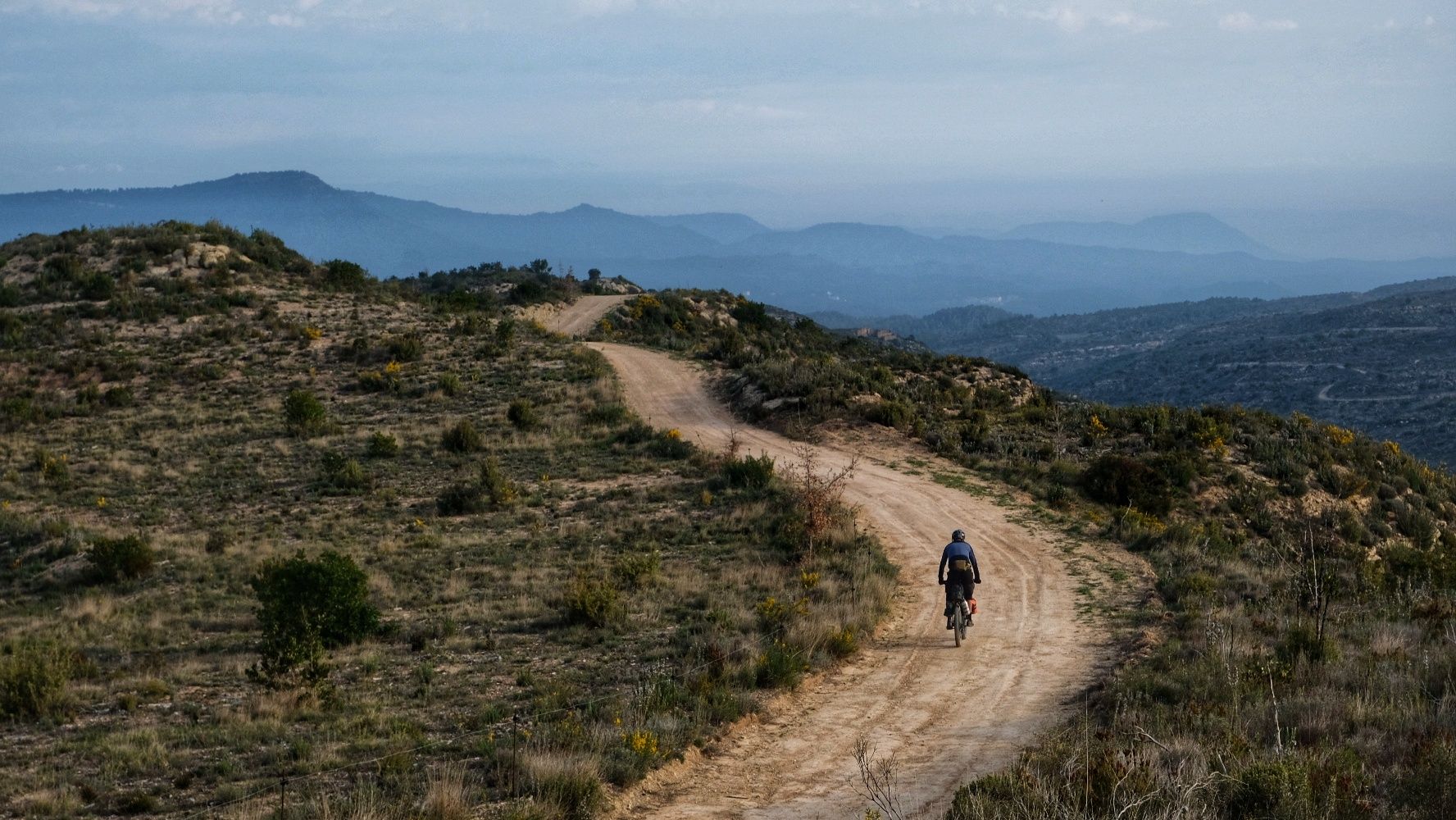
European Divide Trail — 7,600 km across the continent
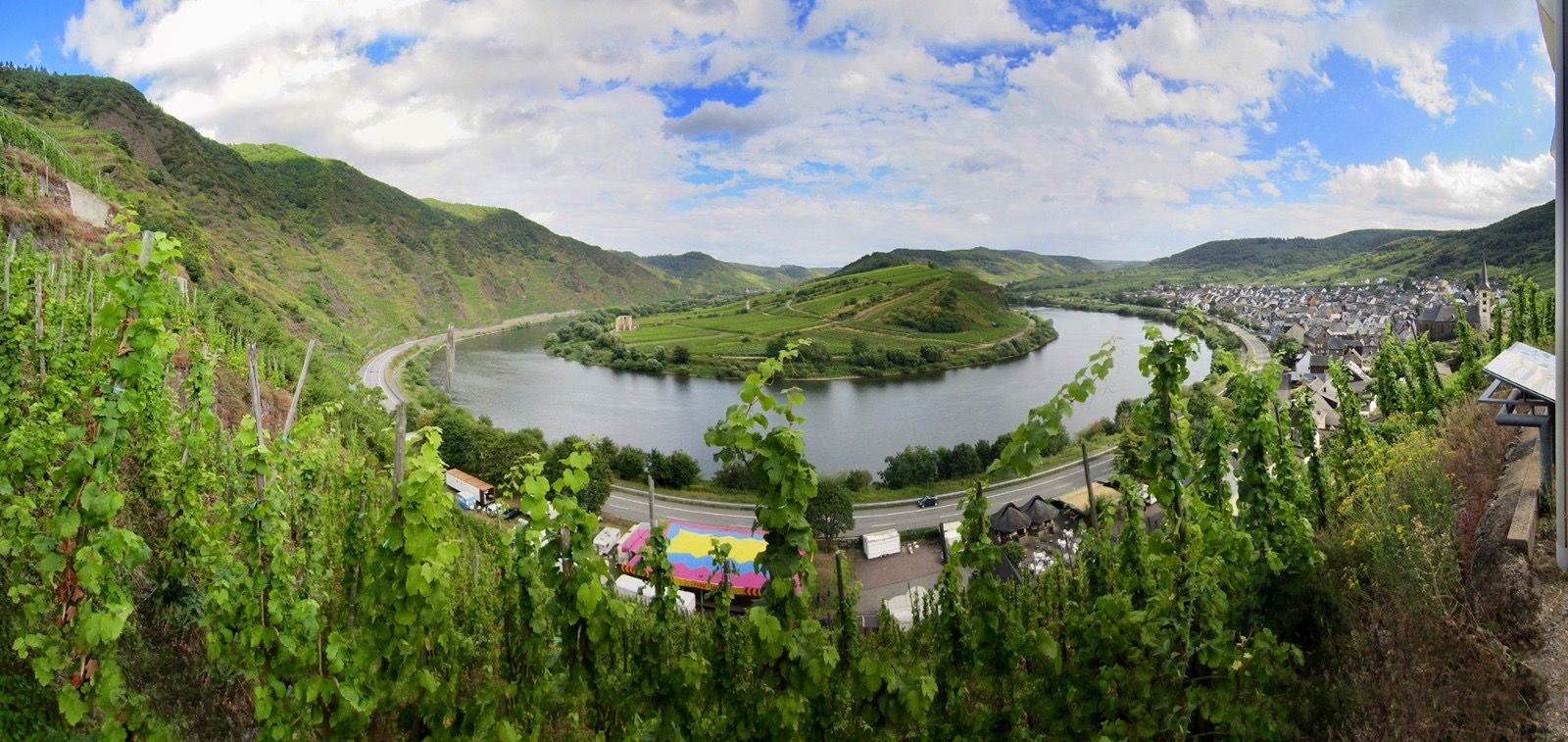
The Moselle cycle path — from the Vosges to the Rhine in 18 stages
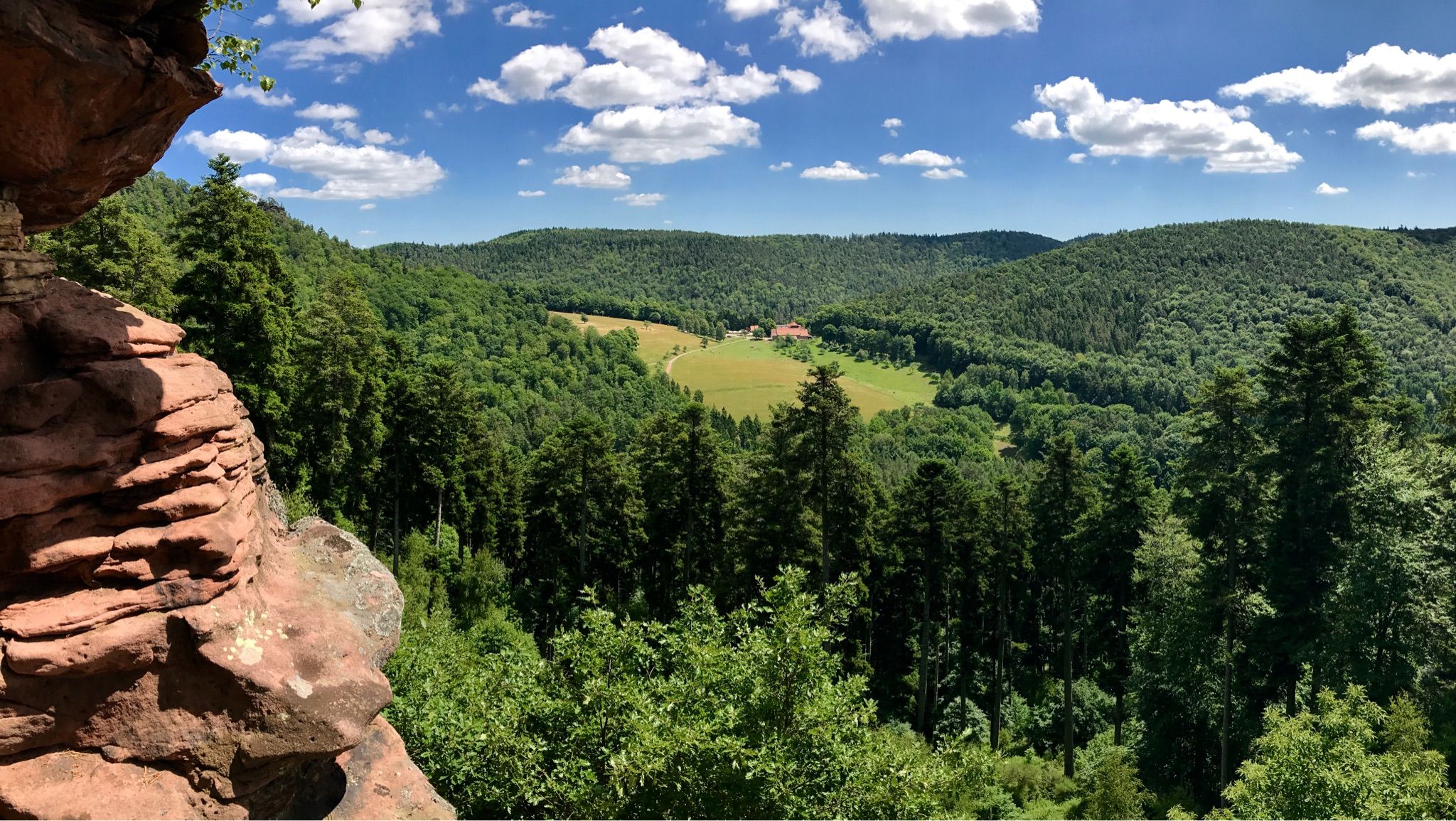
Hike the GR 53 – Explore castles along the Franco-German border
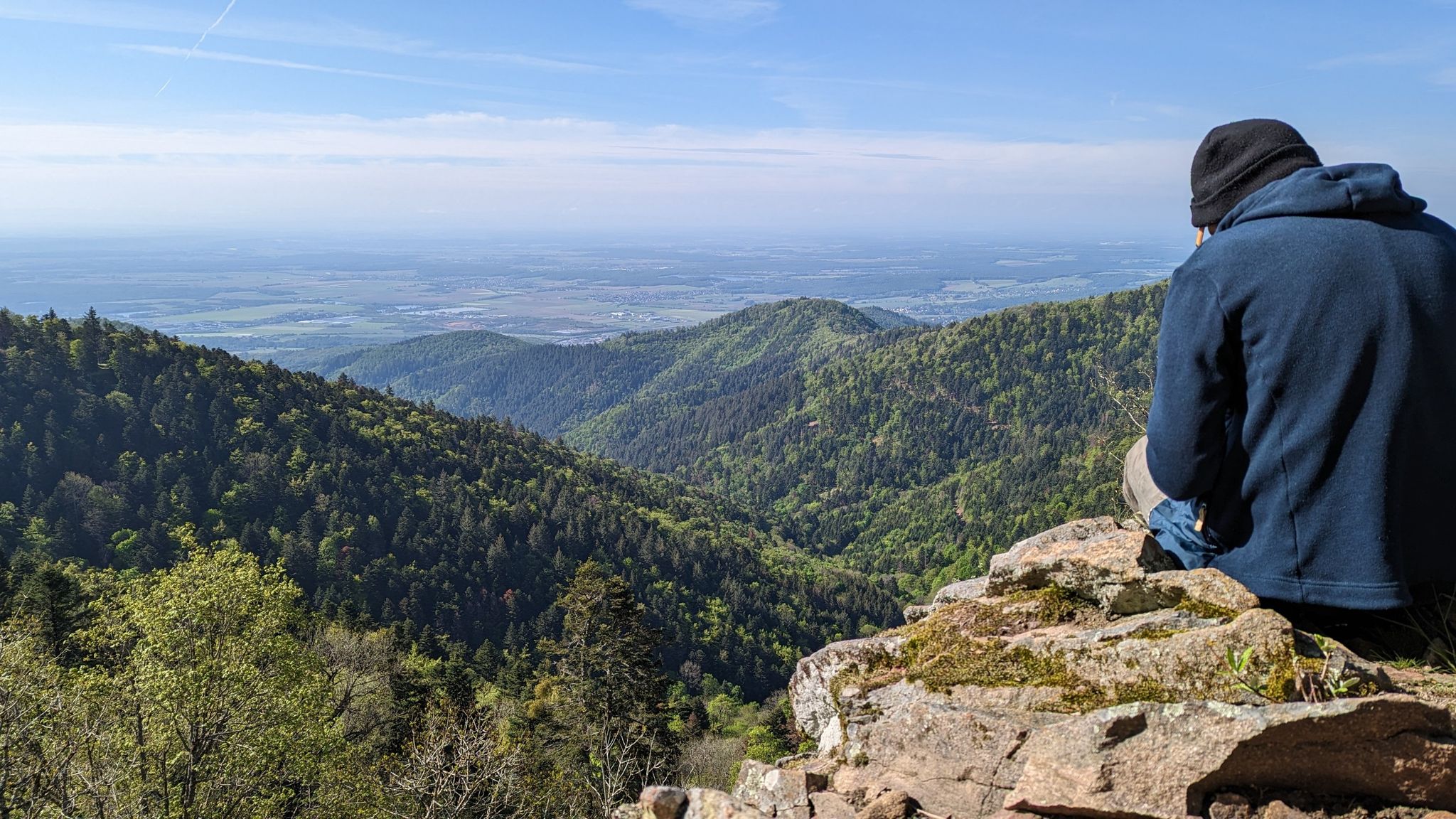
Sentier de l'Europe (GR 5) – Montbéliard to Abreschviller
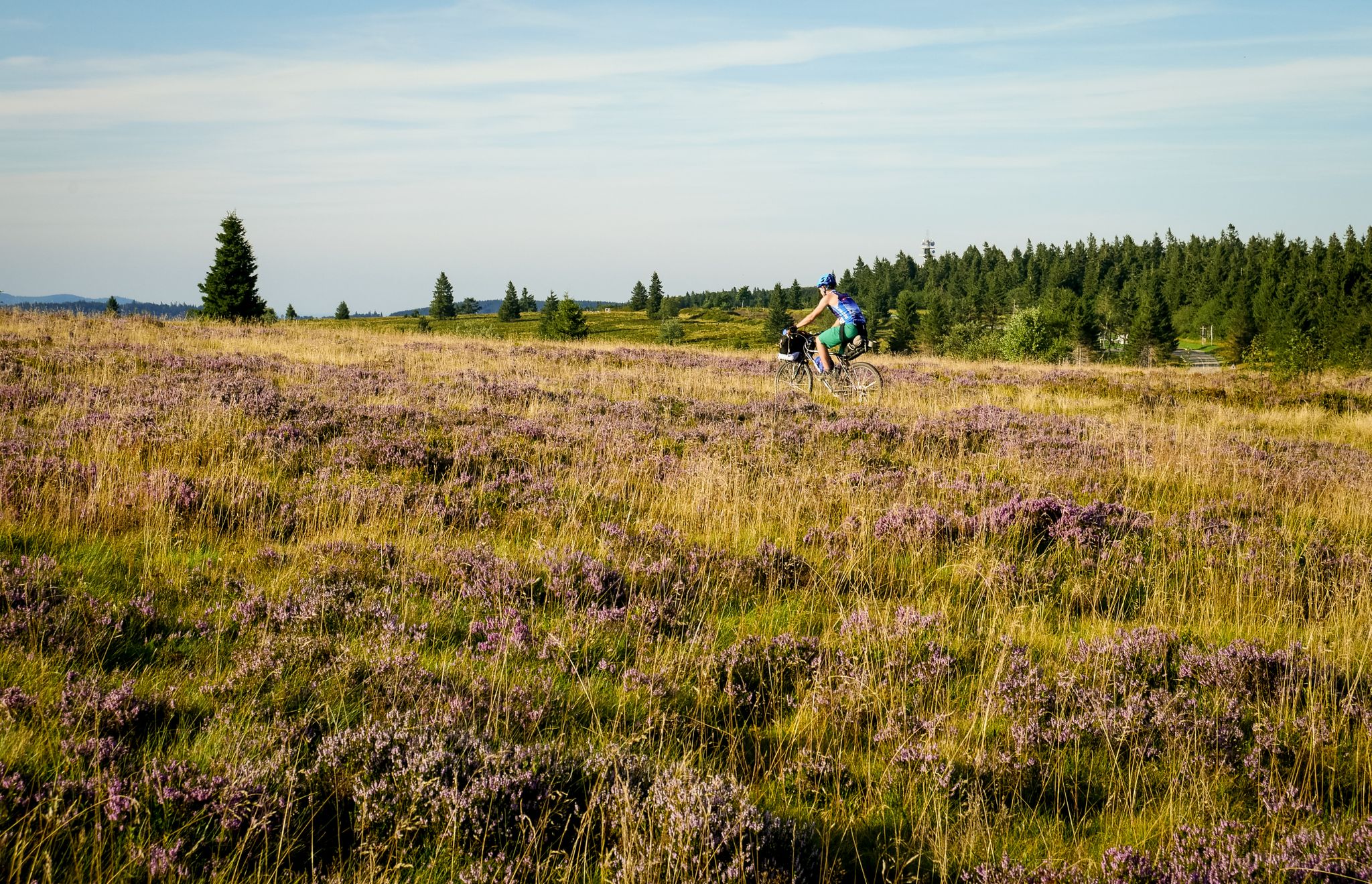
Traversée du Massif Vosgien — Alsace bikepacking
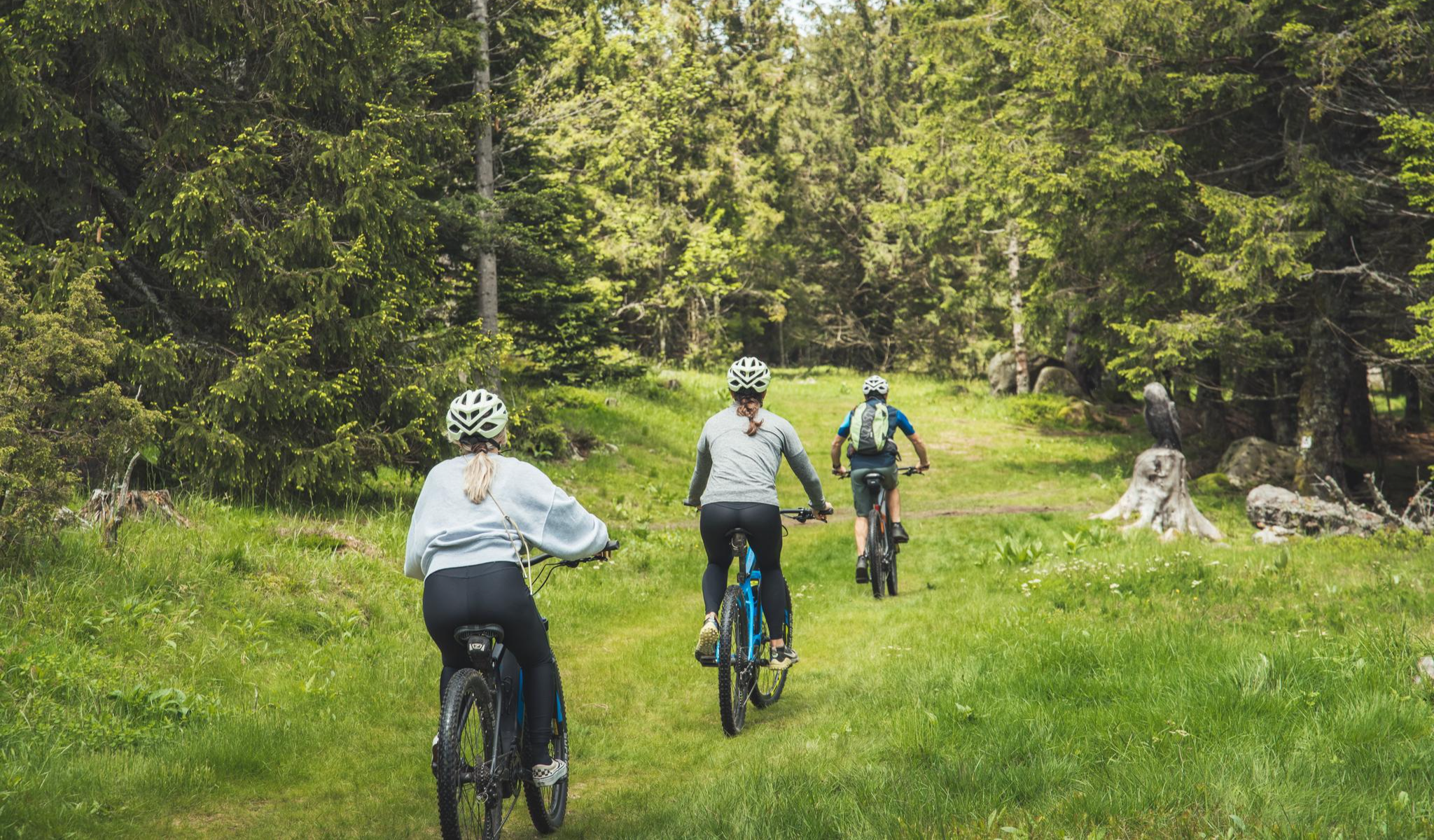
MTB and gravel in the Grand Est – the joy of the low mountains
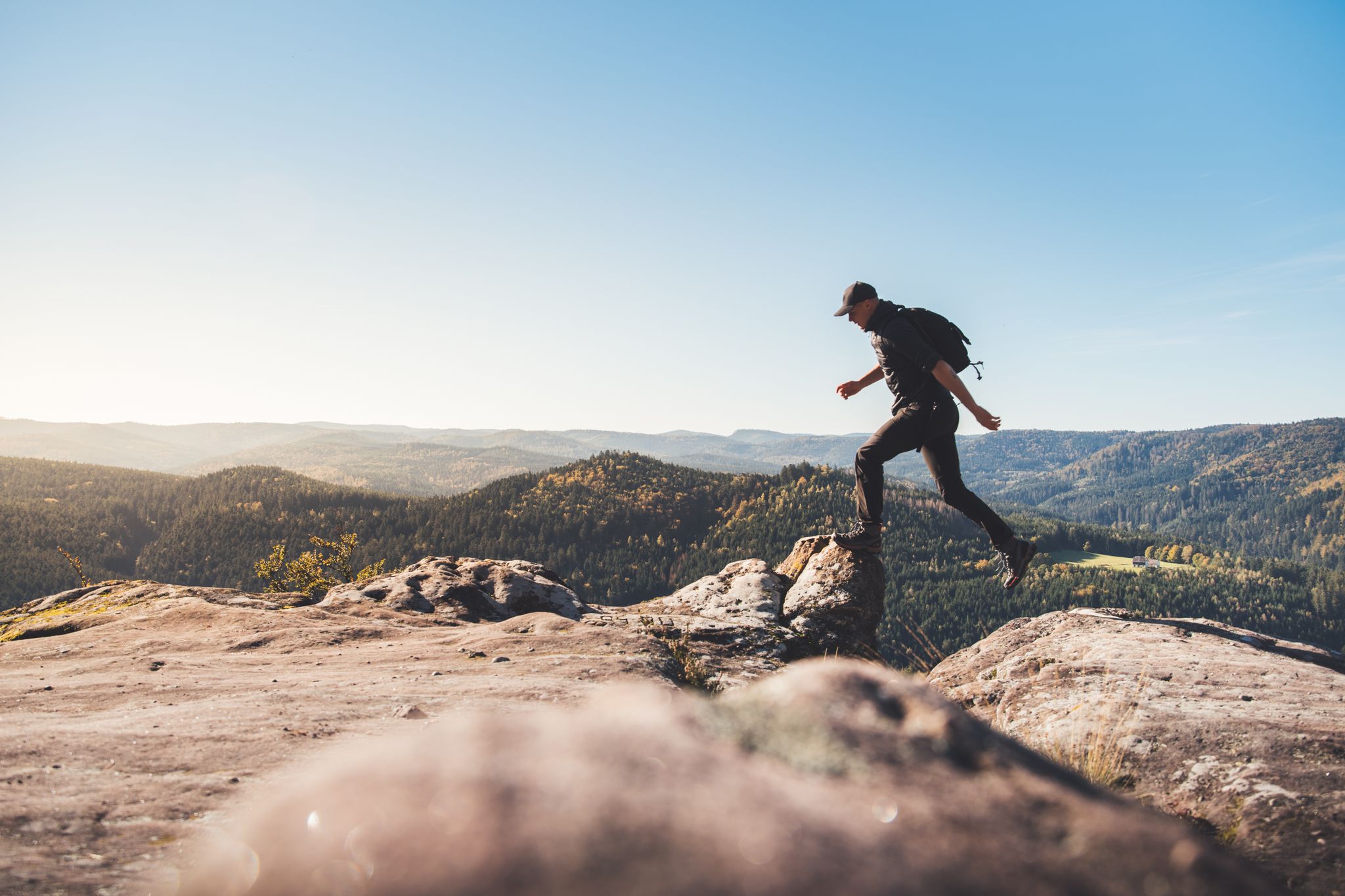
Trail running in the Grand Est – the region's most beautiful hilly trails
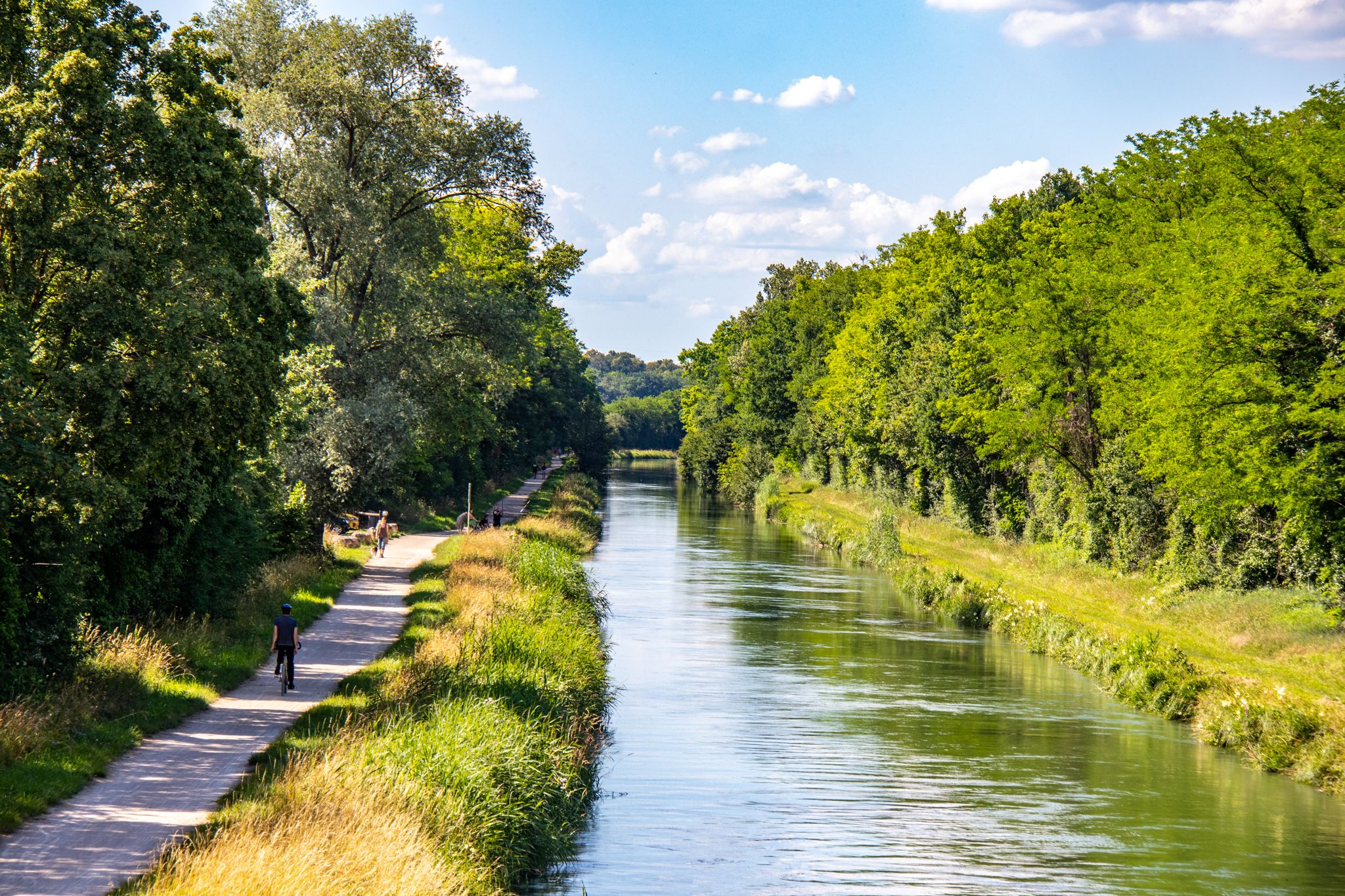
EuroVelo 6 – between the Rhine and the Loire by bike
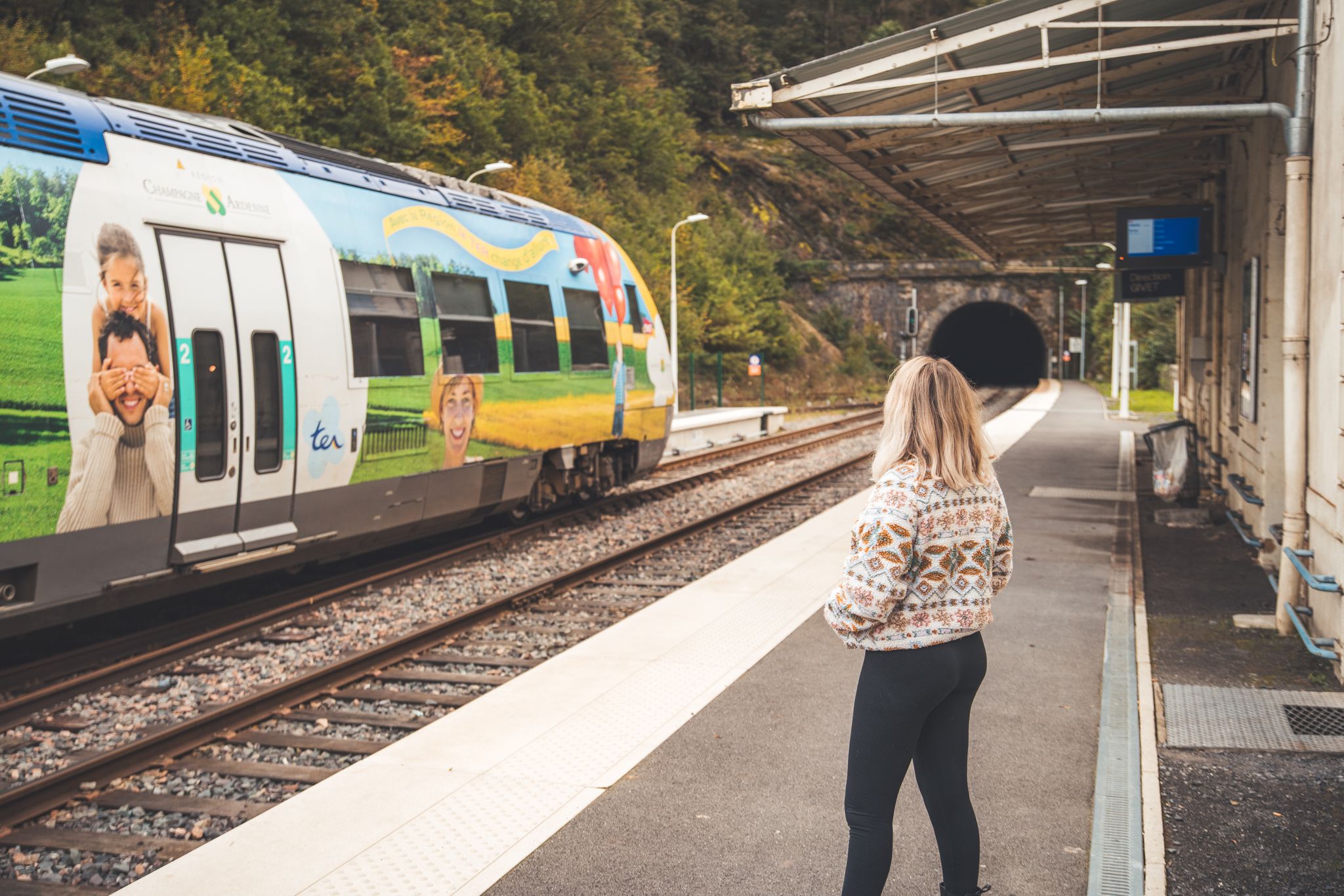
The Grand Est without a car – cycling from station to station
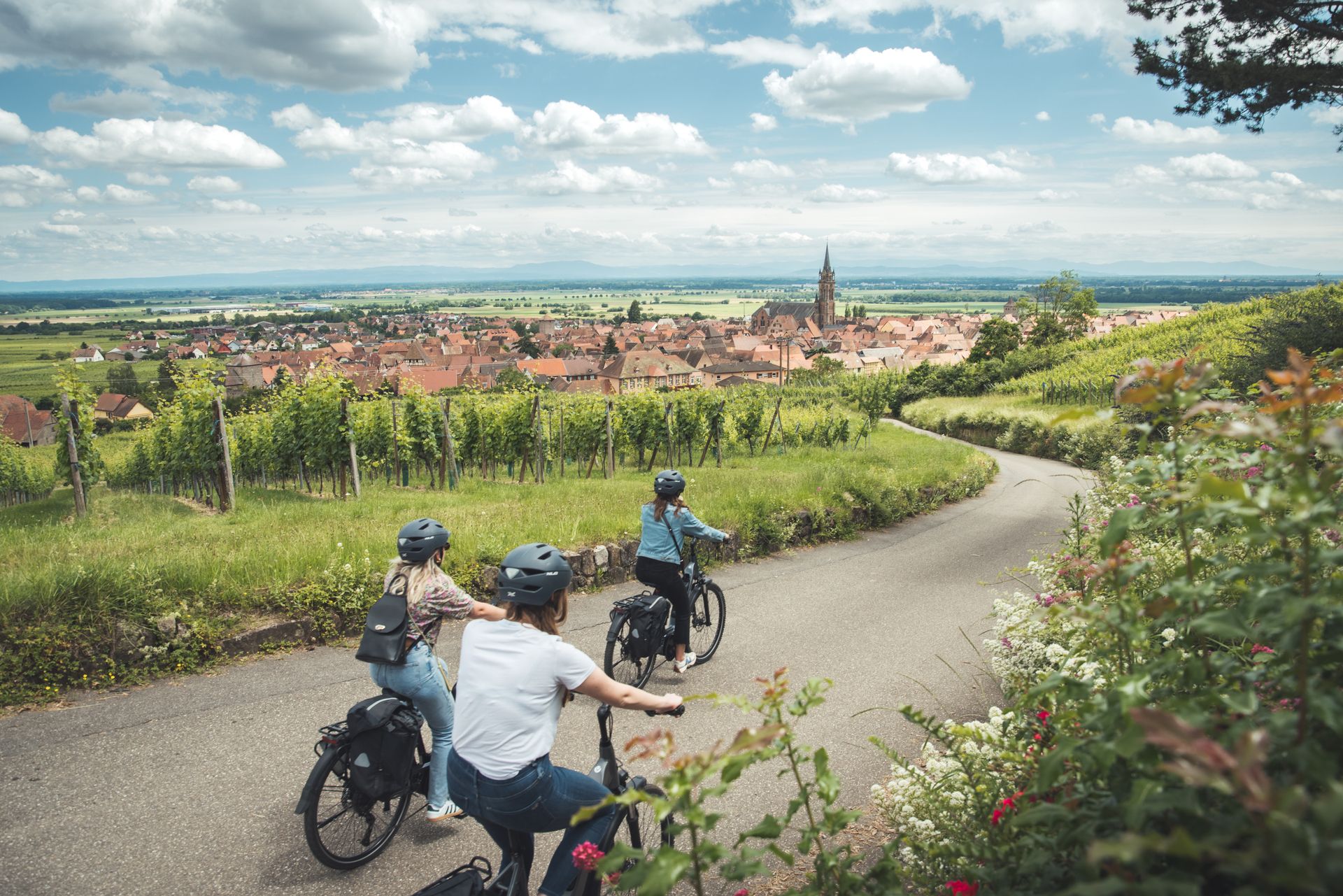
Wine getaways in the Grand Est — cycling between hillsides and traditions
Other adventures in Alsace


Tips from the Community

ATTENTION: Sentier des Roches is closed from 1 November until 30 April.
4
1

Saunt Ulric Castle is the largest of the three ruins. It is currently undergoing partial renovation. A small section is cordoned off, and caution is advised in other areas. However, the keep is accessible.
6
0
A charming Alsatian village with approximately 4,700 inhabitants. The old town is well worth seeing with its colorful houses. Ribeauvillé is also very popular because of the hike to its three castle ruins that overlook the town.
9
0

Ulrichsburg is the most impressive and best-preserved of the three castles. It was built on the rocky promontory around the mid-13th century. Until the 15th century, it was the residence of the Rappoltstein family and therefore has little military significance. Remains still visible today include: - the square keep and the main building (12th century), - the knights' hall and the large residential tower (13th century), - the barbican in front of the entrance and the outer wall (14th century), - the Chapel of Saint Ulrich (15th century). Girsberg Castle, built around 1250 opposite Ulrichsburg, was intended to strengthen its defenses.
6
0

Quite well preserved castle with a beautiful view of Fleckenstein Castle and, in the other direction, of Wegelnburg.
9
4

Beautiful castle ruins, the view of the vineyards and the Rhine plain is gigantic. The climb is very varied, but not without its challenges! There are a few short rocky passages that can be slippery, especially when wet, and may need to be managed with the help of your hands. Good footwear is definitely recommended.
8
1

The Château de Saint-Ulrich is an impressive ruined castle located near Ribeauvillé in Alsace, France. The castle was built in the 11th century and sits on a rock high above the surrounding countryside. The Château de Saint-Ulrich consists of various ruins and remains, including parts of the defensive walls, towers and residential buildings. It is a remarkable example of medieval architecture and offers magnificent panoramic views of the vineyards and Alsace. The castle played a significant role in the history of the region and was owned by the Lords of Ribeaupierre, a noble family that played an important role in Alsace. Over the centuries, the Château de Saint-Ulrich was destroyed and rebuilt several times until it was finally abandoned in the 17th century.
8
1

Built between 1176 and 1439, this Gothic-style cathedral stands out with its unique spire. This is what made it the tallest monument in the Christian world in the 15th century. Embedded in the middle of the surrounding buildings, its view overwhelms when seen at the bend of a street.
25
1
Frequently Asked Questions
What are some popular hiking trails in Alsace?
Alsace offers a variety of hiking experiences. For a challenging adventure, consider the Sentier des Roches, known for its alpine character and stunning views. If you're looking for easier options, komoot offers several easy hikes in Alsace, including loops around the Parc Naturel Régional des Ballons des Vosges or the Poissonnerie district in Colmar. For mountain enthusiasts, there are also mountain hikes that lead to peaks like Hohneck, offering panoramic vistas.
Which historical castles can I visit in Alsace?
Alsace is renowned for its medieval castles. The Saint-Ulrich Castle near Ribeauvillé is the largest and best-preserved of the three castles in the area, offering extensive ruins and views. Other notable castles include the beautifully restored Château du Haut-Koenigsbourg, Château de Fleckenstein, Château du Haut-Barr, Château du Hohlandsbourg, and Hohenbourg Castle, which provides a great view of Fleckenstein Castle. Many of these castles are set on rocky outcrops, providing impressive historical sites and viewpoints.
What are the must-see cities and villages in Alsace?
For vibrant city life, visit Strasbourg, a UNESCO World Heritage site known for its historic Grande Île, the picturesque Petite France quarter, and the magnificent Strasbourg Cathedral. Colmar charms visitors with its 'Little Venice' area and colorful half-timbered houses. Along the Alsace Wine Route, don't miss the enchanting villages of Riquewihr, Eguisheim, Ribeauvillé, and Kaysersberg, all famous for their historic charm and wine-tasting opportunities. Wissembourg, on the German border, also offers medieval ramparts and Gothic churches.
Are there family-friendly attractions in Alsace?
Yes, Alsace offers many family-friendly options. The Strasbourg Cathedral is a fascinating historical site for all ages. The Canal du Rhône au Rhin Tree-Lined Path is perfect for leisurely walks or bike rides. The Istein Rapids on the Rhine River offer natural beaches and a scenic viewpoint. The Écomusée d'Alsace, an open-air museum, provides an immersive experience into rural Alsatian life with historic buildings and working farms, which is great for kids.
Where can I find the best natural viewpoints or scenic spots in Alsace?
The Vosges Mountains offer numerous breathtaking viewpoints. Hohneck, one of the highest peaks, provides panoramic views over the Vosges and surrounding areas. The Route des Crêtes, built during WWI, offers stunning vistas across the northern Vosges massif, including the Grand Ballon, Alsace's highest point. The Istein Rapids on the Rhine also provide a scenic natural setting with gravel banks. Don't forget the picturesque Alsace Vineyards, especially along the Wine Route, which offer beautiful rolling landscapes.
What is the Alsace Wine Route?
The Alsace Wine Route is a famous scenic path that meanders through the foothills of the Vosges Mountains, connecting numerous charming wine villages and vine-covered landscapes. It's an ideal way to explore the region's renowned vineyards, sample local white wines like Riesling and Gewürztraminer, and experience the unique Alsatian culture and gastronomy in traditional 'winstubs'.
Are there wheelchair-accessible attractions in Alsace?
Yes, some attractions in Alsace are wheelchair-accessible. The Strasbourg Cathedral is noted as being wheelchair-friendly. In Strasbourg, the Barrage Vauban, a 17th-century covered bridge, also has an accessible rooftop offering city views. When planning your visit, it's always advisable to check specific accessibility details for each location.
What outdoor activities can I do near these attractions?
Beyond sightseeing, Alsace provides excellent opportunities for outdoor activities. You can find numerous hiking trails, ranging from easy strolls to challenging mountain routes in the Vosges. Cycling is also popular, with paths like the Véloroute du Rhin and the Voie verte Portes Bonheur. For mountain biking enthusiasts, there are dedicated MTB trails in Alsace, such as the La Petite-Pierre loop or routes in the Thalbach Valley.
What are some unique cultural sites in Alsace?
Alsace boasts a rich cultural heritage. Beyond the major cities, you can explore the Riquewihr, a perfectly preserved medieval village. The Humanist Library in Sélestat is one of Europe's oldest public libraries, housing rare manuscripts. The UNESCO-listed fortified town of Neuf-Brisach, built by Vauban, is known for its unique star-shaped citadel. The Mont Sainte-Odile, an ancient abbey in the Vosges, is a significant spiritual site with stunning views.
What is the best time to visit Alsace?
The best time to visit Alsace depends on your interests. Spring and autumn offer pleasant weather for hiking and exploring the vineyards, with autumn being particularly beautiful during the grape harvest. Summer is ideal for enjoying outdoor activities and festivals. For a magical experience, visit in December to explore the famous Christmas markets in Strasbourg, Colmar, and Mulhouse.
Are there any natural parks in Alsace?
Yes, Alsace is home to significant natural parks. The Parc Naturel Régional des Vosges du Nord and the Ballons des Vosges Regional Natural Park are vast protected areas. These parks offer diverse landscapes, including forested peaks, alpine meadows, and picturesque lakes like Lac Vert, Lac Noir, and Lac des Truites, providing excellent opportunities for hiking, cycling, and nature observation.
What are some lesser-known attractions or 'hidden gems' in Alsace?
Beyond the main tourist hubs, Alsace has several hidden gems. The Château du Loewenstein, though a ruin, offers a glimpse into medieval history. The Nideck Waterfall is a beautiful natural spot with a 25-meter drop. The 'Route de la Potasse' near Ensisheim showcases former potash mining villages and preserved shafts, offering a unique historical perspective on the region's industrial past.
Most popular routes in Alsace
Most popular attractions in Alsace

Get inspired with the komoot mobile app


Didn’t find what you were looking for?
Are you keen on exploring more awesome places nearby? Browse our guides:
Explore more
Still not found the Highlight you’re looking for? See guides of the top attractions in other regions:
