Top 20 Caves in Sicily
Caves in Sicily offer a diverse range of subterranean experiences across the island's varied landscape. Sicily features a rich geological history, from volcanic formations to ancient karstic systems and coastal grottoes. These natural features have also served as historical sites, including prehistoric dwellings and places of legend. The island's caves provide insights into both natural processes and human history.
Best caves in Sicily
- The most popular caves is Ear of Dionysius, a historical site and natural monument. This cave is known for its extraordinary acoustics, amplifying sounds significantly.
- Another must-see spot is Uzzo Cave, a cave and historical site. It is a large cave, notable for its size and evidence of past habitation.
- Visitors also love Serracozzo Cave, a lava tube cave on a volcano. It is recognized as a lava tube with openings that allow light to enter.
- Sicily is known for prehistoric dwellings, lava tubes, and marine caves. The island offers a variety of cave types to explore, showcasing diverse geological and historical significance.
- The caves in Sicily are appreciated by the komoot community, with over 390 upvotes and 160 photos shared.
Last updated: October 9, 2026
Uzzo Cave
Highlight • Cave
Translated by Google •
Tip by

Sanctuary of Saint Rosalia
Highlight • Religious Site
Translated by Google •
Tip by

Sign up now to discover places like this
Get recommendations on the best single tracks, peaks, & plenty of other exciting outdoor places.
Serracozzo Cave
Highlight • Cave
Translated by Google •
Tip by

Ear of Dionysius
Highlight • Cave
Translated by Google •
Tip by

Calamosche Beach
Highlight • Beach
Translated by Google •
Tip by

Anapo Valley
Highlight (Segment) • Gorge
Translated by Google •
Tip by

Zingaro Nature Reserve
Highlight • Natural Monument
If you decide to take the path, be aware that there are no comfortable coastal roads that lead you through the reserve. This is what makes the Zingaro so charming - the wilderness remains untouched here. It is worth starting early, especially in midsummer, as the sun can be merciless in the midday hours. Sturdy shoes and plenty of water are essential in your backpack.
It is also interesting that this nature reserve emerged from a fight against the construction of a coastal road. Thanks to the commitment of the population, the Zingaro was designated as the first nature reserve in Sicily in 1981. It is a symbol of resistance and love of nature that is still protected and cared for today.
Although a fire destroyed large parts of the reserve in 2012, nature is slowly recovering. Particularly impressive is Monte Speziale, the highest elevation of the Zingaro, from which you can see as far as San Vito Lo Capo in good weather.
The path along the coast is not a strenuous mountain tour, but an impressive hike through a piece of nature that is unparalleled in its pristine state.
Translated by Google •
Tip by

Grotta di Mastro Peppe Siino
Highlight • Cave
The path there is adventurous and leads through a rough but beautiful landscape. From the cave entrance you have an impressive view of the sea, which beautifully sets off the contrast between the rough rocky landscape and the calm, blue waters of the Mediterranean.
As you explore the caves you will discover the traces of times gone by that are carved in stone here. A real highlight for hikers who are equally enthusiastic about history and nature.
Translated by Google •
Tip by
Bue Marino Cove
Highlight • Beach
Translated by Google •
Tip by

Ascent to Grotta dei Lamponi
Highlight • Cave
Tip by

Sign up for free to discover even more caves in Sicily.
Already have an account?
Start today with a free account
Your next adventure awaits.
Popular around Sicily
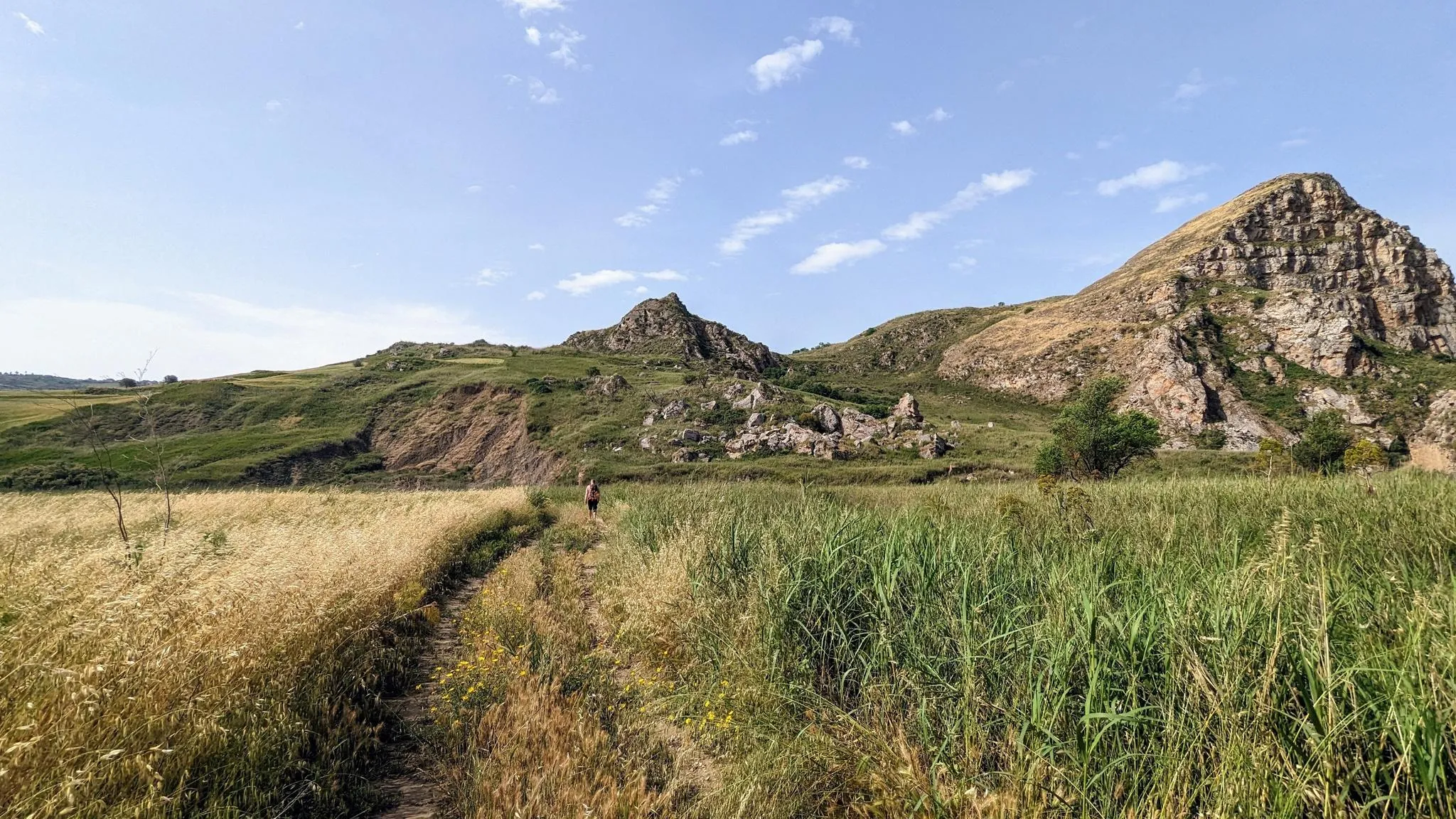
Magna Via Francigena – Sicily between the two seas
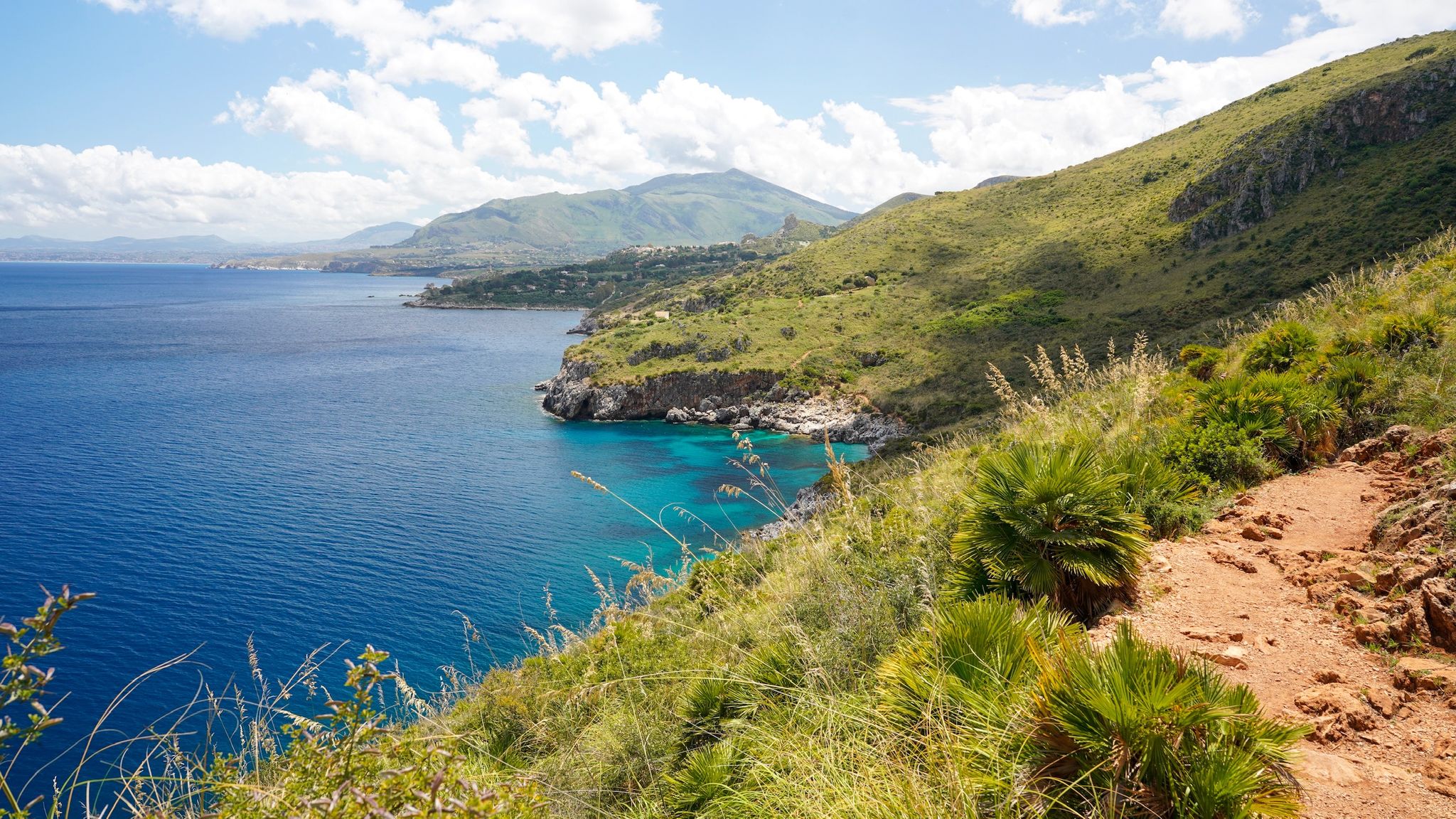
Sentiero Italia – Sicily's natural and artistic treasures
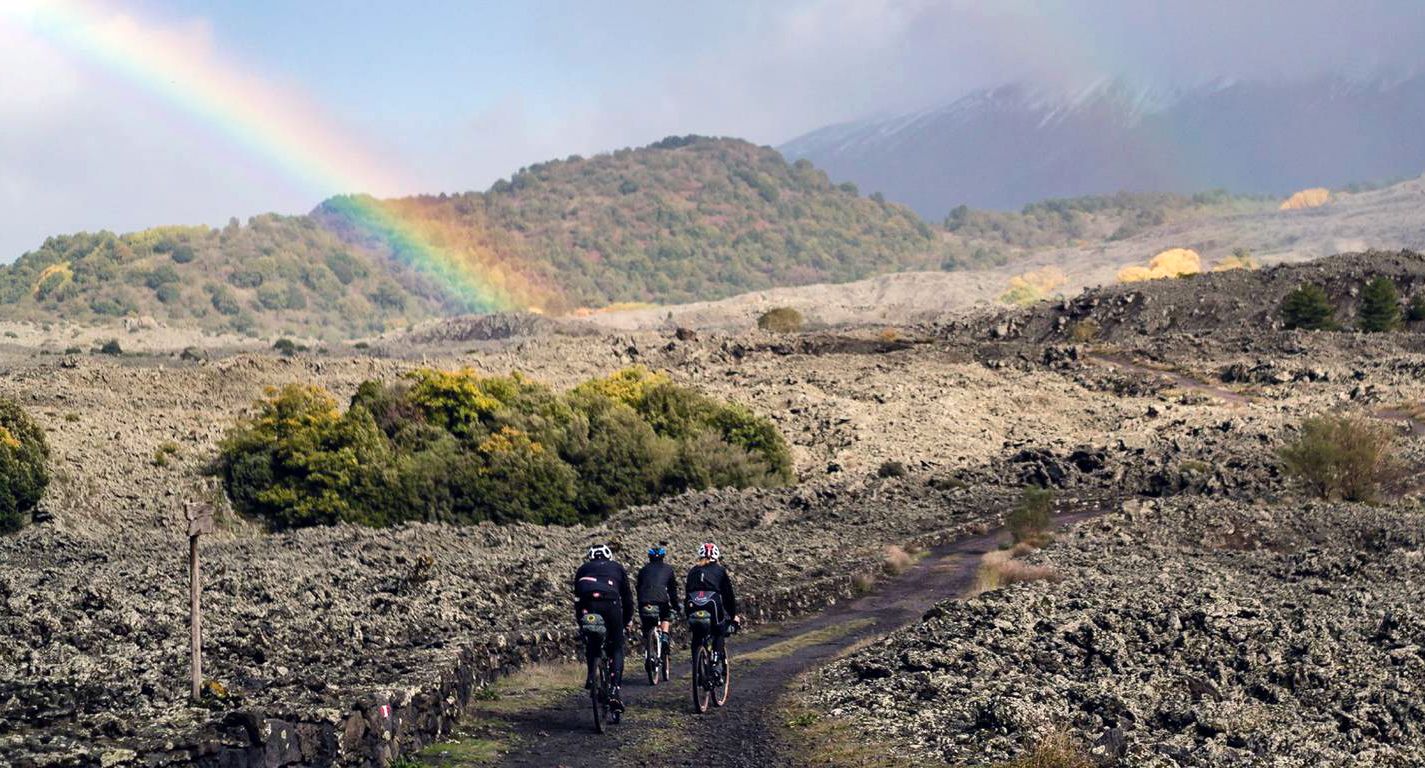
Dancing on the volcano — a three-day bikepacking adventure around Mt. Etna
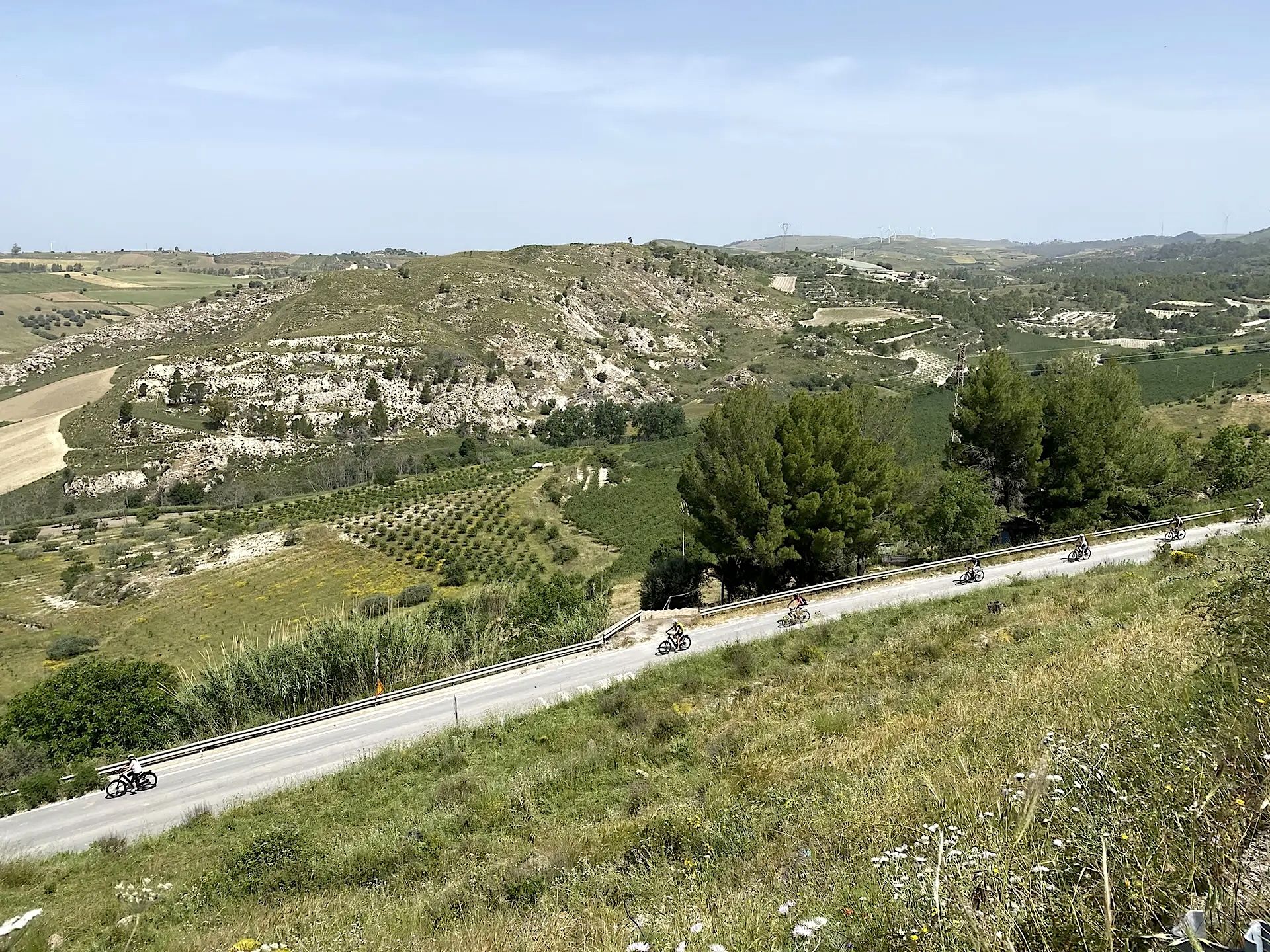
Discovering Sicily in the saddle – unforgettable itineraries
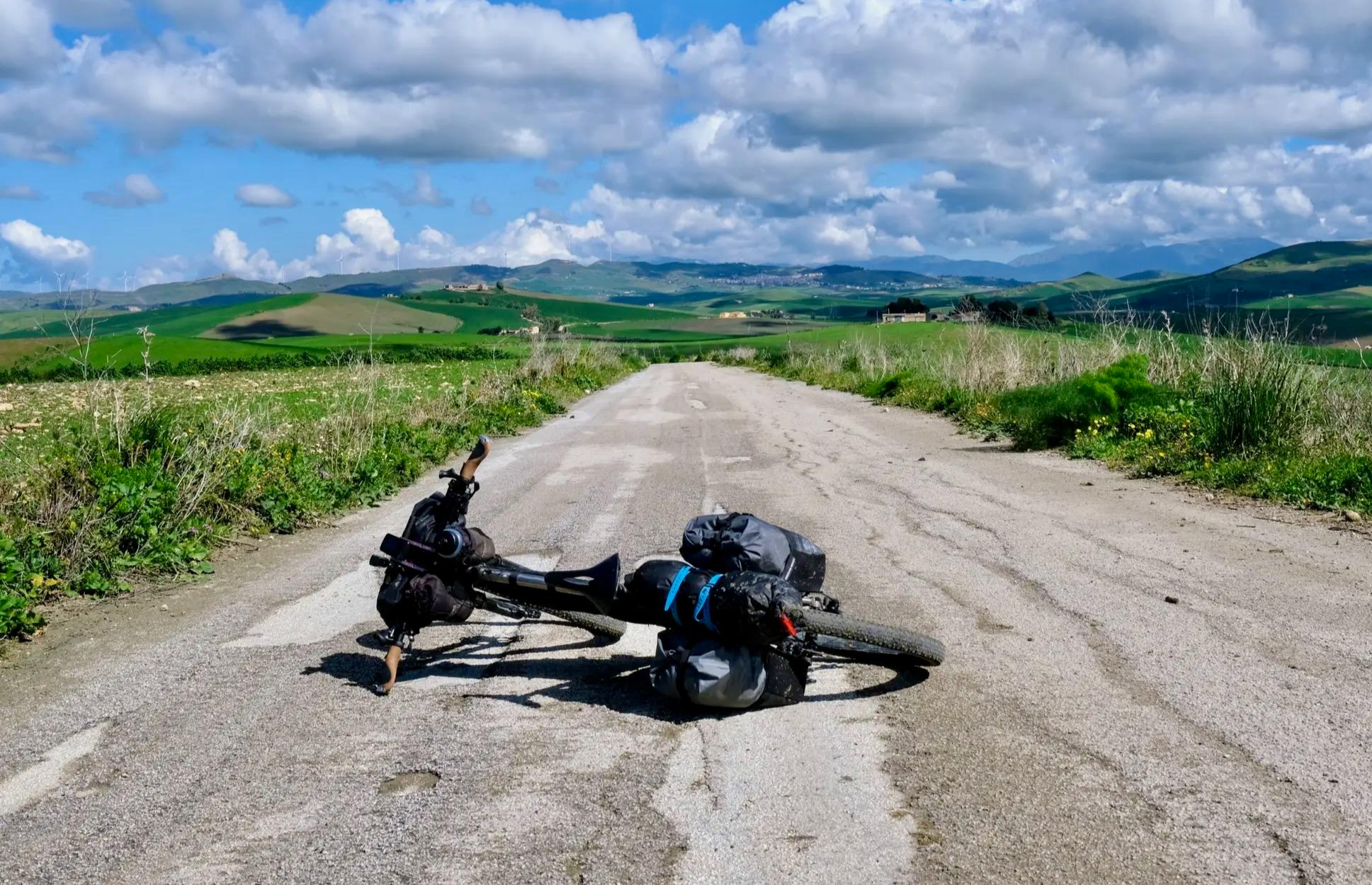
Scent of oranges – Sicily by bike between Agrigento, hinterland and Palermo
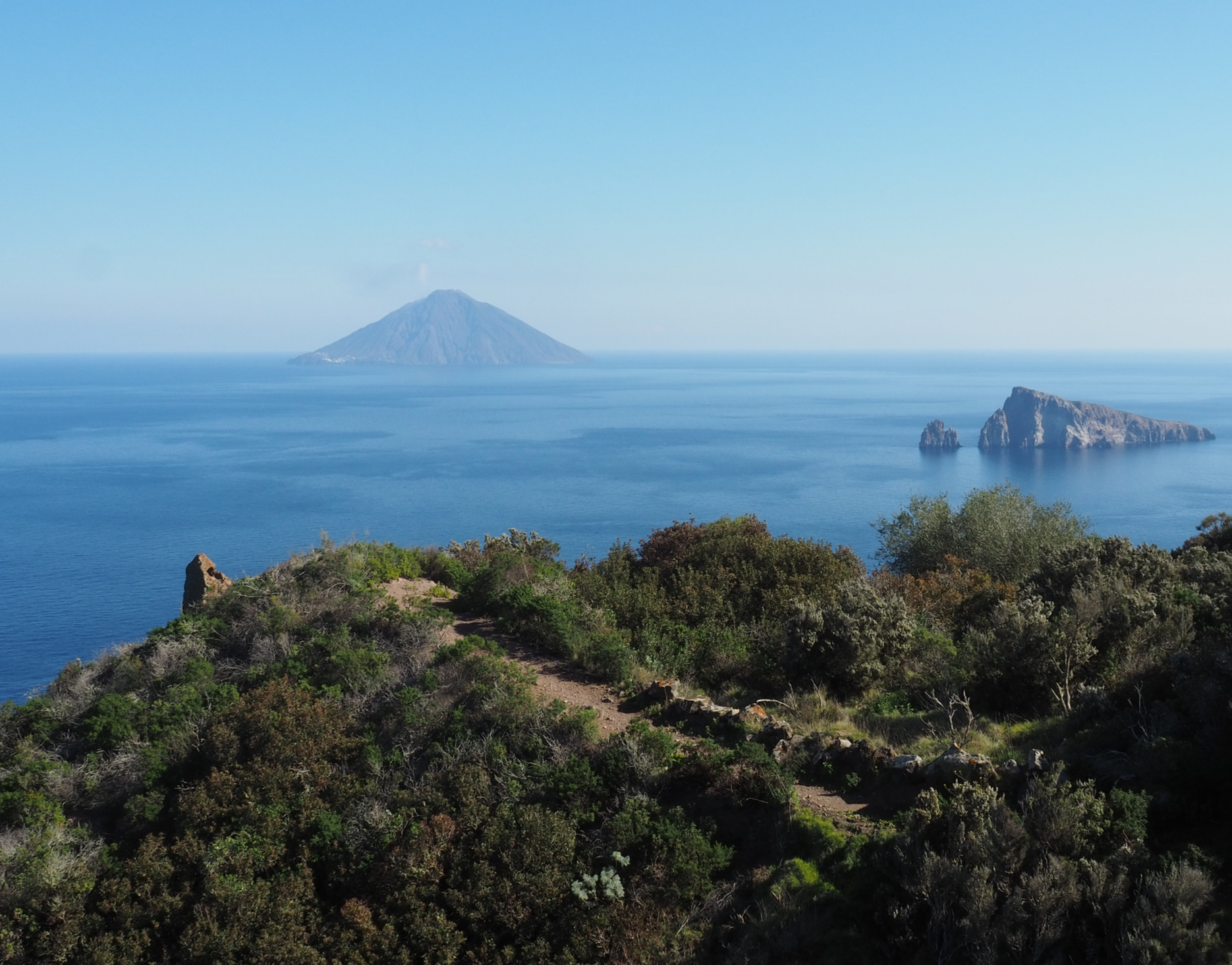
In the land of volcanoes – exploring between lava and nature in Sicily
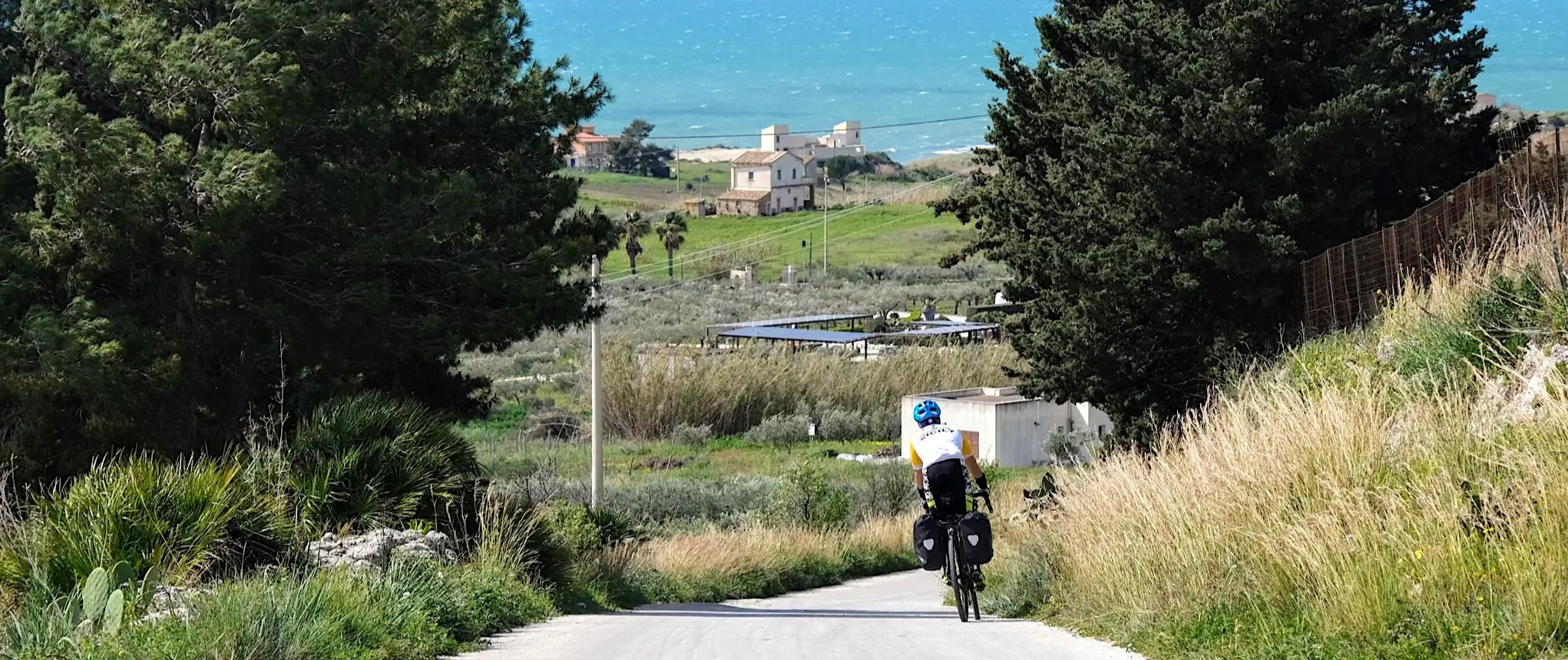
The complete tour of Sicily by road bike
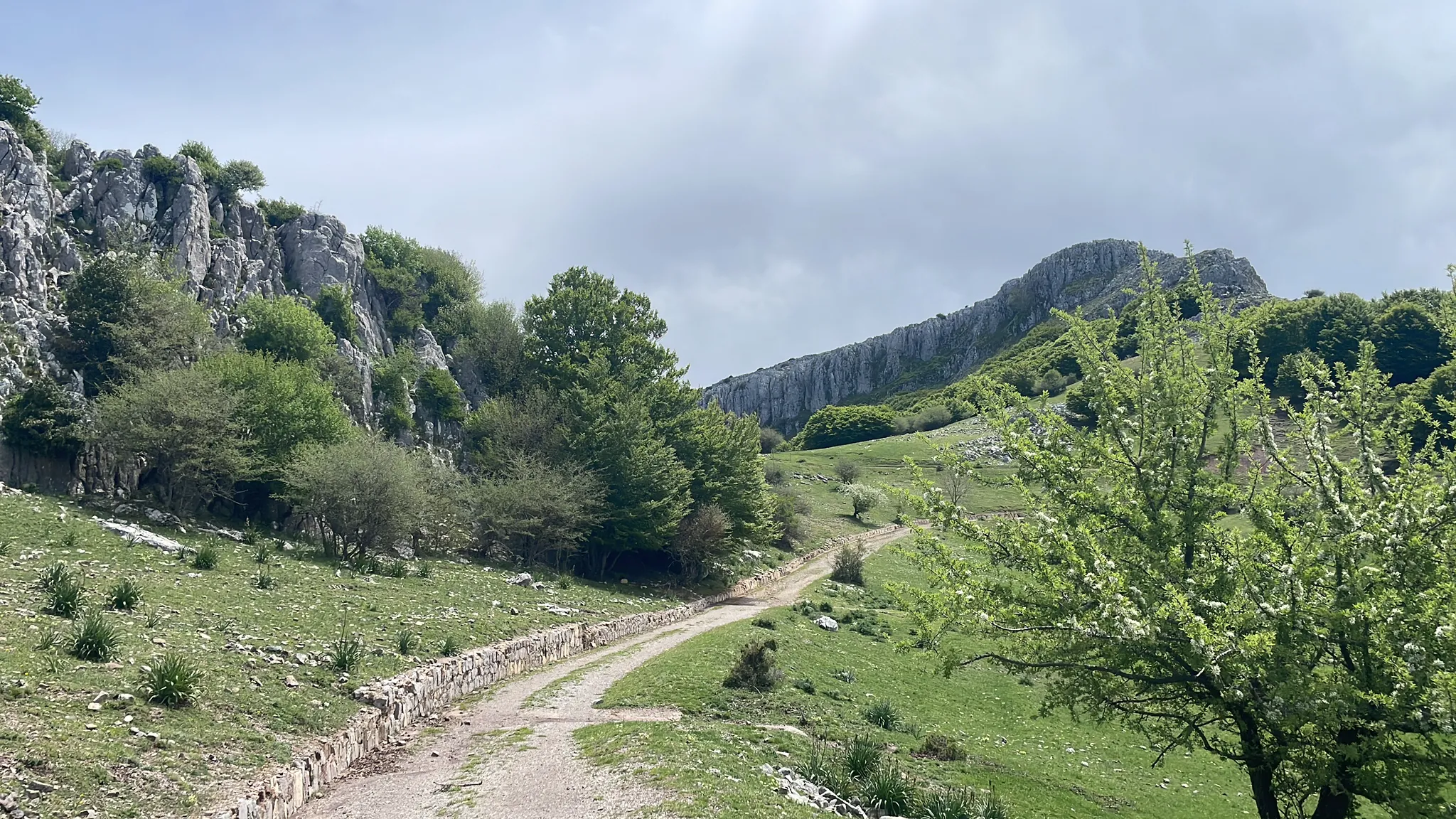
Etna and Madonie mountain bike parks – the Wild Heart of Sicily
Magna Via Francigena – Palermo to Agrigento
Volcanoes, forests and sea – Parchi della Sicilia cycling route by MTB
Other adventures in Sicily


Tips from the Community

To visit off-season
0
0
Artificial cave characterized by a particular acoustics.
0
0

The "Ear of Dionysus," which, according to legend, Caravaggio named it. It is said that the tyrant Dionysus I of Syracuse secretly eavesdropped on the conversations of his prisoners through this cave, and since it is shaped like a donkey's ear, Caravaggio probably found the name extremely fitting.
3
0

Artificial grotto with excellent acoustics. Excavations on the plateau above uncovered the remains of a temple dedicated to Artemis. The sound was presumably used for religious ceremonies.
0
0

The hike is completely overcrowded, and you're charged twice. You pay €9 at the parking lot and then another €5 per person. There's almost no shade anywhere, and the small swimming coves are completely overcrowded.
0
0

The sanctuary inside the geotta is very suggestive
0
0

Definitely go to the church! It's a really beautiful grotto.
0
0

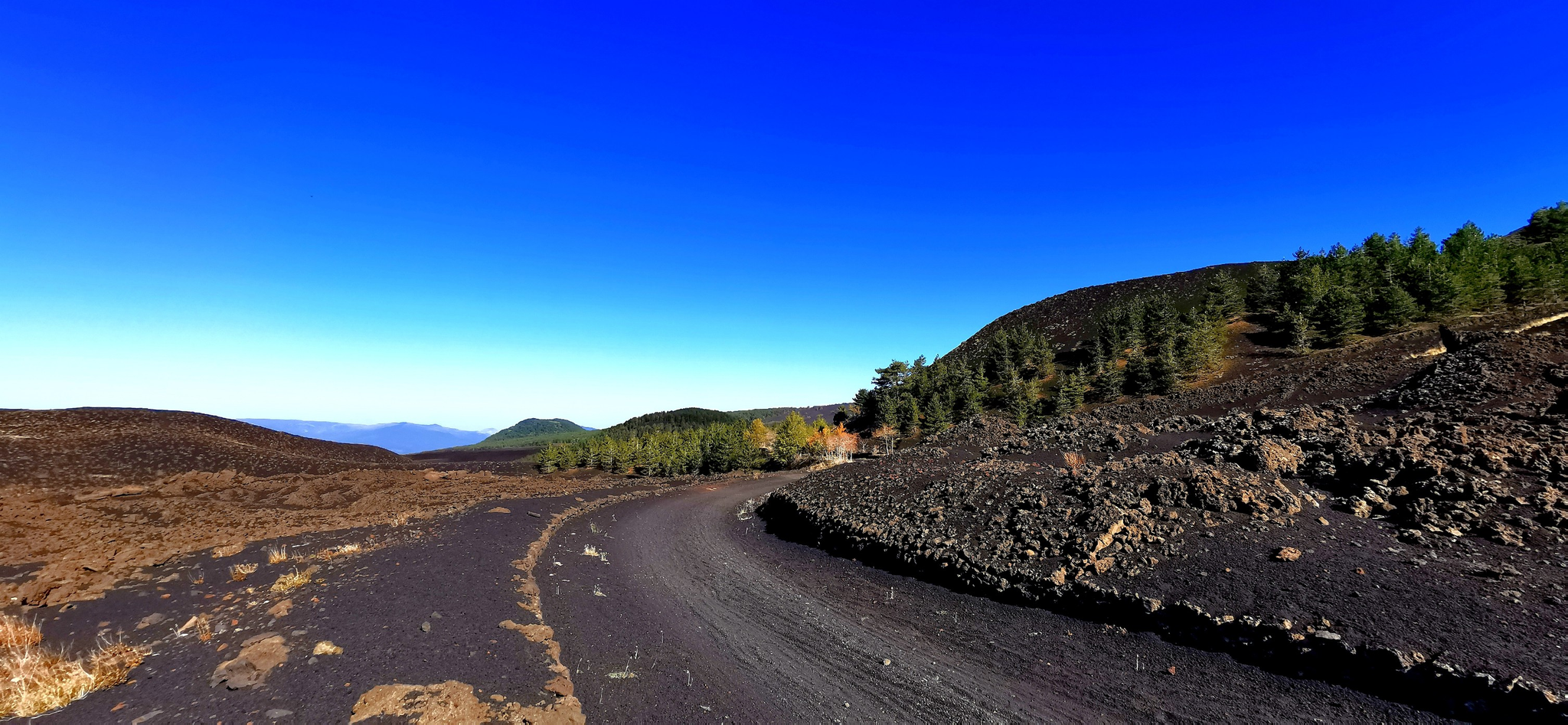
One of the most beautiful lava tunnels on the north side of Mount Etna is the Serracozzo Grotto (surely often visited, but not signposted). A lava tunnel is not a cave, but rather one formed during an eruption, when a crust forms on the surface of the slowly flowing lava in flatter terrain. This "tunnel" is easy to enter (assuming there's no threat of a thunderstorm (flooding!) or ice and snow making entry dangerous). Don't forget your flashlight; two cave-ins in the ceiling provide sufficient light until halfway through the tunnel, after which it becomes very shallow and pitch-dark in places. It's worth exploring!
0
0
Frequently Asked Questions
What are some of the most historically significant caves in Sicily?
Sicily offers several caves with rich historical importance. The Ear of Dionysius in Syracuse is famous for its ancient acoustics and legendary use as a prison. Uzzo Cave is a large site with evidence of past habitation. The Grotta del Genovese on Levanzo island features prehistoric rock carvings and paintings from the Paleolithic and Neolithic periods. Additionally, the Grotta di Mastro Peppe Siino served as a wartime refuge and housed a community.
Which caves in Sicily are known for unique geological formations?
For unique geological features, Sicily has several notable caves. The Grotta del Gelo on Mount Etna is exceptional for its perennial glacier, a rare sight in the Mediterranean. Lauro Cave in Nebrodi Park is celebrated for its spectacular array of stalactites, stalagmites, and columns. Grotta Monello Natural Reserve near Syracuse is another significant karst cave with diverse stalactite and stalagmite formations.
Are there any family-friendly caves to visit in Sicily?
Yes, several caves in Sicily are suitable for families. The Ear of Dionysius is listed as family-friendly and offers an engaging historical and acoustic experience. The Mangiapane Cave, with its preserved 19th-century village inside, provides a fascinating glimpse into history that can be enjoyed by all ages.
What kind of natural features can I expect to see in Sicily's caves?
Sicily's caves showcase a wide range of natural features. You can find impressive stalactites and stalagmites in karst caves like Grotta Monello and Lauro Cave. Volcanic caves, such as Serracozzo Cave, are lava tubes. Sea caves, like those around Syracuse and Ustica, feature vibrant emerald and blue waters, stunning rock formations, and opportunities for swimming.
Can I find caves with prehistoric art in Sicily?
Yes, the Grotta del Genovese on Levanzo island is a prime example. It is renowned for its well-preserved prehistoric rock carvings and paintings that date back to the Paleolithic and Neolithic periods, offering a unique archaeological experience.
Are there caves in Sicily that offer unique acoustic experiences?
The Ear of Dionysius in Syracuse is famous for its extraordinary acoustics. Its unique S-shape and height amplify sounds significantly, making it a memorable visit for those interested in natural sound phenomena.
What are the best times to visit caves in Sicily?
The best time to visit caves in Sicily generally depends on the specific cave and your preferences. For most caves, spring (April-May) and autumn (September-October) offer pleasant temperatures for exploration. For caves like Grotta del Gelo, which maintains freezing temperatures, summer might be a good option to escape the heat, but always be prepared for cold conditions inside.
What outdoor activities can I do near caves in Sicily?
Many caves in Sicily are located in areas rich with outdoor activities. For example, near the caves on Mount Etna, you can find challenging MTB trails and road cycling routes. The Anapo Valley, which contains rock chamber tombs and caves, is excellent for cycling along an old railway track. Sea caves often offer opportunities for boat tours and swimming in crystal-clear waters.
Are there sea caves in Sicily that can be explored?
Absolutely. The Sea Caves of Syracuse are accessible by boat tours, allowing visitors to admire stunning stalactites, stalagmites, and corals, with opportunities for swimming. The Ustica Caves, including the Green and Blue Caves, are also famous for their vibrant waters and offer magical experiences for boat trips and swimming.
Which caves in Sicily are known for their unique historical village setting?
The Mangiapane Cave in Custonaci is truly unique for its preserved 19th-century village built within the cave itself. This massive cave, inhabited since the Paleolithic era, features houses, a stable, an oven, and a chapel, offering a fascinating glimpse into a past way of life.
What should I wear when visiting caves in Sicily?
When visiting caves in Sicily, it's generally advisable to wear comfortable clothing and sturdy, closed-toe shoes with good grip, as surfaces can be uneven or slippery. Even on warm days, cave interiors can be cool, so a light jacket or sweater is often a good idea. For more adventurous caves, headlamps and appropriate caving gear might be necessary.
Are there any caves in Sicily that are easily accessible?
Many of Sicily's popular caves, such as the Ear of Dionysius, are located within archaeological parks or managed sites, making them relatively easy to access with established pathways. The Mangiapane Cave also has good access for visitors to explore the village within.
Where can I find accommodation near Sicily's caves?
Accommodation options vary depending on the cave's location. Caves near major cities like Syracuse or Trapani will have a wide range of hotels and guesthouses. For more remote caves, such as those in Nebrodi Park or on Mount Etna, you might find agriturismos, mountain huts like Rifugio Santa Barbara, or smaller local accommodations in nearby villages.
Most popular routes in Sicily
Most popular attractions in Sicily

Get inspired with the komoot mobile app


Didn’t find what you were looking for?
Discover more caves in Sicily region by region:
Explore more
Extend your search for the best caves by checking out these guides of the top ones in Sicily:
