Top 20 Caves in Veneto
Caves in Veneto offer a diverse underground landscape within a region known for its varied natural features. This area, encompassing mountains, plains, and coastlines, also hosts a significant subterranean world. The geological formations include both natural caves carved by water and historical man-made excavations. These sites provide insights into natural processes and past human activities.
Best caves in Veneto
- The most popular caves is Gun Emplacement Tunnel of Monte Cengio, a historical site that preserves an Italian military post…
Last updated: October 4, 2026
Street of Heroes
Highlight (Segment) • Trail
Translated by Google •
Tip by

Caves Along the Ascent to La Rocca
Highlight • Cave
Translated by Google •
Tip by

Sign up now to discover places like this
Get recommendations on the best single tracks, peaks, & plenty of other exciting outdoor places.
Kaiserjägersteig Trail
Highlight (Segment) • Trail
Tip by

Cengia Martini
Highlight • Cave
Descend better in the tunnel and choose a different route for ascent over the (quite simple) via ferrata
Translated by Google •
Tip by

Gun Emplacement Tunnel of Monte Cengio
Highlight • Historical Site
Translated by Google •
Tip by

Veja Bridge
Highlight • Natural Monument
Translated by Google •
Tip by

Canton Cave
Highlight • Cave
prolocofregona.it/grotte-del-caglieron
Translated by Google •
Tip by

Caves of the Hermitage of San Donato
Highlight • Cave
I would like to point out that in the second part of the descent from Monte Tondo the …
Translated by Google •
Tip by

Forcella Col dei Bos and World War I ruins
Highlight (Segment) • Historical Site
Translated by Google •
Tip by

Grotta di Santa Felicita
Highlight • Cave
Translated by Google •
Tip by

Sign up for free to discover even more caves in Veneto.
Already have an account?
Start today with a free account
Your next adventure awaits.
Popular around Veneto
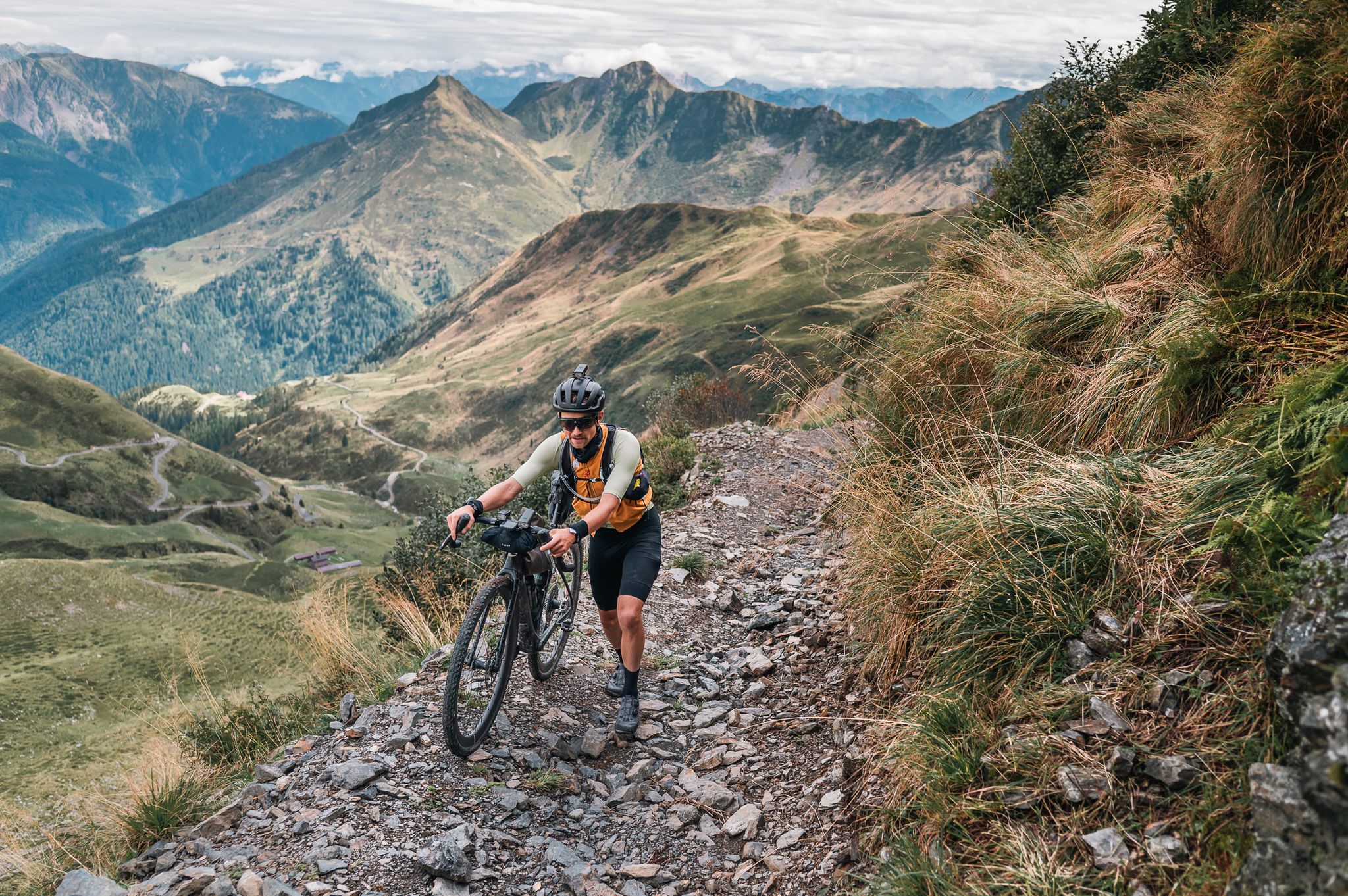
Sneak Peaks ADVENTURE 🥇
Via Postumia – Hike between the Tyrrhenian and Adriatic seas
Via Romea Germanica – History, nature and spirituality
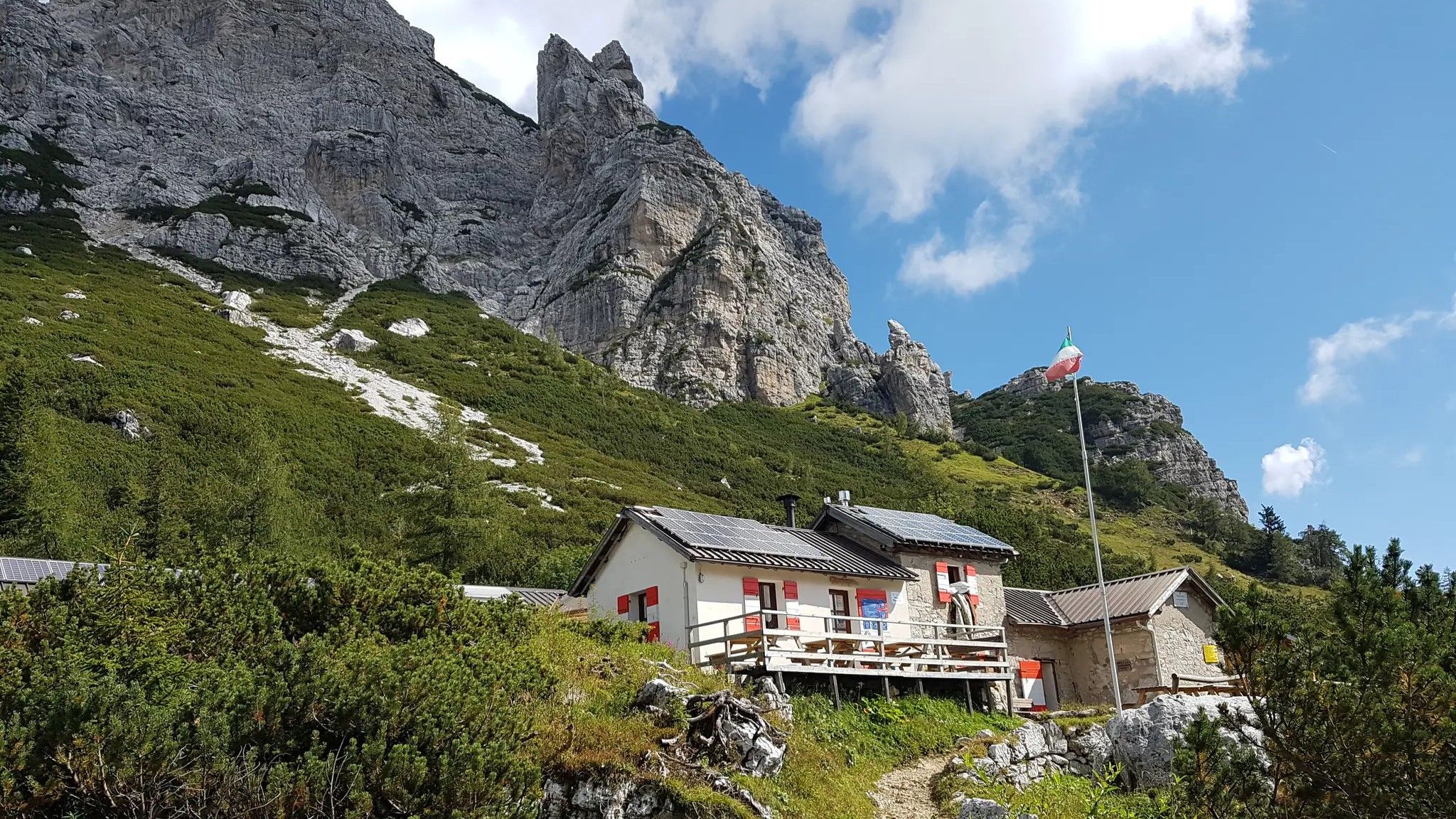
Alta Via Dolomiti Bellunesi – the wild Dolomiti Bellunesi National Park
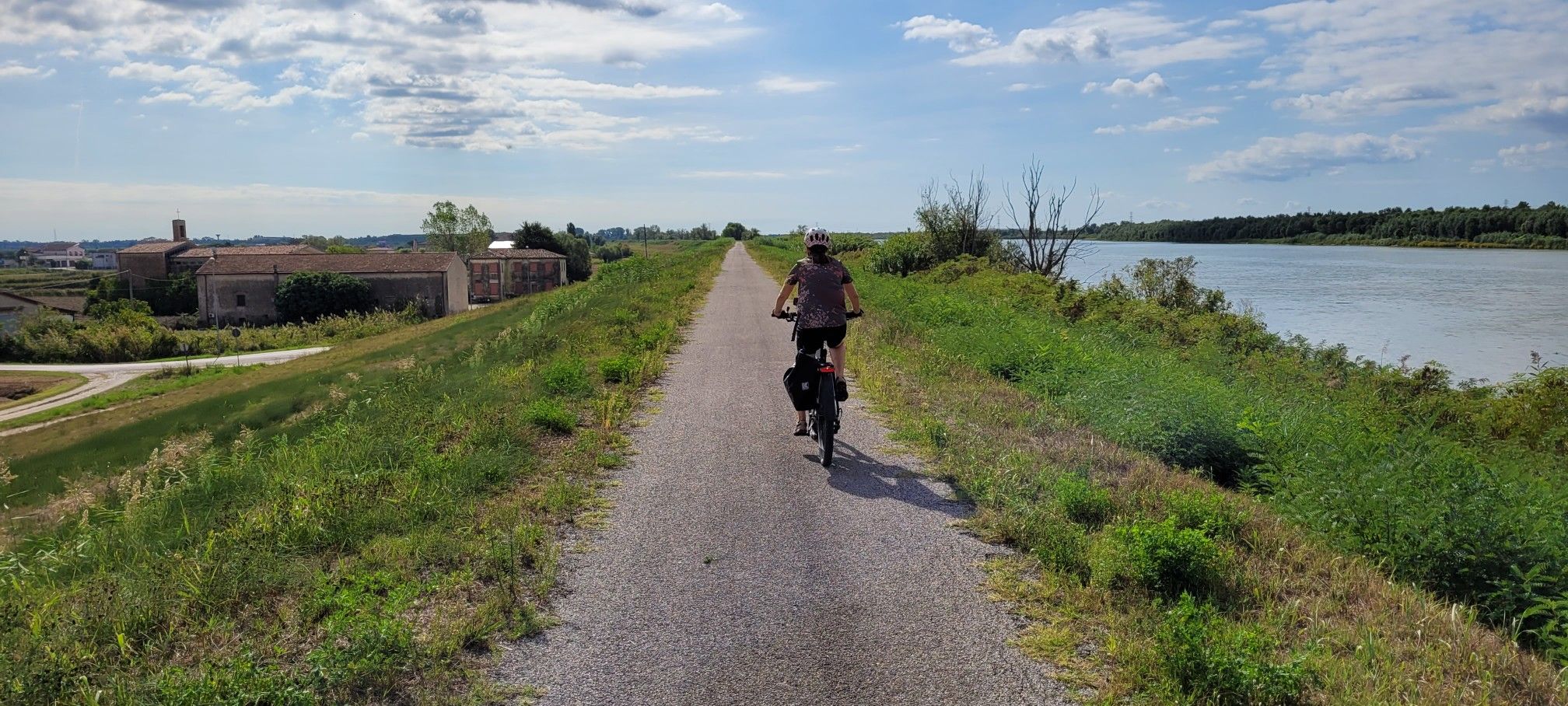
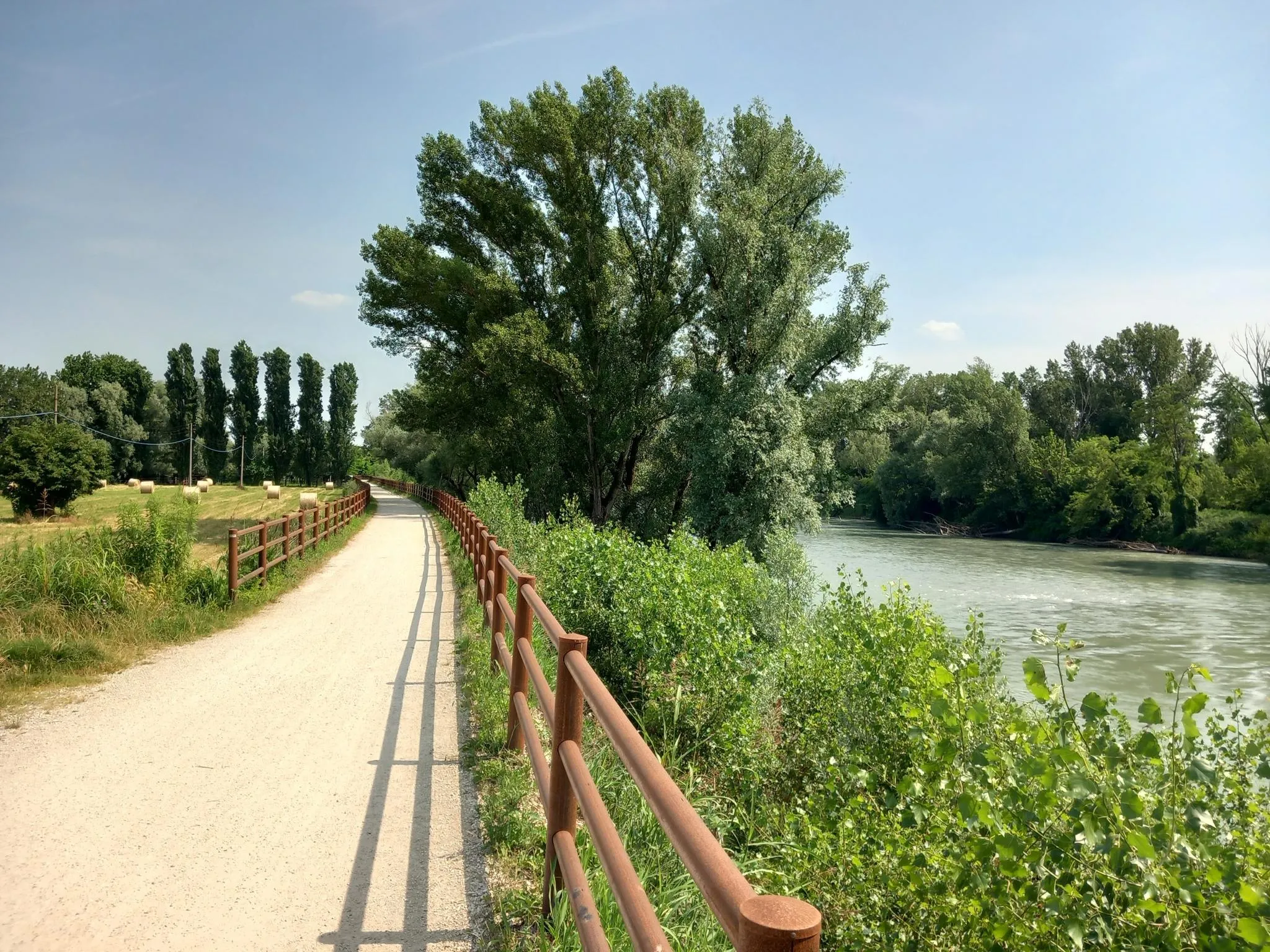
Ciclovie del Po — An all-round experience along Italy's longest river
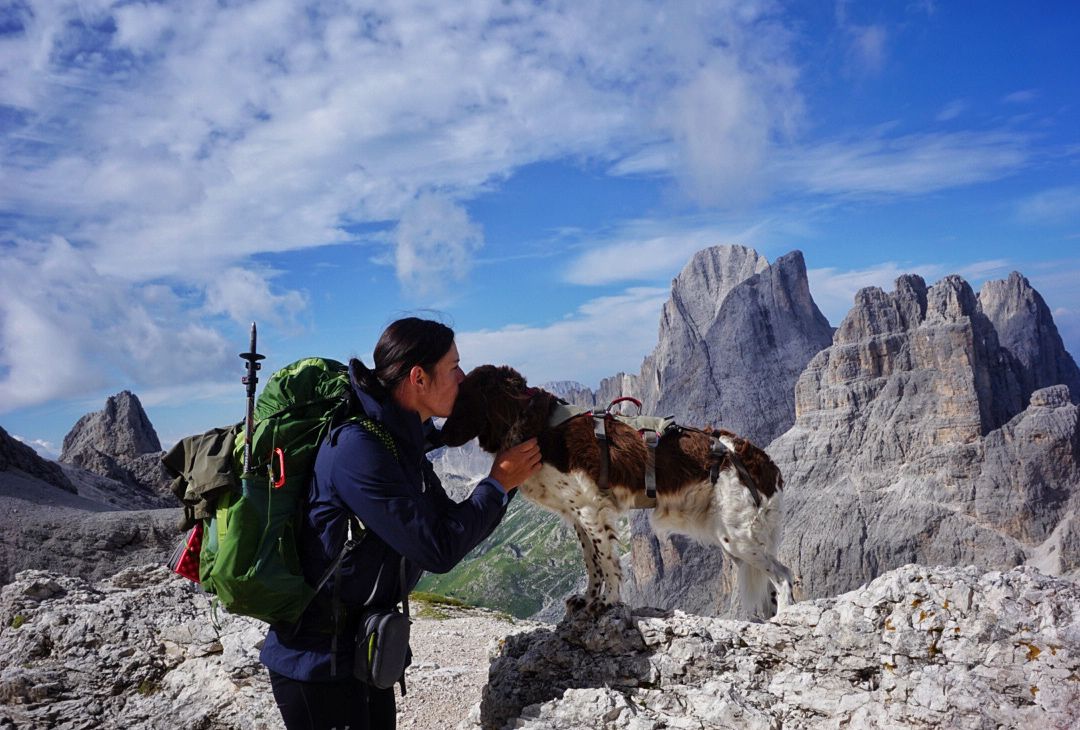
The extra-large Dolomites round – an out-of-this-world hiking adventure
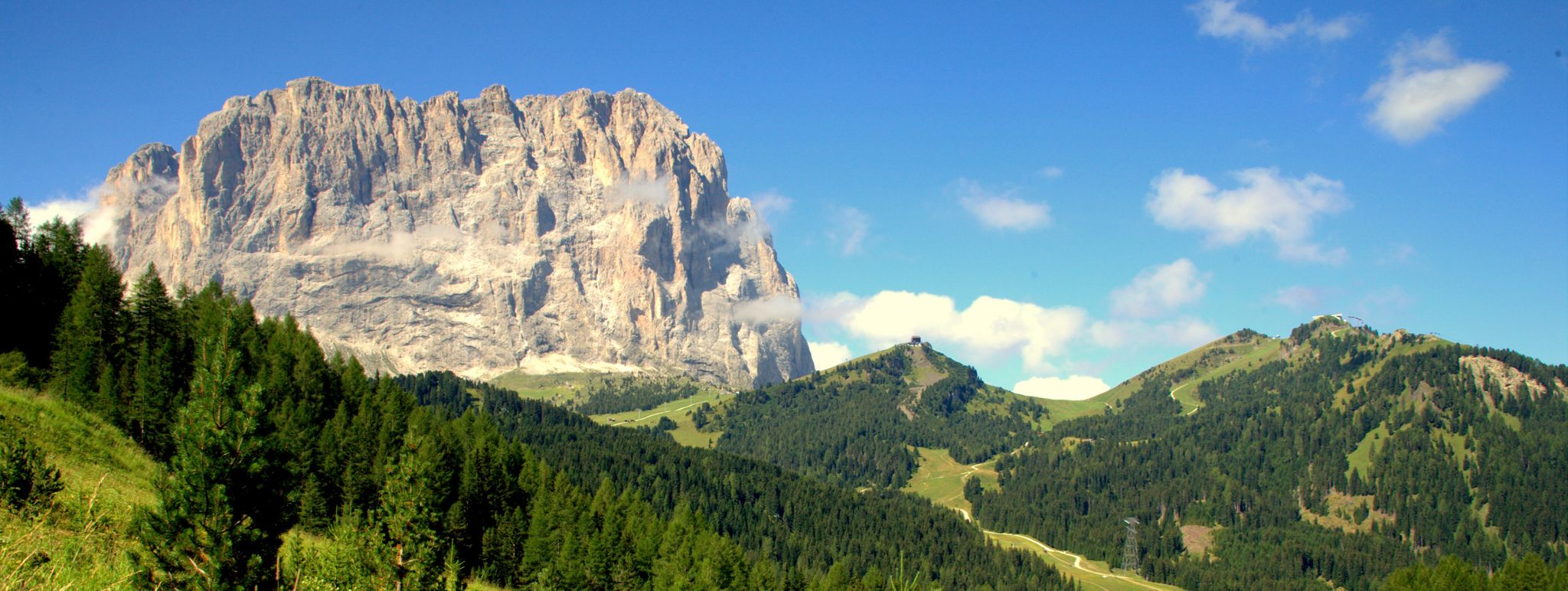
Via Venezia Alpina – hiking across the Alps to the Adriatic Sea
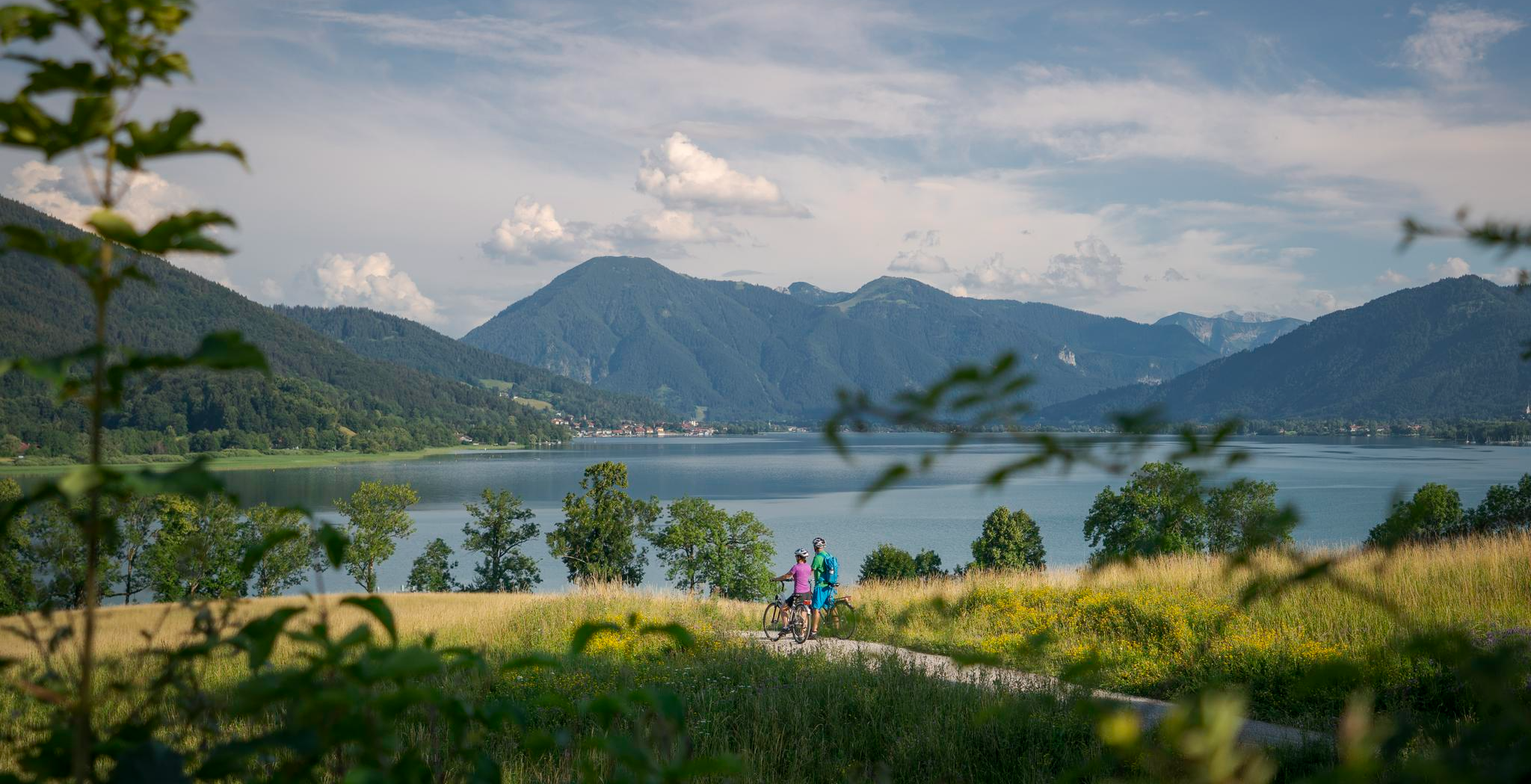
The Munich-Venice Long-Distance Cycle Path – A beautiful Alps crossing
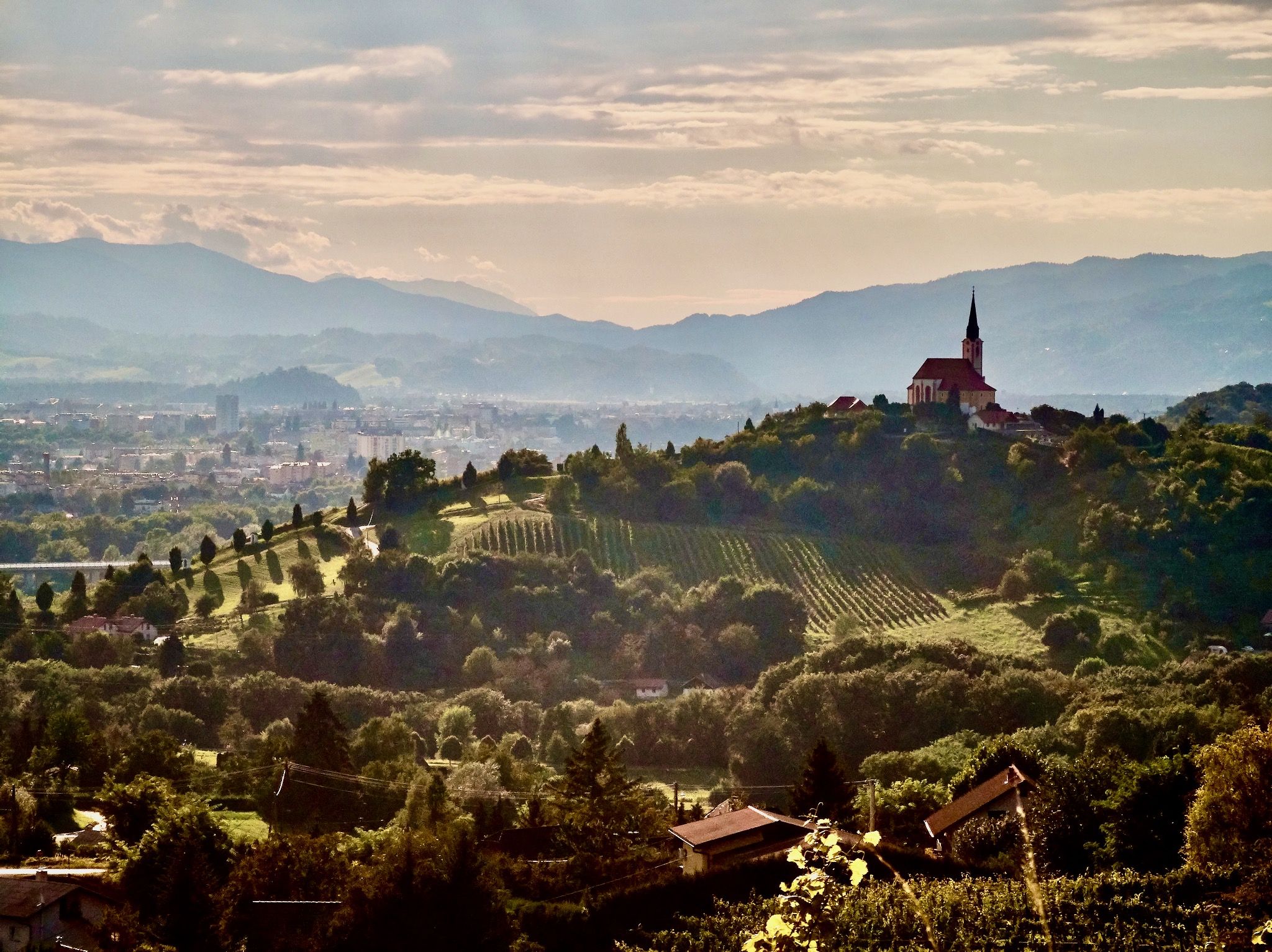
Budapest to Venice via the beautiful Soča Valley
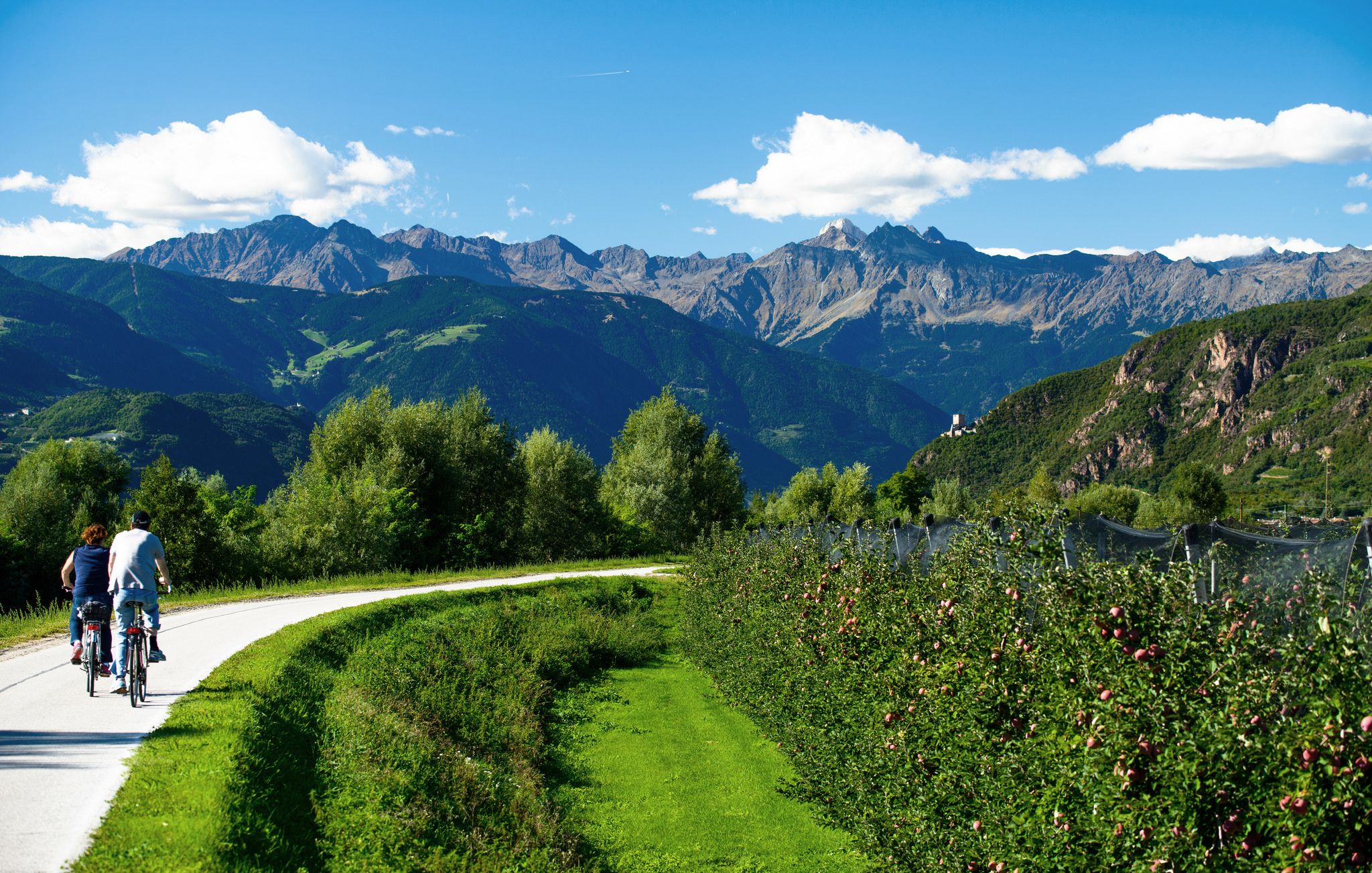
Adige Valley Cycle Path – Through South Tyrol
Other adventures in Veneto


Tips from the Community

Some passages have been closed by the owners and it becomes difficult to resume the original track. Some sections to be walked
0
0

The Grotto of Santa Felicita is located in Teolo, on the southern slope of Monte della Madonna, within the Euganean Hills Regional Park. It is a place shrouded in mystery and spirituality, closely linked to the figure of the saint who, according to tradition, retired there as a hermit between the 8th and 9th centuries. The grotto is a natural cavity located right next to the small church of Sant'Antonio Abate. Inside, it holds one of the highest water springs in the hills, once considered miraculous. The site, surrounded by Mediterranean vegetation where the dwarf prickly pear grows spontaneously, emanates an atmosphere of absolute peace. Reachable by an easy walk, the grotto represents one of the most evocative stops for those exploring the trails of Teolo, combining the charm of volcanic geology with the popular devotion that still sees this cave as a symbol of rebirth and contemplation.
0
0

When you pass by and observe this place, try to imagine the work done by young people in their early twenties in prohibitive conditions.
0
0

Fortifications from the First World War can also be found at the Forchella Col dei Bos. Since several paths converge here, it's a fairly well-frequented spot.
2
0

Bring a flashlight and go dark.
0
1

The old Italian ww1 army barracks
0
0

74 meter long tunnel with no exit and 4 final outlets where the artillery was positioned. A light was needed.
0
0

Frequently Asked Questions
What are some unique historical caves to visit in Veneto?
Veneto offers several caves with significant historical value. The Gun Emplacement Tunnel of Monte Cengio preserves an Italian military post from World War I, featuring tunnels with gunboats and munitions depots. Another notable site is the Veja Bridge, an archaeological site where natural shelters and caves were inhabited by prehistoric humans, with numerous finds testifying to their presence.
Are there any caves in Veneto that blend natural beauty with human history?
Yes, the Caglieron Caves near Vittorio Veneto are a prime example. They are partly natural, carved by the Caglieron creek, and partly man-made from sandstone extraction that began around the 16th century. You can explore them via wooden walkways past waterfalls and through various formations, including the 'Cheese Cave' where local Agricansiglio cheese is aged.
What is the largest cave system in Veneto?
The Buso della Rana, connected to the Buso della Pisatela in Monte di Malo, forms one of Italy's most extensive cave systems, boasting a total development of nearly 40 kilometers. This intricate subterranean world features active branches, lakes, chimneys, potholes, and siphons. For more information, you can visit Wikipedia or Visit Monte di Malo.
Can I explore the Buso della Rana cave system?
While the main entrance to the Buso della Rana is accessible, exploring its deeper parts requires specialized equipment and the accompaniment of expert speleologists due to its complex network of tunnels, small lakes, and potential for rapid flooding. Guided tours are available for the main branch.
Are there family-friendly caves or cave-related sites in Veneto?
Yes, the Veja Bridge is considered family-friendly, offering an impressive natural arch and archaeological significance. Additionally, the Church of Saint Mary in Stelle, which incorporates cave elements, is also suitable for families.
What kind of natural features can I expect to see in Veneto's caves?
Veneto's caves showcase diverse natural features. The Caglieron Caves feature waterfalls and gorges. The Buso della Rana system includes active branches, lakes, chimneys, potholes, and various concretions. The Grotta Azzurra of Mel, though currently inaccessible, is known for its intensely blue waters created by a stream and waterfall.
What is the Grotta Azzurra of Mel and can I visit it?
The Grotta Azzurra, or Blue Grotto, near Mel (Borgo Valbelluna) is a stunning natural formation where the Rui stream cascades into a basin, creating intensely blue waters. It's known for its breathtaking visual display. However, as of March 15, 2024, access to the Grotta Azzurra and its path has been prohibited due to falling debris, rendering the site unusable until further notice.
Are there any caves with religious or spiritual significance in Veneto?
Yes, the Caves of the Hermitage of San Donato are located at the base of a long rocky wall, where natural cavities open up. An ancient convent, documented since 1240, once stood here, and the site includes a church. The Church of Saint Mary in Stelle also incorporates cave elements and is considered an archaeological and historical site.
What are some challenging cave-related trails in Veneto?
For those seeking a challenge, the Kaiserjägersteig Trail is a challenging climb that includes cave sections and tunnels. The Val Sorda Gorge and Waterfalls also offers challenging terrain with cave features. Always wear appropriate non-slip footwear and be prepared for wet conditions.
What outdoor activities can I do near the caves in Veneto?
Near many of Veneto's caves, you can find various outdoor activities. For instance, there are numerous gravel biking routes, including challenging options like the 'Ring tour on Cansiglio from La Crosetta' or 'Gravel loop between Valdadige and Valpolicella'. You can explore these and more on the Gravel biking in Veneto guide. Additionally, there are many hiking opportunities, such as those found in the Waterfall hikes in Veneto guide.
What should I wear when visiting caves in Veneto?
It's advisable to wear non-slip shoes as paths within and around caves can be slippery and wet from dripping water, especially in places like the Caglieron Caves. For more extensive cave exploration, particularly in systems like Buso della Rana, specialized equipment and guidance from experts are necessary. Even for accessible areas, a helmet and headlamp are recommended for tunnels.
Are there any sinkholes or unique geological formations related to caves in Veneto?
Yes, Veneto features unique geological formations such as the Bus de la Lum Sinkhole. The Buso della Rana system is also scientifically significant for its geological and paleontological features, containing fossils that help reconstruct ancient marine environments.
Most popular routes in Veneto
Most popular attractions in Veneto

Get inspired with the komoot mobile app


Didn’t find what you were looking for?
Discover more caves in Veneto region by region:
Explore more
Extend your search for the best caves by checking out these guides of the top ones in Veneto:
