Attractions and Places To See in Apulia - Top 20
Best attractions and places to see in Apulia include a diverse array of historic landmarks, unique architectural marvels, and natural landscapes. This region, located in the heel of Italy's boot, features extensive coastlines, ancient towns, and distinctive architecture. Apulia offers a variety of sites, from UNESCO World Heritage locations to protected natural areas. It is characterized by its blend of cultural heritage and varied natural environments.
Best attractions and places to see in Apulia
- The most popular attractions is Castel…
Last updated: August 16, 2026
Alberobello, the City of Trulli
Highlight • Historical Site
Translated by Google •
Tip by

Basilica of St. Nicholas
Highlight • Religious Site
Translated by Google •
Tip by

Sign up now to discover places like this
Get recommendations on the best single tracks, peaks, & plenty of other exciting outdoor places.
Sign up for free
Umbra Pond
Highlight • Lake
Translated by Google •
Tip by

Bauxite Lake, Otranto
Highlight • Lake
Tip by

Basilica of Santa Croce
Highlight • Religious Site
Translated by Google •
Tip by

Historic Center of Locorotondo
Highlight • Historical Site
Translated by Google •
Tip by

Acaya Castle
Highlight • Castle
Translated by Google •
Tip by

Church of Saint Anthony of Padua
Highlight • Religious Site
Translated by Google •
Tip by

Lecce Cathedral (Cathedral of Saint Mary of the Assumption)
Highlight • Religious Site
Translated by Google •
Tip by
Bari Vecchia (Old Town)
Highlight • Settlement
Translated by Google •
Tip by

Sign up for free to discover even more attractions in Apulia.
Sign up for free
Already have an account?
Start today with a free account
Your next adventure awaits.
Login or Signup
Popular around Apulia
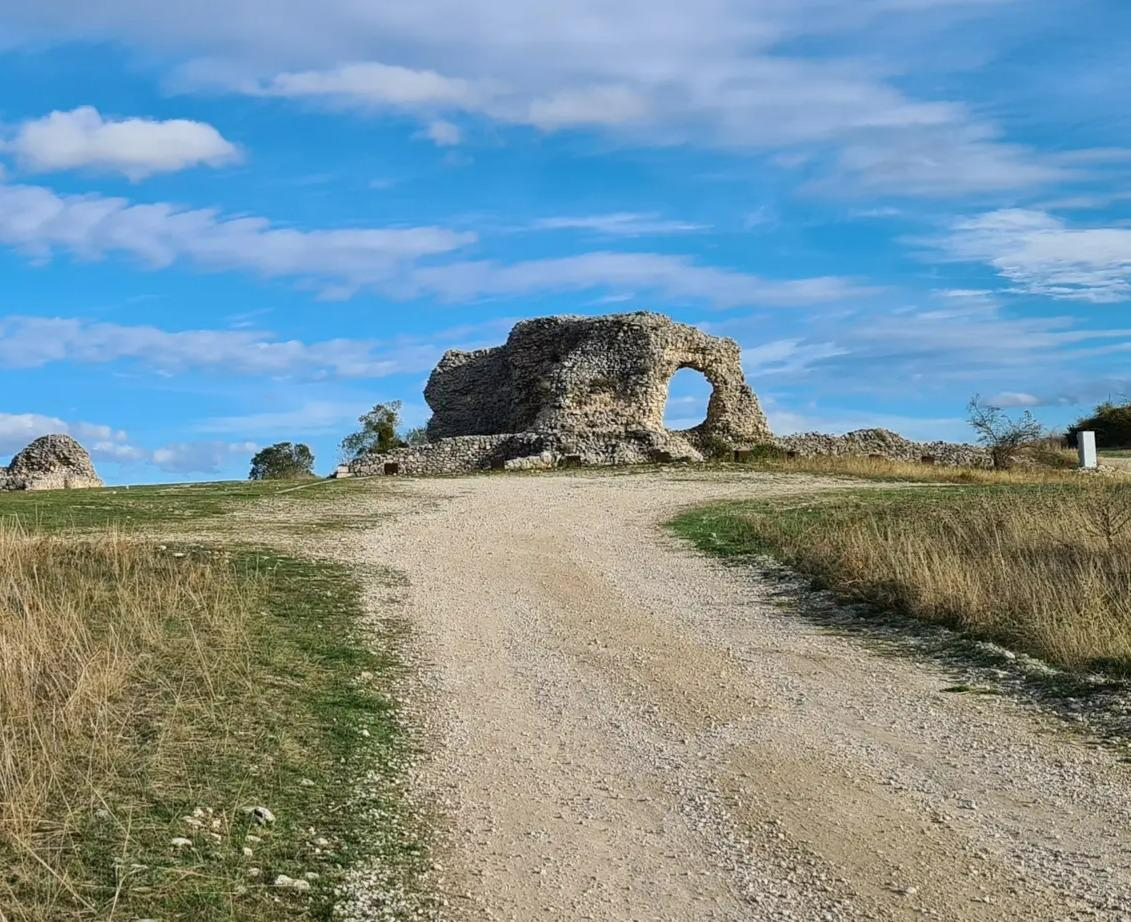
Tratturo Magno – On the roads of transhumance
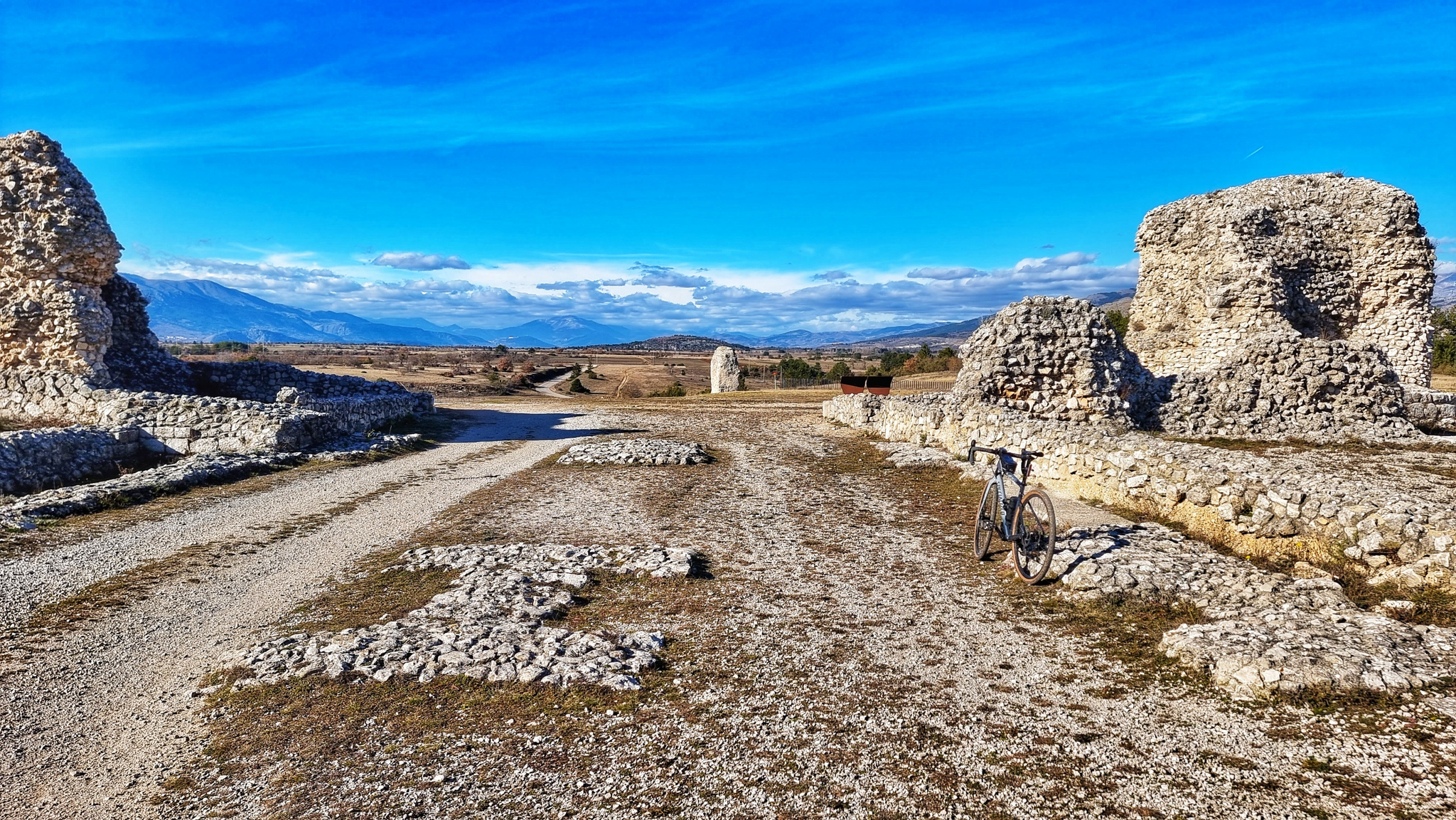
The Tratturo Magno – From the Apennines to the TavoIiere, 300 kilometers
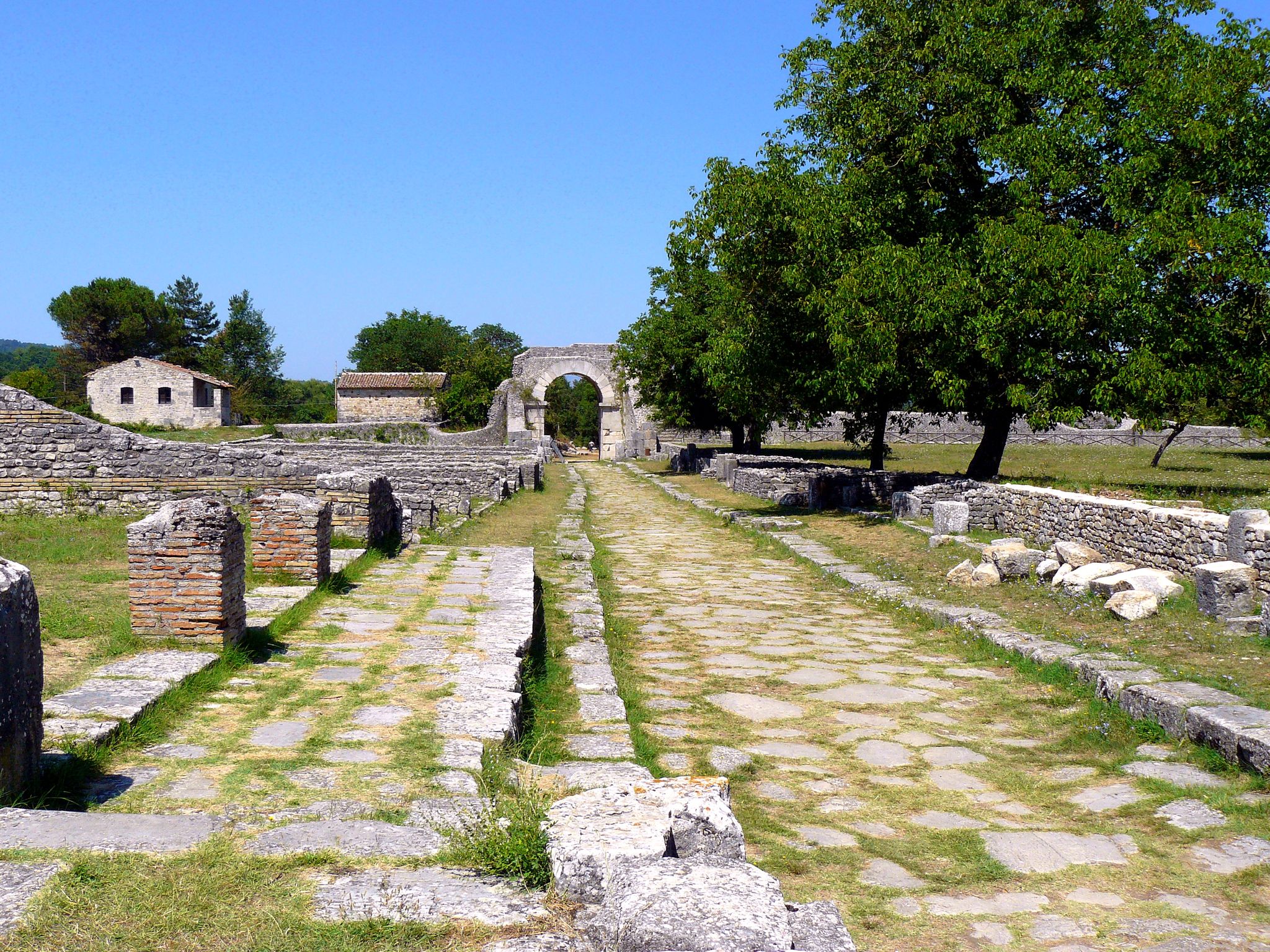
Sentiero Italia – On the tracks of the Samnites and Romans in Molise
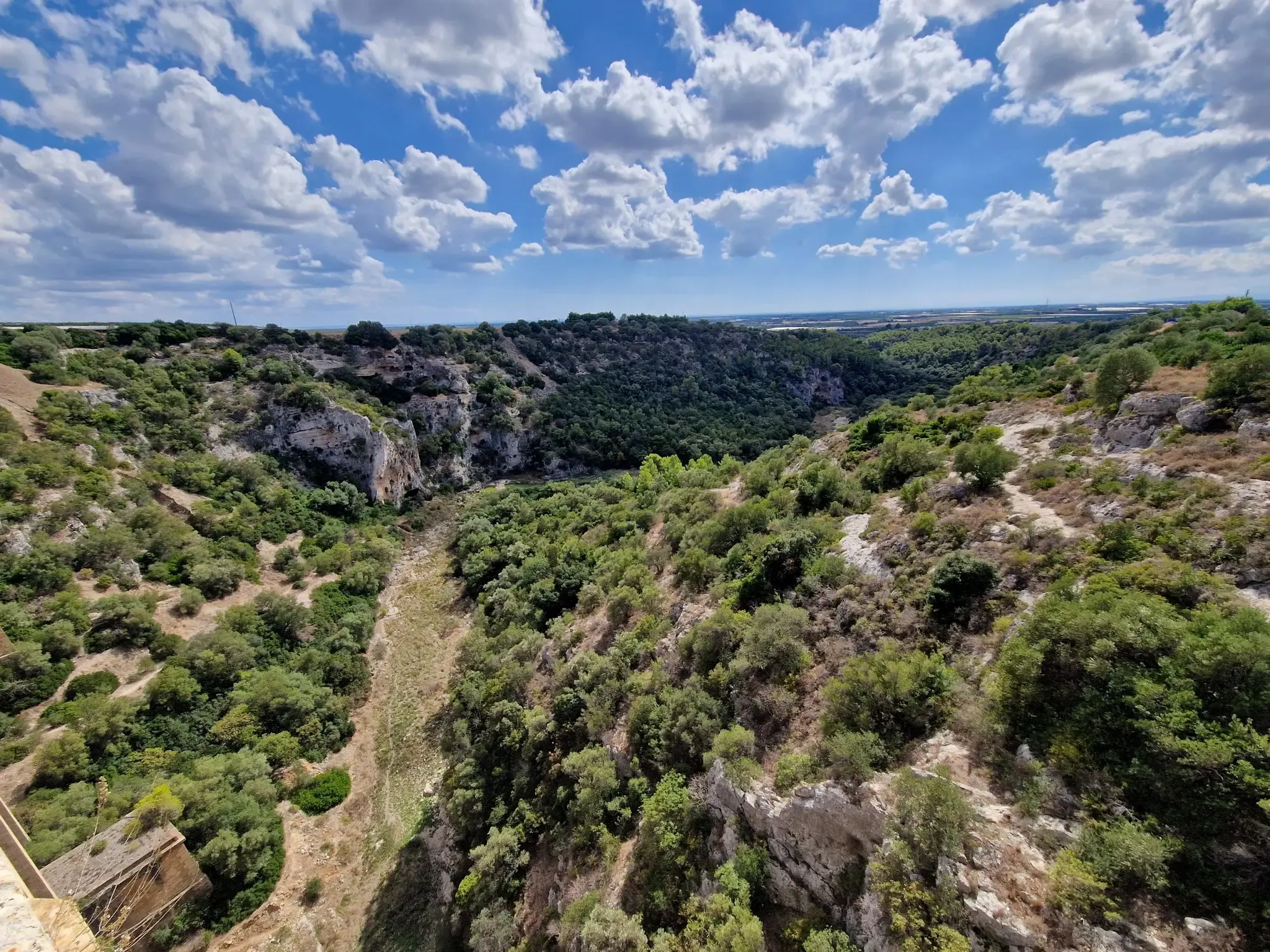
Discovering Puglia by bike – essential rides
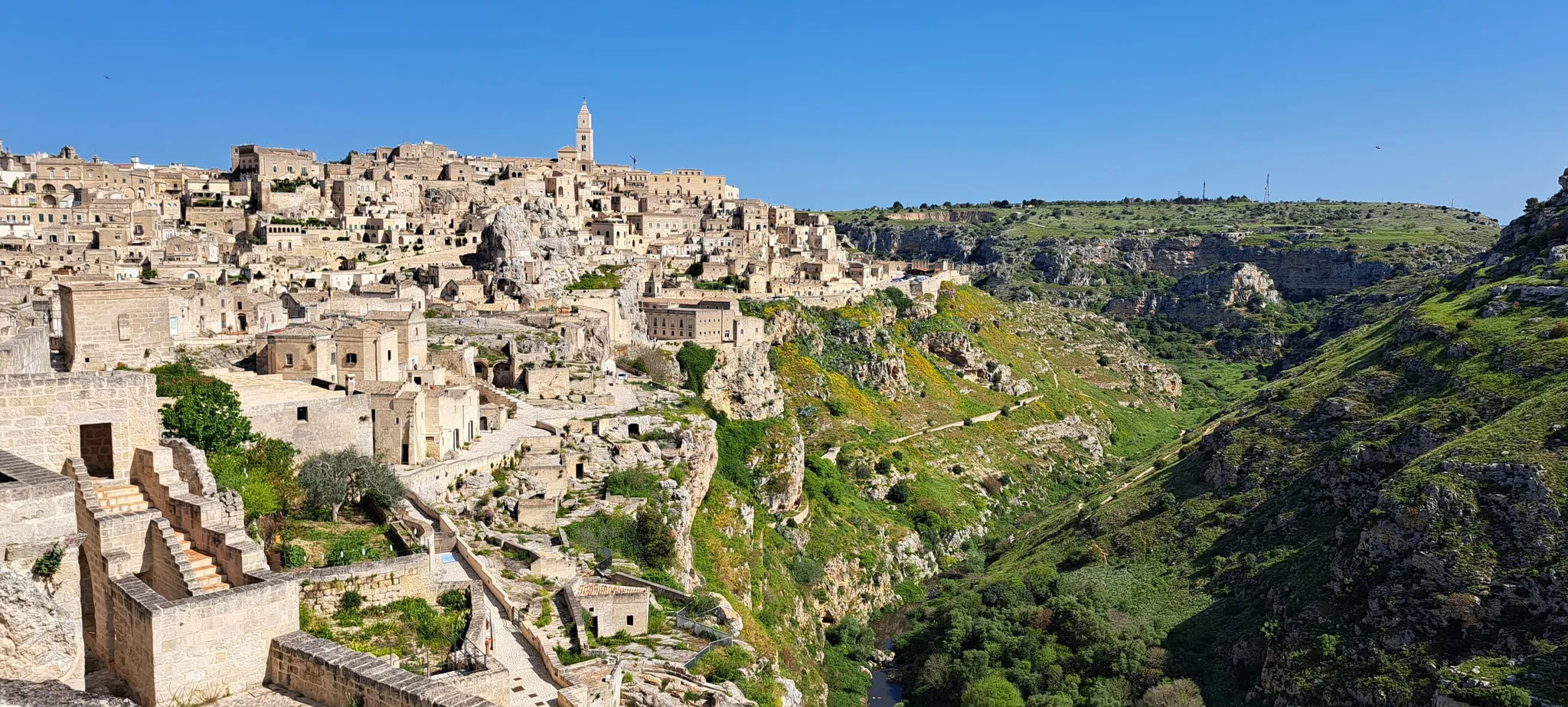
Among olive trees and white stone - Via Peuceta
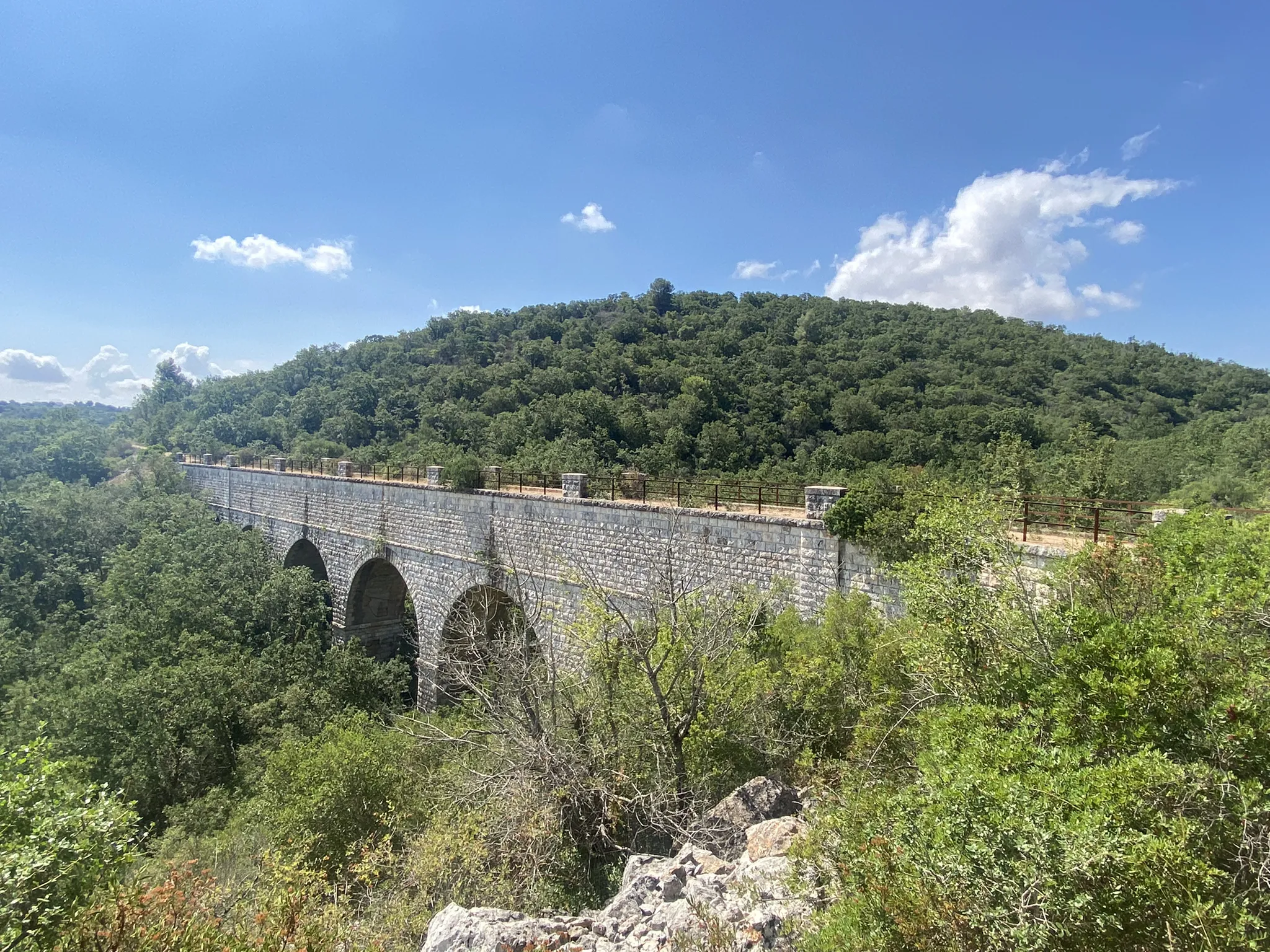
Caposele to Santa Maria di Leuca – Apulian Aqueduct Cycle Route
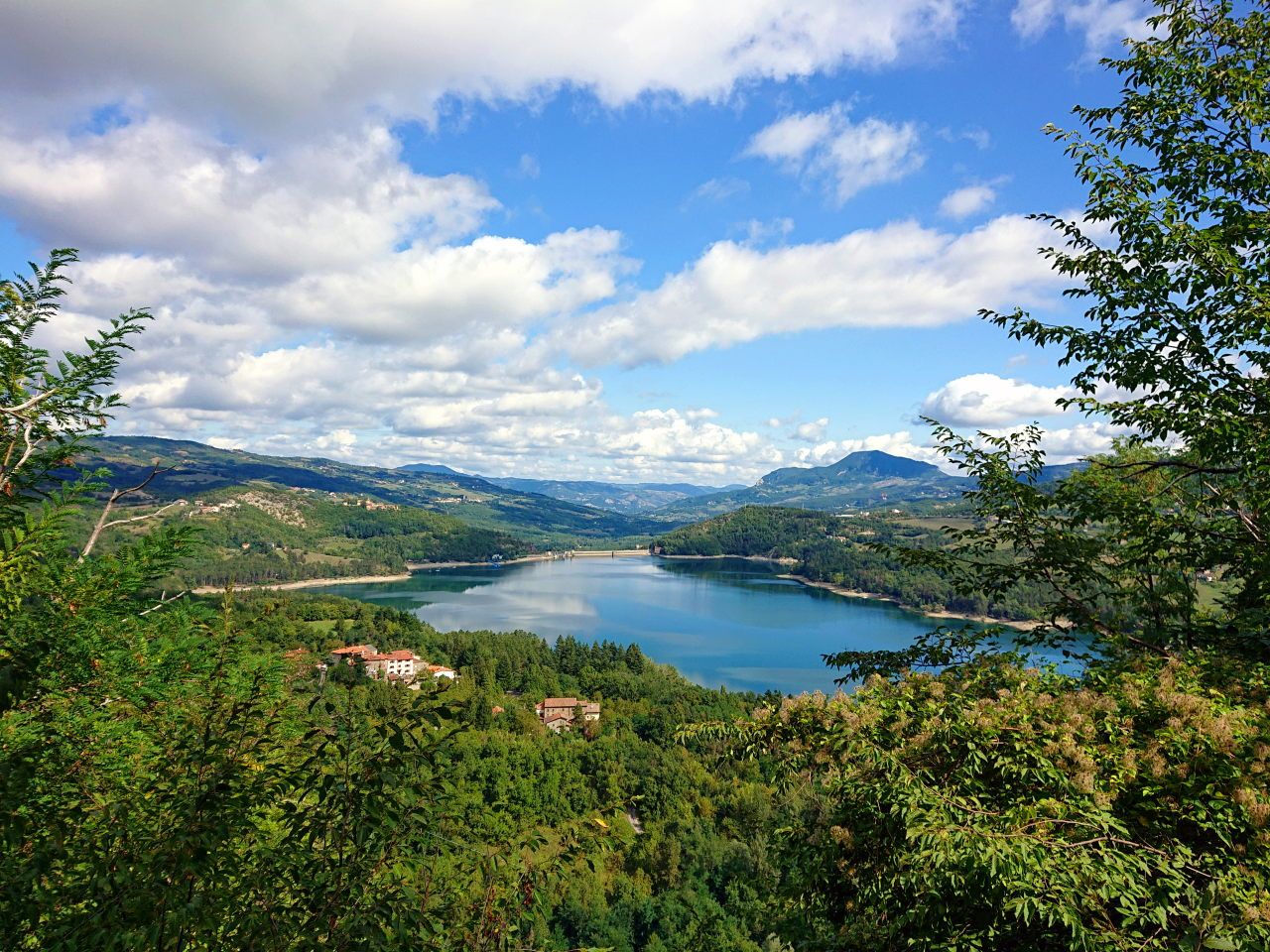
Interiora - A Journey into the Remote Areas of Italy
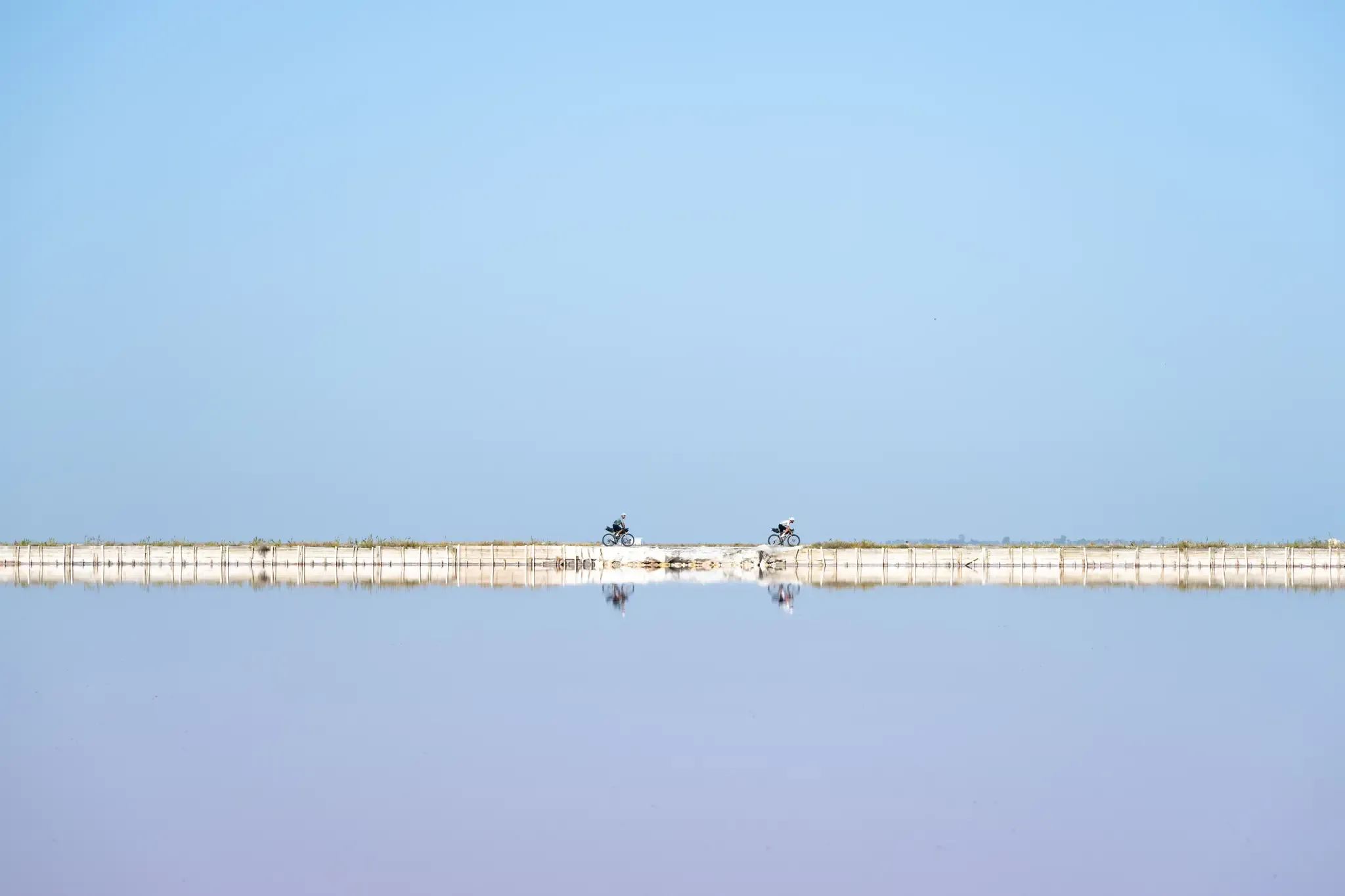
Trieste to Santa Maria di Leuca – the Adriatic Cycle Route
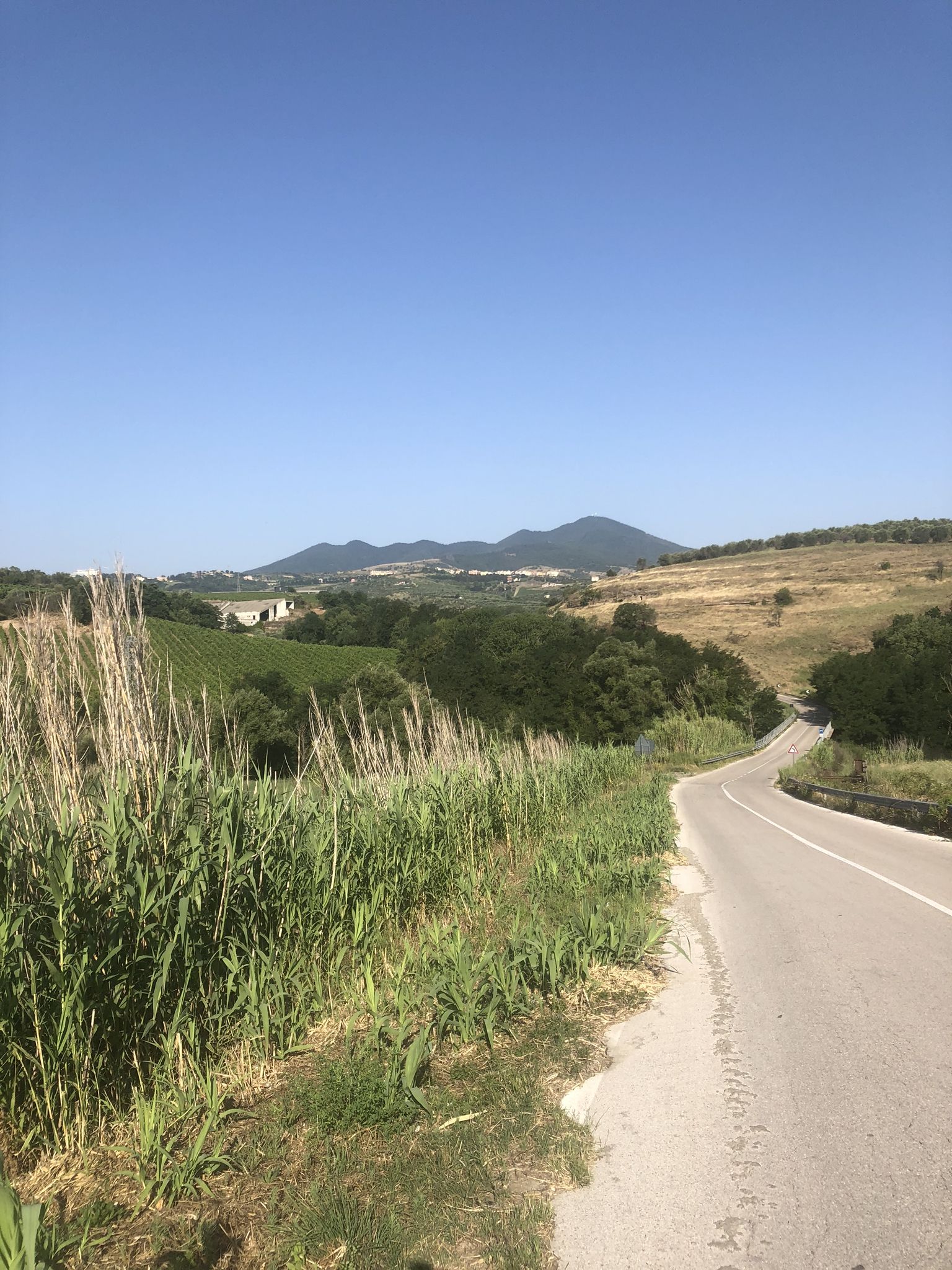
Pedalling in Italy’s far south – Ciclovia dei Borbone
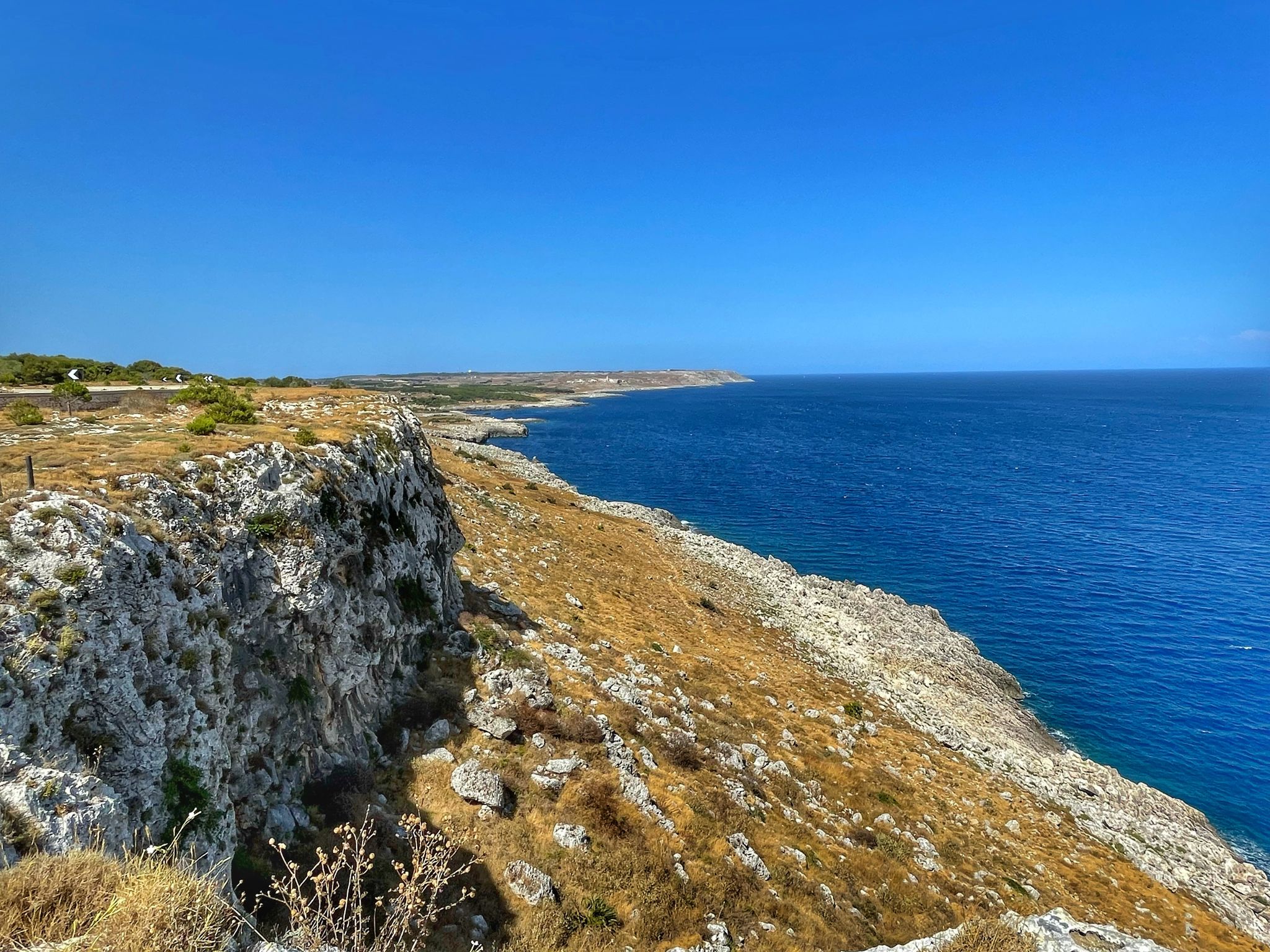
Triangle of Wonders – Salento Ring from Gallipoli
Other adventures in Apulia


Tips from the Community

In Alberobello, this church Sant Antonio da Padova is also a gem in the Trulli style among all the Trulli houses with conical roofs and whitewashed inside and out - beautiful
1
0

A small town that can be reached in less than an hour; excellent for a stopover during a journey.
0
0

The historic center of Bari has been completely restored
0
0

Locorotondo is a characteristic Apulian village located in the Itria Valley, with a circular layout, known for its “cummerse”, typical houses with sloping roofs.
0
0

Alberobello is a small town in the province of Bari in the Puglia region of Italy. The town has a population of around 11,000 and is situated on two hills that were once separated by a river. While the original, old town is located on the western hill, the modern, new town has been built on the eastern peak.
2
0

Particularly worth seeing are the pasta women who sit outside in an alley and make orecchiette pasta.
1
0

There are countless opportunities for great photos in the beautiful old town of Bari.
2
0

The Basilica of Santa Croce is a Roman Catholic church in Lecce, in the southern Italian region of Apulia. The parish church of the Archdiocese of Lecce, dedicated to the Holy Cross, holds the rank of a minor basilica. The Baroque church was built at the end of the 16th century and completed in the 17th century. Source: https://de.wikipedia.org/wiki/Santa_Croce_(Lecce)
3
0
Frequently Asked Questions
What are some of Apulia's most significant historical landmarks?
Apulia is rich in history. You can explore the unique 13th-century octagonal fortress of Castel del Monte, a UNESCO World Heritage site. Another must-see is Alberobello, the City of Trulli, famous for its distinctive white conical stone buildings. The historic center of Locorotondo, with its circular structure and whitewashed architecture, is also a highlight. Don't miss the impressive Acaya Castle, a Renaissance fortress built to protect the fortified citadel.
Where can I experience Apulia's unique cultural heritage?
For a deep dive into Apulian culture, visit Lecce, often called the 'Florence of the South,' known for its Baroque architecture. Key sites include the Basilica of Santa Croce and the Lecce Cathedral. The ancient cave dwellings of Matera, a UNESCO World Heritage site in the neighboring Basilicata region, offer a fascinating glimpse into prehistoric settlement patterns. The Grecìa Salentina area also preserves Hellenic traditions and language, offering a unique cultural experience.
What natural attractions can I explore in Apulia?
Apulia boasts diverse natural beauty. The Gargano National Park offers varied environments, including the ancient Foresta Umbra, a UNESCO Natural World Heritage site. Discover the stunning rock formations within the Umbra Pond. The Grotte di Castellana are extensive cave systems with incredible stalactites, and the Torre Guaceto Nature Reserve is renowned for its pristine beaches and diverse marine life. You can also visit the Gravina di Laterza, often called the 'Grand Canyon of Puglia,' for its stunning scenery and biodiversity.
Are there family-friendly attractions in Apulia?
Yes, many attractions in Apulia are suitable for families. Alberobello, the City of Trulli, is a magical place for all ages with its unique houses. The Basilica of St. Nicholas in Bari offers a historical and religious experience. Exploring the Grotte di Castellana caves can be an exciting adventure, and the Torre Guaceto Nature Reserve provides opportunities for beach relaxation and nature observation. Castel del Monte also welcomes families to explore its unique architecture.
What outdoor activities can I do near Apulia's attractions?
Apulia offers a variety of outdoor activities. You can find numerous MTB trails, such as those around Otranto, Vieste, and Lake Varano. For running, explore routes like the 'Trail Castel del Monte' or the 'Sentiero Italia: Gravina di Laterza Loop'. Cycling enthusiasts can enjoy scenic routes along the Gargano Coast, through the Itria Valley, or around Polignano, Monopoli, and Conversano. For more details on these and other routes, visit the MTB Trails in Apulia, Running Trails in Apulia, and Cycling in Apulia guides.
Where can I find beautiful coastal towns and beaches in Apulia?
Apulia's coastline is stunning. Polignano a Mare is dramatically perched on limestone cliffs overlooking the Adriatic Sea, with its iconic Lama Monachile beach. Monopoli is a charming port town with a historic center. Gallipoli, on the Salento peninsula, is known for its beaches and vibrant old town. Santa Maria di Leuca marks the southernmost tip where the Ionian and Adriatic Seas meet. Vieste and Peschici on the Gargano promontory offer narrow streets, seafood, and boat tours to sea caves. For pristine beaches and marine life, visit the Torre Guaceto Nature Reserve.
Are there any unique natural phenomena or geological sites to see?
Absolutely. The Grotte di Castellana are spectacular cave systems formed over millions of years, featuring incredible rock formations. The Gravina di Laterza, a large ravine, is a geological marvel and a biodiversity hotspot. You can also visit the Bauxite Lake, Otranto, known for its striking red earth and green waters. Apulia's coastline also features numerous sea caves, such as those near Santa Maria di Leuca and Grotta della Zinzulusa, and impressive sea stacks like those of Sant'Andrea.
What is the best time to visit Apulia for sightseeing and outdoor activities?
The best time to visit Apulia generally depends on your preferences. Spring (April-May) and early autumn (September-October) offer pleasant temperatures, ideal for sightseeing and outdoor activities like hiking and cycling, avoiding the peak summer heat and crowds. Summer (June-August) is perfect for enjoying the beaches and coastal towns, though it can be very hot and busy. Many attractions remain open in winter, offering a quieter experience, especially in cities like Lecce and Bari.
Are there any attractions in Apulia that are wheelchair accessible?
While accessibility can vary, some key attractions in Apulia offer wheelchair access. The Basilica of St. Nicholas in Bari and the Lecce Cathedral are noted for being wheelchair accessible. When planning your visit, it's always recommended to check specific venue websites or contact them directly for the most up-to-date accessibility information.
What are some lesser-known 'hidden gems' in Apulia?
Beyond the famous sites, Apulia holds many hidden gems. Explore the Saline di Margherita di Savoia, one of Italy's largest and oldest salt pans, known for birdwatching and pink-hued waters. The Sanctuary of San Michele Arcangelo in Monte Sant'Angelo, a UNESCO World Heritage site, is a historic pilgrimage destination built into a cave. The Archaeological Park of Egnazia offers a glimpse into ancient history away from the main tourist routes. Also, consider visiting the charming coastal towns of Vieste and Peschici for their authentic atmosphere and stunning sea views.
What do visitors enjoy most about Apulia's attractions?
Visitors consistently praise Apulia's unique blend of history, culture, and natural beauty. They particularly enjoy the distinctive architecture of the trulli in Alberobello, the grandeur of historical sites like Castel del Monte, and the intricate Baroque details of Lecce's churches. The stunning coastlines, crystal-clear waters, and the opportunity for outdoor activities in national parks also receive high acclaim. The region's authentic charm and delicious local cuisine often enhance the overall experience.
Most popular routes in Apulia
Most popular attractions in Apulia

Get inspired with the komoot mobile app


Didn’t find what you were looking for?
Are you keen on exploring more awesome places nearby? Browse our guides:
Explore more
Still not found the Highlight you’re looking for? See guides of the top attractions in other regions:
