Top 8 Castles in Freyung-Grafenau
Best castles in Freyung-Grafenau are nestled within the Bavarian Forest, a region characterized by its historical significance and natural landscapes. This district features a collection of historical castles and castle ruins, many of which served as border fortifications. The area's rivers, such as the Wolfsteiner Ohe and Ilz, often played a strategic role in the placement of these structures. Exploring these sites offers insight into the region's past and its connection to trade routes and defensive needs.
Best castles in…
Last updated: August 25, 2026
Dießenstein Castle Ruins
Highlight • Castle
Translated by Google •
Tip by

Ranfels Castle Chapel
Highlight • Religious Site
1144: First documented mention.
1207: The owners were the bishops of Passau, who enfeoffed the nobles von Hals with it in 1243. These conferred the rule on. …
Translated by Google •
Tip by

Sign up now to discover places like this
Get recommendations on the best single tracks, peaks, & plenty of other exciting outdoor places.
Sign up for free
Fürsteneck Castle
Highlight • Castle
Translated by Google •
Tip by

Kaltenstein Castle Ruins
Highlight • Castle
Translated by Google •
Tip by

Neuenbuchberg Castle Ruins
Highlight • Castle
Translated by Google •
Tip by

Haus im Wald Castle
Highlight • Castle
Translated by Google •
Tip by

Wolfstein Castle and Wolfstein Museum
Highlight • Castle
Translated by Google •
Tip by

Forest figures
Highlight • Castle
Translated by Google •
Tip by

Start today with a free account
Your next adventure awaits.
Login or Signup
Popular around Freyung-Grafenau
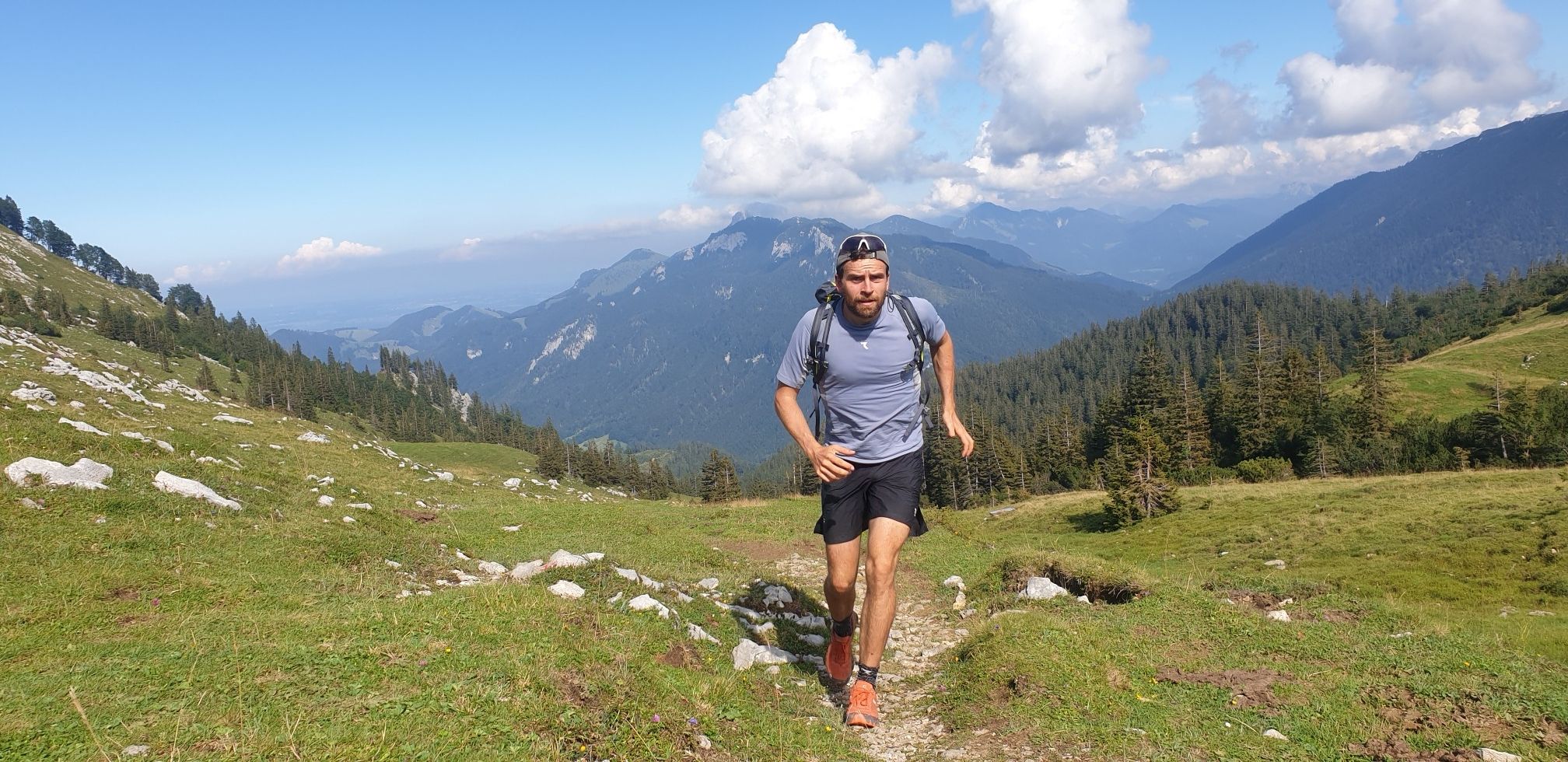
Triathlon around Germany
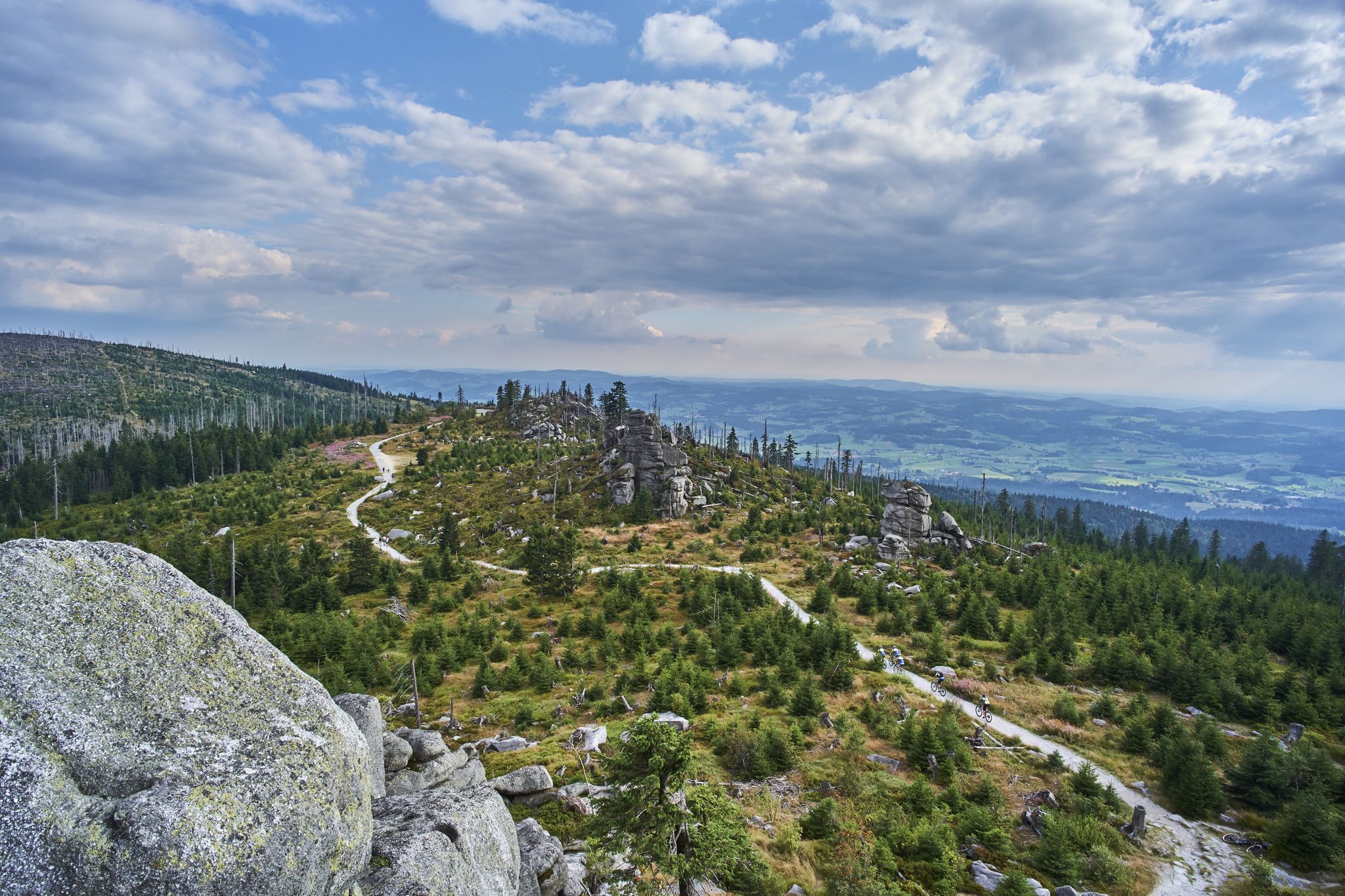
Trans Bayerwald – A mountain bike adventure through Bavaria's finest nature
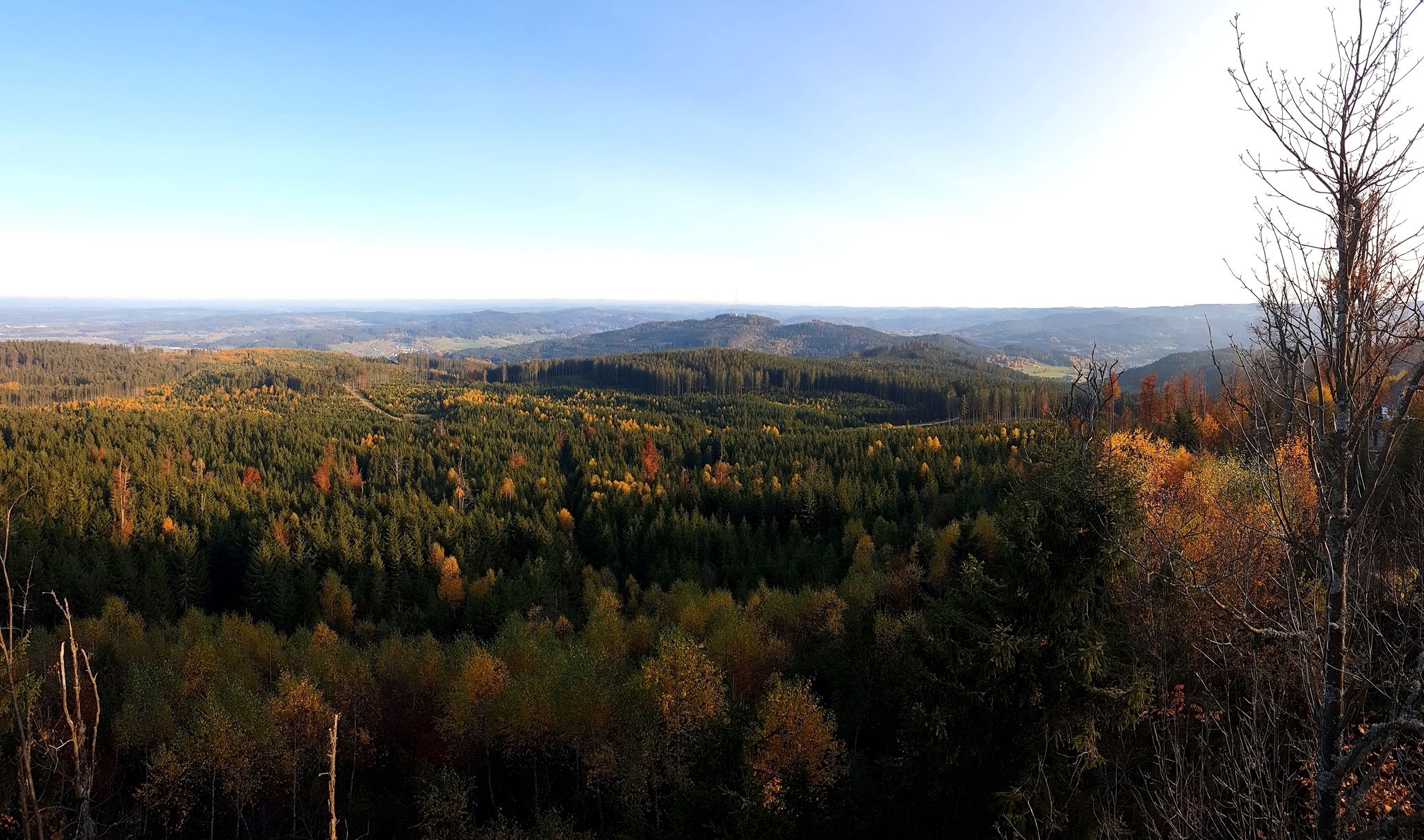
Nordwaldkamm trail – Hiking between the Czech Republic and Austria
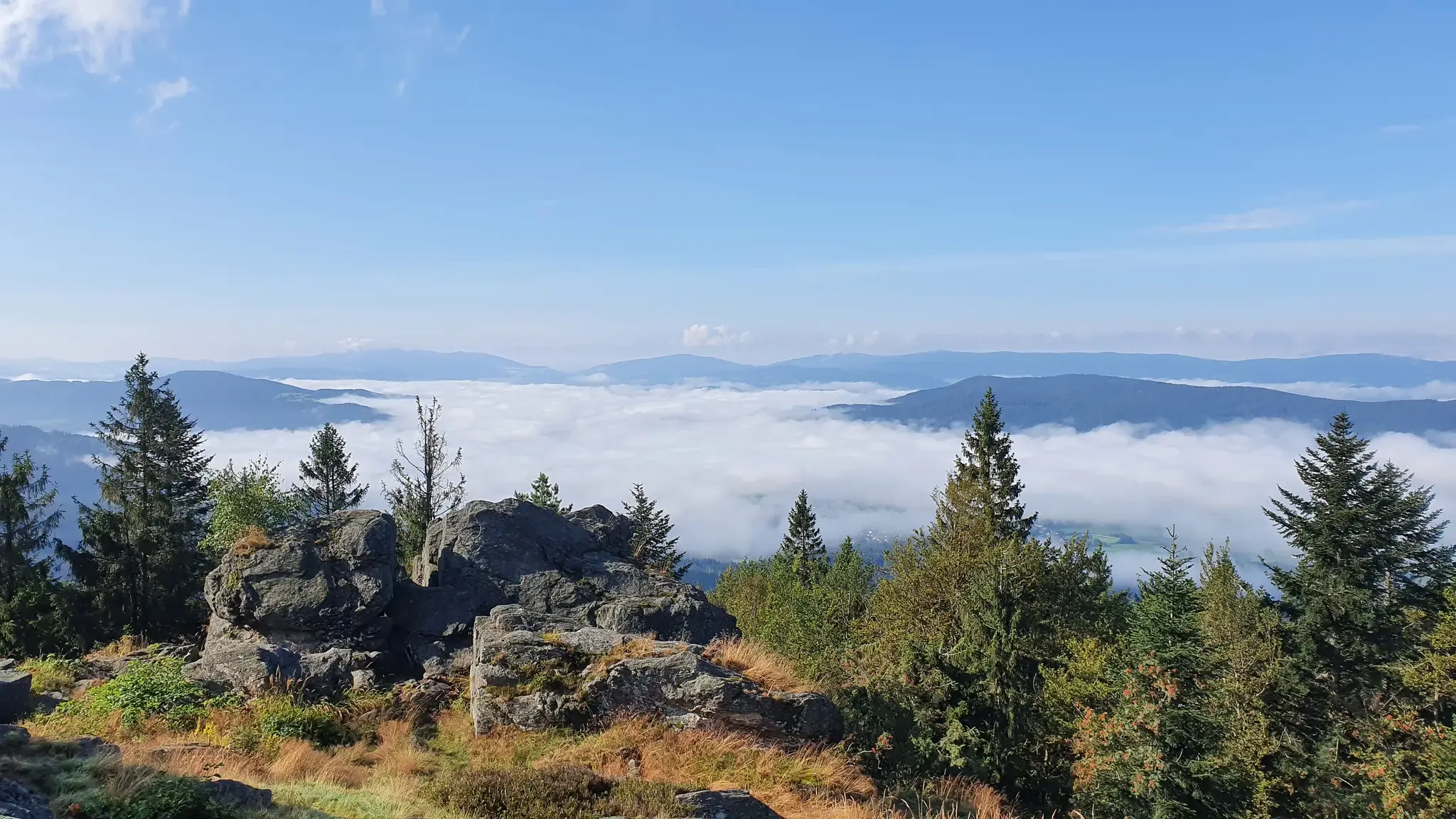
The Goldsteig – 38 stages between Upper Palatinate and Passau
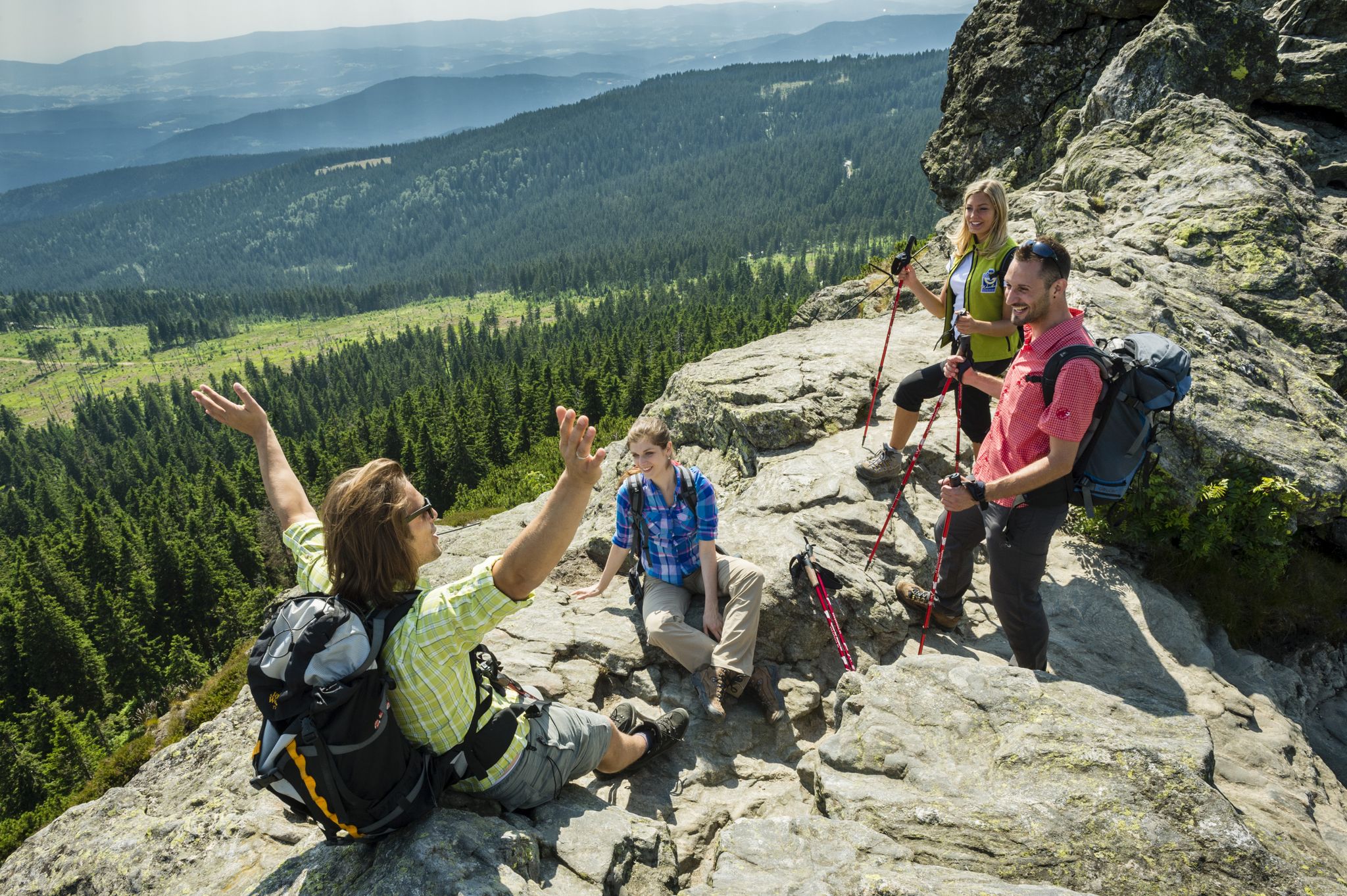
Goldsteig — The best routes for long distance hiking in Eastern Bavaria
Beer culture on two wheels – 8 day rides, 2 countries, 1 pulse
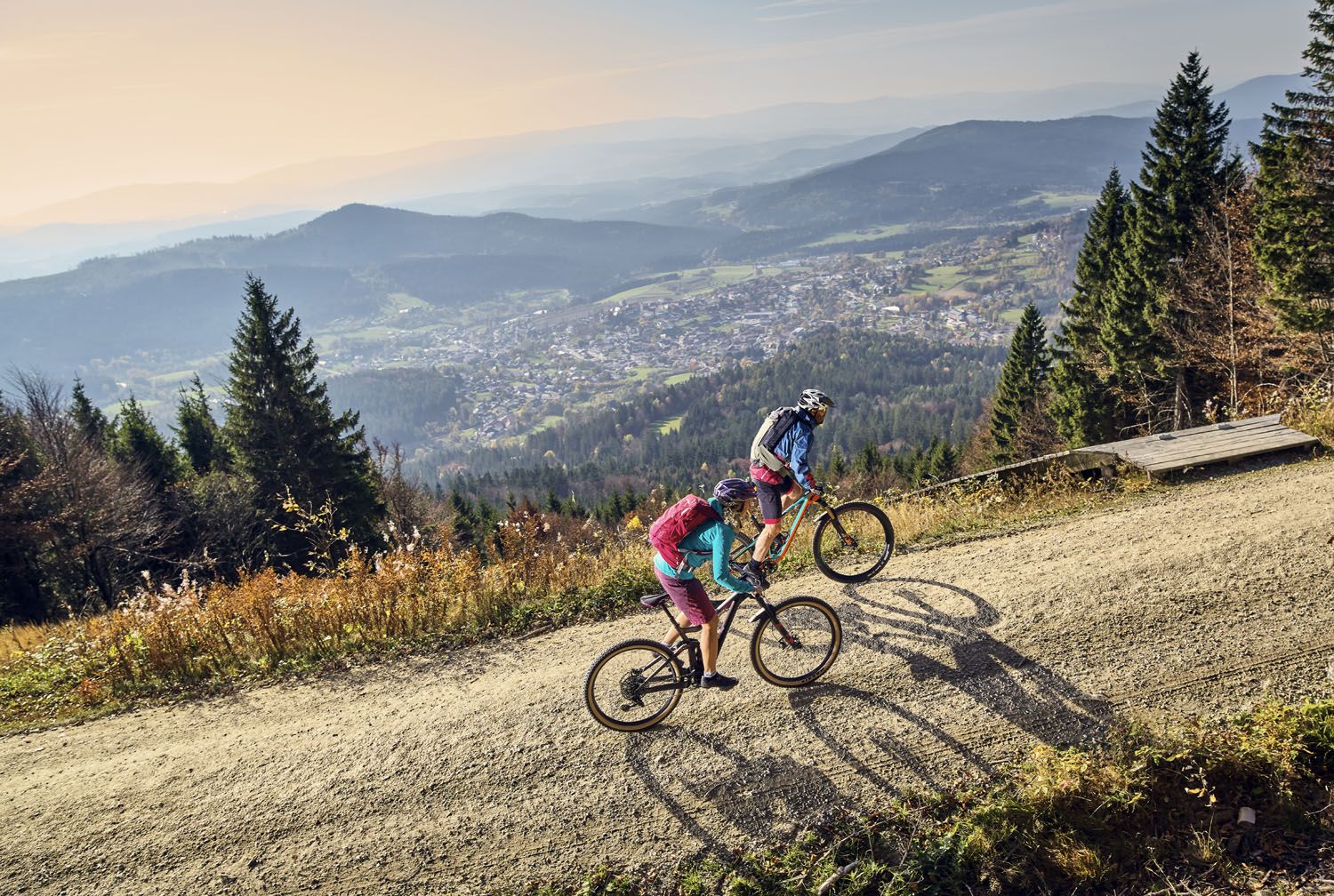
Exciting cycle and (e)-mountain bike Tours in the Bavarian Forest
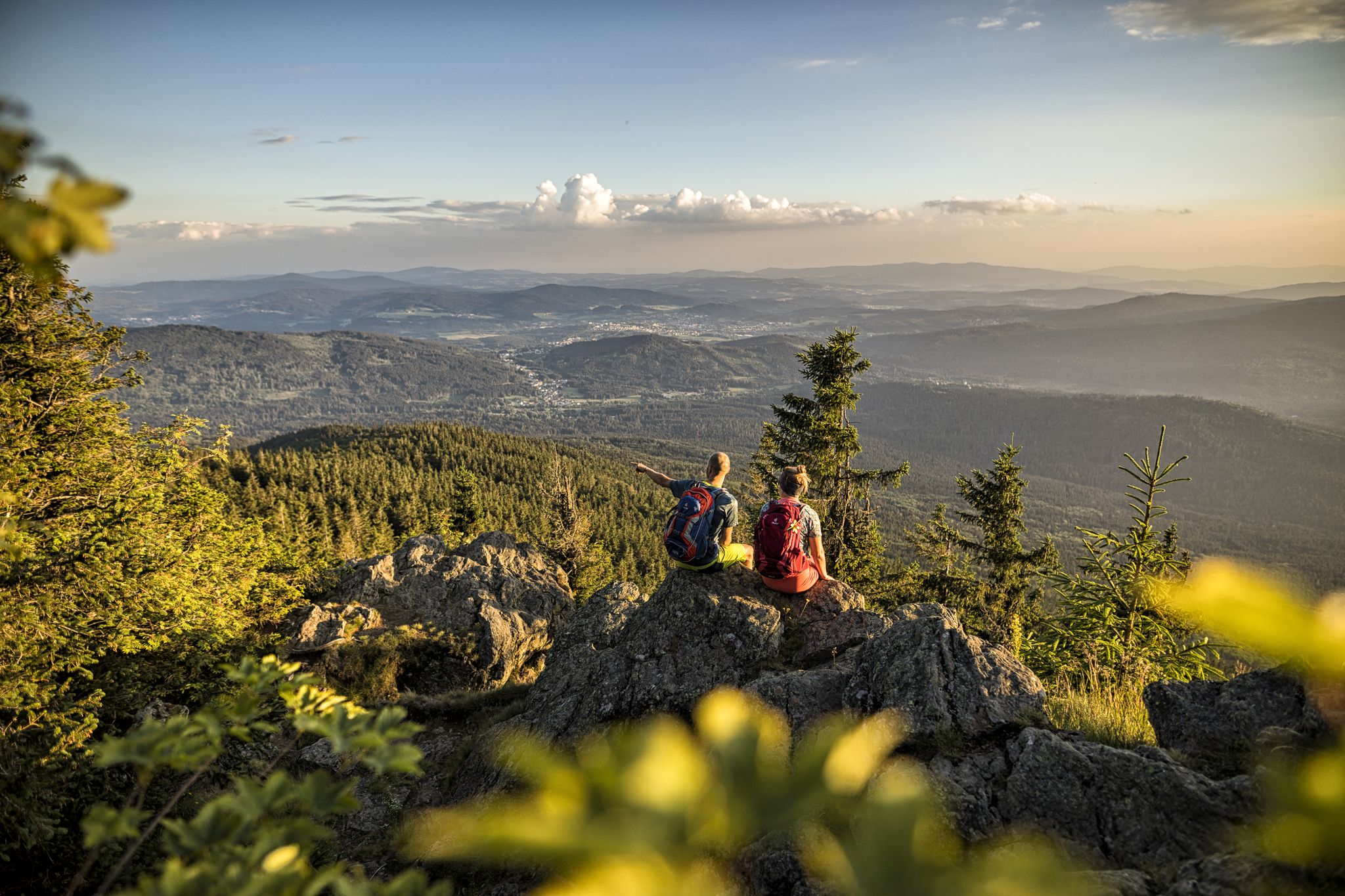
Hiking tips for the Bavarian Forest
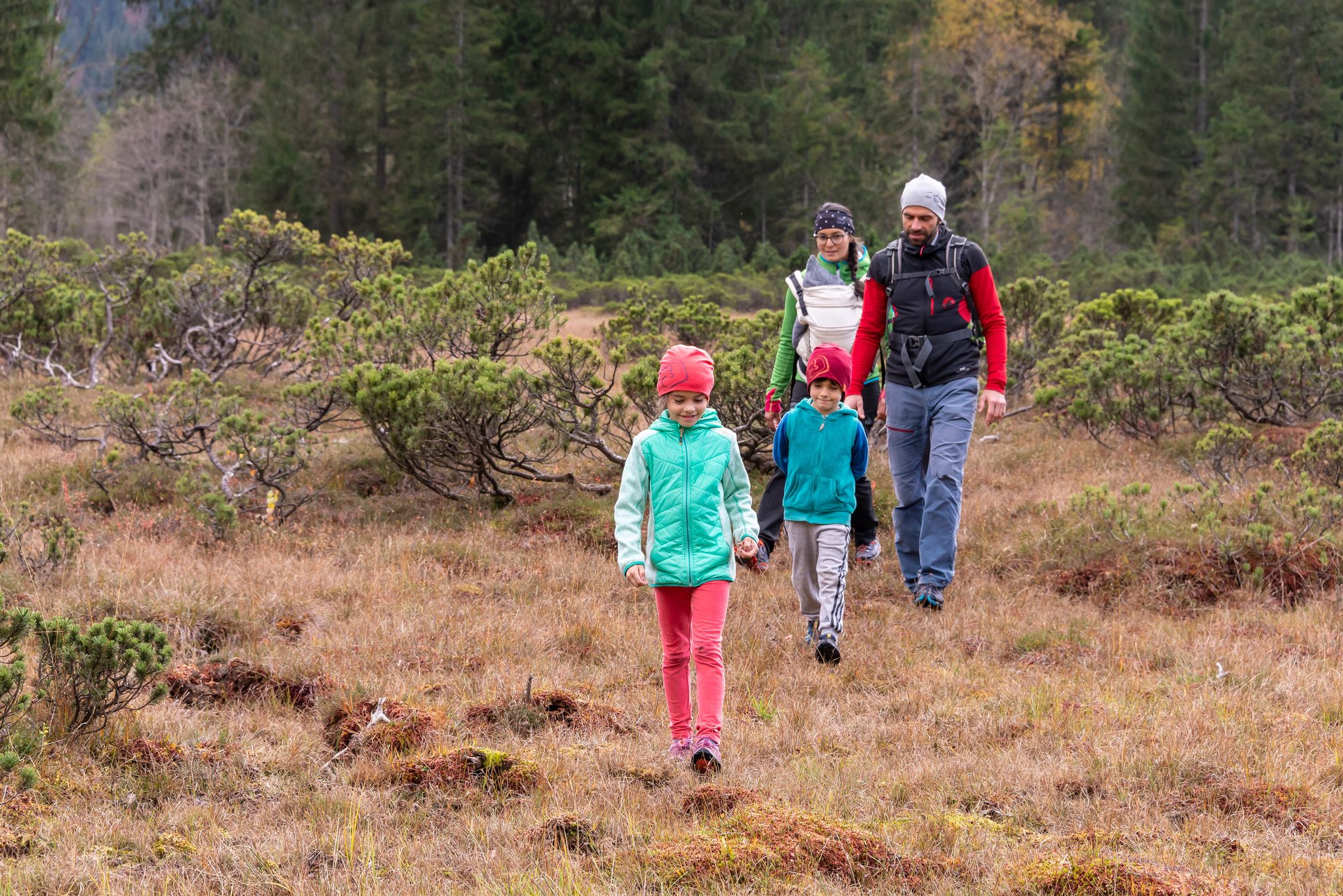
No time for boredom – family hikes with a fun factor in Bayern
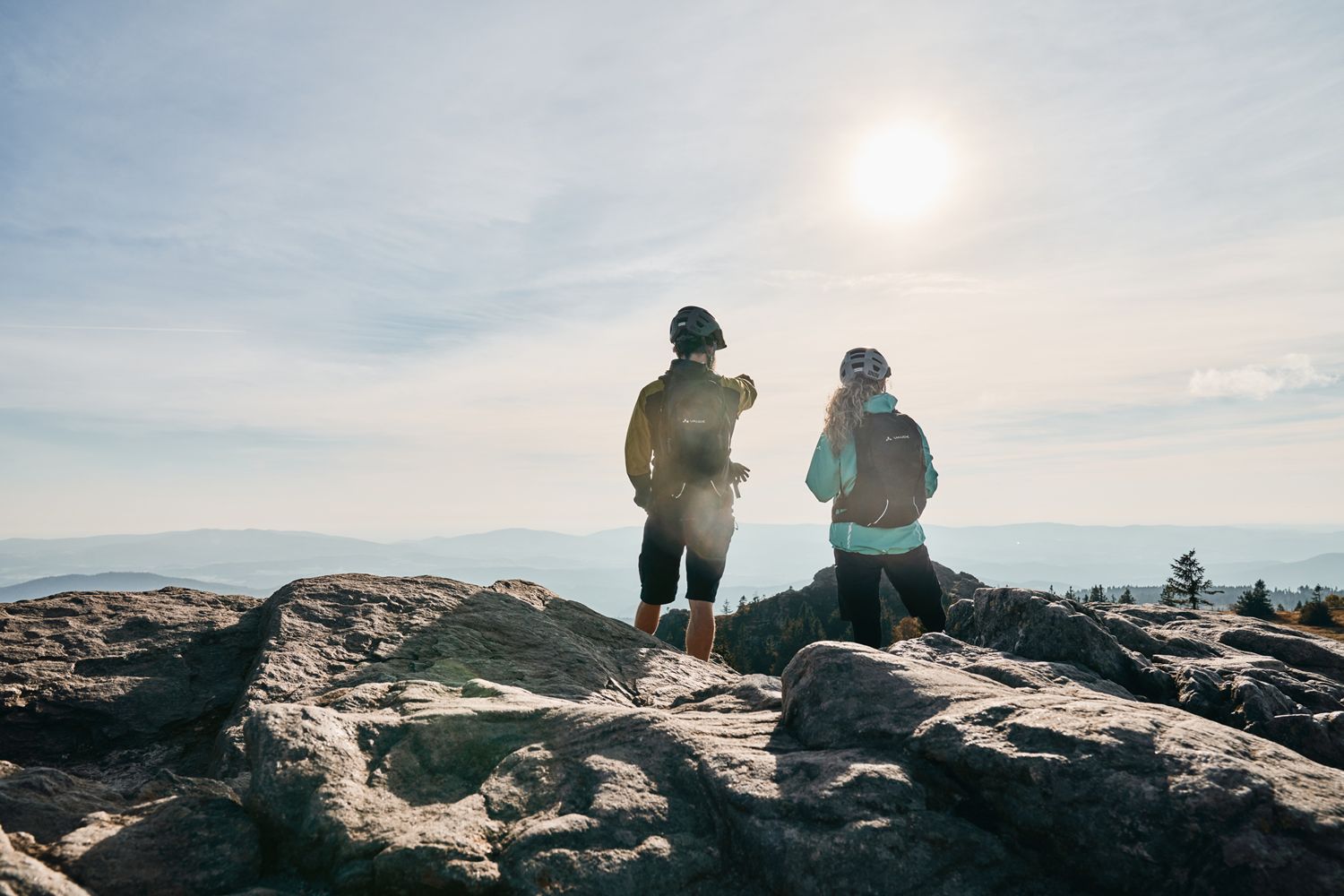
Trans Bayerwald Kurztour: Hüttentour, Romantik und wilde Natur
Other adventures in Freyung-Grafenau


Tips from the Community

The castle grounds also include a small chapel of thanksgiving. It was built by the people of Freyung as thanks for a favorable end to the Second World War for the town.
0
0

belongs to the construction company Bachl
0
0
owned by construction company Bachl
0
0

Wolfstein Castle, built around 1200 by the Bishop of Passau, Wolfger von Erla, served as a fortification, administrative seat, and episcopal hunting lodge. Today, the most important architectural monument in the Freyung-Grafenau district primarily served to protect the new settlements and the northern border of the former abbey lands. The town's landmark houses the extensively modernized Hunting-Land-River Museum, which reopened in October 2014. An information center for the major protected areas of the Bavarian Forest and Bohemian Forest National Parks, the Bavarian Forest Nature Park, and the Sumava Landscape Conservation Area has also been established. Touching and trying things out is permitted at the Hunting-Land-River Museum: Slip into princely robes and become the lord of the castle yourself, escape a hawk hunting you, see like an owl in the night, and compete in the long jump with the forest animals. The museum presents the themes of nature, ecology, and cultural history in a modern and interactive way, captivating visitors across the board. The Hunting-Land-River Museum is a highlight of the cultural landscape of the Bavarian Forest and Bohemian Forest – and it's located in the heart of Freyung! The National Park and Nature Park Information Center displays, among other things, a large model of the Bavarian Forest and Bohemian Forest. https://www.freyung.de/de/kultur-und-kulinarik/sehenswertes/schloss-wolfstein-mit-museum.html
2
0

Definitely worth a detour. The castle stands on a wooded hill, and you only notice it when you're standing right in front of it. Very well hidden...
0
0


Dießenstein Castle Ruins. The ruins are very dilapidated but are located in a beautiful forest area.
0
0
former castle, now part district office and part museum
0
0
Frequently Asked Questions
Which castles offer a deep dive into the region's history and culture?
For a comprehensive historical and cultural experience, Wolfstein Castle in Freyung houses the modernized "Jagd-Land-Fluss Museum." It offers interactive exhibits on the Bavarian and Bohemian Forests, including nature, ecology, and cultural history. Another significant site is Fürsteneck Castle, which was a border fortification and now hosts the Fürstenecker Baroque Festival, adding a cultural dimension.
Are there significant castle ruins to explore in Freyung-Grafenau?
Yes, the region is rich in castle ruins. The Dießenstein Castle Ruins, built in 1347, offer a historical hiking experience, though not much of the original structure remains. The Kaltenstein Castle Ruins are well-preserved and inspired local poet Emerenz Meier. Additionally, the Neuenbuchberg Castle Ruins and the remnants of Wildenstein Castle provide glimpses into medieval defensive structures within natural settings.
Are there family-friendly castles in Freyung-Grafenau?
Absolutely. Wolfstein Castle is considered family-friendly, particularly with its interactive "Jagd-Land-Fluss Museum" where visitors can try on princely garments and experience a falcon hunt. Fürsteneck Castle also has facilities that make it suitable for families, including a country inn.
What outdoor activities can I do near the castles?
The Freyung-Grafenau region, with its castles, is ideal for outdoor enthusiasts. You can find numerous routes for gravel biking, cycling, and hiking. For example, there are easy hikes available, such as the 'Sonnenwald-Erlebnispfad' or the 'Circular route Crayfish'. For cycling, options like the 'National Park Cycle Trail' or the 'Grafenau Nature Tour' are popular. You can explore more options in the Gravel biking in Freyung-Grafenau, Easy hikes in Freyung-Grafenau, and Cycling in Freyung-Grafenau guides.
Which castles offer scenic viewpoints or natural features?
Many castles in the region are strategically located for their views. Ranfels Castle Chapel, part of the Burg Ranfels complex, offers a viewpoint and an idyllic castle garden. Neuenbuchberg Castle Ruins also provide scenic views, being situated on the southern slope of the Buchberg. Fürsteneck Castle is perched on a hill overlooking the Wolfsteiner Ohe river, offering a picturesque setting.
What is the best time of year to visit the castles in Freyung-Grafenau?
The castles in Freyung-Grafenau can be visited year-round, each season offering a different charm. Spring and autumn provide pleasant temperatures for exploring and hiking around the ruins. Summer allows for enjoying outdoor events, such as those held in the courtyard of Burg Ranfels. Some castles, like Burg Saldenburg, host special events like the 'Burgweihnacht' (Christmas market), making winter visits unique.
Are there dining options or accommodations near the castles?
Yes, some castles offer amenities. Fürsteneck Castle houses a cozy country inn with a restaurant and accommodations, making it an ideal spot for a break or an overnight stay. Burg Saldenburg primarily serves as a youth hostel, offering accommodation options, especially for groups.
Can I visit the castles with my dog?
While specific dog policies vary by site, many outdoor castle ruins and grounds in the region are generally accessible for dogs, especially if kept on a leash. For indoor museums or specific castle buildings, it's advisable to check directly with the site beforehand. The natural surroundings and hiking trails near many castles are perfect for walks with your canine companion.
Are any castles in Freyung-Grafenau wheelchair accessible?
Accessibility can vary significantly between sites, especially for older castle ruins. While some castle grounds or modern museum sections within castles might offer better accessibility, many historical structures, particularly ruins like Dießenstein Castle Ruins, involve adventurous and sometimes steep paths that may not be suitable for wheelchairs. It is recommended to check specific accessibility details for each castle you plan to visit.
What unique features do some of the castles offer?
Each castle has its unique character. Wolfstein Castle is known for its interactive museum. Fürsteneck Castle features a medieval gate tower and a castle chapel that serves as a parish church. Burg Saldenburg, known as 'Waldlaterne,' is a massive, box-shaped residential tower from the 14th century and now functions as a youth hostel. Burg Ranfels hosts art exhibitions and cultural events in its medieval gatehouse, including a 'Wunderkammer' (cabinet of curiosities).
Are there guided tours available at the castles?
While the provided information doesn't explicitly state regular guided tours for all castles, some sites like Burg Saldenburg typically offer tours during special events such as the annual Christmas market ('Burgweihnacht'). For Wolfstein Castle, the museum experience is self-guided but highly informative. It's best to inquire directly with the specific castle you wish to visit for current tour availability.
Most popular routes in Freyung-Grafenau
Most popular attractions in Freyung-Grafenau

Get inspired with the komoot mobile app


Didn’t find what you were looking for?
Explore Freyung-Grafenau’s best castles region by region:
Explore more
Looking for the best castles somewhere else? Discover other guides in Freyung-Grafenau:
