Top 20 Caves in Kelheim
Caves in Kelheim offer a diverse range of underground experiences within Bavaria, Germany. The region is characterized by its karst landscapes and the Altmühl valley, providing natural formations and historical sites. These caves serve as significant archaeological locations, revealing evidence of ancient human habitation and Ice Age fauna. The natural setting often includes views of the surrounding valleys and accessible hiking trails.
Best caves in Kelheim
- The most popular caves is Schulerloch Cave, a cave that is a captivating karst cave rich in stalactites and stalagmites. It features a unique cup-shaped stalagmite forming a water basin, considered one-of-a-kind globally.
- Another must-see spot is Klausen Caves, a public cave system situated in the Altmühl valley, featuring several rock niches at four different altitudes. These caves are renowned as significant archaeological sites for their finds from the Palaeolithic period, including the oldest burial of an anatomically modern human in Germany.
- Visitors also love Friedrichsruh Cave, a cave with a nice "hall" and a bench. This relatively large grotto, about 12 meters high and 18 meters wide, is also a popular spot for climbers.
- Kelheim is known for karst caves, archaeological sites, and rock grottoes. The area offers a variety of caves to explore, from illuminated show caves with guided tours to accessible rock shelters.
- The caves in Kelheim are appreciated by the komoot community, with more than 870 upvotes and over 600 photos shared by visitors.
Last updated: October 4, 2026
Klösterl Hermitage and Cave Church
Highlight • Religious Site
Translated by Google •
Tip by

Friedrichsruh Cave
Highlight • Cave
Translated by Google •
Tip by

Sign up now to discover places like this
Get recommendations on the best single tracks, peaks, & plenty of other exciting outdoor places.
Klausenhöhlen Caves
Highlight • Cave
Translated by Google •
Tip by

Klausen Caves
Highlight • Cave
Source / more information:
de.wikipedia.org/wiki/Klausenh%C3%B6hle
Translated by Google •
Tip by

Klamm Cave near Einthal
Highlight • Cave
Translated by Google •
Tip by
Schulerloch Cave
Highlight (Segment) • Cave
Translated by Google •
Tip by
Schulerloch Show Cave
Highlight • Cave
Translated by Google •
Tip by
Grundlose Grube (Bottomless Pit)
Highlight • Cave
Translated by Google •
Tip by

Cave at Devil's Rock
Highlight • Cave
Translated by Google •
Tip by

Oberneder Cave
Highlight • Cave
More information: lochstein.de/hoehlen/D/fralb/altm/unalt/oberneder/oberneder.htm
Translated by Google •
Tip by
Sign up for free to discover even more caves in Kelheim.
Already have an account?
Start today with a free account
Your next adventure awaits.
Popular around Kelheim
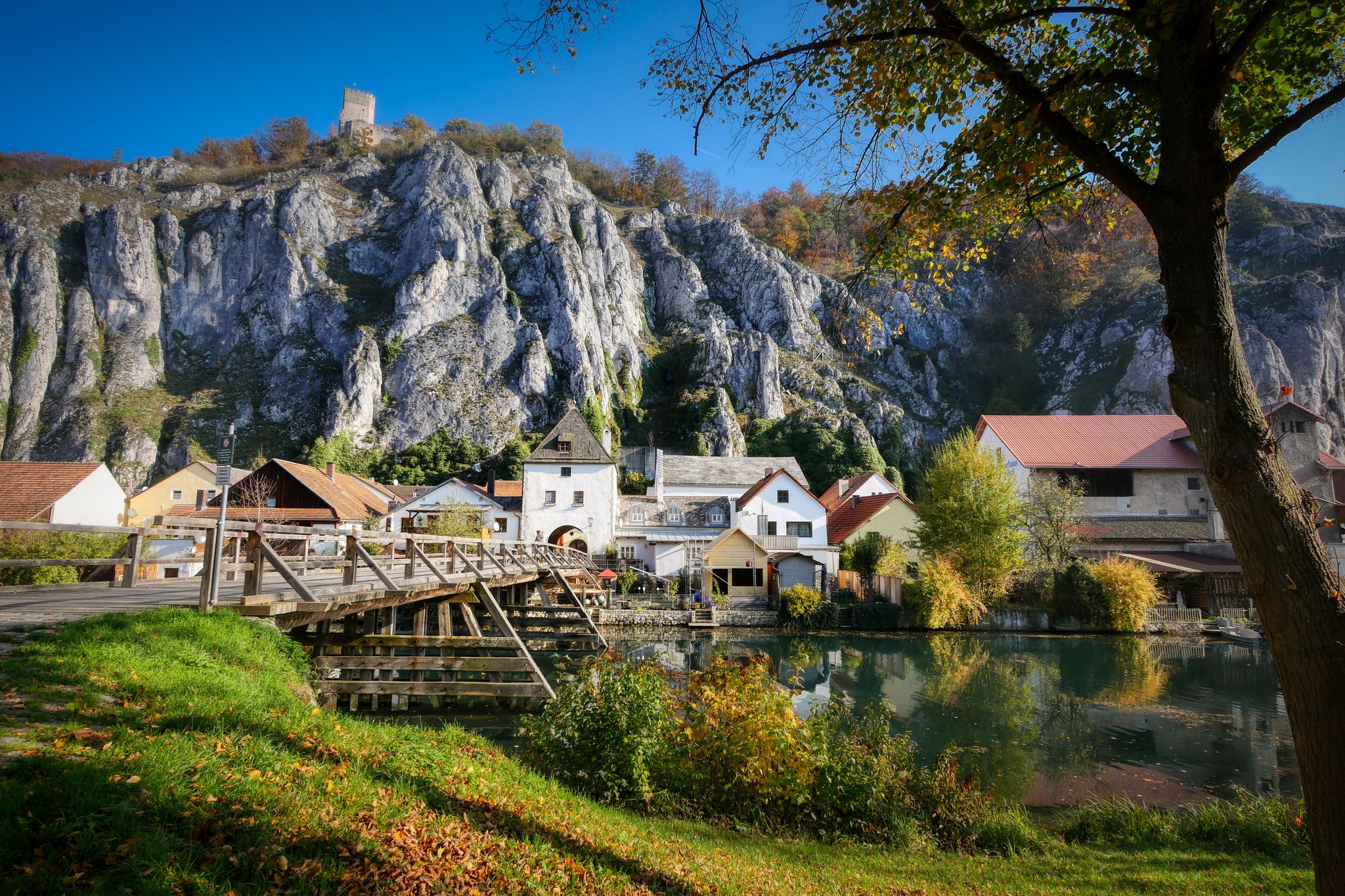
Jurasteig — hiking in the heart of Bavaria
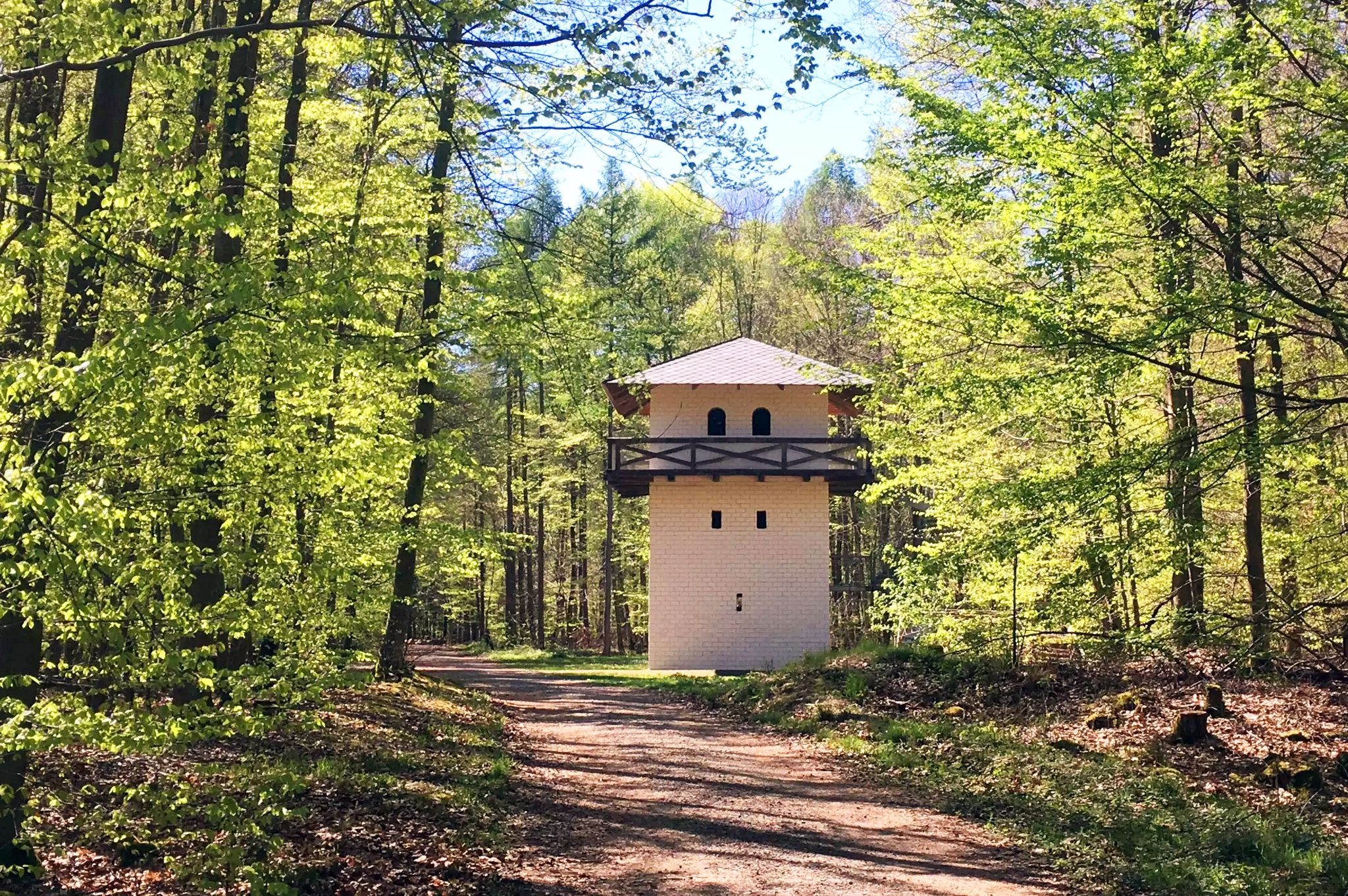
German Limes Cycle Path – Riding from the Rhine to the Danube
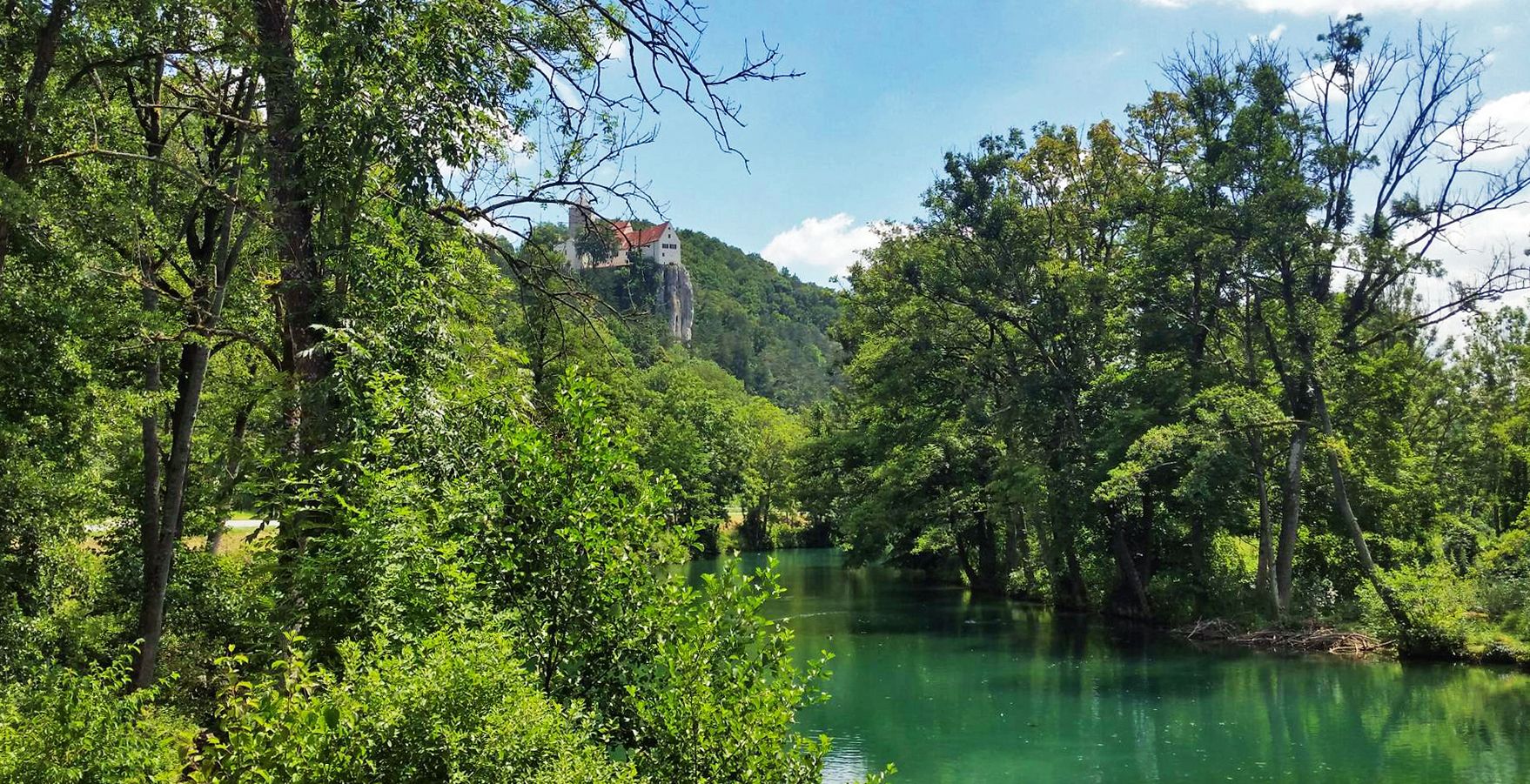
Five Rivers Cycle Path — 5 stages along Bavaria's most beautiful rivers
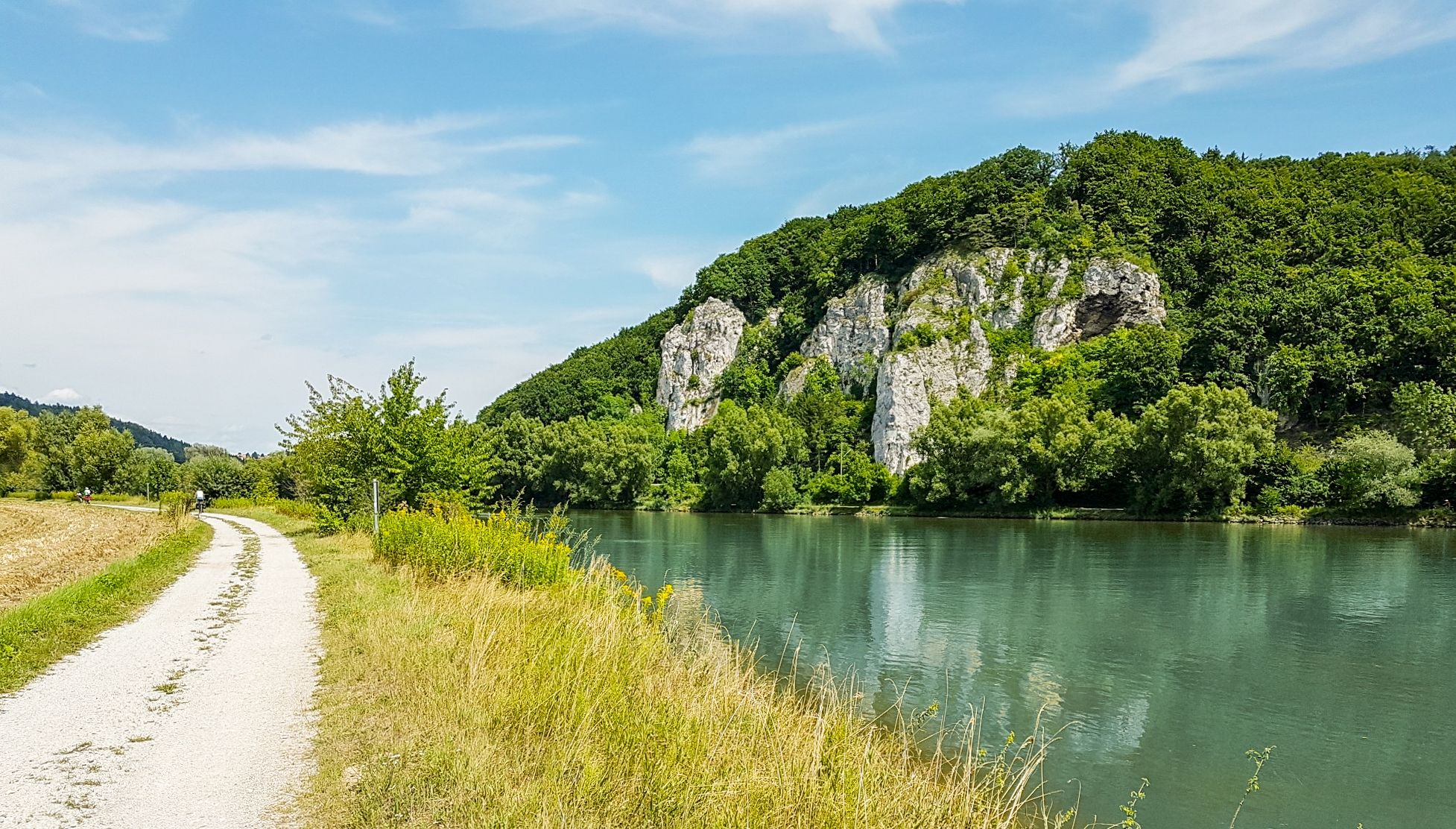
Donau-Panoramaweg – 10 days nature views and cultural insights
Niederbayerntour in 7 stages — Swim trunks, beer, baroque
The Danube Cycle Path – From Donaueschingen to Budapest
The Jura Trail — Bikepacking Bavaria
On a gravel bike through Altmühltal & Hallertau
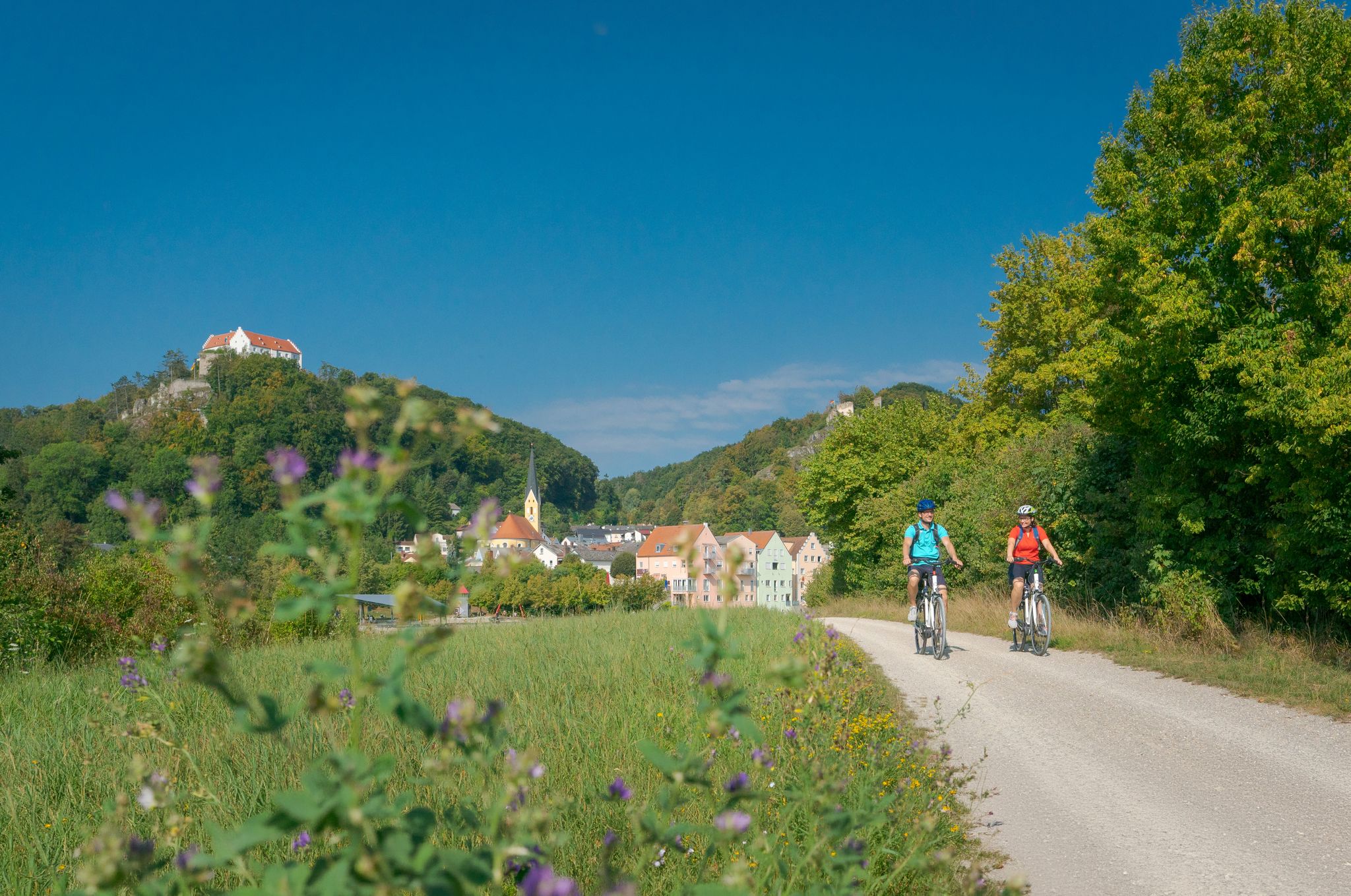
Cycling, food and relaxation in the Altmühltal Nature Park
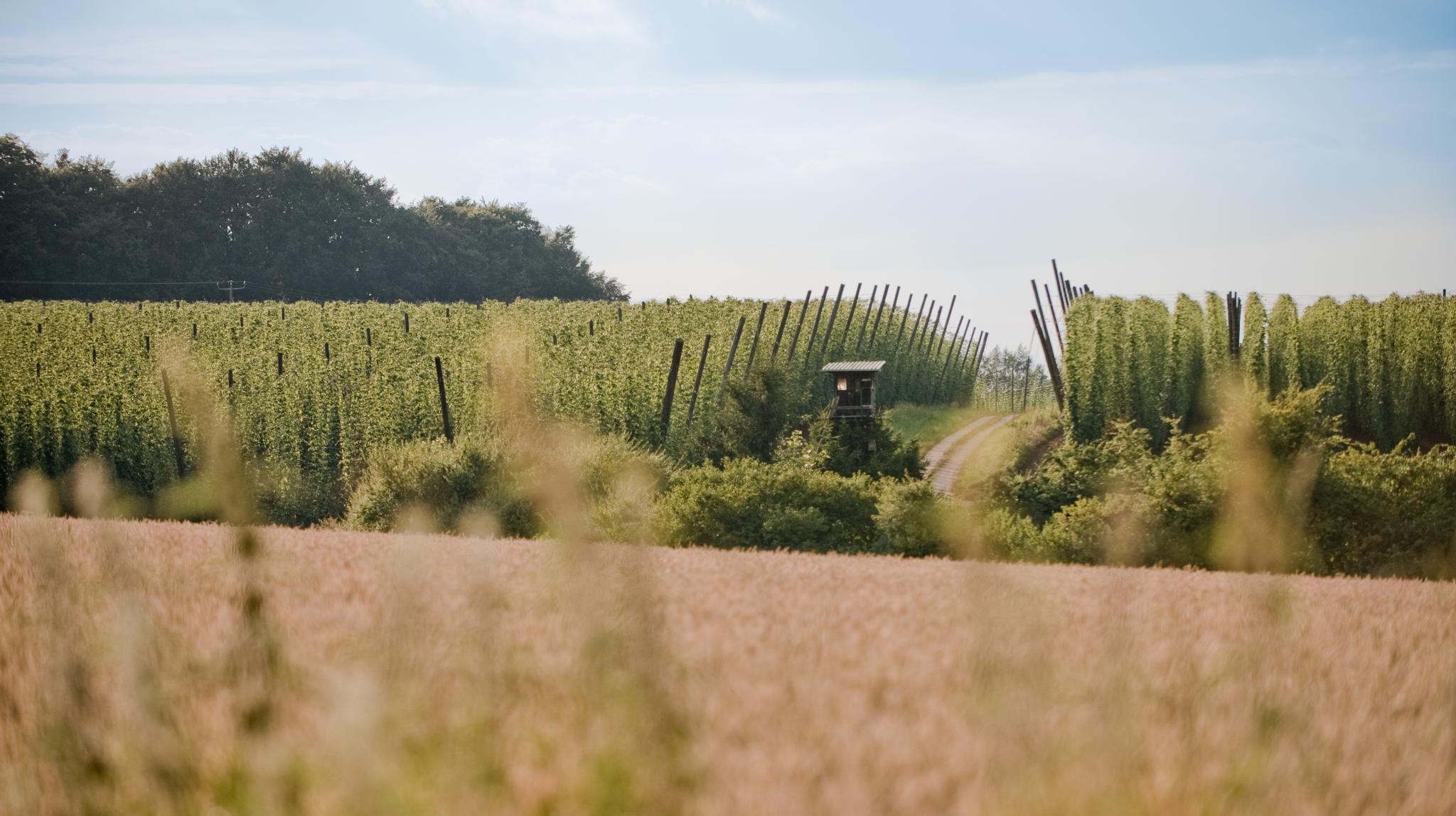
Through hop gardens and hills – hiking in the Hallertau
Other adventures in Kelheim


Tips from the Community


Schulerloch Stalactite Cave > a Geotope The Great Schulerloch, which can be safely visited as a show cave with a half-hour guided tour, is one of the longest caves in the Lower Altmühl Valley with a measured length of 420 meters. The largest chamber of the cave covers almost 800 square meters and is 8 meters high. The cave features interesting stalactite decorations in places. Scientific excavations in the cave sediment have yielded not only bones of Ice Age animals, but also archaeological finds from the Paleolithic and Mesolithic periods, as well as the Bronze Age. Bavarian State Office for the Environment (LfU). https://www.umweltatlas.bayern.de/standortauskunft/rest/reporting/sb_geotope/generate?additionallayerfieldvalue=273H001
0
0
Unfortunately, photography is prohibited in the cave, so I didn't take any photos. Please respect this ban!
0
0

The small, freely accessible cave is somewhat hidden along the path and can be reached via a small, steep climb. During the winter months from late October to late March, the cave should not be visited to protect the bats.
0
0
The Grundlose Grube > a geotope The Grundlose Grube is less of a sinkhole than a shaft cave. It is an approximately 35 m deep shaft with a 3-4 m wide opening. The funnel-shaped opening lies in the green sandstone; after 6 m, the boundary with the Jurassic limestone is reached. Here, the shaft widens to 7-9 m. From this depth, it narrows increasingly. The floor is filled with loose material. The Grundlose Grube belongs to the karst features of a younger (Quaternary) age. The Grundlose Grube is a bat roost of European importance. To preserve the cave as a year-round habitat, there is a YEAR-ROUND ENTRY BAN! Speleological exploration is possible in individual cases, but requires a special permit. The contact person is the Lower Nature Conservation Authority at the Kelheim District Office. Bavarian State Office for the Environment (LfU). https://www.umweltatlas.bayern.de/standortauskunft/rest/reporting/sb_geotope/generate?additionallayerfieldvalue=273H002 Further information and images can be found on the website below. https://www.lochstein.de/hoehlen/D/fralb/sfralb/H-Hemau/Grundlose%20Grube/grundlose.htm
3
0

The tour through the cave is really interesting and entertaining. When the lights are turned off in the cave, it is completely dark 😃.
1
0

Beautiful stalactite cave, unfortunately you are not allowed to take photos. At the end of the tour there is a multimedia show which is very well done.
1
0

Kind of impressive. But be careful, if you fall into this you won't have to order any new shoes
5
0
Frequently Asked Questions
What unique natural features can I expect to see in Kelheim's caves?
The Schulerloch Cave is particularly known for its beautiful flowstone formations, including stalactites and stalagmites. It features an extraordinary cup-shaped stalagmite forming a water basin, which is considered globally unique. Other caves like Friedrichsruh Cave offer large grottoes and rock formations.
Are there family-friendly caves to visit in Kelheim?
Yes, several caves in Kelheim are suitable for families. The Schulerloch Cave offers guided tours with a multimedia show that can be engaging for children, and it has a flat, sand-covered path. The Klausen Caves are also considered family-friendly for self-guided exploration, and the Monastery Cave has stone steps, making it explorable with children.
What is the historical or archaeological significance of the caves in Kelheim?
Kelheim's caves hold significant historical and archaeological value. The Schulerloch Cave provided shelter to Neanderthals and Ice Age animals, with archaeological finds displayed nearby. The Klausen Caves are renowned as one of Bavaria's most important Ice Age sites, with discoveries including artifacts from Neanderthals and Cro-Magnon humans, and the oldest burial of an anatomically modern human in Germany.
Are there guided tours available for any of the caves?
Yes, the Schulerloch Cave offers 30-minute guided tours every half-hour. These tours include a multimedia show projected onto the cave walls, illustrating the Earth's origin, the Jurassic sea, and encounters with Ice Age giants and Neanderthals. The Klausen Caves, however, are accessible for self-guided exploration.
What is the temperature inside the caves, and what should I wear?
The Schulerloch Cave maintains a constant temperature of 9 °C (48.2 °F) with humidity around 80%. It is advisable to wear warm clothing and sturdy shoes, even during summer, to stay comfortable during your visit.
What outdoor activities can I do near the caves in Kelheim?
The Kelheim region offers a variety of outdoor activities. You can find numerous hiking trails, including the Weltenburger Höhenweg and the Juraerlebnispfad Essing. There are also extensive cycling routes like the Altmühl-Danube Tour, and challenging MTB trails for mountain biking enthusiasts.
Are there any caves in Kelheim that are also popular for climbing?
Yes, the Friedrichsruh Cave, a relatively large grotto about 12 meters high and 18 meters wide, is a popular spot for climbers. Visitors often enjoy watching climbers in action here.
When is the best time to visit the caves in Kelheim?
The Schulerloch Cave is generally open to visitors from spring through autumn, but it is closed on Mondays (except during Bavarian school holidays) and during winter to protect bats. The Klausen Caves are free to enter from April to September. Always check specific opening times before planning your visit.
Are there any cafes or amenities near the caves?
Yes, the Schulerloch Cave has a café bistro on-site for visitors. Additionally, the Klösterl Hermitage and Cave Church, located near some cave systems, features a beautiful beer garden.
Can I explore the caves on my own, or are guides mandatory?
It depends on the cave. The Schulerloch Cave requires guided tours for exploration. However, the Klausen Caves are accessible for self-guided exploration, allowing you to explore at your own pace.
What makes the Schulerloch Cave unique compared to other caves?
Beyond its impressive stalactites and stalagmites, the Schulerloch Cave is distinguished by a unique cup-shaped stalagmite forming a water basin, which is considered one-of-a-kind globally. It also offers a multimedia show during guided tours and hosts concerts during summer, utilizing its excellent natural acoustics.
Are there any caves that offer views of the surrounding landscape?
Yes, the Klausen Caves are situated on a slope that offers views of the Altmühl valley. Similarly, the Klösterl Hermitage and Cave Church is a viewpoint offering scenic vistas in the Danube Valley.
Most popular routes in Kelheim
Most popular attractions in Kelheim

Get inspired with the komoot mobile app


Didn’t find what you were looking for?
Discover more caves in Kelheim region by region:
Explore more
Extend your search for the best caves by checking out these guides of the top ones in Kelheim:
