Top 20 Natural Monuments in Coesfeld
Best natural monuments in Coesfeld are found within the serene natural environment of the Münsterland region, North Rhine-Westphalia. The area is characterized by the Heidesee Nature Reserve and the broader Baumberge hills, known for their extensive beech forests and distinctive Baumberg sandstone. These natural features offer diverse landscapes for exploration, from tranquil heath ponds to elevated viewpoints. Coesfeld provides a rich natural setting for outdoor activities and nature observation.
Best natural monuments in Coesfeld
- The most popular natural monuments is…
Last updated: June 26, 2026
Alte Fahrt between Datteln and Olfen
Highlight • River
Translated by Google •
Tip by

Dülmen Wildlife Park
Highlight • Forest
Translated by Google •
Tip by

Sign up now to discover places like this
Get recommendations on the best single tracks, peaks, & plenty of other exciting outdoor places.
Sign up for free
Great Pond in Venner Moor
Highlight • Lake
Translated by Google •
Tip by

Stever floodplain
Highlight • Bridge
Translated by Google •
Tip by

Southeastern shore of Klutensee
Highlight • Lake
Translated by Google •
Tip by

Kuhlenvenn Birdwatching Platform
Highlight • Viewpoint
Translated by Google •
Tip by

Baumberge Landwehr between Tilbecker Stream and Hoheberg
Highlight • Historical Site
Translated by Google •
Tip by

Historic Sand Pit (Sandkuhle) in Coesfelder Heide
Highlight • Natural Monument
Translated by Google •
Tip by

Baumberge Forest Trails
Highlight • Forest
We were lucky enough to have met two
Translated by Google •
Tip by
Bulderner Lake
Highlight • Lake
Translated by Google •
Tip by

Sign up for free to discover even more natural monuments in Coesfeld.
Sign up for free
Already have an account?
Start today with a free account
Your next adventure awaits.
Login or Signup
Popular around Coesfeld
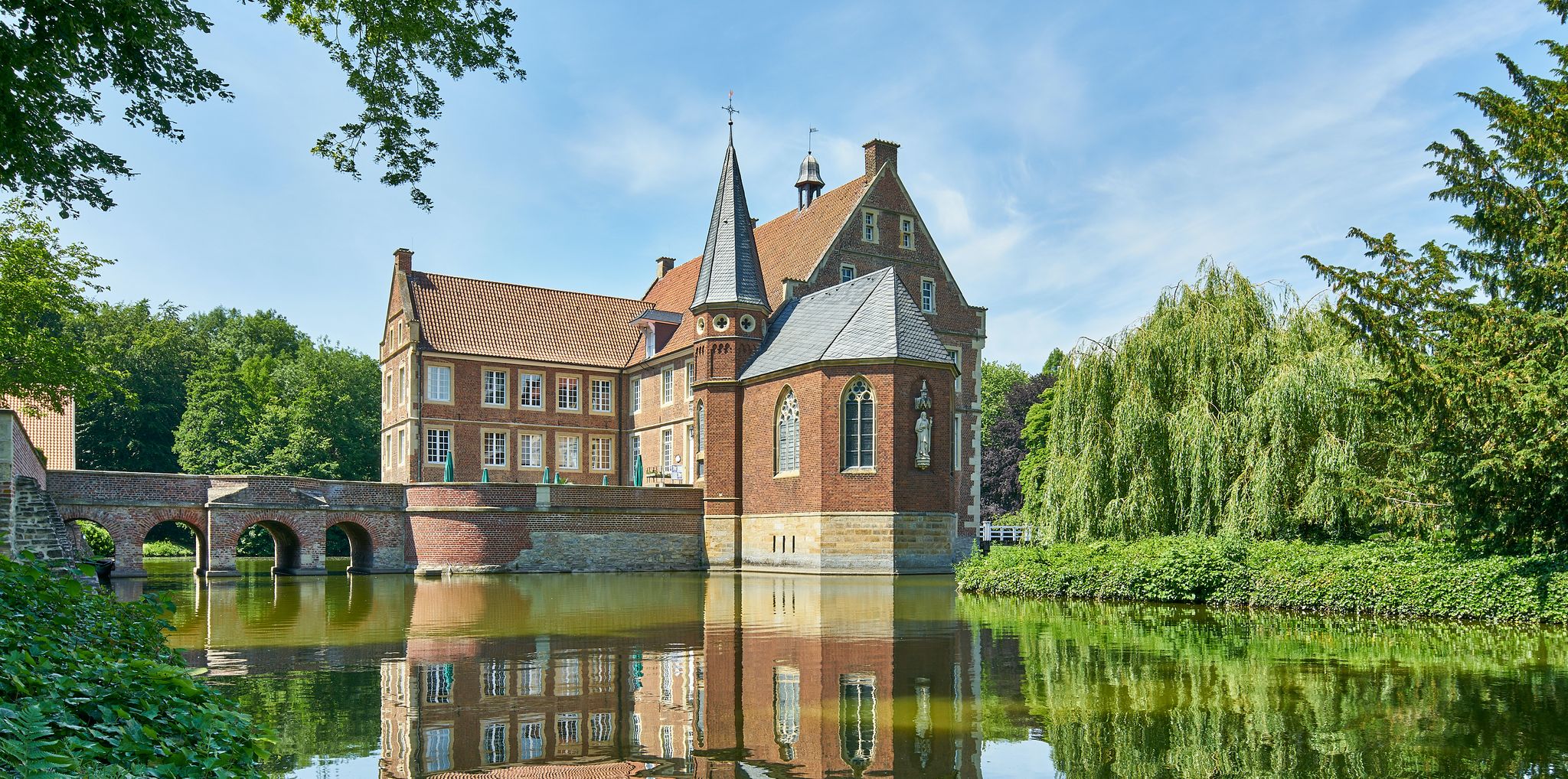
100 Castles Route – Discover the historical treasures of Münsterland by bike
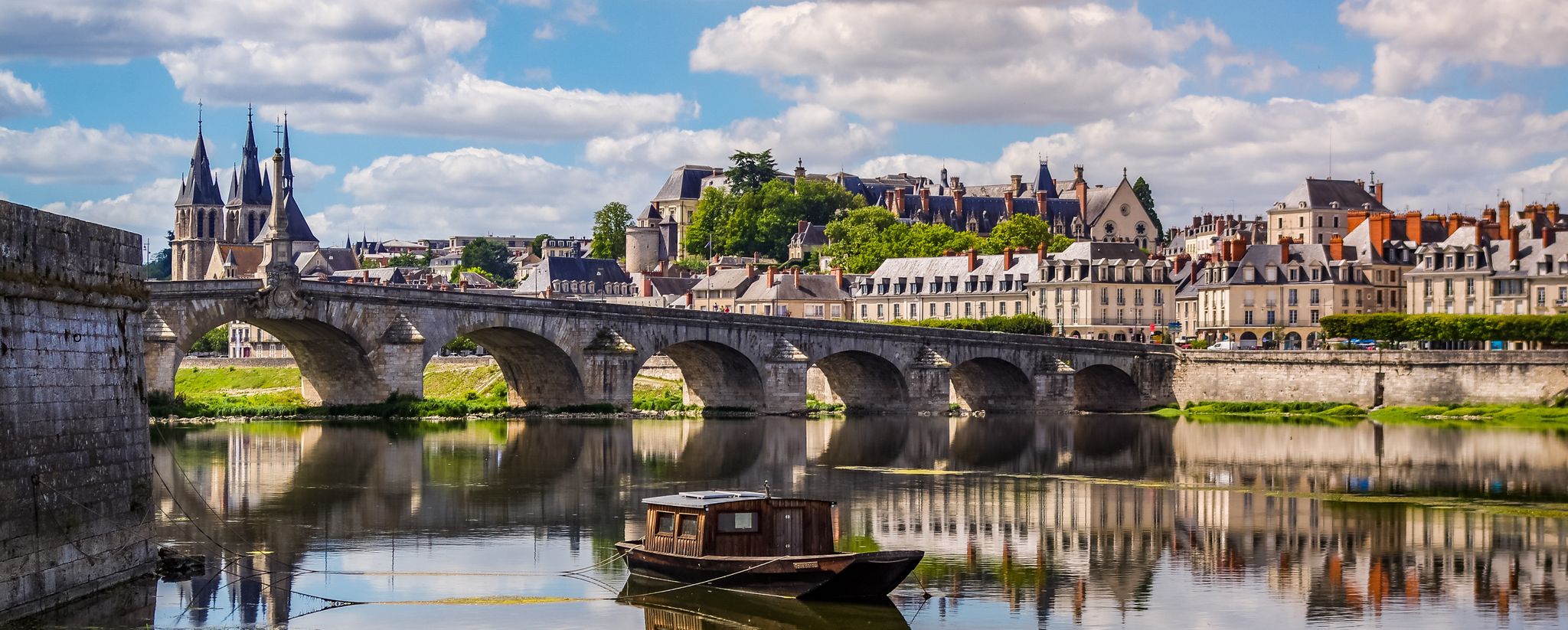
EuroVelo 3 – A cycling pilgrimage from Norway to France
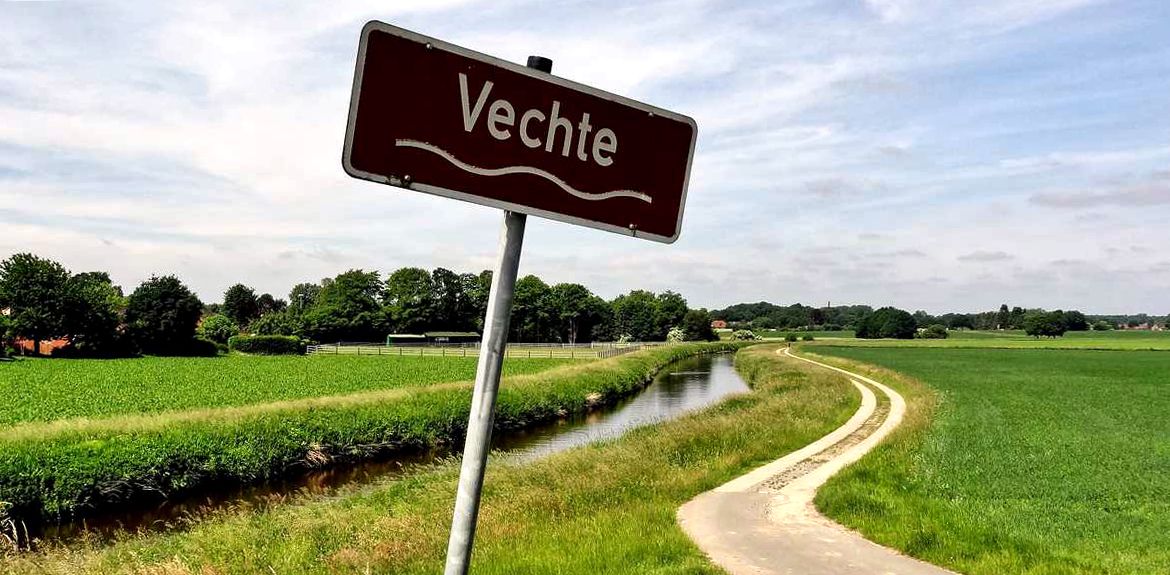
Vechtetal Route – Nature, art & culture in 5 stages
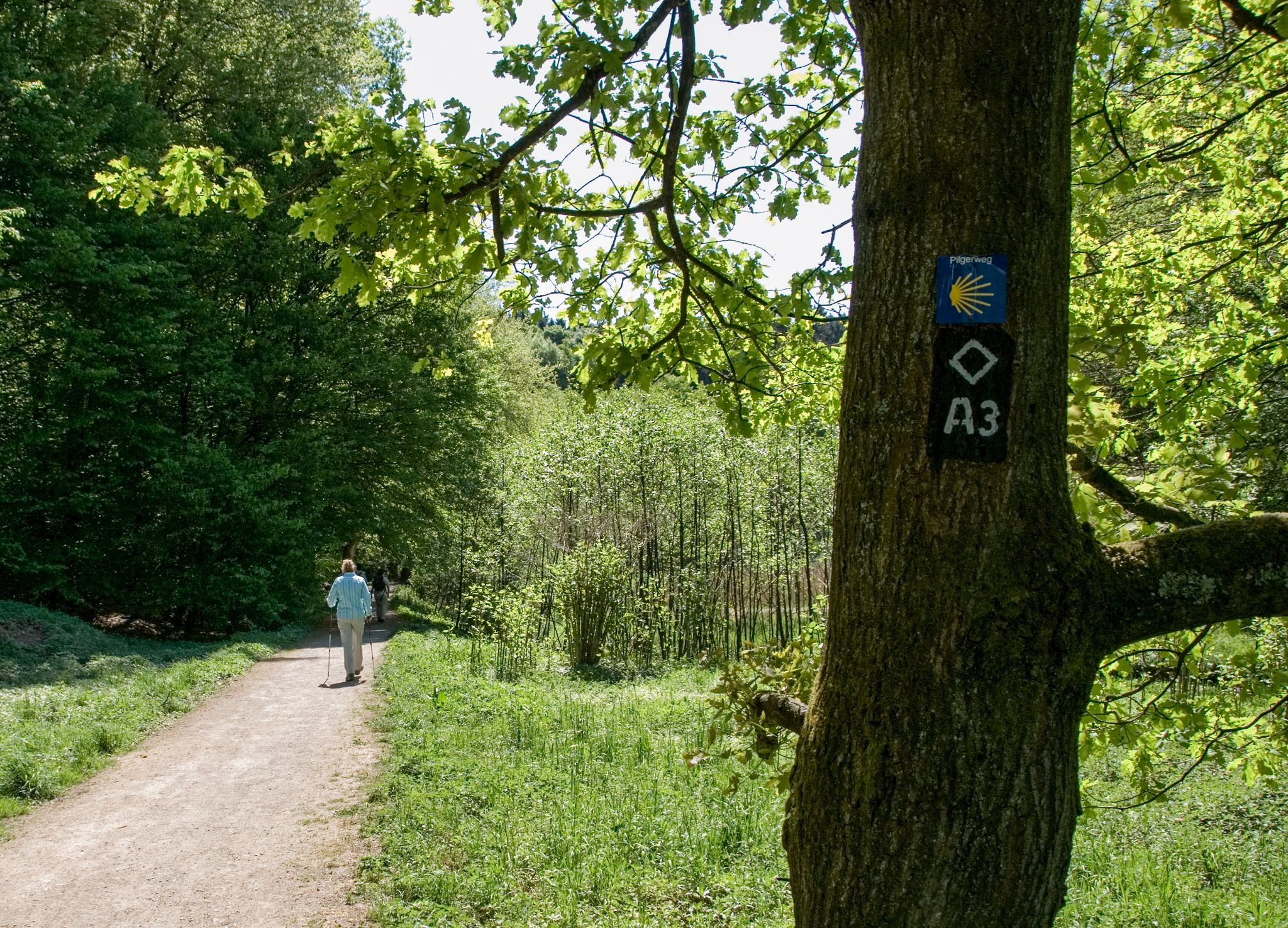
Westphalian Way of St. James – 9 days
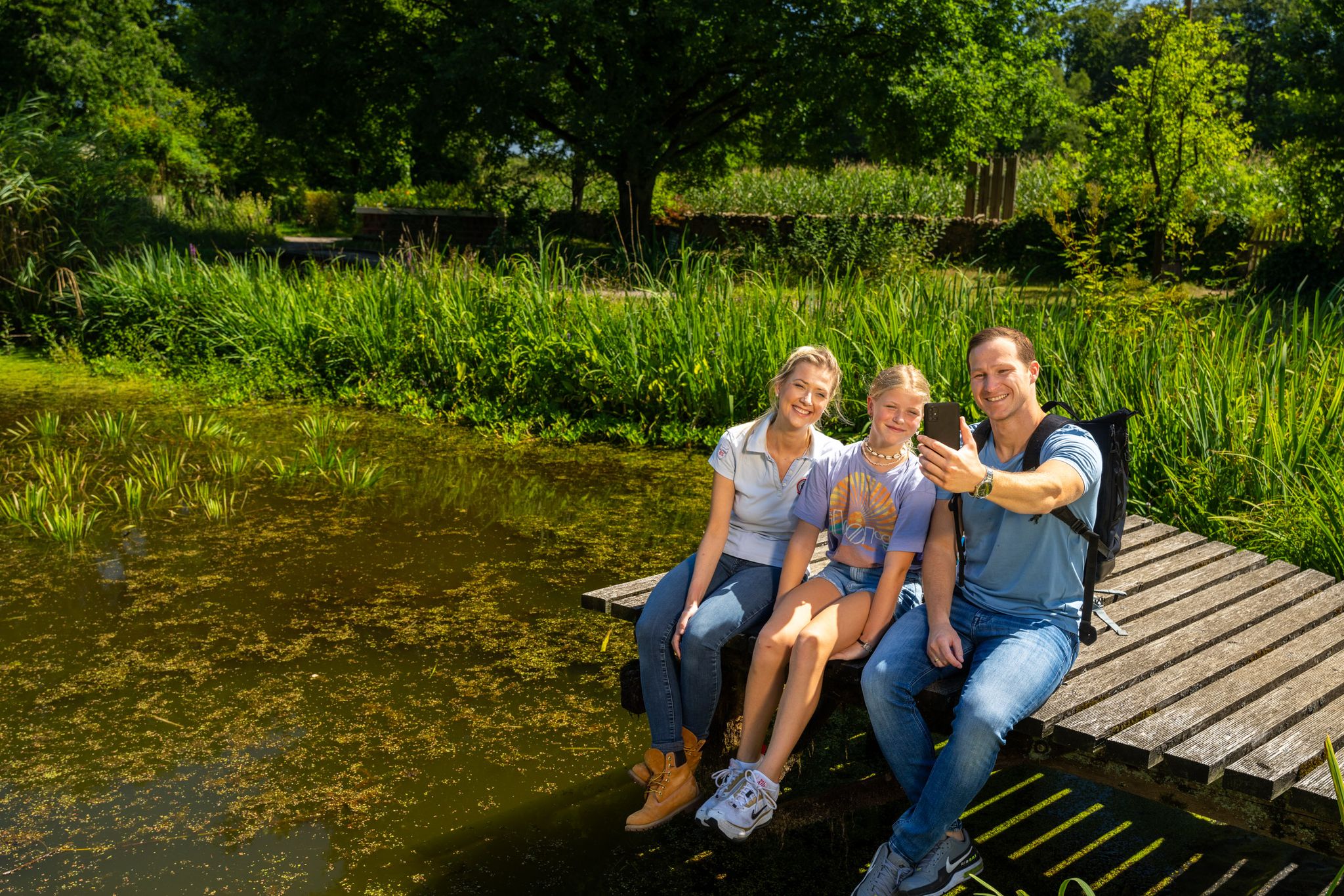
Hiking and discoveries – family walks in the Hohe Mark Nature Park
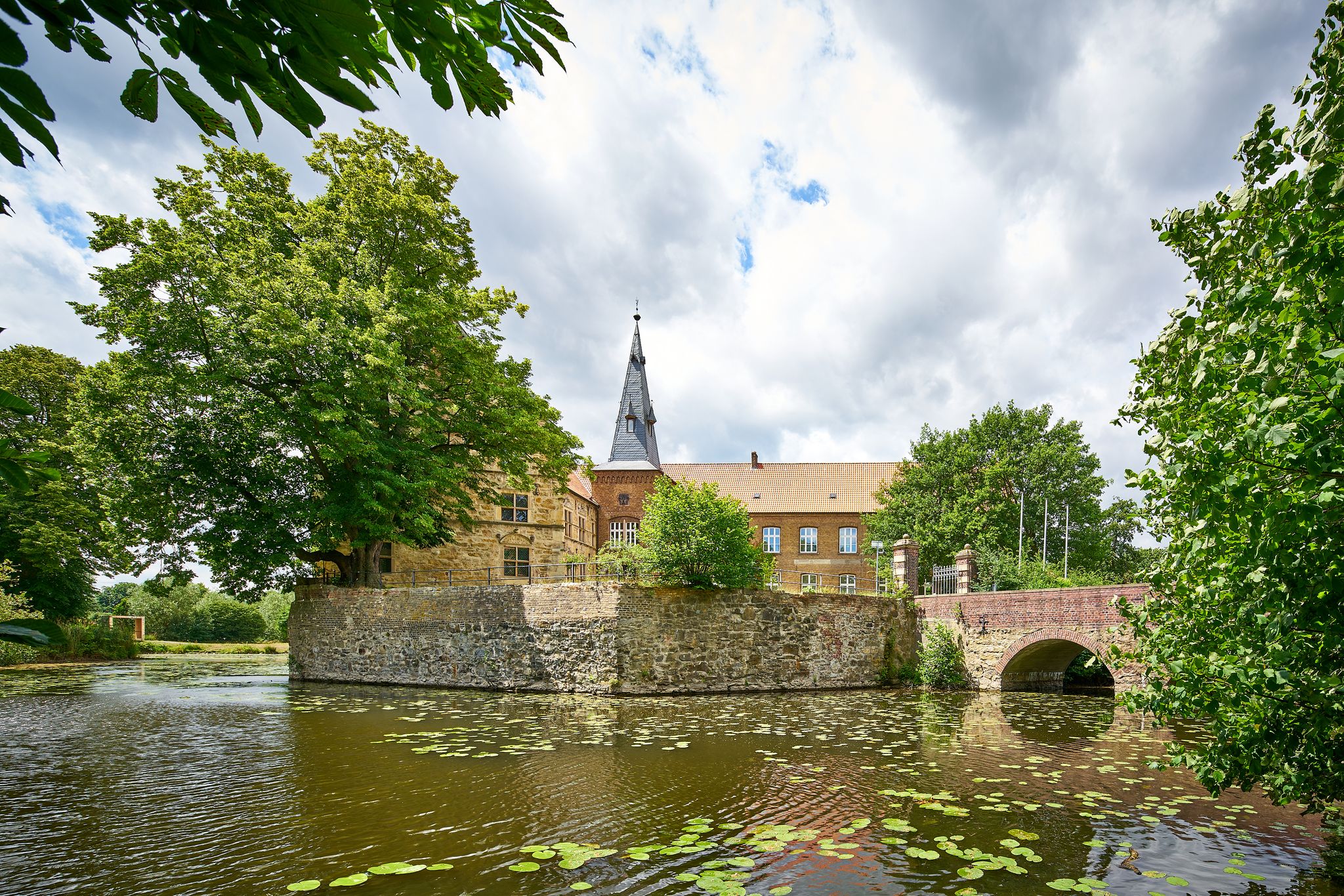
Hiking from castle to castle in Münsterland
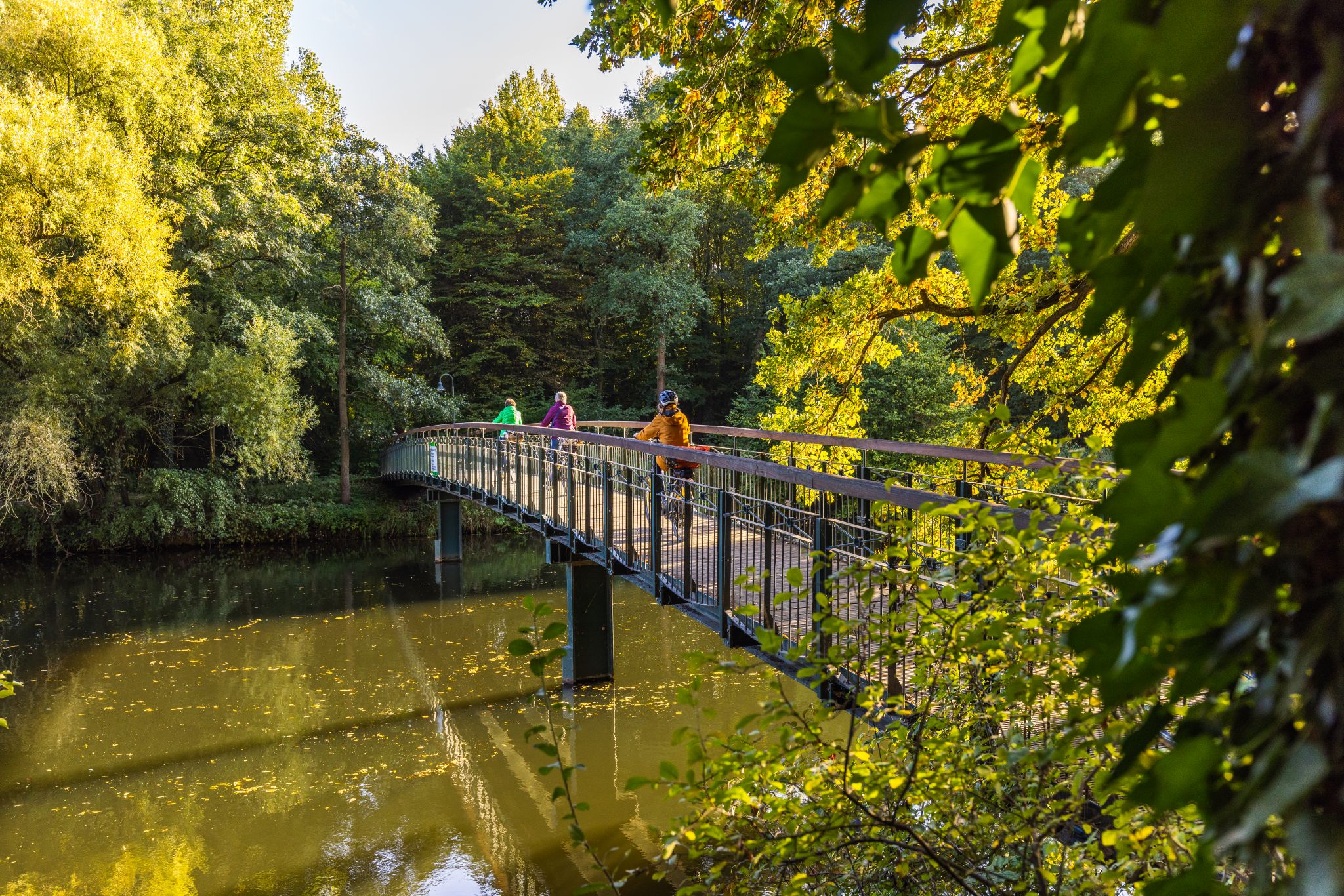
Relaxed cycling in the Münsterland park landscape
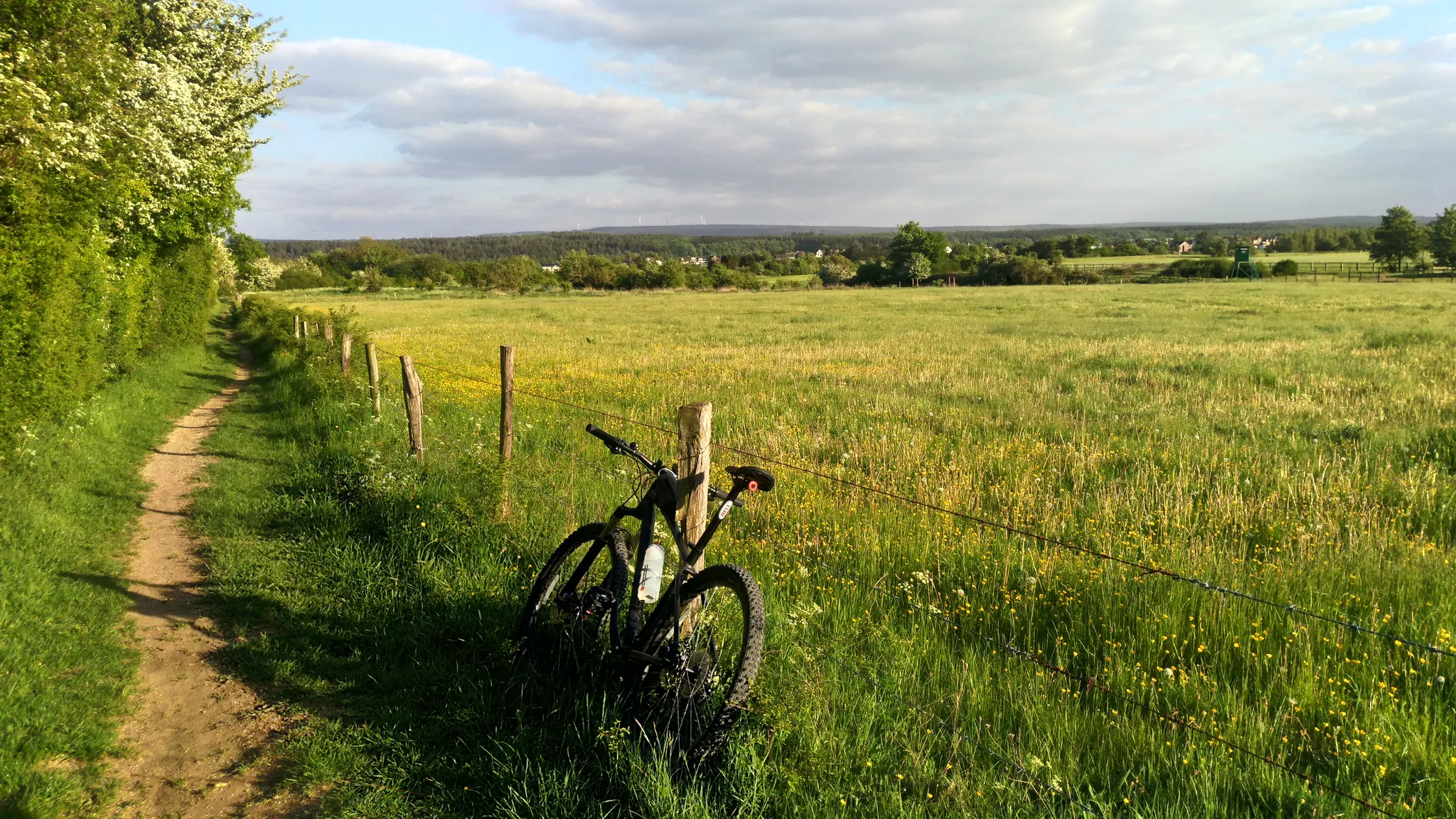
D-Route 7: Pilgrimage Route
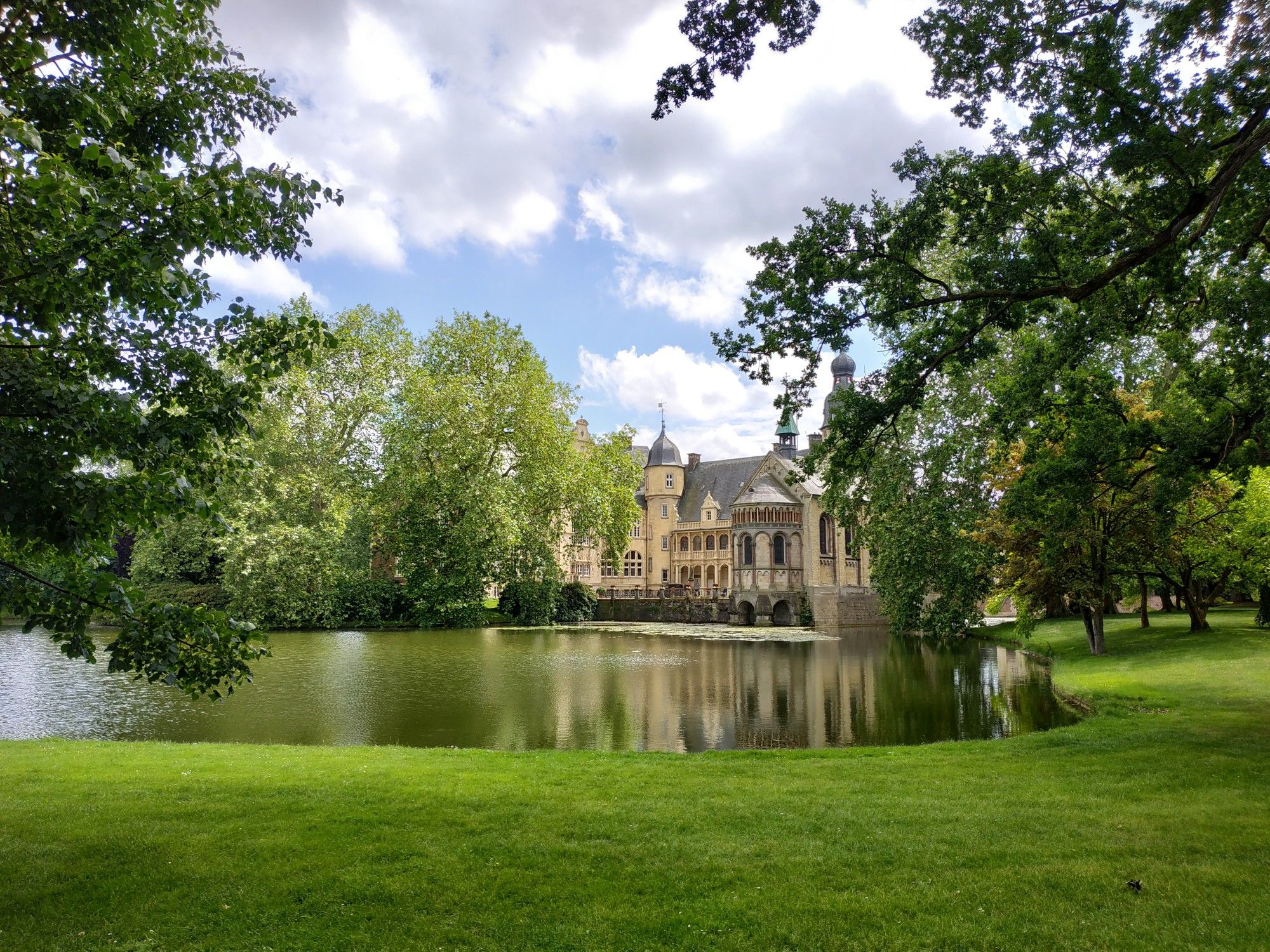
Summits in Münsterland — cycling in the Baumberge hills
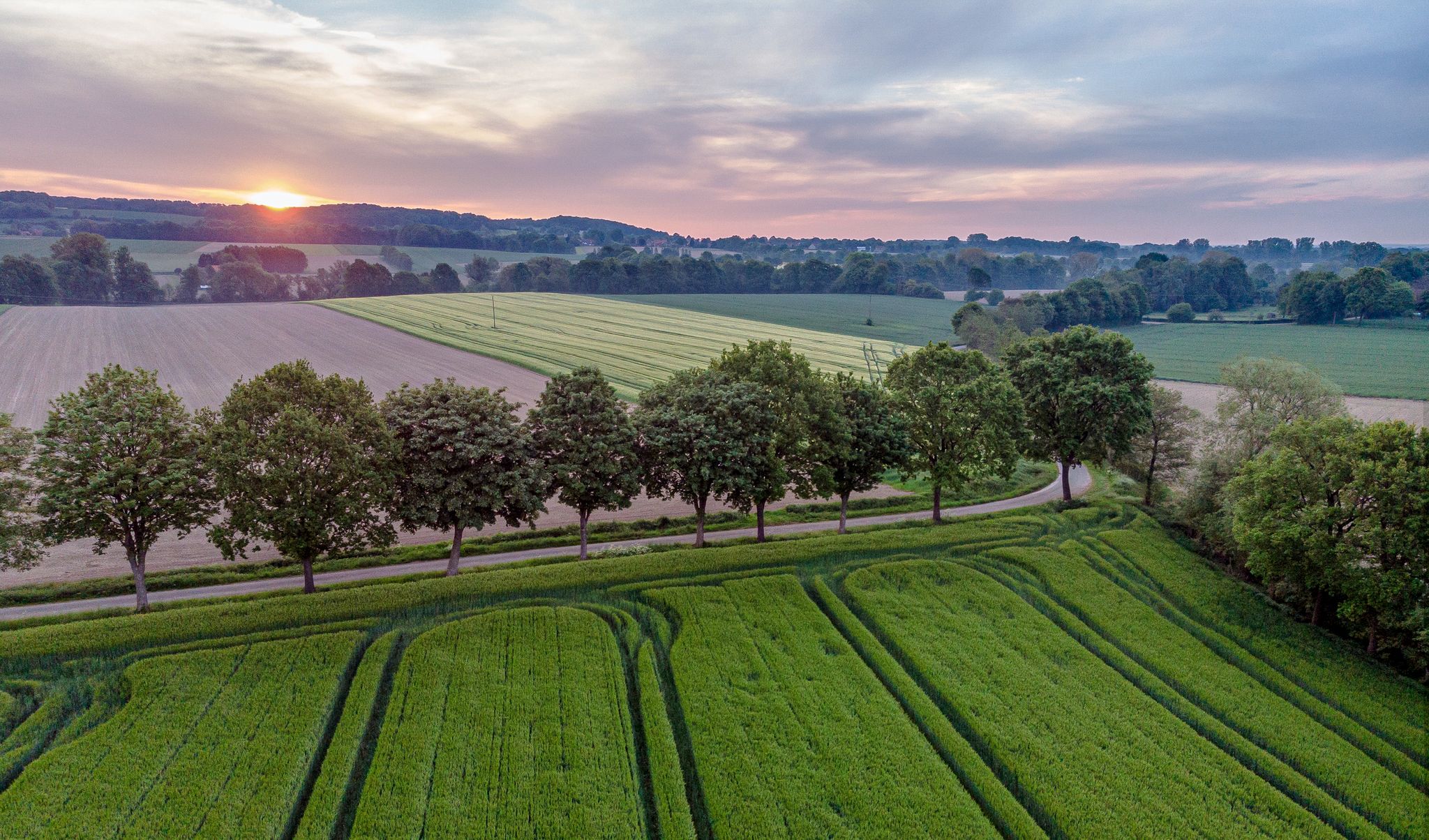
Culture and Pättken paths — rides in the Baumbergse hills
Other adventures in Coesfeld


Tips from the Community

Lake Buldern is also called “Samsonsee” by locals after an old farm on the peninsula. The groundwater lake was created in 1977 by sand extraction for the construction of the nearby Autobahn 43. Today a recreational lake with a swimming area and well-developed paths.
3
1


The Poitou donkey is an endangered breed of large donkey named after the Poitou area of western France.
3
0

On the parallel path there is an equally beautiful view. Why do many hikers and mountain bikers understand the prohibition signs as an invitation?🤷🏻♀️
5
1

The Baumberge in the North Rhine-Westphalian district of Coesfeld - located between the independent city of Münster and Coesfeld as the district town of the district of the same name - are 188.7 m above sea level. NHN the highest ridge in the Münsterland. Wikipedia
2
1

Go there and just have fun driving
0
0

Always an experience these tree mountains with its huge Landwehr facility
7
1

The Klutensee was created in 1936/37 during the construction of the new passage for the Dortmund-Ems Canal, as earth was needed for the filling of the railway embankment.
16
0
Frequently Asked Questions
What are the most prominent natural monuments in Coesfeld?
Coesfeld is home to significant natural areas like the Heidesee Nature Reserve, a unique heath pond ecosystem. The broader Baumberge hills, while not a single monument, offer extensive beech forests, distinctive Baumberg sandstone formations, and numerous natural springs. Other notable natural monuments include the Southeastern shore of Klutensee and the Alte Fahrt between Datteln and Olfen, a disused canal section now a rich biotope.
Are there family-friendly natural monuments in Coesfeld?
Yes, several natural monuments in Coesfeld are suitable for families. The Southeastern shore of Klutensee offers a circular trail perfect for walks and observing water birds. The Dülmen Wildlife Park is another excellent choice for families, providing opportunities to see local wildlife in a natural setting. The Stever floodplain also features family-friendly paths and wildlife viewing.
What kind of wildlife can I spot at Coesfeld's natural monuments?
The Heidesee Nature Reserve is particularly known for its biodiversity, serving as a spawning ground for the endangered moor frog. You might also observe various insects like sand wasps, solitary bees, and butterflies, as well as reptiles such as the viviparous lizard. The Great Pond in Venner Moor is a good spot for rare bird sightings, and the Kuhlenvenn Birdwatching Platform offers dedicated opportunities for bird observation.
Are there hiking trails near the natural monuments in Coesfeld?
Absolutely. The Heidesee Nature Reserve features a peaceful 1-kilometer circular path around the lake. The Baumberge hills offer extensive forest trails, including the Baumberge Forest Trails, which are popular for hiking. For more options, you can explore various routes in the Easy hikes in Coesfeld guide, which includes trails like the 'LandStreifer Dülmen 'The Duke's English Parks'' and walks around the Klutensee.
What is the best time to visit the natural monuments in Coesfeld?
The best time for wildlife spotting, especially for observing the moor frog at the Heidesee Nature Reserve, is during spring and early summer. Generally, spring and autumn offer pleasant temperatures for hiking and enjoying the natural beauty, with autumn providing vibrant foliage in the Baumberge hills.
Can I find circular walks around the natural monuments?
Yes, the Heidesee Nature Reserve has a circular path around the lake. The Southeastern shore of Klutensee also features a popular circular trail. Many of the hiking routes in the region, such as those found in the Easy hikes in Coesfeld guide, are designed as loops, allowing you to start and end at the same point.
What historical or geological significance do the natural monuments in Coesfeld hold?
The Heidesee itself is a geological marvel, a shallow heath pond formed during the last ice age, likely from a blown-out sand dune. The Baumberge hills are renowned for their Baumberg sandstone, a calcareous sandstone formed 75-80 million years ago, which has been quarried for centuries and used in historic buildings. The Baumberge Landwehr between Tilbecker Stream and Hoheberg is a unique cultural monument featuring one of the best-preserved medieval border fortifications in the Münsterland.
Are there opportunities for cycling near Coesfeld's natural monuments?
Yes, the region around Coesfeld is very popular for cycling. The Alte Fahrt between Datteln and Olfen, a disused canal section, is ideal for discovery tours on foot or by bike. The Baumberge hills also offer numerous routes for cycling. You can find various cycling tours in the Cycling in Coesfeld guide, including routes like 'Water and heath loop from Olfen via Haltern am See'.
What types of natural landscapes can I expect to see in the Coesfeld area?
Coesfeld offers a diverse natural landscape. You'll find tranquil heath ponds and sandy wooded regions, as exemplified by the Heidesee Nature Reserve and the Coesfelder Heide. The Baumberge hills feature extensive beech forests, rolling hills, and scenic views over the Münsterland park landscape, characterized by a mosaic of fields, meadows, and farmsteads. The area also includes river floodplains and moorlands, such as the Great Pond in Venner Moor.
What do visitors enjoy most about the natural monuments in Coesfeld?
Visitors appreciate the peaceful escape and opportunities for nature observation, particularly at the Heidesee Nature Reserve. The extensive forest areas of the Baumberge hills are loved for quiet walks and scenic views. The historical significance of sites like the Baumberge Landwehr and the unique biotope of the Alte Fahrt also draw interest. The overall natural beauty and variety of landscapes make the region a popular destination for outdoor activities.
Are there any viewpoints offering panoramic scenery?
Yes, the Baumberge hills provide expansive views over the Münsterland park landscape. The Longinus Tower on the Westerberg, within the Baumberge, offers an excellent panoramic viewpoint. Additionally, the Kuhlenvenn Birdwatching Platform and the Historic Sand Pit (Sandkuhle) in Coesfelder Heide also offer notable views of their respective natural surroundings.
Are there any natural springs to visit in the Coesfeld area?
Yes, the Baumberge hills are home to numerous natural springs. Due to the porous sandstone, rainwater quickly seeps into the ground and re-emerges as springs at lower elevations. Notable among these are the 'Hexenquellen' or 'Sieben Quellen' (Witches' Springs or Seven Springs) within the Baumberge nature reserve, which are significant spring sources in Münsterland.
Most popular routes in Coesfeld
Most popular attractions in Coesfeld

Get inspired with the komoot mobile app


Didn’t find what you were looking for?
Find even more amazing natural monuments in Coesfeld by checking out the top Highlights region by region:
Explore more
Extend your search for the best caves by checking out these guides of the top ones in Coesfeld:
