Attractions and Places To See in Prignitz - Top 20
Best attractions and places to see in Prignitz include a diverse range of historical landmarks and expansive natural landscapes in northwest Brandenburg, situated between Hamburg and Berlin. The region is characterized by its tranquil rural setting and the significant Elbe River Floodplain Biosphere Reserve. Visitors can explore ancient sites, cultural institutions, and well-developed cycling routes. Prignitz offers opportunities for both history enthusiasts and nature lovers.
Best attractions and places to see in Prignitz
- The most popular attractions is Brandenburg Elbe…
Last updated: October 9, 2026
Confluence of the Gnevsdorfer Vorfluter and the Elbe
Highlight • River
Translated by Google •
Tip by

Brandenburg Elbe River Floodplain Biosphere Reserve
Highlight • Natural Monument
Translated by Google •
Tip by
Sign up now to discover places like this
Get recommendations on the best single tracks, peaks, & plenty of other exciting outdoor places.
Old Oil Mill Wittenberge
Highlight • Historical Site
Translated by Google •
Tip by

Stork Village Rühstädt
Highlight • Settlement
The place is beautifully decorated and offers several options for a good stop.
Translated by Google •
Tip by

Elbe Cycle Route in the Brandenburg Elbe River Landscape Biosphere Reserve
Highlight (Segment) • Cycleway
Translated by Google •
Tip by

Lenzen Border Tower
Highlight • Monument
Translated by Google •
Tip by

Gnevsdorf Weir
Highlight • Structure
Translated by Google •
Tip by

Elbe Cycle Route near Rühstädt
Highlight (Segment) • Cycleway
Translated by Google •
Tip by

Charon sculpture on the Elbe dike
Highlight • Monument
Translated by Google •
Tip by

Translated by Google •
Tip by
Sign up for free to discover even more attractions in Prignitz.
Already have an account?
Start today with a free account
Your next adventure awaits.
Popular around Prignitz
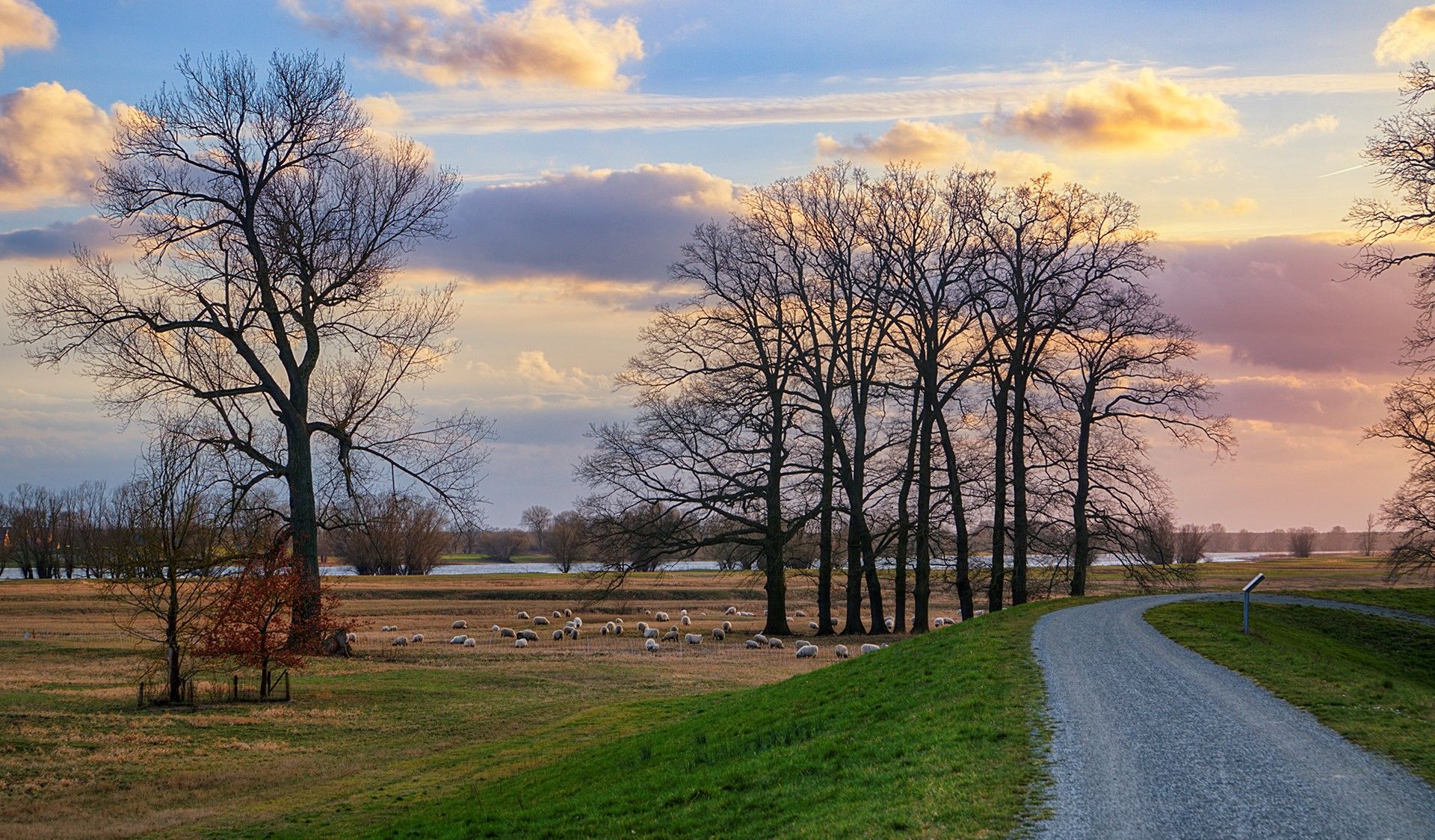
Tour Brandenburg – Cycle around Berlin in 18 stages
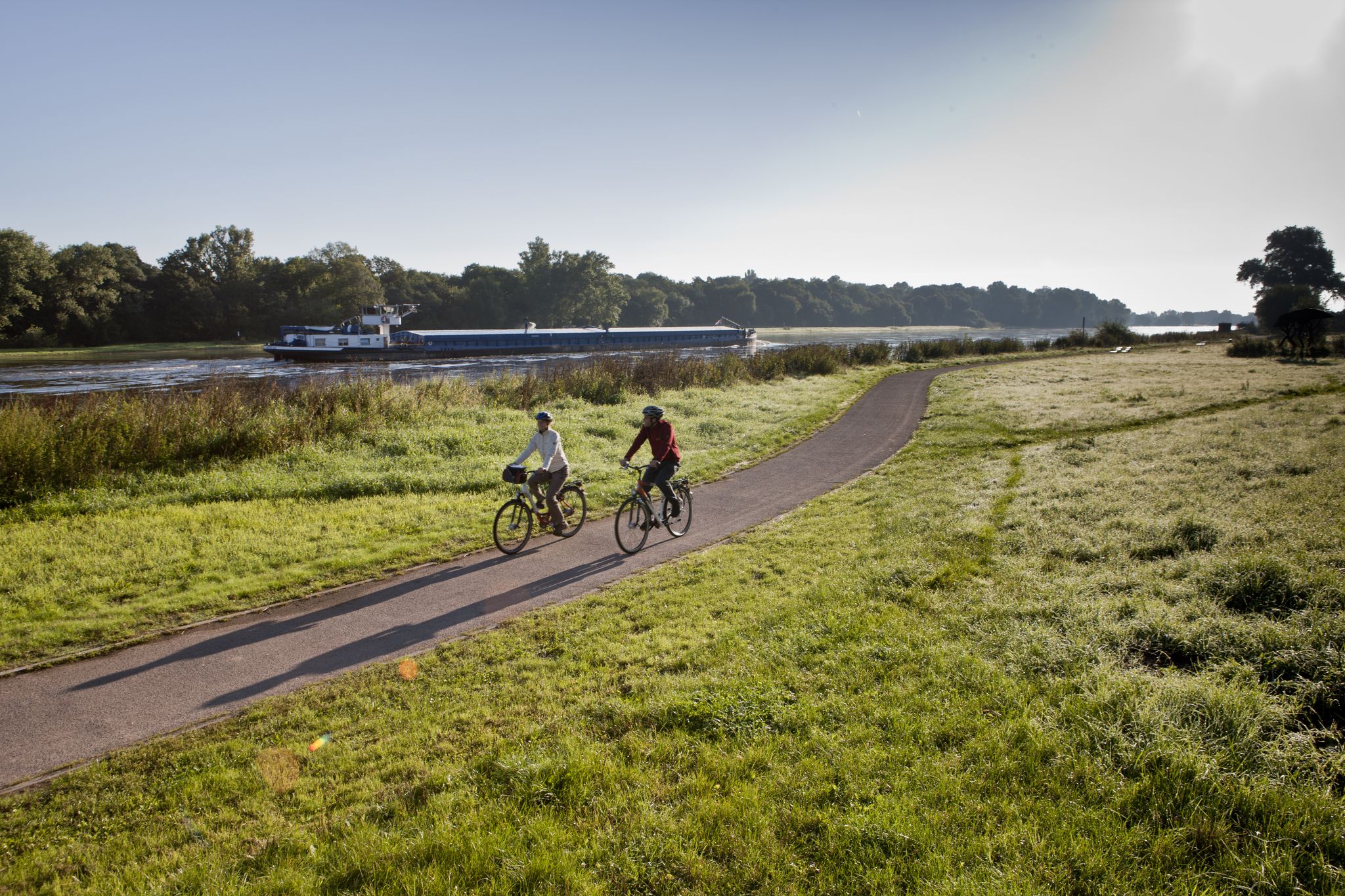
Elbe Cycle Route – Ride through Saxony-Anhalt
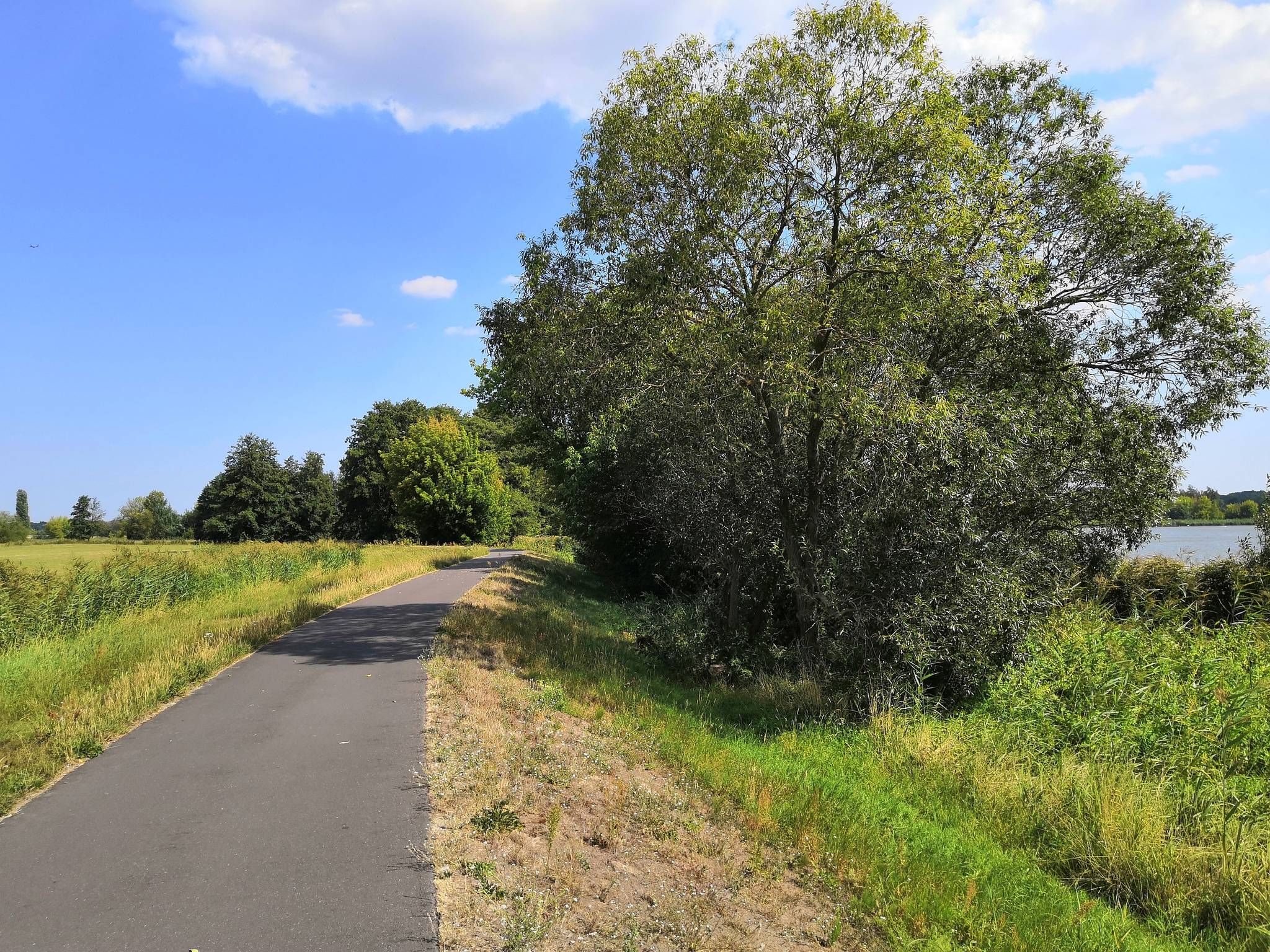
The Havel Cycle Path – in 6 stages from its source to its mouth
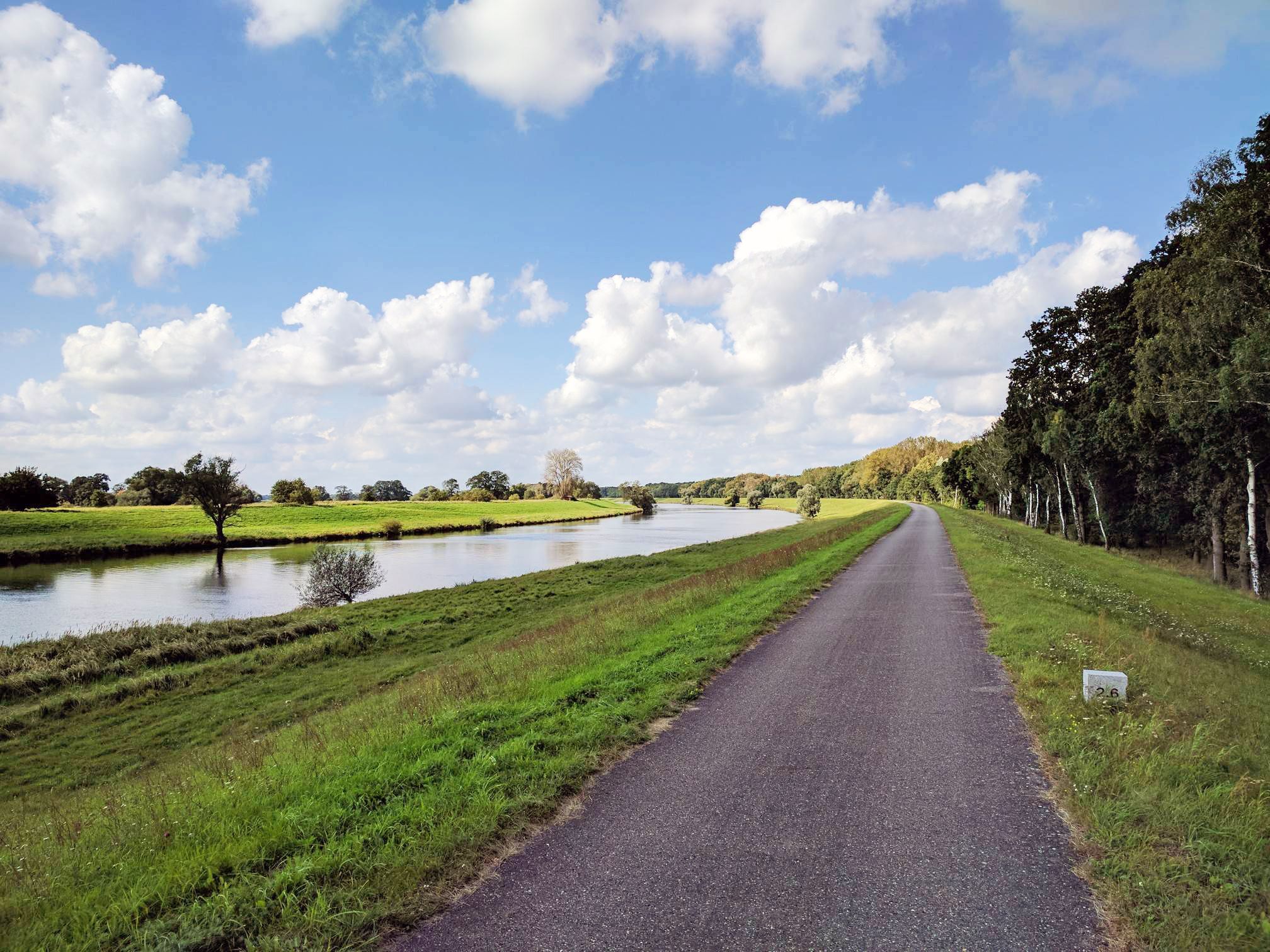
Germany's Elbe Müritz Cycle Path — Ride past rivers and lakes
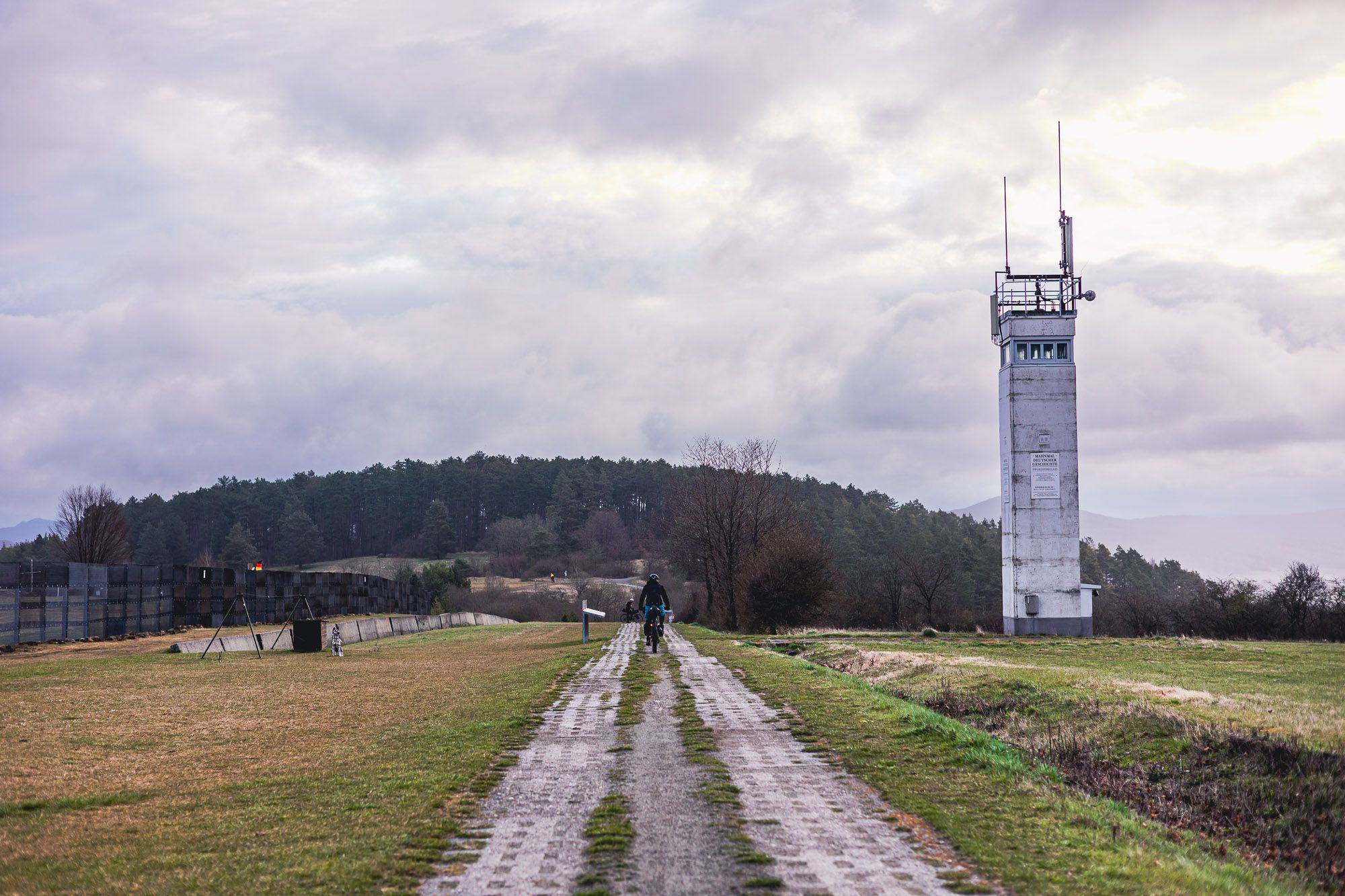
The Baltic Sea to Vogtland – 8 days along Germany's green former border
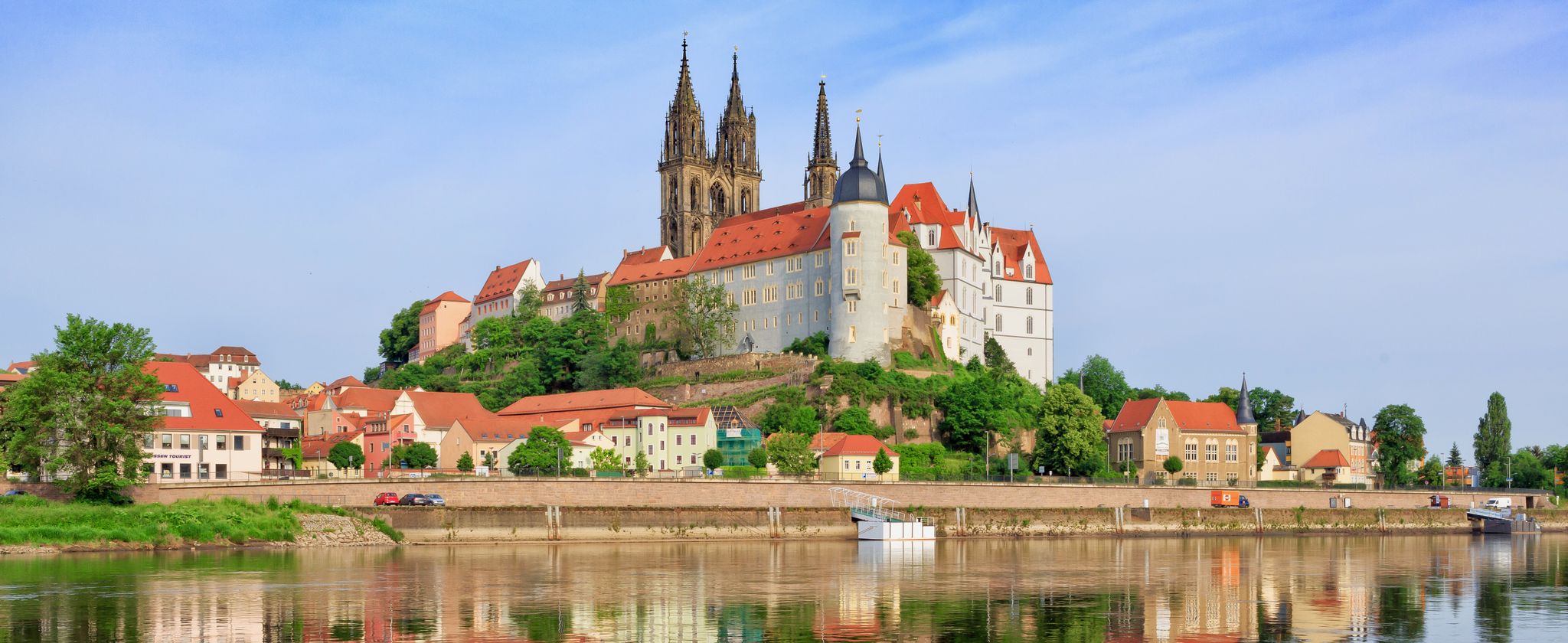
The Elbe Cycle Path — cross-border cycling pleasure
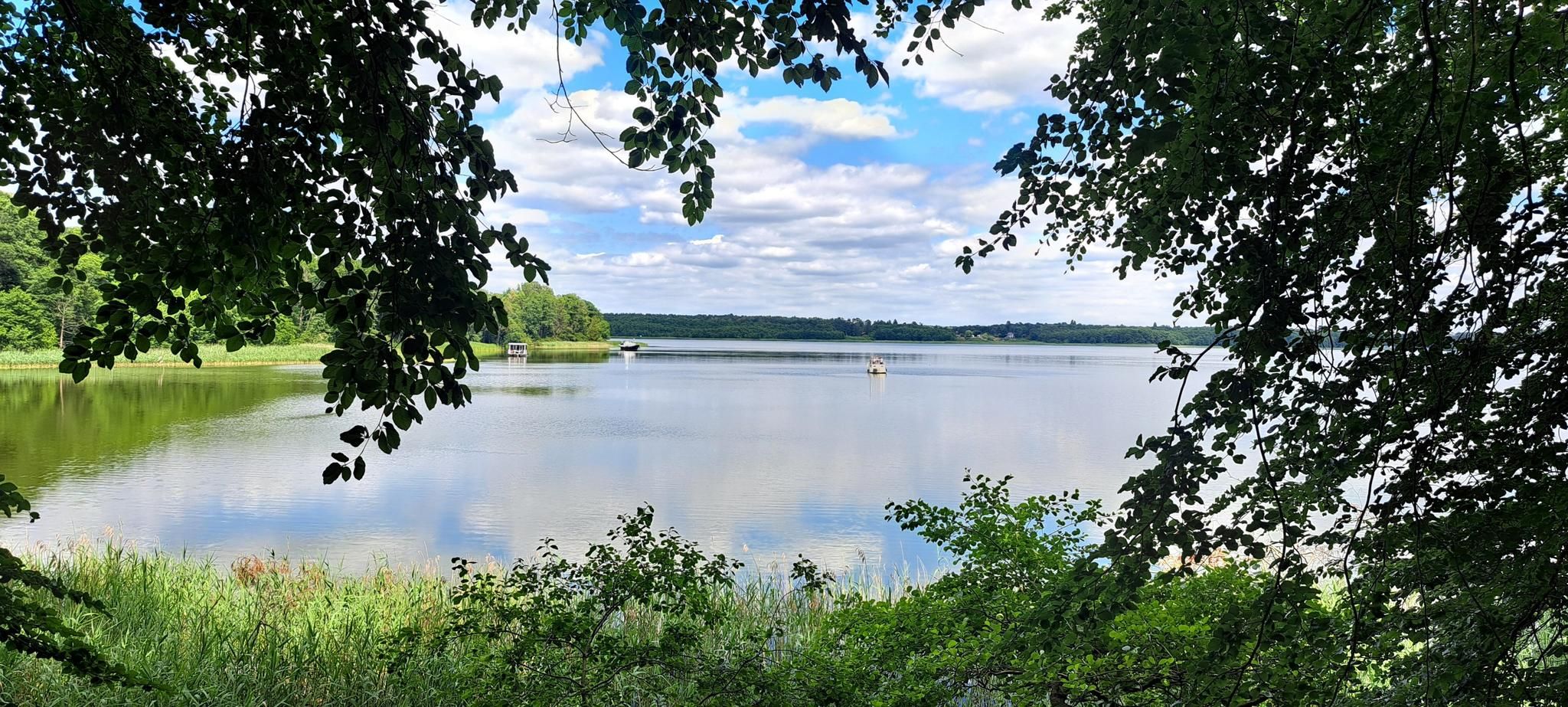
The National Natural Landscapes in Brandenburg
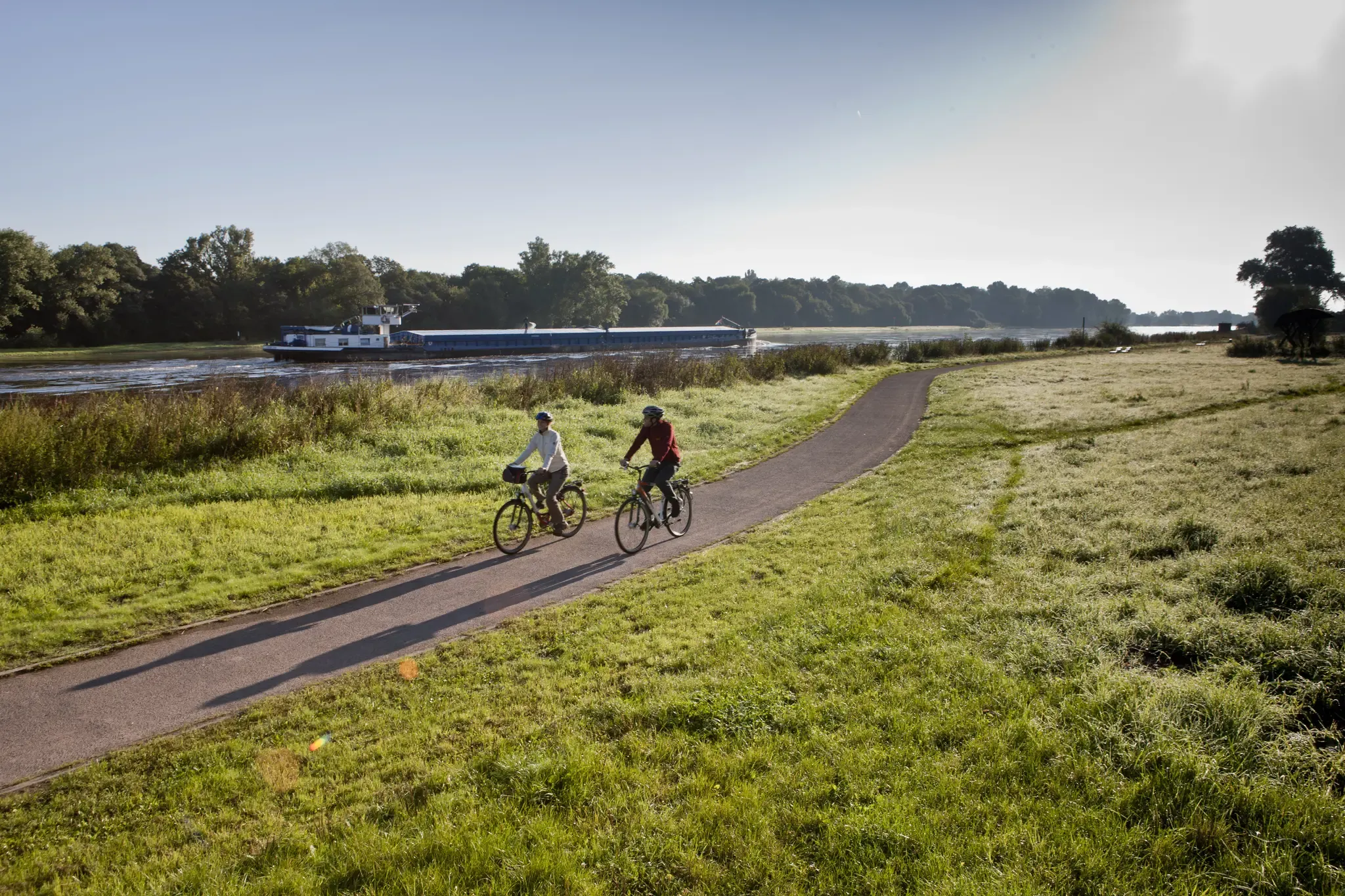
Ride the Elbe Cycle Route through Saxony-Anhalt
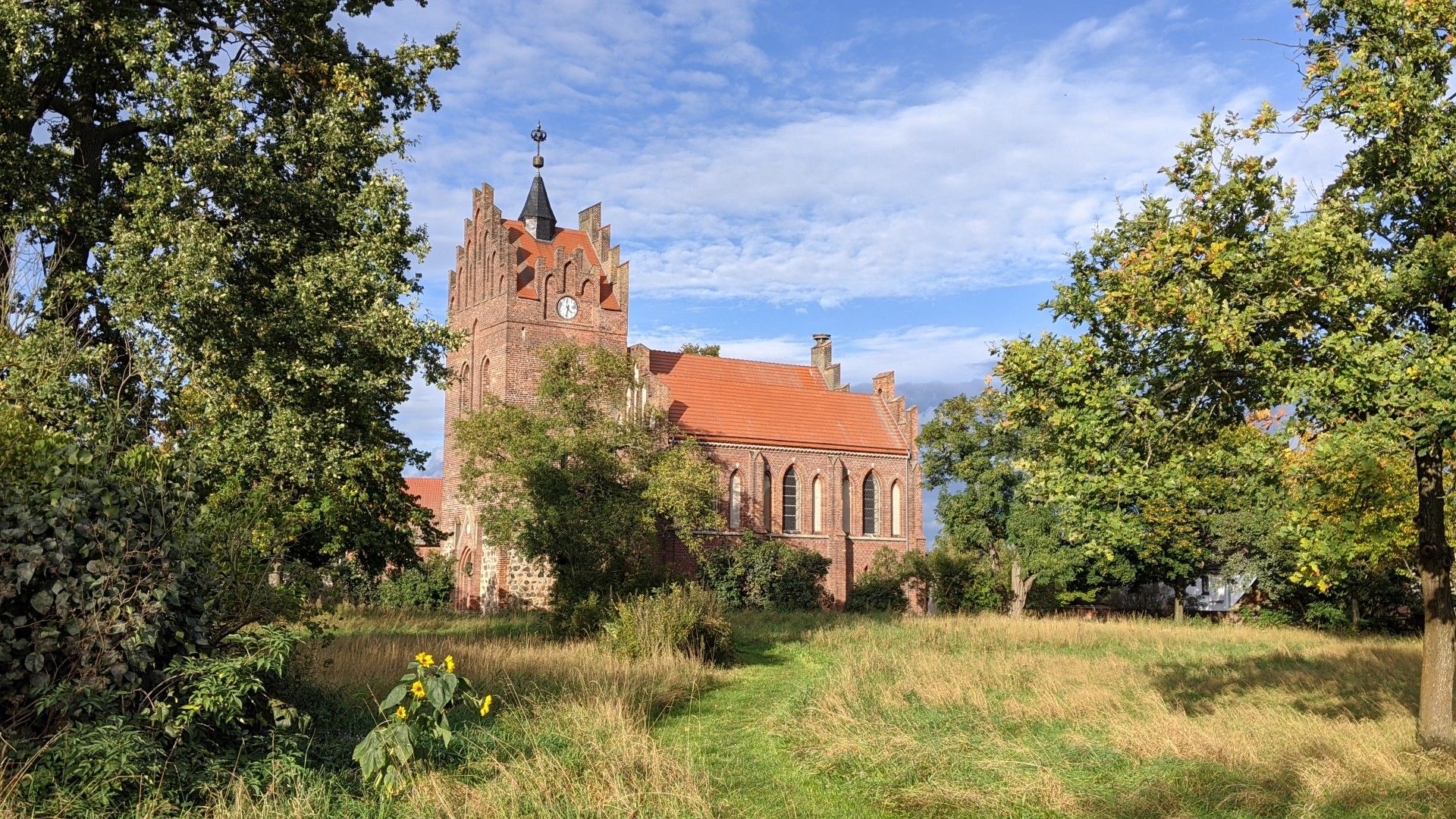
Pilgrimage route Berlin ► Bad Wilsnack ► Tangermünde
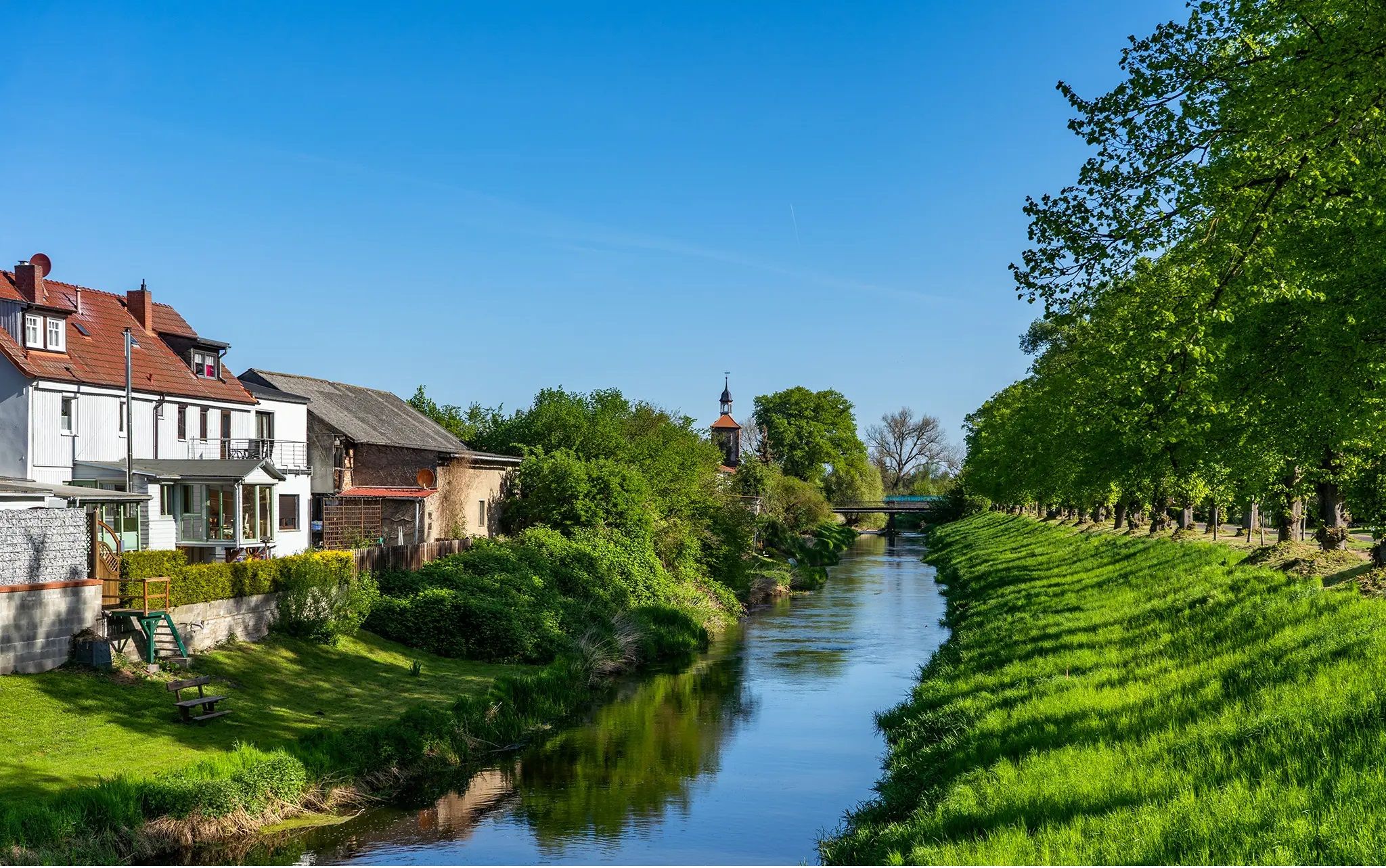
Northern Germany by bike – Magdeburg to Rostock
Other adventures in Prignitz


Tips from the Community

always worth a trip
0
0

You can ride here on the dike crown, good surface, lovely view of water surfaces on both sides.
0
0

A bronze sculpture group "Time Travel"
3
1


As of September 2024: Weir is passable but still a construction site.
2
0

You experience a magnificent landscape
1
0

Since the Elbe fluctuates much more than the Havel, there is another weir directly at the mouth of the receiving water. It has no function during high water, but when the Elbe is low it prevents the Havel from draining.
2
0

Beautiful cycle path (on the top of the dyke or on a path behind it that is a little more sheltered from the wind). From the dyke you have a wonderful view over the Elbe valley - meadows as far as the eye can see and the Elbe glittering in between.
2
1
Frequently Asked Questions
What natural attractions can I explore in Prignitz?
Prignitz offers a wealth of natural beauty. You can visit the Brandenburg Elbe River Floodplain Biosphere Reserve, a vast area perfect for cycling and observing diverse wildlife like Elbe beavers and various bird species. Another highlight is the Stork Village Rühstädt, known as the European Stork Village, where you can observe numerous stork pairs, especially from April to September. Don't miss the Rambower Moor, where thousands of cranes gather in spring and autumn, visible from bird-watching towers.
Are there historical landmarks to visit in Prignitz?
Yes, Prignitz is rich in history. Explore Lenzen Border Tower, a former watchtower offering panoramic views and insights into the region's history. You can also visit Plattenburg Castle, the oldest preserved moated castle in Northern Germany, or the Old Oil Mill Wittenberge, a listed industrial building from the mid-19th century. Other notable sites include Schloss Demerthin and the Mellen Dolmen, showcasing ancient European burial practices.
What cultural sites are worth visiting in Prignitz?
For cultural immersion, consider the Prignitzer Kleinbahnmuseum Lindenberg e. V., which showcases the history of rail transport. The DDR-Geschichtsmuseum in Perleberg provides an insightful glimpse into East Germany's past. A truly unique experience is the Museum of Lies (Museum der Lügen) in Gantikow, featuring a collection of unusual stories. The Kloster Stift zum Heiligengrabe, a convent with well-preserved architecture, also offers tours and concerts.
What outdoor activities can I do near these attractions?
Prignitz is a cyclist's paradise with over 1,100 kilometers of well-developed bike tracks. The Elbe Cycle Route is particularly popular, running through the Brandenburg Elbe River Floodplain Biosphere Reserve. You can find many cycling routes in the region, such as those listed in the Cycling in Prignitz guide. For hiking, explore areas like the Binnendünen bei Klein Schmölen or Rambower Moor. There are also waterfall hikes and MTB trails available.
Are there family-friendly attractions in Prignitz?
Absolutely! The Stork Village Rühstädt is a fantastic experience for families, offering a chance to see storks up close. The Perleberg Zoo combines wildlife conservation with entertainment, appealing to all ages. Cycling along the Elbe Cycle Route through the scenic Elbe River Floodplain Biosphere Reserve is also a great family activity, with many easy sections suitable for children.
When is the best time to visit Prignitz for nature observation?
The best time for nature observation varies by interest. For storks, visit Stork Village Rühstädt between April and September when up to 50 stork pairs reside there. For crane watching, spring and autumn are ideal to see thousands of cranes flock to the Rambower Moor. Generally, spring and autumn offer beautiful landscapes and comfortable temperatures for cycling and hiking in the Elbe valley.
Where can I find scenic viewpoints in Prignitz?
For stunning views, head to the Lenzen Border Tower, which provides panoramic vistas of the Elbtalaue. Another excellent spot is the View of the confluence of the Elbe and Havel, where you can witness the meeting of these two significant rivers. The Confluence of the Gnevsdorfer Vorfluter and the Elbe also offers a great perspective, especially for cyclists.
Are there any unique or hidden gems in Prignitz?
Beyond the well-known attractions, Prignitz holds some unique spots. The Museum of Lies (Museum der Lügen) in Gantikow is considered Germany's most unusual museum, offering a quirky collection of stories. The archaeological sites known as 'Zeitschätze Prignitz,' including the Bronze Age royal tomb Seddin and the deserted medieval town Freyenstein, offer fascinating glimpses into ancient history. The Perleberger Roland is an iconic landmark representing the town's rich heritage.
What is the Elbe Cycle Route like in Prignitz?
The Elbe Cycle Route in the Brandenburg Elbe River Landscape Biosphere Reserve is a well-developed path, mostly running atop the dike. It's known for its beautiful meadow landscapes and opportunities for nature observation, including various bird species, Elbe beavers, and otters. The route passes through idyllic villages and offers a tranquil experience, making it Germany's most popular long-distance cycle route.
Can I find places for relaxation and wellness in Prignitz?
Yes, for relaxation, you can visit the Kristall Kur- und Gradier-Therme Bad Wilsnack, a spa and thermal bath perfect for unwinding. Additionally, charming squares like Paul-Lincke-Platz in Wittenberge offer pleasant spots for relaxation and cultural immersion.
What are some significant archaeological sites in the region?
Prignitz is home to several significant archaeological sites, collectively known as 'Zeitschätze Prignitz.' These include the Bronze Age royal tomb Seddin, a mass grave from the battlefield of 1636, and the deserted medieval town of Freyenstein. These sites offer deep insights into the region's ancient and medieval past.
Are there any attractions related to railways or transport history?
Yes, railway enthusiasts will enjoy the Prignitzer Kleinbahnmuseum Lindenberg e. V., which showcases the rich history of rail transport in Brandenburg with vintage trains. Another point of interest is the Historischer Lokschuppen Wittenberge, a railway museum located near the Wittenberge railway station.
Most popular routes in Prignitz
Most popular attractions in Prignitz

Get inspired with the komoot mobile app


Didn’t find what you were looking for?
Are you keen on exploring more awesome places nearby? Browse our guides:
Explore more
Still not found the Highlight you’re looking for? See guides of the top attractions in other regions:
