Routes

Planner

Features

Updates

App

Login or Signup

Get the App

Login or Signup

Login or Signup

Routes
Places to see
Castles

Liechtenstein

Top 11 Castles in Liechtenstein

Castles in Liechtenstein are notable historical landmarks within this small Alpine principality, situated between Switzerland and Austria. The country's mountainous terrain and Rhine Valley views provide a backdrop for several medieval fortifications. These structures reflect Liechtenstein's history and strategic importance in the region. Visitors can explore a mix of intact castles and ancient ruins, offering insights into the country's past.

Best castles in Liechtenstein

  • The most popular castles is Vaduz Castle, a castle that serves as the official residence of the Prince of Liechtenstein. Its imposing presence on a rocky terrace 120 meters above Vaduz offers panoramic views of the city and the Rhine Valley.
  • Another must-see spot is Gutenberg Castle, a historical site open to the general public as a museum. Visitors can explore the castle courtyard and enjoy views over Liechtenstein.
  • Visitors also love Schalun Castle Ruins (Wild Castle), a 12th-century ruin located near Vaduz. The ruins are freely open to visitors, offering a glimpse into medieval history amidst nature.
  • Liechtenstein is known for both intact castles and ancient ruins. Visitors can explore well-preserved fortresses and historical remnants, showcasing the country's diverse medieval heritage.
  • The castles in Liechtenstein are appreciated by the komoot community, with more than 580 upvotes and over 350 photos shared across various highlights.

Last updated: May 9, 2026

Vaduz Castle

Highlight • Castle

Vaduz Castle "Landmark of Vaduz"
Vaduz Castle, formerly also called Hohenliechtenstein, is located on a rocky terrace above Vaduz, the seat of government of the Principality of Liechtenstein. Today it is the town's landmark and the seat of the Princely House of Liechtenstein.
The time when the castle was built is not certain. Today, however, it is assumed that the first parts of the building were built in the 12th century. The keep was probably built as one of the first structures and was later supplemented by a residential tower which, thanks to dendrochronological studies, can be dated to 1287. In the decades that followed, the facility was successively expanded and extended.
The castle has been owned by the Princes of Liechtenstein since 1712. From 1712 to 1732 it was now called Hohenliechtenstein and served as the seat of the bailiff with official apartments in the west wing. In the decades and centuries that followed, the castle increasingly fell into disrepair, so that the first restoration plans were drawn up at the beginning of the 20th century.
Prince Johann II finally undertook thorough restoration from 1905 to 1912 under the direction of state curator Franz von Wieser from Innsbruck. Alois Gstrein from Brixen worked as master builder. Prince Franz Josef II had it extended and in 1939 he and his family took up permanent residence in the palace.
The palace is privately owned by the royal family and is therefore not open to the public. The reigning sovereign receives state guests and other visitors for private talks in the palace.
Text/Source: Wikipedia
de.wikipedia.org/wiki/Schloss_Vaduz

Translated by Google •

Tip by

See hikes here

Send to Phone

Save

Government Quarter, Vaduz

Highlight • Historical Site

Government District, Vaduz
Southern town center of Vaduz at the foot of the hillside of the castle forest, bordered by the English building on the north side and the Vaduz parish church of St. Florin on the south side.
In the late Middle Ages, on this section of the Reichstrasse Lindau–Milan below Vaduz Castle, there was a manorial court, the manorial (own) chapel of St. Florin with court chaplaincy buildings, the so-called Tschaggaturm (→residential towers) and a small customs house; The court sessions and the Landammann elections for the County of Vaduz took place near the nearby lime tree. Poeschel suspects that this is the center of the gaugrave's, later Werdenberg's, possessions in the Vaduz area. Since the 16th century, the area, which was originally located away from the village, has developed into the so-called official quarters (today the government district) through the settlement of manorial and later state authorities.
In 1585 the erection of a «Cantzley» building is mentioned for the first time, which may have been the Landvogtei or today's Rheinbergerhaus. The latter is occupied as an office building in 1617/19, in the 18th/19th In the 19th century it was the office and residence of the pension master, later the seat of the princely domain administration; since 1968 it has housed the Liechtenstein Music School. The bailiff, also mentioned in 1617/19, was the residence (with interruptions in the 18th century) until 1918, and until 1865 also the official seat of the bailiff (or the provincial governor from 1848). The Estates Parliament also met in this building, known as the Verweserhaus, from 1818 to 1862. Until the 19th century, between the Verweserhaus and the Rheinbergerhaus, there was the former manorial courtyard with the «Schellahüsli», which served as a prison.
The Verweserhaus is attached to the former stately tavern that was built around 1500. This also served as a customs building from 1637 and as a government building from 1865 to 1905. The Liechtenstein National Museum has been located here since 1972. To the north of it, the Estates House was built in 1866-67 as a meeting place for the state parliament, which also housed the offices of the regional courts, judges' apartments and a prison bar. It was used as a secondary school from 1905, as a state library from 1961 and demolished in 1970. Between 1903 and 1905, today's government building with the state parliament hall was built between the administrator's house and the parish church built in 1872 (also the cathedral since 1997). Other official buildings in the government quarter are the Schädlerhaus (today, among other things, the registry office), the Liechtensteinische Landesbank (1952), the state archive (1962) and the post office and administration building (1975).
A project by the Ticino architect Luigi Snozzi, which emerged from an urban planning ideas and project competition (1984-87) to redesign the entire area between the English building and the parish church, was rejected in a referendum in 1993. The new state parliament building planned by Hansjörg Göritz (Hanover) was built in 2002-07 between the administration building and the government building, adopting Snozzi's basic urban planning idea (hillside development). The extension of the State Museum (1999-2003) by the architects Brunhart, Brunner, Kranz (Balzers) and the new construction of the archive and administration building (2006-09) by the architects Keller and Brander (Vaduz) complete the hillside development.
Author: Michael Pattyn
historisches-lexikon.li/Regierungsviertel

Translated by Google •

Tip by

Save

Sign up now to discover places like this

Get recommendations on the best single tracks, peaks, & plenty of other exciting outdoor places.

Sign up for free

The municipality of Vaduz and the Schalun castle ruins are always worth a visit.

Translated by Google •

Tip by

Save

Vaduz - Town Centre "Städtle"

Highlight • Settlement

With 160 square kilometers, the Principality of Liechtenstein is one of the smallest countries in Europe. The princely residence sits enthroned high above the small town of Vaduz, the capital with a good 5,000 inhabitants. The medieval castle was expanded in the 16th and 17th centuries. The locals call Vaduz “the little town”, one that is worth visiting.

Translated by Google •

Tip by

Save

Vaduz Town Hall

Highlight • Monument

Vaduz Town Hall from 1932
The Vaduz Town Hall was built in 1932/33. It was thoroughly renovated between 1982 and 1984.
The balcony fresco by Johannes Troyer on the south façade shows St. Urban, the patron saint of winegrowers. The municipal coat of arms carved in stone can be seen on the entrance front.
In 1931, the municipal assembly and in 1932 the reinforced municipal council approved the construction of a new Vaduz Town Hall, the cost of which was almost three times the total income of the municipality. The driving force behind the project, which was built in 1932/1933, was the then mayor Ludwig Ospelt.
The economic and financial situation in Vaduz at the time was anything but good. Nevertheless, in 1931, people were brave enough to agree to a project whose estimated cost was up to CHF 350,000.00. A huge sum for the time, if you compare it with the annual tax and total revenue.
The municipal assembly decided on November 17, 1931 to build a town hall with premises for the Bank in Liechtenstein on the building site opposite the "Engel" inn. Numerous planners tried to get the contract. Ultimately, Franz Roeckle was allowed to present his project drafts to the reinforced municipal council on January 29, 1932 and was awarded the contract on the same day. The drafts were revised several times in collaboration with the mayor. On September 27, 1932, the permanent municipal council approved Roeckle's revised plans, and on September 30, the reinforced municipal council approved them.
The construction work progressed quickly and the town hall was officially opened on November 19, 1933. In addition to the mayor's office, the municipal council and the municipal administration, the Vaduz town hall served a variety of purposes. It housed the Bank in Liechtenstein, the Liechtensteinische Landesbank, the post office and various clubs. It has been renovated and rebuilt several times.
A comprehensive renovation took place in 1984 under Mayor Arthur Konrad. Since then, the town hall has been used exclusively for municipal purposes. Ludwig Ospelt (mayor from 1930 - 1933 and 1936 - 1942) was the first incumbent to have his seat in the town hall.
Text / Source: tourismus.li
tourismus.li/lie/ort/Rathaus%20Vaduz

Translated by Google •

Tip by

Save

Untere Burg Schellenberg

Highlight • Castle

The Alt-Schellenberg castle ruins, also called Lower Schellenberg Castle, are located about 150 meters above the Rhine Valley and transport you back to another time.

Translated by Google •

Tip by

Save

Gutenberg Castle

Highlight • Castle

Gutenberg Castle
Long before Gutenberg Castle was built, the rock head was used by the people who lived here. The oldest archaeological finds date back to the Neolithic period (5th millennium BC). Nine found bronze statuettes from the younger Iron Age (5th-1st century BC), the so-called Gutenberg votive statuettes, indicate a pre-Christian sanctuary on Gutenberg.
A cemetery was laid out from the 7th century. The chapel of St. Donatus, demolished in the 18th century, was probably built at the same time.
The medieval castle itself was probably built around 1200. From the end of the 13th century it was owned by the Barons of Frauenberg from Graubünden. From 1314 to 1824 it was owned by the House of Habsburg. During this time, the fortress was besieged several times, e.g. in the Swabian War (1499) or during the Thirty Years' War (1618-1648), but was always able to hold out. After 1750 the fortress was no longer inhabited, was left to decay and became a ruin.
In 1905, the Vaduz architect and sculptor Egon Rheinberger (1870-1936) acquired the badly damaged complex and expanded it by 1910 in the spirit of castle romance to give it its current appearance. Together with his wife Maria he ran an inn on Gutenberg from 1920 until his death in 1936. During this time, numerous concerts and events took place, making the castle a cultural stronghold in the region.
After several changes of ownership - engineer Otto Haas with his family and then the filmmaker couple Hermine Kindle de Contreras Torres and Miguel Contreras Torres - the castle complex came into the possession of the state of Liechtenstein through purchase in 1979.
Text: Municipality of Balzers
balzers.li/de/balzers-erleben/kultur-und-geschichte/burg-gutenberg/tblid/343

Translated by Google •

Tip by

Save

View of Vaduz Castle

Highlight • Viewpoint

Vaduz Castle "Landmark of Vaduz"
Vaduz Castle is 120 m high above the city on a rocky terrace and is Vaduz's landmark. The fortress, which was formerly also called Hohenliechtenstein, is the seat of the Princely House of Liechtenstein.
History of the castle - The oldest parts of the castle complex probably date from the 12th century and have been steadily expanded over the centuries. The fortress has been owned by the Princes of Liechtenstein since 1712. At the beginning of the 20th century, the castle was extensively renovated between 1905 and 1912, after it had previously been partially run down. The palace has been the permanent residence of the royal family since 1939. Vaduz Castle is privately owned and cannot be visited.
The Castle Chapel - The Castle Chapel is located on the ground floor of the castle and is from the Middle Ages. The late Gothic winged altar, on which a Vespers group, Saint Catherine and Saint Barbara can be seen, is particularly beautiful. The martyrdom of 10,000 knights can be seen on the outside. In the tabernacle are three statues of Anna herself, Saint Sebastian and Martin of Tours. The royal family regularly uses the chapel for church services.
The Castle Meadow - On the nearby Castle Meadow, the official celebrations for the Liechtenstein National Day on August 15th take place every year. After the state act with high mass, the prince usually invites his people to an aperitif in the palace garden.
Text: alpen-guide.de
alpen-guide.de/reisefuehrer/poi/schloss-vaduz

Translated by Google •

Tip by

Save

Parking above Vaduz Castle

Highlight • Parking

Here you can park for free to discover Vaduz

Translated by Google •

Tip by

Save

Alt-Schellenberg Castle Ruins

Highlight • Castle

Castle ruins of Alt-Schellenberg, only the foundations remain (the ruins of Neu-Schellenberg further up are somewhat larger and better preserved).

Translated by Google •

Tip by

Save

Sign up for free to discover even more castles in Liechtenstein.

Sign up for free

Already have an account?

Start today with a free account

Your next adventure awaits.

Login or Signup

Popular around Liechtenstein

Via Alpina – The 15 stages of the Green Route
Lake and Alps Adventure – explore 100 dreamy places in our cycling region!
When the snow melts – spring hiking in Liechtenstein
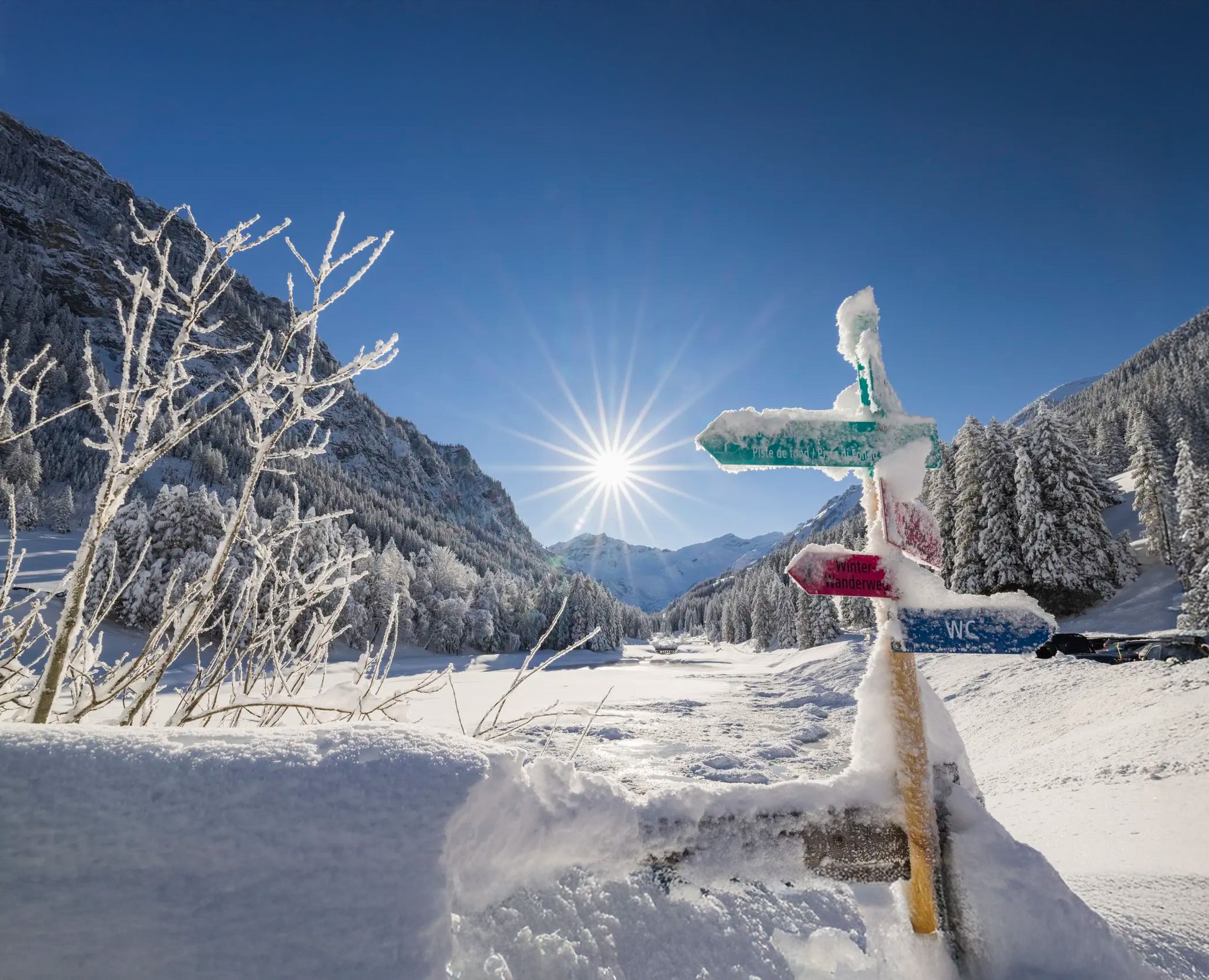
Winter hiking fun in Liechtenstein
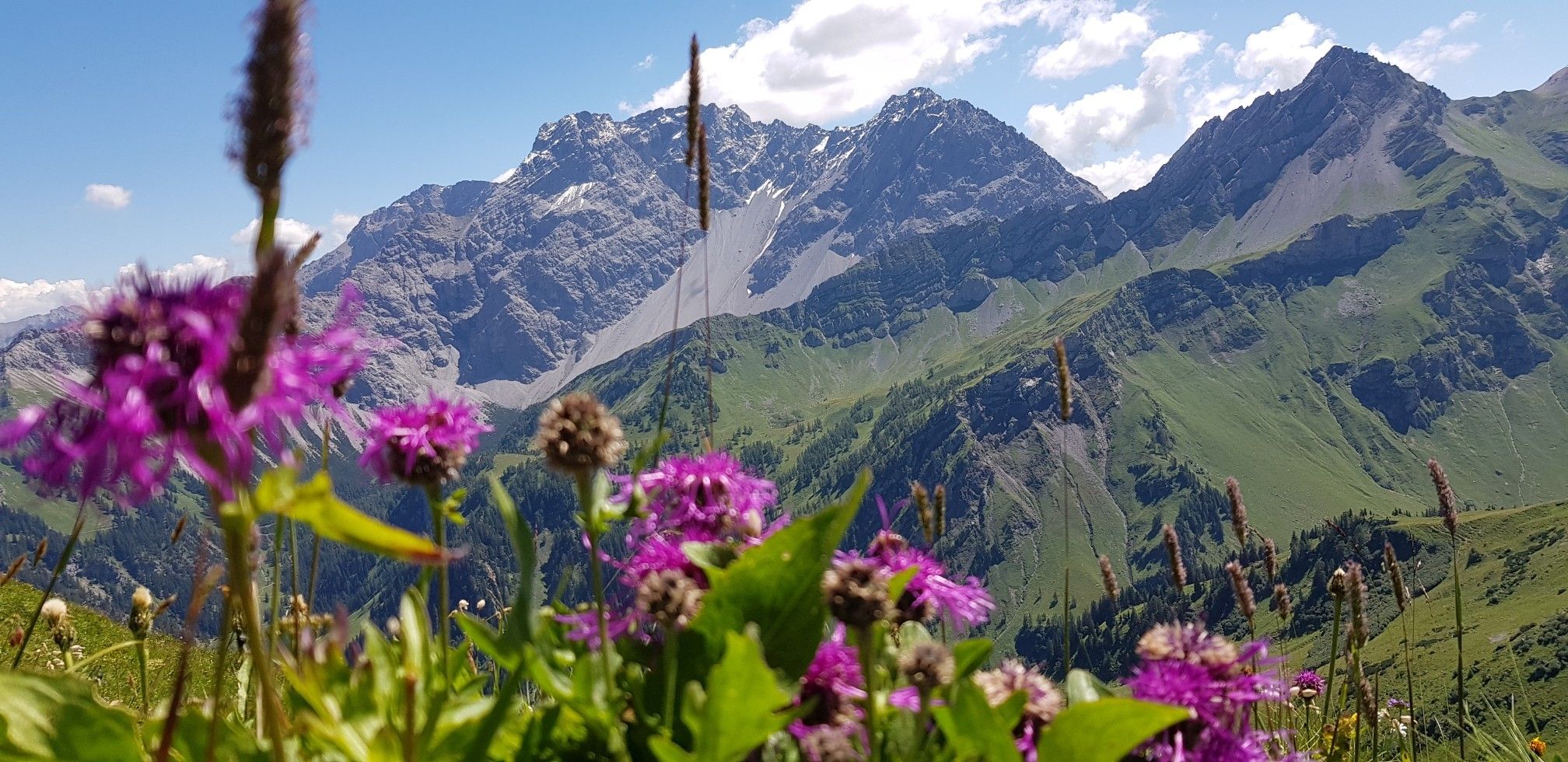
Trans-Rätikon – an adventure in the Tri-Border Region
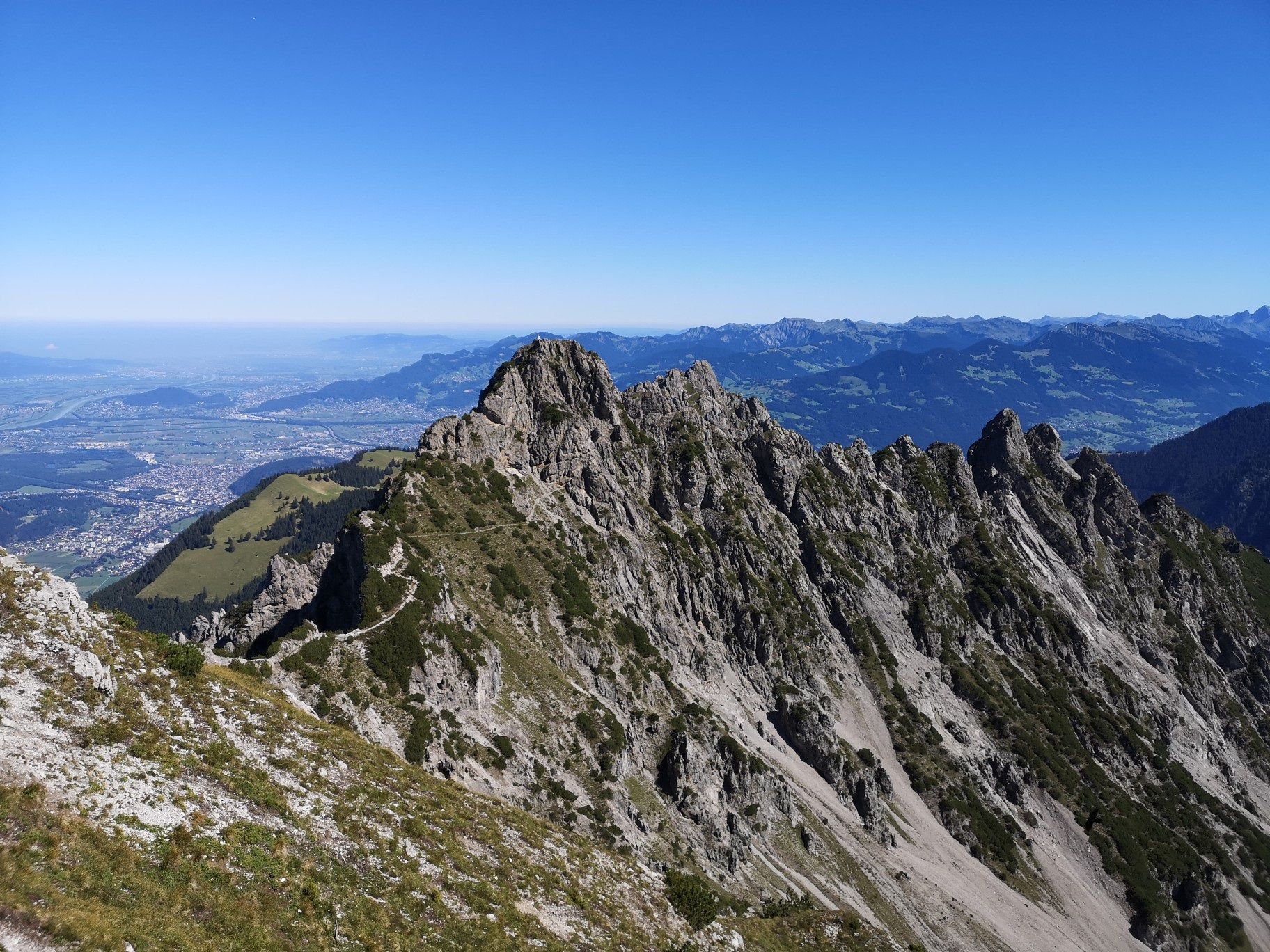
Princely views on the Liechtenstein Panorama Trail
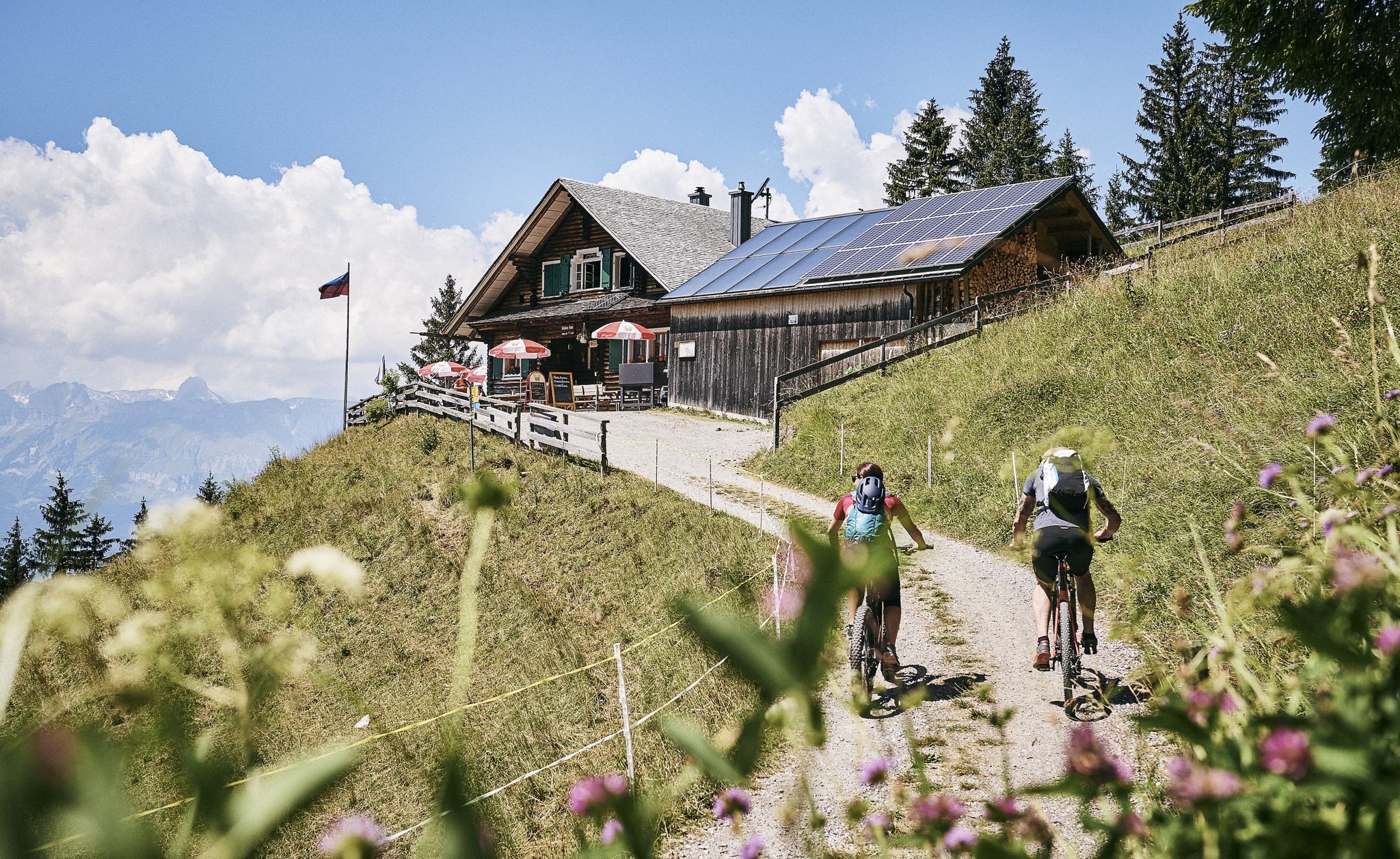
Enjoyable cycling in pristine nature – experience Liechtenstein
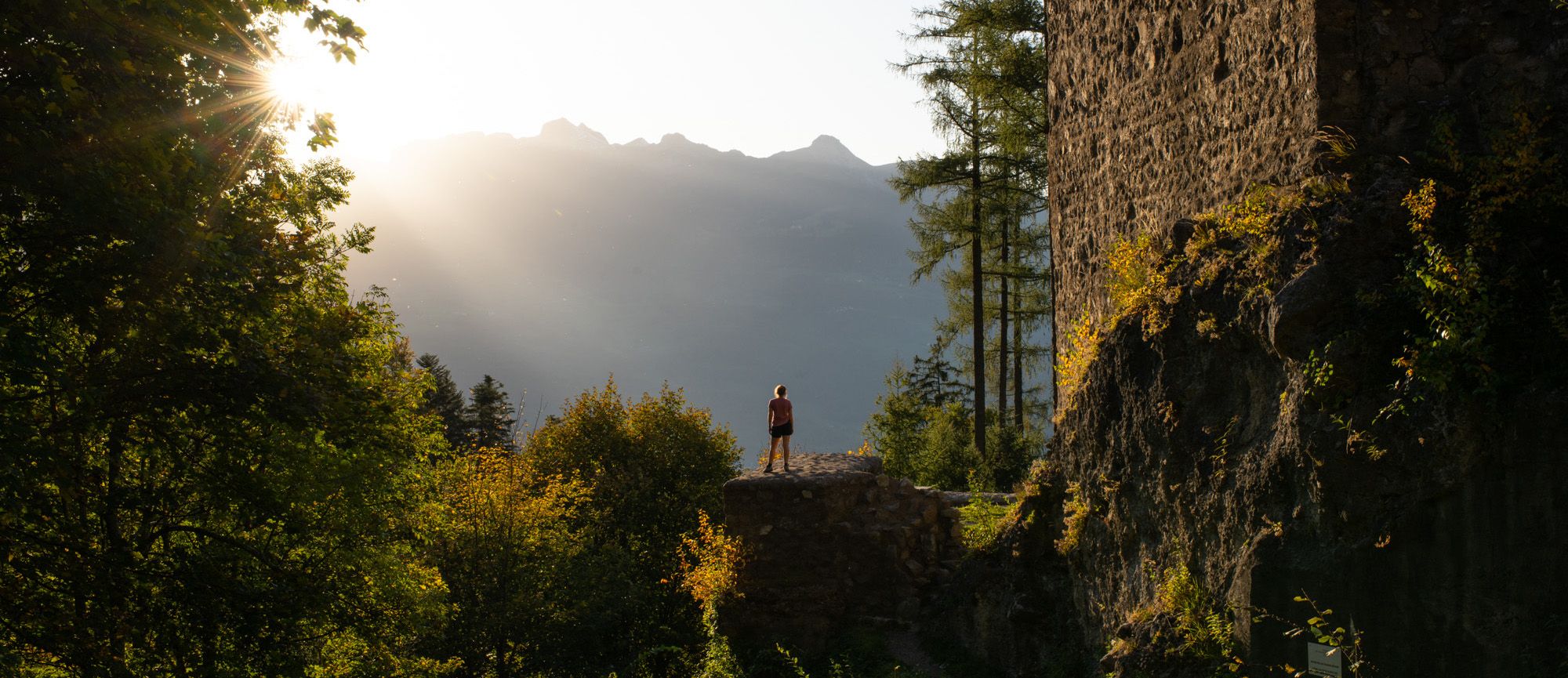
Hike Europe’s fourth smallest country in 5 stages – Liechtenstein Trail
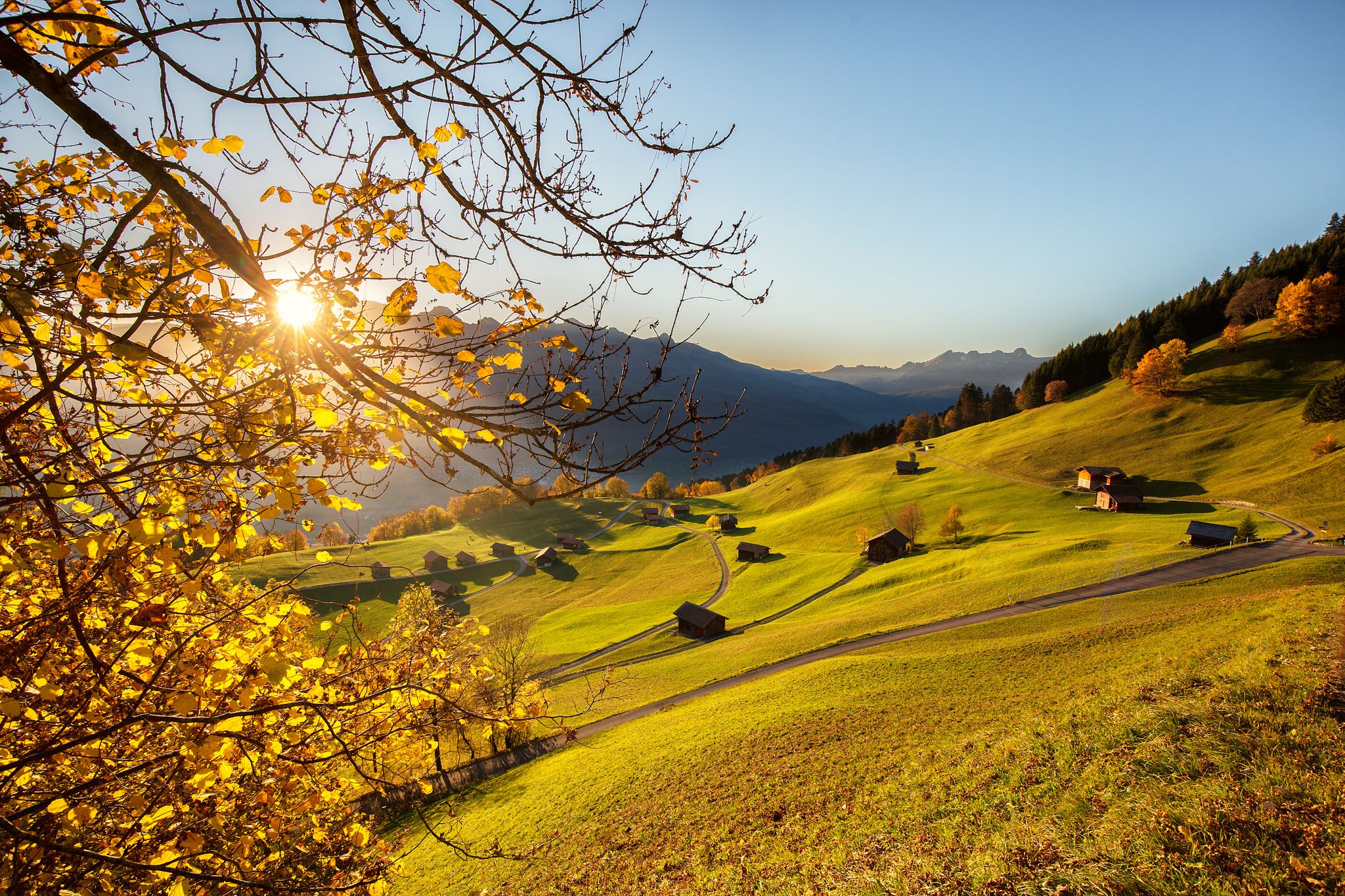
High mountains and winding valleys – autumnal hiking in Liechtenstein

Off the beaten track – hiking in Liechtenstein

Other adventures in Liechtenstein

Via Alpina – The 15 stages of the Green Route

Hiking Collection by

Tamara (unterwegs)

Tips from the Community

Paul
November 29, 2025, Schloss Vaduz

Vaduz Castle, "Landmark of Vaduz" Vaduz Castle is the landmark of Liechtenstein's capital city and is visible from afar. Vaduz Castle sits perched approximately 120 meters above the city of Vaduz. The castle's origins likely date back to the 12th century. The keep was probably one of the first structures built and was later supplemented by a residential tower. This residential tower can be dated to 1287. It is first mentioned in historical records in 1322. It came into the possession of the House of Liechtenstein in 1712 and, under the name Hohenliechtenstein, served as the seat of the Landvogtei (bailiwick) with official residences in the west wing until 1732. Afterward, it fell into increasing disrepair, and it was not until 1905 to 1912 that it underwent a thorough renovation and restoration. Prince Franz Josef II then had it expanded and made habitable. In 1939, he moved in with his family and took up permanent residence there. Visiting: The castle is not open to the public. A glimpse inside the castle can be seen in the film "Princely Moments" at the Alte Kino Vaduz (Old Cinema Vaduz). Text / Source: Official Tourism Website of the Principality of Liechtenstein https://tourismus.li/map/poi/schloss-vaduz-8fb7e6cf-99b5-4ffb-b600-9e4c66398e1f.html

Translated by Google

14

0

From 2002, stands in front of the town hall

Translated by Google

8

0

Thank you for this valuable tip.

Translated by Google

0

0

Vaduz, the capital of Liechtenstein, lies on the Rhine River near the Swiss border. Perched on a hill overlooking the city, the 12th-century Vaduz Castle is a royal family residence. In the pedestrian-friendly town center, called Städtle, lies the Liechtenstein Art Museum, with its polished facade and modern art exhibits. Nearby, the National Museum, housed in a medieval building, houses archaeological and cultural artifacts.

Translated by Google

5

0

Schalun Castle, also known as the Wildschloss (Wild Castle), can be reached from Vaduz in about an hour along a steadily ascending forest track. Along the way, you'll also pass the new viewing platform. From the castle, you can enjoy a magnificent view of the Rhine Valley. Source: Schalun Castle (Wild Castle) - Official Tourism Website of the Principality of Liechtenstein https://share.google/etl2VY6VLRFX8CUZh

Translated by Google

5

0

Schalun Castle, also known as the Wildschloss (Wild Castle), can be reached from Vaduz in about an hour along a steadily ascending forest track. Along the way, you'll also pass the new viewing platform. From the castle, you can enjoy a magnificent view of the Rhine Valley. Source: Schalun Castle (Wild Castle) - Official Tourism Website of the Principality of Liechtenstein https://share.google/etl2VY6VLRFX8CUZh

Translated by Google

1

0

Nitrox4
August 14, 2025, Burg Gutenberg

A beautiful castle. Like something out of a picture book.

Translated by Google

0

0

This town hall is something special.

Translated by Google

4

1

Frequently Asked Questions

Which castles in Liechtenstein are open to the public?

While Vaduz Castle is the private residence of the Princely Family and not open to visitors, Gutenberg Castle is open to the general public as a museum. You can explore its courtyard year-round. Additionally, the ruins of Schalun Castle and the Schellenberg Castle Ruins (Obere Burg and Untere Burg) are freely accessible.

Are there any family-friendly castles to visit in Liechtenstein?

Yes, several castles offer a great experience for families. Gutenberg Castle, with its museum and accessible courtyard, is a good option. The freely open Schalun Castle Ruins and Schellenberg Castle Ruins are also popular for family excursions, offering historical exploration amidst nature.

What is the best time of year to visit the castles in Liechtenstein?

The summer months, particularly May to October, are ideal for visiting the castles. During this period, the rose garden at Gutenberg Castle is accessible on Sundays, and the weather is generally pleasant for exploring the outdoor ruins and enjoying the panoramic views from sites like Vaduz Castle and the Schellenberg ruins.

Can I hike to the castles in Liechtenstein?

Yes, hiking is a popular way to reach and explore the castles. For instance, Schalun Castle Ruins can be reached from Vaduz via a forest track. The Schellenberg Castle Ruins are also accessible by foot via local footpaths. You can find various hiking routes in the region, such as those listed in the Hiking in Liechtenstein guide.

Are there any cycling routes that pass by the castles?

Yes, the region offers road cycling routes that allow you to see some of the castles. For example, you can find routes like the 'Old Rhine Bridge at Vaduz – Vaduz Castle loop' in the Road Cycling Routes in Liechtenstein guide, which will take you past the iconic Vaduz Castle.

What kind of views can I expect from the castles?

The castles in Liechtenstein offer spectacular panoramic views. From Vaduz Castle, you can enjoy magnificent vistas of the capital city and the surrounding Rhine Valley. Gutenberg Castle also provides breathtaking views over Liechtenstein, while the Schellenberg Castle Ruins offer expansive views of the landscape and the Rhine Valley.

Are there any cultural events held at the castles?

Yes, Gutenberg Castle occasionally hosts cultural events, concerts, and festivals, making it a vibrant historical and cultural landmark. The Schellenberg Castle Ruins are also popular spots for picnics and often host various events.

What is the historical significance of Liechtenstein's castles?

Liechtenstein's castles, many dating back to the 12th century, reflect the principality's rich history and strategic importance. Vaduz Castle has been the permanent residence of the Princely Family since 1939. Gutenberg Castle played a strategic role guarding borderlands, and the ruins like Schalun Castle and the Schellenberg Castle Ruins offer glimpses into medieval life and architecture.

Are there less crowded castles to visit in Liechtenstein?

If you're looking for a quieter experience away from the main tourist paths, the Schalun Castle Ruins and the Schellenberg Castle Ruins offer a more serene exploration. These ruins are freely open and provide a chance to connect with history amidst nature, often with fewer visitors than the more prominent landmarks.

Is there parking available near the castles?

While Vaduz Castle itself is not directly accessible by car, there is a parking area above Vaduz Castle from which you can walk to its vicinity. For other castles like Gutenberg Castle, parking is generally available nearby, though it's always good to check local signage.

Can I bring my dog to the castle areas?

Many of the outdoor areas around Liechtenstein's castles, especially the ruins and hiking trails leading to them, are dog-friendly. For example, the trails around Schalun Castle Ruins and the Schellenberg Castle Ruins are popular for walks with dogs. Always ensure your dog is on a leash and follow local regulations.

How long should I plan for a visit to the castles?

The duration of your visit depends on the castle. For Gutenberg Castle, you might spend 1-2 hours exploring the courtyard and museum. For the ruins like Schalun Castle or the Schellenberg Castle Ruins, the visit often includes a hike, so plan for 2-3 hours depending on the route. Viewing Vaduz Castle from afar and walking around its vicinity can take about an hour.

Most popular routes in Liechtenstein

Hiking in Liechtenstein

Most popular attractions in Liechtenstein

Places to see

Store rating

Get inspired with the komoot mobile app

With a free komoot account, you can easily find, customize, and navigate endless outdoor adventures.

or

Join komoot Now

Store rating

Explore more

Looking for the best castles somewhere else? Discover other guides in Liechtenstein:

FranceUnited KingdomNetherlandsBelgiumGermanyPolandCzech RepublicDenmarkSpainLuxemburgAustriaGreeceItalyIrelandSwedenSwitzerlandCroatiaPortugalSloveniaHungaryEstoniaSlovakiaLithuaniaAlbaniaNorwayMontenegroRomaniaMaltaLatviaSerbiaFinlandSan MarinoBulgariaBosnia and HerzegovinaUkraineBelarusGuernseyJerseyMacedonia

Nearby adventure guides

Things to Do in Spirkenwälder Saminatal

background

Get ready to conquer new peaks

Sign up for Free

Explore
RoutesRoute plannerFeaturesHikesMTB TrailsRoad cycling routesBikepackingSitemap
Download the app
Follow Us on Socials

© komoot GmbH

Privacy Policy