The 20 Most Amazing Peaks in Liechtenstein
Mountain peaks in Liechtenstein, a small principality in the Alps, are primarily part of the Rätikon range. These peaks offer diverse experiences for hikers and mountaineers. The region features challenging ascents, intermediate trails, and panoramic views across multiple countries. Its mountainous terrain provides numerous natural features and viewpoints for exploration.
Best mountain peaks in Liechtenstein
- The most popular mountain peaks is Augstenberg Summit, a summit where narrow paths lead uphill between alpine flowers and crags to the 2,359 meter high peak. The Augstenberg is ideal for a hike on the Fürstin-Gina-Weg.
- Another must-see spot is Three Sisters, a summit named after a legend, consisting of 3 conspicuous, connected peaks visible from afar. The path to the Three Sisters is a white/blue marked path requiring surefootedness and a head for heights, involving two short iron ladders and some scrambling.
- Visitors also love Alpspitz Summit Cross (1,996 m), a summit offering a great view of the Rhine Valley and the foothills of the Rätikon. The Fürstensteig, a well-known mountain hiking trail, leads through its western flank, providing views of the Liechtenstein Alps.
- Liechtenstein is known for its challenging summits, scenic viewpoints, and intermediate mountain passes. These offer diverse experiences for hikers and mountaineers.
- The mountain peaks in Liechtenstein are appreciated by the komoot community, with over 370 upvotes and more than 470 photos shared.
Last updated: September 26, 2026
Augstenberg Summit
Highlight • Summit
Translated by Google •
Tip by

Fürstin-Gina Trail
Highlight • Trail
Translated by Google •
Tip by

Sign up now to discover places like this
Get recommendations on the best single tracks, peaks, & plenty of other exciting outdoor places.
Three Sisters
Highlight • Summit
The whole mountain is made up of showy, rough and rugged rock that gives the mountain its distinctive appearance. Due to its exposed position in the valley, the summit - as mentioned - is already visible from afar and offers a wonderful panorama from Liechtenstein to Germany.
Attention: I have no idea why, but the main peak - the big sister - has no summit cross, but only a small landmark. (The summit is located exactly on the border between Liechtenstein and Austria)
So if you already go down to the summit crosses, missed the main summit and should turn around, because the middle and little sister can only be reached with free-climbing ;-)
Translated by Google •
Tip by

Alpspitz Summit Cross (1,996 m)
Highlight • Summit
The path from the Gaflei to the Alpspitz is very beautiful and also highly recommended for people who are not free from vertigo. You don't need any special skills for this section - except that you have to conquer a few meters in altitude and climb over a few roots.
Translated by Google •
Tip by

Kuhgrat Summit
Highlight • Summit
They are all mountain hiking trails that lead to the summit, so you should be sure-footed and have a head for heights.
Translated by Google •
Tip by
Vaduz Town Hall
Highlight • Monument
Showing Translation
Tip by

Sass-Fürkle Pass
Highlight • Mountain Pass
The idyllic hiking trail from Malbun via Sassfürkle to Alp Sass is well prepared and offers wonderful views of the Pizol and the Alpstein mountains. Fantastically beautiful!
From Sass-Fürkle there are several hiking opportunities in all directions, e.g. Schönberg, Alp Guschg, Valorschtal, Galinakopf, Matta, Mattajoch to Gamp (AT) etc.
Translated by Google •
Tip by

Naafkopf Summit
Highlight • Summit
Translated by Google •
Tip by

Silberhorn
Highlight • Summit
The path does, however, require a certain level of surefootedness and a head for heights. The path first leads across a meadow along the ridge and then also along the ridge over scree until just before the Augstenberg where the path then becomes rocky.
Translated by Google •
Tip by
Rappenstein Summit
Highlight • Summit
The ridge path leads through impressive scenery to the Rappenstein (2222 m), on the summit of which there is a mighty cross. From here all the mountains of the Liechtenstein Alps, the Alpstein and, on good days, Lake Constance are visible.
Triesen and Balzers municipality
Text: FL Tourism
tourismus.li/lie/tour/Rappenstein
Translated by Google •
Tip by
Sign up for free to discover even more peaks in Liechtenstein.
Already have an account?
Start today with a free account
Your next adventure awaits.
Popular around Liechtenstein
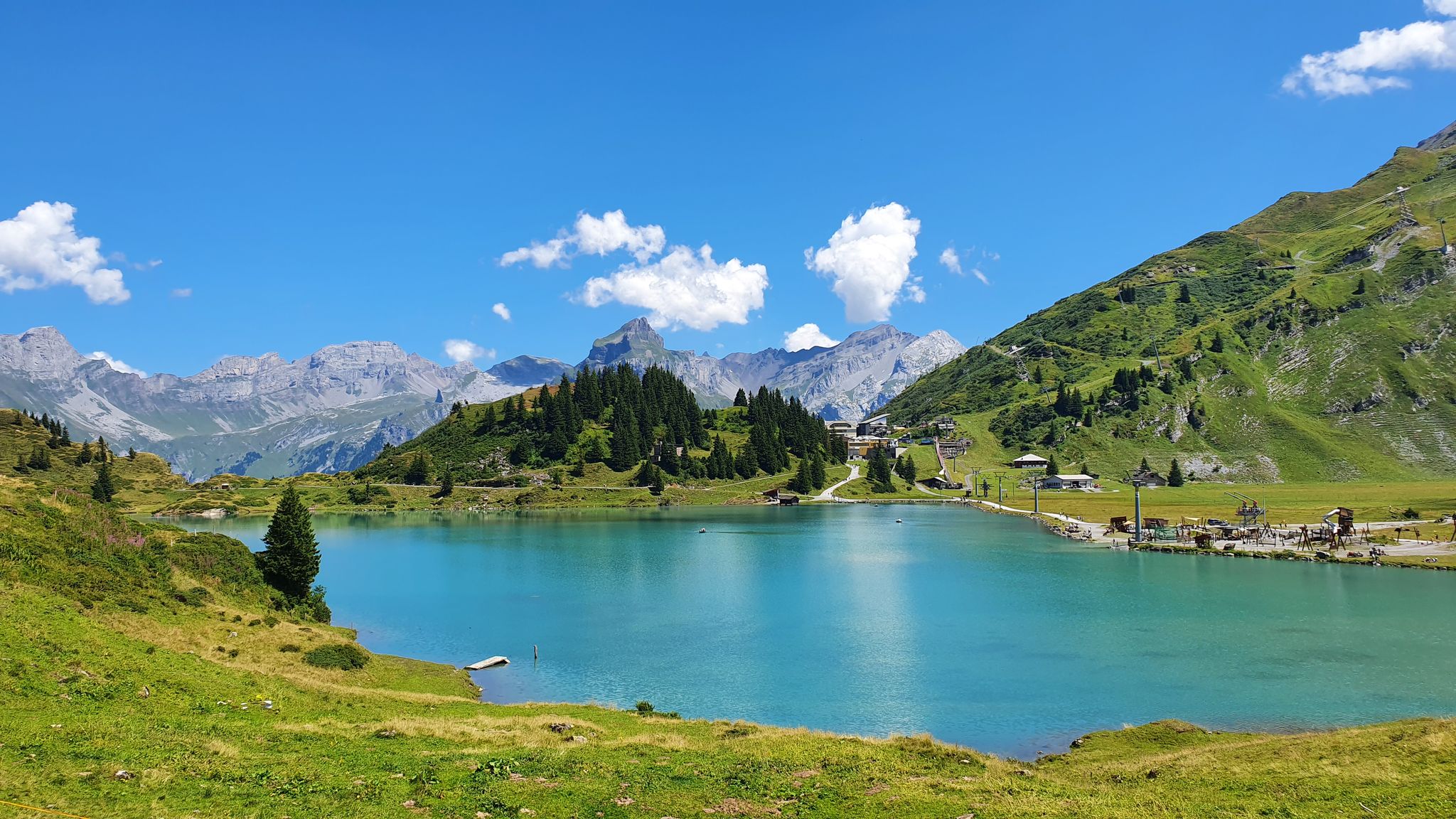
Via Alpina – The 15 stages of the Green Route
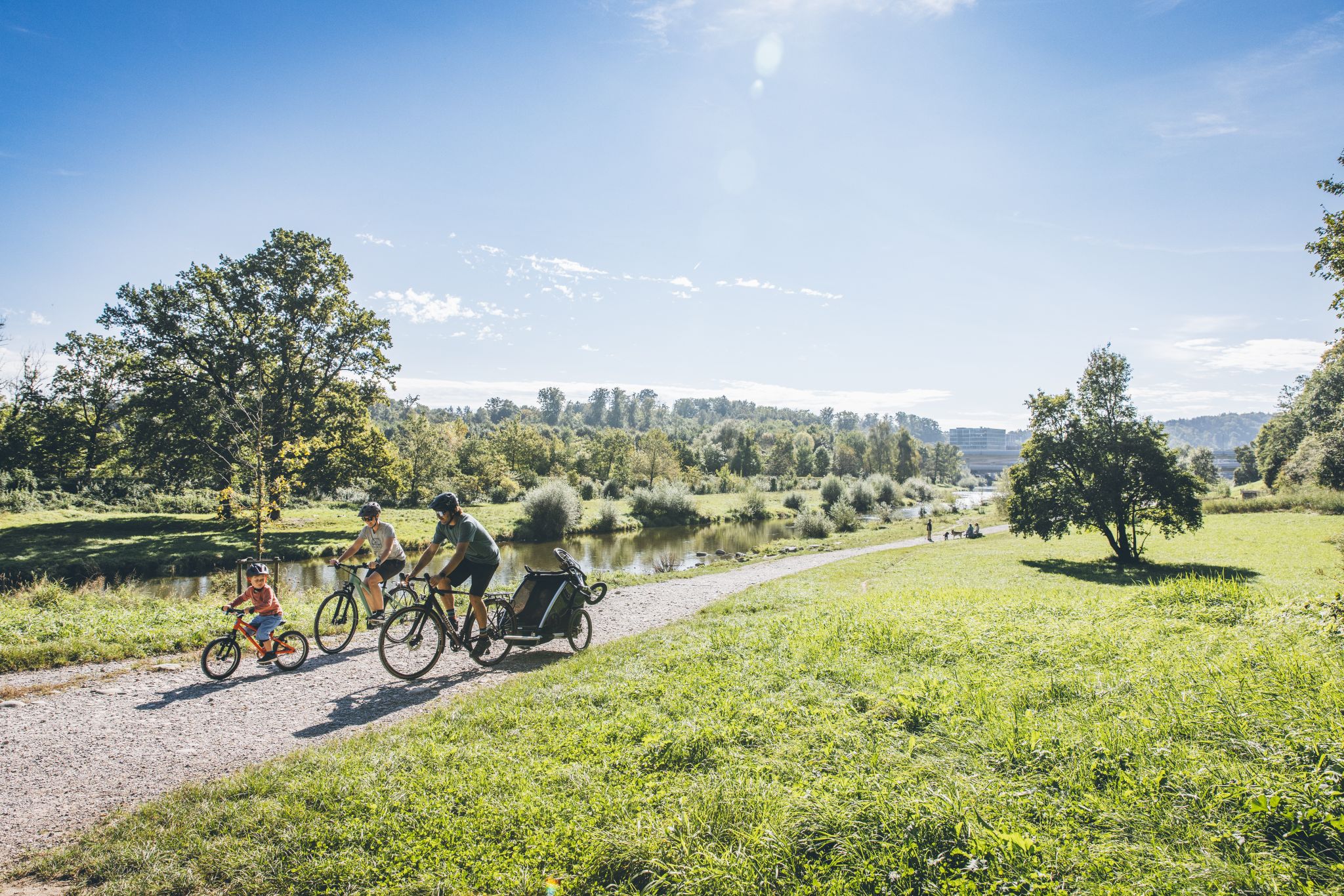
Family fun on two wheels – cycling routes with children around Zürich
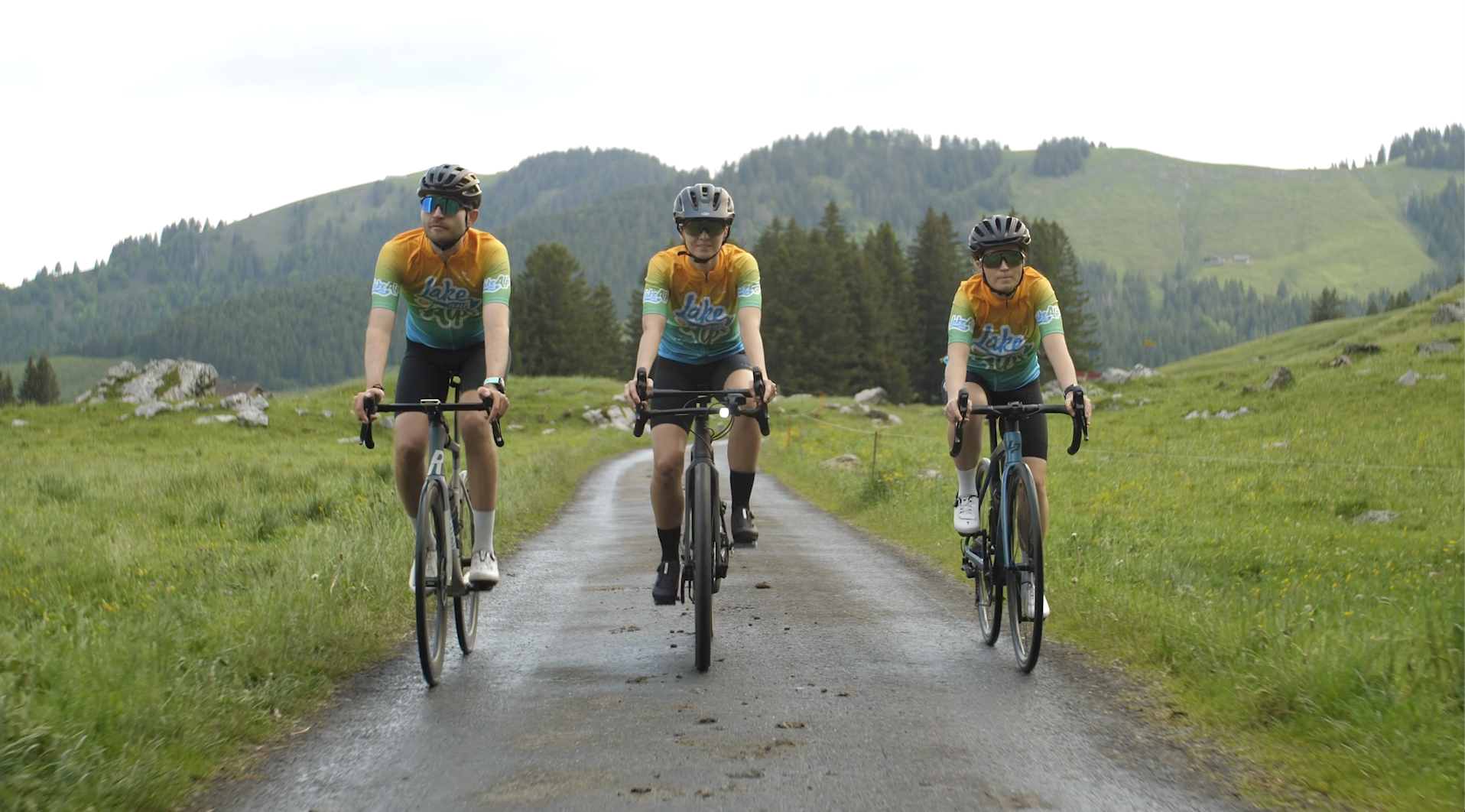
Lake and Alps Adventure – explore 100 dreamy places in our cycling region!
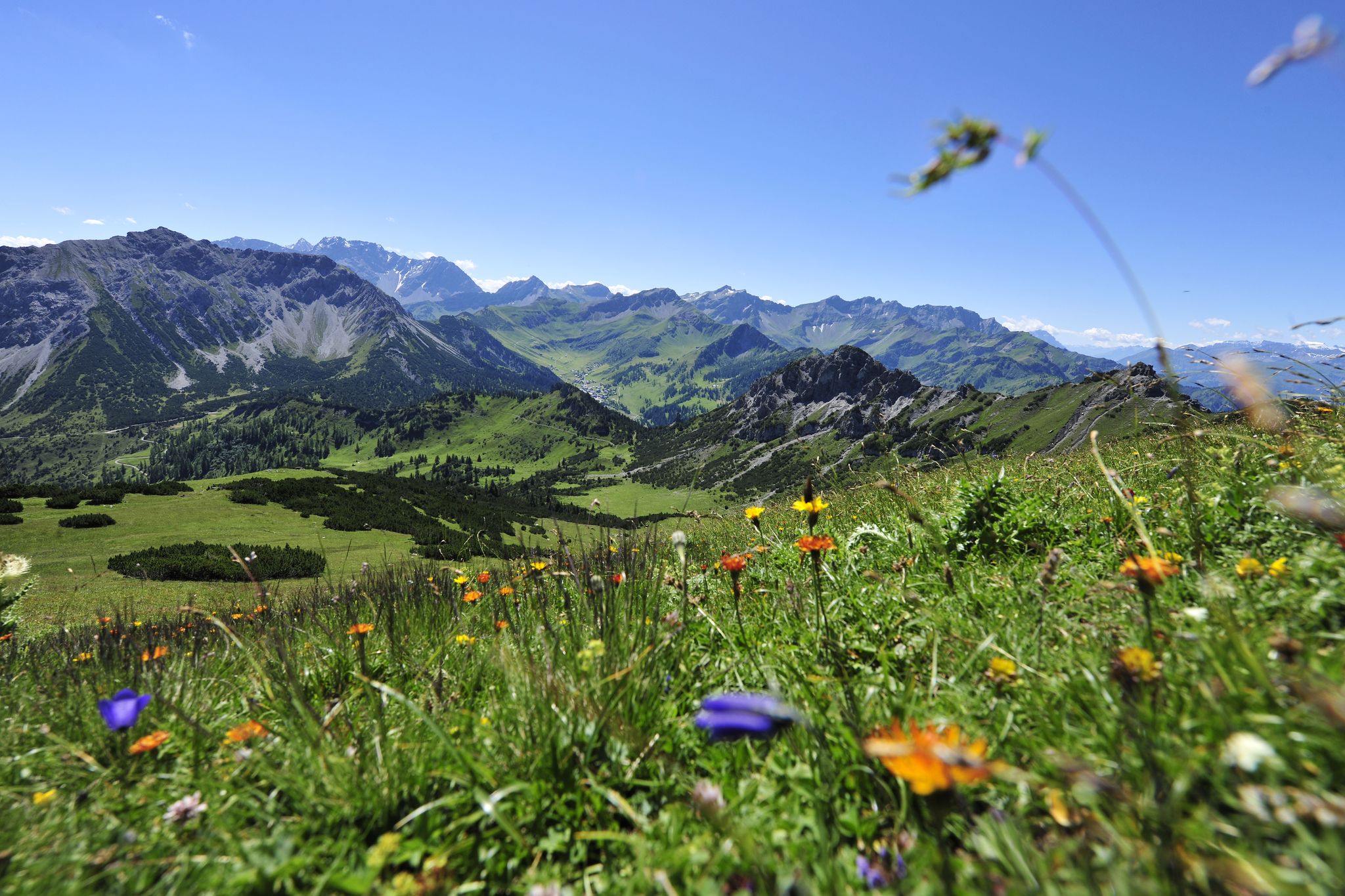
When the snow melts – spring hiking in Liechtenstein
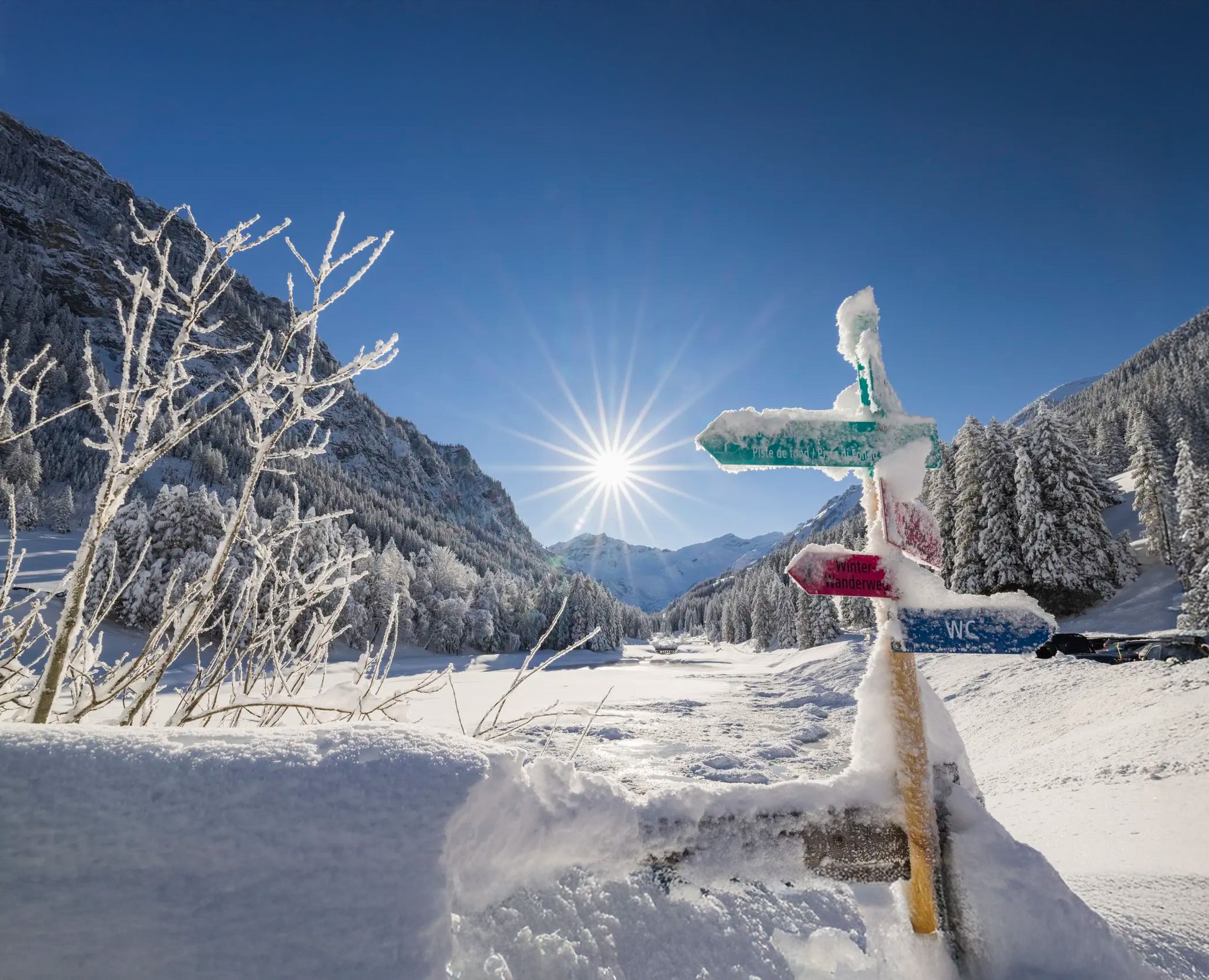
Winter hiking fun in Liechtenstein
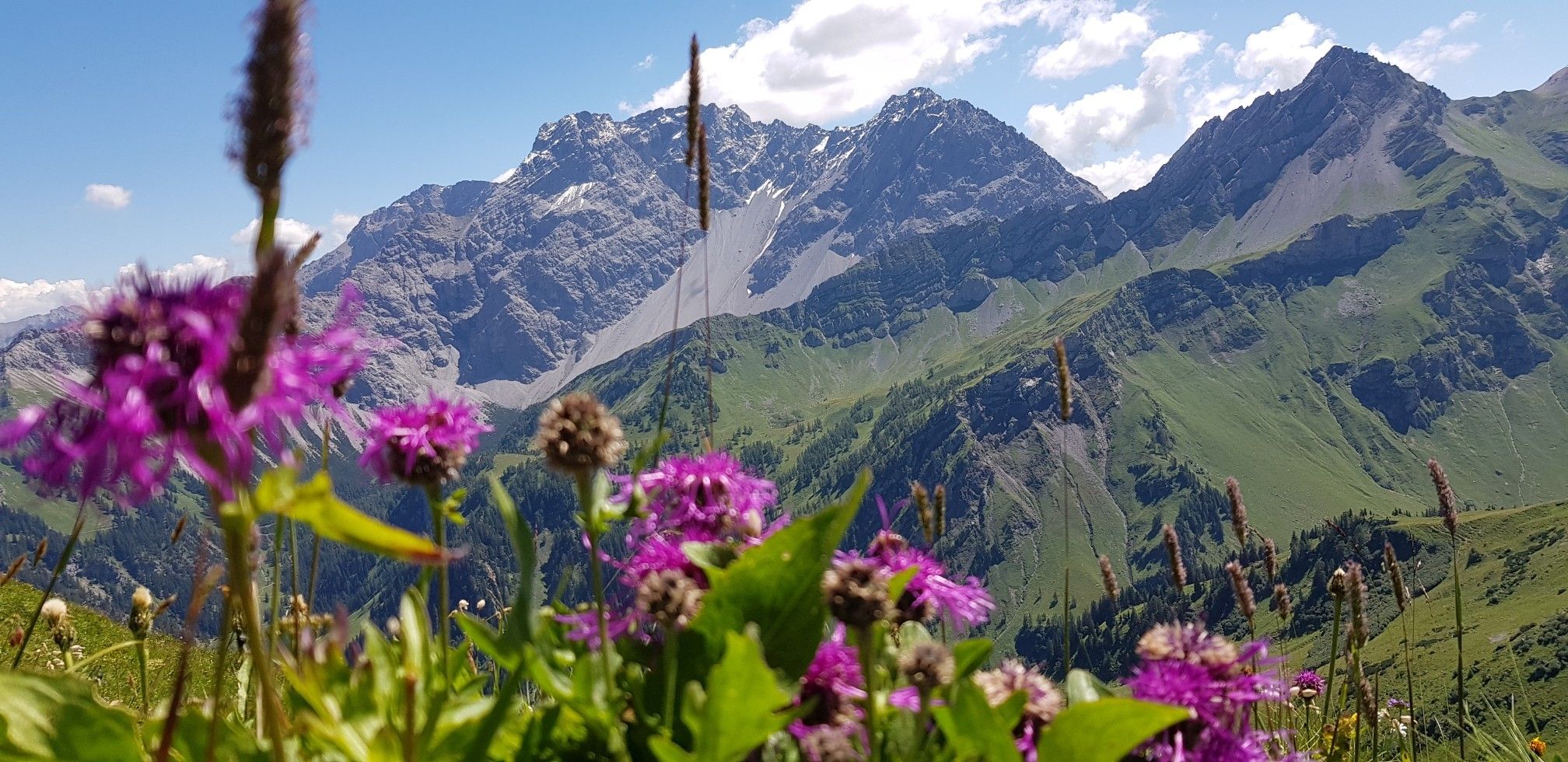
Trans-Rätikon – an adventure in the Tri-Border Region
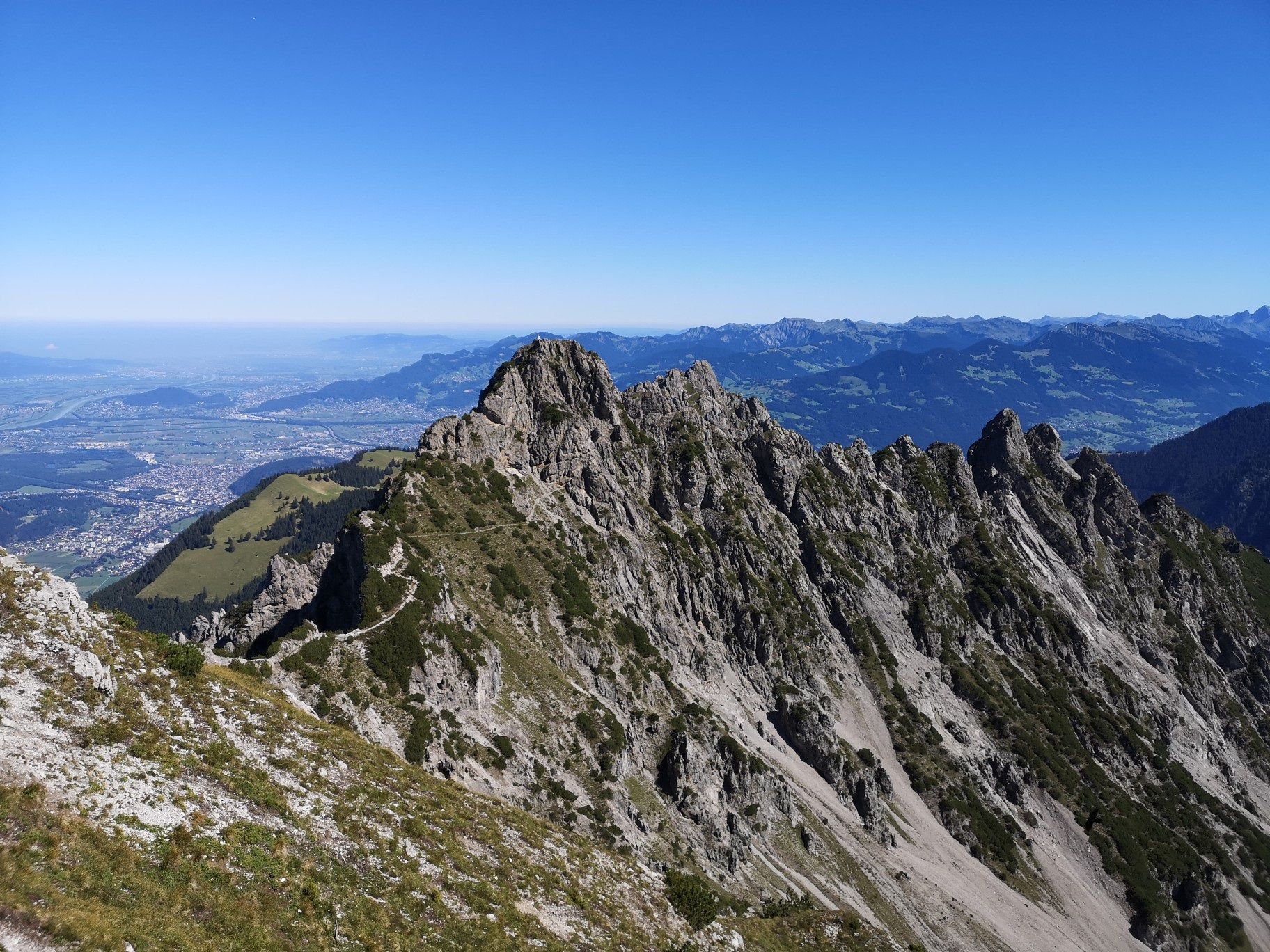
Princely views on the Liechtenstein Panorama Trail
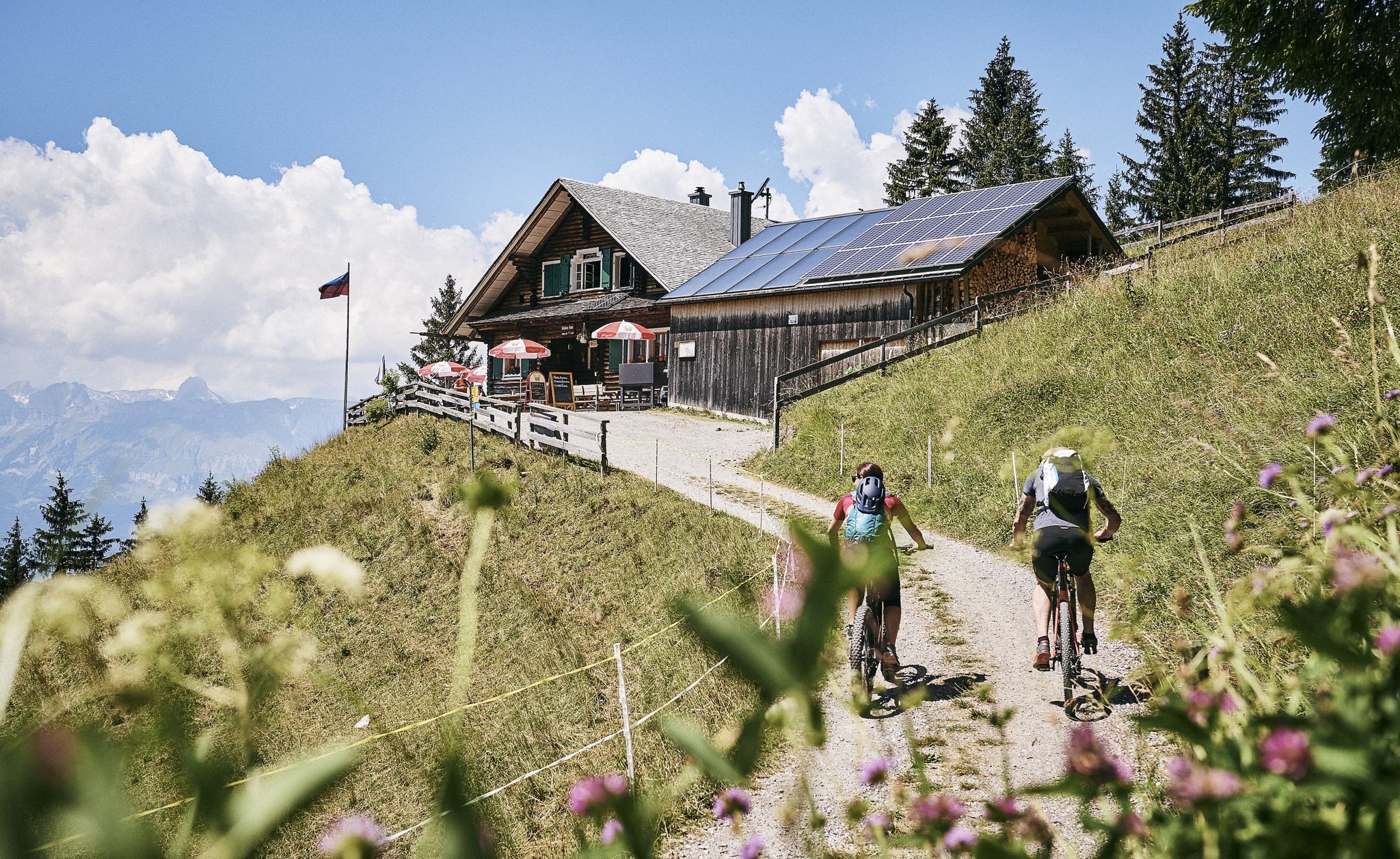
Enjoyable cycling in pristine nature – experience Liechtenstein
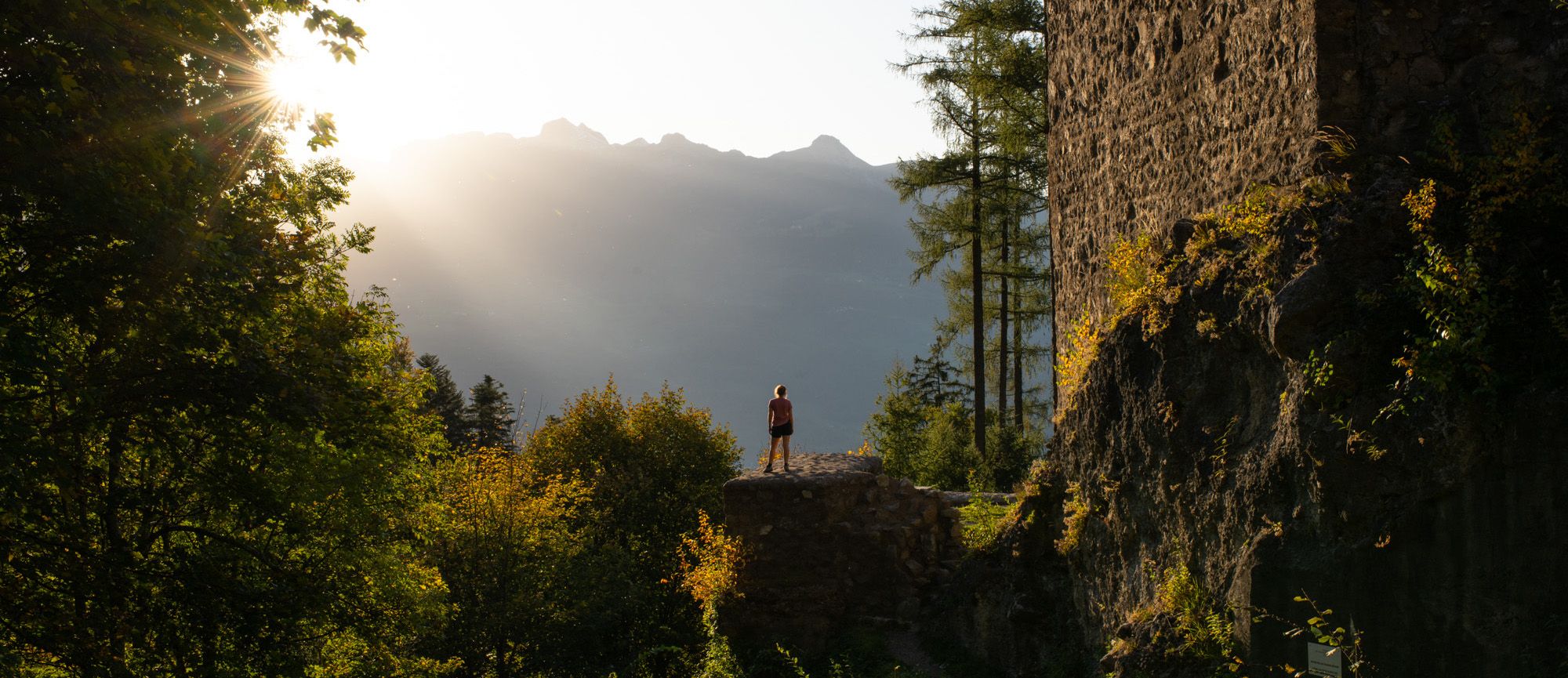
Hike Europe’s fourth smallest country in 5 stages – Liechtenstein Trail
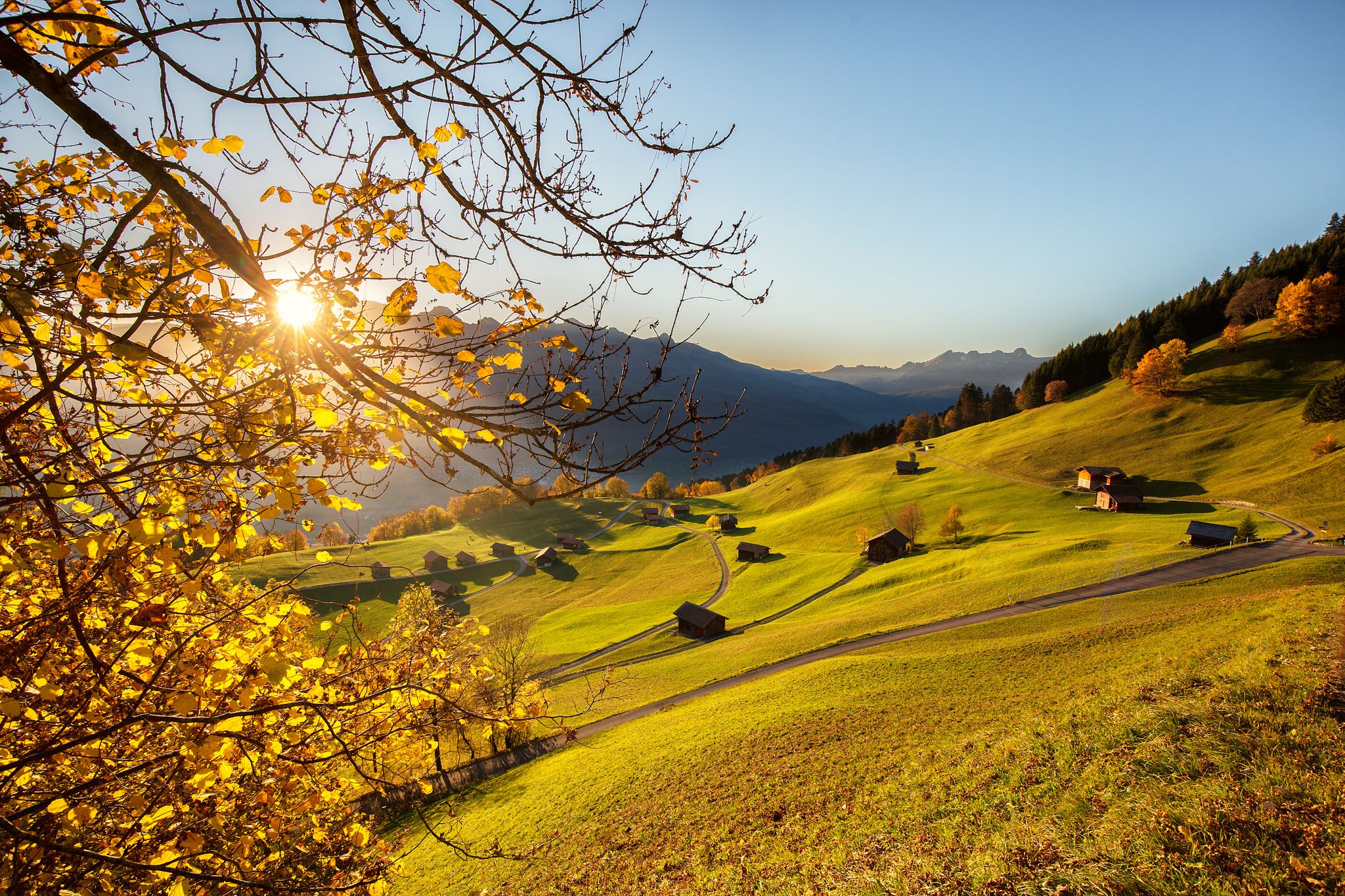
High mountains and winding valleys – autumnal hiking in Liechtenstein
Other adventures in Liechtenstein


Tips from the Community


From 2002, stands in front of the town hall
9
0

This town hall is something special.
4
1

In the town hall on the second floor is the beautiful town hall, which is particularly suitable for lectures, receptions or chamber concerts. The paintings of the Princes of Liechtenstein and the mayors of Vaduz give it a special atmosphere, which is enhanced by the warm red of the walls. The town hall has a small stage and can be furnished with up to 120 seats.
4
0
Born in 1928, the artist is one of Switzerland's most important sculptors. He lives and works near Lugano and has studios in Venice and Mexico. Nag Arnoldi has received numerous awards, and his large-format bronzes can be found in many public and private spaces and buildings.
3
0

This is also a great place to take a break in summer 🥰
2
0

Rathaus Vaduz from 1932 The construction of the Vaduz town hall dates back to 1932/33. It was thoroughly renovated between 1982 and 1984. The balcony fresco by Johannes Troyer on the south facade depicts St. Urban, the patron saint of winegrowers. The municipal coat of arms, carved in stone, can be seen on the entrance facade. In 1931, the municipal assembly and, in 1932, the enlarged municipal council approved the construction of a new town hall in Vaduz, the costs of which were almost three times the municipality's total revenue. The driving force behind the project, built in 1932/1933, was the then mayor Ludwig Ospelt. The economic and financial conditions in Vaduz were anything but good at the time. Nevertheless, in 1931, people were brave enough to approve a project whose cost estimate was up to CHF 350,000.00. For the conditions at the time, a colossal sum when compared with the annual tax and total revenues. The municipal assembly decided on November 17, 1931, to build a town hall with premises for the Bank in Liechtenstein on the construction site opposite the "Engel" inn. Numerous planners vied for the contract. Finally, on January 29, 1932, Franz Roeckle was allowed to present his project drafts to the enlarged municipal council and received the contract the same day. The drafts were revised several times in collaboration with the mayor. On September 27, 1932, the standing, and on September 30, the enlarged municipal council approved Roeckle's revised plans. Construction work progressed rapidly, and the town hall was officially opened on November 19, 1933. In addition to the mayor's office, the municipal council, and the municipal administration, the Vaduz town hall served various purposes. It housed the Bank in Liechtenstein, the Liechtensteinische Landesbank, the post office, and various associations. It was renovated and rebuilt several times. A comprehensive renovation took place in 1984 under Mayor Arthur Konrad. Since then, the town hall has been used exclusively for municipal purposes. Ludwig Ospelt (Mayor from 1930 - 1933 and 1936 - 1942) was the first incumbent to have his seat in the town hall. Text / Source: tourismus.li https://tourismus.li/lie/ort/Rathaus%20Vaduz/
20
0

Sure-footedness and a head for heights are required
2
0
Frequently Asked Questions
Which mountain peaks in Liechtenstein offer the most challenging ascents for experienced hikers?
For experienced hikers seeking a challenge, Grauspitz, Liechtenstein's highest peak at 2,599 meters, offers a demanding hike with scrambling and unmarked, steep sections. The easiest route involves ascending over Hinter Grauspitz (Schwarzhorn) and then along a class 3-4 razor ridge. Another challenging option is the Three Sisters, which requires sure-footedness, a head for heights, and involves short iron ladders and scrambling.
Are there any mountain peaks in Liechtenstein that mark international borders?
Yes, Naafkopf, standing at 2,570 meters, is a significant peak that marks the tripoint where Austria, Liechtenstein, and Switzerland converge. Its summit features a large wooden cross symbolizing this international meeting point. Naafkopf Summit offers extensive views across the Rätikon range, the Rhine Valley, and surrounding peaks.
What are some mountain peaks in Liechtenstein known for their panoramic views?
Many peaks offer stunning views. From Mittagspitz (1,857 meters), you can enjoy a rare panorama encompassing the valleys of Liechtenstein, the Swiss Alps, and Austrian peaks. The Alpspitz Summit Cross (1,996 m) also provides a great view of the Rhine Valley and the foothills of the Rätikon. Additionally, Kuhgrat Summit offers wonderful vistas and is part of various long-distance hiking trails.
Which mountain peaks are accessible via well-known ridge trails in Liechtenstein?
The Fürstin-Gina-Weg is a well-known ridge trail that leads towards Augstenberg Summit, offering spectacular views along its narrow mountain path. This trail is a classic in Liechtenstein, providing a varied hike along the ridge.
Are there any mountain peaks in Liechtenstein with historical or cultural significance?
Falknis, a mountain with its highest peak at 2,562 meters, is notable for its appearance in Johanna Spyri's 1881 novel Heidi, where the title character describes it to her grandfather. This peak is situated on the border between Liechtenstein and Switzerland near Balzers.
What kind of outdoor activities can I do near the mountain peaks in Liechtenstein?
Beyond peak bagging, you can enjoy various outdoor activities. For hiking, explore routes like the 'Augstenberg Summit – Pfälzerhütte loop from Malbun' or the 'Fürstensteig Trail – Kuhgrat Summit loop from Liechtenstein.' You can find more details on these and other mountain hikes in the Mountain Hikes in Liechtenstein guide. For general hiking, refer to the Hiking in Liechtenstein guide. If you're into gravel biking, routes like the 'Laternsertal Valley – Das Bädle, Laterns loop from Tisis' are available, as detailed in the Gravel biking in Liechtenstein guide.
What is the best time of year to hike the mountain peaks in Liechtenstein?
The hiking season for many mountain peaks in Liechtenstein, especially those with gentler ascents like Mittagspitz, typically runs from June to September. During this period, trails are generally clear of snow, and conditions are favorable for exploring the alpine environment.
Are there less crowded mountain trails or peaks in Liechtenstein for a more solitary experience?
While many trails can be popular, Grauspitz, despite being the highest mountain, is considered one of the least visited peaks. Its demanding nature and lack of signed footpaths to the very top contribute to a more solitary experience for those seeking quiet adventure.
What should I expect regarding the terrain and difficulty of mountain peaks in Liechtenstein?
The mountain peaks in Liechtenstein, part of the Rätikon range, offer diverse terrain. You can expect everything from narrow paths winding through alpine flowers and crags, as seen on Augstenberg Summit, to steep, rocky slopes and challenging ridge walks requiring sure-footedness and a head for heights, such as those found on Three Sisters and Grauspitz.
What do visitors particularly enjoy about the mountain peaks in Liechtenstein?
Visitors frequently highlight the wonderful views and the varied hiking experiences. The trails often lead through beautiful alpine scenery, offering panoramic vistas of the Rhine Valley, the Swiss Alps, and Austrian peaks. The sense of accomplishment from reaching summits like Augstenberg Summit, with its mighty summit cross, is also a common point of enjoyment.
Are there any mountain passes near the peaks that are suitable for family-friendly activities?
Yes, the Sass-Fürkle Pass is categorized as family-friendly and offers a viewpoint, making it a suitable option for families looking to enjoy the mountain environment without extreme difficulty.
Most popular routes in Liechtenstein
Most popular attractions in Liechtenstein

Get inspired with the komoot mobile app


Explore more
See even more amazing summits in Liechtenstein with these guides:
