Top 20 Huts and Cabins in Liechtenstein
Best huts in Liechtenstein are found across its alpine landscape, offering shelter and access to hiking routes. The region features a diverse terrain, from the Rhine Valley to higher mountain ranges, providing varied settings for these alpine structures. Liechtenstein's cultural history is intertwined with its mountain areas, where many huts have historical significance or serve as bases for exploring the country's natural environment.
Best huts in Liechtenstein
- The most popular huts is Pfälzerhütte, a mountain hut located at 2,108 meters on the Bettlerjoch saddle, bordering Austria. It serves as a starting point for tours to the Naafkopf and is part of the Liechtenstein Panorama Trail.
- Another must-see spot is Gafadura Hut, a former princely hunting lodge converted into an Alpine Club hut. It is situated at 1,428 meters above the Rhine Valley and offers views over the valley.
- Visitors also love Krüppelhütte, a historical hut at 1,707 meters. This hut, built by a Walser descendant, provides a glimpse into the region's past and offers views of the Rhine Valley.
- Liechtenstein is known for its mountain huts, former hunting lodges, and historical alpine structures. These include facilities for accommodation and dining, as well as simpler shelters.
- The huts in Liechtenstein are appreciated by the komoot community, with more than 400 photos and over 400 upvotes.
Last updated: October 9, 2026
Pfälzerhütte
Highlight • Mountain Hut
You can find all information about prices and opening times at alpenverein.li/huetten/pfaelzerhuette-2108m.
Translated by Google •
Tip by

Gafadura Hut
Highlight • Mountain Hut
Translated by Google •
Tip by

Sign up now to discover places like this
Get recommendations on the best single tracks, peaks, & plenty of other exciting outdoor places.
Valüna Alp
Highlight • Mountain Hut
Showing Translation
Tip by

Sareis Mountain Restaurant
Highlight • Restaurant
The ski slopes, which have been opened up by the Sareis chairlift and the Sareiserjoch mountain restaurant (2015 m above sea level) since 1963, are located in the Alp Turna area.
At 2,000 meters above sea level M is the Sareis mountain restaurant on the Sareiserhöhe. Enjoy unforgettable moments in Liechtenstein's breathtaking mountains in the cozy dining room and on the wonderful sun terrace.
Text: Bergbahnen Malbun AG
sareis-malbun.li
Translated by Google •
Tip by

Paula Hut
Highlight • Mountain Hut
The hut on the Maurerberg was once a refuge for shepherds and farmers. Today, the hut, situated at 1008 m above sea level, is a popular destination for hikers and mountain bikers who, weather permitting, enjoy the view all the way to Lake Constance.
In 1857, Jakob Marock, who had served as the provisional forest and game warden on the Maurerberg for three years, was permanently appointed at the request of the provincial governor in Vienna. At the beginning of his official term, he likely built the hut as a hunting lodge and shelter. It was originally known to the local population as the "Kälble" hut, as shepherds and farmers sought refuge there from both cold and rain.
Over the years, the hut has been altered several times. For example, in 1979, Rudolf Marxer demolished the hut and rebuilt it from the ground up in its original style. A major renovation took place around the turn of the century, after Richard Hönighaus from Zurich leased the hunting rights on the Maurerberg. In 1905, the cabin, which the new owner dedicated to a woman named Paula, was officially inaugurated. Since there were several women named Paula in Hönighaus's circle, it remains unclear to this day which of them he dedicated the cabin to.
Translated by Google •
Tip by
Krüppelhütte
Highlight • Mountain Hut
«There, where the woods secretly rustle, there, where the eagle flies, I wouldn't trade it with any king, yes, because mini Hötta roars up there.» (author unknown)
A large part of the Liechtenstein Alpine region has been inhabited and managed by the Triesenberger Walser people for more than 600 years. Your ancestors immigrated here around the year 1300 and settled on the sunny heights above the old town of Triesen. Triesenberg is therefore a Walser colony, like those we find on the other side of the Alps in Italy, but especially in Graubünden and in the Vorarlberg. Whether the Triesenberg Walser came directly from the Valais, or whether they moved here from one of the mother colonies on the southern side of the Alps or from Graubünden cannot be determined with certainty. The first known document from 1355 mentions seven «Valaisans», named by name, who built their first homes in loose farm settlements on various terraces. The many Walser German field names indicate intensive settlement and
Cultivation of the area by the Walser, who were forced to open up new pastures in the previously uncultivated highlands. The sometimes adventurous, steep paths that lead to the Maiensässen or to the huts high above the Rhine Valley also go back to this time and are for the most part still accessible today. The area above the village of Triesenberg at an altitude of between around 1200 and 1700m has been used as a hay hill since the Walser settled in the 14th century. The wild hay collected in the Heuberge in July and August was therefore an important addition to the hay fodder. The right to a hay hut was associated with the ownership of a Heuberg parcel (hut space right)
The wild hay was stored in "Magerheuhütti" and only brought down to the valley in winter. Many of these huts are still in good condition and characterize the landscape. They were used for cooking, eating and sleeping during the hay harvest, and then as hay stores until winter. Then the stored hay was pulled down in hay trains by so-called hay giants and taken to the village on horn sledges. At the end of the 1940s, haymaking in the Heuberge died out, which in part led to reforestation. In Triesenberg, the Heuberge were bought up by the municipality in 1957. Xaver Beck, however, did not let the old Walser law be taken away and in 1978 built his hut on the Krüppel - a former Heuberg - also out of old Walser pride against the resistance of the authorities; an inscription on the hut bears witness to this: “Built by a strong hand, not approved by the authorities, I look out into the wide country. It's a pity that you don't approve of me». The starting point for hikes to the Krüppelhütte is the old tunnel in Steg. A beautiful trail signposted with Rappenstein awaits us there. Almost level at first, we hike through several turnstiles that separate the alpine meadows from the wooded areas. But the path climbs very quickly and with a constant incline we move towards our destination Krüppelhütte at 1707 m above sea level. to. The access path is a bit exposed in the upper part, but secured with wire ropes. On a small grassy clearing to the north, a very cozy, pretty hut with an old Buller stove awaits us; a few crockery on the shelf, a schnapps bar and two bunk beds complete the lovely furnishings.
On the table is a hut book for the hikers' entries. This hut is unlocked, the honesty of the visitors is appealed to. Directly in front of the hut there is a wooden table with benches and a barbecue area, a flagpole and a mountain cross from which you can enjoy a beautiful view of the Rhine Valley. Xaver had a figure from Liechtenstein legends attached to the outside wall. This is the legend of the unfaithful Sennen Keres from Alpe Sücka, who never found peace for his misdeeds
Source: Legends from Liechtenstein, Otto Seger, Nendeln/Liechtenstein,
1966/1980, No. 23
On the cripple 1707 m above sea level. Knowledge
Text: Günther Jehle, planks
Translated by Google •
Tip by
Alp Bargälla
Highlight • Mountain Hut
Translated by Google •
Tip by

Hay huts Heuberge
Highlight • Mountain Hut
Heuberge are lean hay meadows in high, steep mountain locations; in Liechtenstein mostly between 1000 and 2000 m above sea level. The wild hay collected in the Heuberge in July and August was an important addition to the winter fodder.
Above all, the municipalities of Triesen and Triesenberg had Heuberge. Tuas and Platta belonged to the Triesner "Heuberg" mentioned in 1619 and entered together with the huts in the Heber map (1721). It was owned by the community, but was divided into parcels and issued as a so-called community division in the right of use to individual participatory budgets; only Magrüel became private property when the land was cleared in 1672. In 1804, the remaining Triesner Heuberge were handed over to private property in return for the assumption of municipal debts and in 1809 were attributed to the houses in the land register. The Walser Heubärg was sold in 1672 by the municipality of Triesen to a few people from Triesenberg. The right to eat goats weighed heavily on the Heuberge.
The right to a hay hut was associated with the ownership of a Heuberg parcel (Hüttenplatzrecht). These huts on Maschera (municipality of Triesen), mentioned as early as 1689, were used for cooking, eating and sleeping during the hay harvest, which lasted several weeks, and then as hay stores until winter. Where there was no hut, the hay was stored in pods. Most hay mountains were only mowed every other year. The estimated annual yield of the Triesner Heuberge was around 75 tons of hay. In winter, the hay was transported to the village in hay trains by so-called Heuriese and further on horn sleds. From areas inaccessible in winter, it had to be carried and pulled to the next street before the onset of winter. The work in the Heuberge was dangerous in summer and in winter; deadly accidents have been reported since the 17th century.
Even more remote wild hay areas were treated annually, e.g. in Balzers the meadows on the Mittagspitz, Wörznerhorn and below Guscha. Evidence of wild haymaking can also be found on the Nendler Berg (1568 Heuries), in the area of the Plankner Alp Gafadura (1607 Heuberg), in Vaduz (1729 Heuries) and in various Alps.
At the end of the 1940s, haymaking in the Heuberge almost died out, which partly led to erosion and partly to reforestation. The municipality of Triesen has been buying back Heuberge since 1875. In Triesenberg, the municipality bought it up in 1957. In 2003, five "Heuberge hut zones" were created in Triesen for the weekend cottages that had been built from hay huts since the 1960s (Magrüel, Maschera, Münz, Platta, Tuas). Thanks to state and municipal support, various areas have been regularly hewn again since the 1990s, which serves to preserve the cultural landscape and biodiversity.
Text / Source: historical-lexicon.li / Author: Fabian Frommelt | Status: 12/31/2011
historisches-lexikon.li/Heuberge
Translated by Google •
Tip by
Bärgi (Bergle) Alpine Hut
Highlight • Mountain Hut
Alp in the Samina valley above Steg, above the entrance to the Malbuntal, Triesenberg municipality, 1500–2084 m above sea level, 96.1 hectares, of which 26 hectares are productive pastures.
In 1355 the Bärgi came together with Grossstäg and a part of Malbun as inheritance of the parish of Schaan to several Walser von Triesenberg. In 1562 it became part of the Triesenberg municipal alps, on which individual dairy farms continued to operate. As late as 1878, there were eleven alpine huts and stables on the Bärgi. In 1882, a few years before the other Triesenberg Alps, the common dairy was introduced on the Bärgi. Today there is only one building left. While the Bärgi was still considered a cow in the Alpine statutes of 1867, only 65 cattle were summered in 1928. In the 20th century, the Bärgi served mainly as a Galtviehalp and partly as a Schafalp, but was often empty in the second half of the century. The maximum stocking of the Bärgi, which has been farmed partly together with the Alp Garsälli since the end of the century, has been estimated at 25 livestock units since 1997. The Bärgi has no access road.
Text / author: Herbert Hilbe
historisches-lexikon.li/B%C3%A4rgi_(Bergle)?marker=B%C3%A4rgi
Translated by Google •
Tip by
Alp Älpele (Alpelti), Saminatal
Highlight • Mountain Hut
Alpelti (Älple)
Alp in the upper Samina valley, municipality of Triesenberg, 1460–1993 m above sea level, 122.3 ha, 34 ha of which are productive pastures. Borders to the north on the Alp Sücka (Triesenberg), to the east on the Valüna, to the west on the Wang (both Triesen) and to the south on Gapfahl (Balzers). The name is the Walser diminutive of «Alp». Also called Drasgimiel in documents (possibly related to Rhaeto-Romanic dros for alpine alder) and in Brandis Urbar (around 1509/17) Gasnerälpli.
First documented mention in 1403, when the Walser Hensli Gassner von Triesenberg received the Alpelti from the neighborhood of Triesen as a fiefdom. In 1665 the Alpelti, which in 1562 had become a Triesenberg communal alp, was bought by the Triesenberg family. Already in the first feudal contract (1403) a right to escape from snow to the Valüna was laid down. The contamination with bird whey (9 pounds of lard and 3 cheese) mentioned in 1509/17 indicates cow alpung and alpine dairy. In 1868 33 cows and 37 cattle were summering, in 1928 only 74 cattle; In 2004 there were 33 cows without cheese, 3 cattle and 13 calves. In the 1980s, some sheep were also summered. The maximum stocking of today's Galtviehalp is 40 large cattle units. While there were still 14 alpine huts and stables around 1878, after the introduction of the communal dairy in 1888, a common alpine building with a stable was built and a road accessible to vehicles was opened up. The Alpelti belongs to the Valüna high hunting ground.
Text / Source: historical-lexicon.li / Author: Herbert Hilbe | Status: 12/31/2011
historisches-lexikon.li/Alpelti_(%C3%84lple)
Translated by Google •
Tip by
Sign up for free to discover even more huts and cabins in Liechtenstein.
Already have an account?
Start today with a free account
Your next adventure awaits.
Popular around Liechtenstein
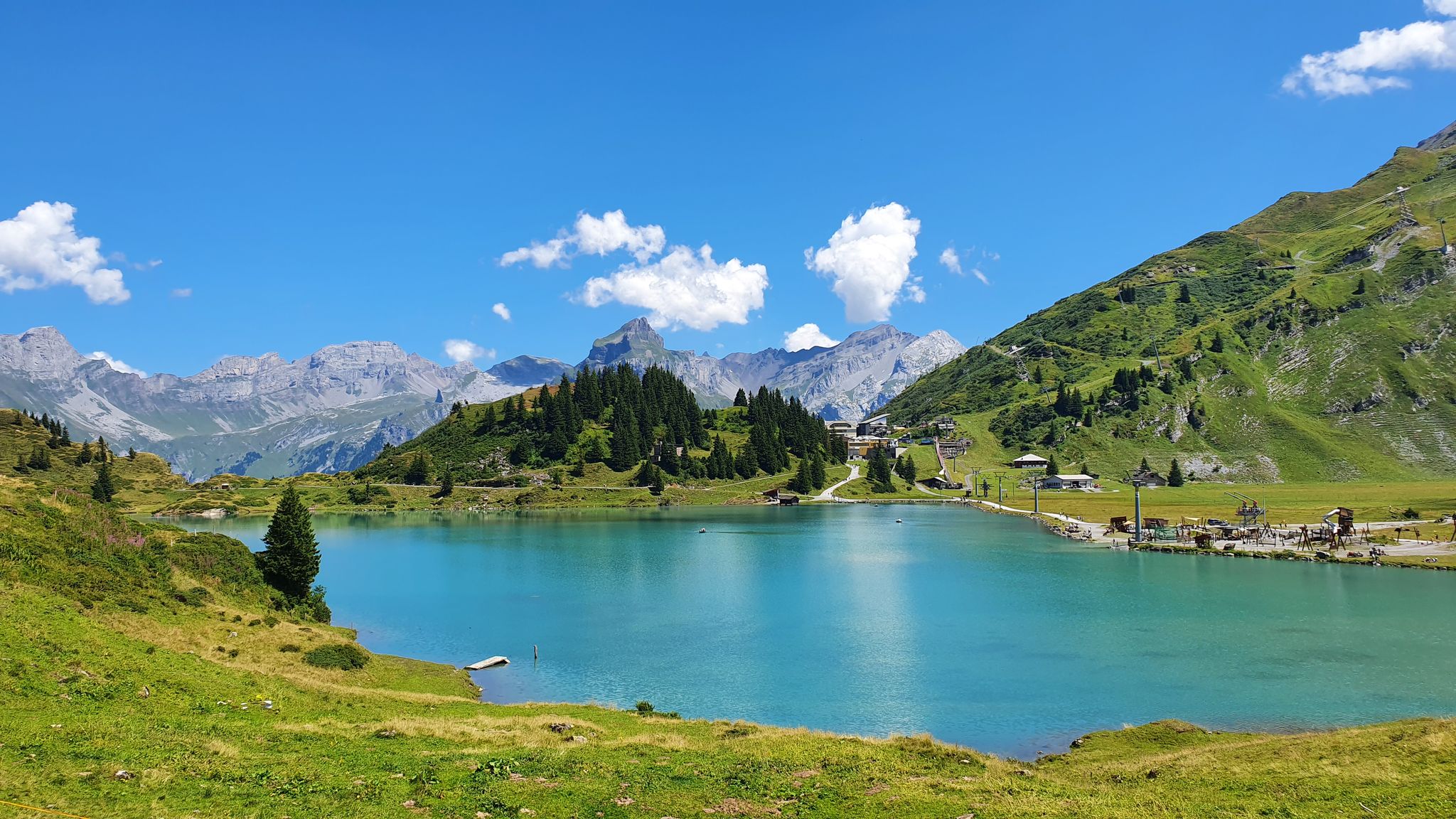
Via Alpina – The 15 stages of the Green Route
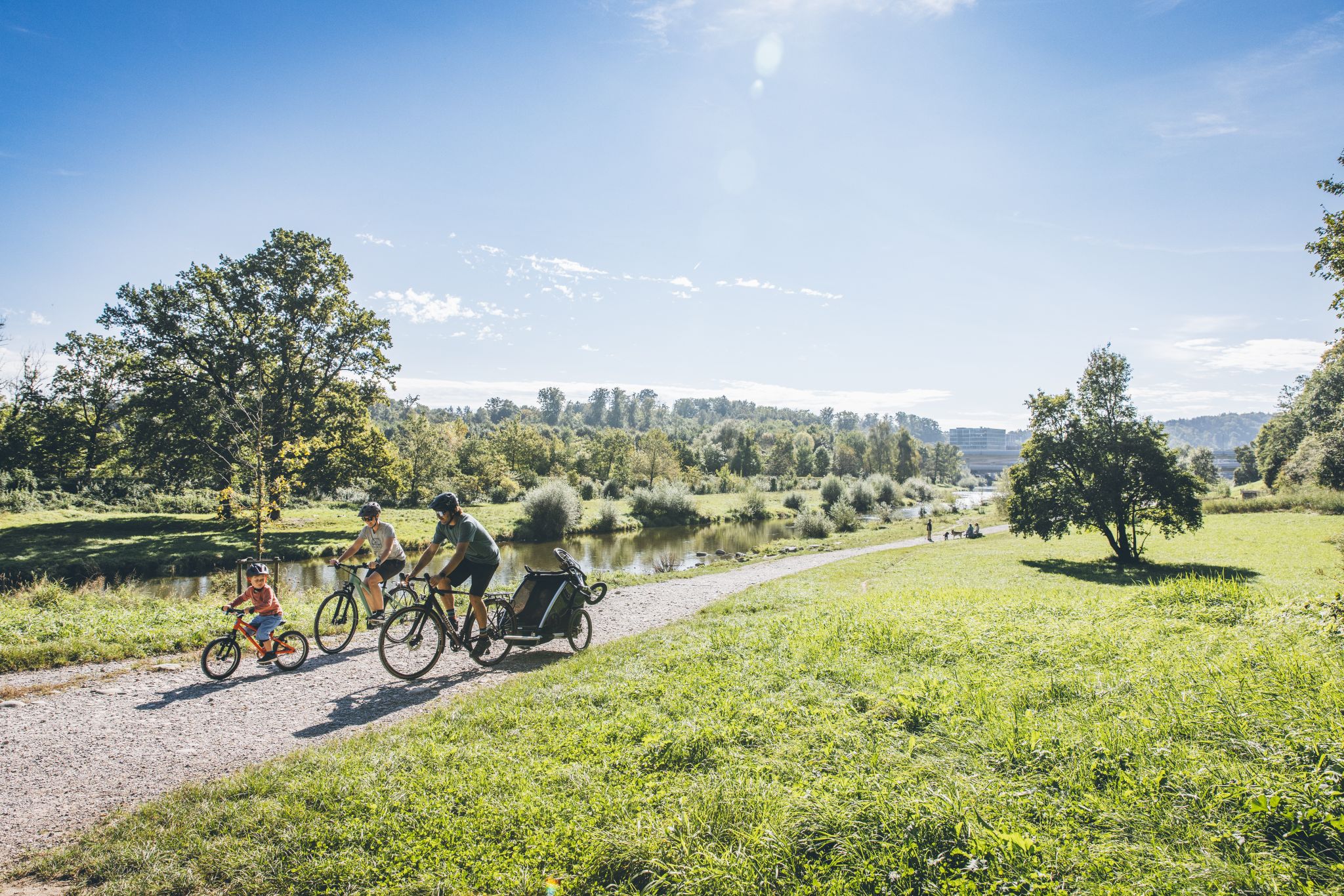
Family fun on two wheels – cycling routes with children around Zürich
Lake and Alps Adventure – explore 100 dreamy places in our cycling region!
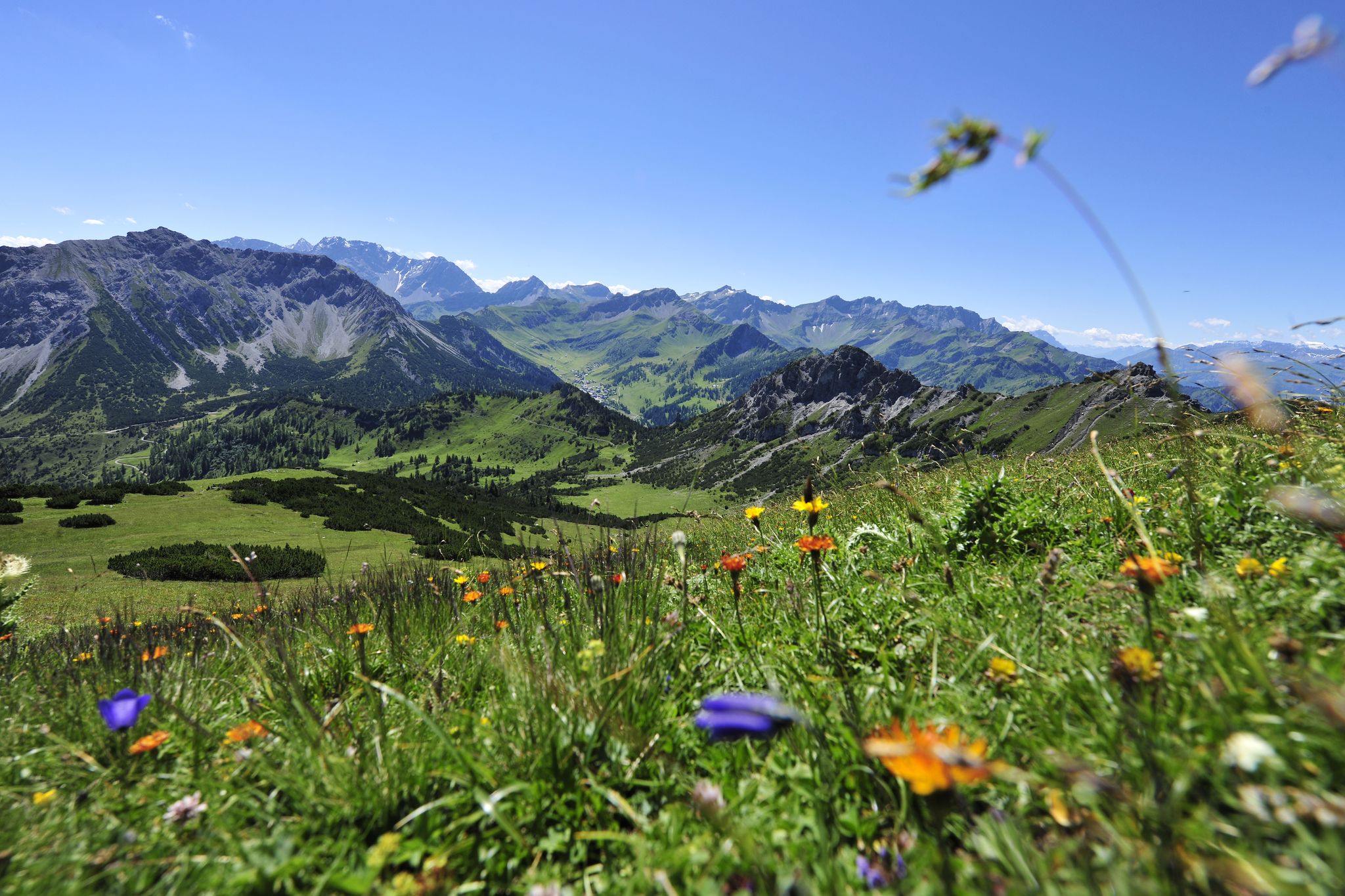
When the snow melts – spring hiking in Liechtenstein
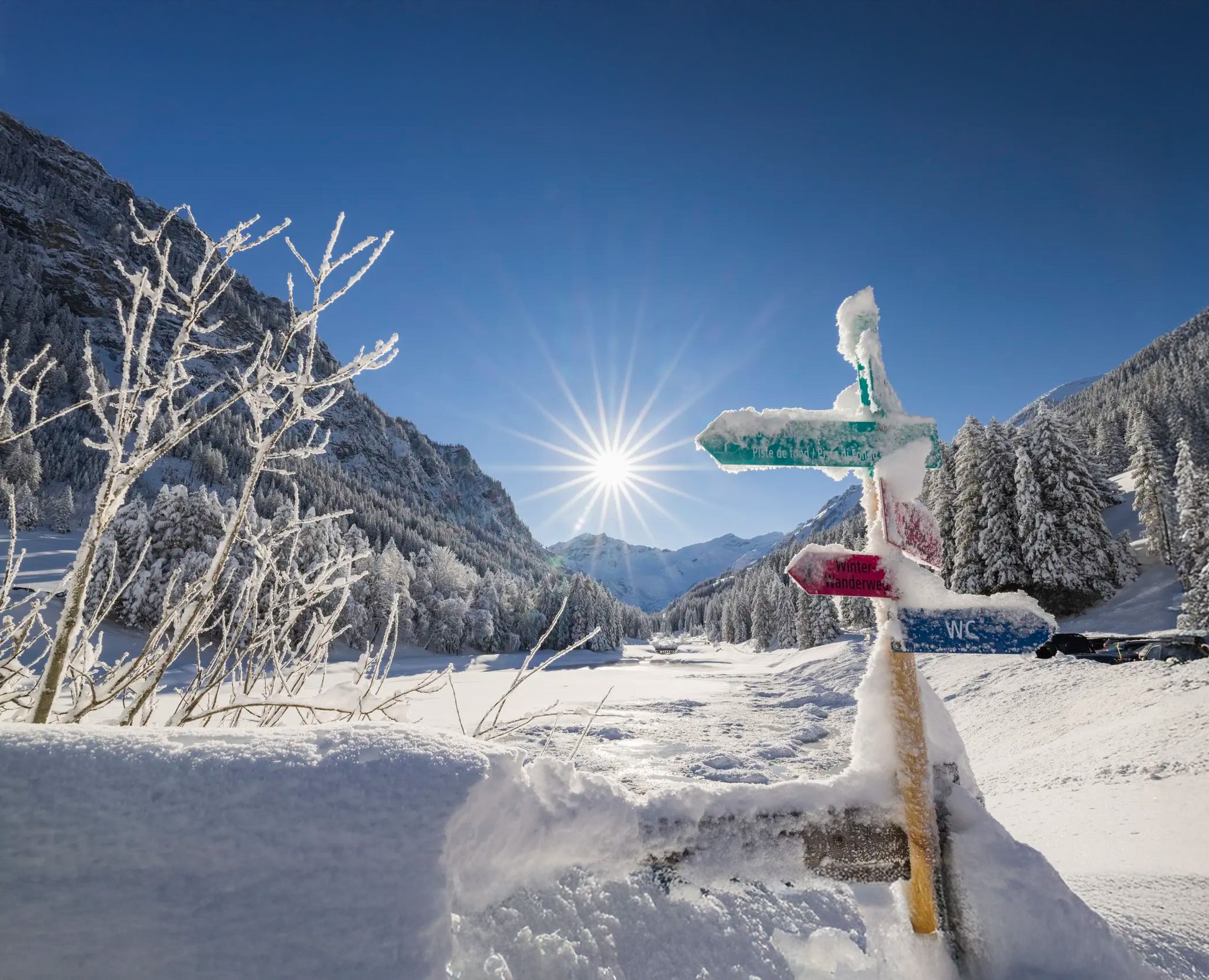
Winter hiking fun in Liechtenstein
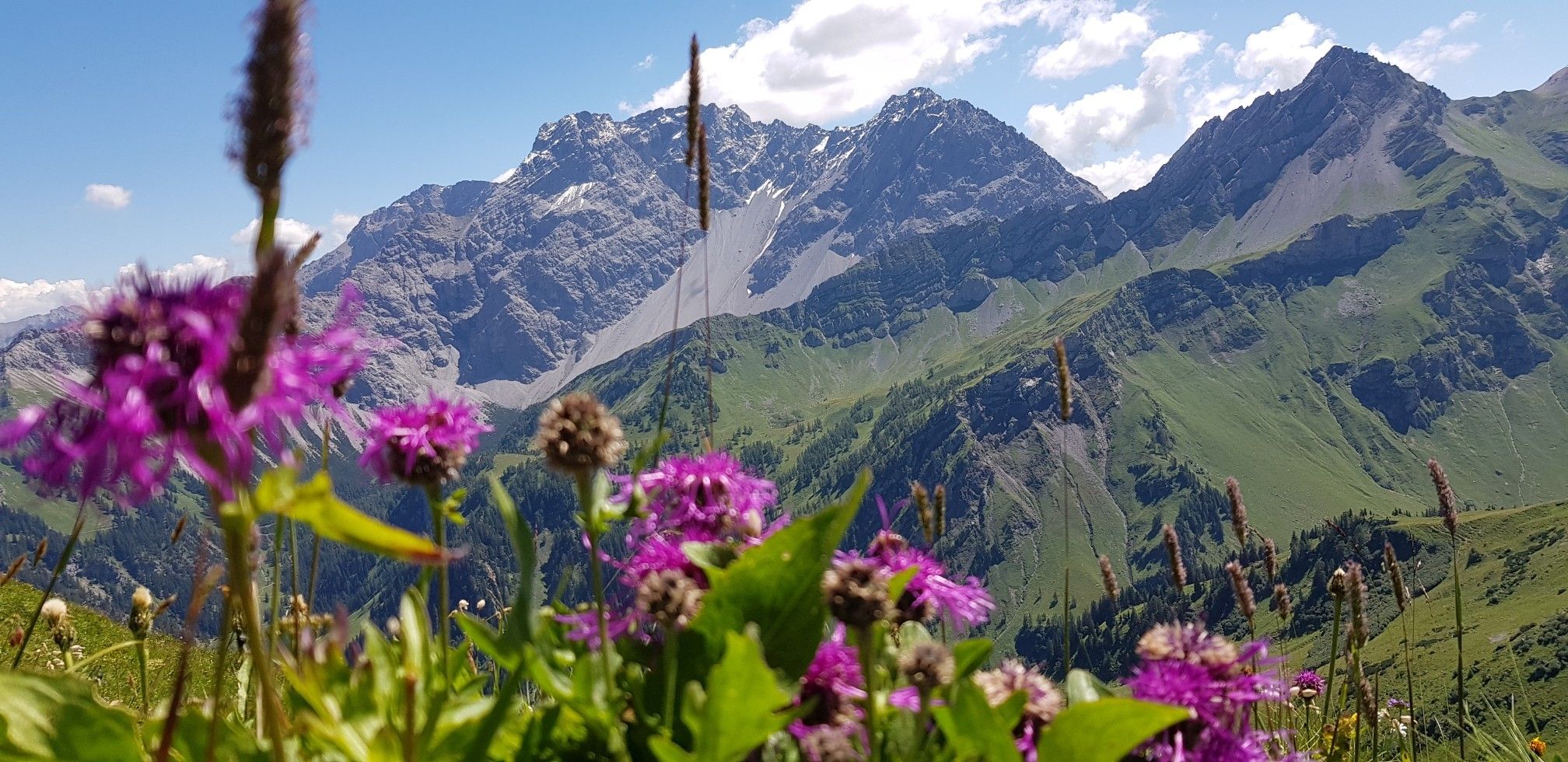
Trans-Rätikon – an adventure in the Tri-Border Region
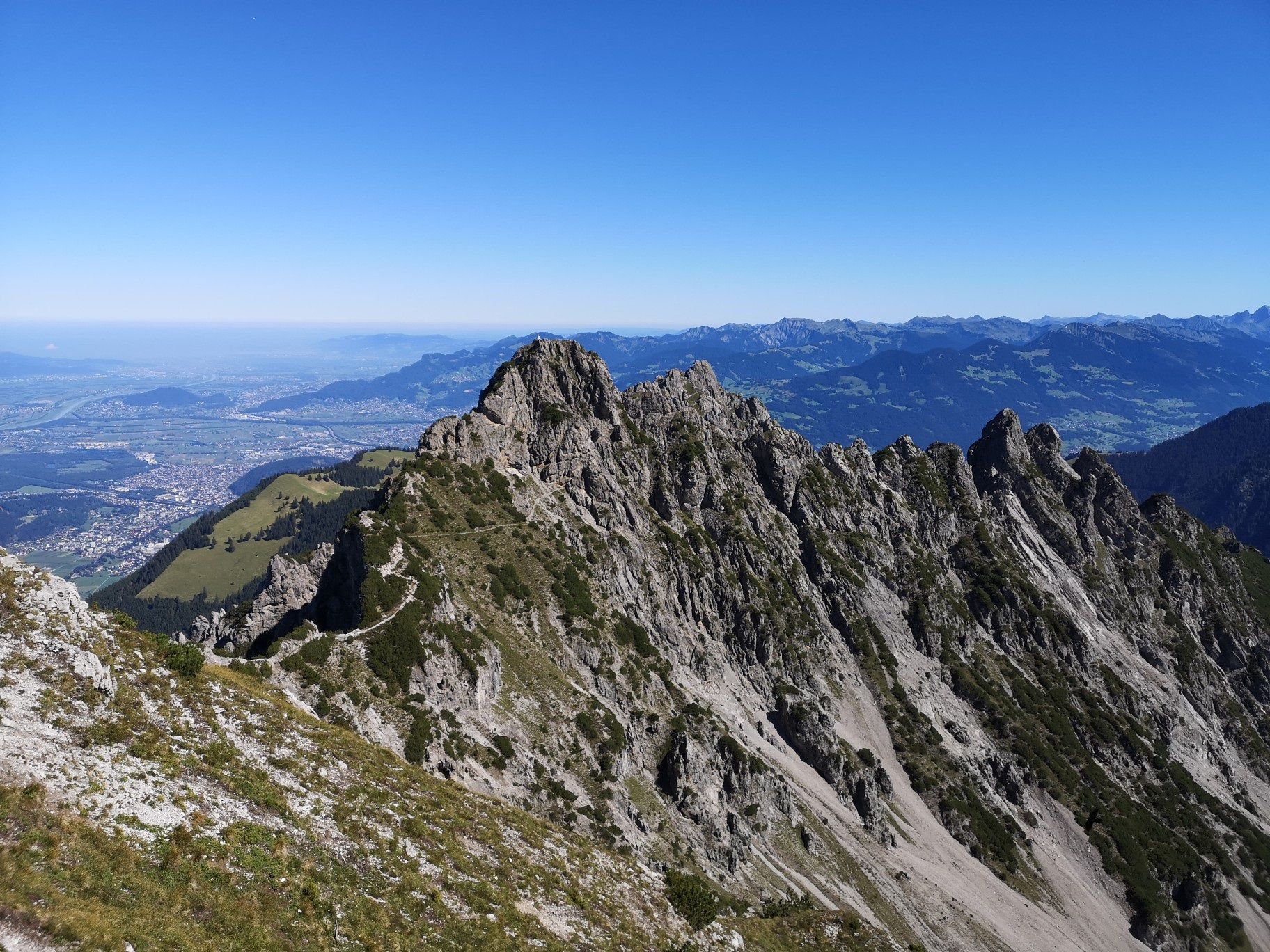
Princely views on the Liechtenstein Panorama Trail
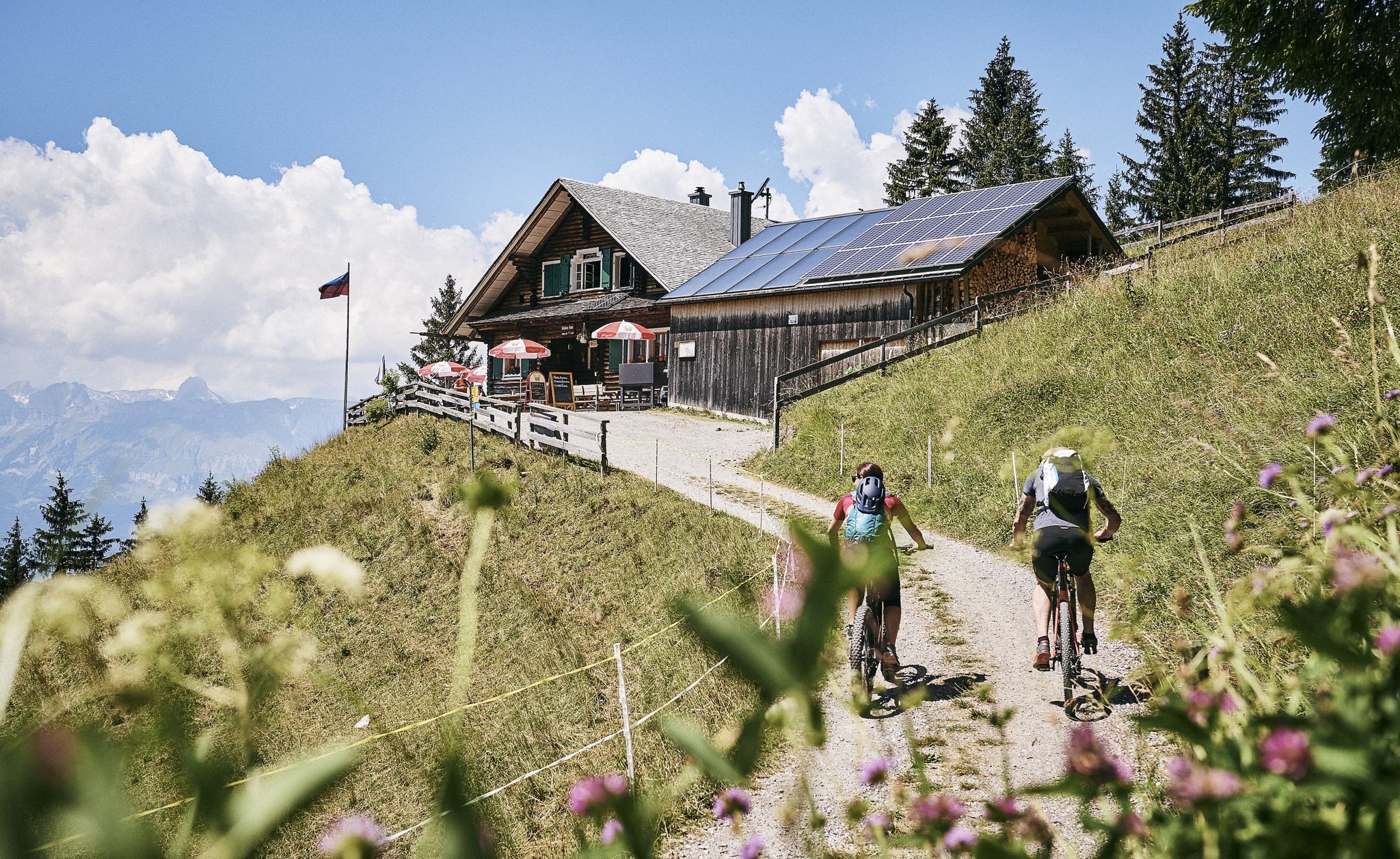
Enjoyable cycling in pristine nature – experience Liechtenstein
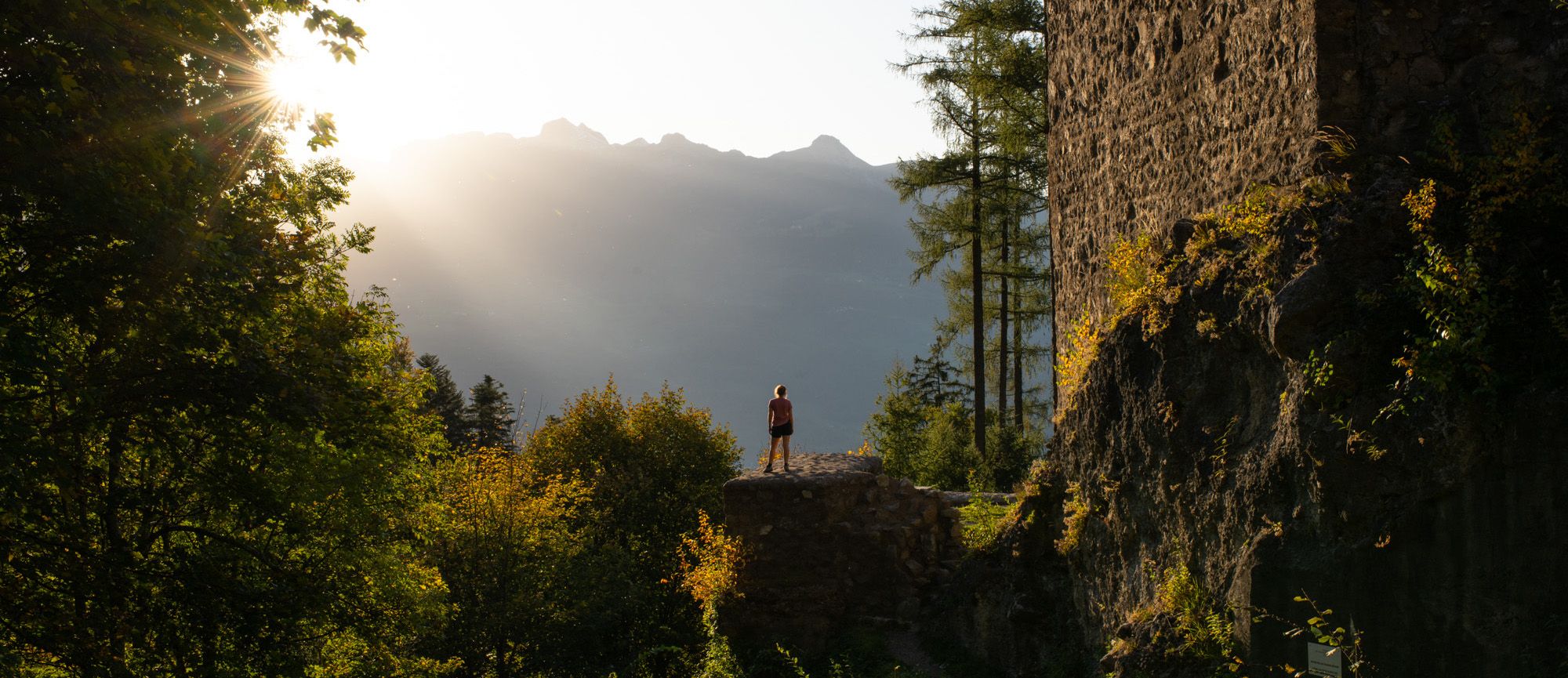
Hike Europe’s fourth smallest country in 5 stages – Liechtenstein Trail
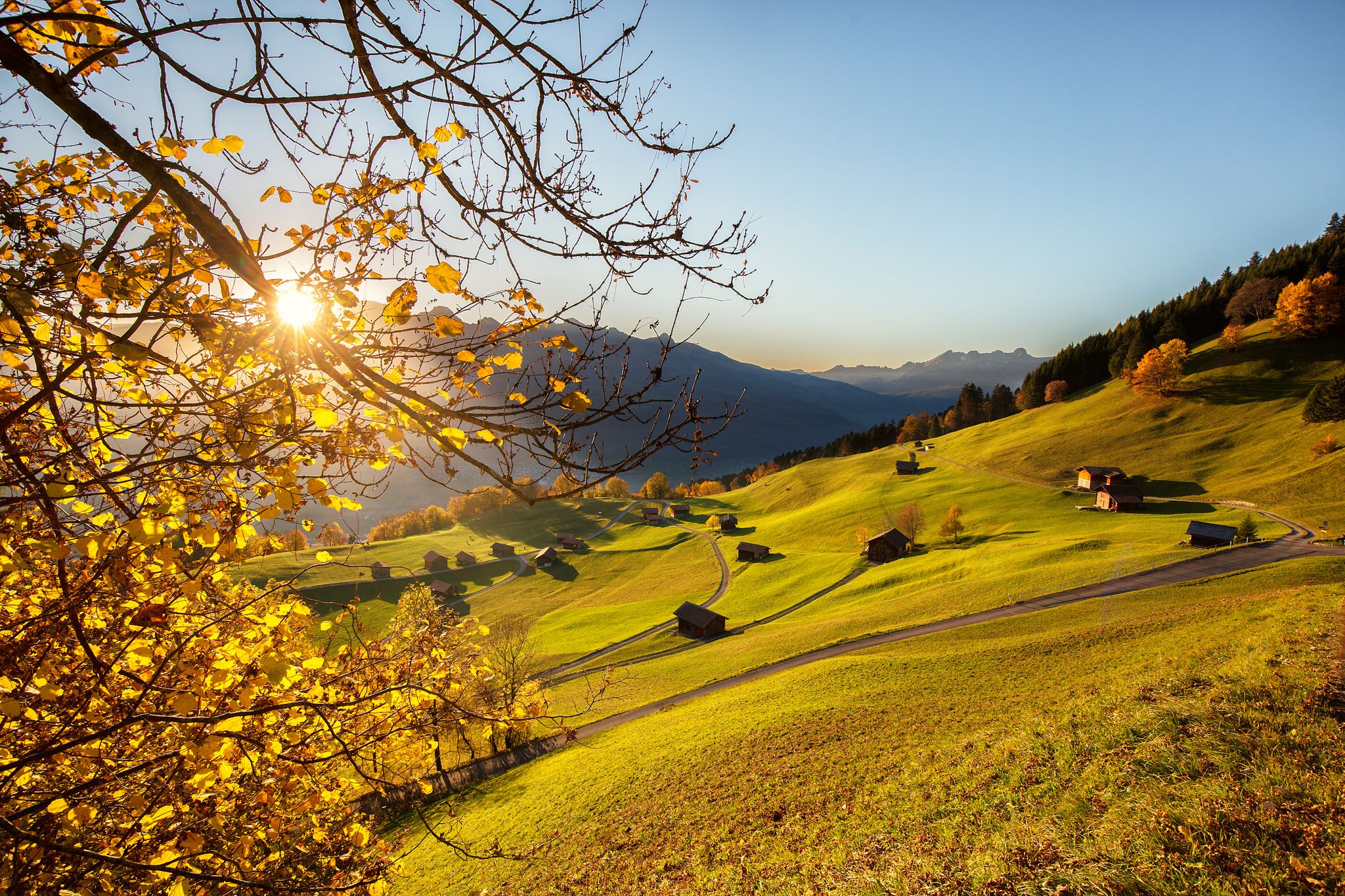
High mountains and winding valleys – autumnal hiking in Liechtenstein
Other adventures in Liechtenstein


Tips from the Community

The Pfälzerhütte is a mountain hut belonging to the Liechtenstein Alpine Club. It is located on the Bettlerjoch at 2,108 m above sea level in the Rätikon range in Liechtenstein, directly on the Austrian border. Source: Pfälzerhütte – Wikipedia https://share.google/wWtgz88ocVANdqhL5
6
1

Great cabin with a bunk bed for two people. It's a shame that some hikers don't bring their own stuff back.
4
0


Very nice hiking destination on the Maurerberg🥰
1
1


Attention: the website explicitly states that there is NO e-bike charging station! See https://www.alpenverein.li/huetten/pfaelzerhuette-2108m#:~:text=Auf%20der%20Pfälzerhütte%20steht%20keine,auf%20der%20Hütte%20zu%20konsumieren.
3
1
Self-service shop in the stable. Simply great.
6
0
The apple strudel is worth it...
7
0
Frequently Asked Questions
What are some notable mountain huts in Liechtenstein known for their scenic views?
Liechtenstein offers several huts with breathtaking vistas. The Pfälzerhütte, at 2,108 meters, provides panoramic views from its terrace. The Gafadura Hut offers stunning views over the Rhine Valley. From Sareis Mountain Restaurant at 2,000 meters, you can enjoy unforgettable mountain views, and the Paula Hut on the Maurerberg offers views extending to Lake Constance on clear days.
Are there family-friendly huts in Liechtenstein?
Yes, several huts cater to families. Valüna Alp is noted as family-friendly. The Sareis Mountain Restaurant is easily accessible by chairlift, making it a great option for families seeking a high-altitude experience without an arduous hike. The Sücka Alp is also considered family-friendly.
Which huts in Liechtenstein have historical significance?
Liechtenstein's huts often have rich histories. The Gafadura Hut was once a princely hunting lodge before being converted into an Alpine Club hut. The Krüppelhütte is a historical hut built by a Walser descendant, offering a glimpse into the region's past. The Paula Hut on the Maurerberg was historically a refuge for shepherds and farmers.
What kind of amenities can I expect at Liechtenstein's mountain huts?
Many huts in Liechtenstein offer a range of amenities. Huts like Pfälzerhütte and Gafadura Hut provide food, drinks, and accommodation, with some offering private rooms. The Sareis Mountain Restaurant is known for its dining facilities and sun terrace. It's always advisable to check specific hut websites for current offerings and to make reservations, especially for overnight stays.
What are the best seasons for visiting mountain huts in Liechtenstein?
The main season for visiting mountain huts in Liechtenstein is typically from late June to mid-October, when most huts are continuously managed and trails are clear of snow. During this period, you can enjoy hiking and the full services of the huts. Some huts, like the Paula Hut, are accessible and enjoyable year-round, even offering heating during colder months.
Are there multi-day hiking opportunities connecting huts in Liechtenstein?
Yes, Liechtenstein offers multi-day hiking experiences. The Pfälzerhütte and Gafadura Hut are both notable stops on the Liechtenstein Panorama Trail, which is ideal for multi-day tours. This trail allows hikers to experience different parts of the alpine landscape while utilizing the huts for overnight stays.
What hiking trails are available near Liechtenstein's mountain huts?
Many huts serve as excellent starting points for various hikes. From Pfälzerhütte, you can embark on tours to the Naafkopf or the Liechtensteiner Weg. The Gafadura Hut is a great destination for shorter hikes, including after-work tours, and offers more demanding routes towards Gaflei. For more hiking options, explore the Mountain Hikes in Liechtenstein guide.
Can I access any huts easily, perhaps by public transport or chairlift?
Yes, some huts offer easier access. The Sareis Mountain Restaurant is easily accessible by the Sareis chairlift from Malbun, making it a convenient option for those seeking high-altitude views without a strenuous hike. While specific public transport links to all huts vary, checking local transport schedules is recommended for trailheads.
What outdoor activities can I do near these huts, besides hiking?
Beyond hiking, the areas around Liechtenstein's huts offer diverse outdoor activities. Near Pfälzerhütte, there is a climbing garden with routes of varying difficulty. The Valüna valley, near Valüna Alp, is popular for cross-country skiing in winter. For cycling enthusiasts, there are numerous routes throughout Liechtenstein, which you can find in the Cycling in Liechtenstein guide.
What do visitors enjoy most about the huts in Liechtenstein?
Visitors consistently praise the scenic locations, warm hospitality, and delicious local cuisine found at Liechtenstein's huts. Many appreciate the comfortable stays and the opportunity to enjoy breathtaking views from sun terraces. The unique blend of alpine tranquility and cultural history, such as at the Gafadura Hut, also contributes to a memorable experience.
Are there any huts in Liechtenstein known for their culinary offerings?
Absolutely. The Masescha Mountain Inn (Berggasthaus Masescha), situated above Triesenberg, is renowned for its cuisine, which has been awarded 13 Gault Millau points, blending traditional and modern elements. It's also famous for its world-renowned apple pie. The Gafadura Hut is also known for serving delicious local cuisine.
Where can I find more information about the operating seasons and reservations for Liechtenstein's mountain huts?
It is generally advisable to check the operating seasons and make reservations in advance, especially for overnight stays, as huts can fill up quickly. For detailed information on specific huts, including prices and opening times, you can often find links on the Liechtenstein Alpine Club's website or the official tourism portal. For example, information for Pfälzerhütte is available via alpenverein.li.
Most popular routes in Liechtenstein
Most popular attractions in Liechtenstein

Get inspired with the komoot mobile app


Explore more
Find more beautiful huts and cabins in Liechtenstein by checking out the top ones in these nearby places:
