Attractions and Places To See in Liechtenstein - Top 20
Best attractions and places to see in Liechtenstein include a blend of historical landmarks, natural beauty, and cultural sites. This small Alpine principality, nestled between Switzerland and Austria, features mountainous landscapes and the scenic Rhine Valley. Visitors can explore historic castles, diverse hiking trails, and cultural institutions. The country offers a variety of points of interest across its towns and natural areas.
Best attractions and places to see in Liechtenstein
- The most popular attractions is Augstenberg Summit, a summit that is the highest point at 2,359 meters. Narrow paths lead uphill between alpine flowers and crags to its mighty summit cross, offering extensive views.
- Another must-see spot is Three Sisters, a summit consisting of three conspicuous, connected peaks in the Upper Rhine Valley. This mountain is known for its rugged rock formations and provides panoramic views from Liechtenstein to Germany.
- Visitors also love Fürstensteig Trail, a challenging trail carved into the rock. It features narrow passages and offers views of the Rhine Valley, requiring sure-footedness.
- Liechtenstein is known for its castles, mountain trails, and natural features like lakes and valleys. The country offers a variety of attractions to see and explore, from historical sites to outdoor recreation areas.
- The attractions in Liechtenstein are appreciated by the komoot community. Over 910 upvotes and 370 photos highlight the appeal of these diverse locations.
Last updated: October 9, 2026
Old Rhine Bridge Vaduz–Sevelen
Highlight • Bridge
The Old Rhine Bridge is a covered wooden bridge that connects the communities of Vaduz and Sevelen.
In 1901 the 135 m long old Vaduz-Sevelen Rhine bridge was completed. Today it is the last remaining wooden bridge over the Rhine. There was already a wooden bridge over the Rhine here 30 years ago, but after this bridge was raised twice due to the Rhine correction, a new building became necessary.
After the dam burst in Schaan in 1927, the old Rhine bridge was raised again. The bridge is covered and was thoroughly renovated in 2009 and 2010. It is only open to non-motorized traffic and is particularly popular with cyclists.
Text / Source: tourismus.li
tourismus.li/lie/ort/Alte%20Rheinbr%C3%BCcke%20Vaduz
Translated by Google •
Tip by

Augstenberg Summit
Highlight • Summit
Translated by Google •
Tip by

Sign up now to discover places like this
Get recommendations on the best single tracks, peaks, & plenty of other exciting outdoor places.
Vaduz Castle
Highlight • Castle
Vaduz Castle, formerly also called Hohenliechtenstein, is located on a rocky terrace above Vaduz, the seat of government of the Principality of Liechtenstein. Today it is the town's landmark and the seat of the Princely House of Liechtenstein.
The time when the castle was built is not certain. Today, however, it is assumed that the first parts of the building were built in the 12th century. The keep was probably built as one of the first structures and was later supplemented by a residential tower which, thanks to dendrochronological studies, can be dated to 1287. In the decades that followed, the facility was successively expanded and extended.
The castle has been owned by the Princes of Liechtenstein since 1712. From 1712 to 1732 it was now called Hohenliechtenstein and served as the seat of the bailiff with official apartments in the west wing. In the decades and centuries that followed, the castle increasingly fell into disrepair, so that the first restoration plans were drawn up at the beginning of the 20th century.
Prince Johann II finally undertook thorough restoration from 1905 to 1912 under the direction of state curator Franz von Wieser from Innsbruck. Alois Gstrein from Brixen worked as master builder. Prince Franz Josef II had it extended and in 1939 he and his family took up permanent residence in the palace.
The palace is privately owned by the royal family and is therefore not open to the public. The reigning sovereign receives state guests and other visitors for private talks in the palace.
Text/Source: Wikipedia
de.wikipedia.org/wiki/Schloss_Vaduz
Translated by Google •
Tip by
Fürstensteig Trail
Highlight • Trail
Translated by Google •
Tip by

Malbun mountain village
Highlight • Settlement
Prehistoric finds from the Iron and Bronze Ages, such as the Malbun iron axe from around 1500 BC, indicate that Liechtenstein's Alpine region was inhabited or cultivated early on. Malbun, the Romanesque name comes from the 400-year rule of the Romans (from 15 BC), was already cleared and converted into pastureland in the time of the Raetians. The primeval forest in the valley consisted primarily of larches, but also of mountain pines and alpine alders.
Historians assume that Malbun is a high valley at 1600 meters - and was owned by the sovereigns in the Middle Ages. A document from 1351 proves that the first Count of Vaduz handed over the Malbun valley to the municipality of Schaan-Vaduz for "permanent use". Another document shows that the ancestors of today's Triesenbergers (immigrants from the Valais) took over part of Malbun as a hereditary fief in 1355.
1652 - The inhabitants of the valley communities are heavily indebted due to the chaos of war and flooding. The Triesenbergers were largely spared from this. As a result, they were able to purchase part of today's Malbun, including the Schneeflucht and the Grosssteg, from the Vaduz and Schaan residents for 760 guilders in 1652.
At this time, Malbun was primarily used for agriculture and alpine farming as well as for hunting. The farmers and their cattle were in the high valley until late summer and later again from All Saints' Day to Christmas. According to legend, anyone who was still in Malbun after Christmas Eve would have to deal with evil spirits.
Between 1900 and 1950 - At the turn of the century, Liechtenstein's Alpine region was an insider tip for "summer vacationers". Spa guests from all over the world - they appreciate the diversity of nature and the peace and quiet in our mountains - stay on the Sücka, on Gaflei or relax in the huts in Steg and Malbun. The construction of the spa house, the first holiday hut and in particular the construction of the Gnalp tunnel are further milestones.
1908 - With the construction of the guesthouse "Kurhaus und Touristenstation Sareiserjoch" in 1908 and 1909 by Theodor and Heinrike Jehle-Müller, professional tourism in Malbun puts out its feelers for the first time. The striking building, which was open from June to October, was later renamed the "Alpine spa house Malbun". It offers accommodation for 20 guests. In 1918, the Jakob Hilti-Frick family bought the spa house for 60,000 crowns.
1935 - In the 1930s, Malbun was a popular destination for skiers and ski tourers. There is only one way to get to Malbun in winter, and that is on foot. A few men from Triesenberg offer to carry luggage. In the winter of 1935/36, Liechtenstein's first Olympic participants train in Malbun in Garmisch-Partenkirchen. The ski racers are trained by an Austrian ski instructor.
1938 - With the Second World War, tourism in Liechtenstein also comes to a standstill. The valley becomes quiet and only a few, primarily local summer and winter guests come to Malbun.
1945 - The expansion of the Vaduz-Triesenberg road, the expansion of the Triesenberg-Malbun connection, but especially the construction of the tunnel on Gnalp - which is considered a significant milestone - bring about a renewed upswing. Around 100 workers are employed between 1945 and 1947 in the construction of the tunnel, which is ceremoniously opened on December 4, 1947.
Malbun from 1950 - The second half of the 20th century is characterized by an unexpected upswing. Parallel to the economic development, streets, numerous lifts, numerous hotels and holiday homes are being built in Malbun. An upward trend begins that exceeds all expectations. Tourism flourishes.
1962 - The first lift in Malbun - a drag lift to the Hochegg - adds another facet to Liechtenstein's skiing movement.
1963 - As an alternative to the Hochegg lift of Skilift AG, Malbunbahn AG puts the chairlift to the Sareiserjoch and the mountain restaurant of the same name into operation on December 15th.
1966 - Skilift AG puts the Tälilift into operation, Malbunbahn AG puts the Schneefluchtlift with restaurant into operation. Both drag lifts are located in relatively easy, flat terrain.
1971 - The hotel boom continues unabated: In June the Hotel Silberhorn (later "Hubertus") opens its doors, in December the Hotel Gorfion. The Alpenhotel Malbun expands its operations to include a branch. Text: Bergbahnen Malbun and Markus Meier, “Malbun – through the ages”
bergbahnen.li/MetaFooter/PortraitGeschichte.aspx
Translated by Google •
Tip by
Pfälzerhütte
Highlight • Mountain Hut
You can find all information about prices and opening times at alpenverein.li/huetten/pfaelzerhuette-2108m.
Translated by Google •
Tip by
Fürstin-Gina Trail
Highlight • Trail
Translated by Google •
Tip by

Old Rhine Bridge at Vaduz
Highlight • Bridge
Translated by Google •
Tip by

Three Sisters
Highlight • Summit
The whole mountain is made up of showy, rough and rugged rock that gives the mountain its distinctive appearance. Due to its exposed position in the valley, the summit - as mentioned - is already visible from afar and offers a wonderful panorama from Liechtenstein to Germany.
Attention: I have no idea why, but the main peak - the big sister - has no summit cross, but only a small landmark. (The summit is located exactly on the border between Liechtenstein and Austria)
So if you already go down to the summit crosses, missed the main summit and should turn around, because the middle and little sister can only be reached with free-climbing ;-)
Translated by Google •
Tip by

St. Florin Cathedral
Highlight • Religious Site
Translated by Google •
Tip by

Sign up for free to discover even more attractions in Liechtenstein.
Already have an account?
Start today with a free account
Your next adventure awaits.
Popular around Liechtenstein
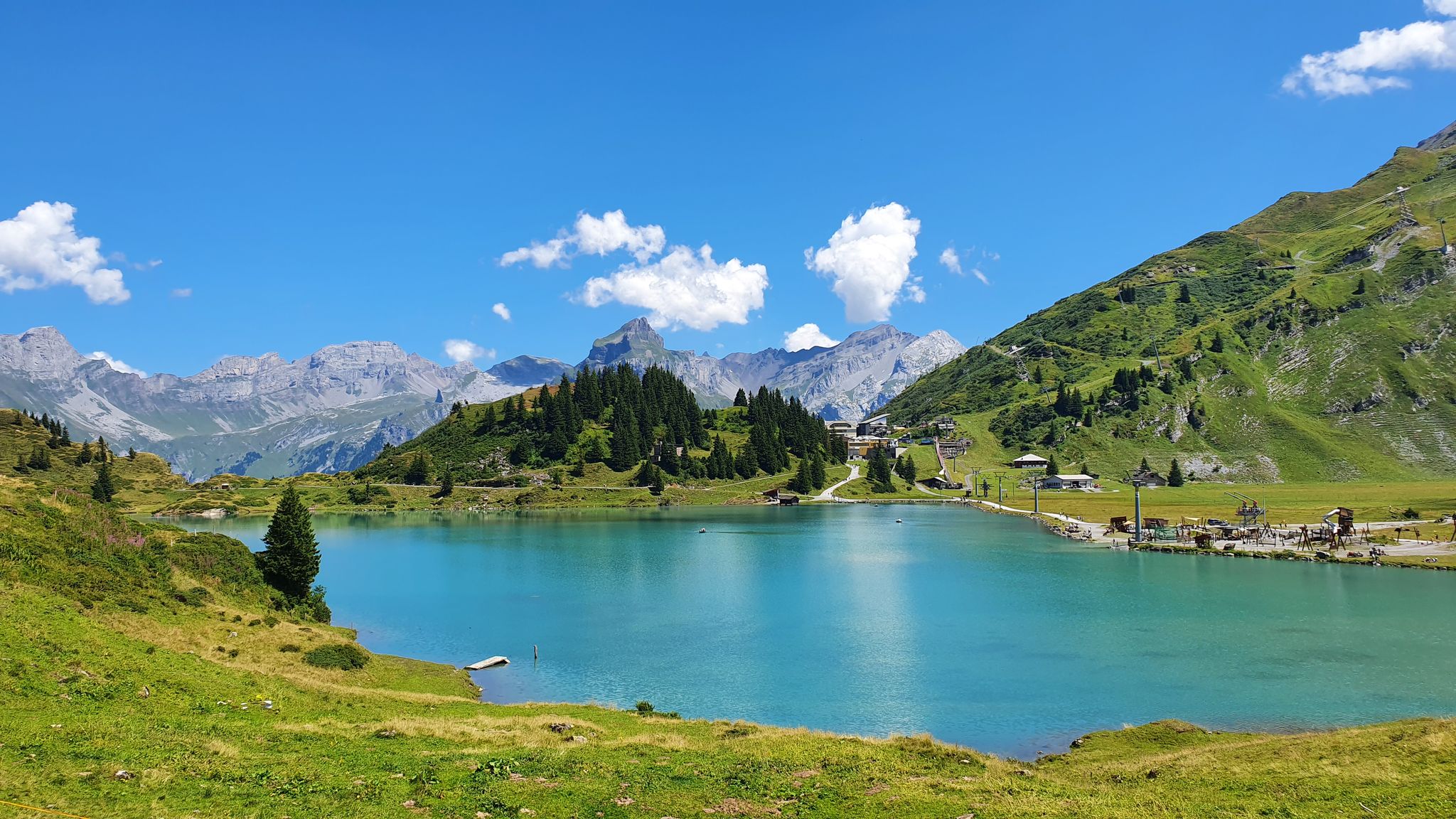
Via Alpina – The 15 stages of the Green Route
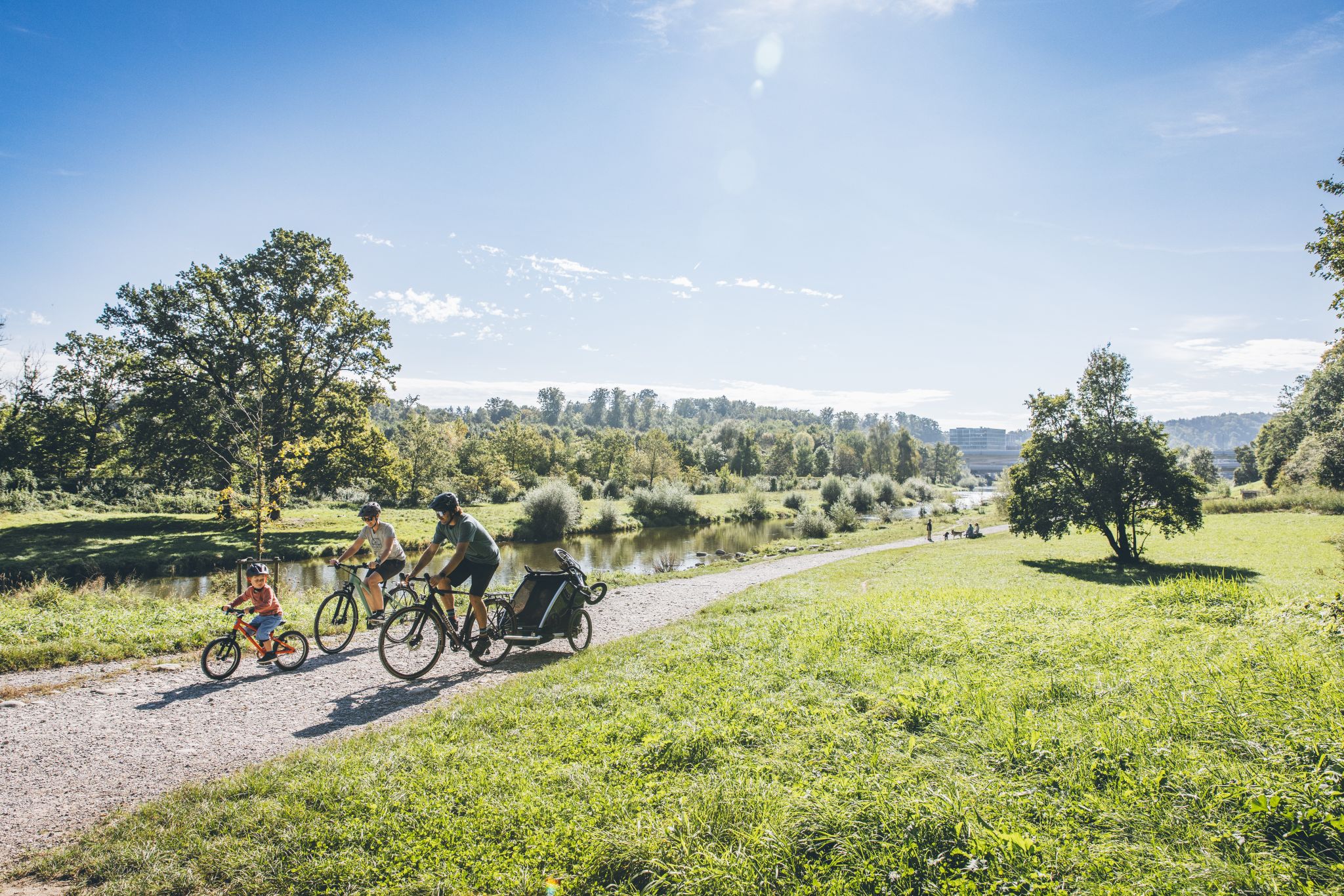
Family fun on two wheels – cycling routes with children around Zürich
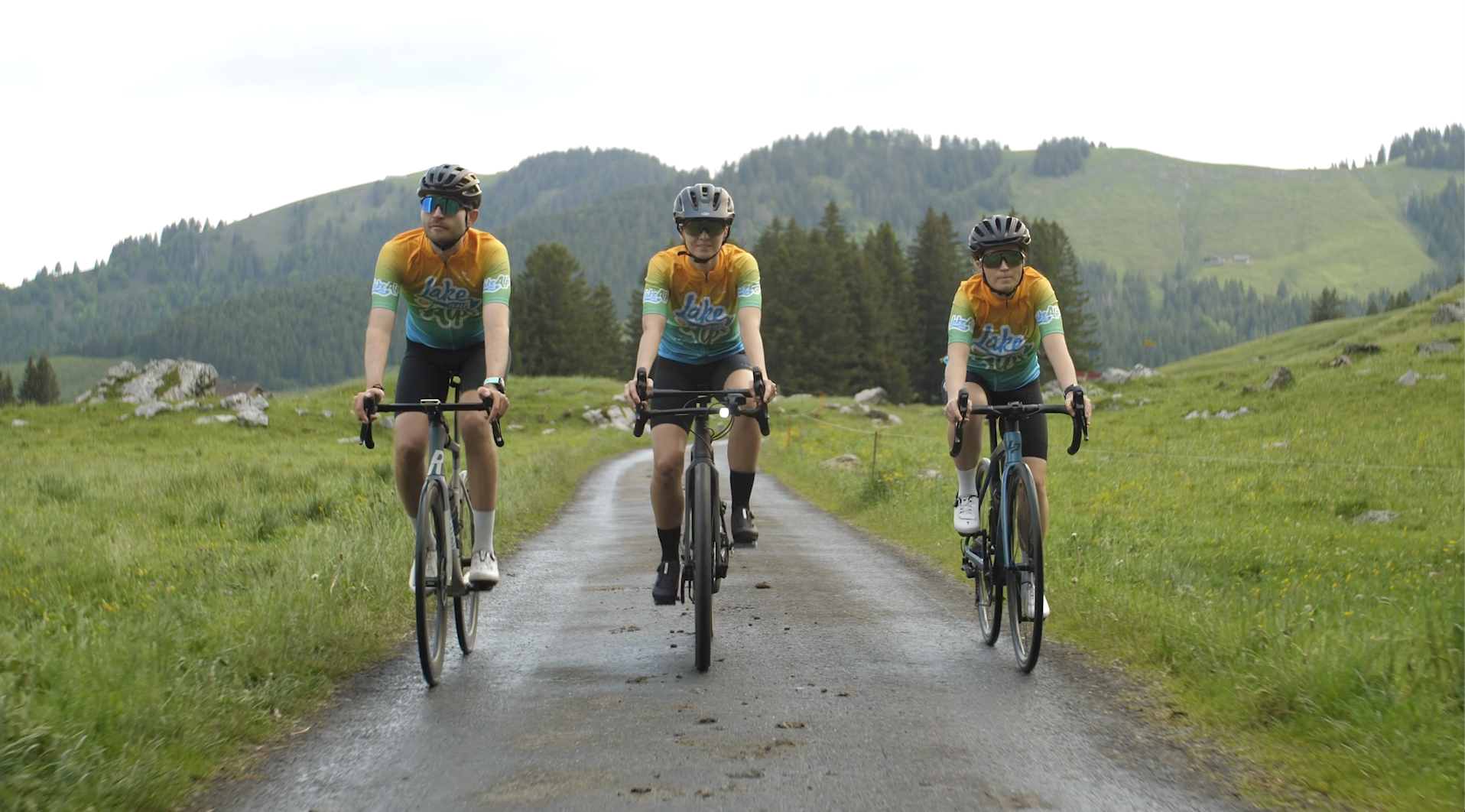
Lake and Alps Adventure – explore 100 dreamy places in our cycling region!
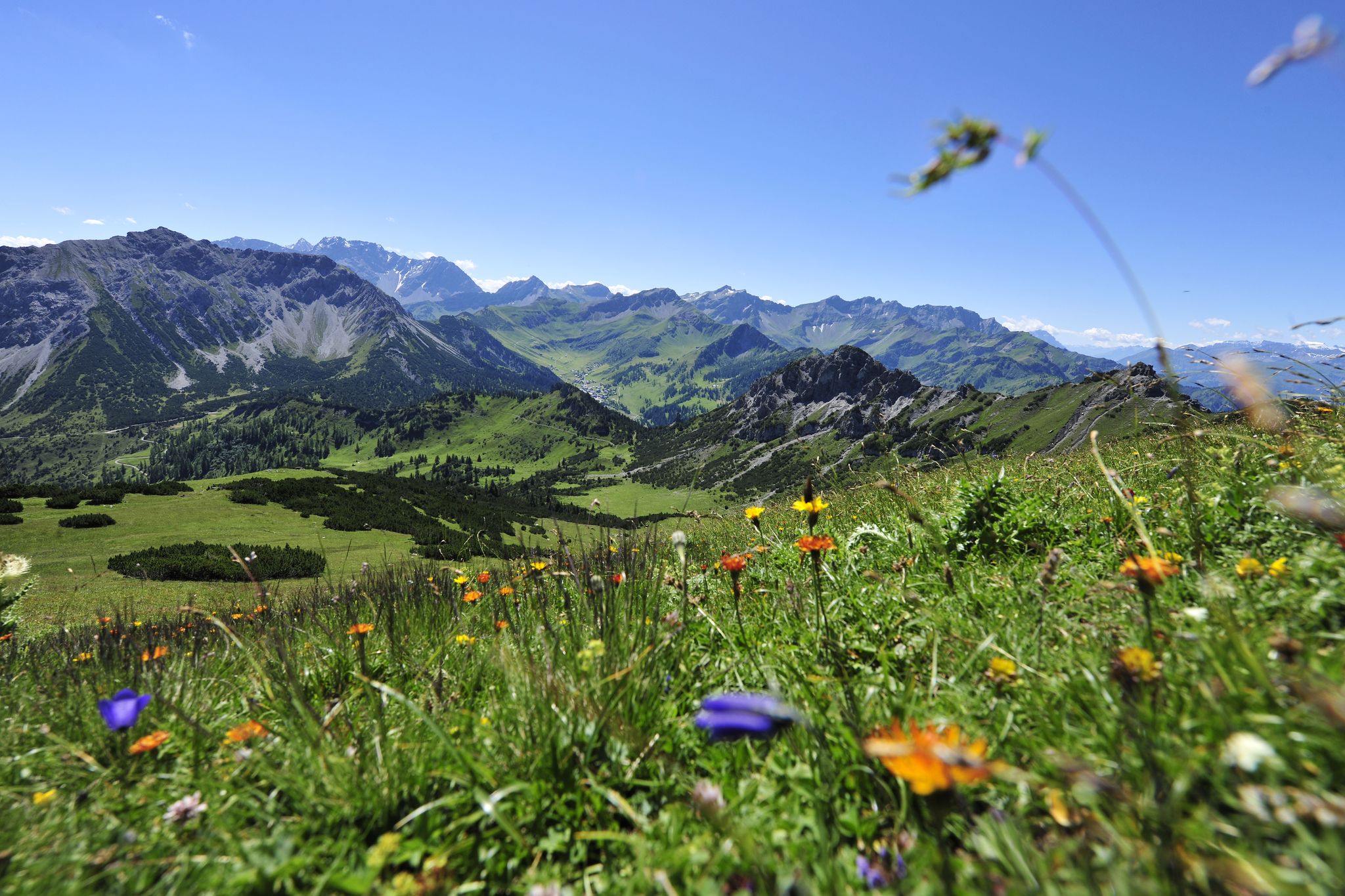
When the snow melts – spring hiking in Liechtenstein
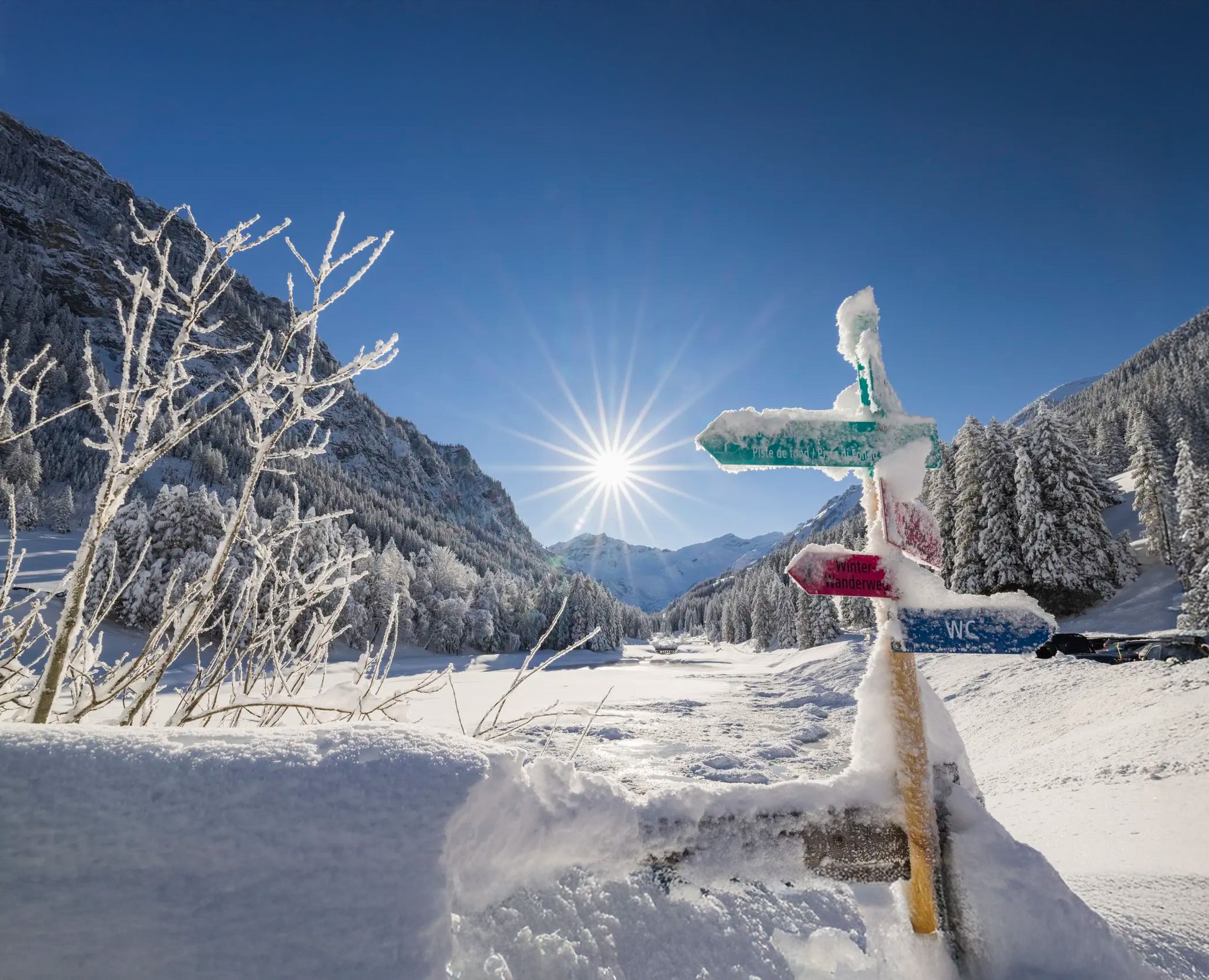
Winter hiking fun in Liechtenstein
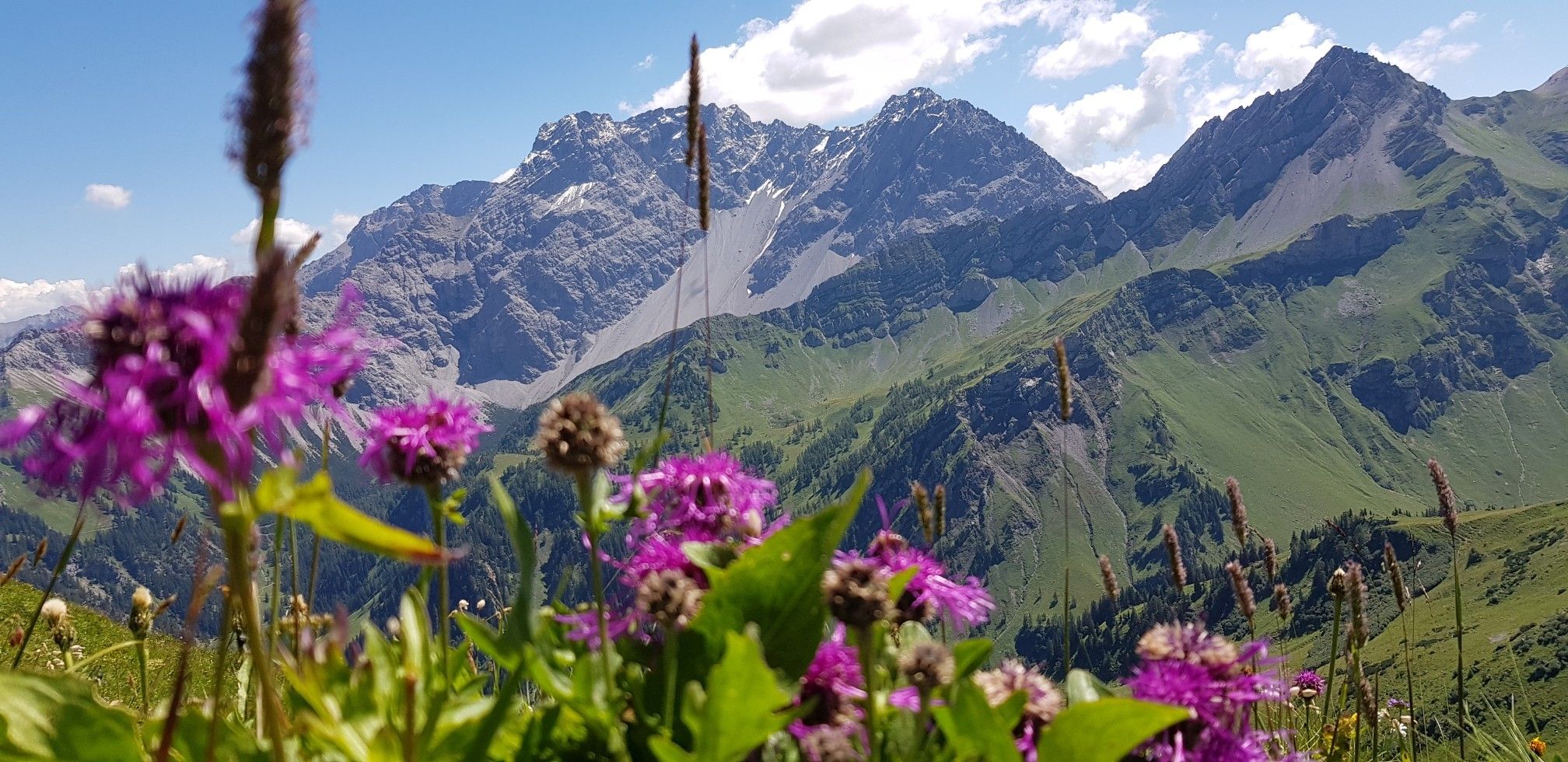
Trans-Rätikon – an adventure in the Tri-Border Region
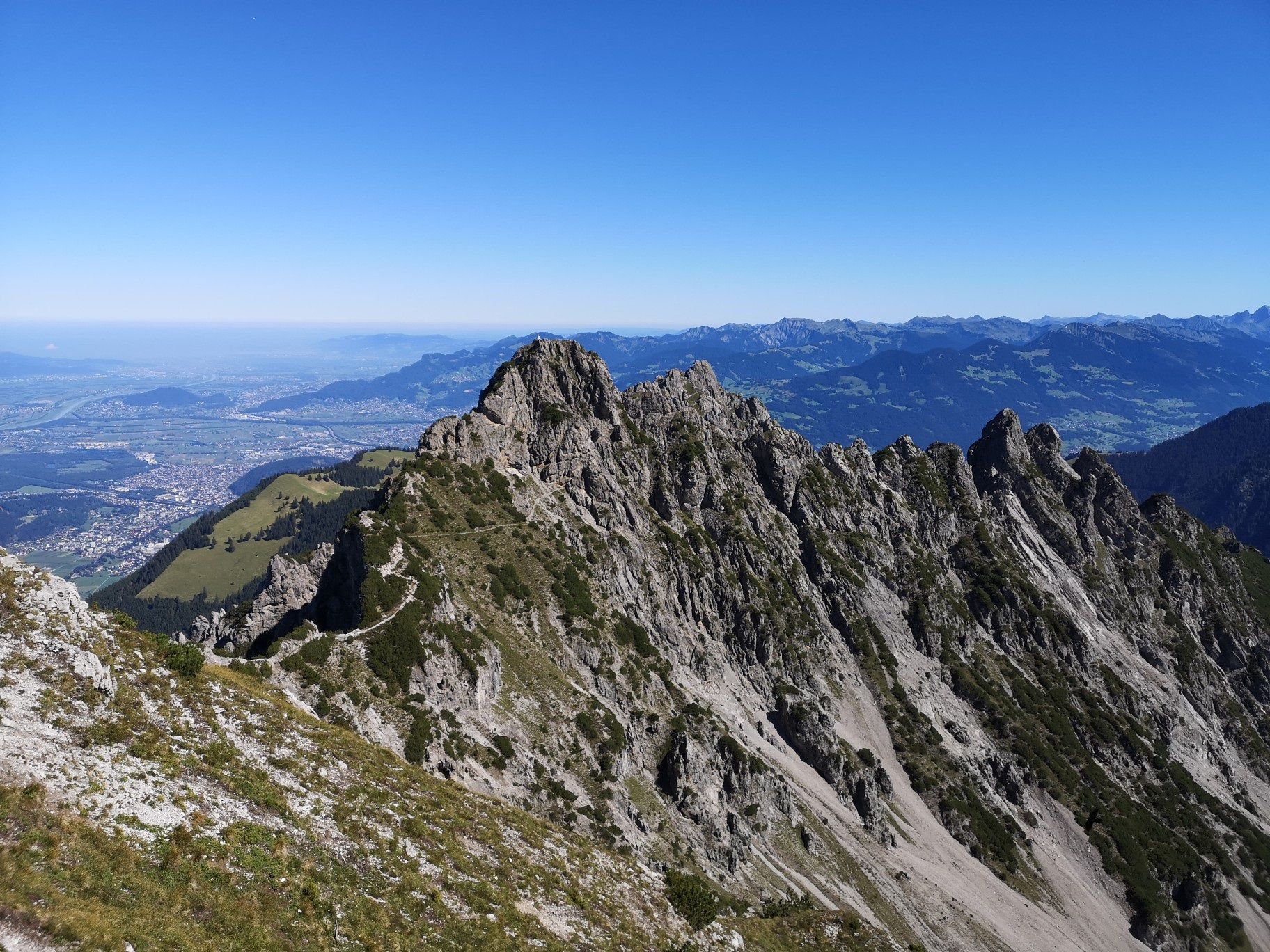
Princely views on the Liechtenstein Panorama Trail
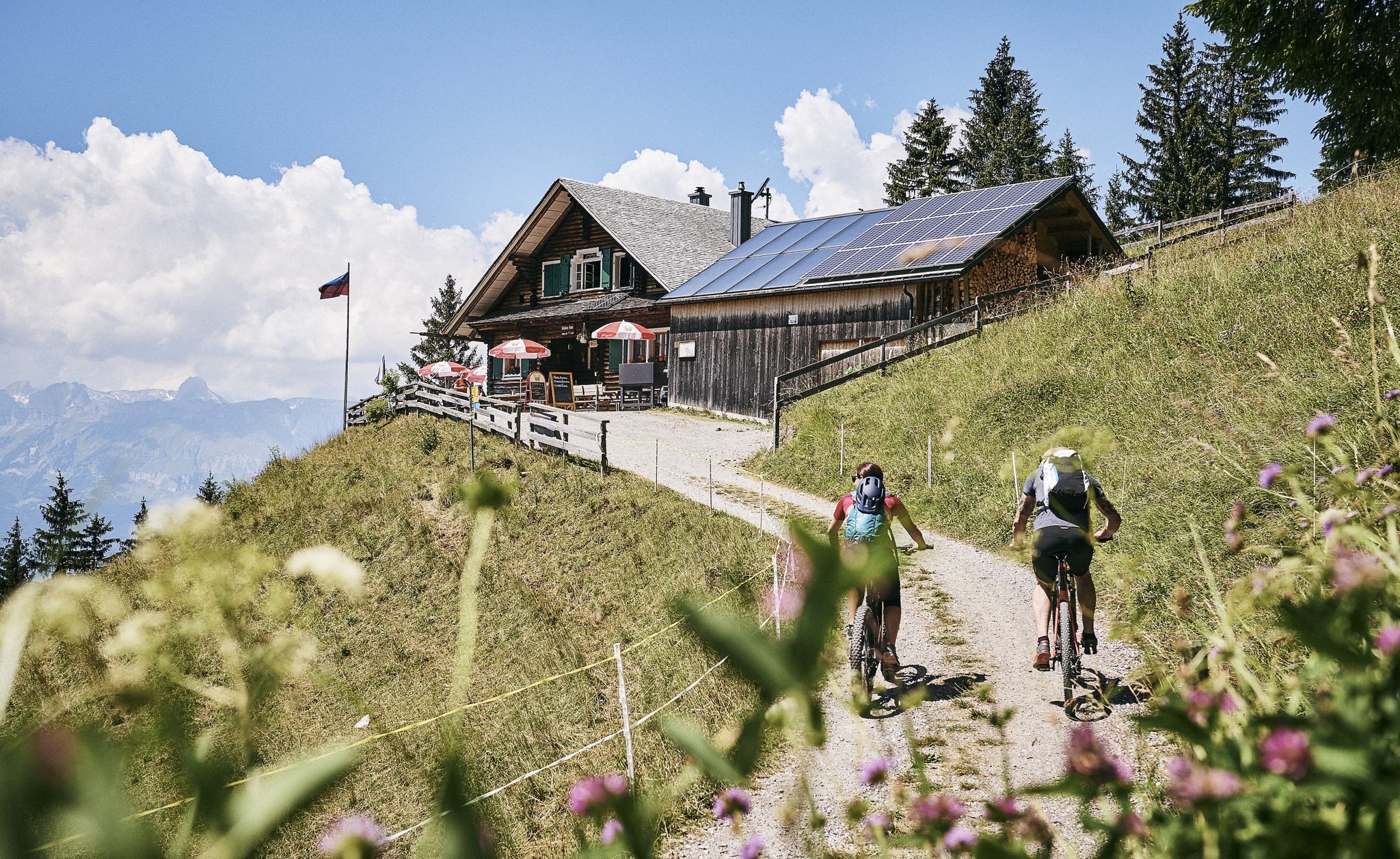
Enjoyable cycling in pristine nature – experience Liechtenstein
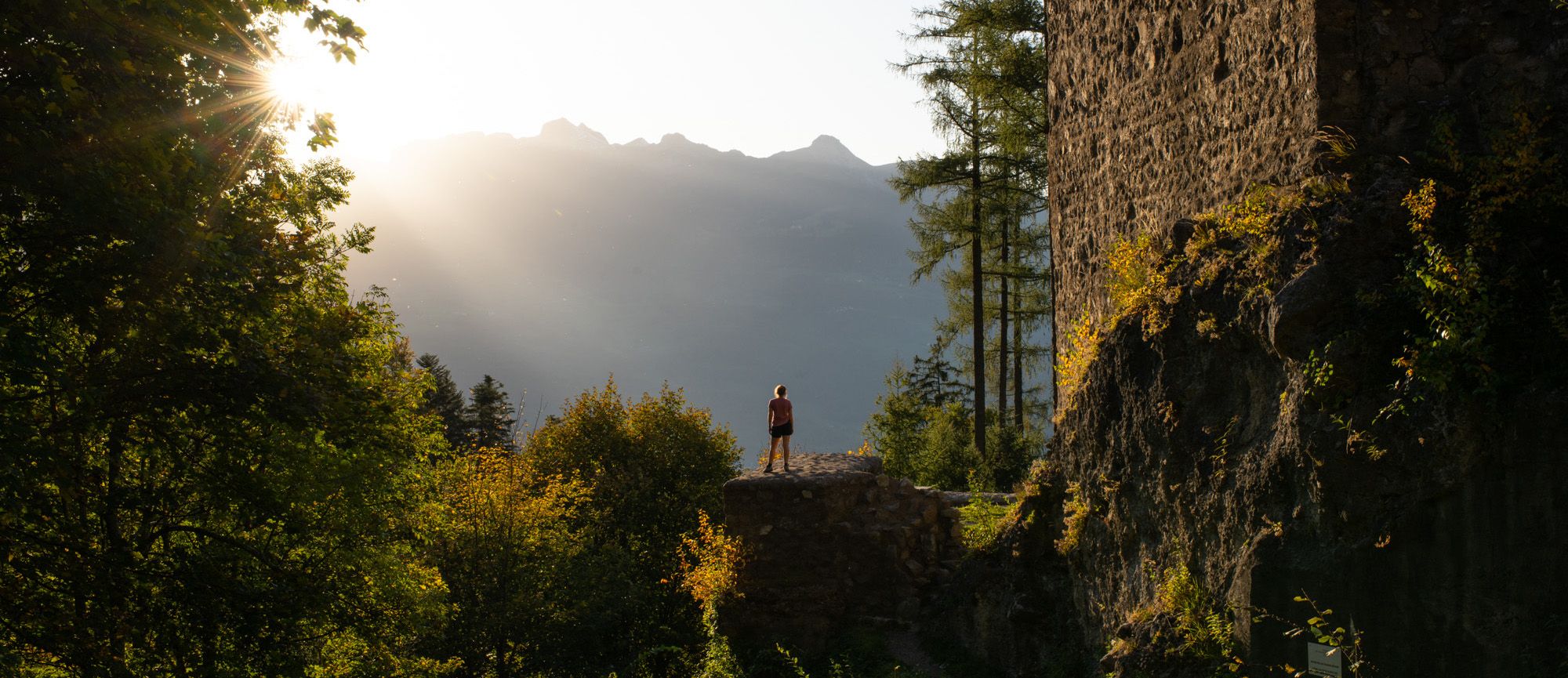
Hike Europe’s fourth smallest country in 5 stages – Liechtenstein Trail
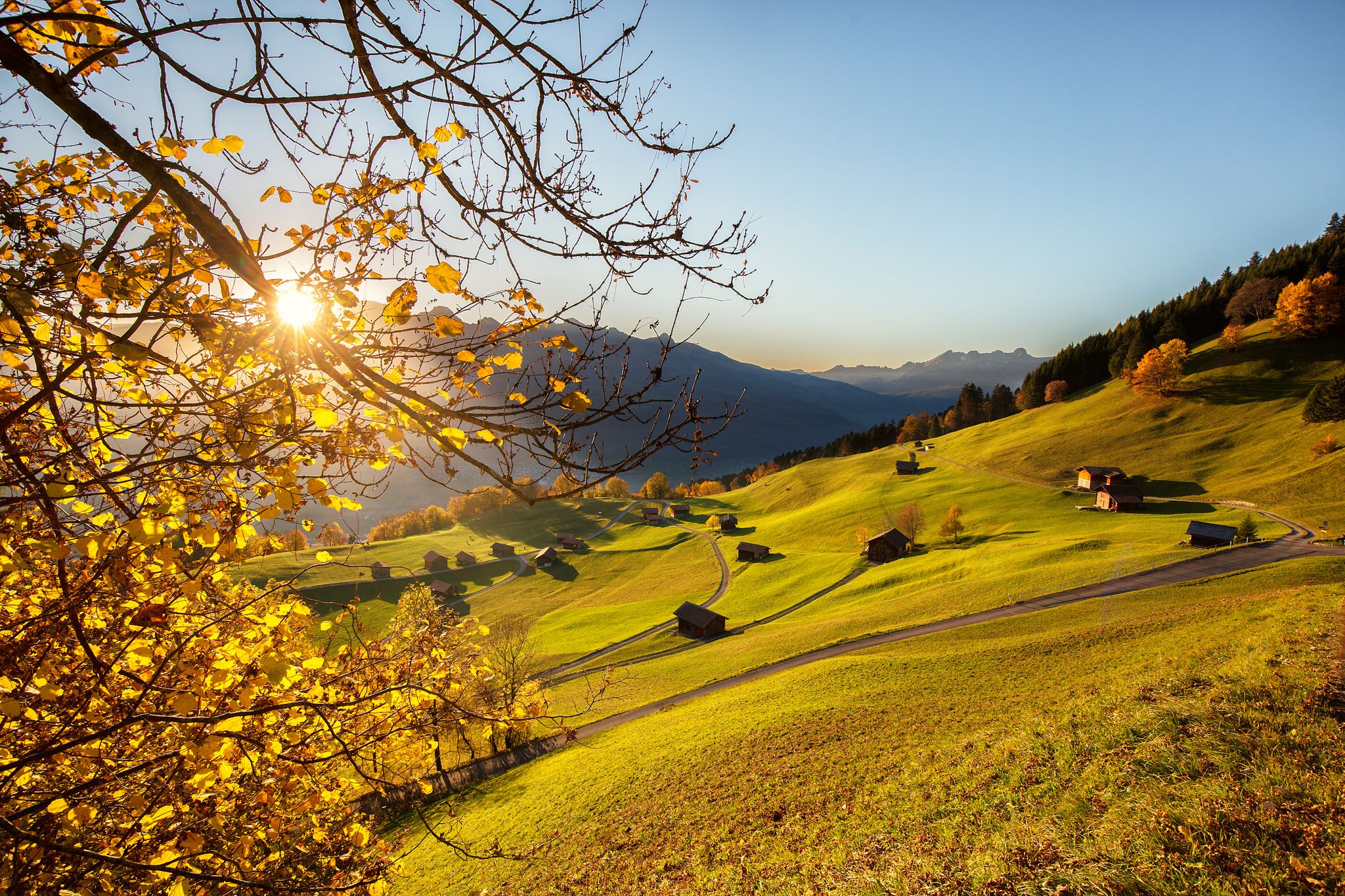
High mountains and winding valleys – autumnal hiking in Liechtenstein
Other adventures in Liechtenstein


Tips from the Community


Vaduz Castle, "Landmark of Vaduz" Vaduz Castle is the landmark of Liechtenstein's capital city and is visible from afar. Vaduz Castle sits perched approximately 120 meters above the city of Vaduz. The castle's origins likely date back to the 12th century. The keep was probably one of the first structures built and was later supplemented by a residential tower. This residential tower can be dated to 1287. It is first mentioned in historical records in 1322. It came into the possession of the House of Liechtenstein in 1712 and, under the name Hohenliechtenstein, served as the seat of the Landvogtei (bailiwick) with official residences in the west wing until 1732. Afterward, it fell into increasing disrepair, and it was not until 1905 to 1912 that it underwent a thorough renovation and restoration. Prince Franz Josef II then had it expanded and made habitable. In 1939, he moved in with his family and took up permanent residence there. Visiting: The castle is not open to the public. A glimpse inside the castle can be seen in the film "Princely Moments" at the Alte Kino Vaduz (Old Cinema Vaduz). Text / Source: Official Tourism Website of the Principality of Liechtenstein https://tourismus.li/map/poi/schloss-vaduz-8fb7e6cf-99b5-4ffb-b600-9e4c66398e1f.html
14
0

The Pfälzerhütte is a mountain hut belonging to the Liechtenstein Alpine Club. It is located on the Bettlerjoch at 2,108 m above sea level in the Rätikon range in Liechtenstein, directly on the Austrian border. Source: Pfälzerhütte – Wikipedia https://share.google/wWtgz88ocVANdqhL5
6
1

is a landmark of Vaduz
9
0

Very beautiful religious building in the immediate vicinity of the Parliament
5
0

You just have to have been here ;-)
0
0

A neo-Gothic cathedral, at the end of the pedestrian zone.
13
0
The royal family resides high above the city. Even though you can't go into the castle itself, you can still enjoy a great view of Vaduz from up there.
14
0
Frequently Asked Questions
What historical landmarks can I explore in Liechtenstein?
Liechtenstein offers several significant historical landmarks. You can visit the iconic Vaduz Castle, the official residence of the Prince, which offers majestic views though its interior is not publicly accessible. Another notable site is Gutenberg Castle in Balzers, a well-preserved medieval fortress open as a museum. Don't miss the distinctive Red House in Vaduz's Old Town or the historic Old Rhine Bridge Vaduz–Sevelen, the last covered wooden bridge crossing the Rhine between Liechtenstein and Switzerland.
Where can I find stunning natural landscapes and viewpoints in Liechtenstein?
For breathtaking natural beauty, head to Malbun, a picturesque mountain village that's a hiking paradise in warmer months. The Fürstensteig Trail offers challenging paths carved into rock with incredible views of the Rhine Valley. You can also ascend to the Augstenberg Summit for extensive panoramic views, or witness the rugged rock formations of the Three Sisters peaks. The tranquil Gänglesee near Steg is also a beautiful spot for nature lovers.
Are there family-friendly attractions in Liechtenstein?
Yes, Liechtenstein has several attractions suitable for families. The mountain village of Malbun is excellent for outdoor recreation, offering trails and llama trekking. The Gänglesee provides a tranquil setting with barbecue areas and play opportunities for children. The Old Rhine Bridge Vaduz–Sevelen is a pleasant spot for scenic walks, and the exterior of Vaduz Castle and the Government Quarter, Vaduz are interesting for all ages to see.
What cultural sites and museums can I visit in Liechtenstein?
Vaduz is home to a 'Museum Mile' featuring the Liechtenstein National Museum, which covers the country's history, and the Kunstmuseum Liechtenstein, showcasing modern and contemporary art. The Schatzkammer Liechtenstein ('Treasure Chest') displays royal regalia, and the Postal Museum highlights Liechtenstein's postal history. Outside Vaduz, the Walser Museum in Triesenberg offers insights into the unique Walser culture, and you can visit the Prince of Liechtenstein Winery for local wine tasting.
What kind of hiking trails are available in Liechtenstein?
Liechtenstein offers a diverse range of hiking trails. For challenging mountain experiences, the Fürstensteig Trail and the route to the Three Sisters are popular, requiring sure-footedness and a head for heights. The Fürstin-Gina Trail is another highly-rated option. For easier walks, you can find routes around the Gänglesee or in the Rhine Valley. You can find more detailed hiking guides, including easy hikes and waterfall hikes, on komoot.
Are there opportunities for cycling in Liechtenstein?
Yes, the flat and scenic Rhine Valley path is ideal for cycling, offering views of farmland and villages. You can explore various cycling routes, including loops from Schaan-Vaduz and Eschen, which take you past landmarks like Vaduz Castle and along the Rheindamm Cycle Path. For more options, check out the Cycling in Liechtenstein guide on komoot.
What is the Liechtenstein Trail?
The Liechtenstein Trail is a 75-kilometer multi-stage trail that weaves through various towns and hamlets across the country. It connects many points of interest, including wetlands, castle ruins, and charming villages, offering an immersive way to experience Liechtenstein's diverse landscapes and culture.
What is the <a href="https://www.komoot.com/highlight/195054" target="_blank" rel="noopener">Pfälzerhütte</a> and what can I do there?
The Pfälzerhütte is a mountain hut located at 2,108 meters, serving as an excellent base for high-alpine tours. It's an ideal starting point for hikes to the Naafkopf, where the borders of Austria, Switzerland, and Liechtenstein meet, and for accessing the Liechtensteiner Weg. The hut also has a climbing garden nearby.
What is the best time to visit Liechtenstein for outdoor activities?
The best time for hiking and cycling in Liechtenstein is generally during the warmer months, from late spring to early autumn (May to October), when trails are clear of snow and the weather is pleasant. Malbun transforms into a ski resort in winter, offering opportunities for winter sports. The specific conditions can vary, so it's always good to check local weather forecasts.
What is unique about the Old Town of Vaduz?
Vaduz's Old Town, also known as Städtle, is the charming historic center of the capital. It features historic buildings, various sculptures, and the pyramid-like Parliament Building. It's a great place for a leisurely stroll to soak in the atmosphere and appreciate the blend of history and modern architecture, including the distinctive Red House.
Can I visit the Prince of Liechtenstein Winery?
Yes, the Prince of Liechtenstein Winery is located amidst royal vineyards in Vaduz. Visitors can sample local wines and explore the baroque cellars. It offers a unique opportunity to experience Liechtenstein's viticulture and taste wines produced under the patronage of the princely family.
Most popular routes in Liechtenstein
Most popular attractions in Liechtenstein

Get inspired with the komoot mobile app


Explore more
Still not found the Highlight you’re looking for? See guides of the top attractions in other regions:
