Top 20 Mountain Passes in Tuscany
Best mountain passes in Tuscany are found along the Apennine chain, which forms a natural boundary with neighboring regions. This mountainous terrain features numerous passes, each offering distinct characteristics and historical significance. The passes provide crucial links through the region's diverse landscapes. They serve as access points for exploring Tuscany's natural beauty and historical routes.
Best mountain passes in Tuscany
- The most popular mountain passes is Passo della Cisa, a mountain pass that connects the provinces of Parma and…
Last updated: October 13, 2026
World War II Memorial at Croce Arcana
Highlight • Monument
Translated by Google •
Tip by

Dante's Pass
Highlight • Mountain Pass
One of these has a particular …
Tip by

Sign up now to discover places like this
Get recommendations on the best single tracks, peaks, & plenty of other exciting outdoor places.
Campo di Croce Trail Junction
Highlight • Trail
Translated by Google •
Tip by

Tirli
Highlight • Settlement
Translated by Google •
Tip by

Passo della Cisa
Highlight • Mountain Pass
Translated by Google •
Tip by
World War II Memorial Cannons at Passo della Croce Arcana
Highlight • Historical Site
Translated by Google •
Tip by

Burnt Inn Pass
Highlight • Mountain Pass
Translated by Google •
Tip by

Calla Pass
Highlight • Mountain Pass
Translated by Google •
Tip by

San Pellegrino in Alpe
Highlight • Settlement
Translated by Google •
Tip by
Prato alla Penna
Highlight • Mountain Pass
Translated by Google •
Tip by

Sign up for free to discover even more mountain passes in Tuscany.
Already have an account?
Start today with a free account
Your next adventure awaits.
Popular around Tuscany
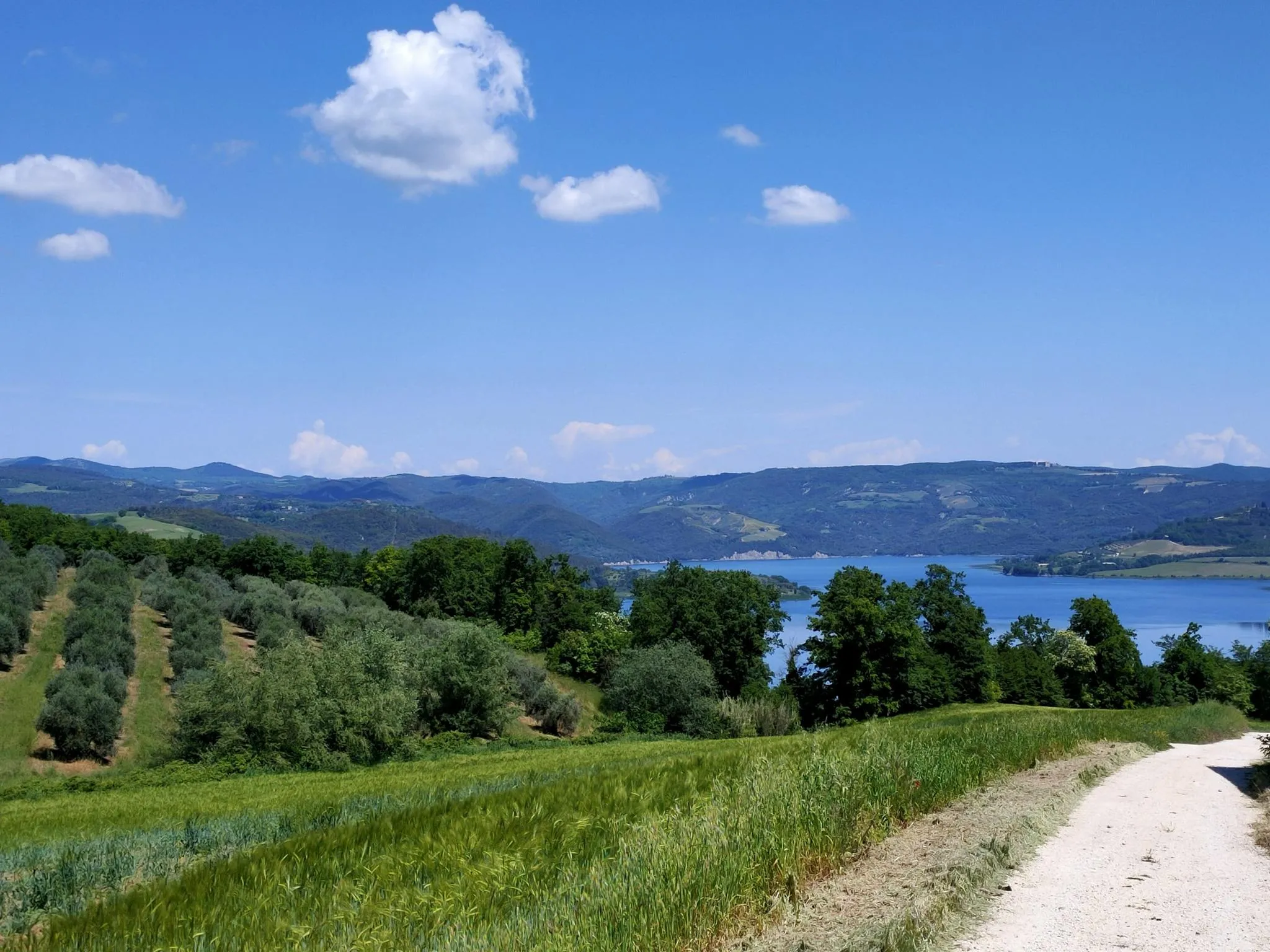
Italian Coast2Coast – From Portonovo to Orbetello
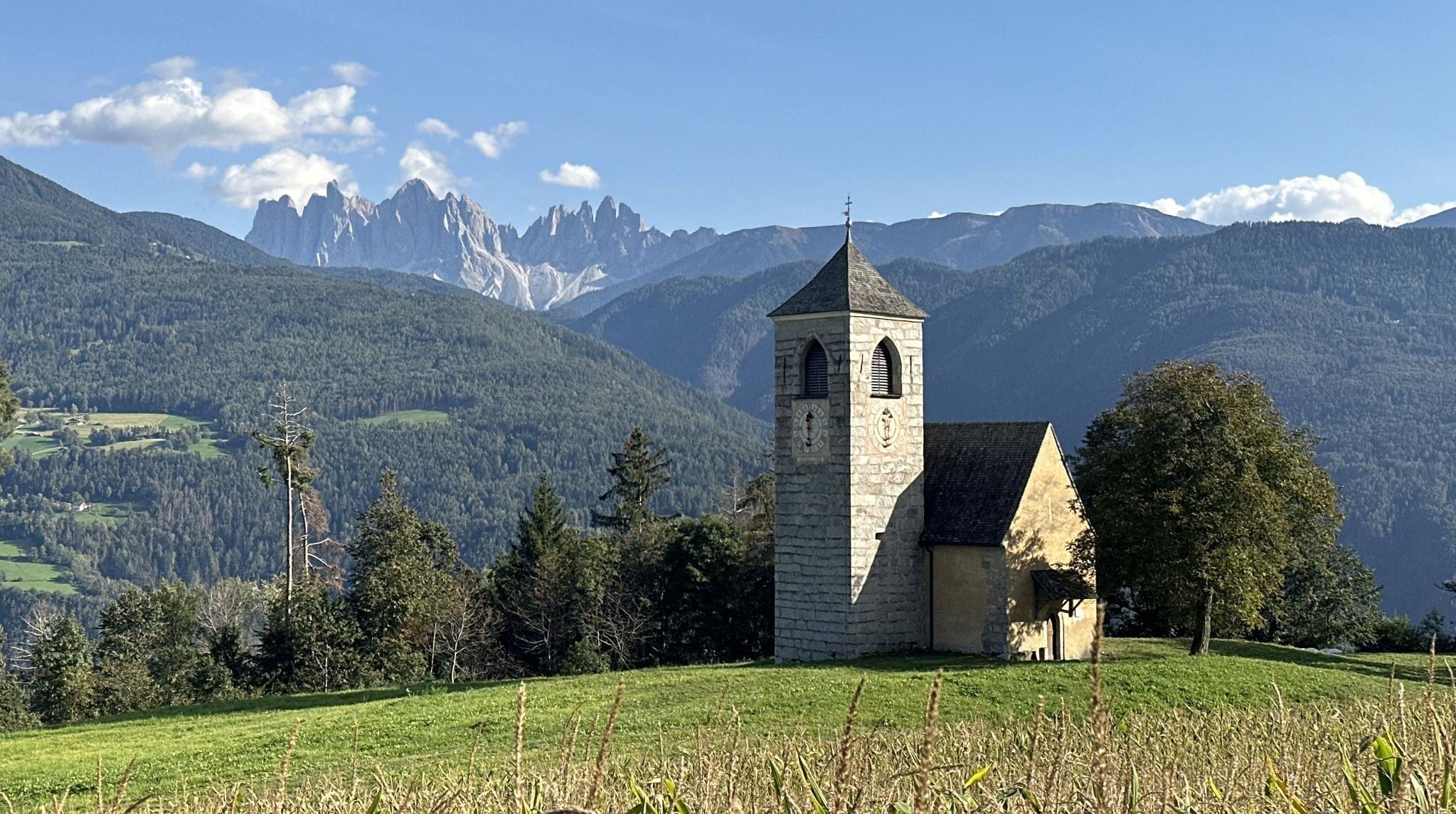
Via Romea Germanica – History, nature and spirituality
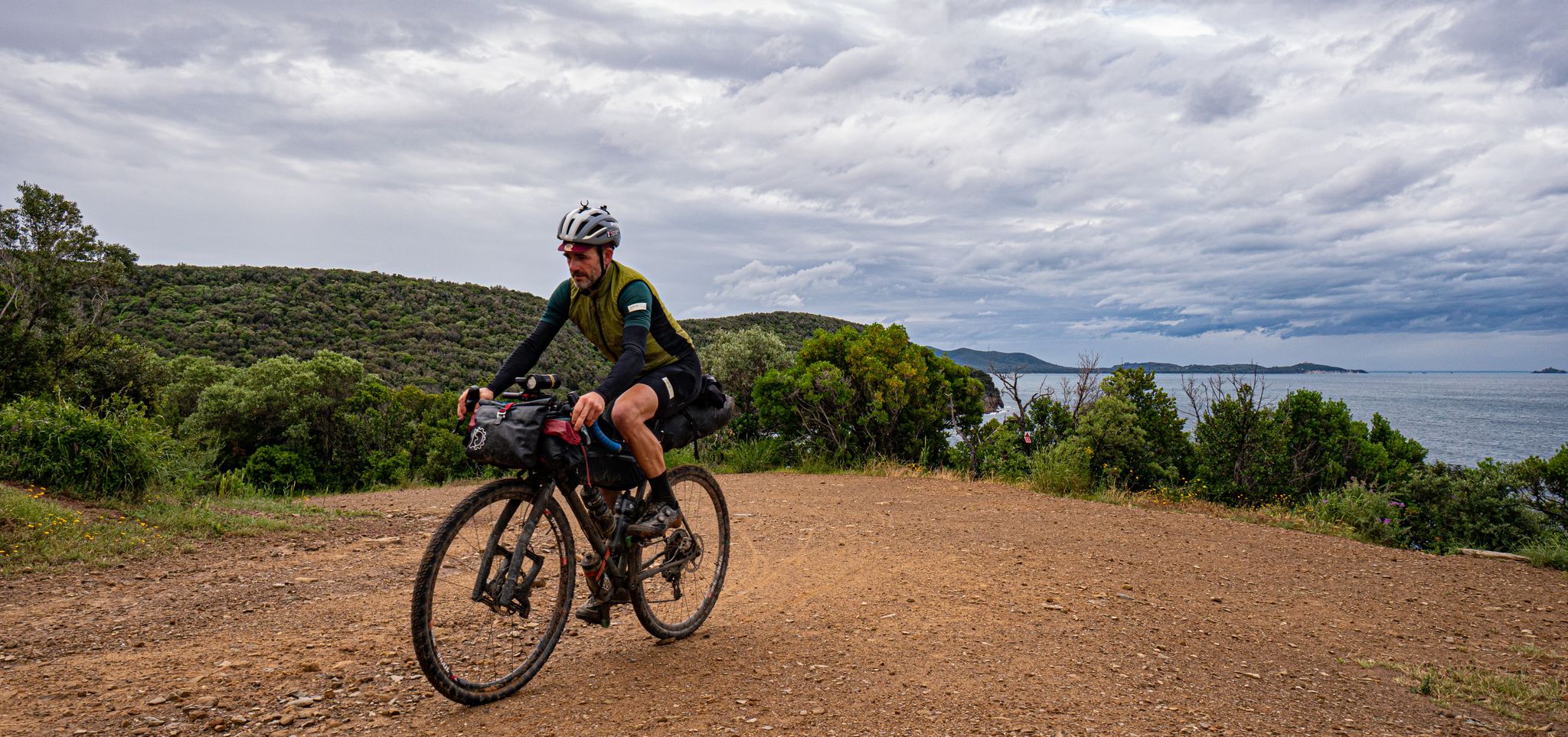
Maremma Challenge — A Tuscan, mixed terrain bikepacking loop
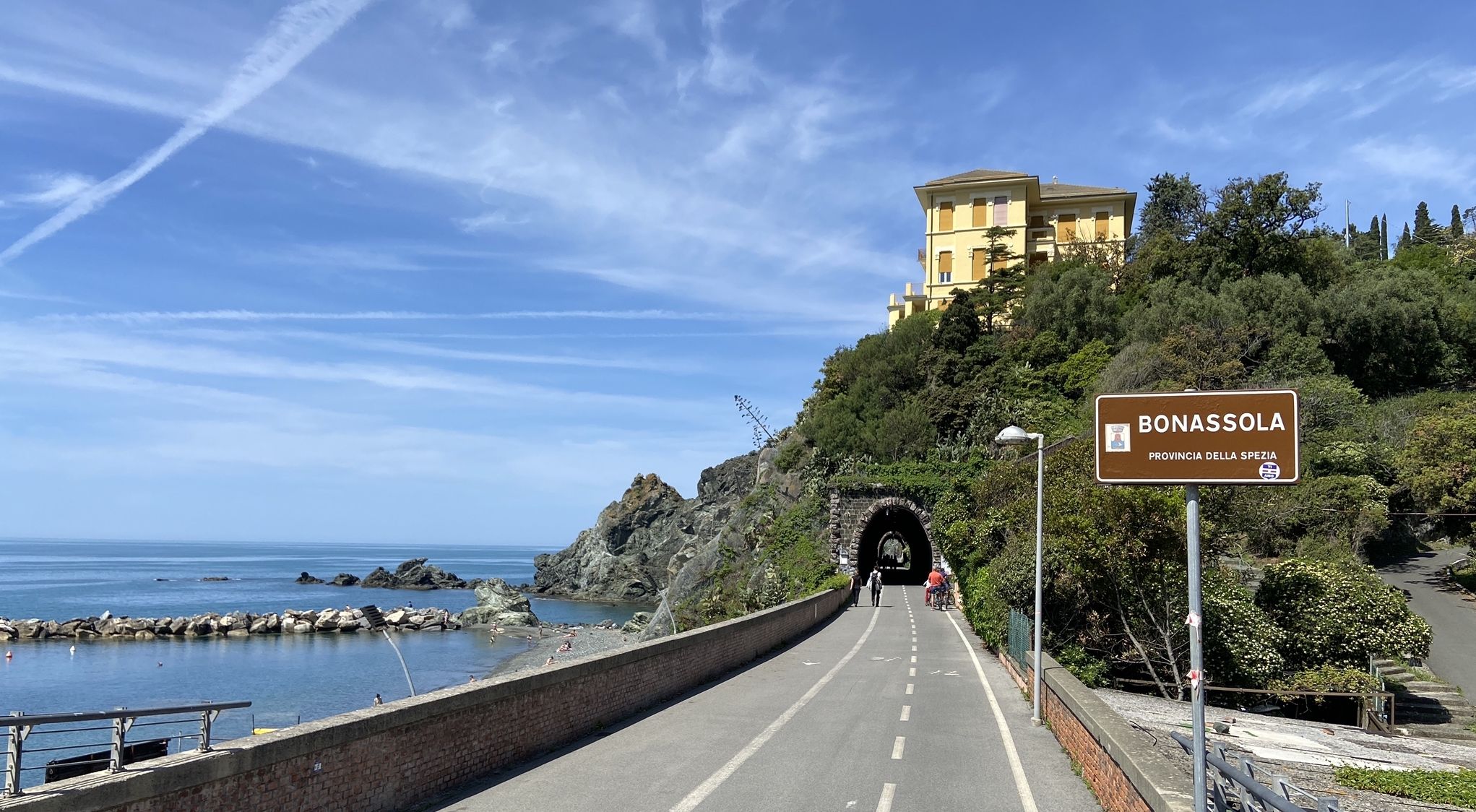
Pedalling to Portofino and the Cinque Terre — sea and mountains
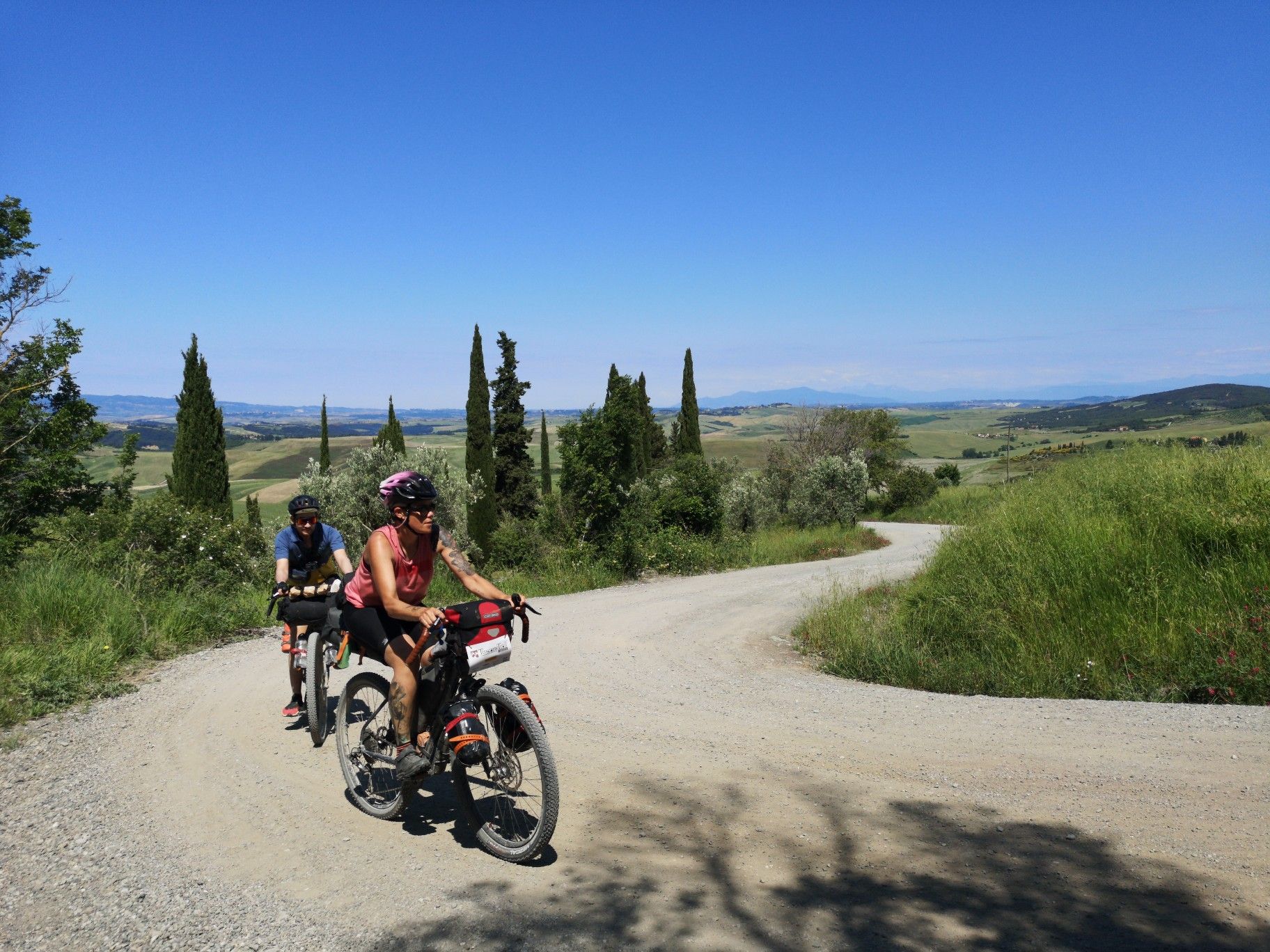
The Tuscany Trail – bikepacking in the heart of Italy
Naples to North Cape — Two friends, one purpose and many scoops of ice-cream

#transit: My farewell to pro-cycling – from Como to Lecchi in two days
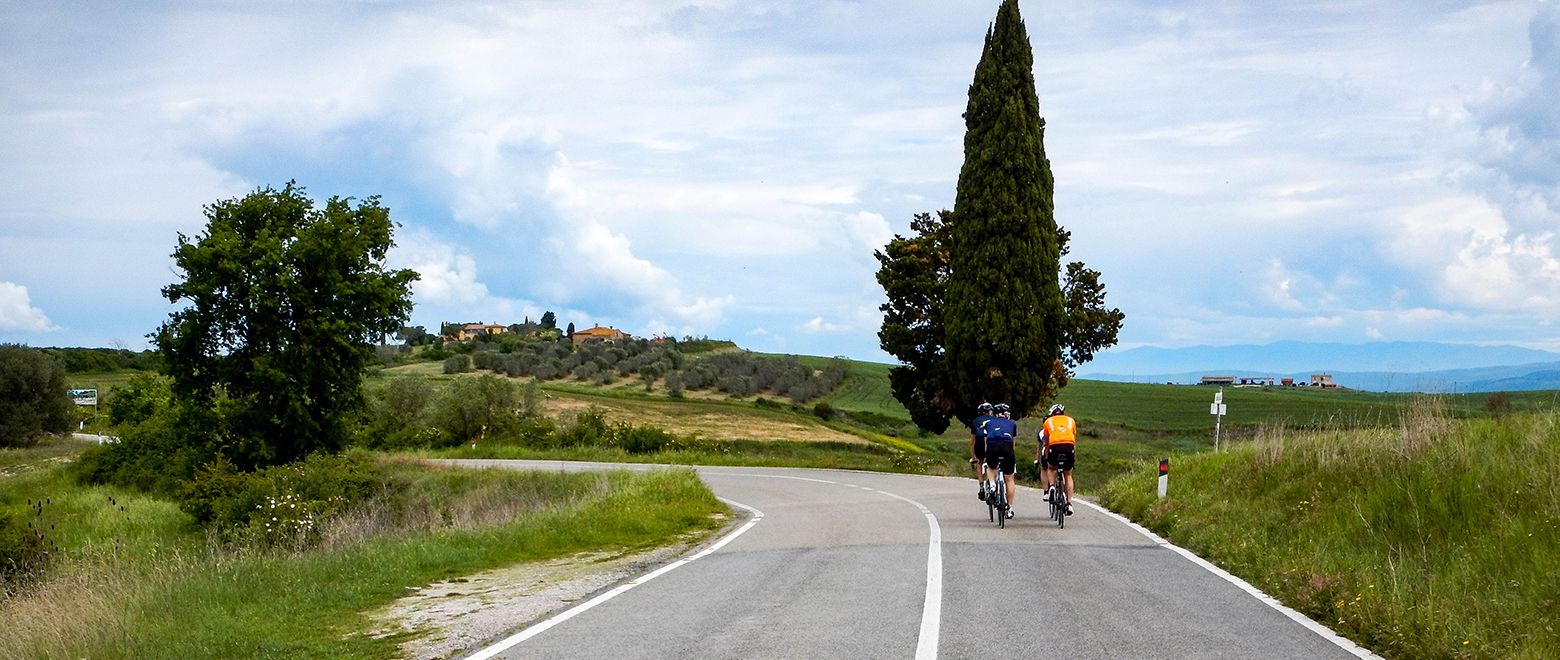
A heavenly week cycling in Tuscany
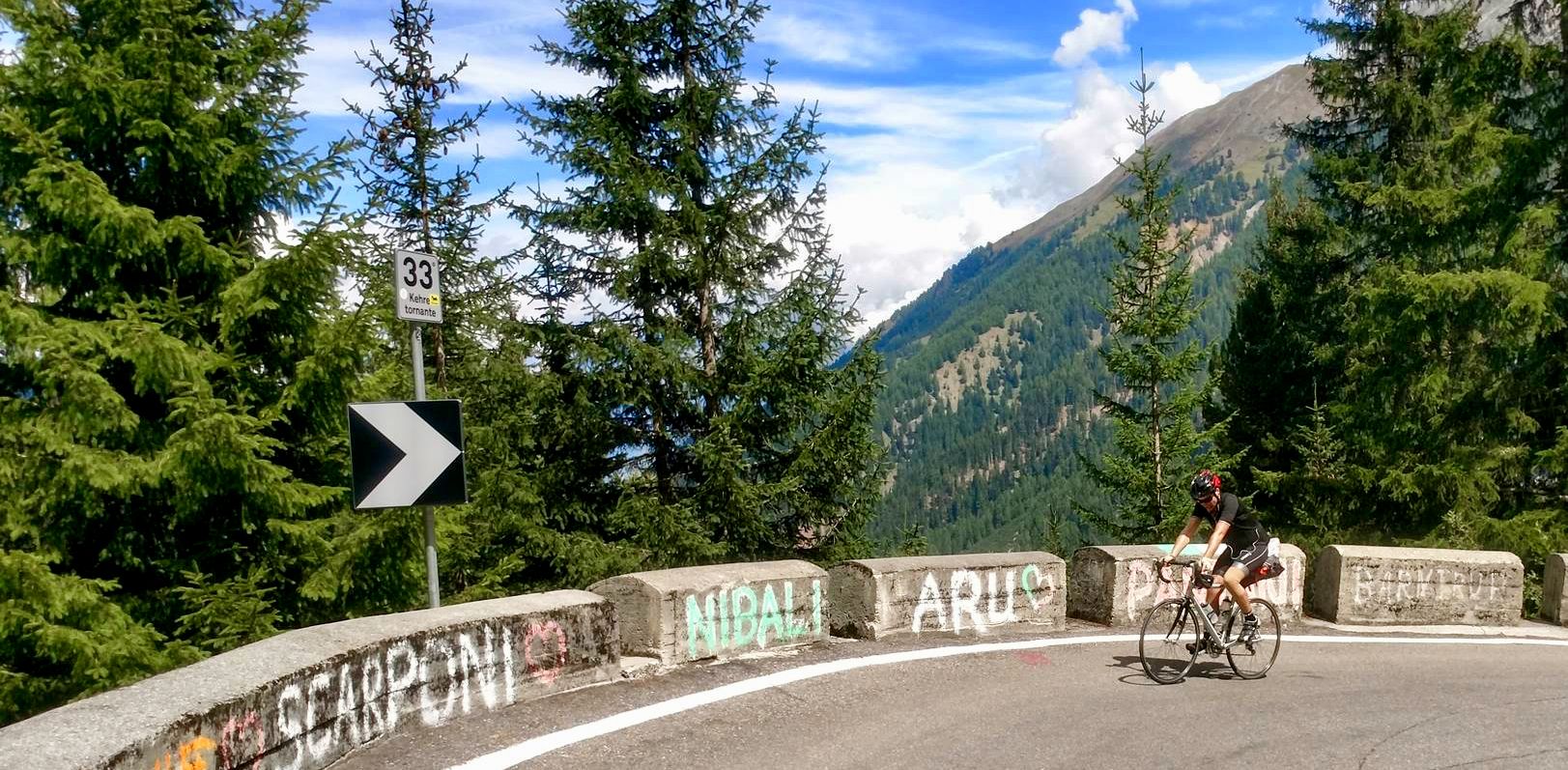
From the mountains to the sea — road cycling in Northern Italy
Via Francigena South — Siena to Rome
Other adventures in Tuscany


Tips from the Community

The Passo di Dante is a scenic pass located at 335 meters above sea level in the Monti Pisani, the mountain range that historically separates the cities of Pisa and Lucca. This place owes its name to a famous mention by Dante Alighieri in Canto XXXIII of the Inferno in the Divine Comedy (verses 28-30). In the text, Count Ugolino recounts a premonitory dream in which Monte Pisano is described as the mountain "per che i Pisan veder Lucca non ponno" (through which the Pisans cannot see Lucca).
0
0

Gothic Line Tuscan-Emilian Watershed
0
0

In one of the – wonderfully told and far beyond the borders of Italy popular – short stories that Giovanni Guareschi (1908 to 1968) tells about the two protagonists he invented, "Don Camillo" and "Peppone", bears the title "AUTUMN". Even though most of his stories have a humorous background, this time it is about a serious topic, namely the national commemoration of the fallen on the occasion of November 4th. The communist mayor Peppone expresses himself in the heated discussion with the priest as follows: » "The people are fed up with all these wars and victories. The people know very well what a war is and do not need speeches and calls that glorify it." Don Camillo shook his head. "You are on the wrong path, Peppone. Nobody wants to glorify war. It is only about paying homage and gratitude to all those who suffered in this war and lost their lives in the process." « (G. Guareschi)
0
0


In the Middle Ages it was the highway that connected northern Italy with the south (in particular trade with Milan and the Church with Rome)
1
0


Frequently Asked Questions
What historical sites can I explore at Tuscany's mountain passes?
Many mountain passes in Tuscany are rich in history. For instance, the Croce Arcana Pass features World War II memorials, including cannons, and is historically significant for Sant'Anselmo's activities in 749 AD. The Futa and Raticosa passes were part of the Gothic Line during World War II, with the Futa Pass hosting a German War Cemetery. Dante's Pass is believed to have been traversed by Dante Alighieri, marked by a stone slab with verses from the *Comedy*. The Passo della Cisa is part of the ancient Via Francigena pilgrimage route and hosts the sanctuary of the Madonna della Guardia.
Are there family-friendly mountain passes in Tuscany?
Yes, several passes offer experiences suitable for families. Dante's Pass is listed as family-friendly, offering historical interest and scenic views. The area around Prato alla Penna also has family-friendly aspects, with trails and natural beauty. Additionally, the sanctuary at San Pellegrino in Alpe provides a welcoming stop for travelers.
What kind of natural features and viewpoints can I expect at these passes?
Tuscany's mountain passes offer diverse natural beauty. The Calla Pass provides beautiful mountain views and is immersed in a millenary forest. Croce Arcana Pass, known for its dramatic winds, offers breathtaking 360° panoramas of high-altitude moorlands and groves. Passes like Pradarena and Radici, both over 1,500 meters, separate Garfagnana from other territories, offering unique landscapes. Monte Aquilaia, Monte Labbro, and Monte Buceto provide unforgettable views of the Ombrone Valley, Monte Amiata, and Val d'Orcia.
What outdoor activities can I do near Tuscany's mountain passes?
The mountain passes in Tuscany are excellent starting points for various outdoor activities. You can find numerous hiking, cycling, and running trails throughout the region. For example, you can explore hiking trails in Tuscany, including moderate routes like the Poggio to Monte Capanne Trail. Cyclists can enjoy cycling routes in Tuscany, such as the challenging Porto Santo Stefano and Porto Ercole loop. There are also running trails, like the easy 'Wall of Lucca' ring tour.
Which mountain passes are popular for cycling?
The Passo della Cisa is a favorite among cyclists due to its gentle slopes and wide curves, making it a popular destination in the Apennines. The region's passes, in general, are well-regarded for scenic drives and cycling routes, offering diverse terrain for all skill levels.
What is the best time to visit Tuscany's mountain passes?
The best time to visit depends on your preferred activity. During winter, passes like Prato alla Penna offer a rewarding experience with snow-covered landscapes, though some passes may close to transit, requiring challenging climbs on foot. Spring and autumn generally provide pleasant weather for hiking and cycling, while summer is ideal for enjoying the high-altitude views and cooler temperatures compared to the valleys.
Are there any unique or less-known mountain passes worth exploring?
Beyond the more prominent passes, Tuscany offers several unique spots. Prato alla Penna, connecting the hermitage of Camaldoli to Badia Prataglia, is a significant crossroads on the CAI 00 path, offering a challenging winter experience. The Mandrioli Pass divides the Savio Valley from the Arno Valley, and the Consuma Pass is known for connecting Casentino with the Upper Valdarno and its local delicacy, *schiacciata*.
Can I find cafes or facilities near the mountain passes?
Yes, some passes and nearby settlements offer facilities. The settlement of Tirli is noted for having cafes and other facilities. Calla Pass also has facilities and parking available. San Pellegrino in Alpe includes a sanctuary that serves as a welcoming stop for travelers, often with amenities.
What are the highest mountain passes in Tuscany?
The Croce Arcana Pass is situated at a high altitude of 1,669 meters. The Calla Pass is located at 1,296 meters above sea level, making it the highest road pass in the Tuscan-Romagnolo Apennines. Other passes like Pradarena and Radici are also over 1,500 meters above sea level.
What makes the Croce Arcana Pass notable?
The Croce Arcana Pass is notable for several reasons. Located at 1,669 meters, it's known as one of the windiest places in Italy, with gusts reaching up to 270 kilometers per hour. It also holds historical importance, with World War II memorials, including cannons, and a connection to Sant'Anselmo's activities in 749 AD. Its 360° panorama offers breathtaking views of high-altitude moorlands.
Are there opportunities for winter activities at Tuscany's mountain passes?
Yes, in winter, the snow-covered landscapes around passes like Prato alla Penna offer a rewarding experience, especially for those seeking challenging climbs on foot, as the pass may close to transit. The mountainous areas provide unique winter scenery and opportunities for snowshoeing or winter hiking, though conditions should always be checked beforehand.
What is the significance of the Passo della Cisa?
The Passo della Cisa is a prominent Apennine pass connecting the provinces of Parma and Massa-Carrara. It is historically significant as it lies along the Via Francigena, an ancient pilgrimage route. At its highest point, a stairway leads to the sanctuary of the Madonna della Guardia, making it a cultural and spiritual landmark in addition to its scenic appeal for cyclists.
Most popular routes in Tuscany
Most popular attractions in Tuscany

Get inspired with the komoot mobile app


Didn’t find what you were looking for?
Find even more amazing mountain passes in Tuscany organized by region:
Explore more
See even more epic mountain passes by checking out these guides in Tuscany:
