Top 20 Caves in Tuscany
Caves in Tuscany offer a diverse range of underground experiences within a region known for its varied landscapes. The area features over 1,500 natural caves and 270 kilometers of underground tunnels. These subterranean sites include geological formations, thermal springs, and ancient historical pathways. Tuscany's underground world provides opportunities for exploration and understanding of natural and historical processes.
Best caves in Tuscany
- The most popular caves is Via Cava di San Giuseppe, a trail that forms part of an Etruscan road system carved into tuff rock. This ancient pathway is known for its steep walls, some exceeding 20 meters in height, and its historical connection to settlements and necropolises.
- Another must-see spot is The Icehouse of Cattiglio, a cave used historically for food preservation. Visitors can experience a significant temperature difference between the outside and inside, even during warmer months, due to the cave's natural cooling properties.
- Visitors also love Embrace Waterfall, a waterfall with a large cave formed behind it. This unique feature allows visitors to observe a waterfall from behind, especially impressive after heavy rains or when ice formations appear in winter.
- Tuscany is known for its natural karst caves, thermal grottoes, and ancient Etruscan carved pathways. These include extensive underground systems, natural thermal spas, and historical routes cut into rock.
- The caves in Tuscany are appreciated by the komoot community, with 91 highlights, 206 photos, and 169 upvotes showcasing their appeal.
Last updated: October 4, 2026
Via Cava di San Giuseppe
Highlight (Segment) • Trail
The Via Cava di San Giuseppe is one of the most evocative in the area, as well as the longest, leading up to Pitigliano. This street is associated with the traditional torchlight procession of San Giuseppe, which is held on March 19th. The link between ancient pagan rites and the dark atmosphere along the route, which still persists today, dates back to Christian times, when small niches with painted sacred images, known as "devil chasers", were dug to protect travellers.
Translated by Google •
Tip by

The Yellow Caves
Highlight • Cave
Translated by Google •
Tip by

Sign up now to discover places like this
Get recommendations on the best single tracks, peaks, & plenty of other exciting outdoor places.
The Icehouse of Cattiglio
Highlight • Cave
Translated by Google •
Tip by

Spelonca Hermitage
Highlight • Religious Site
Translated by Google •
Tip by

Embrace Waterfall
Highlight • Waterfall
Translated by Google •
Tip by

Tambura Ridge
Highlight • Summit
Translated by Google •
Tip by

Via Cava di San Rocco
Highlight (Segment) • Gorge
The Vie Cave, dug by the Etruscans about 3000 years ago in the tuff, are still shrouded in mystery regarding the technique used to sculpt the rock so precisely and vertically. This street represents the most important of the Vie Cave around Sorano, as it guided the Etruscans to their necropolis. Incredibly, for over six centuries, from the Middle Ages until 1940, it was the only road that connected the city of Sorano to Sovana. Every horse, cart and traveler had no choice but to travel this steep, damp road between its high walls.
Translated by Google •
Tip by
Tomba Ildebranda
Highlight • Historical Site
If you catch one of the rare moments that the facility can be visited, the 5 € per person are in my opinion. well invested (Sept. 2020)
Translated by Google •
Tip by

Calomini Hermitage
Highlight • Religious Site
The suggestive architectural complex is located at the base of a large overhanging wall and according to a tradition it was built right in the place where a jet of pure water gushed from the rocks and the image of the Madonna was revealed to a shepherdess of Calomini.
The oldest part is the sacristy, carved into the rock with chisels presumably before the year 1000, which was probably the original nucleus of the place of worship.
Translated by Google •
Tip by

Etruscan Necropolis of Sovana
Highlight • Historical Site
The magical atmosphere of the place is further enriched by the presence of suggestive hollow streets, with the Via Cava di San Sebastiano, squeezed between walls of over 20 meters, the Via Cava di Poggio Prisca and the Cavone, on whose walls you can admire engravings from different eras, including crosses with exorcistic purposes and a large swastika, a solar symbol.
Translated by Google •
Tip by
Sign up for free to discover even more caves in Tuscany.
Already have an account?
Start today with a free account
Your next adventure awaits.
Popular around Tuscany
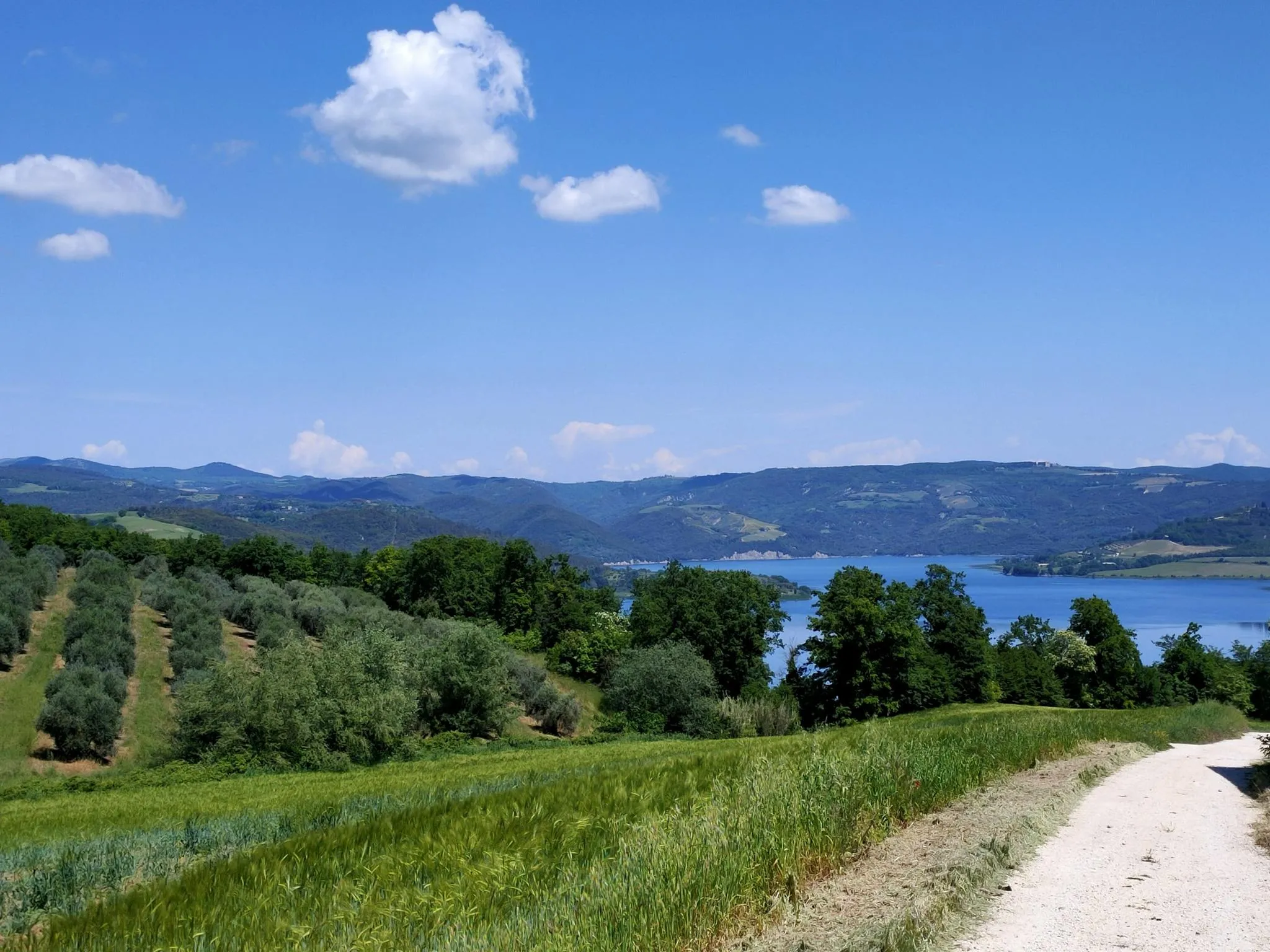
Italian Coast2Coast – From Portonovo to Orbetello
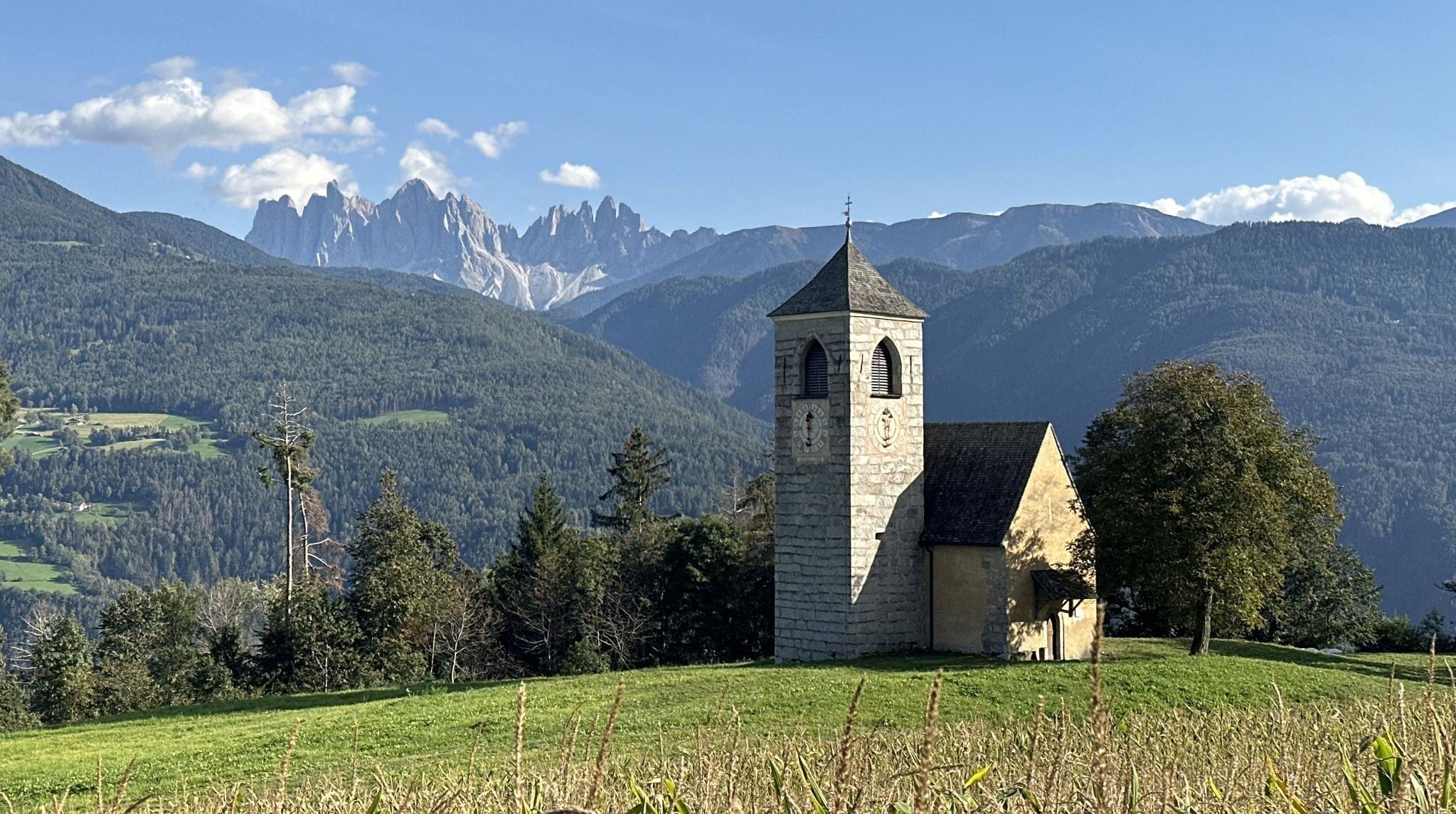
Via Romea Germanica – History, nature and spirituality
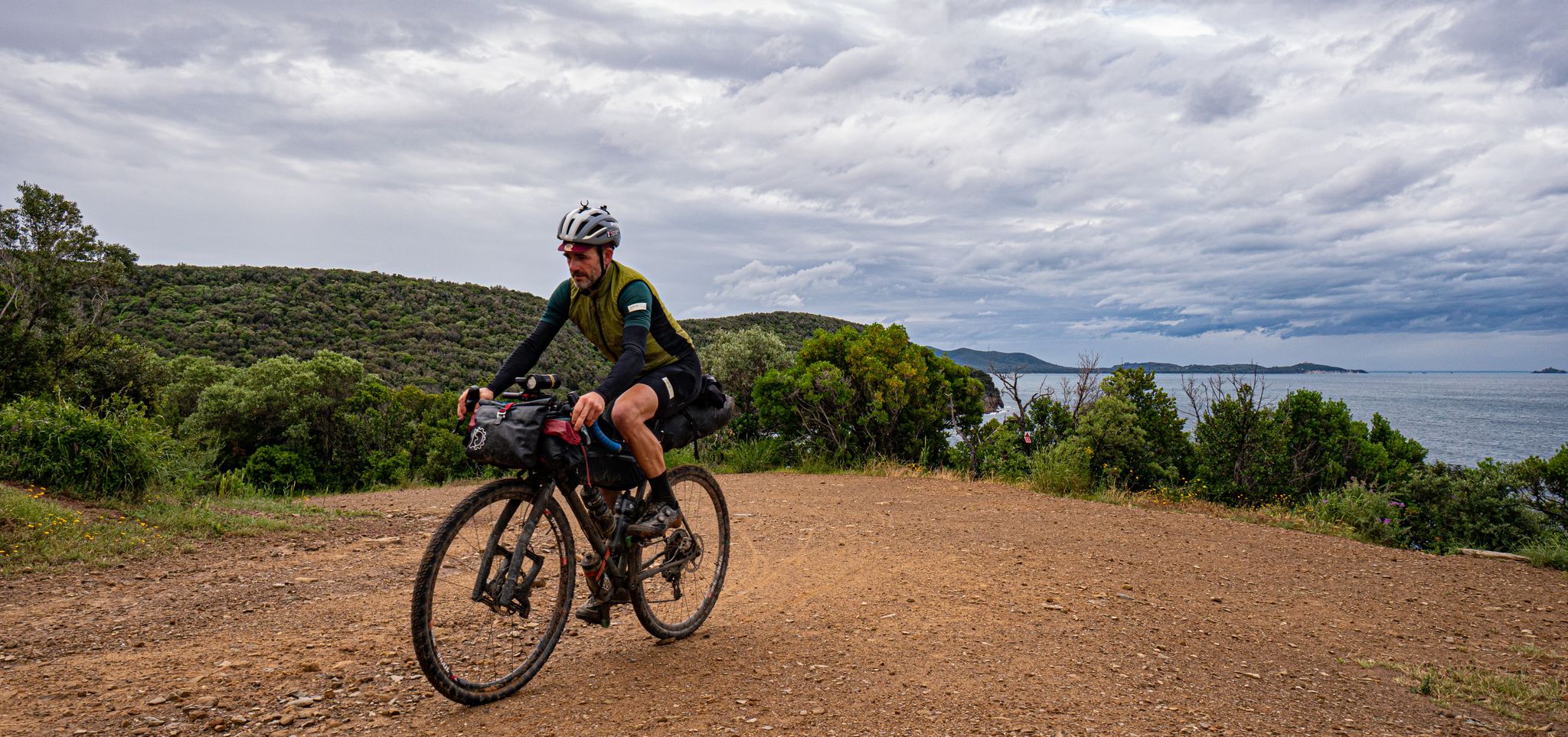
Maremma Challenge — A Tuscan, mixed terrain bikepacking loop
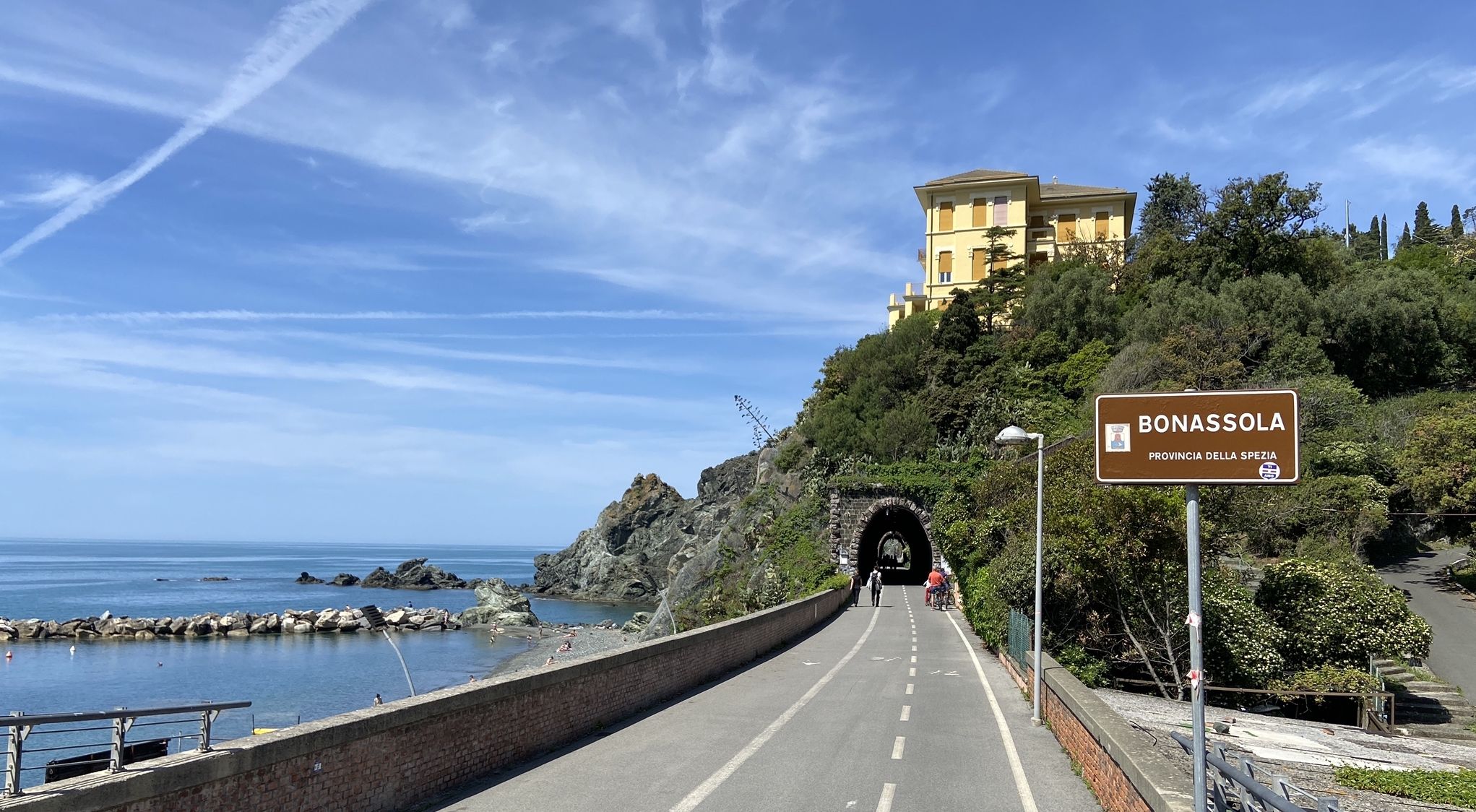
Pedalling to Portofino and the Cinque Terre — sea and mountains
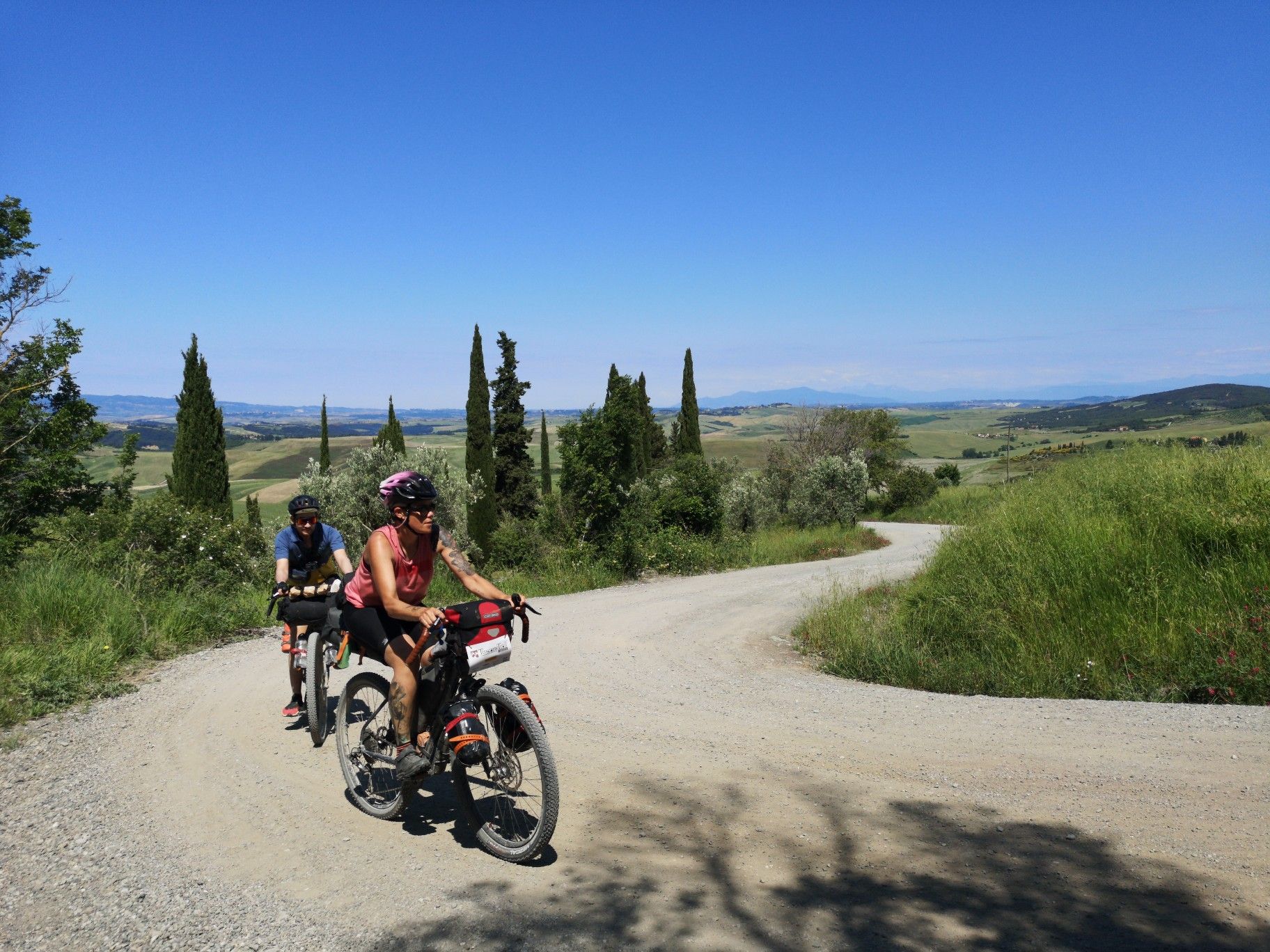
The Tuscany Trail – bikepacking in the heart of Italy
Naples to North Cape — Two friends, one purpose and many scoops of ice-cream

#transit: My farewell to pro-cycling – from Como to Lecchi in two days
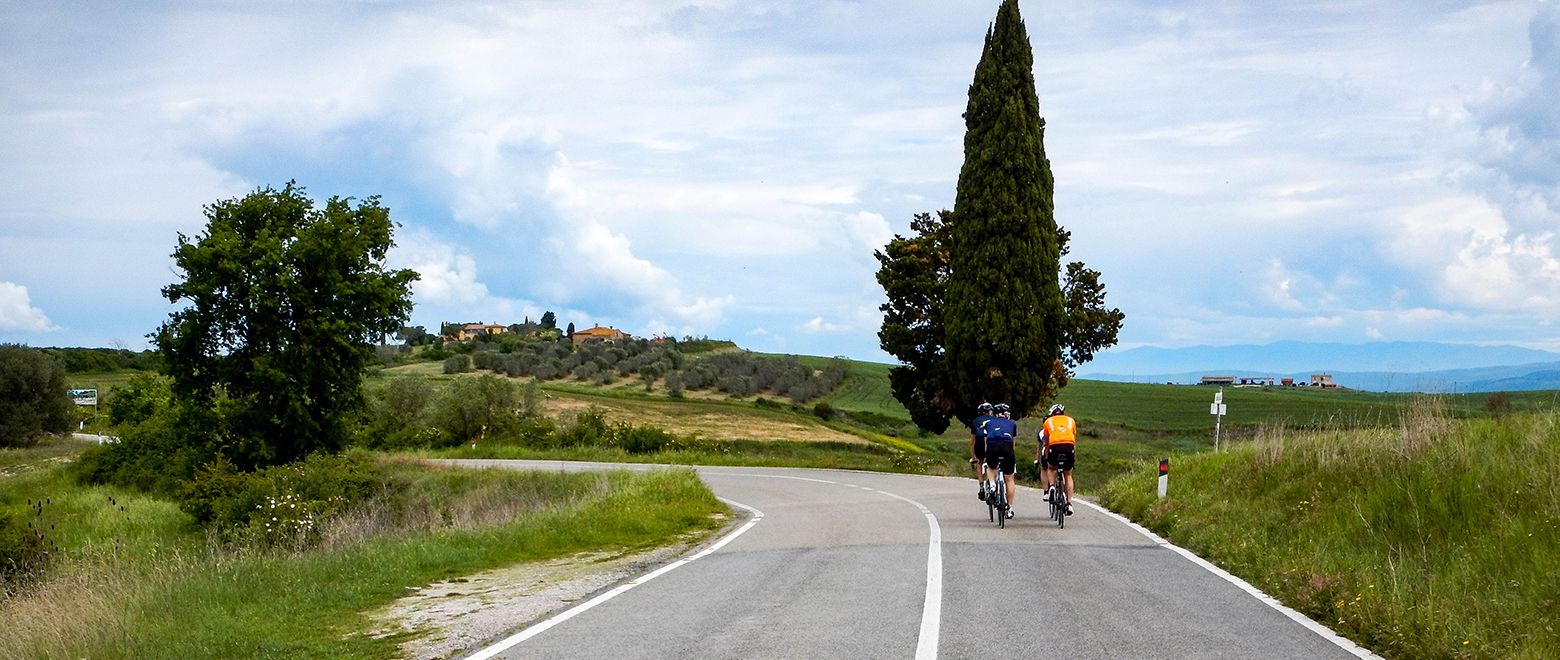
A heavenly week cycling in Tuscany
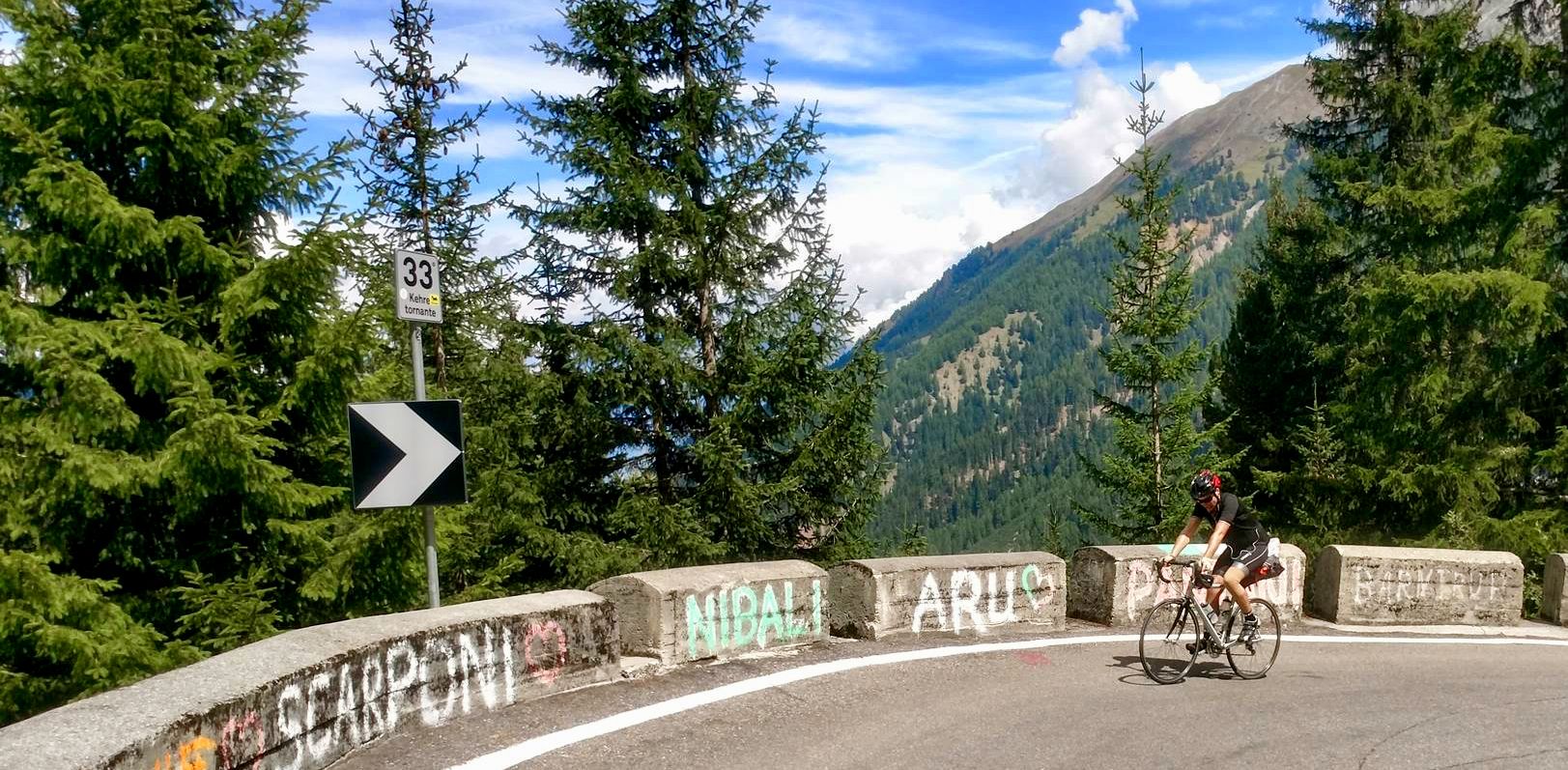
From the mountains to the sea — road cycling in Northern Italy
Via Francigena South — Siena to Rome
Other adventures in Tuscany


Tips from the Community

An absolutely fascinating stopover in the midst of the Tuscan macchia near Bibbona. The Grotte Gialle (Yellow Caves) owe their name to the intense yellow sandstone – a fossil seabed over a million years old. Etruscan burial chambers were carved into the rock walls over 2,000 years ago. Anyone who looks closely today will also discover mysterious, modern grimaces and symbols left there by artists in the soft stone.
0
0

Easy to reach by bike, you should definitely be a bit skillful, at least if you come from above.
0
0

The Yellow Caves of Bibbona (Le Grotte Gialle di Bibbona) are a fascinating archaeological and naturalistic site located in the province of Livorno, in Tuscany. It is an ancient complex of hypogean Etruscan tombs dating back to the 4th and 5th centuries BC, carved into walls of calcarenite rock. This particular sedimentary material, formed about a million years ago on an ancient seabed, gives the walls a characteristic and evocative yellowish color from which the site takes its name.
0
0

The Eremo di San Giorgio della Spelonca is an ancient medieval monastic site located on the Monti Pisani, precisely on the slopes of Monte Cupola, on the border between the provinces of Pisa and Lucca. Founded in 1190 by priests Onesto and Dolce, the complex was born as a reception and religious assistance point managed by the "black hermits". Today it is a much-appreciated destination for trekking and history lovers for its mystical atmosphere and the unspoiled nature that surrounds it.
0
0

The Via Cava di San Rocco is one of the most impressive Etruscan paths in the area. The trail is entirely dug into the tuff, with vertical walls reaching up to 20 meters high, hosting lush vegetation of ferns and mosses. The route connects the Lente river valley with the plateau above. Along the ascent, you will encounter ancient water channeling systems and stairs carved into the rock. Once you reach the upper end, you arrive at the panoramic area of San Rocco, from which you can enjoy the most iconic view of the settlement of Sorano and the Orsini Fortress. The ground can be damp and slippery due to the cool microclimate of the walls.
0
0

The exhibition grounds are definitely worth a visit and can be easily combined with a circular hike from Sovana.
1
0
You can also visit the excavations on a circular hike from Sorana. The €7.00 is definitely worth it for this very interesting site.
1
1

A highlight of the tour. Small but beautiful
1
0
Frequently Asked Questions
Are there family-friendly caves to visit in Tuscany?
Yes, several caves in Tuscany are suitable for families. The Via Cava di San Rocco, an ancient Etruscan pathway carved into tuff rock, is considered family-friendly. Additionally, the Grotta del Vento in Garfagnana offers well-organized guided tours of varying lengths, making it accessible for different age groups. The Grotte Equi Terme is also known as a "Geo-Archeo-Adventure Park," suggesting family-oriented activities.
What historical or archaeological sites can be found in Tuscany's underground?
Tuscany's underground world is rich in history. The ancient Etruscan pathways known as Vie Cave, such as Via Cava di San Giuseppe and Via Cava di San Rocco, are impressive routes carved into tuff rock leading to necropolises. The Etruscan Necropolis of Sovana also features underground elements. For a glimpse into historical preservation methods, The Icehouse of Cattiglio was historically used for food storage.
What kind of natural geological features can I expect to see in Tuscan caves?
Tuscan caves showcase diverse geological formations. The Grotta del Vento features underground rivers, waterfalls, siphons, and impressive speleothems like stalactites and stalagmites. The Antro del Corchia, Italy's largest karst complex, is an extensive underground maze filled with various stalactites and stalagmites, offering a significant geological theater. You can also find unique features like the Embrace Waterfall, which has a large cave formed behind it, allowing visitors to observe the waterfall from a unique perspective.
Are there caves in Tuscany known for thermal springs or wellness activities?
Yes, Grotta Giusti in Monsummano Terme is renowned for its natural thermal spa. Giuseppe Verdi famously called it the "eighth wonder of the world." It functions as a natural Turkish bath, with thermal pools, waterfalls, and a wellness center offering therapeutic treatments, making it an ideal spot for relaxation and recovery.
What is the best time of year to visit caves in Tuscany?
Many caves in Tuscany, especially those with stable internal temperatures like Grotta del Vento or Antro del Corchia, can be visited year-round. For thermal caves like Grotta Giusti, any time is suitable for relaxation. For outdoor cave experiences like the Vie Cave or the Embrace Waterfall, visiting after heavy rains or in cooler months can enhance the experience, as waterfalls are more active and ice formations might appear in winter.
How long does it typically take to explore a cave in Tuscany, and what are the difficulty levels?
Exploration times and difficulty vary significantly. For example, Grotta del Vento offers guided tours ranging from one to three hours. The Vie Cave, while not natural caves, can involve hikes of varying lengths and difficulty, with some sections being steep. Many highlights, including the Via Cava di San Giuseppe and The Icehouse of Cattiglio, are rated as intermediate difficulty, while some, like the Rupestrian Oratory of San Sebastiano, are considered challenging.
Are permits required to visit caves in Tuscany, and what about parking?
For organized tourist caves like Grotta del Vento and Antro del Corchia, guided tours are typically required, and tickets should be purchased in advance. These sites usually have dedicated parking facilities. For less formal or historical sites like the Vie Cave, permits are generally not needed, but parking might be available in nearby towns such as Pitigliano, Sovana, or Sorano. Always check specific site requirements before your visit.
What outdoor activities can I combine with a visit to Tuscan caves?
Tuscany offers a wide range of outdoor activities that can be combined with cave exploration. You can find numerous hiking trails in Tuscany, including routes like the Poggio to Monte Capanne Trail or the Trail of the Weirs. For cyclists, there are road cycling routes such as the GF White Roads, and MTB trails like the Monte Calamita Loop Trail, especially in areas like the Apuan Alps where many caves are located.
Are there any unique or unusual cave experiences in Tuscany?
Beyond typical cave tours, Tuscany offers unique experiences. The Icehouse of Cattiglio provides a fascinating insight into historical food preservation, with a noticeable temperature difference even in summer. The Embrace Waterfall allows you to walk behind a waterfall, offering a rare perspective. The Vie Cave, like Via Cava di San Giuseppe, are ancient Etruscan roads carved into rock, providing a journey through history and mystery.
What is the difference between Grotta del Vento and Antro del Corchia?
Both Grotta del Vento and Antro del Corchia are significant cave systems in the Apuan Alps, but they offer different experiences. Grotta del Vento is known for its accessibility and well-equipped tourist infrastructure, offering guided tours through various geological features like rivers and speleothems. Antro del Corchia, on the other hand, is Italy's largest karst complex and one of Europe's most extensive cave systems, recognized for its vastness, scientific value, and ongoing discoveries, making it more appealing to those interested in large-scale geological exploration.
What should I wear when exploring caves in Tuscany?
When exploring caves in Tuscany, it's advisable to wear comfortable clothing and sturdy footwear, such as hiking boots, as surfaces can be uneven and wet. Even in summer, cave interiors maintain a constant cool temperature, so a light jacket or sweater is recommended. For historical pathways like the Vie Cave, good walking shoes are essential due to the terrain.
Are there any religious sites associated with caves in Tuscany?
Yes, Tuscany has several religious sites integrated with caves. The Spelonca Hermitage and the Calomini Hermitage are examples of religious buildings built into or near cave formations. The Rupestrian Oratory of San Sebastiano is another cave-related religious site, showcasing the historical use of natural shelters for spiritual purposes.
Most popular routes in Tuscany
Most popular attractions in Tuscany

Get inspired with the komoot mobile app


Didn’t find what you were looking for?
Discover more caves in Tuscany region by region:
Explore more
Extend your search for the best caves by checking out these guides of the top ones in Tuscany:
