Top 20 Natural Monuments in Upper Lusatia
Best natural monuments in Upper Lusatia offer diverse landscapes, geological formations, and rich biodiversity across this historical region. The area features the Zittau Mountains with their distinct rock formations and peaks, and the UNESCO Biosphere Reserve of the Upper Lusatian Heath and Pond Landscape. Visitors can explore unique natural features shaped by ancient glaciers and volcanic activity, providing opportunities for hiking and experiencing the region's natural heritage.
Best natural monuments in Upper Lusatia
- The most popular natural monuments is Kelchstein…
Last updated: October 13, 2026
Nonnenfelsen (Nuns' Rocks)
Highlight (Segment) • Natural Monument
Translated by Google •
Tip by

Oybin Rock and Castle Ruins
Highlight • Castle
Showing Translation
Tip by

Sign up now to discover places like this
Get recommendations on the best single tracks, peaks, & plenty of other exciting outdoor places.
Ruins of Oybin Castle and Monastery
Highlight • Castle
Translated by Google •
Tip by

Lausche Summit and Observation Tower
Highlight • Summit
Translated by Google •
Tip by

Kelchstein (Chalice Rock)
Highlight • Natural Monument
Translated by Google •
Tip by
Brooding Hen
Highlight • Natural Monument
Translated by Google •
Tip by

Rock Gate on the Töpfer
Highlight • Natural Monument
Translated by Google •
Tip by

Great and Little Organ (Jonsdorf Rock City)
Highlight • Natural Monument
Translated by Google •
Tip by

New Muskau Castle
Highlight • Castle
Translated by Google •
Tip by

Keulenberg Summit — Observation Tower and Monuments
Highlight • Summit
"The Royal Saxon Triangulation (here with its historical name) is a land survey carried out in the years 1862 to 1890 on the …
Translated by Google •
Tip by

Sign up for free to discover even more natural monuments in Upper Lusatia.
Already have an account?
Start today with a free account
Your next adventure awaits.
Popular around Upper Lusatia
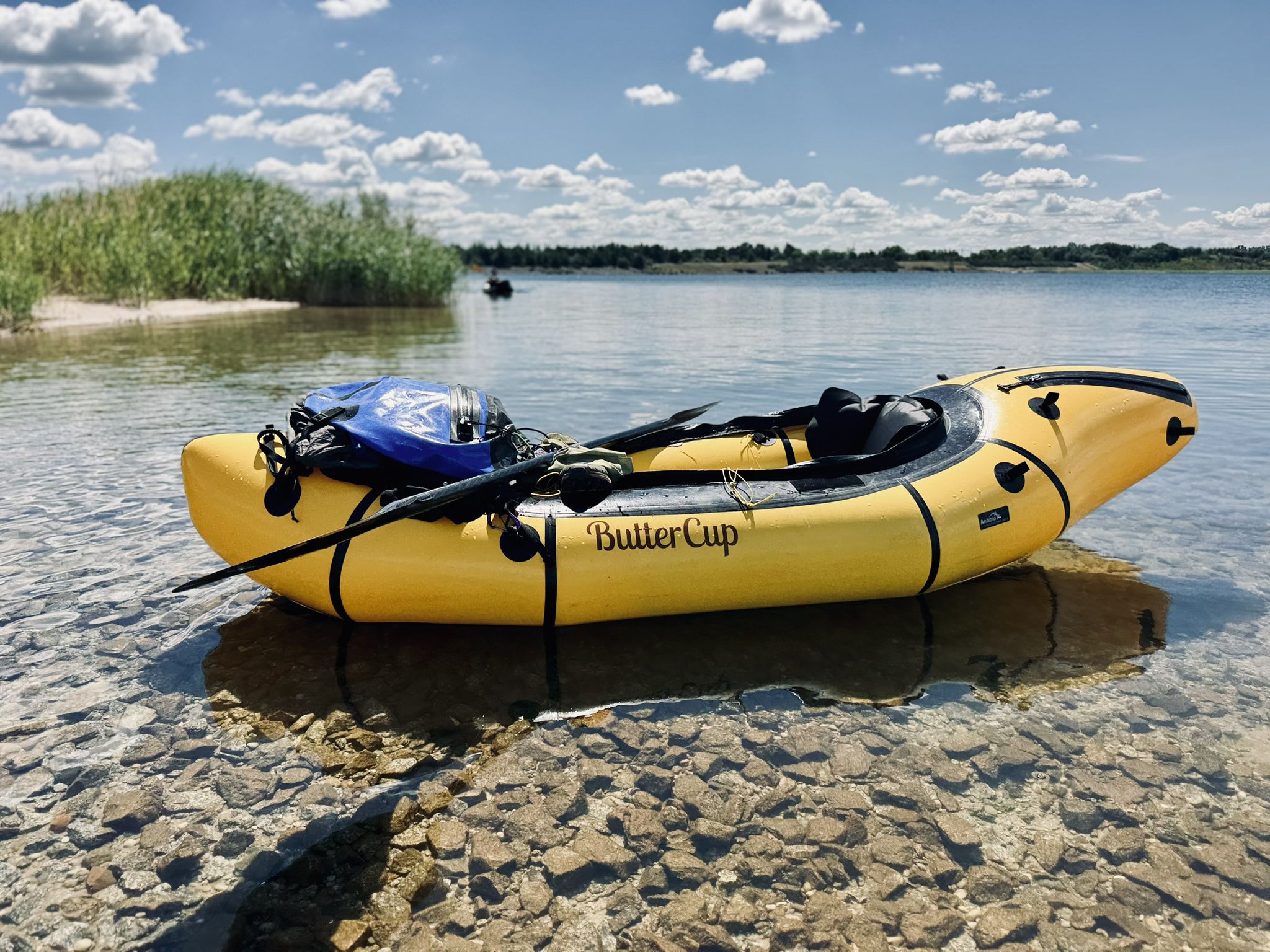
Paddling Paradise Lusatian Lake District – Five Lakes, One Network
Triathlon around Germany
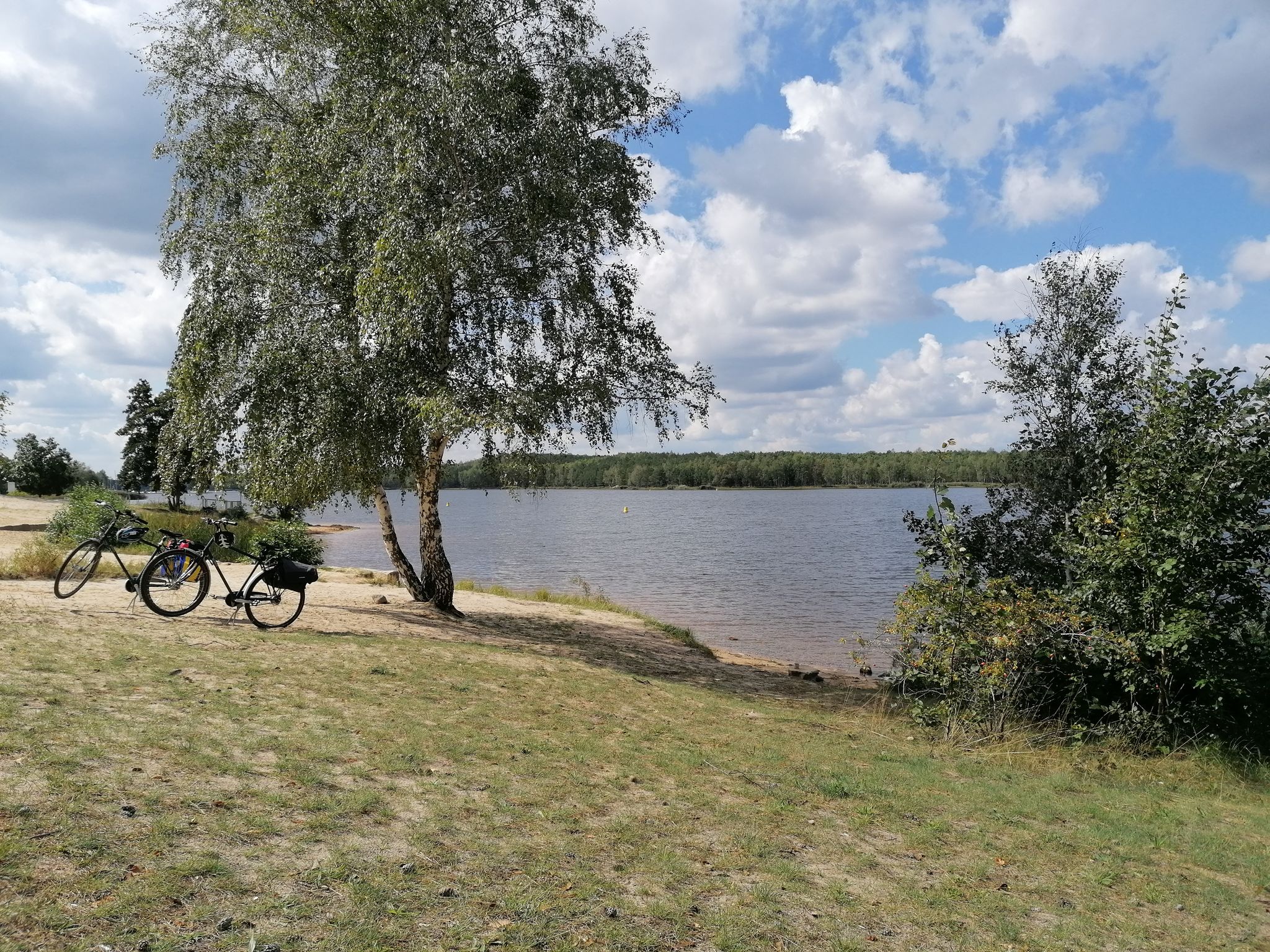
Cycling from Dresden to Berlin – lakes, nature and Sorbian culture
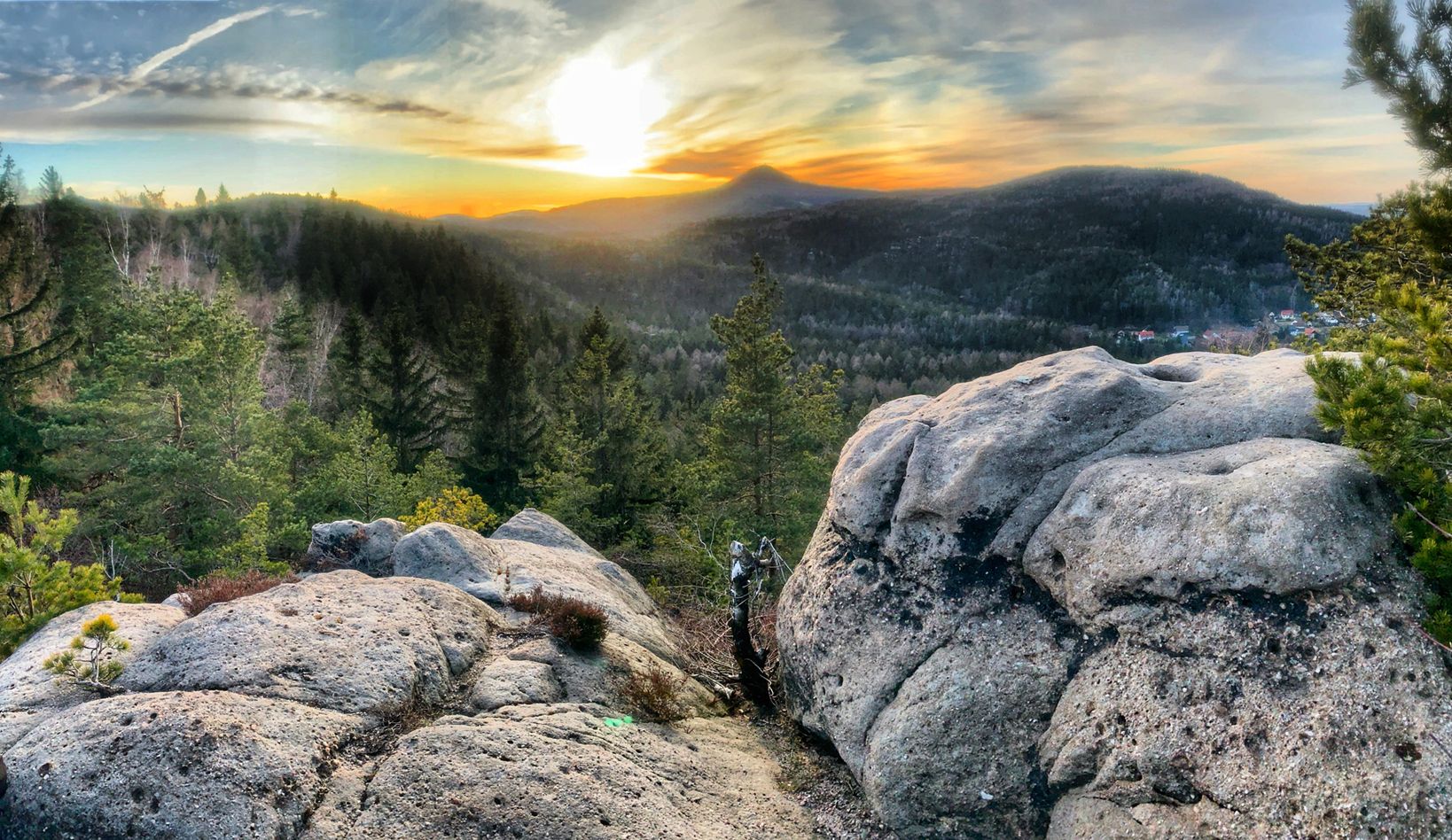
Mountains, heaths & lakes – hiking in Lusatia
From Warsaw to Berlin — in the footsteps of the Peace Race part 1
The National Natural Landscapes in Saxony
Oberlausitz Cycling Region – 18 superb routes in Upper Lusatia
On two wheels through the ponds – Neißeland Tour
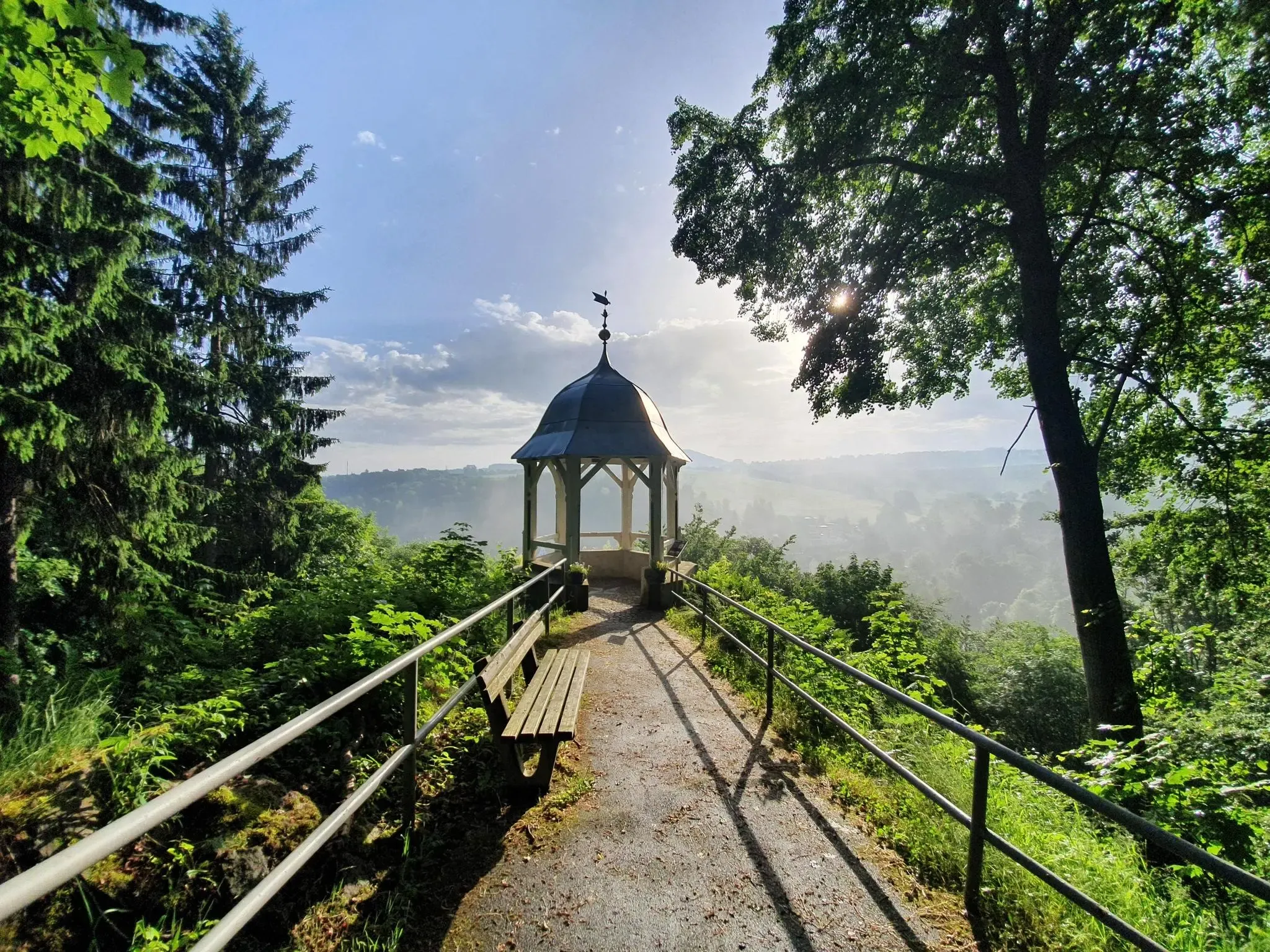
#GoFurther – discover the views of Germany!
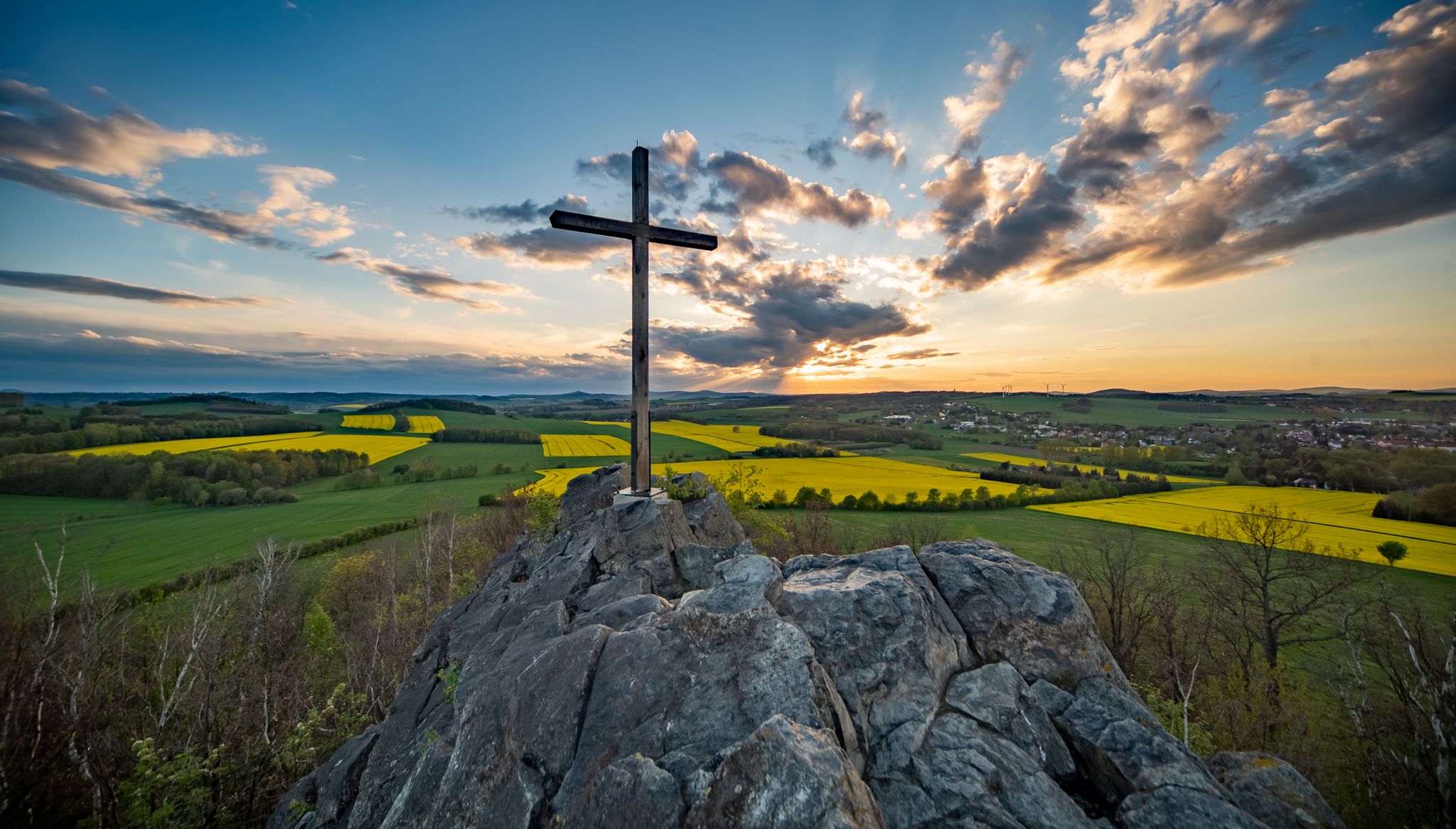
Legendary views on the Upper Lusatia Mountain Trail
Other adventures in Upper Lusatia


Tips from the Community

Impressive rock formations, great trails with viewing platforms and a beautiful mountain restaurant.
19
1

The large rock massif of the Nonnenfelsen (537 m) rises almost 100 meters above the southwestern edge of Jonsdorf. There is also a beautiful via ferrata (Nonnensteig) here.
20
0
The entrance fee of €9 is worth it 👍🏻. One of the most beautiful monastery/castle ruins 🏰 I have ever seen 🤩.
11
0
Perched atop the mighty rocky massif of Mount Oybin, the ruins of an old castle and monastery stand enthroned. Quiet chants can be heard in the former church, as if the monks were still there.
11
0

The Nonnenfelsen are a popular rock formation on a slope in the south-east of the Buchberg. In total, the rocks have a height of 537 meters. This makes them 100 meters higher than the valley of the Pochebach. The most important climbing peaks in Jonsdorf belong to the Nonnenfelsen: Gorge wall, Barbarine and the Nonnenfelsen on the terrace of the associated restaurant.
16
1
Via the bridge and the climbing facility you can get very close to the Nonnenfelsen. The reward is a gigantic view.
15
0
The rock formations of the Great Organ and the Small Organ (580 metres) are among the most interesting geological monuments in the Zittau Mountains. A short branch with a stone staircase leads from the Orgelsteig to a secured rock platform with two small rock formations made of vertical sandstone columns that are reminiscent of the pipes of an organ. The rocks are a unique example of the columnar disintegration of sandstone, the formation of which was related to the penetration of rising lava into the Orgelsteig sandstone fissure that runs nearby.
11
0
The Kelchstein is one of the most famous climbing peaks in the Zittau Mountains. It got its idiosyncratic mushroom shape from the effect of wind abrasion and erosion on the sandstone layers of different hardness. It was climbed for the first time before 1785: at that time, lumberjacks placed a plaque on its summit that no longer exists.
7
0
Frequently Asked Questions
What unique natural features can I explore in Upper Lusatia?
Upper Lusatia offers a diverse range of natural features. You can discover impressive sandstone formations like Kelchstein (Chalice Rock), known for its red color from iron oxide, or the unique sandstone pinnacles of Nonnenfelsen (Nuns' Rocks). The region also features the Zittau Mountains with peaks like Lausche, and the UNESCO Biosphere Reserve of the Upper Lusatian Heath and Pond Landscape, which is Central Europe's largest contiguous pond landscape.
Are there family-friendly natural monuments in Upper Lusatia?
Yes, several natural monuments in Upper Lusatia are suitable for families. For instance, the area around Oybin Rock and Castle Ruins offers walks amidst huge boulders and mushroom-shaped rock formations, which can be an exciting experience for children. The Great and Little Organ (Jonsdorf Rock City) is another family-friendly spot with interesting rock formations to explore.
What are the best times to visit the natural monuments in Upper Lusatia?
The natural monuments in Upper Lusatia are beautiful year-round. Spring and autumn offer pleasant temperatures for hiking and vibrant colors, especially in the Zittau Mountains. Summer is ideal for enjoying the pond landscapes and outdoor activities. Even winter can be magical, with opportunities for serene walks through snow-covered landscapes, though some paths might be more challenging.
What kind of views can I expect from the natural monuments in Upper Lusatia?
Many natural monuments in Upper Lusatia offer breathtaking panoramic views. From the Lausche Summit and Observation Tower, you can enjoy extensive vistas of the surrounding wild and romantic landscape. The Töpfer Summit Cross also provides magnificent views, including of Zittau. Even from the Nonnenfelsen (Nuns' Rocks), you get an incomparable view of the surrounding mountains.
Are there opportunities for hiking near the natural monuments?
Absolutely! Upper Lusatia is a fantastic region for hiking. You can find numerous trails, from easy walks to challenging mountain hikes. For more detailed routes and options, explore the Mountain Hikes in Upper Lusatia guide, which includes routes like the Nonnensteig via ferrata near Jonsdorf.
What other outdoor activities are available in the Upper Lusatia region?
Beyond exploring natural monuments, Upper Lusatia offers a wide range of outdoor activities. The region is excellent for cycling, with extensive networks of cycle routes, especially around the Upper Lusatian Heath and Pond Landscape Biosphere Reserve. You can find cycling routes in the Cycling in Upper Lusatia guide. Running is also popular, with various trails available, as detailed in the Running Trails in Upper Lusatia guide.
What geological wonders can be found in Upper Lusatia?
Upper Lusatia's landscape has been shaped by ancient glaciers and volcanic activity, resulting in unique geological formations. The Muskau Arch UNESCO Global Geopark, for example, features natural valleys, hundreds of vibrantly colored mining lakes, and the 'Devil's Stone,' a massive boulder with distinct indentations. The Zittau Mountains also showcase impressive rock formations like the Rock Gate on the Töpfer.
Are there any historical sites combined with natural monuments in Upper Lusatia?
Yes, the region beautifully blends natural beauty with historical significance. The Oybin Rock and Castle Ruins is a prime example, where a magnificent castle complex is set amidst unique rock formations. The Keulenberg Summit also features an observation tower and monuments, offering both natural views and historical context.
What makes the Upper Lusatian Heath and Pond Landscape Biosphere Reserve special?
The Upper Lusatian Heath and Pond Landscape Biosphere Reserve is a UNESCO Biosphere Reserve and the largest contiguous pond landscape in Central Europe. It's a vital habitat for rare species like otters, white storks, and white-tailed eagles. The reserve offers a serene environment with over 350 ponds, dune forests, river meadows, and heathland, making it perfect for nature observation, cycling, and hiking.
What do visitors enjoy most about the natural monuments in Upper Lusatia?
Visitors frequently praise the stunning natural beauty and the diverse experiences offered. Many appreciate the unique rock formations, the panoramic views from summits like Lausche, and the peaceful atmosphere of the pond landscapes. The komoot community has shared over 2000 photos and given more than 2100 upvotes, highlighting the region's appeal for both challenging climbs and scenic viewpoints.
Can I find unique rock formations beyond the well-known ones?
Beyond the more famous sites, Upper Lusatia holds other intriguing rock formations. For instance, the Brooding Hen is another distinctive natural monument that climbers and hikers often seek out for its unique shape and surrounding trails.
Most popular routes in Upper Lusatia
Most popular attractions in Upper Lusatia

Get inspired with the komoot mobile app


Didn’t find what you were looking for?
Find even more amazing natural monuments in Upper Lusatia by checking out the top Highlights region by region:
Explore more
Extend your search for the best caves by checking out these guides of the top ones in Upper Lusatia:
