Attractions and Places To See around Boston - Top 20
Best attractions and places to see around Boston include a diverse array of historical landmarks, cultural institutions, and natural spaces. The city is rich in history, offering sites that trace the American Revolution, alongside modern cultural venues. Boston's urban landscape is complemented by significant green spaces and waterfront areas, providing varied exploration opportunities. This combination makes Boston a notable destination for those interested in history, culture, and urban natural features.
Best attractions and places to see around Boston
- The most popular attractions is Boston Common, a public park that serves as the green heart of downtown Boston. It is America's oldest public park and the starting point for the Freedom Trail.
- Another must-see spot is Old State House and Boston Massacre Site, a historical site built in 1713. It witnessed the Boston Massacre in 1770 and now functions as a museum preserving its significance in American history.
- Visitors also love Massachusetts State House, an iconic neoclassical historical site. Its gleaming gold dome is a symbol of the state's history and democracy, and it is a prominent Boston landmark.
- Boston is known for its historical sites, public parks, and cultural institutions. The city offers a variety of attractions ranging from revolutionary war landmarks to modern museums and scenic urban green spaces.
- The attractions around Boston are appreciated by the komoot community, with more than 150 highlights, over 60 photos, and more than 180 upvotes.
Last updated: October 10, 2026
Old State House and Boston Massacre Site
Highlight • Historical Site
Tip by

Massachusetts State House
Highlight • Historical Site
Tip by
Sign up now to discover places like this
Get recommendations on the best single tracks, peaks, & plenty of other exciting outdoor places.
Boston Common
Highlight • Forest
Translated by Google •
Tip by

Old South Meeting House
Highlight • Historical Site
Tip by
Spy Pond
Highlight • Lake
Tip by

Sign up for free to discover even more attractions around Boston.
Already have an account?
Start today with a free account
Your next adventure awaits.
Popular around Boston
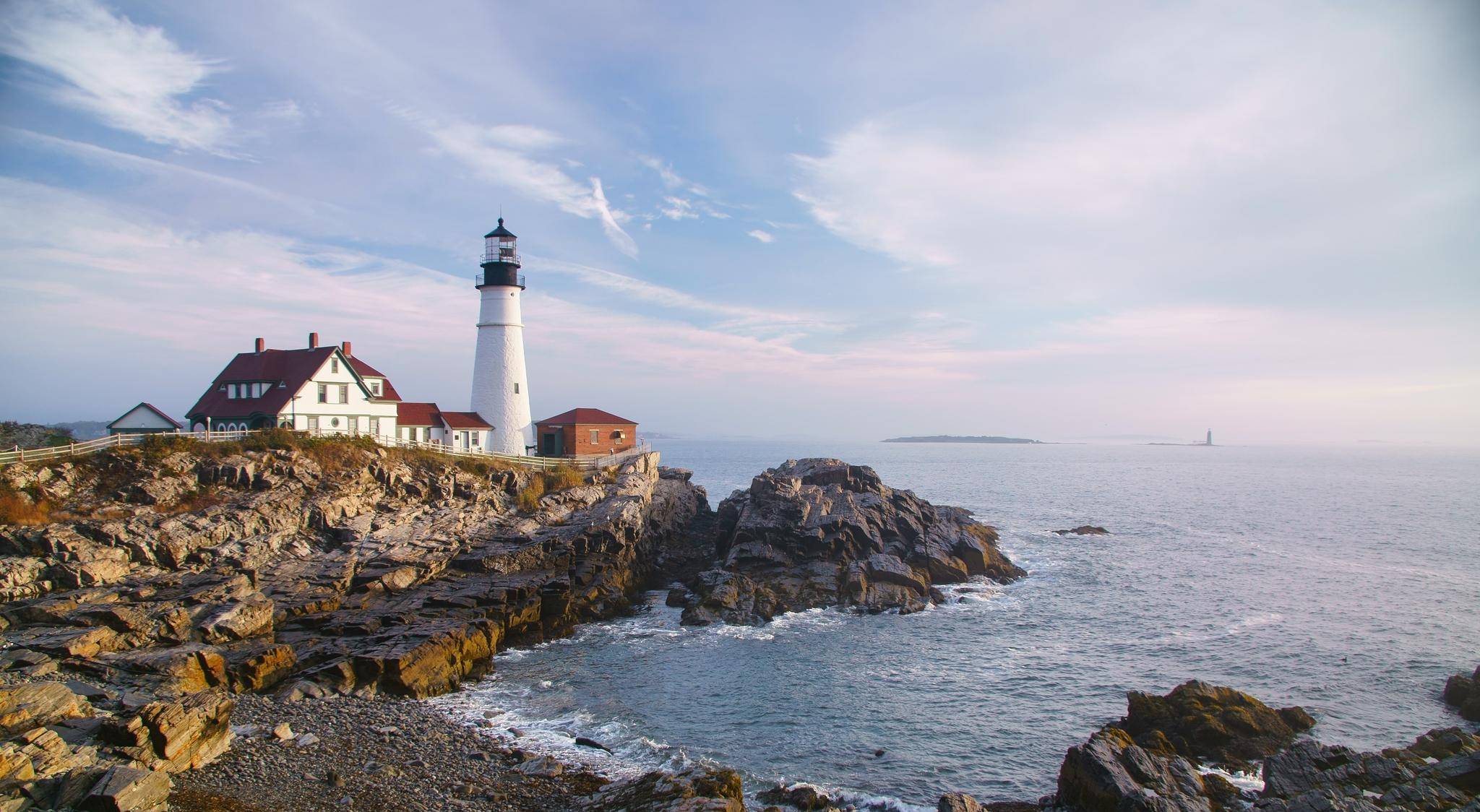
On the trail of the Pilgrim Fathers – road trip along the Atlantic coast
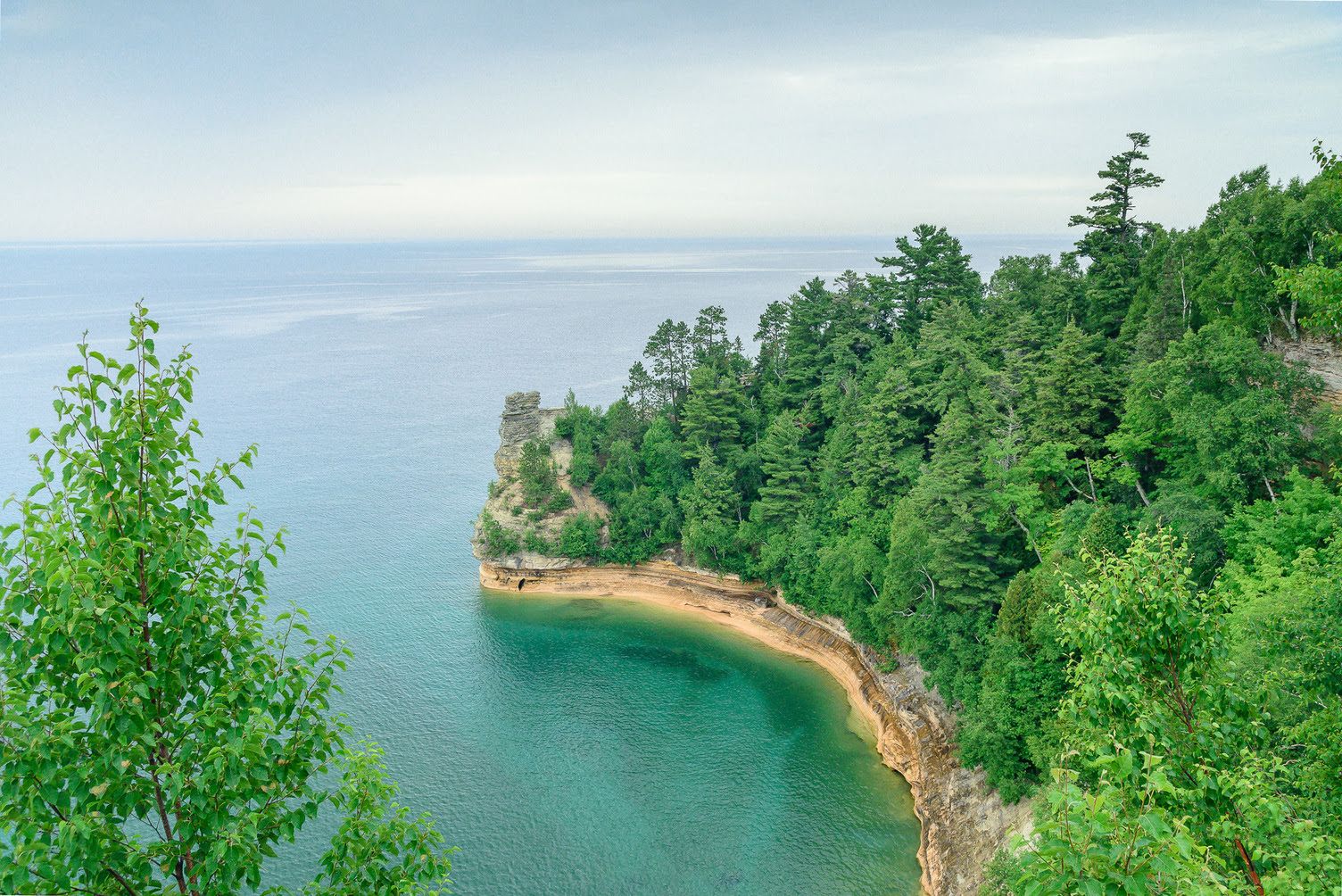
Great North Music Tour – hiking in the footsteps of music legends
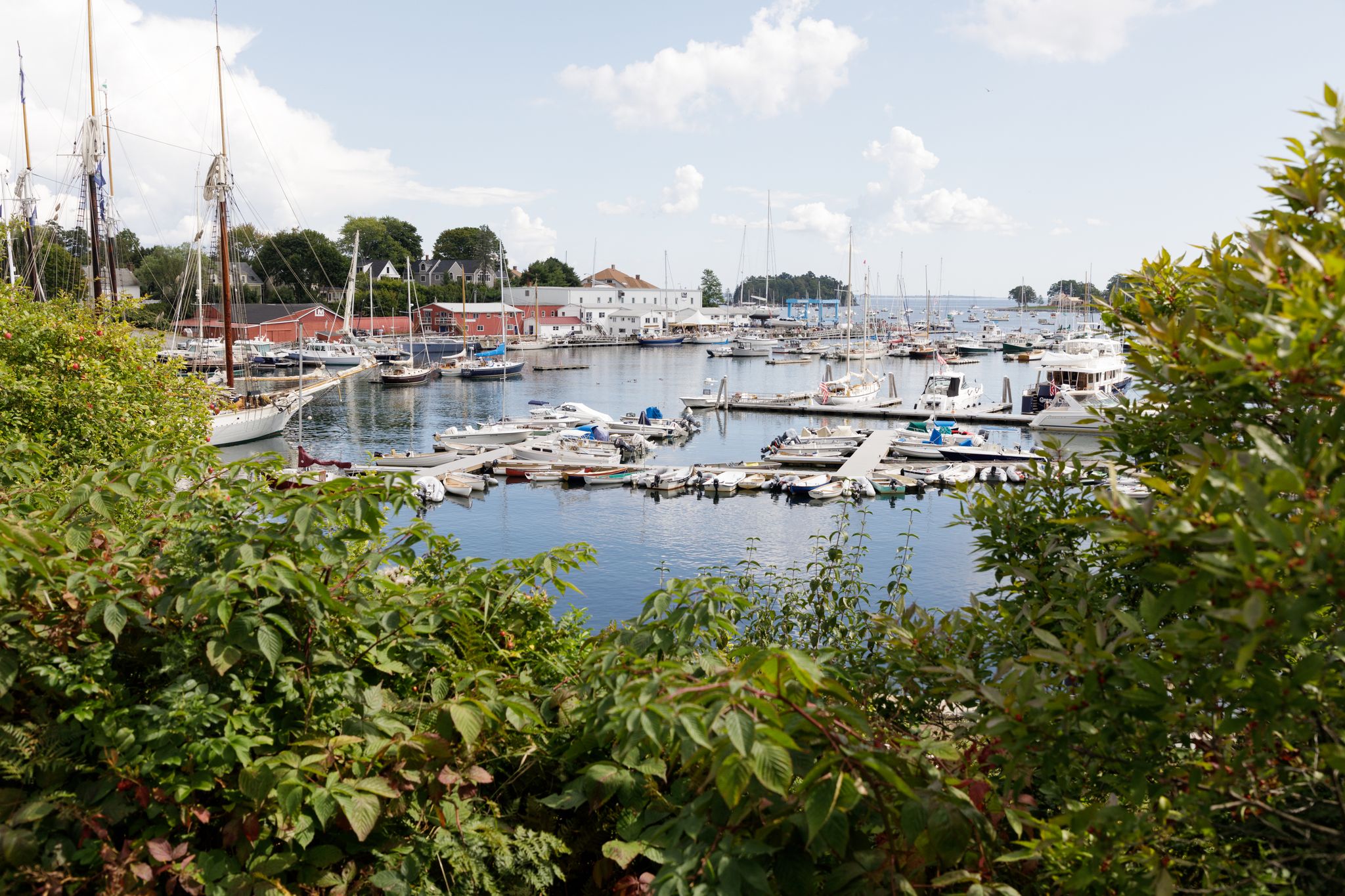
New England – vibrant cities, picturesque coastlines and wild mountain landscapes
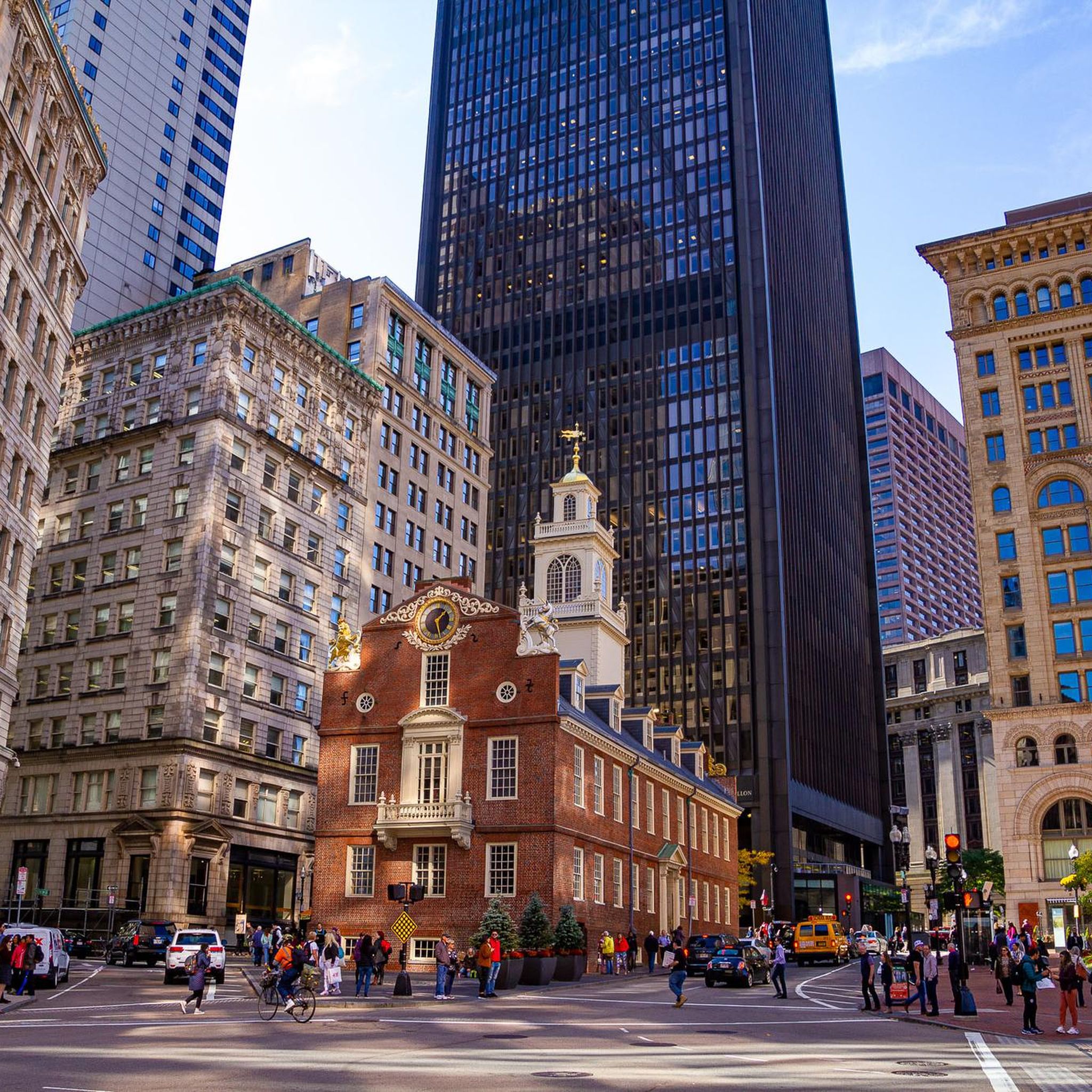
Hiking around Boston
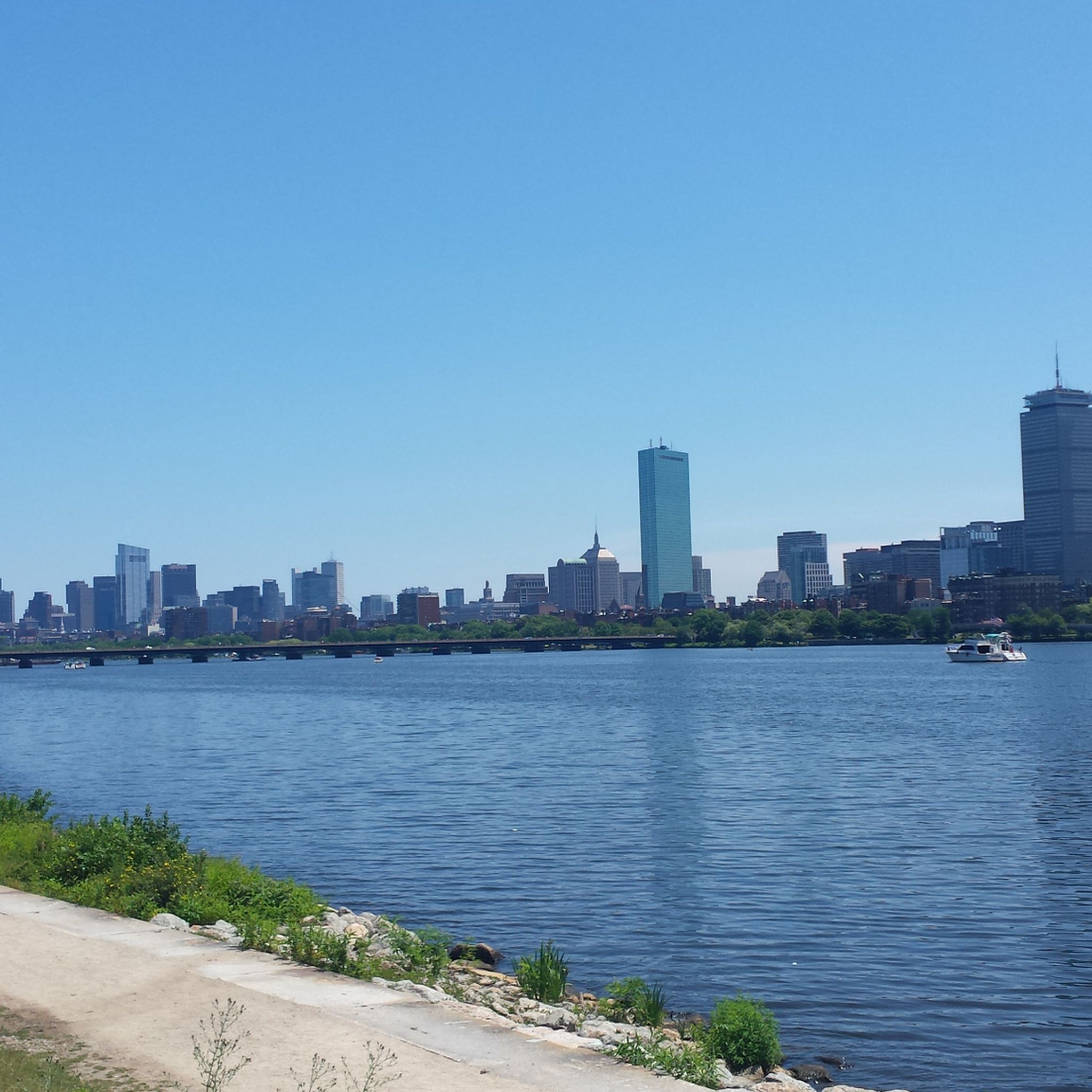
Cycling around Boston
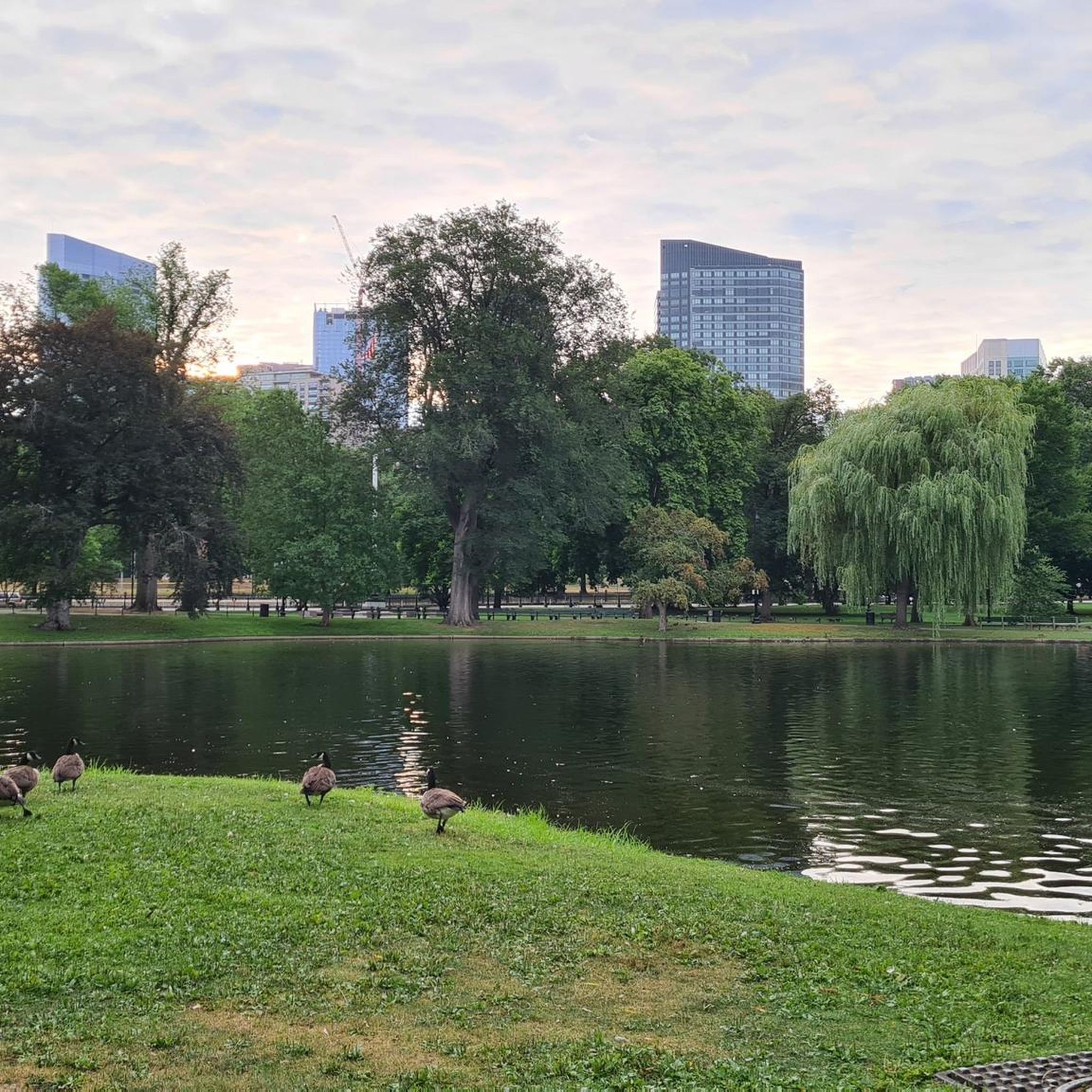
Running Trails around Boston
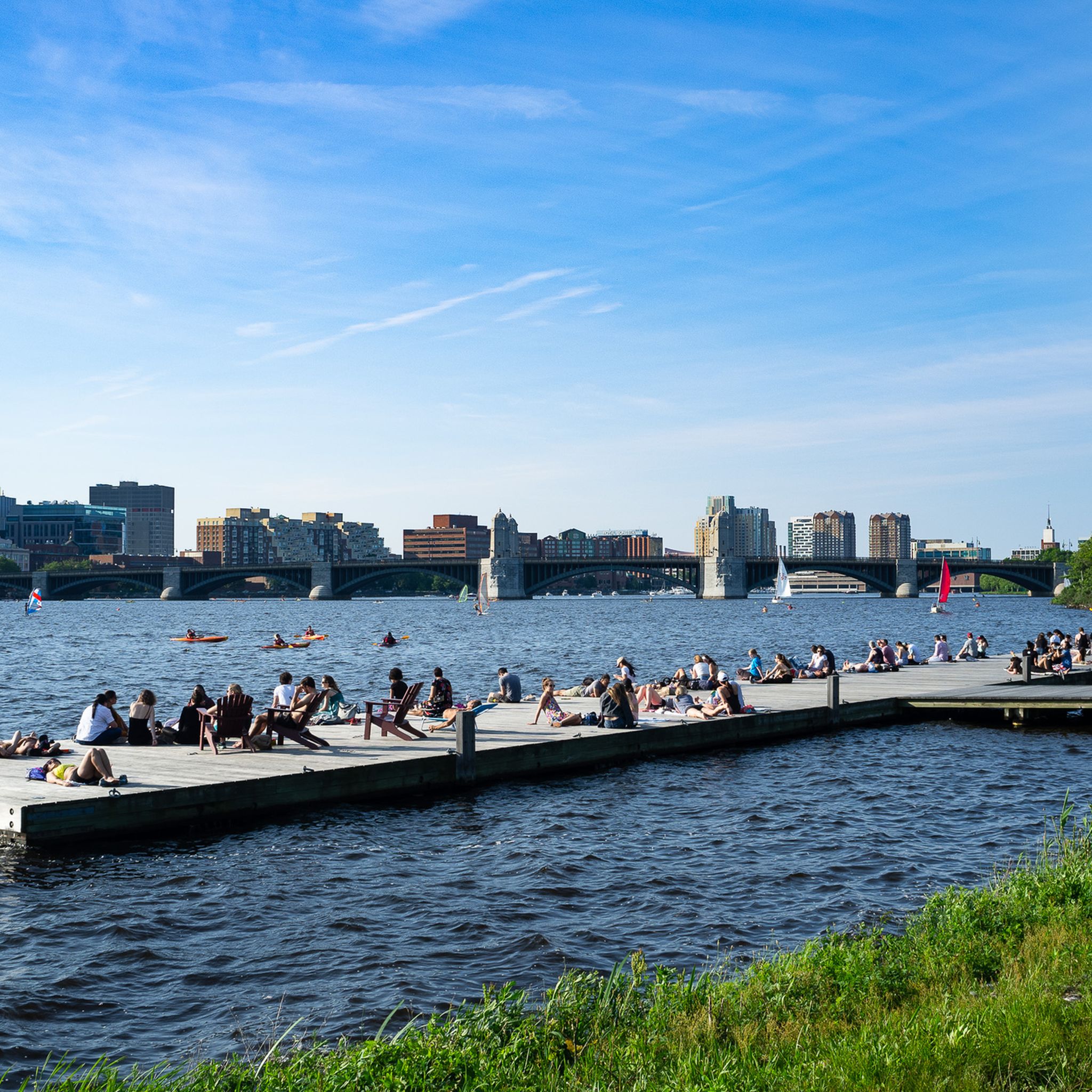
Road Cycling Routes around Boston
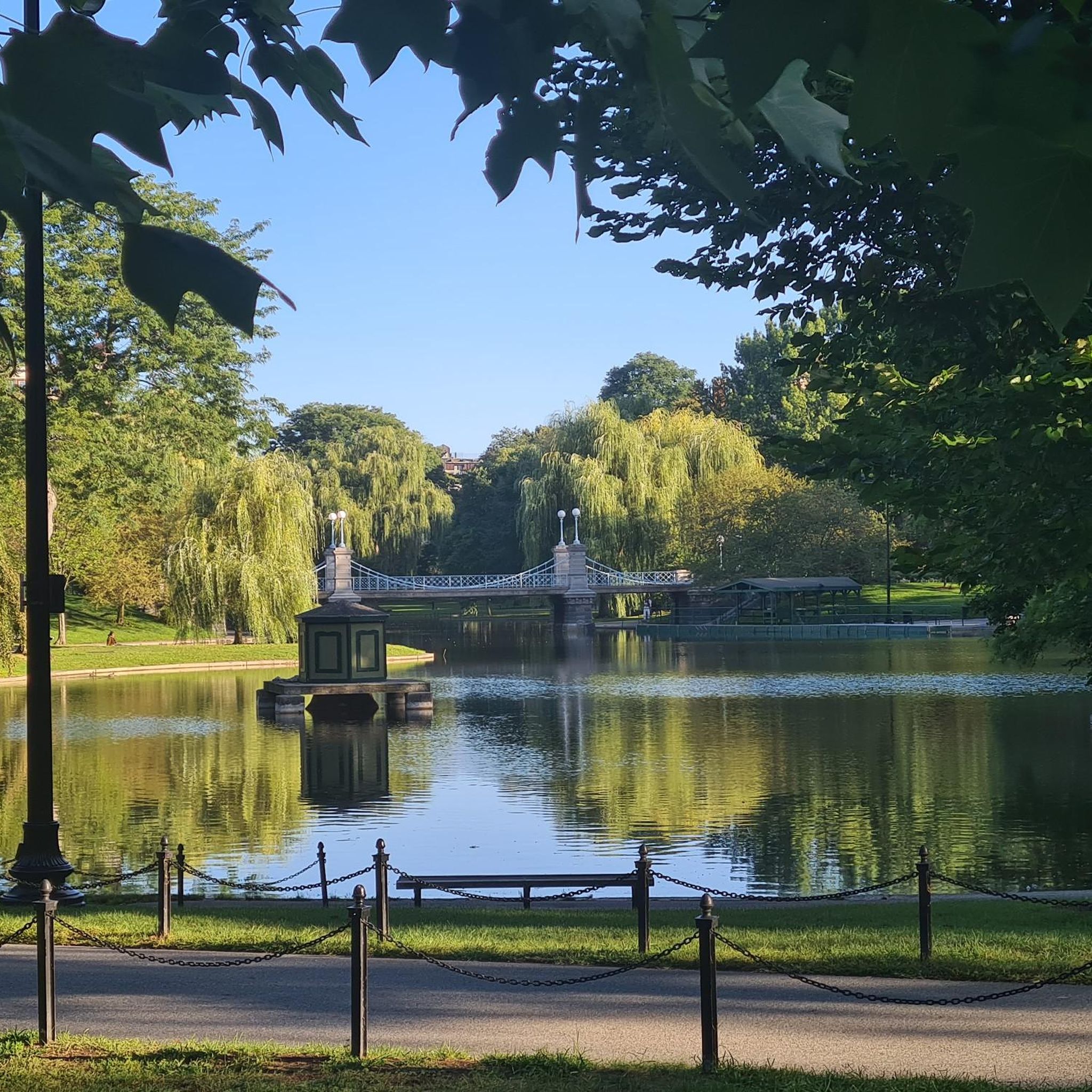
Gravel biking around Boston
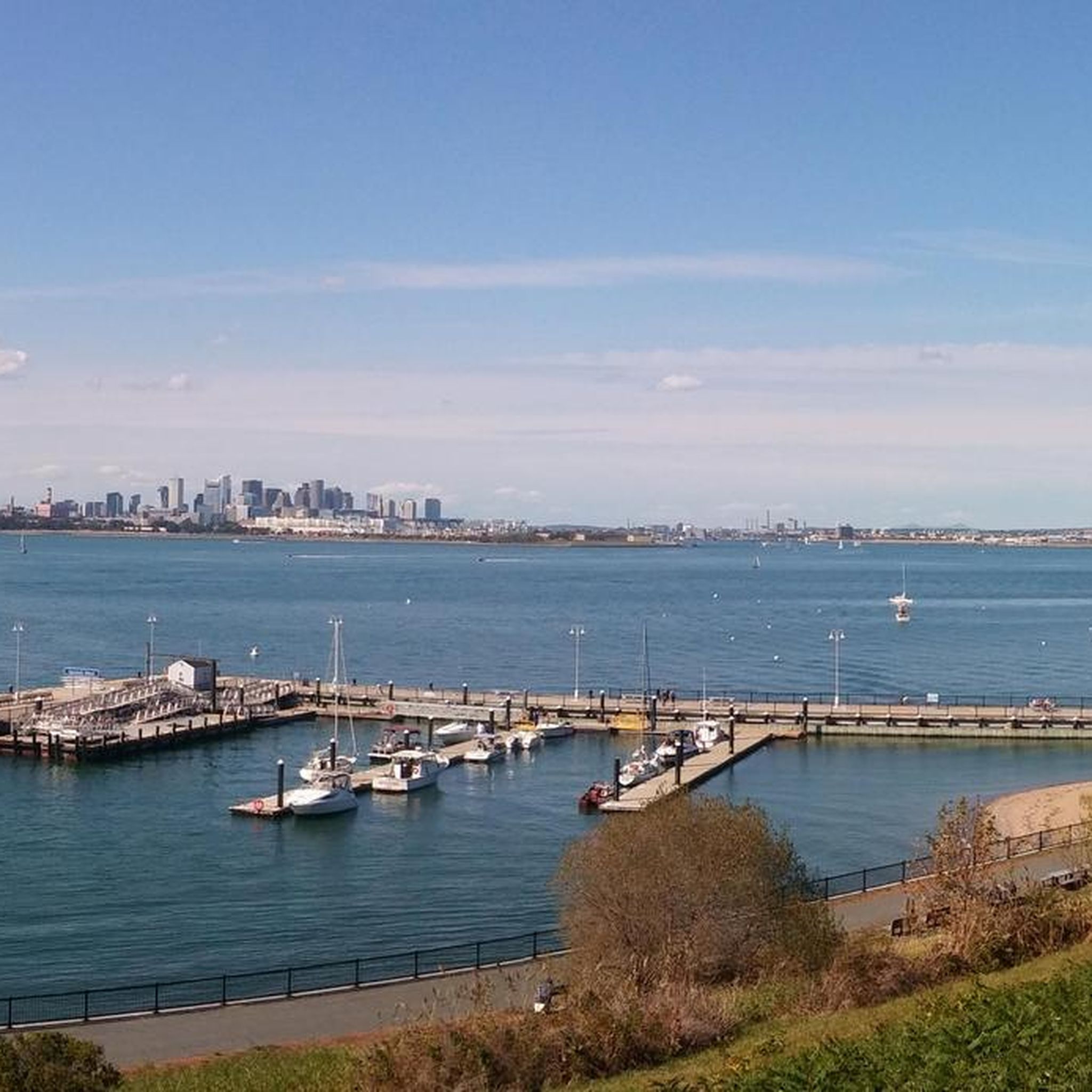
MTB Trails around Boston
Other adventures around Boston

Tips from the Community

Spy Pond is a 103-acre freshwater kettle pond located in Arlington, Massachusetts. It formed thousands of years ago during the last Ice Age and is part of the Mystic River watershed. The pond is bordered by Spy Pond Park, which features a playground, picnic areas, and walking paths. The Minuteman Bikeway runs nearby, providing easy access for cyclists and pedestrians. Spy Pond is also a habitat for various wildlife, including fish, birds, and aquatic plants, making it a popular natural area within the suburban landscape of Greater Boston.
2
0

The ‘Old South Meeting House’ was built in 1729 by the Puritan founding community. Before the revolt against the British colonial power, the place became a meeting place for discussions and protests. On the night of December 16, 1773, around 5,000 settlers gathered there to protest against a tea tax. This led to the “Boston Tea Party,” in which a large amount of imported tea was destroyed on ships in the harbor. As punishment, the colonial power occupied Boston, closed the harbor and restricted public meetings. The ‘Old South Meeting House’ was used by the British troops as a stable. The British withdrew from Boston in March 1776. However, it was not until 1783 that the community was able to use ‘Old South’ as a place of worship again. https://www.nps.gov/bost/learn/historyculture/osmh.htm
2
0
The Town House, built in 1713, served as a trading exchange on the ground floor. The second floor served as the seat of the colonial and later state government in the 18th century. From the balcony of this building, Bostonians heard the royal proclamations from London; it was also here that the Declaration of Independence, announcing the birth of a new nation, was first signed. https://www.nps.gov/bost/learn/historyculture/osh.htm
2
0
The "new" and current 'State House' on Beacon Hill has served as the seat of the Massachusetts government since its opening in 1798. It houses the legislative and executive branches of government. https://www.nps.gov/places/massachusetts-state-house.htm
2
0
The Boston Common is a public park in downtown Boston. The Common was founded in 1634 and today covers 20 acres of land. The area was used for various purposes until it was officially converted into a public park in the 1830s and grazing was banned. https://friendsofthepublicgarden.org/our-parks/the-common/
2
0

If there any possibility please visit the chamber. Book a tour some weeks before during the Sommer month
0
1
Frequently Asked Questions
What historical sites can I explore in Boston?
Boston is rich in history, particularly related to the American Revolution. You can walk the Freedom Trail, which connects 16 significant sites. Key stops include the Old State House and Boston Massacre Site, the Old South Meeting House, Faneuil Hall, Paul Revere House, and the Old North Church. The trail concludes at the Bunker Hill Monument and the USS Constitution in the Charlestown Navy Yard.
Where can I find green spaces and parks in Boston?
Boston offers several beautiful green spaces. The Boston Common is America's oldest public park, perfect for strolling. Adjacent to it is the Boston Public Garden, known for its picturesque landscaping and Swan Boats. The Charles River Esplanade provides walking and biking paths with skyline views, and the Arnold Arboretum offers significant green space for horticultural exploration. For a larger natural area, consider Spy Pond in Arlington, which features a park with walking paths.
What outdoor activities are available near Boston?
You can enjoy a variety of outdoor activities. For hiking, explore routes like the Charles River Pathway Short Loop or Boston Harbor and Castle Island. If you're interested in mountain biking, guides like 'MTB Trails around Boston' feature routes such as the Western Greenway Loop. Many of these activities are accessible from the city. You can find more details on specific routes in the Hiking around Boston guide or the MTB Trails around Boston guide.
Are there family-friendly attractions in Boston?
Yes, Boston has many family-friendly options. The Boston Common and Boston Public Garden are great for outdoor play. The Museum of Science offers interactive exhibits for all ages, and the Franklin Park Zoo is home to numerous animals. The Boston Tea Party Ships & Museum provides an engaging, interactive experience of a pivotal historical event. Many historical sites along the Freedom Trail are also suitable for families.
What cultural institutions does Boston offer?
Boston's cultural scene is vibrant. The Museum of Fine Arts (MFA) houses an extensive art collection, while the Isabella Stewart Gardner Museum offers a unique experience in a Venetian-style palace. The Museum of Science features interactive exhibits, and the Boston Public Library is an architectural gem. For modern art, visit the Institute of Contemporary Art (ICA) on the harbor. The John F. Kennedy Presidential Library & Museum is dedicated to the 35th U.S. President's legacy.
What is the best way to experience Boston's historic landmarks?
The most popular way to experience Boston's historic landmarks is by walking the Freedom Trail. This 2.5-mile path connects 16 historically significant sites, allowing you to immerse yourself in the city's revolutionary past at your own pace. Many of these sites, including the Massachusetts State House and the Old State House, are easily accessible on foot.
Can I find dog-friendly outdoor spaces in Boston?
Yes, Boston offers several dog-friendly outdoor spaces. The Boston Common is a popular spot for dog walking. Many parks along the Boston Harborwalk and the Charles River Esplanade also welcome leashed dogs. For more expansive natural experiences, consider exploring trails in areas like the Boston Harbor Islands National and State Park, though specific regulations may apply to certain islands.
What are some scenic waterfront areas to visit in Boston?
Boston boasts beautiful waterfront areas. The Boston Harborwalk is a scenic promenade connecting parks, piers, and cultural attractions, offering excellent views of the city and harbor. The Charles River Esplanade provides parks with walking and biking paths and great views of the Boston skyline. For a more extensive experience, the Boston Harbor Islands National and State Park comprises 34 islands and peninsulas with hiking trails and beaches.
How can I learn about Boston's African American history?
To delve into African American history in Boston, you can explore the Black Heritage Trail. This trail highlights significant sites related to the city's 19th-century African American community. Additionally, the Museum of African American History, which includes the African Meeting House, is an essential visit for understanding this crucial aspect of Boston's past.
What is the best time to visit Boston for outdoor activities?
The best time to visit Boston for outdoor activities is typically during the spring (April-May) and fall (September-October). During these seasons, the weather is generally mild and pleasant, ideal for walking the Freedom Trail, exploring parks like the Boston Common, or enjoying the Charles River Esplanade. Fall foliage in particular offers stunning scenic views.
Are there attractions accessible by public transport in Boston?
Many of Boston's major attractions are easily accessible by public transport. The Freedom Trail, which includes sites like the Old State House and the Massachusetts State House, is well-served by the MBTA (subway and bus system). Major museums, Fenway Park, and areas like Copley Square are also conveniently located near public transport stops.
What do visitors enjoy most about Boston's attractions?
Visitors frequently praise Boston's rich historical significance, particularly the well-preserved sites of the American Revolution. The blend of historical landmarks with beautiful urban green spaces like the Boston Common and scenic waterfronts is also highly appreciated. The city's walkability and the ability to easily explore diverse neighborhoods and cultural institutions are often highlighted as key enjoyable aspects.
Most popular routes around Boston
Most popular attractions around Boston

Get inspired with the komoot mobile app


Explore more
Still not found the Highlight you’re looking for? See guides of the top attractions in other regions:
