Attractions and Places To See around Newton - Top 20
Best attractions and places to see around Newton, Massachusetts, encompass a variety of historical landmarks, natural features, and cultural sites. The area is characterized by its rich history, including colonial architecture and significant sites related to American heritage. Visitors can explore numerous green spaces, lakes, and riverfronts, providing opportunities for outdoor activities. Newton also features diverse cultural institutions and educational campuses, contributing to its dynamic environment.
Best attractions and places to see around Newton
- The most popular attraction is Boston Common, a forest area described as the green heart of downtown Boston. It is America's oldest public park, offering space for strolling and various activities.
- Another must-see spot is Old State House and Boston Massacre Site, a historical site. This building, completed in 1713, is a symbol of colonial America and witnessed the Boston Massacre.
- Visitors also love Massachusetts State House, a historical site. This iconic neoclassical building, completed in 1798, features a gold dome and serves as the seat of state government.
- Newton is known for its historical landmarks, natural areas, and cultural institutions. The region offers a variety of attractions to see and explore, from colonial homes to museums and parks.
- The attractions around Newton are appreciated by the komoot community, with 180 upvotes and 67 photos shared.
Last updated: August 11, 2026
Old State House and Boston Massacre Site
Highlight • Historical Site
Tip by

Boston Common
Highlight • Forest
Translated by Google •
Tip by

Sign up now to discover places like this
Get recommendations on the best single tracks, peaks, & plenty of other exciting outdoor places.
Sign up for free
Massachusetts State House
Highlight • Historical Site
Tip by
Old South Meeting House
Highlight • Historical Site
Tip by
Spy Pond
Highlight • Lake
Tip by

Sign up for free to discover even more attractions around Newton.
Sign up for free
Already have an account?
Start today with a free account
Your next adventure awaits.
Login or Signup

Tips from the Community

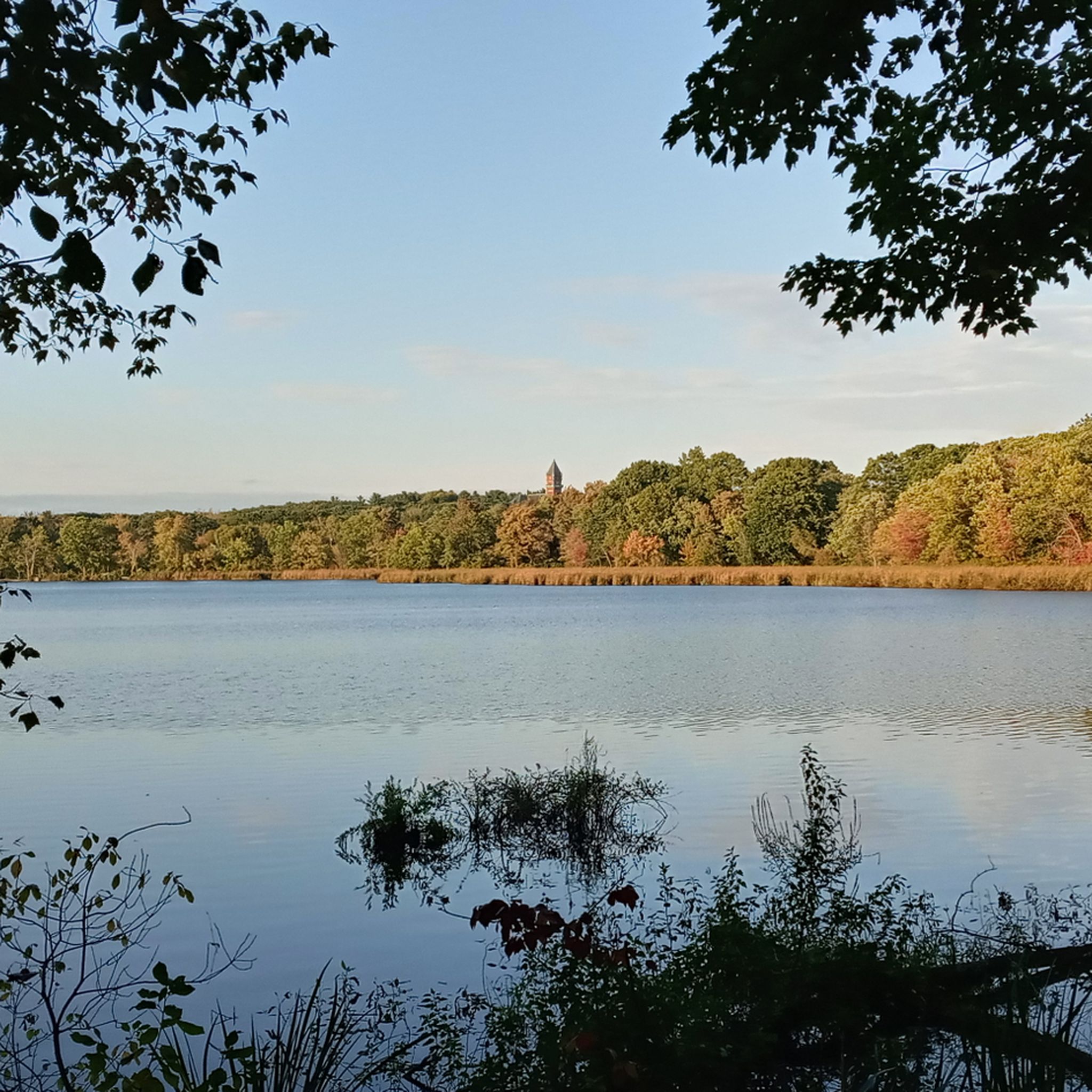
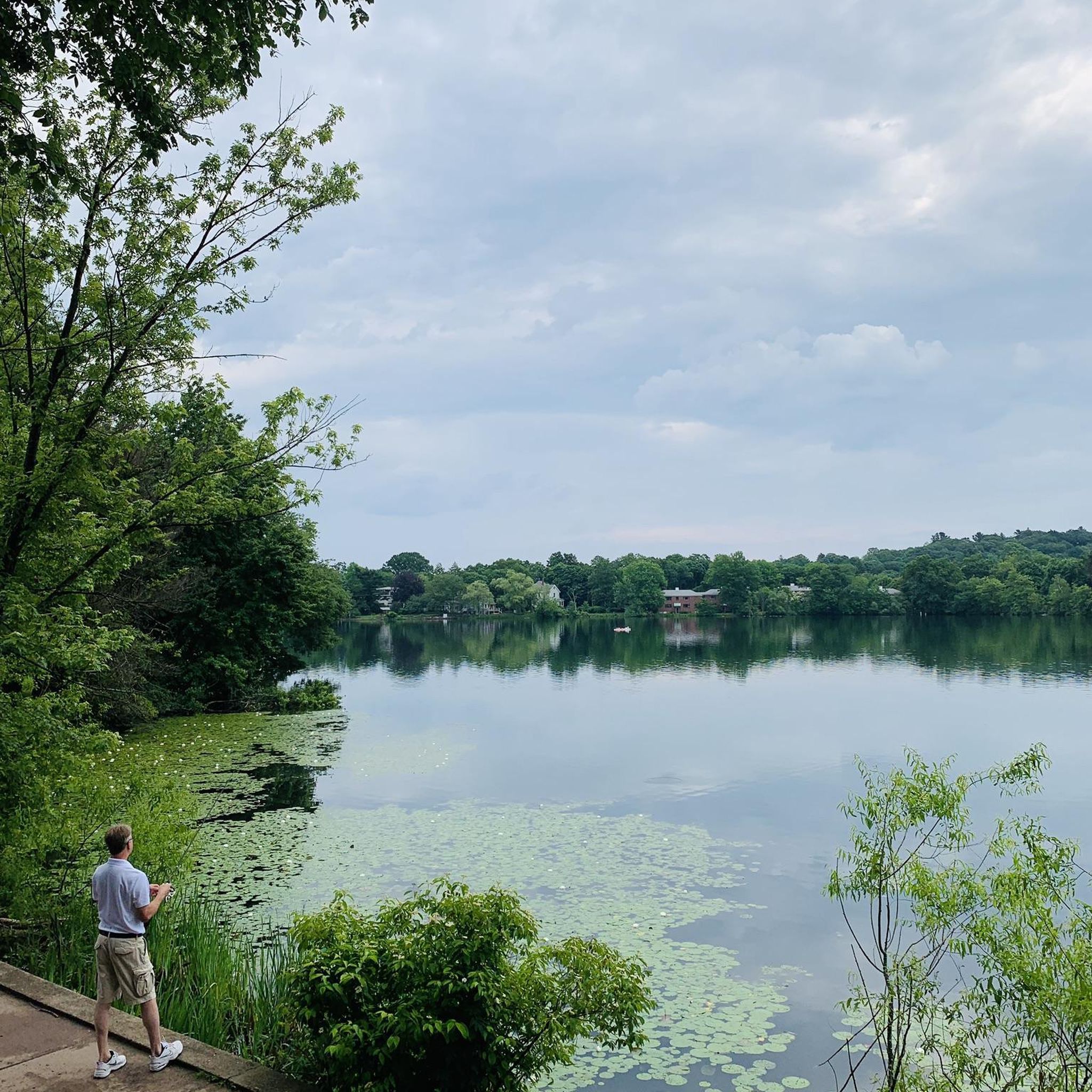
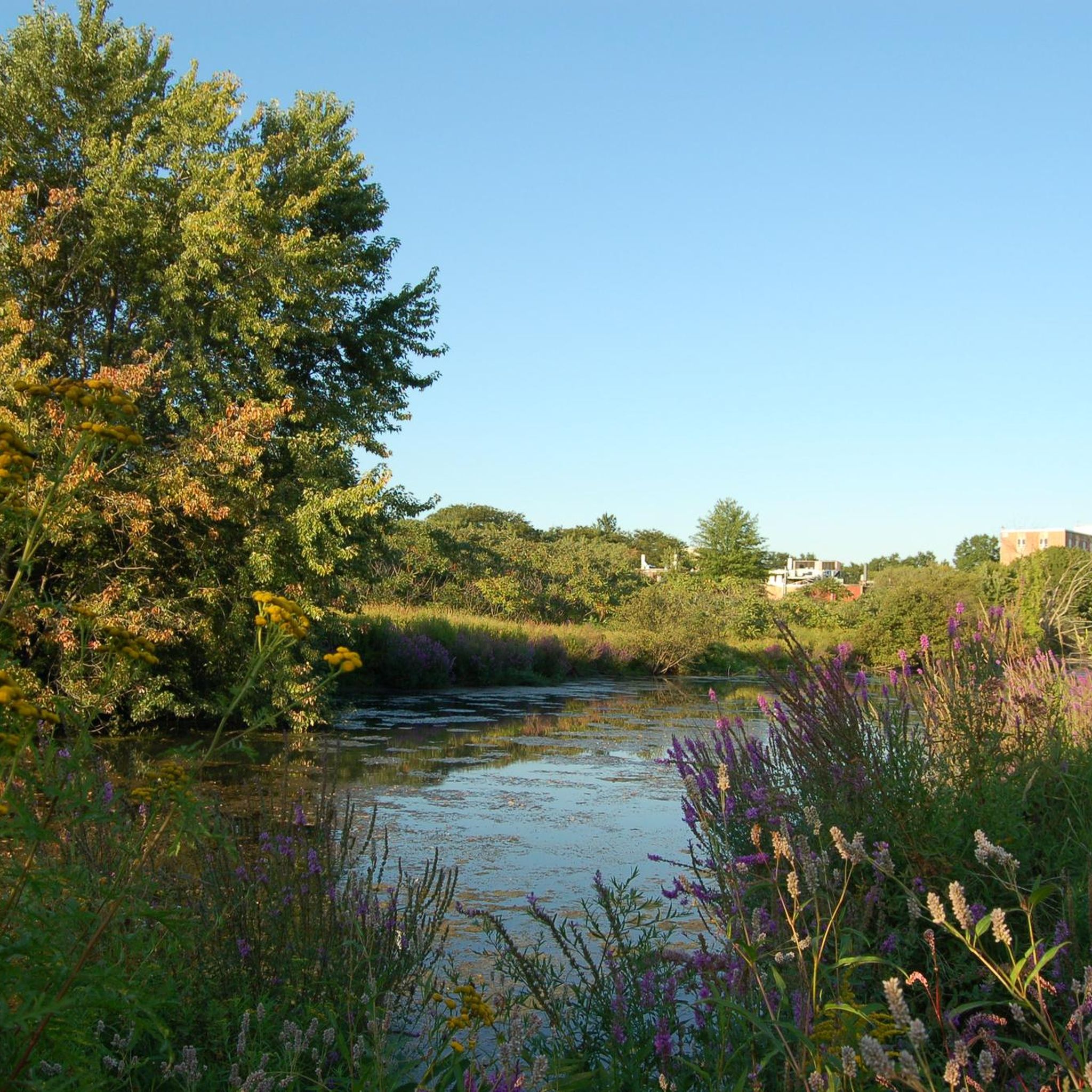
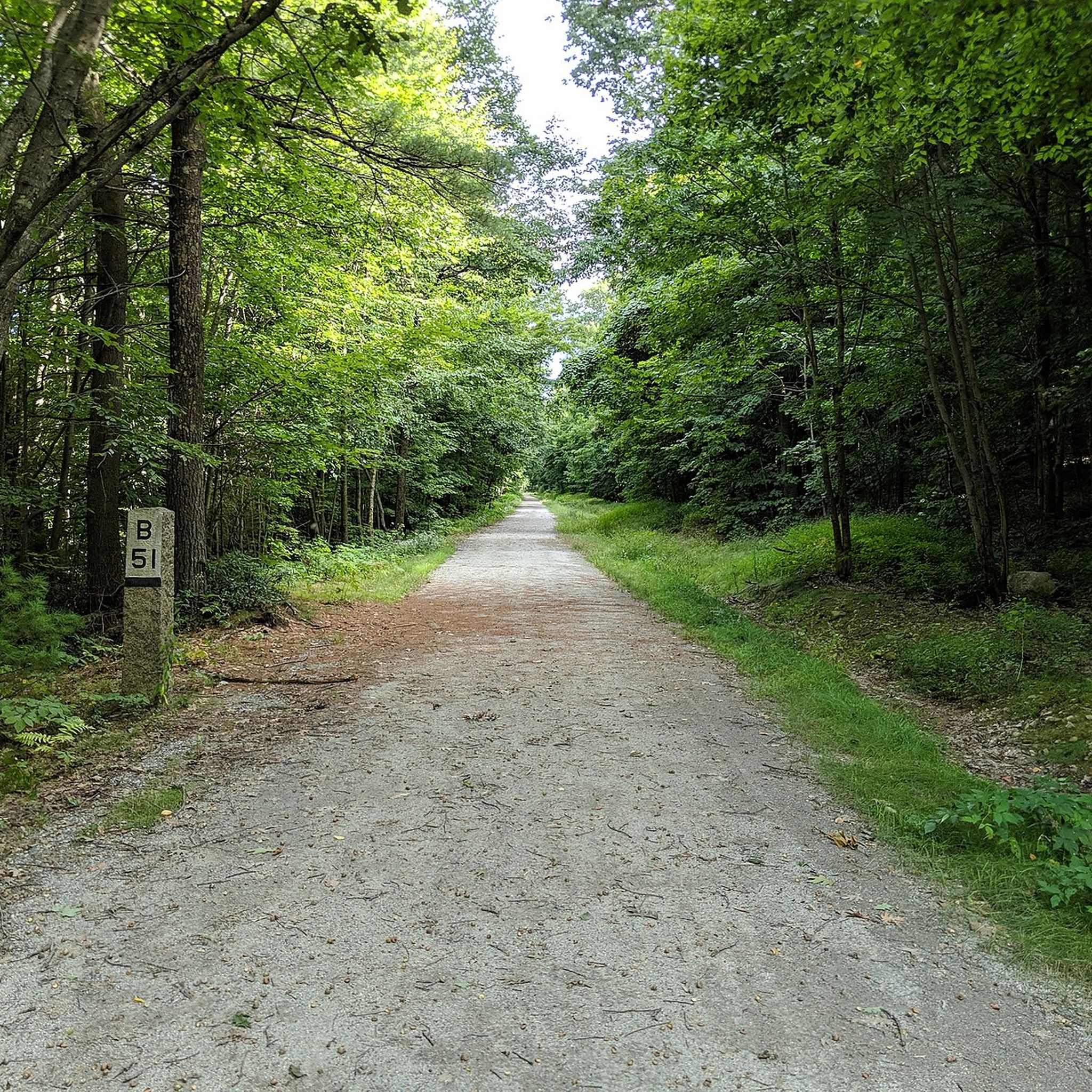
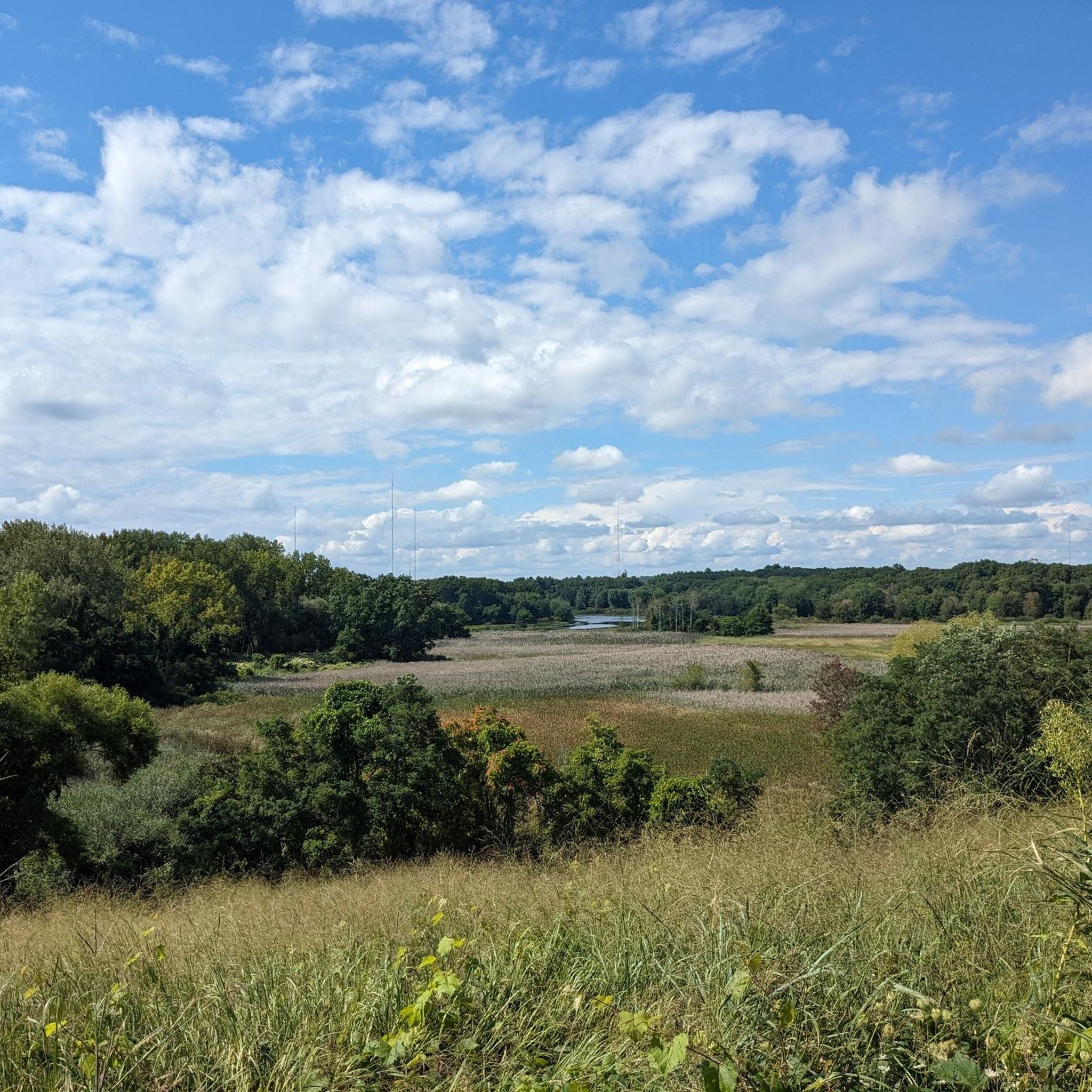
Spy Pond is a 103-acre freshwater kettle pond located in Arlington, Massachusetts. It formed thousands of years ago during the last Ice Age and is part of the Mystic River watershed. The pond is bordered by Spy Pond Park, which features a playground, picnic areas, and walking paths. The Minuteman Bikeway runs nearby, providing easy access for cyclists and pedestrians. Spy Pond is also a habitat for various wildlife, including fish, birds, and aquatic plants, making it a popular natural area within the suburban landscape of Greater Boston.
2
0

The ‘Old South Meeting House’ was built in 1729 by the Puritan founding community. Before the revolt against the British colonial power, the place became a meeting place for discussions and protests. On the night of December 16, 1773, around 5,000 settlers gathered there to protest against a tea tax. This led to the “Boston Tea Party,” in which a large amount of imported tea was destroyed on ships in the harbor. As punishment, the colonial power occupied Boston, closed the harbor and restricted public meetings. The ‘Old South Meeting House’ was used by the British troops as a stable. The British withdrew from Boston in March 1776. However, it was not until 1783 that the community was able to use ‘Old South’ as a place of worship again. https://www.nps.gov/bost/learn/historyculture/osmh.htm
2
0
The Town House, built in 1713, served as a trading exchange on the ground floor. The second floor served as the seat of the colonial and later state government in the 18th century. From the balcony of this building, Bostonians heard the royal proclamations from London; it was also here that the Declaration of Independence, announcing the birth of a new nation, was first signed. https://www.nps.gov/bost/learn/historyculture/osh.htm
2
0
The "new" and current 'State House' on Beacon Hill has served as the seat of the Massachusetts government since its opening in 1798. It houses the legislative and executive branches of government. https://www.nps.gov/places/massachusetts-state-house.htm
2
0
The Boston Common is a public park in downtown Boston. The Common was founded in 1634 and today covers 20 acres of land. The area was used for various purposes until it was officially converted into a public park in the 1830s and grazing was banned. https://friendsofthepublicgarden.org/our-parks/the-common/
2
0

If there any possibility please visit the chamber. Book a tour some weeks before during the Sommer month
0
1
Frequently Asked Questions
What historical landmarks can I explore in and around Newton?
Newton and its vicinity are rich in history. You can visit the Old State House and Boston Massacre Site, a pivotal location in American history, or the iconic Massachusetts State House with its gleaming gold dome. Another significant site is the Old South Meeting House, where the Boston Tea Party was planned. Beyond these, Newton itself boasts the Jackson Homestead and Museum, a former Underground Railroad stop, and the Durant-Kenrick House and Grounds, offering a glimpse into colonial life.
Are there natural areas or parks for outdoor enjoyment in Newton?
Absolutely. The Boston Common, America's oldest public park, is a wonderful green space for strolling. You can also enjoy the tranquil Spy Pond, a kettle pond with walking paths and wildlife. Other natural features include the Charles River Greenway, perfect for walks and discovering hidden bridges, and the Hemlock Gorge Reservation, home to the historic Echo Bridge.
What family-friendly attractions are available in Newton?
Many attractions in Newton are suitable for families. The Boston Common offers open space for activities and is a great starting point for the Freedom Trail. Historical sites like the Old State House and Old South Meeting House provide educational experiences. For outdoor fun, Spy Pond features a playground and picnic areas, and the Charles River Greenway is ideal for leisurely walks.
Can I find hiking trails near Newton?
Yes, Newton offers several hiking opportunities. You can explore easy trails like Cold Spring Park, Marty Sender Greenway, and Sudbury Aqueduct Path. For more options and detailed routes, check out the Hiking around Newton guide.
Are there any cultural sites or museums in Newton?
Newton has a vibrant cultural scene. The Armenian Museum of America is dedicated to preserving Armenian history and culture. You can also visit The Plumbing Museum, uniquely housed in a restored ice house. The Newton Cultural Alliance, located in The Allen Center, hosts various artistic and cultural events throughout the year.
What are some unique architectural sites to see in Newton?
Newton is home to several architectural gems. The Newton City Hall showcases Georgian Revival and Colonial Revival styles. The First Baptist Church in Newton Centre is known for its stunning Richardsonian Romanesque architecture. You can also find some of the region's oldest homes, such as the Hammond House (estimated 1645) and the John Woodward House (1686), which exemplify First Period, Colonial, and Georgian styles.
Where can I go for a run or bike ride near Newton?
Newton provides excellent options for running and biking. For running, you can find routes around the Chestnut Hill Reservoir or along the Charles Riverfront Path. Cyclists can enjoy gravel biking routes like the Battle Road and Minuteman Bikeway Loop. More detailed routes are available in the Running Trails around Newton and Gravel biking around Newton guides.
Are there any hidden gems or less-known spots worth visiting in Newton?
Beyond the main attractions, consider exploring the historic burying grounds, such as Newton's First Cemetery, which offer a quiet historical interest. The various historic districts and villages within Newton, like Auburndale and Chestnut Hill, each have their own unique character and numerous places listed on the National Register of Historic Places, providing a deeper dive into local history.
What is the best time of year to visit Newton attractions?
Newton's attractions can be enjoyed year-round. Spring and fall offer pleasant weather for exploring historical sites and natural areas like the Charles River Greenway. Summer is ideal for outdoor activities around Spy Pond and the Boston Common. Even in winter, some parks and indoor museums remain accessible, and the city's charm persists.
Are there any attractions related to the Underground Railroad in Newton?
Yes, the Jackson Homestead and Museum in Newton is a significant landmark that served as a crucial stop on the Underground Railroad. It now operates as a museum, showcasing local history, African American heritage, and social justice, offering a profound historical experience.
What do visitors enjoy most about the attractions around Newton?
Visitors particularly appreciate the blend of historical significance and natural beauty. The Boston Common is loved for being the 'green heart of downtown Boston,' perfect for strolling. Historical sites like the Old State House are valued for preserving pivotal moments in American history and their architectural grandeur. The tranquil settings of places like Spy Pond are also highly rated for their scenic beauty and wildlife.
Most popular attractions around Newton

Get inspired with the komoot mobile app


Explore more
Still not found the Highlight you’re looking for? See guides of the top attractions in other regions:
