The 9 Most Amazing Peaks in East Frisia
Best mountain peaks in East Frisia are characterized by the region's largely flat, green, and unforested landscapes, shaped by the North Sea and the Wadden Sea. Traditional mountain peaks are not present here. Instead, the region features notable elevated points such as dunes on its offshore islands and artificial viewing mounds. These elevations provide expansive vistas of the unique coastal and marshland scenery.
Best mountain peaks in East Frisia
- The most popular mountain peaks is Melkhörn Dune (Highest Point on…
Last updated: July 1, 2026
Walter-Großmann-Dune Observation Platform
Highlight • Viewpoint
Translated by Google •
Tip by

Langeoog Water Tower
Highlight • Monument
Translated by Google •
Tip by

Sign up now to discover places like this
Get recommendations on the best single tracks, peaks, & plenty of other exciting outdoor places.
Sign up for free
Melkhörn Dune (Highest Point on Langeoog)
Highlight • Summit
Translated by Google •
Tip by

Knock Lighthouse and Radar Tower
Highlight • Monument
Translated by Google •
Tip by

Kugelberg (Highest Natural Hill in East Frisia)
Highlight • Summit
The Kugelberg is still the best-known (and at around 18 m one of the highest) hills in East Friesland. In the 1950s, when the Hollsand was still …
Translated by Google •
Tip by

Plytenberg
Highlight • Viewpoint
Translated by Google •
Tip by

Dietrich's Berg Summit
Highlight • Summit
Here you stand after a challenging climb 😉 on the summit of a "MOUNTAIN" 15.85 m, which was originally built for the …
Translated by Google •
Tip by

Manningaberg Summit Cross
Highlight • Summit
Translated by Google •
Tip by

View from Friesenhügel
Highlight • Viewpoint
Translated by Google •
Tip by

North Sea passport stamp box - Summit cross Dietrichsberg
Highlight • Summit
Translated by Google •
Tip by

Start today with a free account
Your next adventure awaits.
Login or Signup
Popular around East Frisia
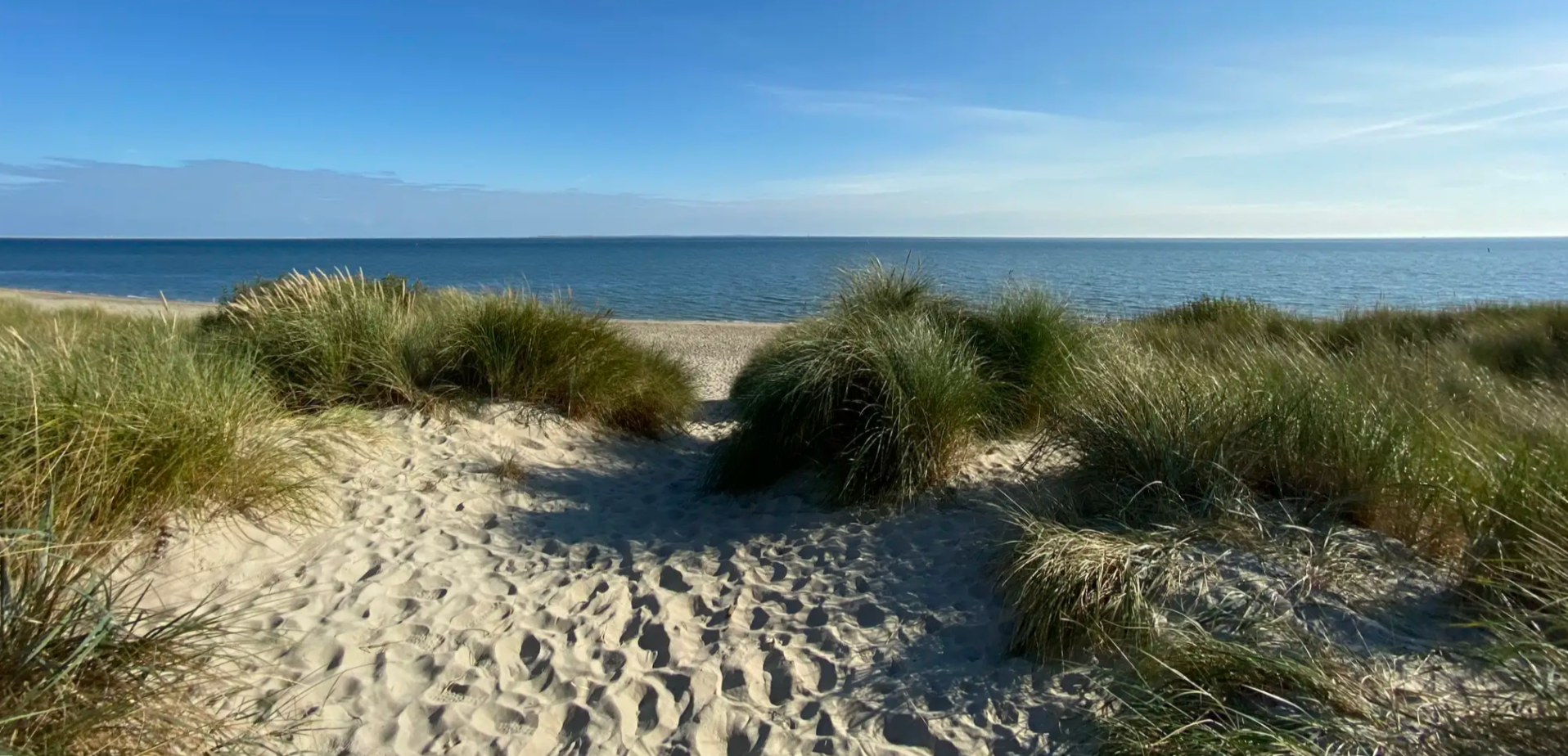
Regional Trail WaddenWalking (SP 04) - Hiking across the Wadden Sea.
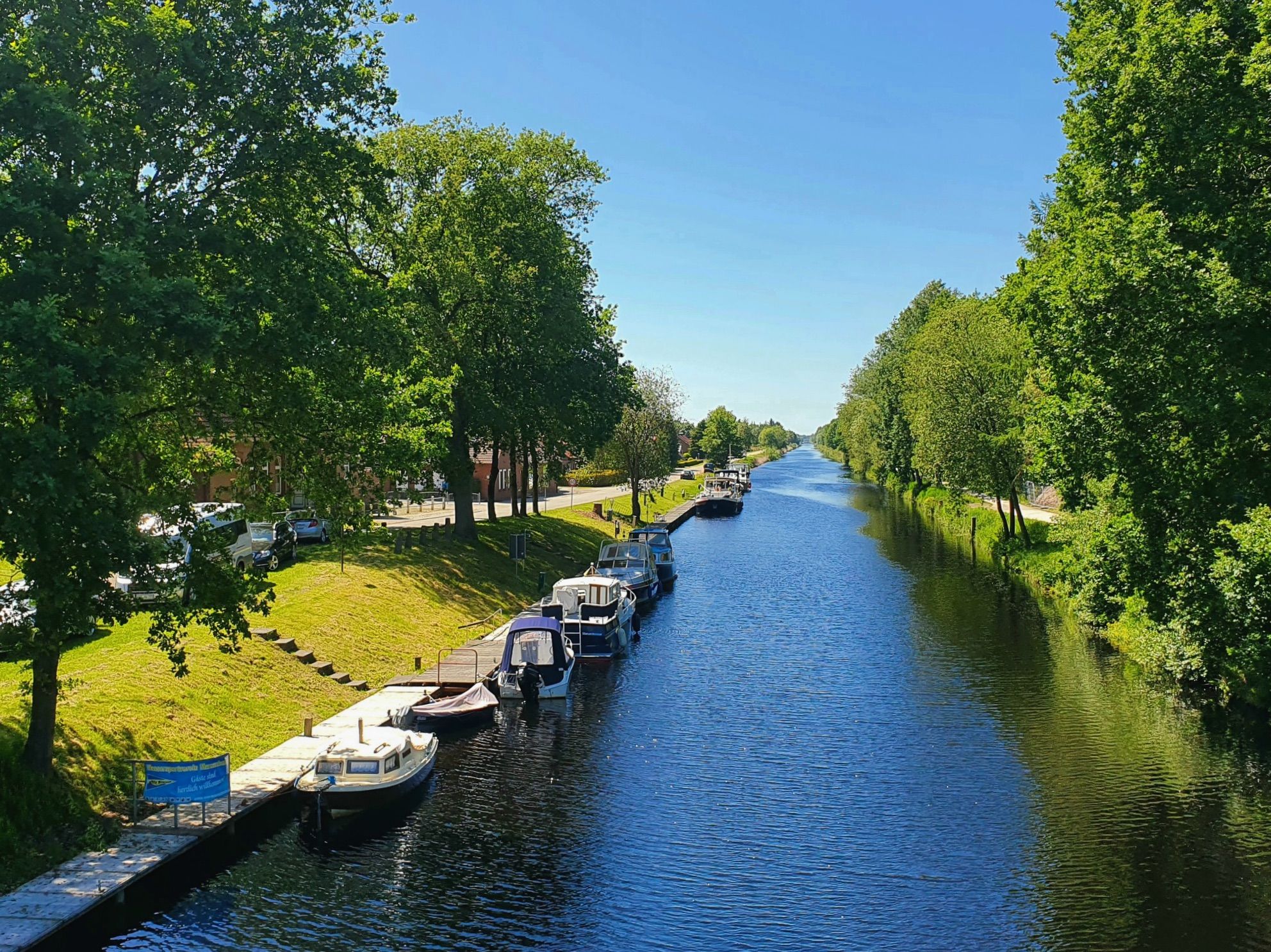
Ems-Jade Trail – Across East Frisia
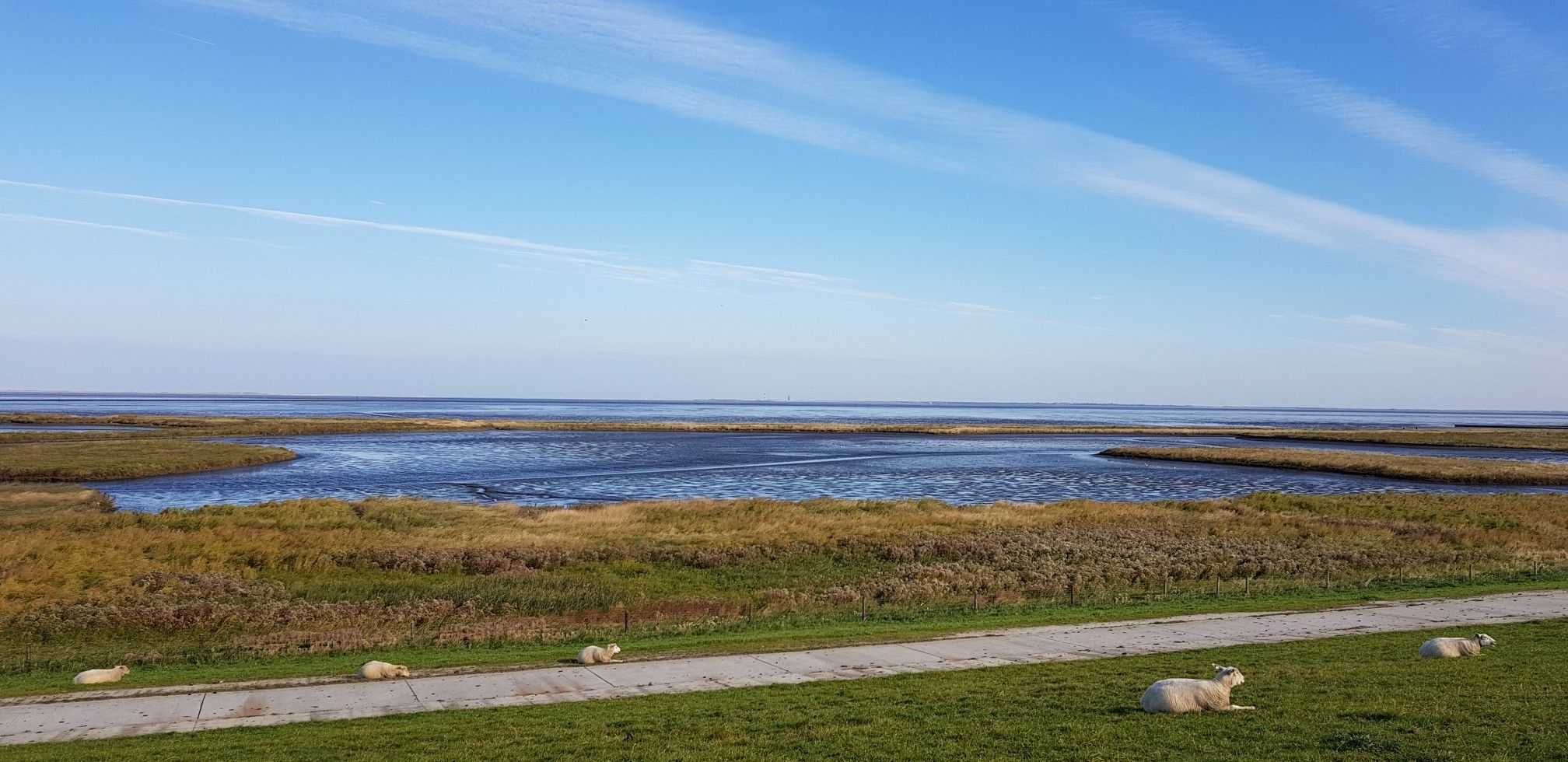
Tour de Fries in Germany — Friesland's most beautiful sides
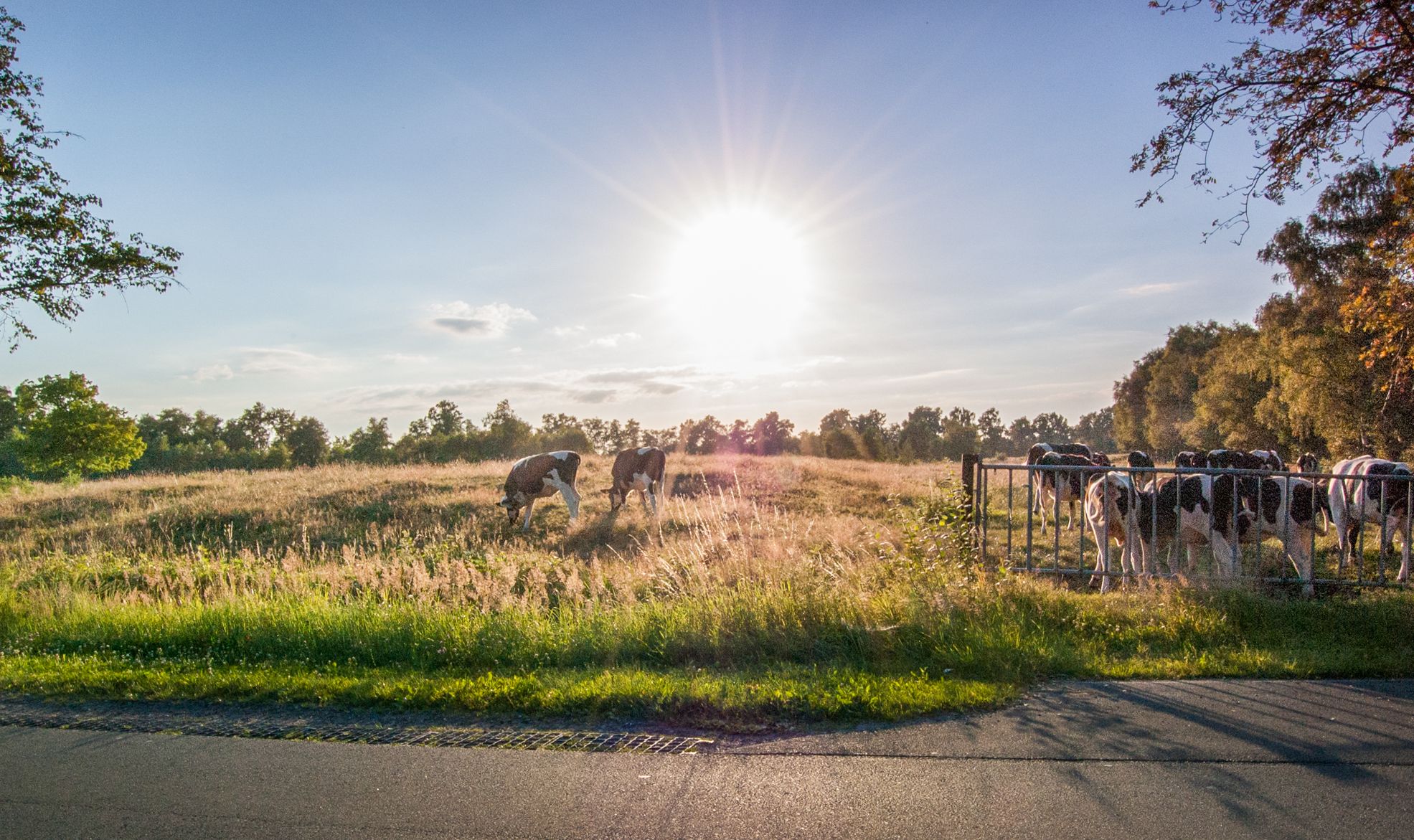
The Jade Trail in Ammerland – Hiking in Northern Germany
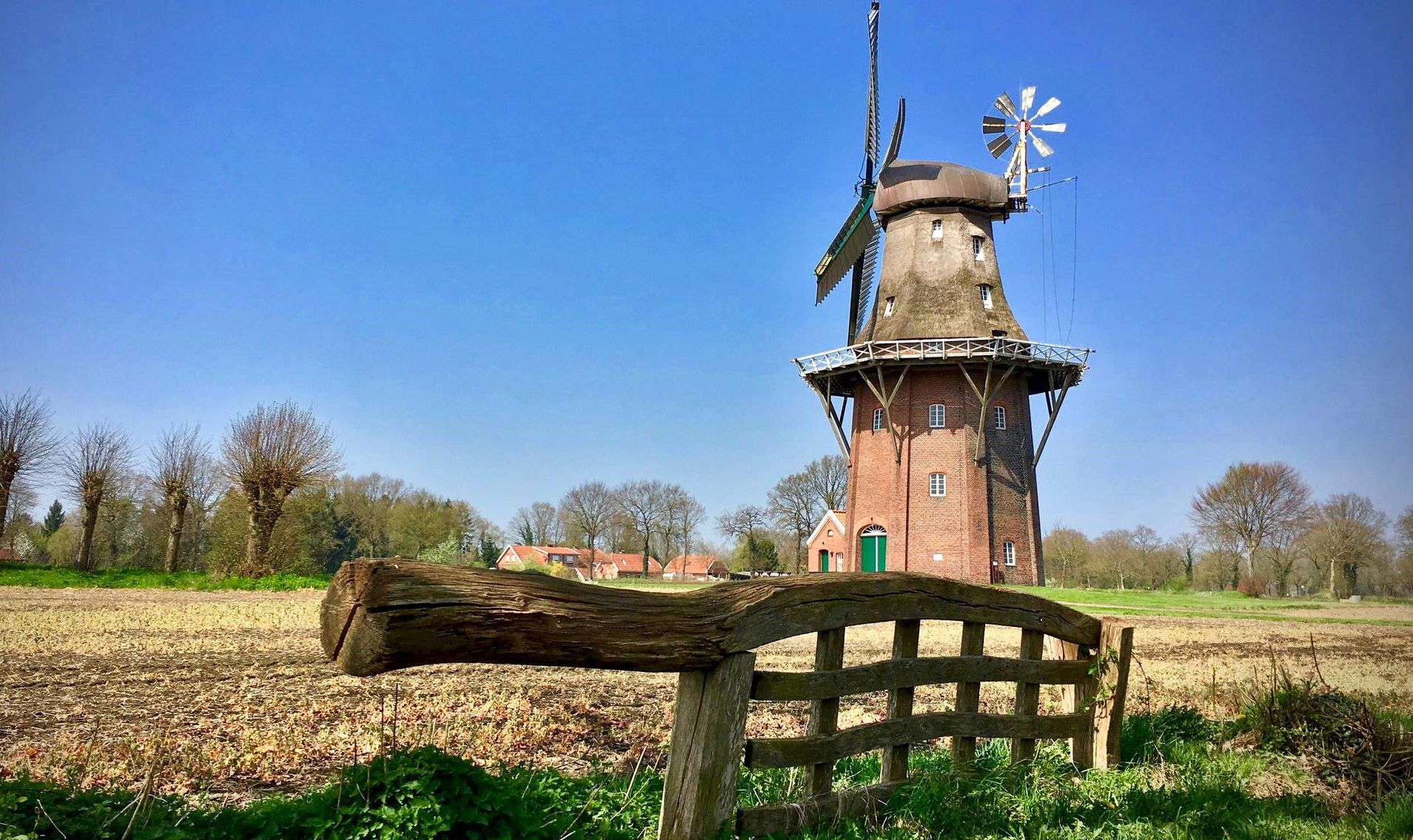
Ostfriesland Hiking Trail – Hike to Germany's North Sea coast
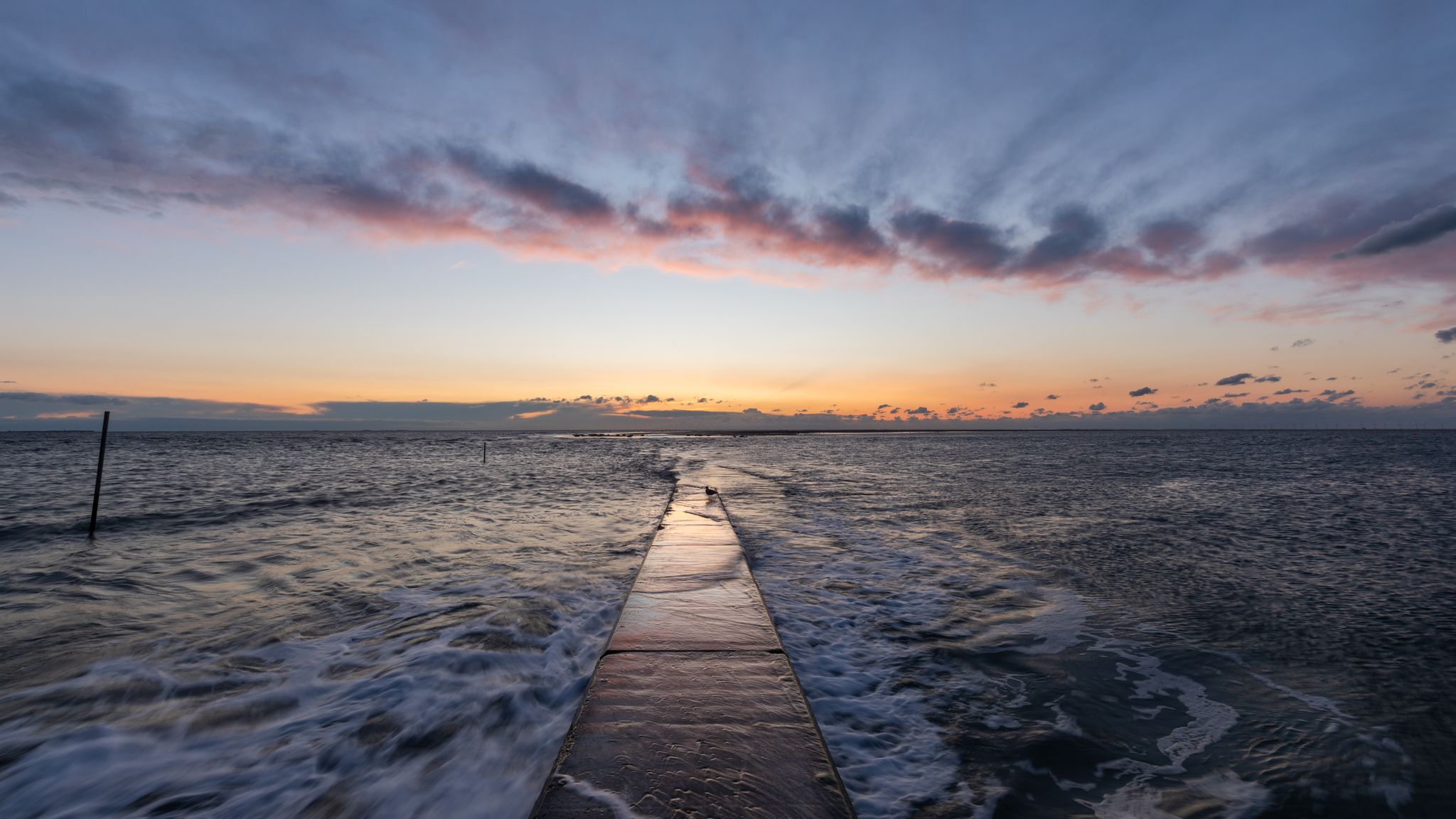
The National Natural Landscapes in Niedersachsen
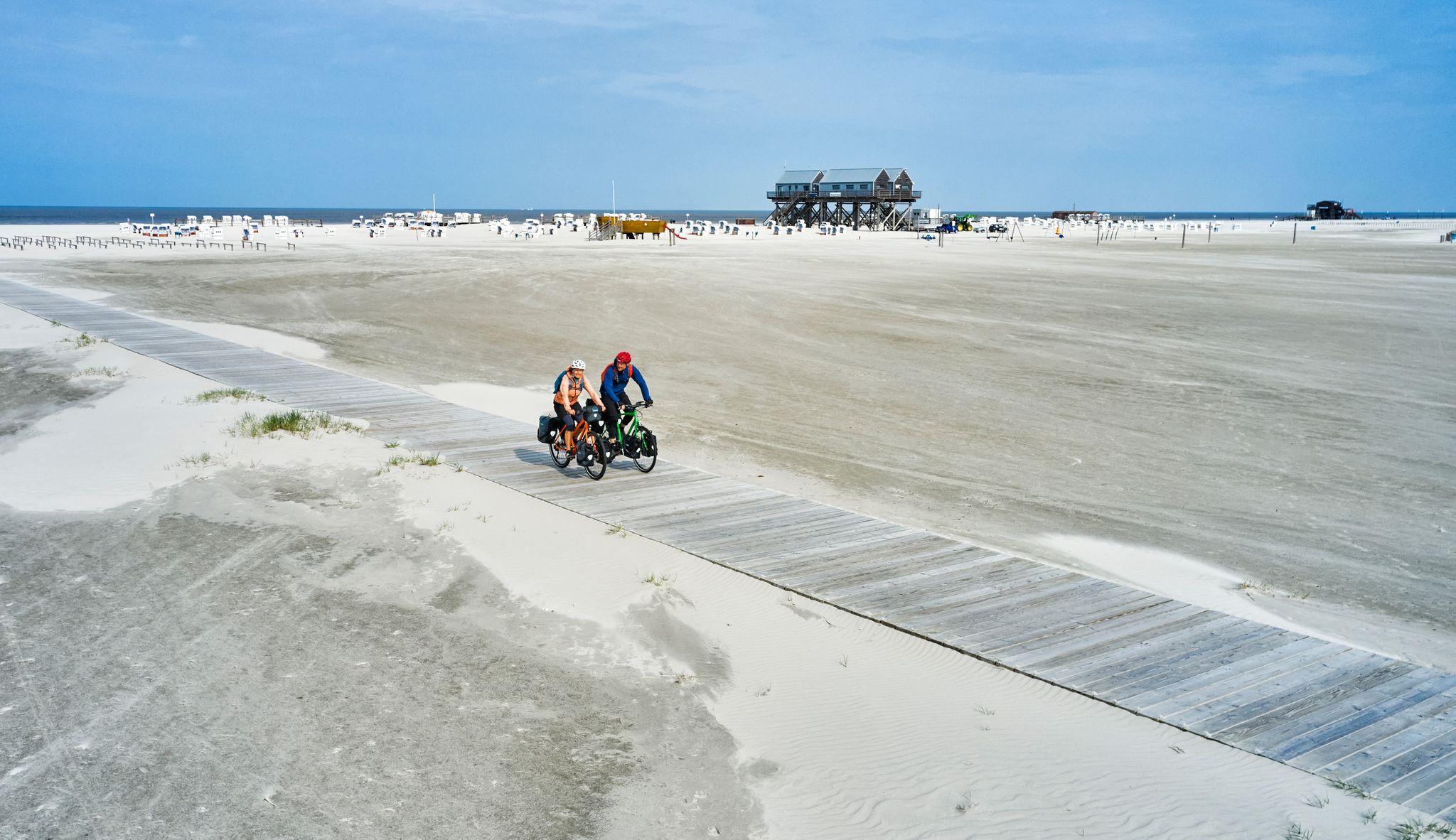
Nine hundred kilometres of pure freedom – North Sea Cycle Route
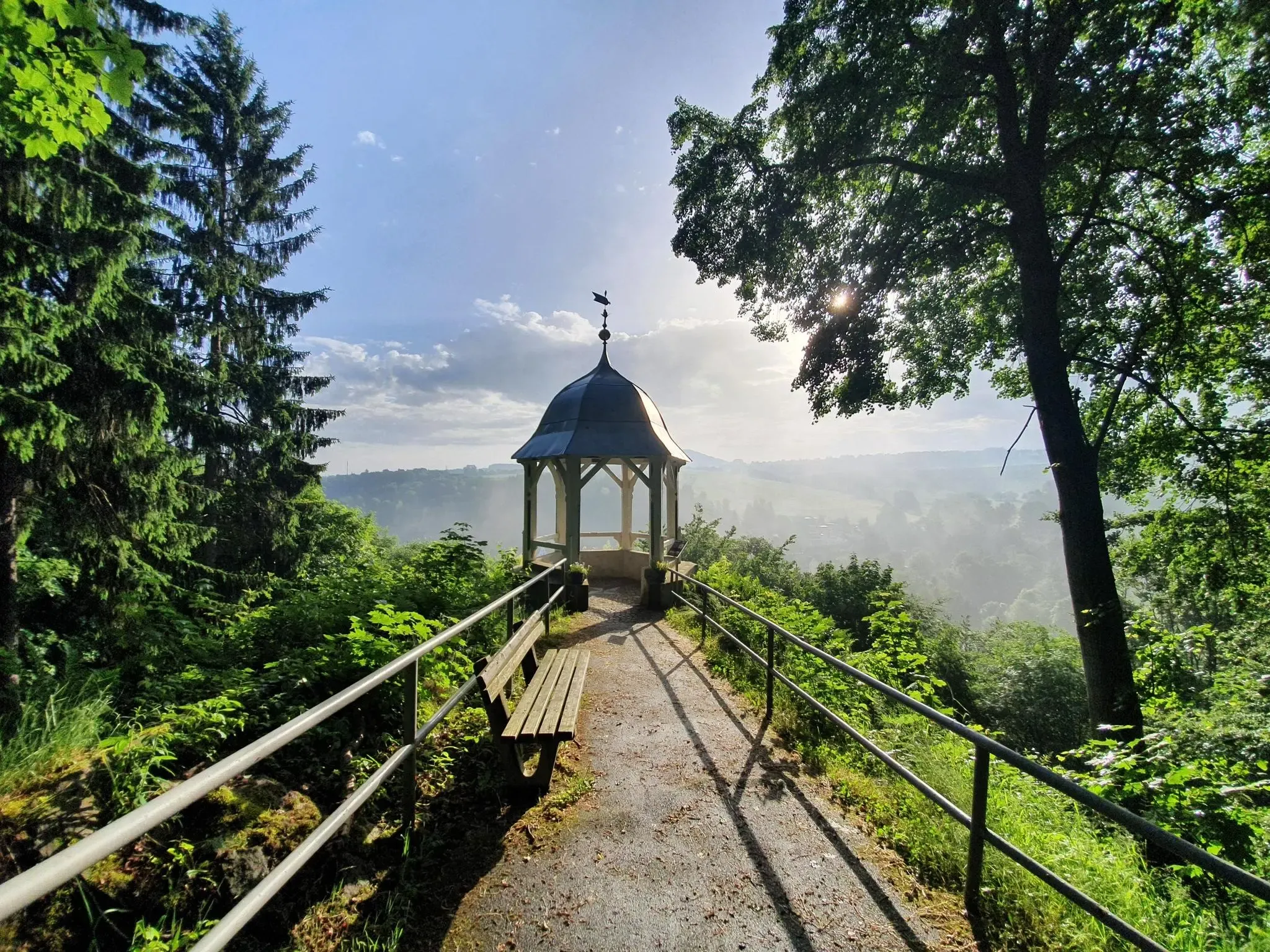
#GoFurther – discover the views of Germany!
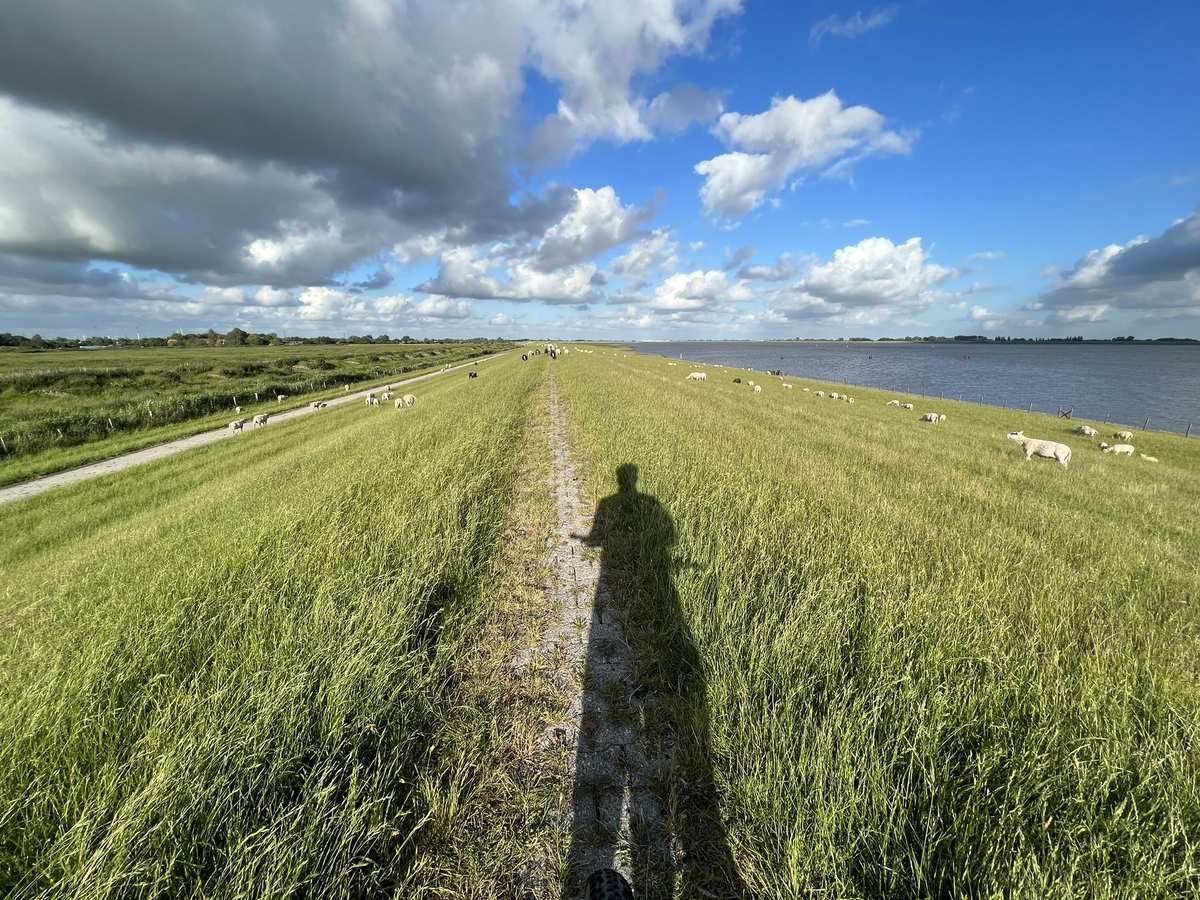
Cycling through East Frisia in Germany – Frisian Army Trail
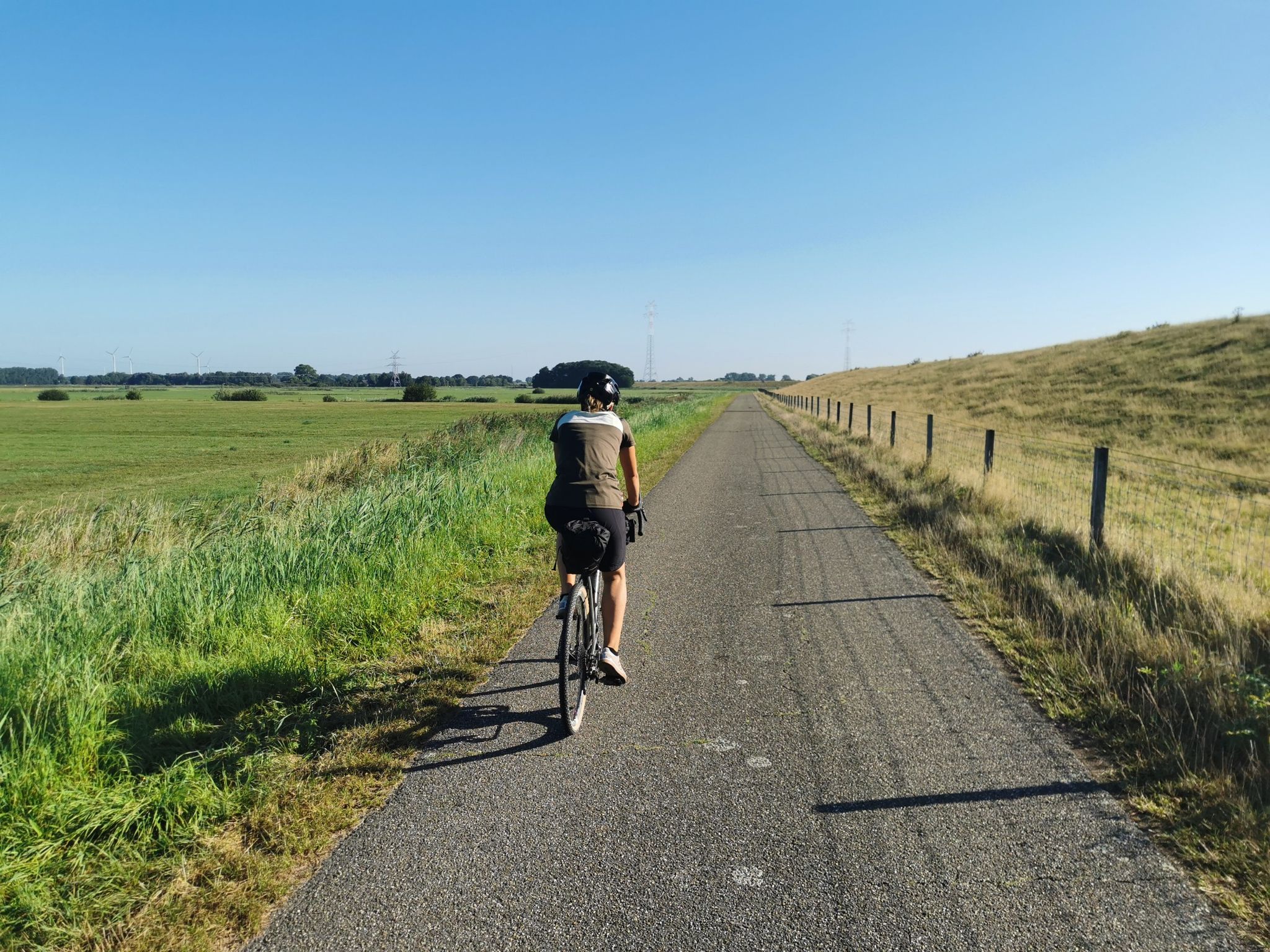
Sheep, dykes and Germany’s North Sea – Dollart Route
Other adventures in East Frisia


Tips from the Community

18 meters above sea level in East Frisia, you simply have to have that entered in your altitude book :-)
0
0

This stamp box is part of the North Sea Passport – your companion for an exciting tour of discovery through the North Sea region of Lower Saxony. You can collect stamps at numerous interesting locations and discover some truly favorite spots along the way. You can find all stamp locations and stamp boxes at www.nordsee-reisepass.de – where you can also order the passport directly online.
0
0

Very beautiful wildflower meadow, a little difficult to get up by bike
1
0

Huge elevation with 11 meters height
0
0

Very funny, even the view is very good 👍
2
0

Dietrichs Berg is an artificial mountain with a height of about 15m. It even has a summit cross with a small box including a guest book.
3
0

This former "garbage mountain" has been converted into a Mecca for East Frisian mountain runners. 20 meters of elevation is quite a climb!
3
1

Manninga Mountain is 11 m high. In my opinion, it is one of the highlights of the park. At the top you have a beautiful view and a bench to take a breather or chill out. The summit cross is also a great photo opportunity.
2
0
Frequently Asked Questions
What are the most prominent elevated points in East Frisia?
East Frisia, being largely flat, features elevated points primarily as dunes on its offshore islands and some artificial viewing mounds. Notable examples include the Melkhörn Dune (Highest Point on Langeoog), which offers views of the entire island from its 20-meter platform, and the Walter-Großmann-Dune Observation Platform on Norderney, standing at 24.4 meters above sea level with panoramic views of the dune landscape and the Wadden Sea. The Kugelberg is the highest natural elevation in East Frisia at 18.6 meters, located within a wooded dune area.
Are there family-friendly elevated points to visit in East Frisia?
Yes, many of East Frisia's elevated points are suitable for families. The Walter-Großmann-Dune Observation Platform, Langeoog Water Tower, and Kugelberg are all categorized as family-friendly. These locations often feature accessible paths and offer engaging views for all ages.
What kind of views can I expect from these elevated points?
From East Frisia's elevated points, you can expect expansive panoramic views of the unique coastal and marshland scenery. This includes the vast North Sea, the UNESCO World Heritage Wadden Sea with its mudflats and diverse wildlife, extensive dune landscapes, and the green, flat mainland. For instance, the Melkhörn Dune provides a view of the entire island of Langeoog, while the View from Friesenhügel allows your eyes to wander over the city center, harbors, and even as far as Eemshaven (NL) on a clear day.
What outdoor activities can I do near these elevated points?
The areas around East Frisia's elevated points are excellent for various outdoor activities. You can enjoy extensive hiking, such as the moderate Norderney North Beach – View from Georgshöhe loop. Cycling is also very popular, with routes like the Norderney Dunes and Lighthouse – View of the Dunes of Norderney loop. Birdwatching is a highlight, especially from dunes like Melkhörn, which are ideal for observing migratory birds.
Are there specific hiking trails to reach these elevated points?
Yes, many elevated points in East Frisia are integrated into hiking trails. For example, the Kugelberg is located within a wooded dune area with designated hiking paths. On the islands, you'll find numerous trails leading through the dune landscapes to viewpoints like the Walter-Großmann-Dune Observation Platform. You can find more hiking options in the Hiking in East Frisia guide.
What is the best time of year to visit East Frisia's elevated points?
The best time to visit East Frisia's elevated points is generally from spring to early autumn (April to October). During these months, the weather is milder, making outdoor activities more enjoyable. The Langeoog Water Tower, for instance, is open from April to October. Summer offers long daylight hours, while spring and autumn provide pleasant temperatures and fewer crowds, ideal for birdwatching.
Are there any historical or cultural sites among East Frisia's elevated points?
Yes, some elevated points in East Frisia have historical or cultural significance. The Langeoog Water Tower is a historical landmark offering panoramic views. The Plytenberg is another viewpoint with historical ties. The Kugelberg also has a local history, having been a popular destination for families and a toboggan run in the past.
How accessible are these elevated points, particularly for those using public transport or needing parking?
Accessibility varies by location. Many of the island dunes are reached via ferry and then walking or cycling, as cars are often restricted on the islands. On the mainland, points like the Kugelberg are typically accessible by car with nearby parking options. Some viewing dunes within national parks may have wooden plank paths for easier access. It's advisable to check specific transport and parking details for each location.
What unique natural features, like dunes or the Wadden Sea, can I experience?
East Frisia is defined by its unique natural features. You can experience extensive dune landscapes, particularly on the East Frisian Islands like Norderney and Langeoog. These dunes are the region's most prominent natural elevations. The Wadden Sea, a UNESCO World Heritage site, is a globally recognized ecosystem of mudflats, creeks, and diverse wildlife, including numerous bird species and seals, which can be observed from various viewing points.
What do visitors enjoy most about the elevated points in East Frisia?
Visitors particularly enjoy the stunning panoramic views of the North Sea and the Wadden Sea, the serene natural beauty of the dune landscapes, and the opportunities for peaceful outdoor activities. The Melkhörn Dune is praised as a wonderful place for bird lovers, and the Walter-Großmann-Dune Observation Platform is noted for its fantastic views in good weather, encompassing the mudflats, sea, and dunes.
How do East Frisia's 'peaks' compare to mountains in other regions?
East Frisia does not have traditional mountain peaks like those found in alpine regions. Instead, its 'peaks' are primarily natural dunes and artificial viewing mounds, which are significant elevations within the region's largely flat landscape. They offer unique coastal and marshland vistas rather than rugged mountain scenery. The highest points, such as the Walter-Großmann-Dune Observation Platform, reach around 24 meters above sea level, providing a distinct experience focused on the North Sea and Wadden Sea environment.
Most popular routes in East Frisia
Most popular attractions in East Frisia

Get inspired with the komoot mobile app


Explore more
See even more amazing summits in East Frisia with these guides:
