Top 20 Natural Monuments in Upper Austria
Natural monuments in Upper Austria feature a diverse array of landscapes, geological formations, and scenic vistas. The region is characterized by its significant contribution to the natural heritage of Austria, encompassing rivers, lakes, and mountain summits. These sites are recognized for their distinctiveness, rarity, and scientific value. Upper Austria offers numerous opportunities to explore its unique natural beauty.
Best natural monuments in Upper Austria
- The most popular natural monuments is Schlögen Loop, a river meander that carves a dramatic…
Last updated: September 29, 2026
Mondsee (near Oberburgau)
Highlight • Lake
Translated by Google •
Tip by

Schlögen Loop
Highlight (Segment) • River
Translated by Google •
Tip by

Sign up now to discover places like this
Get recommendations on the best single tracks, peaks, & plenty of other exciting outdoor places.
Steinerberg Danube Loop 🏞️
Highlight • River
Tip by

Tripoint Monument (Germany–Austria–Czech Republic)
Highlight • Monument
Showing Translation
Tip by

Großer Schoberstein summit
Highlight • Summit
Translated by Google •
Tip by

Schober Summit
Highlight • Summit
Translated by Google •
Tip by

Reichersberg Abbey
Highlight • Religious Site
Translated by Google •
Tip by

Front Gosau Lake
Highlight • Lake
Translated by Google •
Tip by

Sternstein Observation Tower
Highlight • Viewpoint
Translated by Google •
Tip by

Lake Laudach
Highlight • Lake
Translated by Google •
Tip by
Sign up for free to discover even more natural monuments in Upper Austria.
Already have an account?
Start today with a free account
Your next adventure awaits.
Popular around Upper Austria
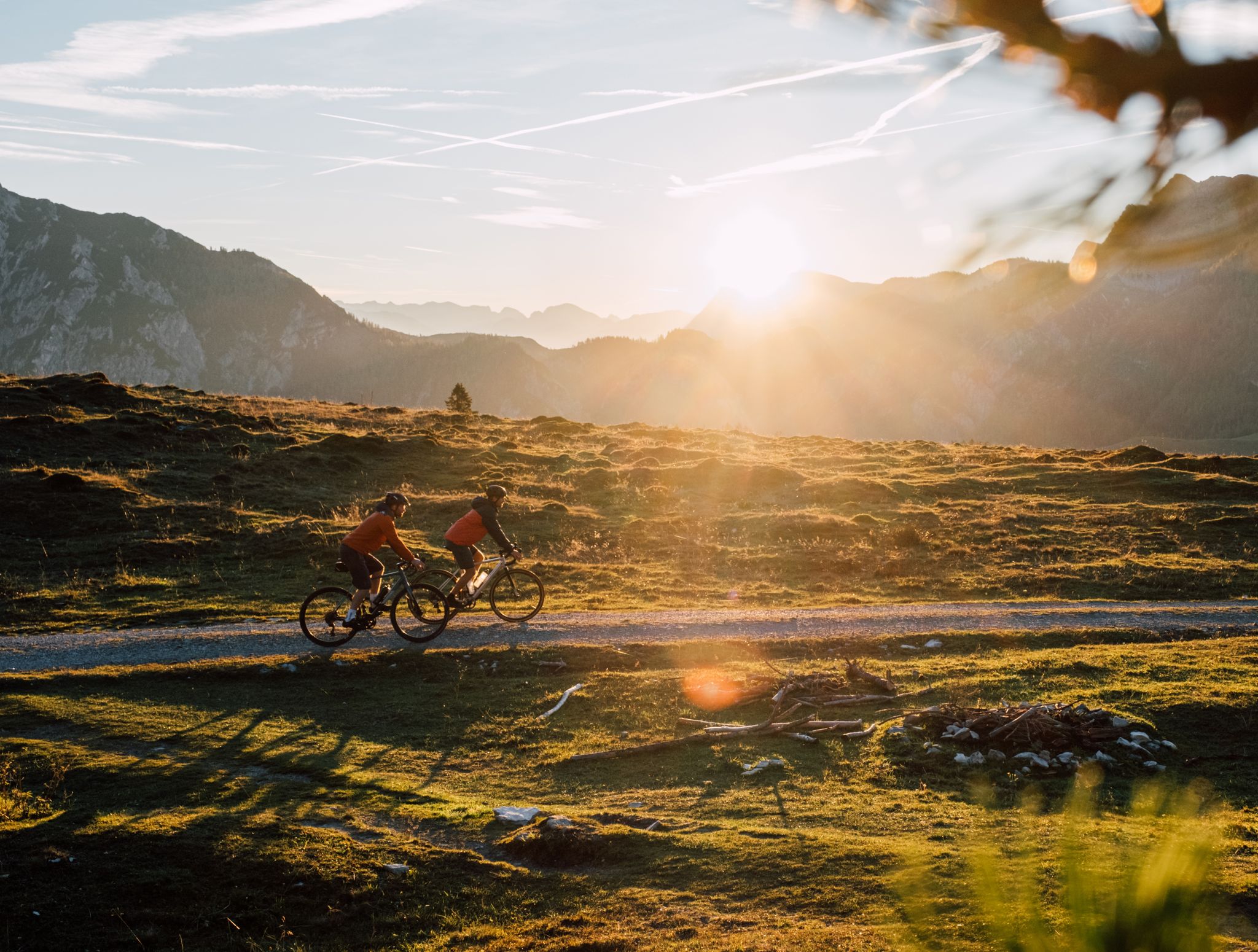
Beyond the pavement – explore Austria's wild nature on a gravel bike
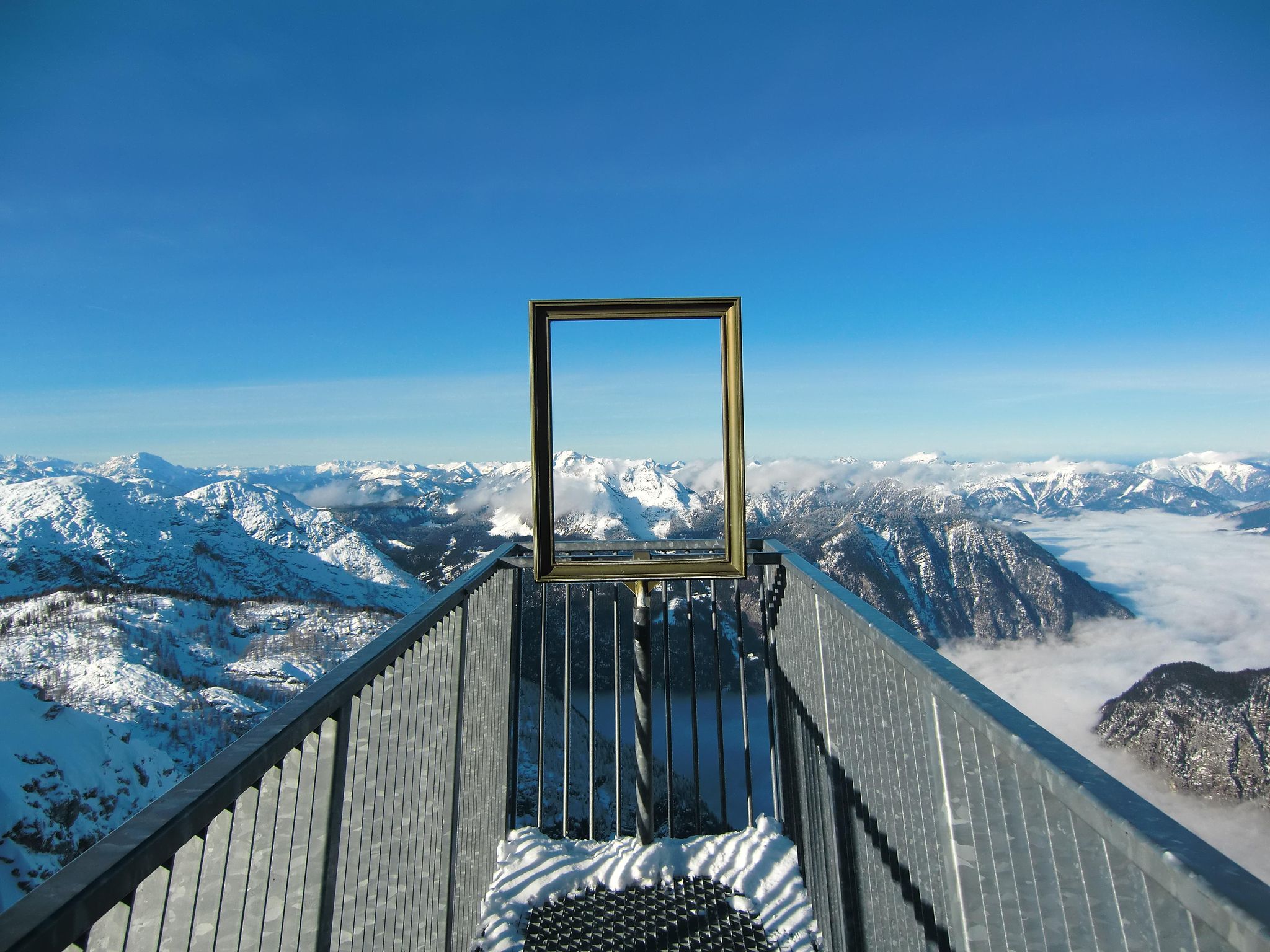
#Winterlove — 14 tips for your winter adventure in Austria
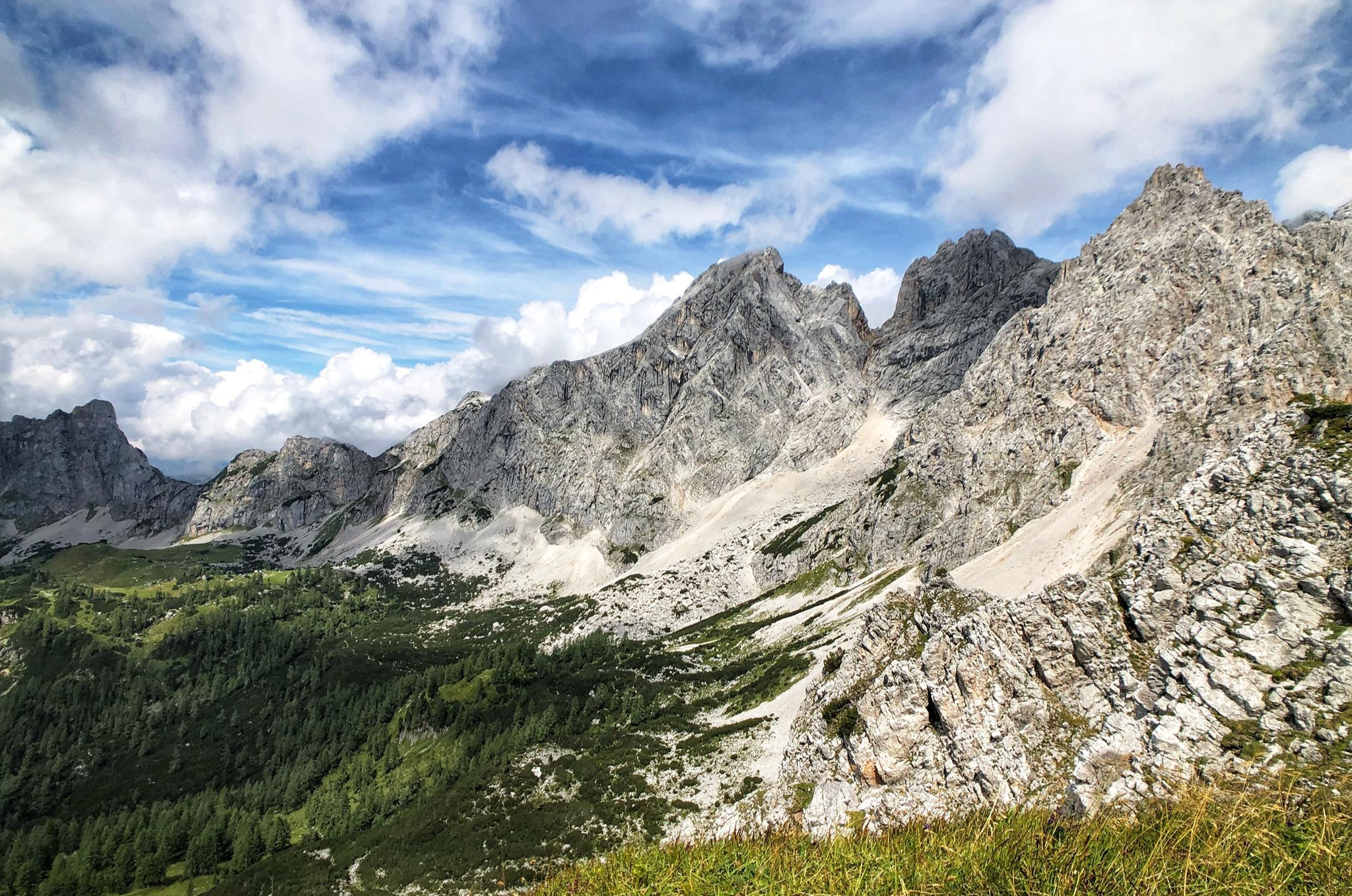
The Dachstein Rundwanderweg – Eight days in the Dachsteingebirge
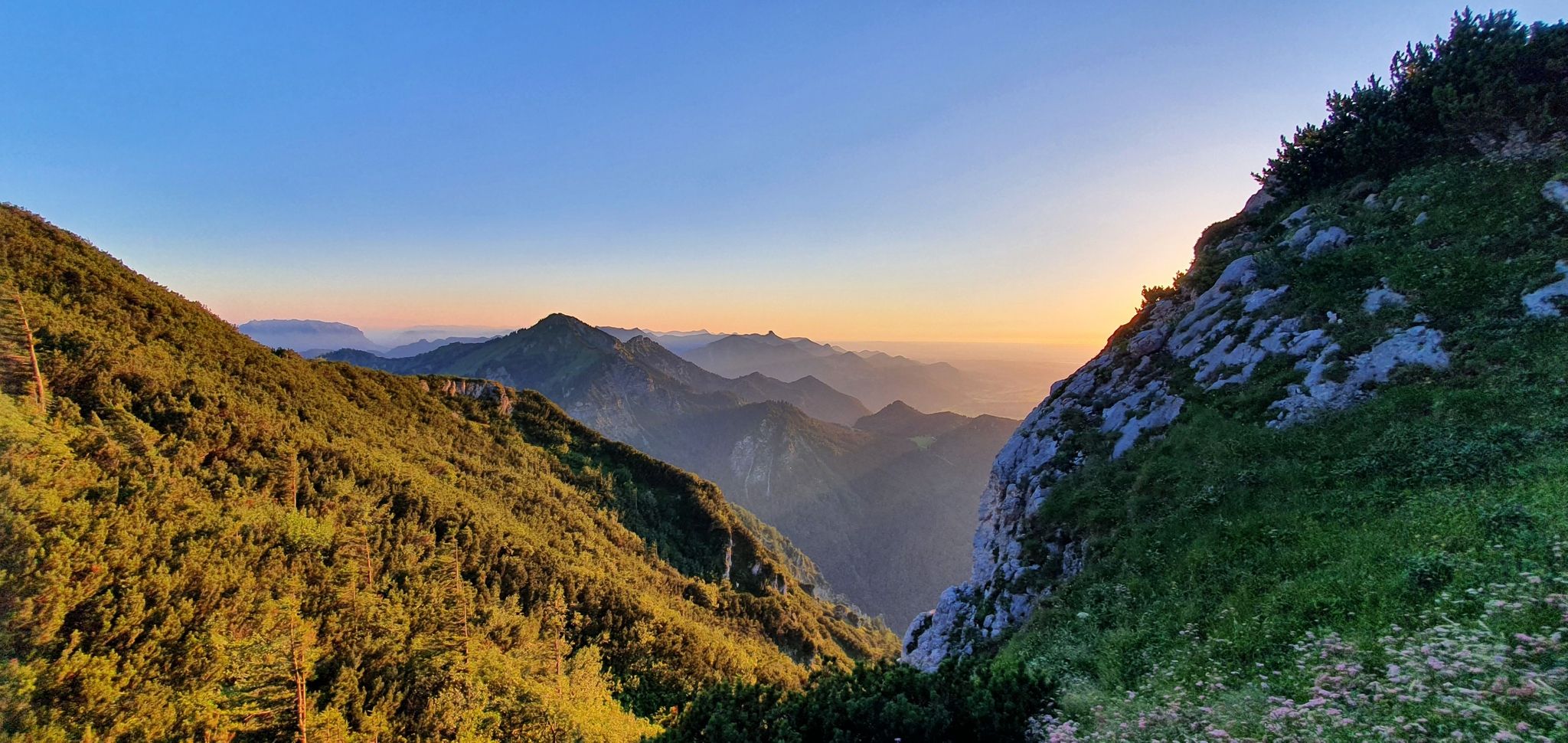
The SalzAlpenSteig – On the tracks of white gold
Salt Trail — On old paths through Upper Austria
Austria's Mühlviertel Cycle Path — A hilly idyll
Ruperti Trail – Hike from Austria's Bohemian Forest to the Carnic Alps
North Alpine Trail 01 – Hike across Austria in 49 days
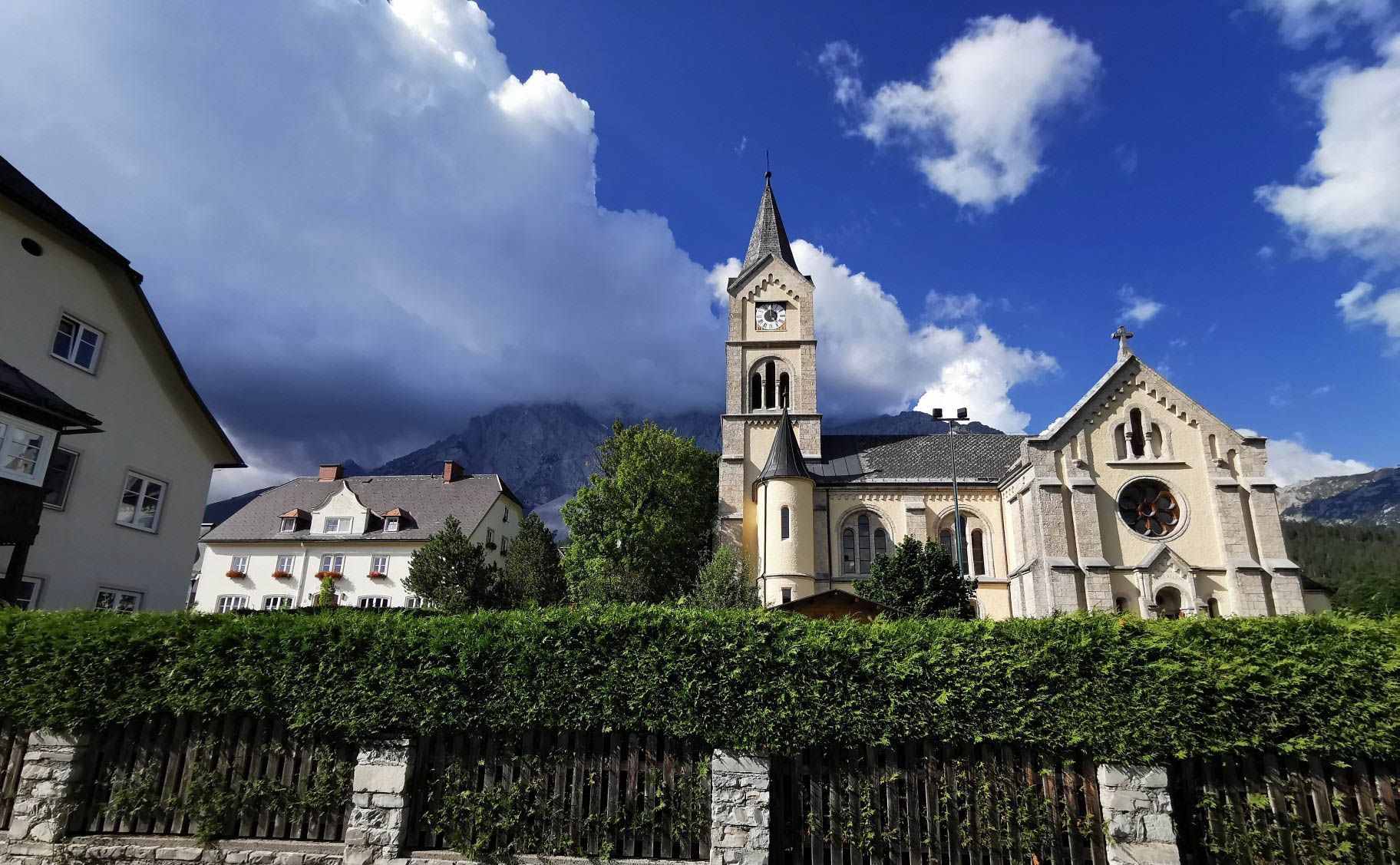
Way of the Book – Hike in the footsteps of the Bible smugglers in Austria
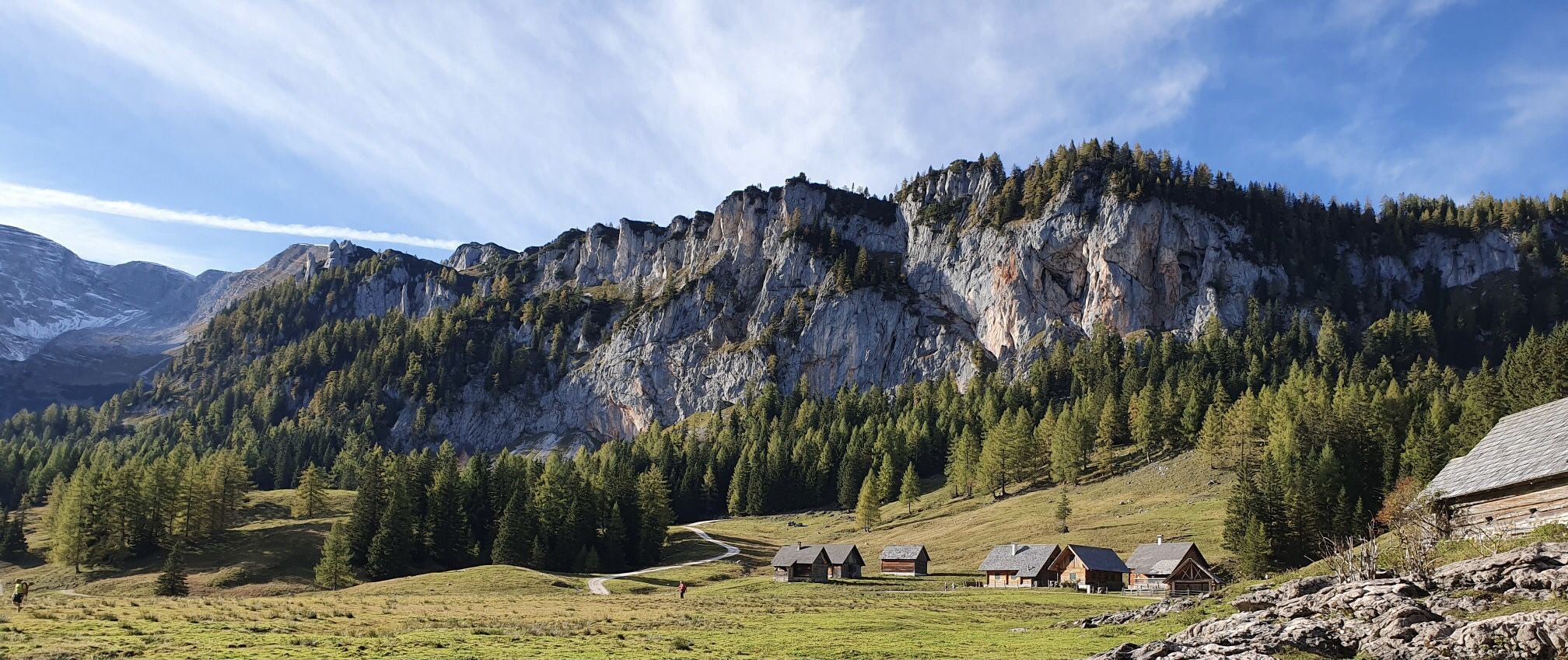
Austria's Kalkalpen Trail – Giant rocks & alpine meadows
Other adventures in Upper Austria


Tips from the Community


The Herrengarten is a beautiful historic garden located right in the town center. The well-maintained grounds invite you to stroll and linger, offering an idyllic atmosphere with ancient trees and artfully landscaped paths. A visit is especially worthwhile for nature and garden lovers! 🌿😊
14
0

The Sternstein is 1125 m high and is located in the municipality of Vorderweißenbach. It is the highest elevation in the central Mühlviertel. The Sternsteinwarte, built in 1899, invites you to take a panoramic view from Bohemia to the Alps.
4
0

Many paths lead to the Sternstein.
3
0

A beautiful little peak, surrounded by trees and with a lookout towering above it! Wonderful view of the country!
3
0

The Oberburgau is located 30 kilometers east of the city of Salzburg. It is around 8 kilometers south-east of the town center of the Mondsee market on the southern shore of the Mondsee (481 m above sea level) on the narrow strip of shore at the northern foot of the Schafberg in the Salzkammergut mountains. A few meters from the Mondsee shoreline is the Kreuzstein (Mondsee), which no longer belongs to Oberburgau, but like the entire Mondsee to the market town of the same name and thus to the state of Upper Austria. Opposite rise the Mondsee Flyschberge with the Hochplett.
6
1

The Schlögener Loop is a river loop in the upper Danube valley in Upper Austria, about halfway between Passau and Linz (between river kilometers 2186.5 and 2180.5 of the Danube flowing east) and the largest forced meander in Europe. The southern, right bank lies in the municipality of Haibach ob der Donau and its district of Schlögen, after which the loop is named. To the north, the municipalities of Hofkirchen im Mühlkreis with the village of Au and to the far east Niederkappel with the village of Grafenau border the area of the Danube Loop. Source: Wikipedia
8
0
The Schlögener Schlinge is a river meander in the upper Danube valley in Upper Austria, about halfway between Passau and Linz (between river kilometers 2186.5 and 2180.5 of the east-flowing Danube) and the largest forced meander in Europe. The southern, right bank is in the municipality of Haibach ob der Donau and its district Schlögen, after which the loop is named. In the north, the municipalities of Hofkirchen im Mühlkreis with the village of Au and in the far east Niederkappel with the village of Grafenau border in the area of the Danube loop. Source: Wikipedia
2
0
Frequently Asked Questions
What are some unique geological formations to explore in Upper Austria?
Upper Austria is home to several distinctive geological formations. The iconic Schlögen Loop showcases the Danube River carving a dramatic double bend. The Dachstein Ice Caves, part of the broader Dachstein Salzkammergut UNESCO World Heritage site, feature impressive subterranean ice formations. You can also discover the unique 'Rinnende Mauer' near Ebensee, where springs filter through limestone, creating a flowing waterfall over mossy stone, or the hidden natural ledge pools along the Seebach flux near Gleinkersee.
Which natural monuments offer the best panoramic viewpoints?
For breathtaking panoramic views, consider visiting the Schlögen Loop, which provides spectacular vistas of the Danube. The Großer Schoberstein summit offers expansive views of Lake Attersee and the surrounding mountains. The 5fingers viewing platform on the Dachstein Krippenstein plateau also provides spectacular views of the Salzkammergut lakes. Additionally, the Sternstein Observation Tower, at 1125 meters, offers sweeping views from Bohemia to the Alps.
Are there family-friendly natural monuments in Upper Austria?
Yes, many natural monuments in Upper Austria are suitable for families. Mondsee (near Oberburgau) is great for cycling along its shores and offers numerous swimming opportunities. The Steinerberg Danube Loop 🏞️ is also family-friendly. Front Gosau Lake provides a tranquil setting for nature appreciation, and Lake Laudach is a mountain idyll with green meadows and a cozy inn nearby.
Can I find easy hiking trails near natural monuments in Upper Austria?
Absolutely. Upper Austria offers many easy hiking opportunities near its natural monuments. For example, you can find easy trails around Front Gosau Lake, or explore the 'Nixenfall Trail' near Hallstatt. For more options, check out the Easy hikes in Upper Austria guide.
What natural monuments are known for their beautiful lakes and waterfalls?
Upper Austria is rich in stunning water features. Front Gosau Lake is renowned for its pristine waters reflecting dramatic mountains. Mondsee (near Oberburgau) and Lake Laudach also offer picturesque lake settings. For waterfalls, the 'Nixenfall & Waldbachstrub' near Hallstatt is a 'fairytale waterfall' with a 50-meter cascade, and the 'Rinnende Mauer' near Ebensee features a unique flowing wall of water.
Are there opportunities for cycling near Upper Austria's natural monuments?
Yes, cycling is a popular activity. You can enjoy cycling along the shores of Mondsee (near Oberburgau). The Schlögen Loop and Steinerberg Danube Loop 🏞️ are also popular spots for cycling, offering scenic routes along the Danube. For more cycling adventures, explore the Gravel biking in Upper Austria guide.
What is the best time of year to visit the natural monuments in Upper Austria?
The best time to visit largely depends on your preferred activities. Spring and autumn offer pleasant temperatures for hiking and cycling, with vibrant foliage in autumn. Summer is ideal for swimming in the lakes and enjoying longer daylight hours. Winter transforms the landscape into a snowy wonderland, perfect for serene walks, though some higher-altitude or cave attractions might have limited access or require specific gear.
Are there any historical or cultural sites integrated with natural monuments in Upper Austria?
Yes, some sites blend natural beauty with historical significance. The Dachstein massif, home to the Dachstein Ice Caves, is part of a UNESCO World Heritage site. The Tripoint Monument (Germany–Austria–Czech Republic) marks a historical border. The Sternstein Observation Tower, built in 1899, is a historical structure offering panoramic views from a natural summit. Reichersberg Abbey is another example, combining religious history with a natural setting.
Can I bring my dog to the natural monuments in Upper Austria?
Many natural areas in Upper Austria are dog-friendly, but it's always best to check specific regulations for each site. For instance, visitors have noted that the ascent to Großer Schoberstein summit is possible with a dog, but recommend keeping them leashed due to potential hazards and wildlife. Always ensure your dog is on a leash where required and clean up after them to preserve the natural environment.
Are there any natural monuments that are wheelchair accessible?
While many natural monuments involve uneven terrain, some offer accessible options. Front Gosau Lake is noted as being wheelchair accessible, allowing visitors to enjoy its pristine mountain scenery. It's advisable to check specific access details for other locations before your visit.
What kind of wildlife can I expect to see around Upper Austria's natural monuments?
Upper Austria's diverse landscapes, from river valleys to mountain peaks and forests, support a variety of wildlife. You might spot deer, chamois, and various bird species, especially in protected areas like the Pesenbachtal nature reserve. Lakes and rivers are home to fish and waterfowl. Observing wildlife often requires patience and quiet, and it's important to maintain a respectful distance.
Where can I find refreshments or accommodation near these natural monuments?
Many natural monuments are located near towns or villages that offer amenities. For example, a cozy inn operates seasonally near Lake Laudach. Larger lakes like Mondsee and Front Gosau Lake have facilities nearby. For more specific information on cafes, pubs, or accommodation, it's best to check local listings for the area surrounding the natural monument you plan to visit.
What are some lesser-known or 'hidden gem' natural monuments in Upper Austria?
Beyond the most popular sites, Upper Austria holds several hidden gems. The 'Rinnende Mauer' near Ebensee offers a unique, cooling experience with its flowing wall of water in a shadowed valley. Near Gleinkersee, you can discover retired ledge pools and narrow waterfall-fed basins along the Seebach flux, offering private, refreshing spots. The 'Nixenfall & Waldbachstrub' near Hallstatt, with its 'fairytale waterfall' and legend of a naiad, also provides a unique and serene experience off the main tourist paths.
Most popular routes in Upper Austria
Most popular attractions in Upper Austria

Get inspired with the komoot mobile app


Didn’t find what you were looking for?
Find even more amazing natural monuments in Upper Austria by checking out the top Highlights region by region:
Explore more
Extend your search for the best caves by checking out these guides of the top ones in Upper Austria:
