Top 20 Natural Monuments in Lower Saxony
Natural Monuments in Lower Saxony overview reveals a diverse landscape in northern Germany. The state features ancient forests, unique geological formations, extensive heathlands, and a significant portion of the Wadden Sea. These sites provide opportunities to experience varied ecosystems and natural landscapes. Lower Saxony's natural monuments offer a range of outdoor experiences, from mountain summits to tranquil lakes.
Best natural monuments in Lower Saxony
- The most popular natural monuments is Wolfswarte Summit, a summit that offers fantastic views of the Brocken and surrounding mountains. Its rugged, woodless summit was historically used by hunters to track wolves.
- Another must-see spot is Silberteich on the Nature Myths Trail (HWN 148), a lake known for its idyllic setting. The area around the pond is part of a lovingly and imaginatively laid out nature myths trail.
- Visitors also love Achtermannshöhe (HWN 12), a summit that is the fourth highest mountain in the Harz. It provides a fantastic panoramic view of the Brocken and the surrounding area.
- Lower Saxony is known for its diverse natural monuments, including mountain summits, serene lakes, and expansive heathlands. Visitors can explore a variety of natural features, from the Harz National Park to the Lüneburg Heath.
- The natural monuments in Lower Saxony are appreciated by the komoot community, with more than 5000 upvotes and over 3000 photos shared by visitors.
Last updated: June 26, 2026
Wilseder Berg
Highlight • Viewpoint
Translated by Google •
Tip by

Raven Crag
Highlight • Viewpoint
Translated by Google •
Tip by

Sign up now to discover places like this
Get recommendations on the best single tracks, peaks, & plenty of other exciting outdoor places.
Sign up for free
Wurmberg Summit
Highlight • Summit
Translated by Google •
Tip by

Wolfswarte
Highlight • Summit
The ascent to the control room takes place on a stepped, root-rich and often wet path. Wear waterproof shoes after heavy rainfall.
Translated by Google •
Tip by

Oderteich
Highlight • Lake
Directly near the dam there is a free parking lot on the Harzhochstrasse.
Translated by Google •
Tip by

Lynx enclosure at the Rabenklippe
Highlight • Structure
The brush ears are back in the Harz forests. But like all cats, they are very shy. So anyone who sees them in the wild is really lucky. So that everyone can admire them, we have built a lynx display enclosure on the Rabenklippe near Bad Harzburg. Here you can watch our lynxes basking in the sun, climbing trees or sneaking through their territory. Our public lynx feeding is particularly popular. Here you can learn interesting facts about the lynx from our national park staff and you can observe the big cats up close while they are eating.
opening hours
Regular: The lynx display enclosure is accessible at all times.
The public lynx feeding takes place on Wednesdays and Saturdays at 2:30 p.m. Registration is not necessary for groups either. Admission is free.
Note: Spectacular photos are guaranteed when the animals present themselves in the attractive and rugged enclosure landscape. However, the large enclosure also offers the animals numerous hiding places, so that they cannot always be discovered. A high visitor's platform enables a "fence-free" view of large parts of the enclosure landscape.
getting there
The lynx enclosure on the Rabenklippe is located near Bad Harzburg in the middle of the forest. Access by car is not possible, the access road is closed to public traffic.
You can reach the lynx enclosure from Bad Harzburg via designated hiking trails. The distance is around 4 kilometers, so please plan enough time for the hike. You save around 200 meters in altitude if you take the Burgberg cable car up the Burgberg. From the mountain station you hike about 60 minutes to the lynx enclosure. Please also note our tour recommendation "On the way to the lynxes".
From April to early November, the “Grüner Harzer” bus line (KVG bus line 875) runs between Bad Harzburg and the lynx enclosure on the Rabenklippe.
nationalpark-harz.de/de/natur-erleben/luchsgehege
Translated by Google •
Tip by

Silberteich on the Nature Myths Trail (HWN 148)
Highlight • Lake
Translated by Google •
Tip by

Achtermannshöhe (HWN 12)
Highlight • Summit
Translated by Google •
Tip by
Bärenbrucher Pond (HWN 137)
Highlight • Lake
Correction v. September 3rd, 2023: The condition of the forest is now as bad as in many other places in the Harz.
Translated by Google •
Tip by

Oderteich sun cap (HWN 217)
Highlight • River
There is even a small stone beach.
Translated by Google •
Tip by

Sign up for free to discover even more natural monuments in Lower Saxony.
Sign up for free
Already have an account?
Start today with a free account
Your next adventure awaits.
Login or Signup
Popular around Lower Saxony
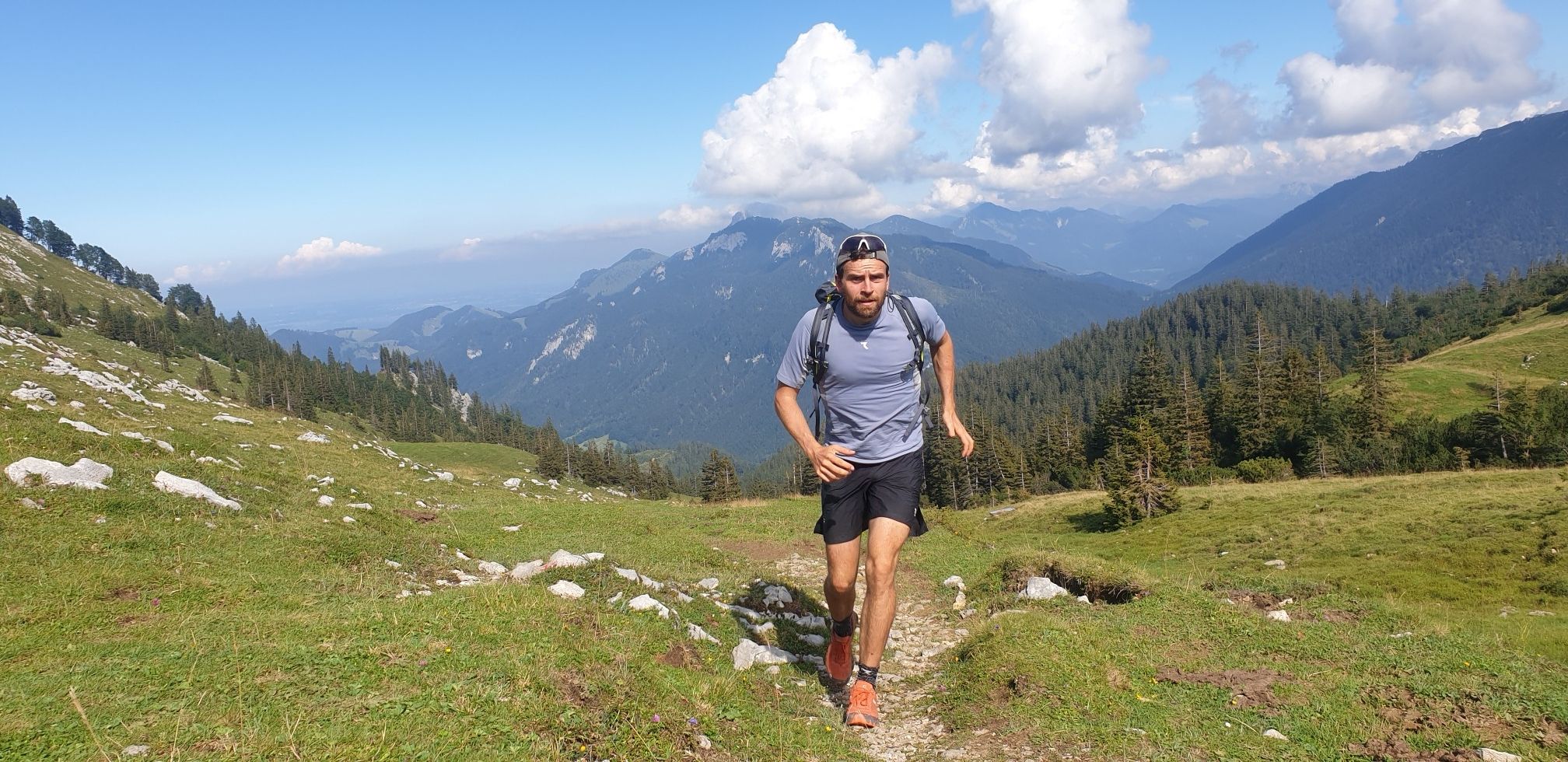
Triathlon around Germany

European Divide Trail — 7,600 km across the continent
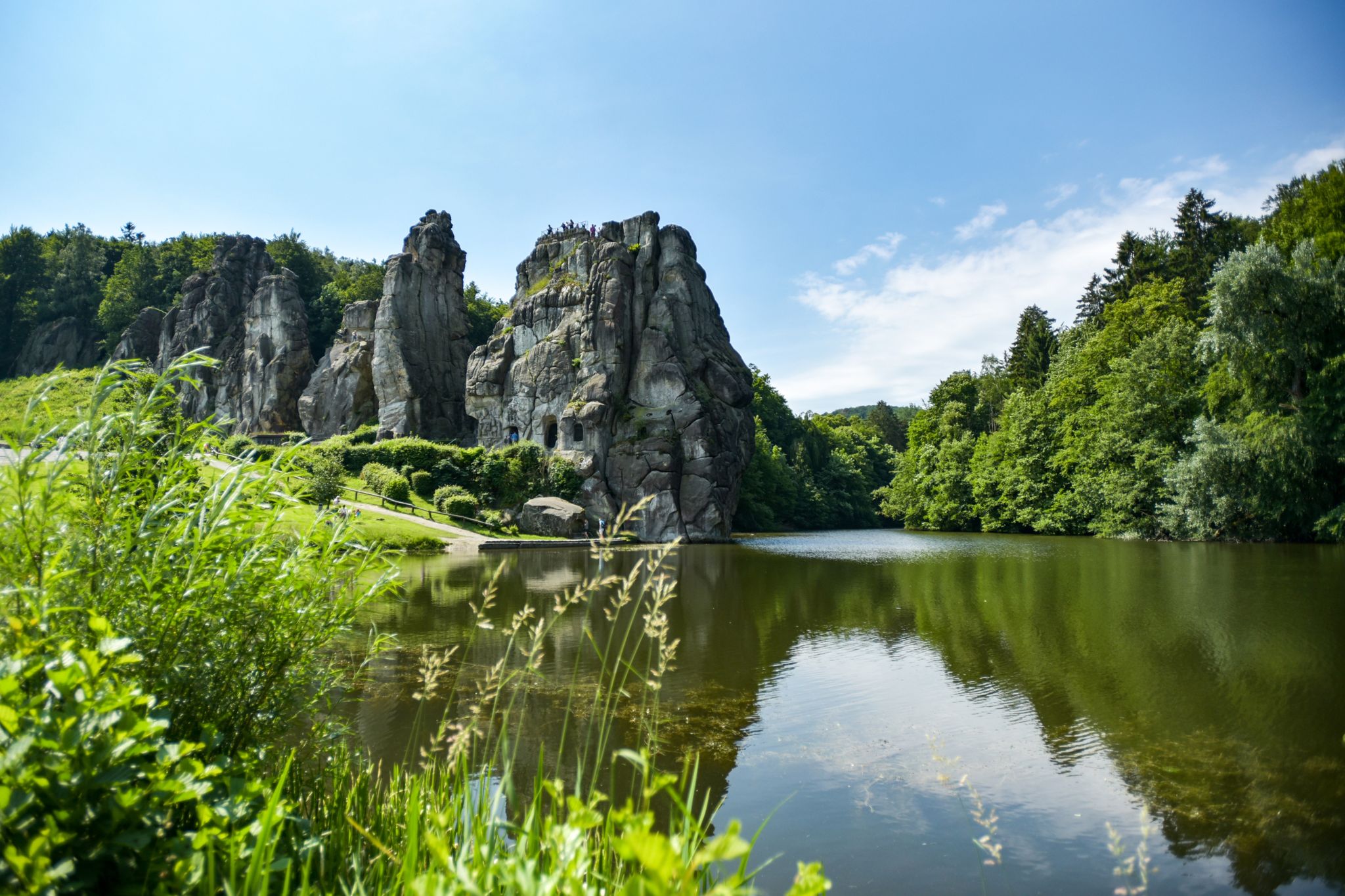
Hiking Germany's Hermannsweg – In the footsteps of the Cheruscan
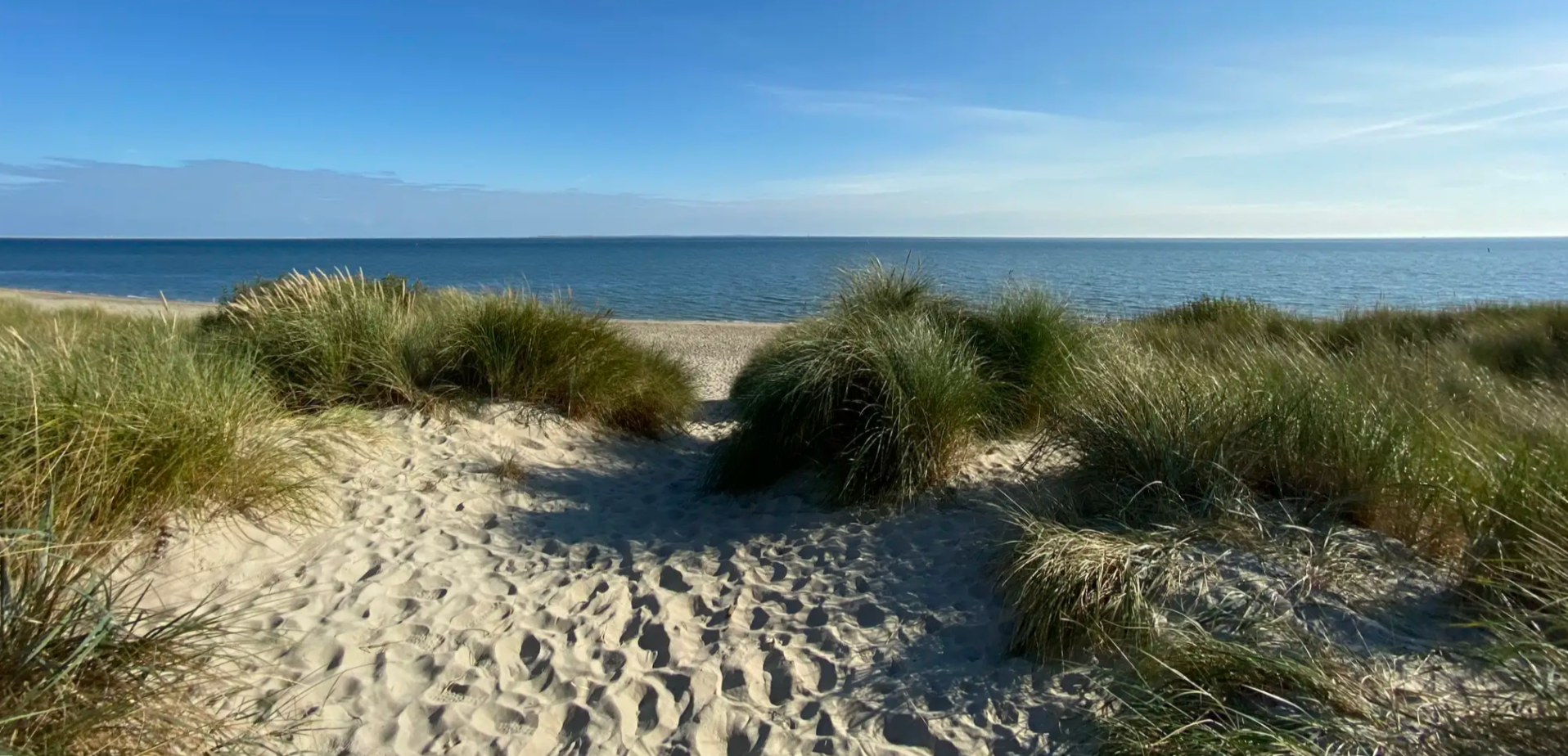
Regional Trail WaddenWalking (SP 04) - Hiking across the Wadden Sea.
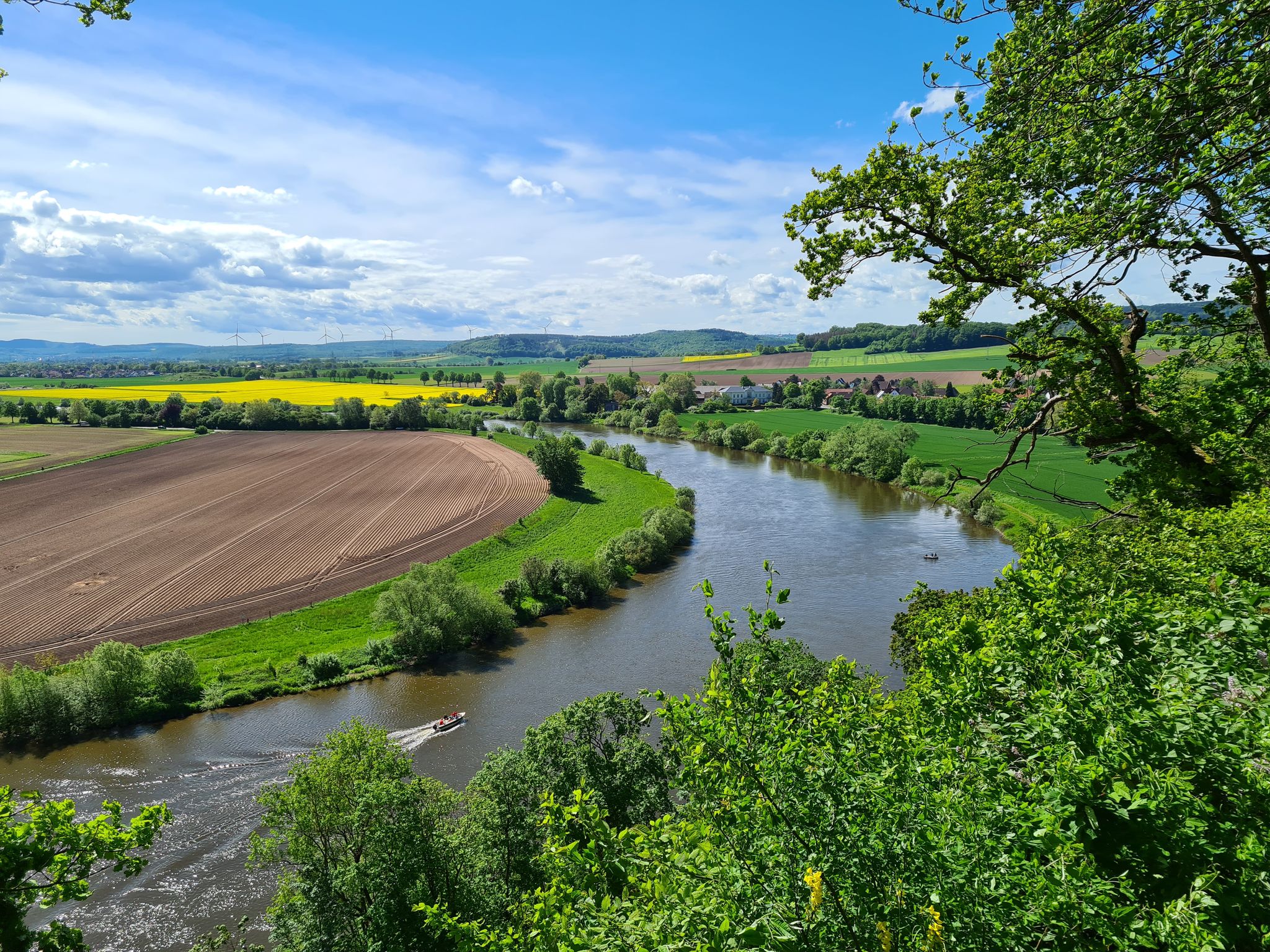
Loccum-Volkenroda pilgrim's way – From monastery to monastery
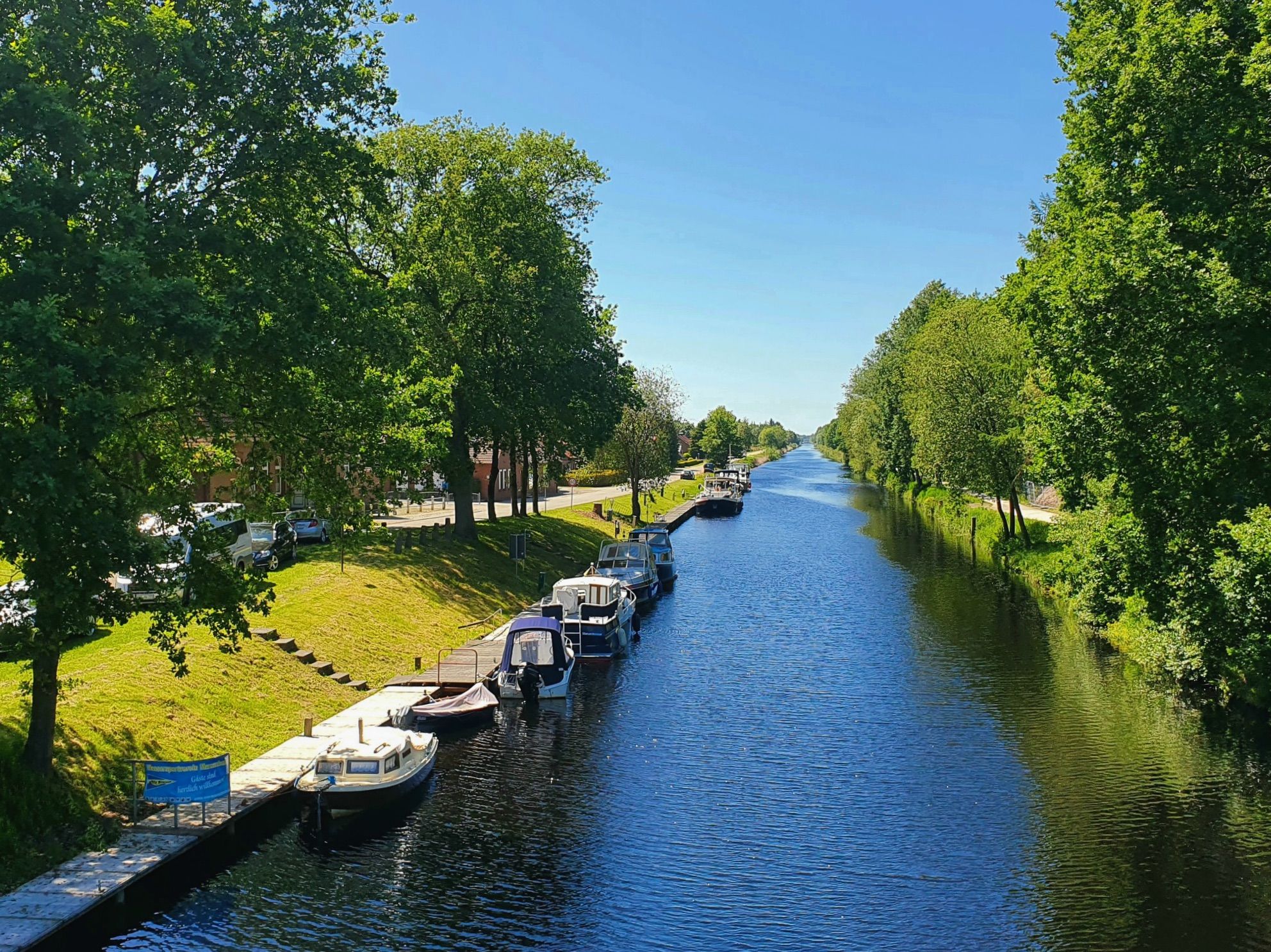
Ems-Jade Trail – Across East Frisia
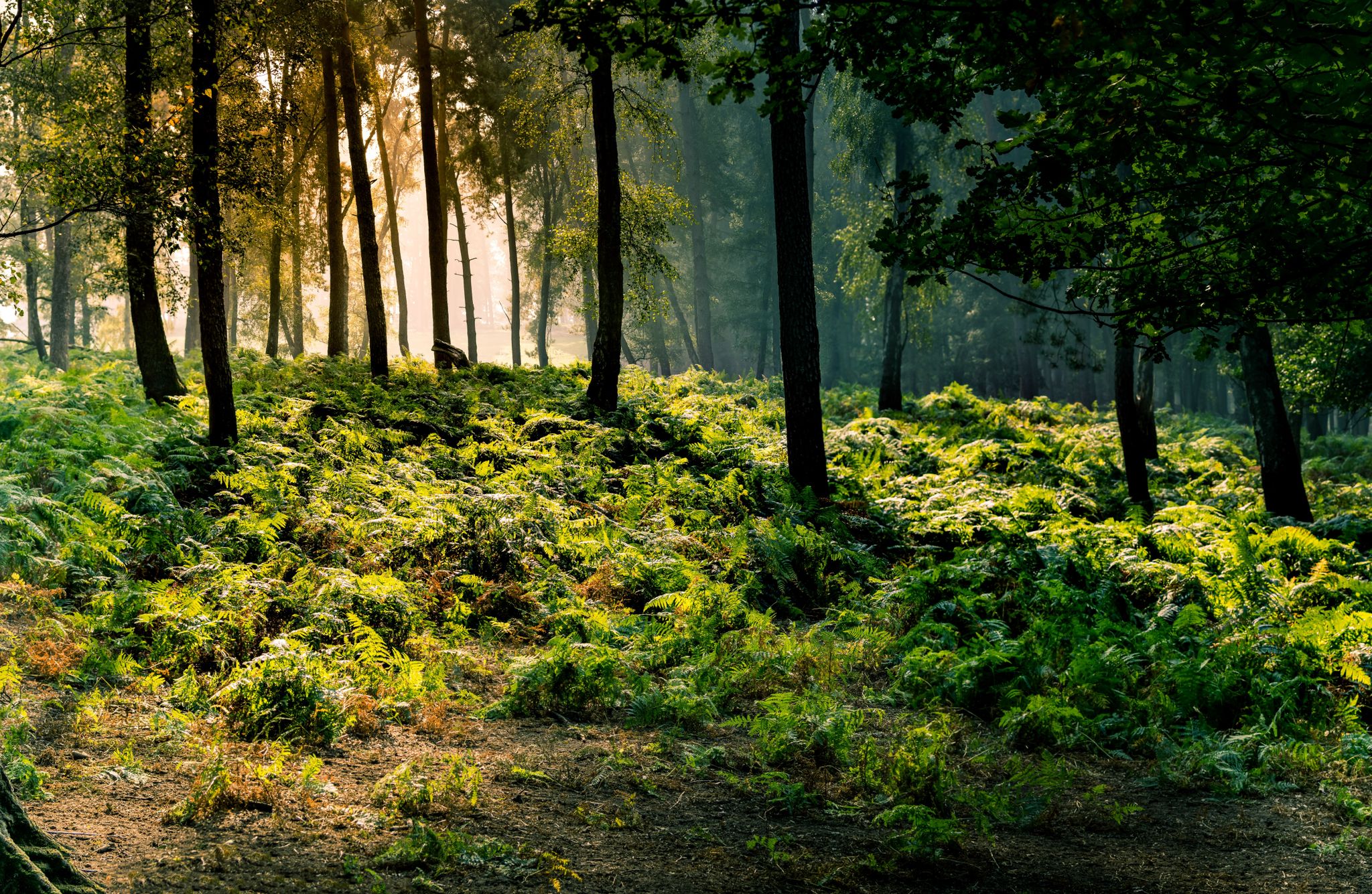
Frau Holle Trail – Nature and fairytales, eight stages
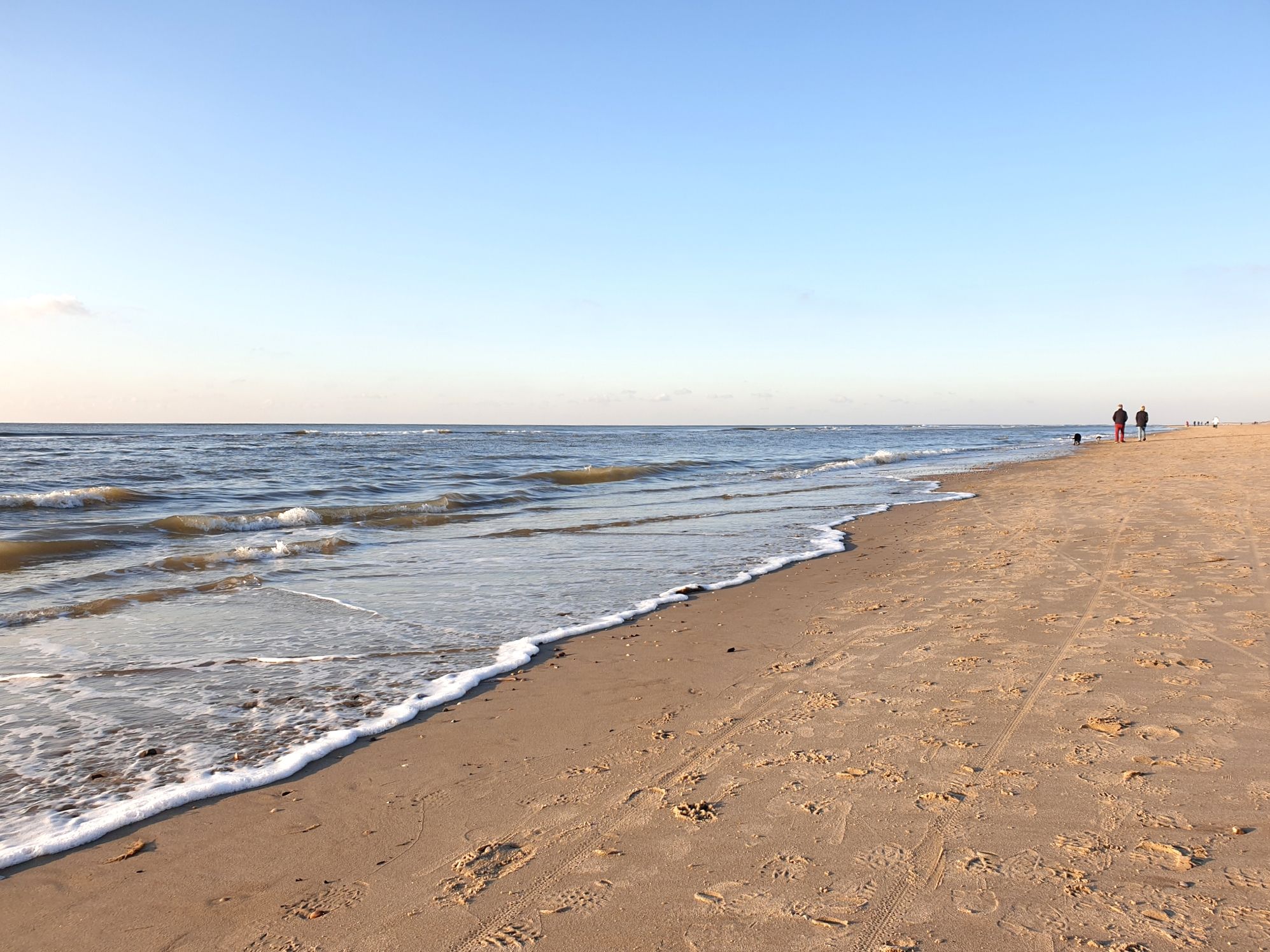
Groot Frieslandpad (LAW 14) – Right through the North of the Netherlands
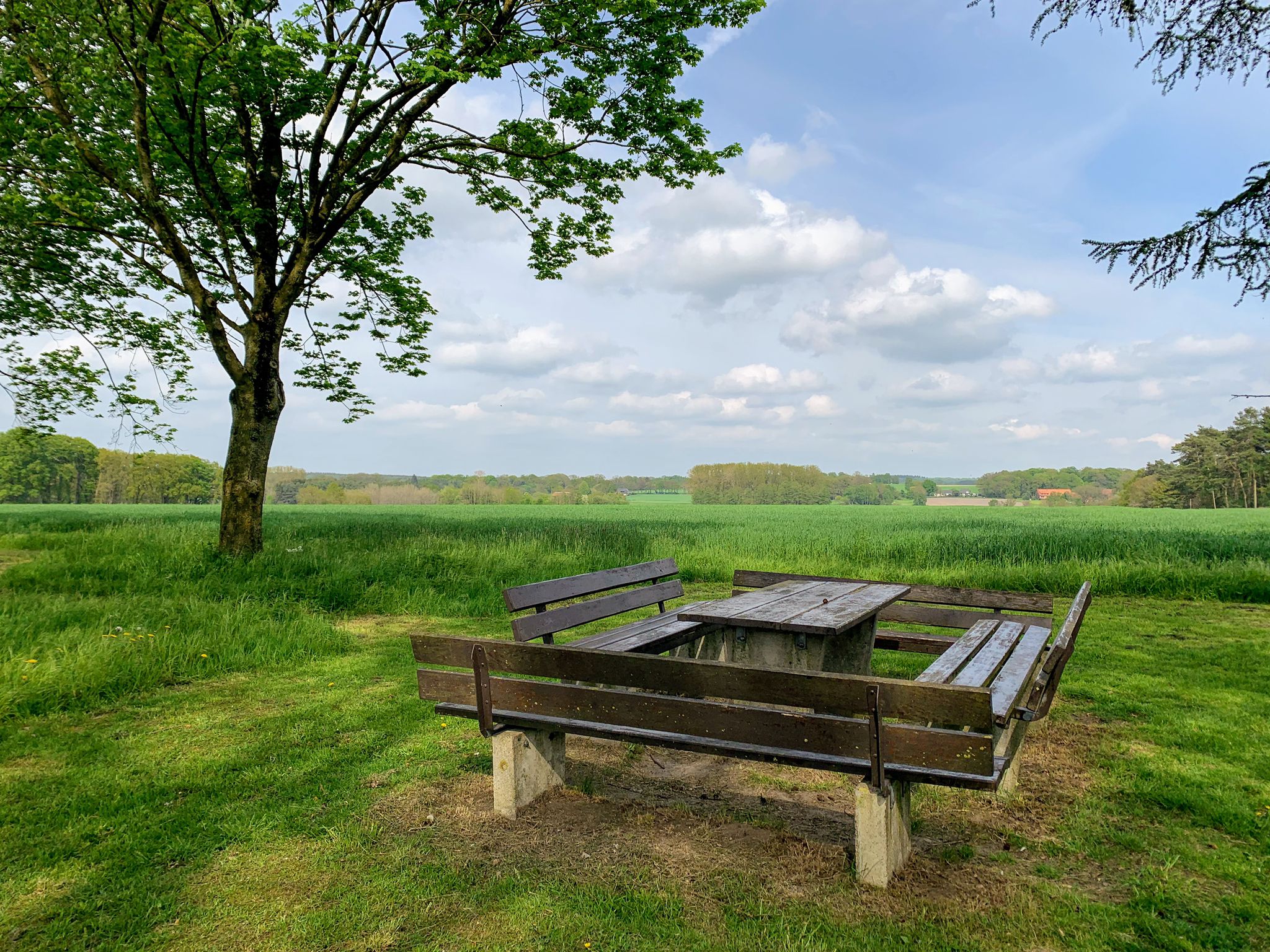
Geest Cycle Route – Experience natural spaces
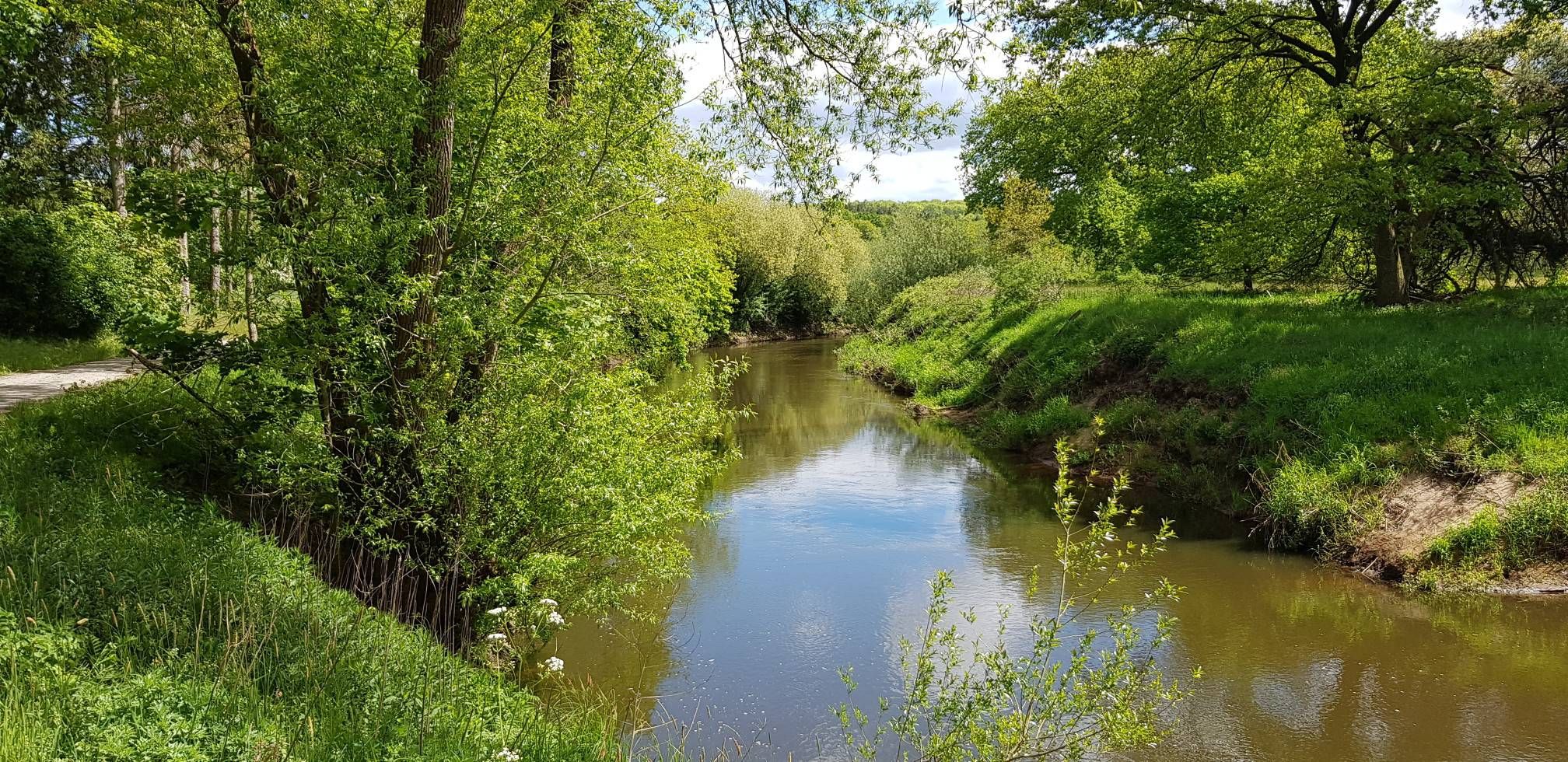
Germany's Hunte Cycle Path – Finding rest
Other adventures in Lower Saxony


Tips from the Community

The Wolfswarte with its striking rocks is beautiful in every season. When the weather is good, you can see Altenau andschulenberg, as well as the Okertalsperre, from here. The view of the surrounding mountains is also fantastic!
8
0

Cats can't be seen when it rains😅, it's nice that the enclosure exists. And the lynx is back in the Harz Mountains.
18
1


Eye to eye with the lynx The brush ears are back in the Harz forests. But like all cats, they are very shy. So anyone who sees them in the wild is really lucky. So that everyone can admire them, we have built a lynx display enclosure on the Rabenklippe near Bad Harzburg. Here you can watch our lynxes basking in the sun, climbing trees or sneaking through their territory. Our public lynx feeding is particularly popular. Here you can learn interesting facts about the lynx from our national park staff and you can observe the big cats up close while they are eating. opening hours Regular: The lynx display enclosure is accessible at all times. The public lynx feeding takes place on Wednesdays and Saturdays at 2:30 p.m. Registration is not necessary for groups either. Admission is free. Note: Spectacular photos are guaranteed when the animals present themselves in the attractive and rugged enclosure landscape. However, the large enclosure also offers the animals numerous hiding places, so that they cannot always be discovered. A high visitor's platform enables a "fence-free" view of large parts of the enclosure landscape. getting there The lynx enclosure on the Rabenklippe is located near Bad Harzburg in the middle of the forest. Access by car is not possible, the access road is closed to public traffic. You can reach the lynx enclosure from Bad Harzburg via designated hiking trails. The distance is around 4 kilometers, so please plan enough time for the hike. You save around 200 meters in altitude if you take the Burgberg cable car up the Burgberg. From the mountain station you hike about 60 minutes to the lynx enclosure. Please also note our tour recommendation "On the way to the lynxes". From April to early November, the “Grüner Harzer” bus line (KVG bus line 875) runs between Bad Harzburg and the lynx enclosure on the Rabenklippe. https://www.nationalpark-harz.de/de/natur-erleben/luchsgehege/
16
1
Become part of our documentary community and help us follow the development of the forest. More information at www.harzinfo.de/derwaldruft and specifically on forest change in the Harz National Park at www.waldwildnis-harz.de
7
0
Rarely seen even in the cage, but we were lucky enough to see Pamina.
29
4

Stamp point 148, and a highlight of the crystal clear lake is pure relaxation.
20
4
Frequently Asked Questions
What diverse natural features can I expect to see among Lower Saxony's natural monuments?
Lower Saxony offers a remarkable array of natural features. You can explore the rugged landscapes, dense forests, and deep valleys of the Harz National Park, including impressive granite rock formations. The Lüneburg Heath features vast expanses of heather, juniper groves, and ancient forests. Along the North Sea coast, the Wadden Sea National Park presents expansive mudflats, sandbanks, and salt marshes. Additionally, the region preserves individual ancient and distinctive trees, often designated as natural monuments.
Are there family-friendly natural monuments in Lower Saxony?
Yes, many natural monuments in Lower Saxony are suitable for families. For instance, the area around Silberteich on the Nature Myths Trail (HWN 148) is known for its idyllic setting and imaginatively laid out nature myths trail, making it enjoyable for all ages. The Oderteich and Bärenbrucher Pond (HWN 137) are also categorized as family-friendly, offering pleasant surroundings for walks. The Lüneburg Heath, with its gentle terrain, is ideal for family outings, including horse-drawn carriage rides.
When is the best time to visit the natural monuments in Lower Saxony?
The best time to visit depends on the type of natural monument you wish to experience. For the Lüneburg Heath, late summer (August and September) is particularly stunning when the heather blooms, creating a vibrant purple landscape. The Harz National Park is beautiful year-round, offering lush greenery in spring and summer, vibrant foliage in autumn, and opportunities for winter activities like snowshoeing. The Wadden Sea National Park can be visited throughout the warmer months for mudflat hiking and wildlife observation, though conditions are tide-dependent.
What kind of hiking trails can I find near these natural monuments?
You'll find a wide variety of hiking trails. In the Harz National Park, there are extensive trails, including the Harz Witches' Trail, leading to summits like Wolfswarte Summit and Achtermannshöhe (HWN 12). The Lüneburg Heath offers gentle paths perfect for leisurely walks and cycling. Many trails are rated intermediate, but you can also find easy routes, such as the ascent to Wilseder Berg, which rewards with panoramic views.
Are there any natural monuments with exceptional viewpoints in Lower Saxony?
Absolutely. The Wilseder Berg in the Lüneburg Heath offers magnificent panoramic views of the heathland. In the Harz, Wolfswarte Summit provides fantastic views of the Brocken and surrounding mountains, while Achtermannshöhe (HWN 12) offers a great panoramic view of the Brocken and the surrounding area. Raven Crag also boasts a fantastic view, often accompanied by delicious homemade cake at its forest restaurant.
What unique flora and fauna can be observed in Lower Saxony's natural monuments?
Lower Saxony's natural monuments are home to diverse ecosystems. In the Harz National Park, you might spot the reintroduced Eurasian lynx, red deer, wild boars, and various bird species like the Eurasian eagle-owl. The unique flora includes the Brocken anemone. The Lüneburg Heath is characterized by its vast heather fields and juniper groves, maintained by traditional Heidschnucke sheep. The Wadden Sea National Park is a crucial breeding and feeding ground for countless species of birds, fish, and marine organisms, including seal colonies.
What other outdoor activities can I do near the natural monuments in Lower Saxony?
Beyond hiking, Lower Saxony offers a range of outdoor activities. You can enjoy road cycling on routes like the Weser Weir Bremen or various loops from Sottrum, as detailed in the Road Cycling Routes in Lower Saxony guide. Running enthusiasts can explore trails around Maschsee or Südsee Lake, found in the Running Trails in Lower Saxony guide. Gravel biking is also popular, with routes through areas like the Altwarmbüchen moor nature reserve, as highlighted in the Gravel biking in Lower Saxony guide.
Are there any historical sites or features within Lower Saxony's natural monuments?
Yes, some natural monuments also hold historical significance. The Harz National Park, for example, has a rich history, with the Brocken shrouded in myths and legends. The Wolfswarte Summit was historically used by hunters to track wolves. The Oderteich and Bärenbrucher Pond (HWN 137) are also noted as historical sites. The Dam wall of the Eckertalsperre (HWN 001) is a significant man-made monument within a natural setting, offering both natural beauty and historical context.
What are some of the most highly-rated natural monuments by visitors?
Visitors frequently praise several natural monuments. Wolfswarte Summit is highly popular for its fantastic views. The idyllic setting of Silberteich on the Nature Myths Trail (HWN 148) is also a favorite. Other top-rated spots include Achtermannshöhe (HWN 12) for its panoramic views, and Wilseder Berg in the Lüneburg Heath for its stunning vistas, especially during heather bloom.
Can I bring my dog to the natural monuments in Lower Saxony?
Many natural monuments and their surrounding areas in Lower Saxony are dog-friendly, especially for walks on designated trails. For example, Bärenbrucher Pond (HWN 137) is explicitly listed as dog-friendly. However, it's always advisable to check specific park regulations, especially in national parks or nature reserves like the Harz or Wadden Sea, as rules regarding leashes and restricted areas may apply to protect wildlife and sensitive ecosystems.
Are there any natural monuments in Lower Saxony that are considered 'hidden gems'?
While many natural monuments are well-known, some offer a more secluded experience. The Wolfswarte Summit, despite its popularity, is described as having an exceptionally exposed and rugged, woodless summit, offering a unique perspective away from the more crowded Brocken. The Oberharz moors within the Harz National Park are among Germany's best-preserved and offer a tranquil, less-trodden experience for those seeking untouched nature.
What are the typical terrain and difficulty levels for exploring natural monuments in Lower Saxony?
The terrain and difficulty vary significantly across Lower Saxony. In the Harz National Park, you can expect rugged landscapes, steep ascents to summits like Wurmberg Summit, and root-rich paths, often rated intermediate to challenging. The Lüneburg Heath, in contrast, features mostly flat to gently rolling terrain, making for easy and leisurely walks. The Wadden Sea involves walking on soft mudflats, which can be physically demanding due to the uneven surface and requires guided tours for safety.
Most popular routes in Lower Saxony
Most popular attractions in Lower Saxony

Get inspired with the komoot mobile app


Didn’t find what you were looking for?
Find even more amazing natural monuments in Lower Saxony by checking out the top Highlights region by region:
Explore more
Extend your search for the best caves by checking out these guides of the top ones in Lower Saxony:
