Top 20 Caves in Saxony-Anhalt
Best caves in Saxony-Anhalt are found within a region characterized by its diverse geological formations, particularly in the Harz Mountains. The area features both natural limestone caves with dripstone formations and artificial sandstone caves. These subterranean sites offer insights into geological processes and historical human activity. Saxony-Anhalt provides various cave exploration opportunities for visitors.
Best caves in Saxony-Anhalt
- The most popular caves is Klus Rocks, a natural monument that features various cavities, some of which are artificial caves of…
Last updated: July 7, 2026
Large sand caves (HWN 81)
Highlight • Cave
Translated by Google •
Tip by

Small Sandstone Caves in the Harz
Highlight • Cave
Translated by Google •
Tip by
Sign up now to discover places like this
Get recommendations on the best single tracks, peaks, & plenty of other exciting outdoor places.
Sign up for free
Sandstone cave beneath Regenstein Fortress
Highlight • Cave
A hiking fun for young and old.
Translated by Google •
Tip by

Chimney mountain (HWN 089)
Highlight • Viewpoint
Translated by Google •
Tip by
Pioneer Tunnel (Pioniertunnel)
Highlight • Structure
Translated by Google •
Tip by

Klus Rocks
Highlight • Natural Monument
Translated by Google •
Tip by

Volkmarskeller (HWN 87)
Highlight • Cave
Translated by Google •
Tip by

Langenstein Cave Dwellings
Highlight • Historical Site
Translated by Google •
Tip by

Gewittergrotte (Thunder Grotto)
Highlight • Natural Monument
Translated by Google •
Tip by

Teufelskanzel (Halberstadt Klusberge)
Highlight • Natural Monument
Translated by Google •
Tip by

Sign up for free to discover even more caves in Saxony-Anhalt.
Sign up for free
Already have an account?
Start today with a free account
Your next adventure awaits.
Login or Signup
Popular around Saxony-Anhalt
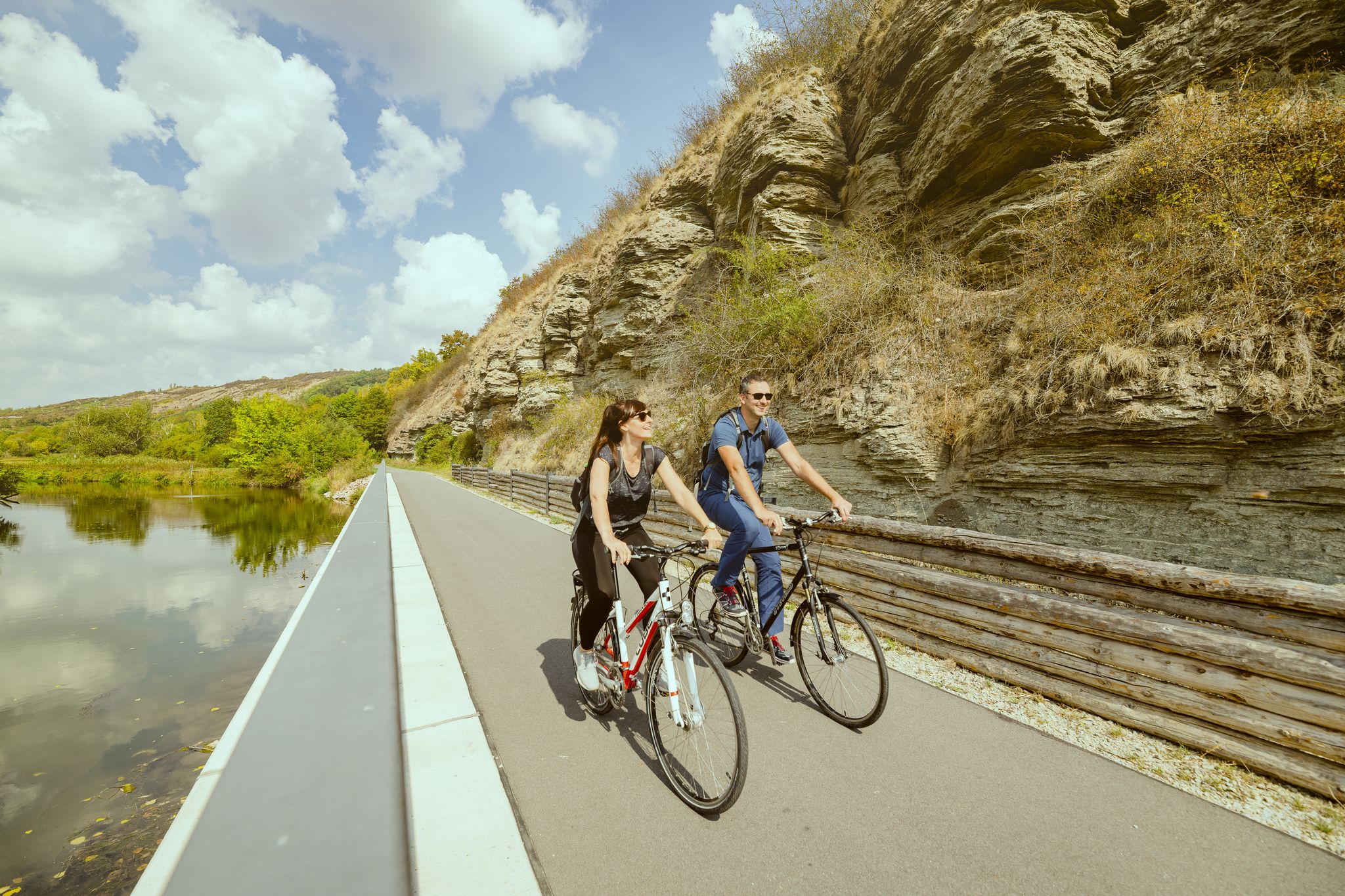
Unstrut Cycle Path – from the source in Eichsfeld to the River Saale
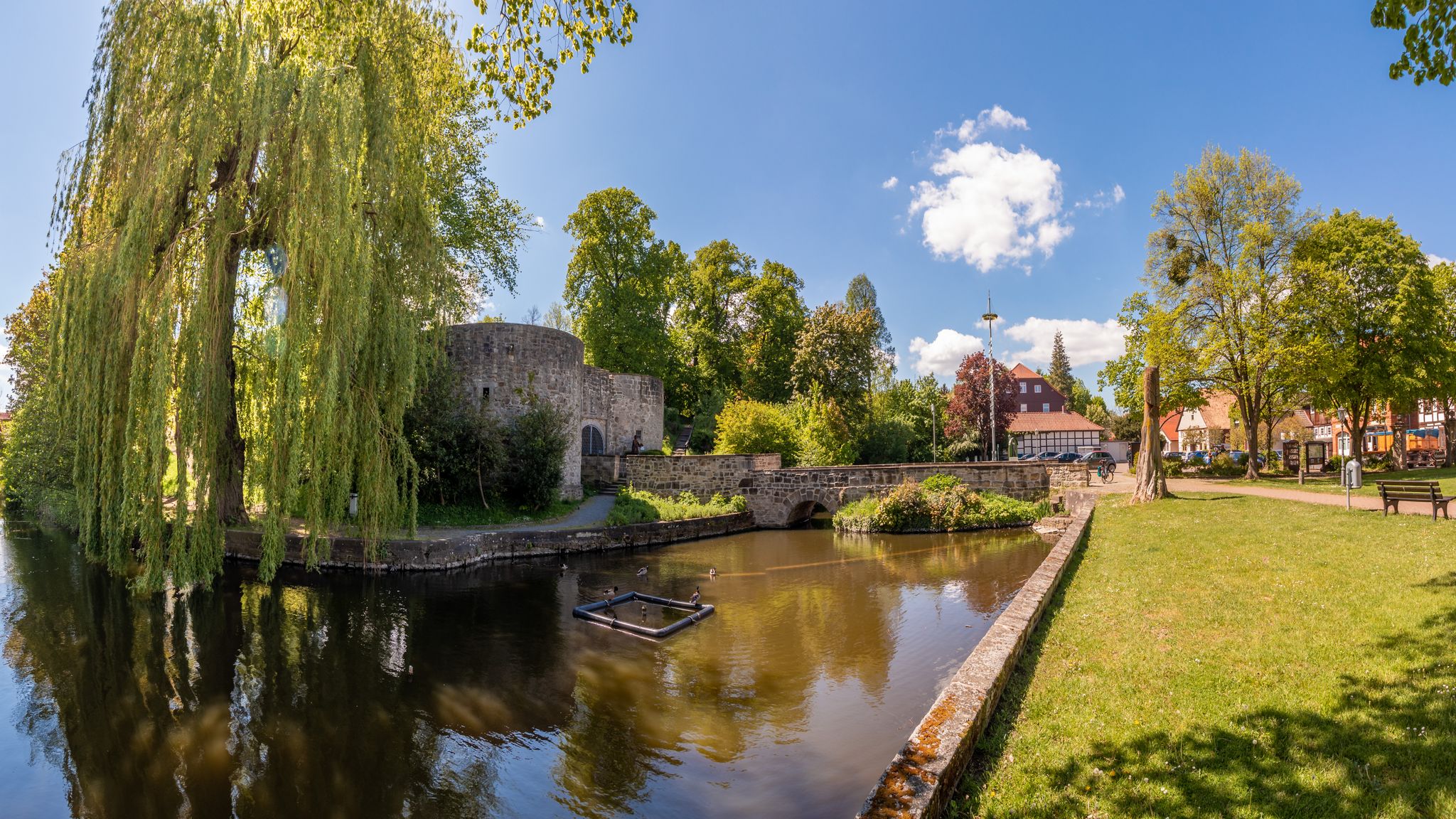
Berlin-Hameln Cycle Route – From West to East
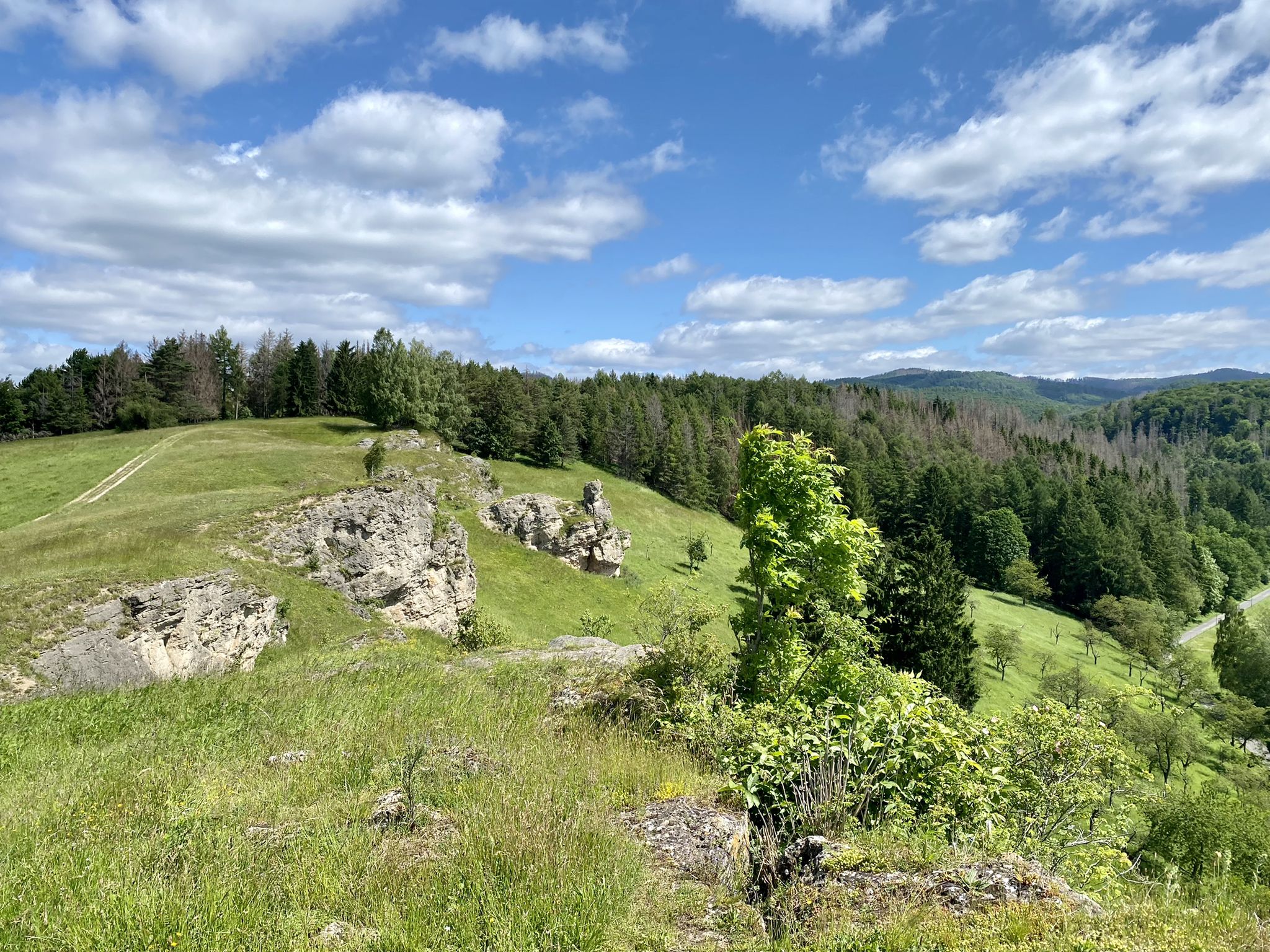
Karst Trail in Germany's Southern Harz Mountains – Where Water Meets Limestone
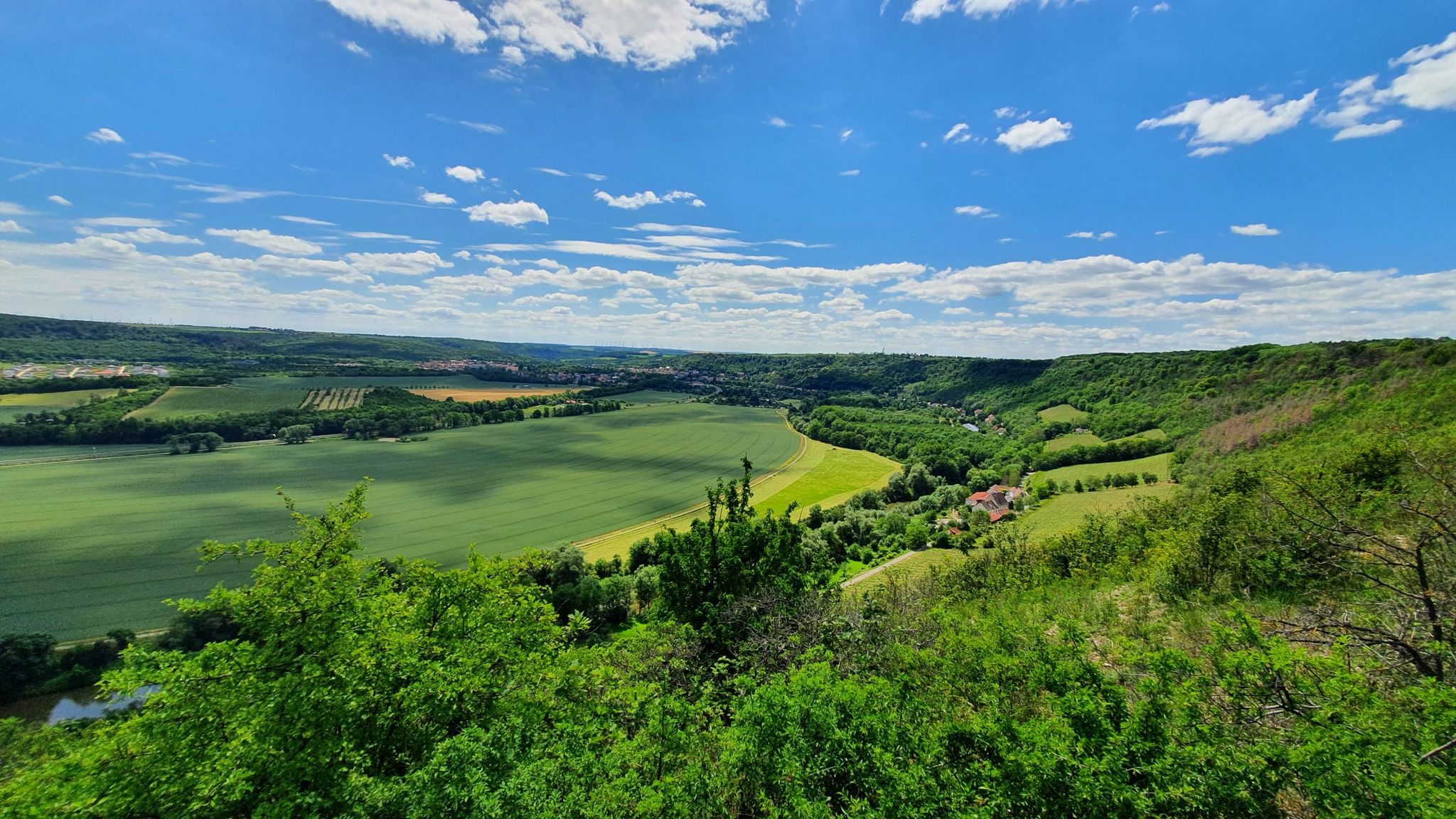
Feengrotten Kyffhäuserweg – Hike Germany's trail
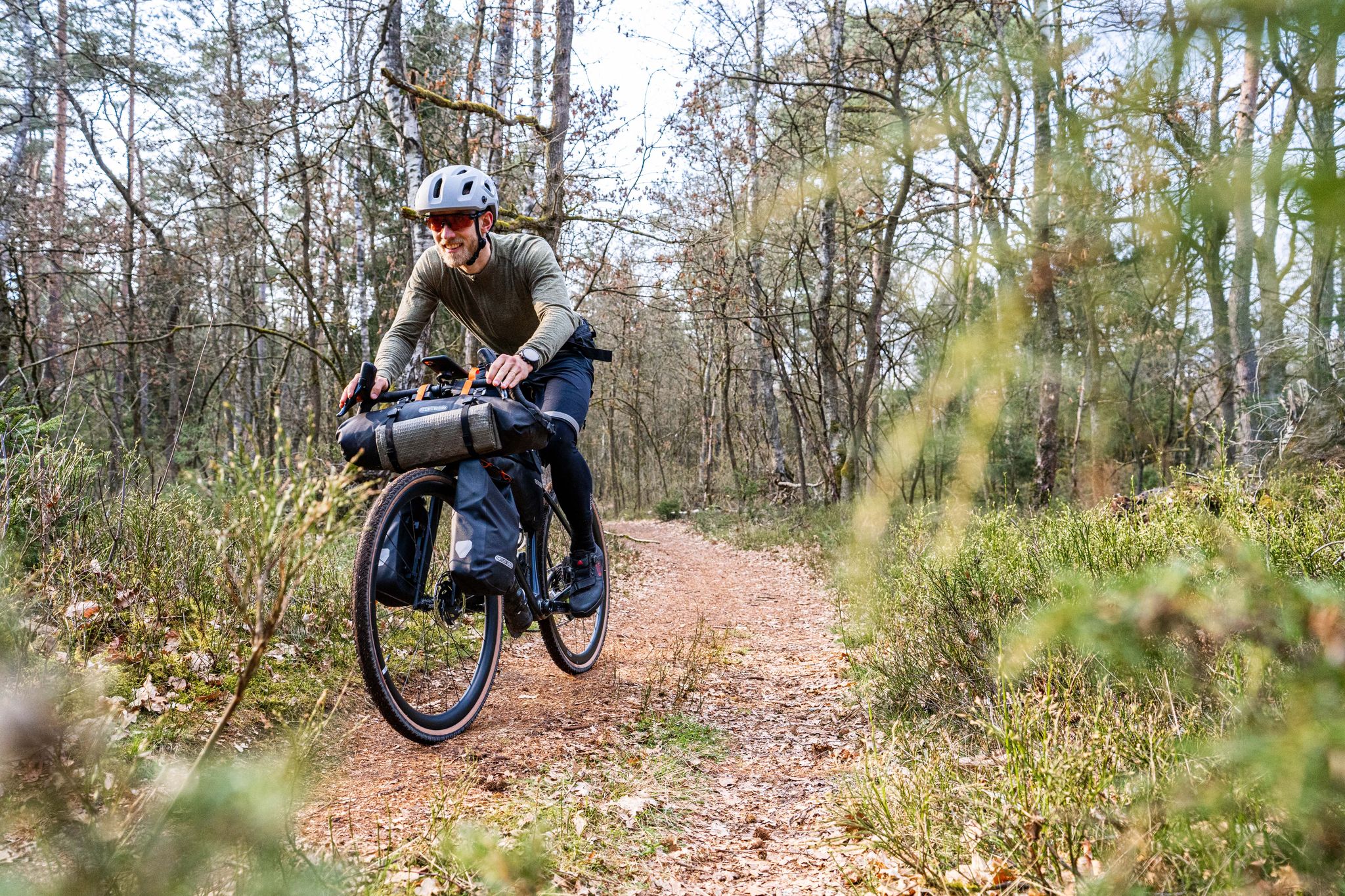
Gravel bikepacking from Hamburg to Munich
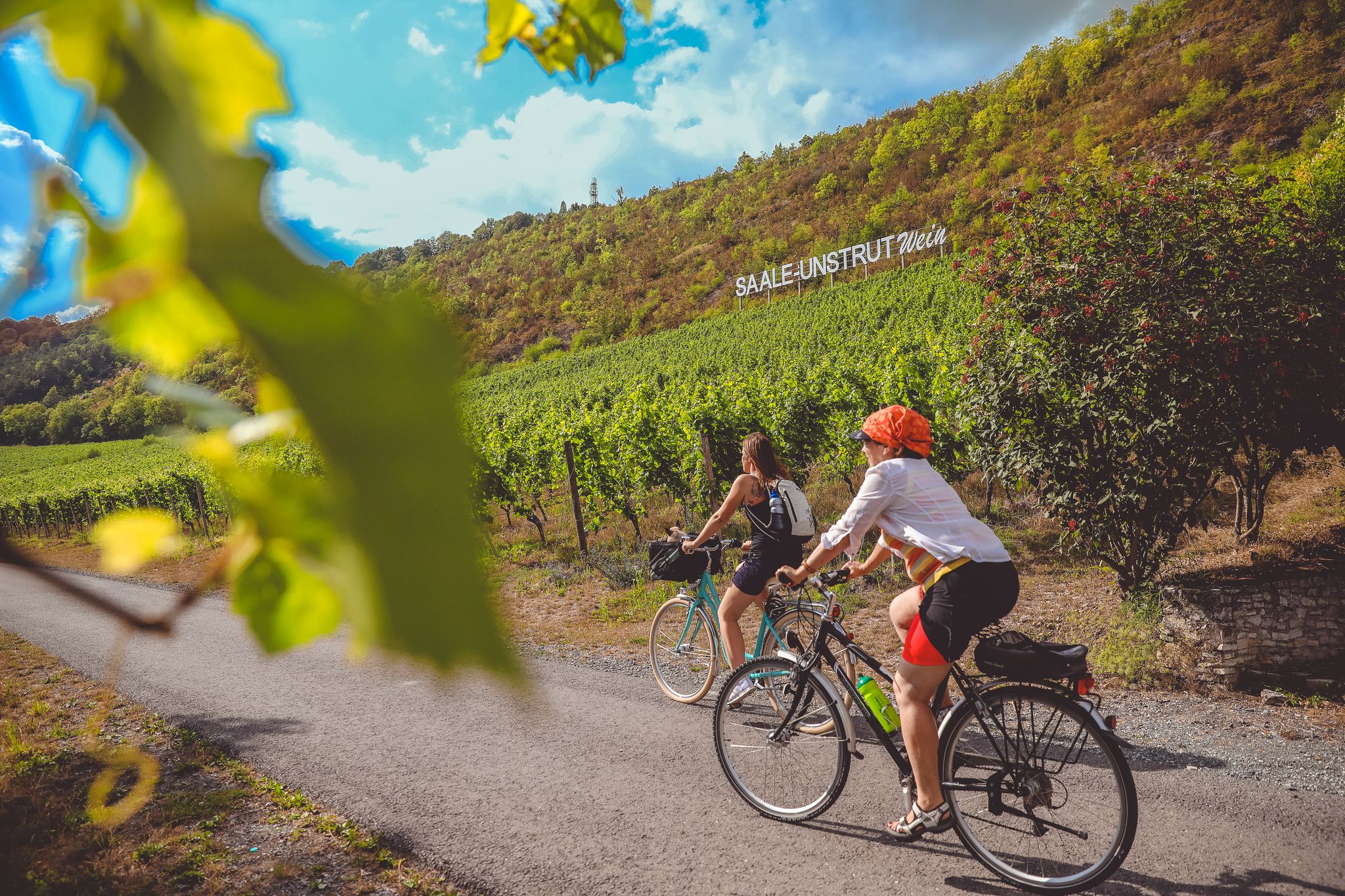
Saale Cycle Path part 2 – culture and nature along the river
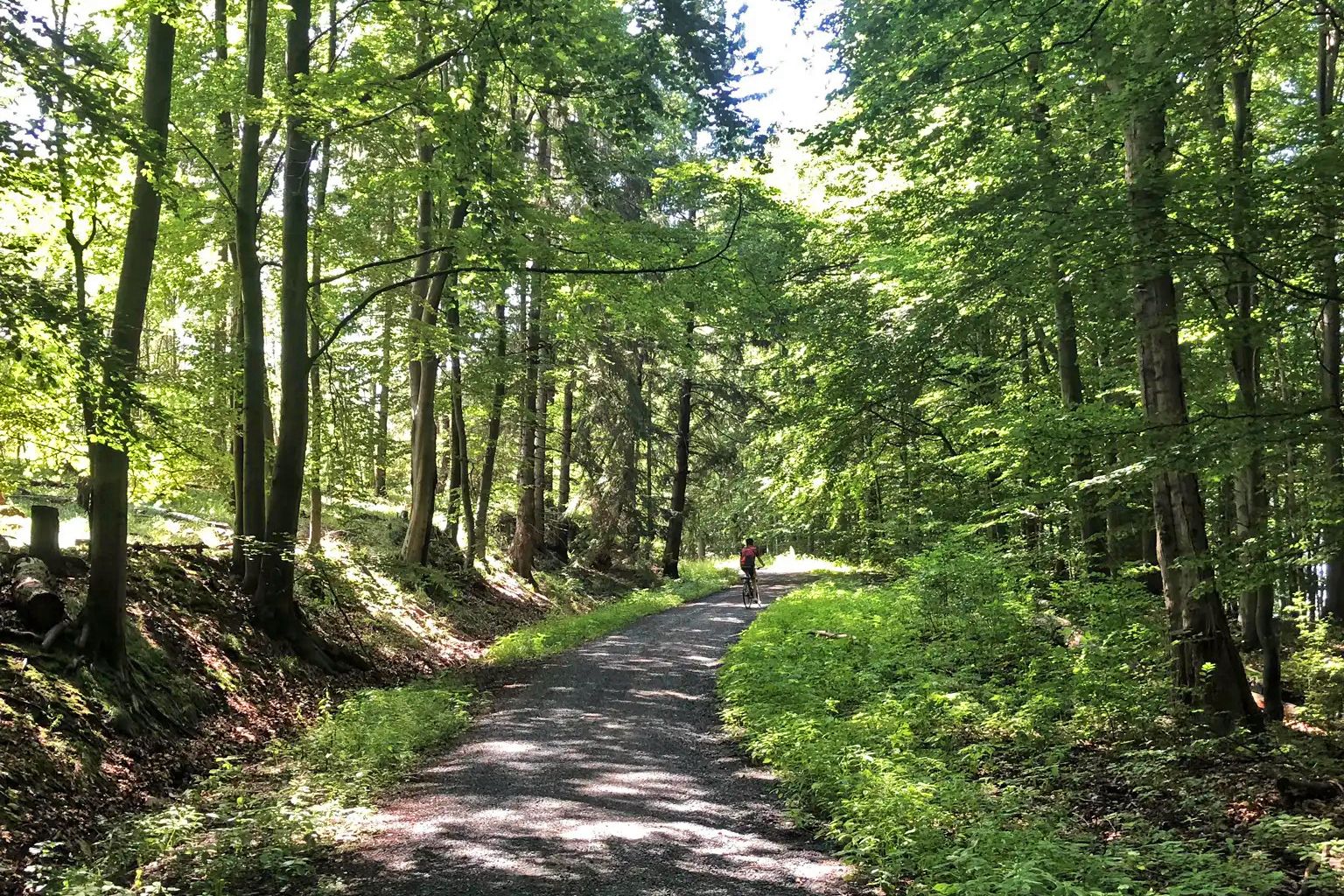
The Harz-Rundweg – once around the low mountain range in the Harz foreland
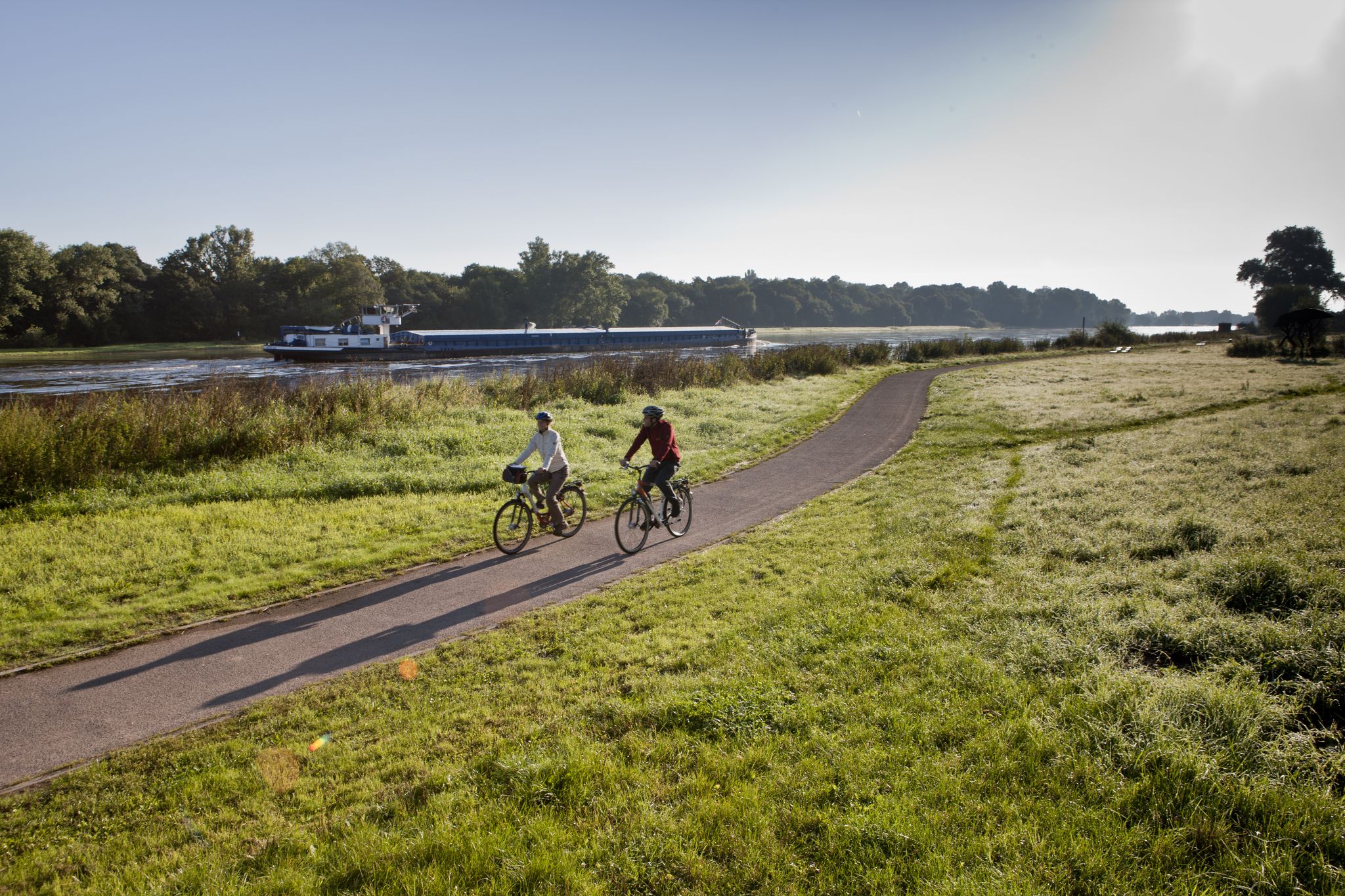
Elbe Cycle Route – Ride through Saxony-Anhalt
The Berlin Leipzig cycle path – Through the East in five stages
Aller Cycle Path – In 6 stages
Other adventures in Saxony-Anhalt


Tips from the Community

Great destination especially for children, there is a lot to explore.
13
1
Very interesting destination and lovingly maintained.
11
1

The cave is called the lower church, or the ruins of the upper church from the 9th century can still be seen.
14
1

Due to the constant influence of wind and weather, the Devil's Wall has of course continued to change over thousands of years. A special form of weathering can be seen in the thunderstorm grotto, which is also known as honeycomb weathering.
16
0

One of the many labeled rocks in the Devil's Wall area.
8
0

The Pioneer Tunnel is a stop on the Selketalstieg between Alexisbad and Mägdesprung and is located on the east side of the picturesque Selke Valley. This artificial, around 10 meters long and relatively low passage was driven through the rock in May 1900 within a few days. The hiking trail leads through here. There is no alternative route over or around the rock, so if you don't want to turn back you have to squeeze through the narrow tunnel. On the south side of the tunnel you have a beautiful view of the Selke Valley and the surrounding mountains. Source: https://www.harzlife.de/bilder/pioniertunnel.html
7
1

This is a beautiful cultural monument. A visit is highly recommended!
11
0

Currently closed due to filming.
8
3
Frequently Asked Questions
What makes the caves in Saxony-Anhalt unique?
Saxony-Anhalt's caves offer a diverse range of experiences, from natural limestone caves with impressive dripstone formations like the Baumannshöhle and Hermannshöhle in Rübeland, to artificial sandstone caves and historical cave dwellings. These sites provide insights into geological processes, prehistoric life, and early human settlement.
What kind of natural formations can I expect to see in Saxony-Anhalt's caves?
You can expect to see spectacular stalactites and stalagmites, vast cavities, and unique rock formations. For example, the Baumannshöhle features the expansive Goethesaal and the 'Leuchterschlucht', while the Hermannshöhle boasts high cavities and the sparkling Kristallkammer. The Klus Rocks near Halberstadt also present unique artificial caves within a natural sandstone massif.
Are there any unique animals to see in the caves of Saxony-Anhalt?
Yes, the Hermannshöhle in Rübeland is home to the Olmensee, an artificial lake where Germany's only grotto olms (Proteus anguinus) reside. These rare, blind amphibians were relocated from Slovenia and are a unique sight in their subterranean habitat.
What are the historical aspects of the caves in Saxony-Anhalt?
Many caves in the region have significant historical connections. The Baumannshöhle is Germany's oldest show cave, visited multiple times by Johann Wolfgang von Goethe. Prehistoric cave bear bones have been discovered in both the Baumannshöhle and Hermannshöhle. Additionally, the Langenstein Cave Dwellings showcase early living culture, with some structures believed to date from the Germanic settlement period.
What is the best time of year to visit the caves in Saxony-Anhalt?
Caves generally maintain a constant temperature year-round (around 8-9°C in the Rübeland caves), making them suitable for visits in any season. However, external weather conditions might influence your overall trip to the Harz region. It's always advisable to check specific cave opening hours, as some may have seasonal variations.
What should I wear when visiting caves in the Harz region?
Due to the constant cool temperatures (8-9°C) and high humidity inside the caves, warm clothing is highly recommended. Non-slip shoes are also essential for navigating potentially damp and uneven surfaces.
How long do guided tours typically last at the Rübeland caves?
Guided tours at the Hermannshöhle typically last approximately 50 minutes, allowing visitors to explore the cave's depths and learn about its geology and inhabitants. Tour durations for the Baumannshöhle are comparable.
Are there family-friendly cave experiences in Saxony-Anhalt?
Many cave sites in Saxony-Anhalt are suitable for families. The Small Sandstone Caves in the Harz are great for exploration and hide-and-seek. The Klus Rocks are also a popular destination for children, offering much to explore. The show caves in Rübeland also cater to families with guided tours.
What outdoor activities can I do near the caves in Saxony-Anhalt?
The region around the caves, especially the Harz Mountains, offers numerous outdoor activities. You can find excellent opportunities for hiking, cycling, and gravel biking. Popular hiking routes include trails through the Ilsetal or to the Brocken, while cycling paths offer scenic tours through the Harz foreland.
Are there parking options available near the main caves in Rübeland?
Yes, as popular tourist destinations, both the Baumannshöhle and Hermannshöhle in Rübeland have parking facilities available nearby for visitors.
Can I bring my dog to the caves or nearby trails?
While dogs are generally not permitted inside the show caves themselves, there are many dog-friendly walks and trails in the surrounding Harz region. For example, the Small Sandstone Caves in the Harz are noted as a great place for dogs to play.
Where can I find amenities like cafes or restaurants near the Rübeland caves?
The village of Rübeland, where the Baumannshöhle and Hermannshöhle are located, offers various amenities including cafes and restaurants to cater to visitors. The broader Harz region also has numerous options for dining and accommodation.
Are any caves in Saxony-Anhalt wheelchair accessible?
Accessibility can vary greatly between different cave sites. While some modern visitor centers or initial sections might be accessible, the natural and often rugged terrain inside many caves, especially those with dripstone formations, typically presents challenges for wheelchair users. It is best to check directly with the specific cave attraction for detailed accessibility information.
Most popular routes in Saxony-Anhalt
Most popular attractions in Saxony-Anhalt

Get inspired with the komoot mobile app


Didn’t find what you were looking for?
Discover more caves in Saxony-Anhalt region by region:
Explore more
Extend your search for the best caves by checking out these guides of the top ones in Saxony-Anhalt:
