Top 20 Castles in Schleswig-Holstein
Castles in Schleswig-Holstein offer a journey through history in Germany's northernmost state. This region, characterized by its Baltic and North Sea coasts, numerous lakes, and rolling landscapes, provides a diverse backdrop for historical exploration. The castles here reflect centuries of ducal and royal history, often situated amidst picturesque natural settings. Visitors can explore a range of architectural styles, from Renaissance water castles to Baroque residences, many of which now function as museums or cultural centers.
Best castles in Schleswig-Holstein
- The most popular castles is Eutin Castle, a castle that originated from a medieval complex and was expanded into a royal residence. It is considered one of the most important secular court buildings in Schleswig-Holstein and operates as a museum.
- Another must-see spot is Glücksburg Castle, a moated castle. This Renaissance water castle near Flensburg is one of the most significant residential castles in Northern Germany, offering historical insights and scenic views.
- Visitors also love Ahrensburg Castle, a Renaissance castle with four striking corner towers and a moat. It is now a museum showcasing Schleswig-Holstein aristocratic culture with precious interiors and art collections.
- Schleswig-Holstein is known for its Renaissance castles, moated castles, and ducal residences. These structures offer a variety of historical experiences, from museums to cultural event venues.
- The castles in Schleswig-Holstein are appreciated by the komoot community, with more than 80 highlights, over 1800 photos, and more than 2700 upvotes shared by visitors.
Last updated: October 9, 2026
Eutin Castle
Highlight • Castle
Translated by Google •
Tip by

View of Plön Castle from the Great Plöner Lake
Highlight • Viewpoint
Translated by Google •
Tip by
Sign up now to discover places like this
Get recommendations on the best single tracks, peaks, & plenty of other exciting outdoor places.
Glücksburg Castle
Highlight • Castle
Translated by Google •
Tip by

Panker Manor
Highlight • Historical Site
Translated by Google •
Tip by

Gottorf Castle
Highlight • Castle
Translated by Google •
Tip by

Barmstedt Castle Island
Highlight • Castle
Translated by Google •
Tip by

Hagen Castle
Highlight • Castle
Translated by Google •
Tip by
Ahrensburg Castle
Highlight • Castle
The castle museum is impressive with evidence of a long history, from the Renaissance to historicism, and modernity is also represented.
Today the castle is not only a museum of Schleswig-Holstein aristocratic culture and the landmark of the city of Ahrensburg, but also offers its visitors a variety of opportunities to discover it from completely different sides.
schloss-ahrensburg.de/das-schloss
Translated by Google •
Tip by
Gut Brodau Manor
Highlight • Historical Site
Translated by Google •
Tip by
Eutin Castle Garden
Highlight • Natural Monument
The garden's earliest origins date back to around 1500. From 1716 onward, a luxurious French Baroque garden was created, in keeping with the spirit of the times. However, just 60 years later, work began on its fundamental redesign and expansion into what was then a fashionable English landscape garden, featuring numerous special trees from all over the world, winding paths, small temples, a waterfall, a Chinese bridge, and romantic views of the lake. It has remained almost unchanged to this day, except that the trees have since grown into magnificent giants. The Ducal Garden has been open to the public for almost 200 years. Also located within the garden is a separate kitchen garden with an orangery, a New Zealand House, a display kitchen, and various beautifully maintained plantings (medicinal herbs, heirloom varieties, vines, kettle trees). The garden is now a listed monument as one of Northern Germany's most important works of garden art. It was extensively renovated in 2015. Learn about the philosophy behind this many-hectare, listed gem, its botanical features, what a kitchen garden is all about, and much more on a guided tour offered by the Eutin Tourist Information Center. Numerous educational programs for children also take place here.
Translated by Google •
Tip by
Sign up for free to discover even more castles in Schleswig-Holstein.
Already have an account?
Start today with a free account
Your next adventure awaits.
Popular around Schleswig-Holstein
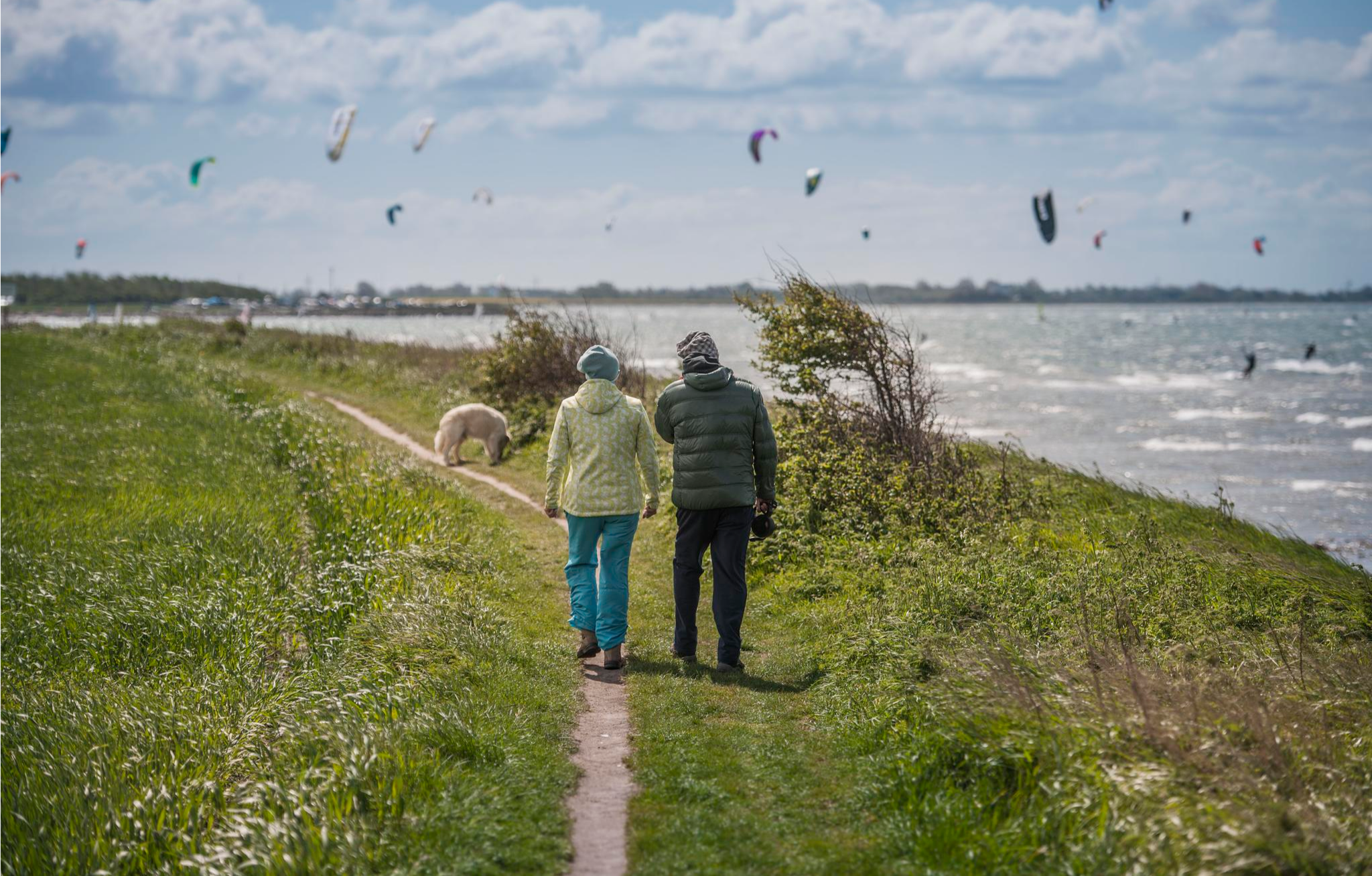
Autumn walks on Fehmarn – between coast and culture
Triathlon around Germany
European Divide Trail — 7,600 km across the continent
North-Baltic Sea Hiking Trail – Between the Seas
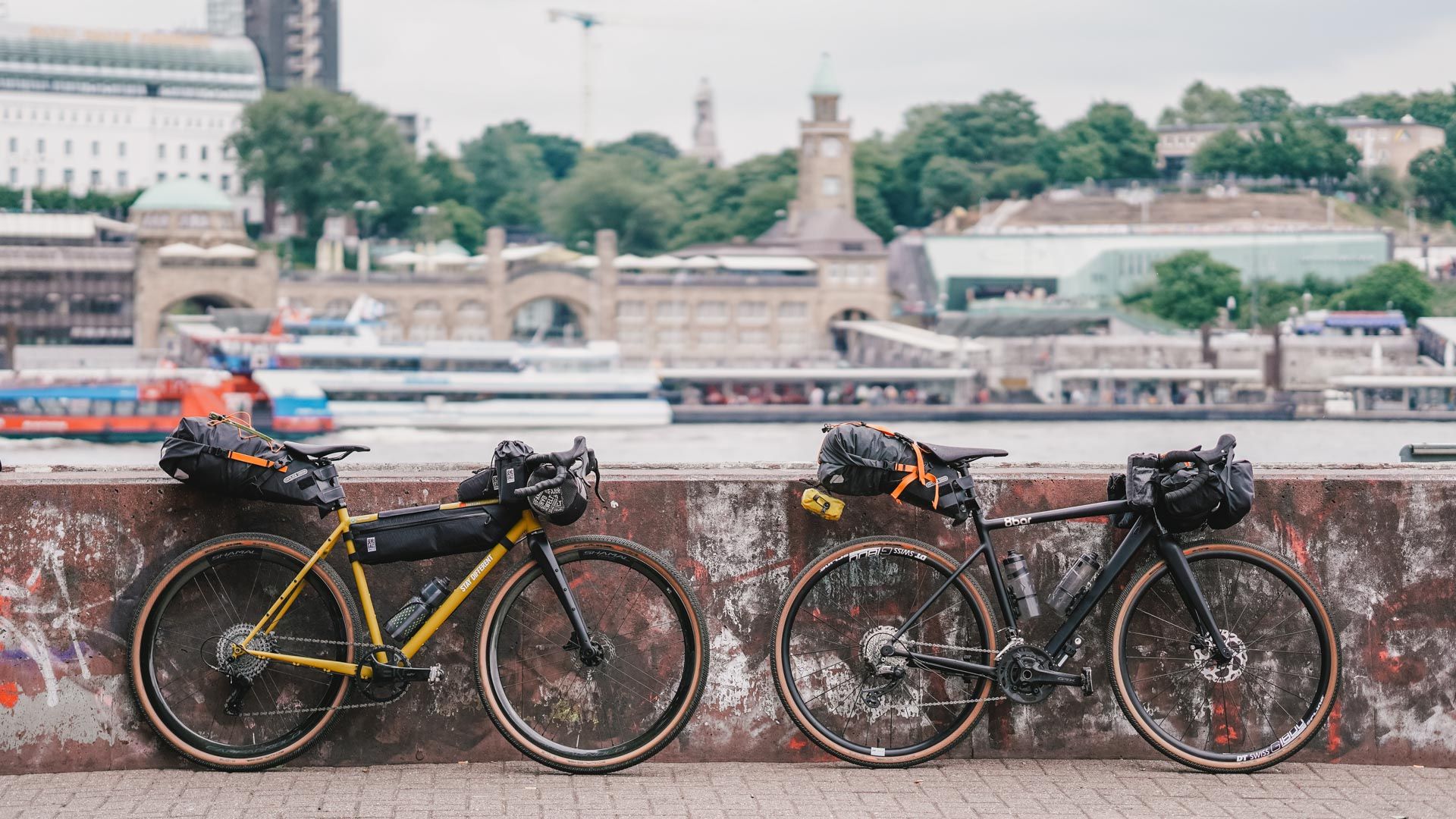
North Sea Deluxe — bikepacking with Radelmädchen
Naples to North Cape — Two friends, one purpose and many scoops of ice-cream
The Hanseatic Way – Cycling across North Germany to Poland, follow the cog!
EuroVelo 3 – A cycling pilgrimage from Norway to France
The Monks' Trail – From Bremen to the Baltic Sea

Cycling from Hamburg to Copenhagen – salty air included
Other adventures in Schleswig-Holstein


Tips from the Community

Today, the estate is run as a modern dairy farm with modern barns and milking robots, demonstrating the development of agriculture over time.
11
0
The drawbridge leading to the estate was only replaced by a dam in the 19th century, reflecting the development of the estate and the surrounding area.
11
0
The Brodau estate has been run by the Beitinger family since 2000. Historically, the von Ludowig family lived in the manor house and managed the farm. The landowner is known locally as Isabell von Ludowig.
11
0
"Gut Brodau" refers to a historic estate and its associated agricultural holding near Neustadt in Holstein on the Baltic Sea coast. The estate is known for its gatehouse and was once a moated castle on a natural island in the lake. Today, the farm is run as a modern dairy farm, and part of the grounds houses a RuheForst (rest forest).
15
0
The castle houses Schleswig-Holstein's most important museums and is integrated into a variety of cultural events. In addition to changing exhibitions (including contemporary artists), theater performances are held in the courtyard at irregular intervals, as are concerts. The entire area and a large number of the interior rooms are accessible to visitors. Part of the castle's original furnishings have been preserved and can be viewed as part of the museum tours. Particularly noteworthy are the festive Hirschsaal (Deer Hall) from 1591 and the two-story Renaissance chapel. The castle is considered the most important secular building in the state of Schleswig-Holstein.
15
2
At the beginning of 1945, more and more refugees from the eastern territories of the German Reich arrived in Schleswig, their number rising to almost 18,000 by the summer. Gottorf, like many of the country's residences, was used as a temporary reception camp, and several hundred refugees were housed in the castle.[31] In the post-war period, the entire complex was made available to the Schleswig-Holstein State Museums from 1948 onwards.
15
2
After the war of 1848, the Danes first set up a hospital and then a barracks in the castle,[22] in order to be able to operate more effectively against the insurgents in Schleswig-Holstein. The building was adapted to the new needs, and the interior lost much of its once significant furnishings. The former state rooms and ducal apartments were converted into dormitories and dining rooms. The outbuildings were demolished and replaced by extensive stables, and the defensive structures were demolished. Gottorf remained a barracks[22] when it fell to Prussia in 1867 as a result of the Second Schleswig War, and it retained this function until 1945.
15
2
Subsequently, Gottorf became the center of power of the Dukes of Schleswig and was repeatedly at the center of political conflicts. In 1283, the young Duke Waldemar IV of Schleswig was imprisoned in the castle for a time by the Danish King Eric V. In 1329, Gottorf was besieged for the first time (unsuccessfully) by a coalition of Jutland nobles in their fight against Count Gerhard III of Holstein, who had served as Duke for several years.[6] In June 1340, the castle was transferred as a pledge into the permanent possession of the Counts of Holstein from the House of Schauenburg,[7] who resided in Gottorf until their extinction in 1459. Initially as counts, after Count Gerhard VI was invested with the duchy by the Danish regent Margaret I in 1386[8], then formally again as dukes.[9]
15
2
Frequently Asked Questions
Which castles in Schleswig-Holstein are particularly family-friendly?
Several castles in Schleswig-Holstein offer great experiences for families. Eutin Castle, for example, has guided tours and special exhibitions. Glücksburg Castle is known for allowing children to dress as royalty and hosts cultural events. Gottorf Castle, housing state museums, offers diverse exhibits including fascinating artifacts like bog bodies and the Nydam boat, which can captivate younger visitors. Ahrensburg Castle also welcomes families to explore its historical interiors and surrounding parks.
Are there castles in Schleswig-Holstein that are wheelchair accessible?
Yes, Gottorf Castle is noted for being wheelchair accessible. It houses the Schleswig-Holstein State Museums, providing a comprehensive cultural experience for all visitors.
What kind of natural features can I expect to see around the castles in Schleswig-Holstein?
Many castles in Schleswig-Holstein are set amidst beautiful natural landscapes. Glücksburg Castle is a stunning water castle on an artificial lake, offering picturesque reflections and photo opportunities. Eutin Castle is surrounded by Lake Eutin and an impressive English landscape garden. Ahrensburg Castle also features an English garden and a moat. Plön Castle, uniquely situated on a hill, provides commanding views of its surroundings.
What outdoor activities can I do near the castles in Schleswig-Holstein?
The region around the castles offers various outdoor activities. You can find numerous easy hikes, such as the 'Rund um den Kleinen Schlierensee' or 'Salemer See and Pipersee loop'. For cycling enthusiasts, there are moderate routes like the 'Circumnavigation of the island' or the 'Culinary loop of Lake Plön in Holstein Switzerland Nature Park'. You can explore more options for these activities in our guides for easy hikes and cycling in Schleswig-Holstein.
Which castles are particularly interesting for history enthusiasts?
History enthusiasts will find much to explore. Glücksburg Castle, known as the 'cradle of European royalty', offers deep insights into its history and connections to royal families. Gottorf Castle, a former ducal residence, now houses extensive state museums with artifacts like bog bodies. Ahrensburg Castle showcases Schleswig-Holstein aristocratic culture with precious interiors and art collections. Schloss Reinbek, restored to its Dutch Renaissance style, now serves as a cultural and art center.
What is the best season to visit the castles in Schleswig-Holstein?
The best season to visit depends on your preferences. Spring and summer offer pleasant weather for exploring the castle grounds and gardens, with many castles like Eutin hosting festivals. Autumn provides beautiful foliage. During the Christmas season, Glücksburg Castle transforms into a 'winter castle' with festive events, offering a unique experience.
Are there cafes or restaurants located near the castles?
Yes, many castles have amenities nearby. Eutin Castle has restaurants in its inner courtyard. Glücksburg Castle also features a cafe and restaurant. Panker Manor is known for its nice atmosphere with a café, restaurant, and small shops. Barmstedt Castle Island also has a cafe.
How long should I plan for a visit to a castle in Schleswig-Holstein?
The duration of a visit can vary. For castles like Eutin Castle, which offers guided tours of magnificent chambers, a castle chapel, and an original kitchen, you might want to allocate 2-3 hours. Larger complexes like Gottorf Castle, with its extensive museums, could easily take half a day or more to fully appreciate the collections and historical architecture.
Can I find accommodation near the castles in Schleswig-Holstein?
Yes, there are various accommodation options available near the castles. For instance, Panker Manor offers the possibility to stay overnight. Many towns surrounding the castles, such as Eutin, Glücksburg, and Ahrensburg, provide hotels, guesthouses, and holiday rentals.
What makes Plön Castle unique among Schleswig-Holstein's castles?
Plön Castle stands out as one of the largest castles in Schleswig-Holstein and is uniquely situated on a hill. Built between 1633 and 1636, it combines late Renaissance and Baroque styles. Its elevated position offers commanding views, and it has a rich history as a residence for dukes, a summer residence for Danish kings, and a Prussian military academy.
Are there any hidden gem castles or lesser-known historical sites worth visiting?
While not a castle in the traditional sense, Panker Manor is a charming historical site with a unique atmosphere, featuring a café, restaurant, and small shops. Wotersen Castle, though not always open to the public, is famous as a filming location and offers a wonderful area for hikes in its surroundings, showcasing historic architecture in a natural setting.
What kind of events are hosted at the castles in Schleswig-Holstein?
Many castles serve as vibrant cultural centers. Glücksburg Castle hosts cultural events and transforms into a 'winter castle' during Christmas. Gottorf Castle features changing exhibitions, theater performances, and concerts. Eutin Castle is known for its summer festivals. Schloss Reinbek is a cultural and art center, and its gardens are a significant venue for the Schleswig-Holstein Music Festival and other open-air events.
Most popular routes in Schleswig-Holstein
Most popular attractions in Schleswig-Holstein

Get inspired with the komoot mobile app


Didn’t find what you were looking for?
Explore Schleswig-Holstein’s best castles region by region:
Explore more
Looking for the best castles somewhere else? Discover other guides in Schleswig-Holstein:
