Top 20 Castles in Tyrol
Castles in Tyrol are set amidst Alpine landscapes, offering insights into the region's rich history. This area features a diverse collection of fortifications, from medieval ruins to Renaissance palaces. Tyrol's strategic location has led to the development of many historical sites, providing a glimpse into past eras. Visitors can explore more than 20 castles, each with unique architectural and historical significance.
Best castles in Tyrol
- The most popular castles is Altfinstermünz Fortress and Bridge, a castle that is an…
Last updated: September 26, 2026
Ehrenberg Castle Ruins
Highlight • Castle
East of Reutte, the fortress complex of the Ehrenberg castle and fortress ensemble rises mightily and impregnable.
The Ehrenberg castle ensemble
The Schlosskkopf show fortress towers high above the …
Translated by Google •
Tip by

Altfinstermünz Fortress and Bridge
Highlight • Castle
Translated by Google •
Tip by

Sign up now to discover places like this
Get recommendations on the best single tracks, peaks, & plenty of other exciting outdoor places.
Altfinstermünz Customs Station and Covered Bridge
Highlight • Historical Site
Translated by Google •
Tip by

Roman path near Fernsteinsee Castle
Highlight • Trail
Translated by Google •
Tip by

Kufstein Fortress and Römerhofgasse
Highlight • Historical Site
Translated by Google •
Tip by

Nauders
Highlight • Settlement
Translated by Google •
Tip by

View of Kufstein Fortress from the Inn Cycle Path
Highlight • Viewpoint
Translated by Google •
Tip by

View of Kronburg Castle near Zams
Highlight • Viewpoint
The ruins of the Kronburg can be seen from afar on a steep rock between Zams and Schönwies. The castle was built in 1380 by Johann von …
Translated by Google •
Tip by

Fort Claudia Ruins (Hochschanz)
Highlight • Castle

View of Ehrenberg Castle
Highlight • Viewpoint
Translated by Google •
Tip by

Sign up for free to discover even more castles in Tyrol.
Already have an account?
Start today with a free account
Your next adventure awaits.
Popular around Tyrol
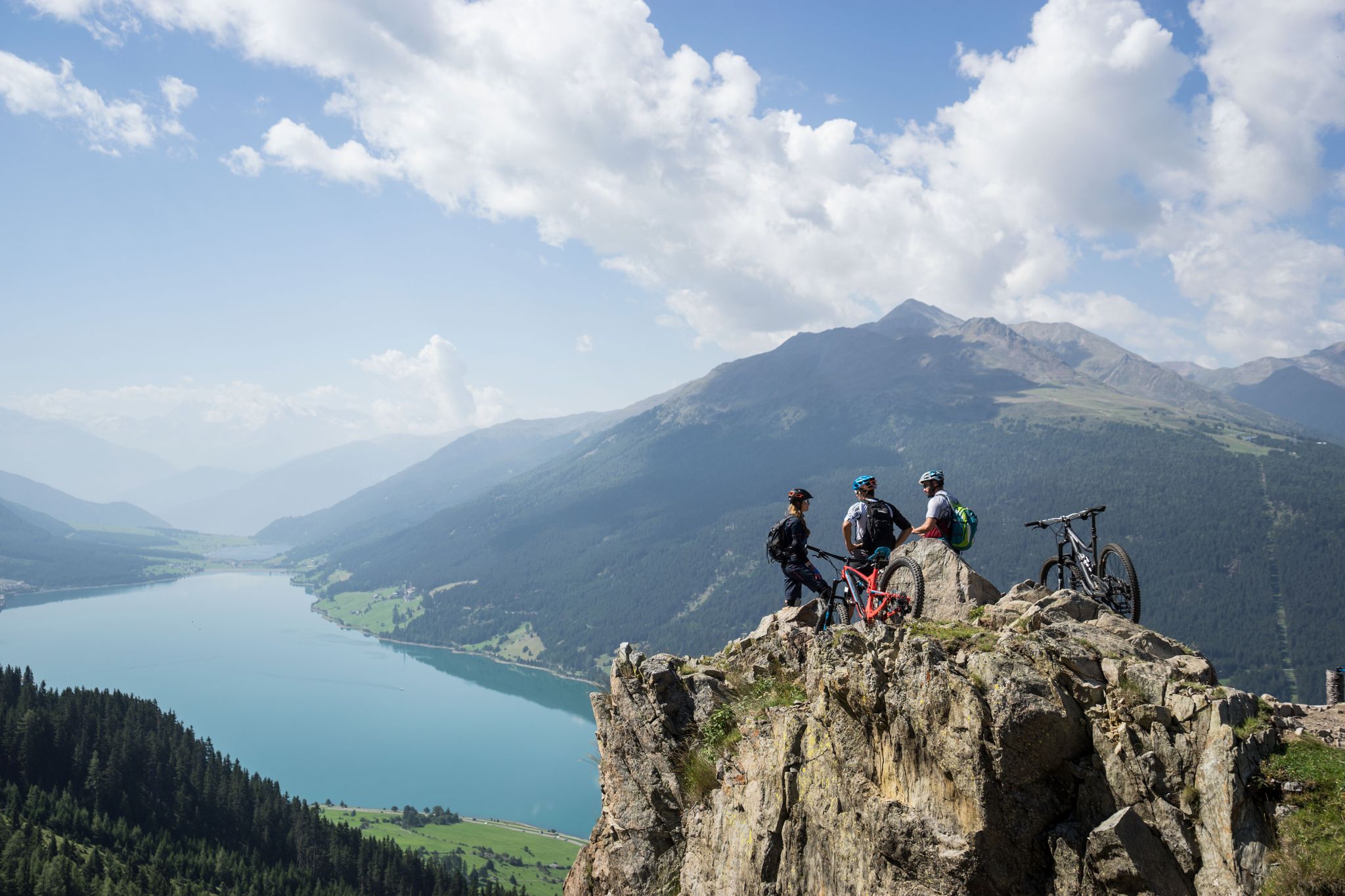
High into the Tyrolean mountain world – mountain biking in Tyrol
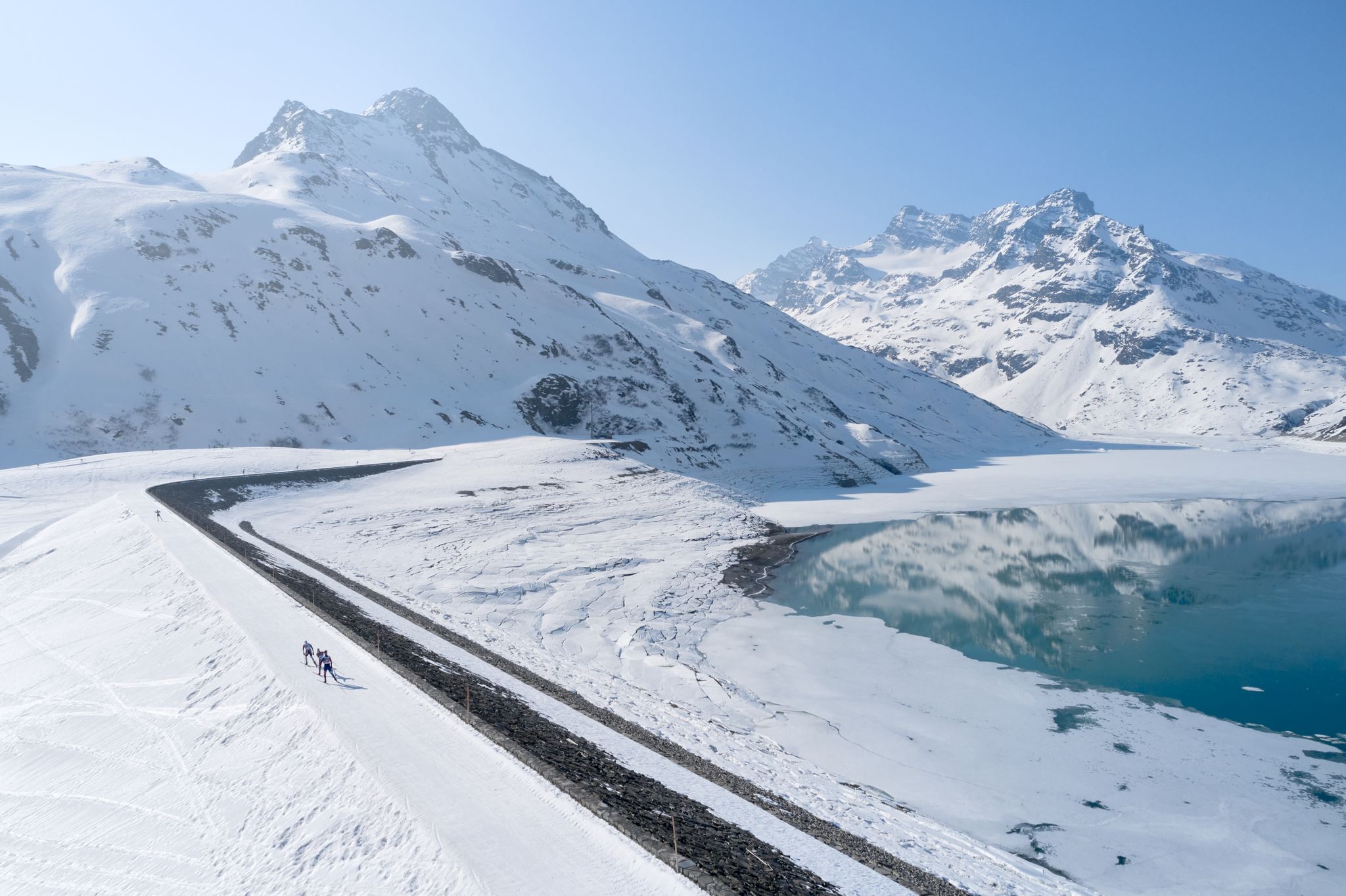
Relaxed cross-country skiing in Austria’s Ischgl- & Galtür region
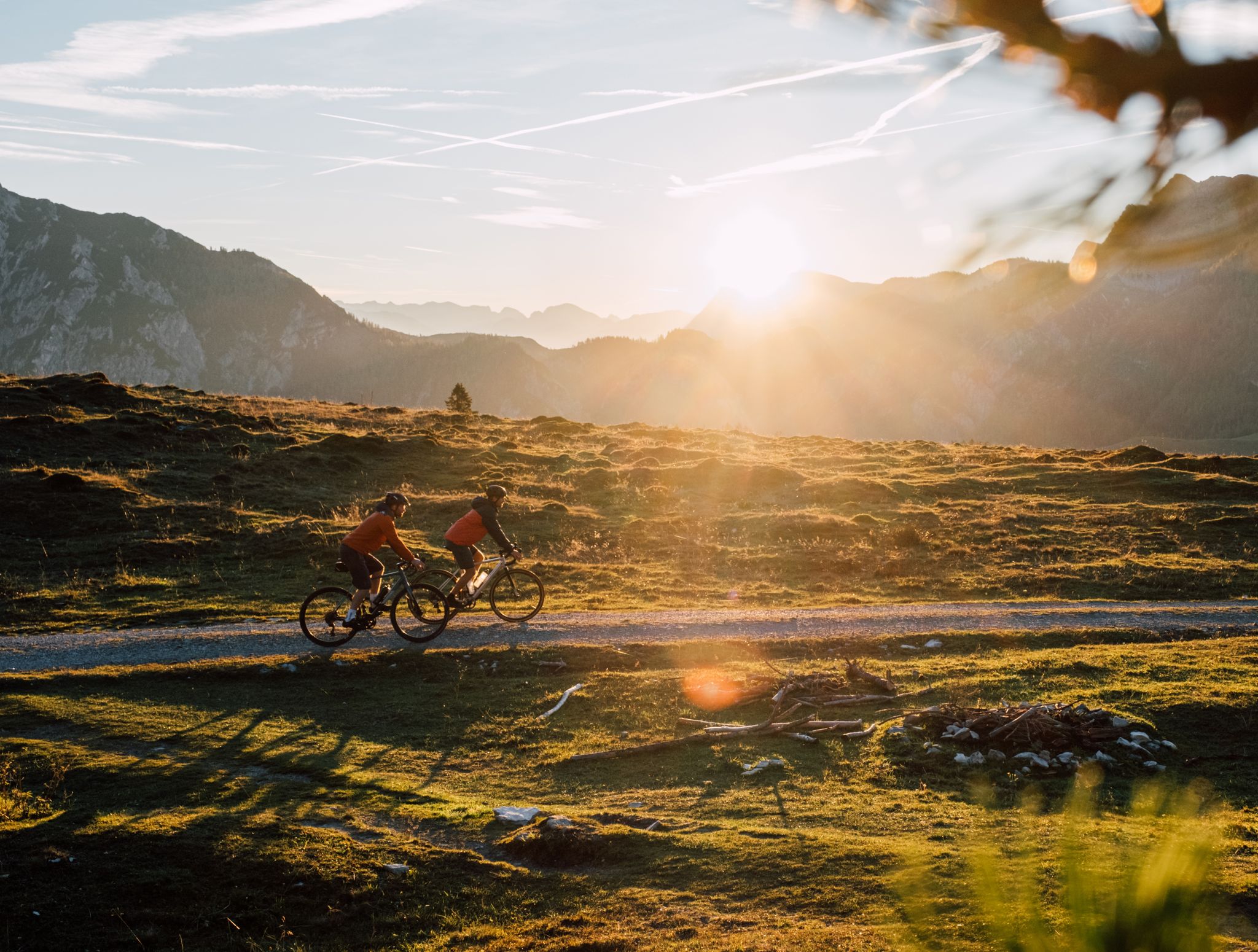
Beyond the pavement – explore Austria's wild nature on a gravel bike
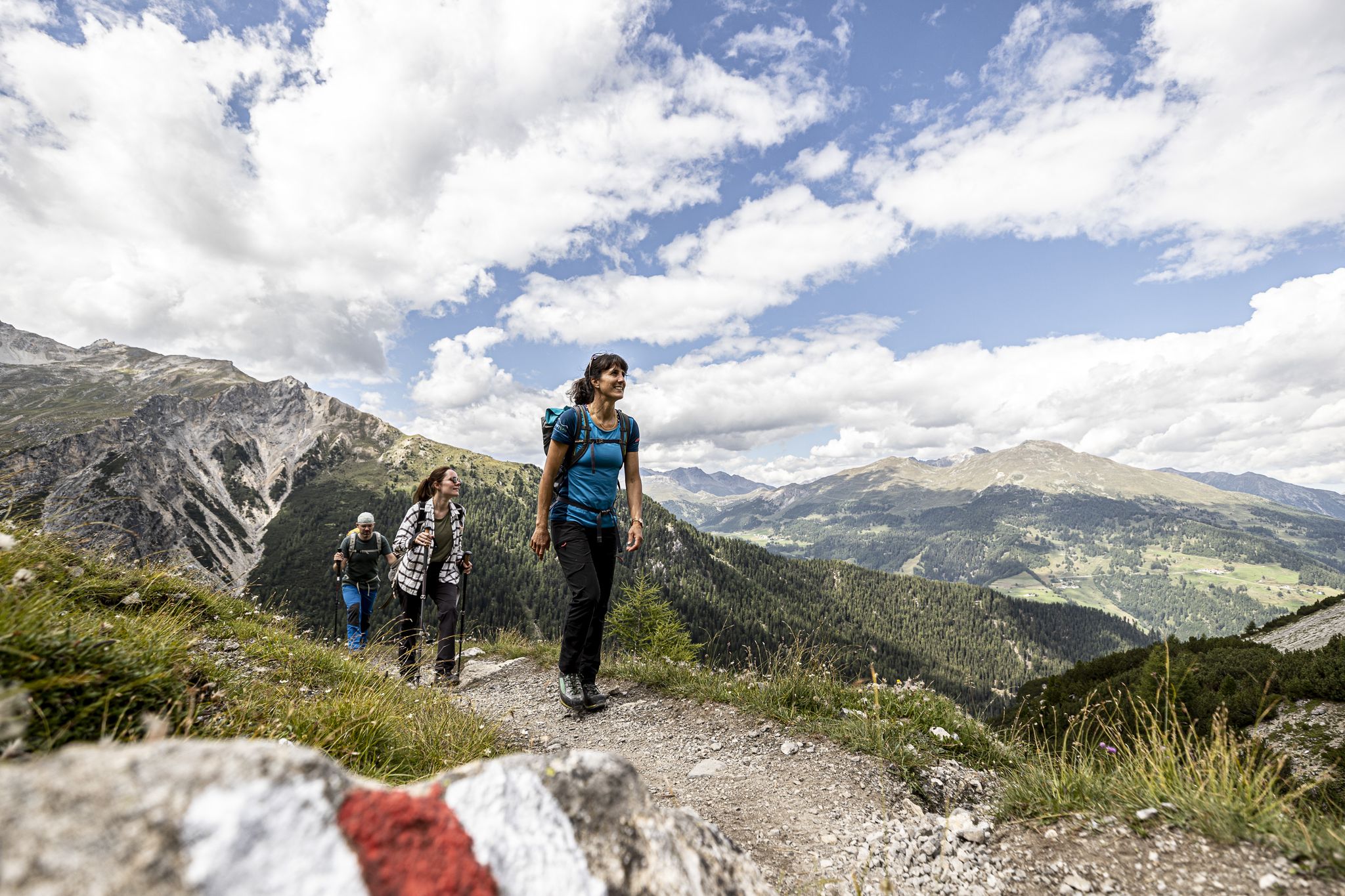
Biking, running, hiking – Pure Alpine Trails
Glide and enjoy – cross-country skiing in the Tyrolean Zugspitz Arena
#Winterlove — 14 tips for your winter adventure in Austria
Winter magic at Lake Achen in Austria – a paradise for cross-country skiers
World class ski trails – cross-country winter in Austria’s Seefeld
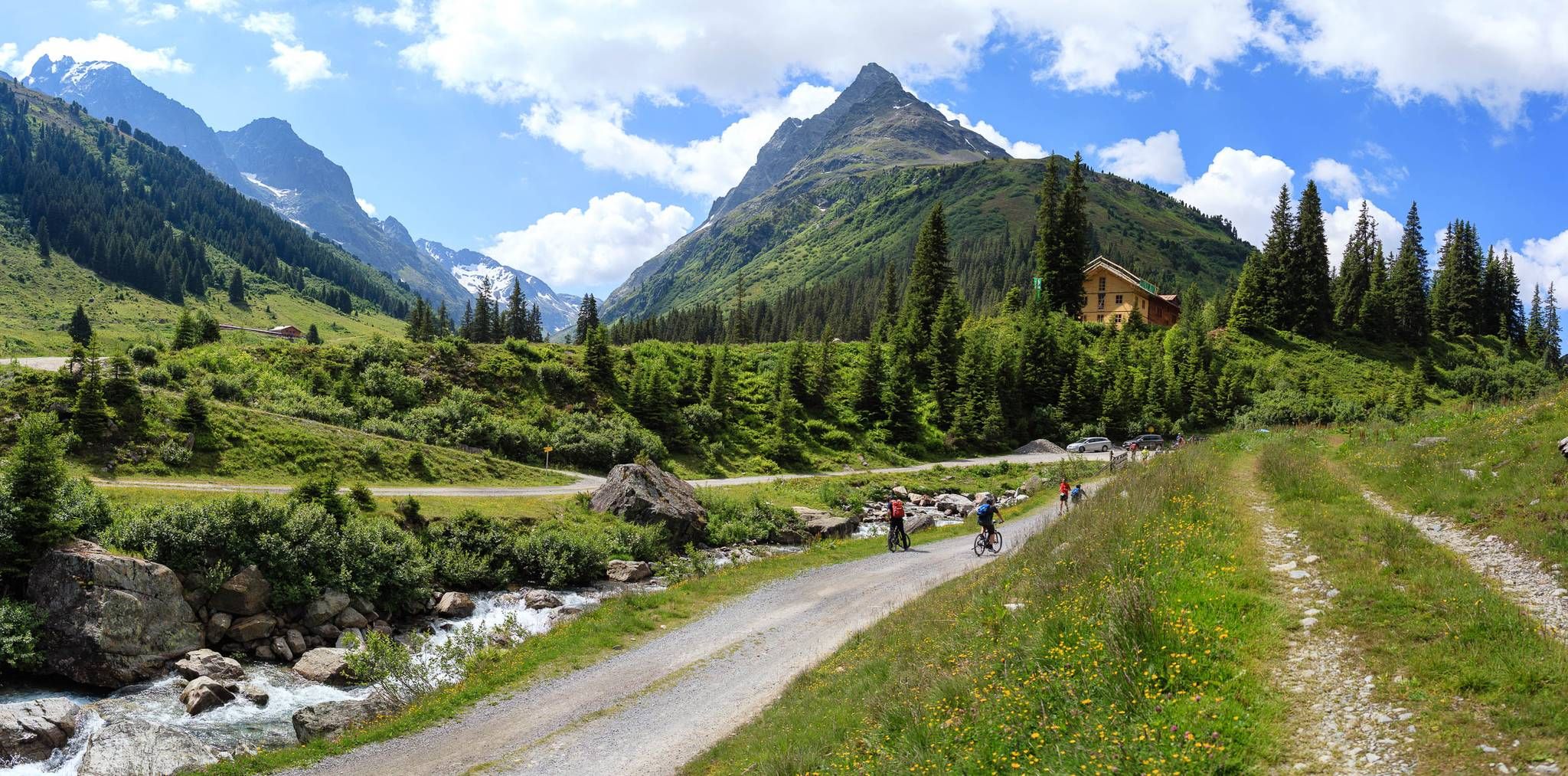
Komoot Pioneers discover St. Anton am Arlberg
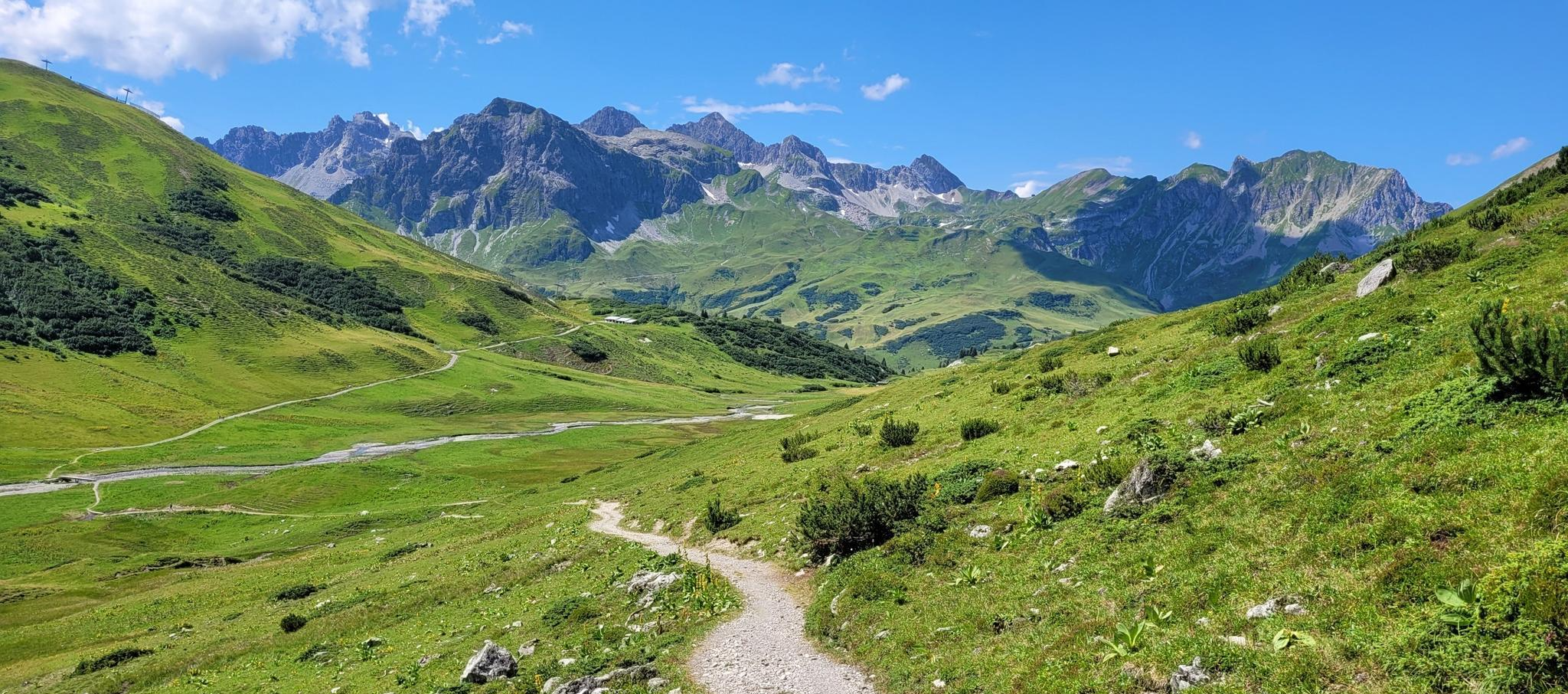
The RUN2 from Lech to Ischgl – Transalpine Run for beginners
Other adventures in Tyrol


Tips from the Community

We also drove up the pass with luggage. The path was quite difficult to navigate due to the loose gravel. Especially since most of the people were coming towards us, it was very narrow. Definitely not for beginners.
3
0

We drove past today, came from St. Anton a. Arlberg. Beautiful landscape
5
0

“Who knows the pearl, the pearl of Tyrol” – this is how the charming town on the Inn is sung in the famous Kufstein song. And rightly so, because Kufstein on the mighty Keizerberg has a lot to offer. The beautiful old town with its historic medieval Römerhofgasse avenue, modern boutiques, shopping centers and inviting cafés make Kufstein a versatile, thriving city. Its city symbol is the fortress, which rises high above the city and now serves as a backdrop for cultural events. The Panoramabahn takes you from the city center directly to the fortress. Here you will find, in addition to the newly designed Heimatsmuseum (regional museum), also the famous Helden Organ, the largest open-air organ in the world. Every day at 12 noon his playing sounds and he calls for world peace.
11
0

Beautiful view from the cycle path. Those who are keen to cycle to the castle will be rewarded with a restaurant.
6
0

The cycle path leads through the middle of the castle
14
2
It's amazing how someone could build a castle up here.
15
2
Old history still well preserved, there was a time when people didn't like coming here.
15
2

A visual highlight on the Via Claudia Augusta.
6
0
Frequently Asked Questions
Which castles in Tyrol offer unique historical insights?
Tyrol's castles provide a deep dive into history. Ehrenberg Castle Ruins, for instance, was a hotly contested site on a major trade route, with massive walls that once served as bulwarks. Altfinstermünz Fortress and Bridge, an old customs station above the Reschenpass, offers a glimpse into medieval border fortifications. Additionally, Ambras Castle in Innsbruck is renowned for its Kunst- und Wunderkammer, considered one of the world's first museums, and its grand Spanish Hall.
Are there castles in Tyrol that are particularly suitable for families with children?
Yes, several castles in Tyrol offer engaging experiences for families. Ehrenberg Castle Ruins is categorized as family-friendly and offers an indoor and outdoor adventure world with a historical background. Kufstein Fortress is also family-friendly and features a panoramic railway and various museums. Tratzberg Castle offers a virtual reality journey through time, which can be very appealing to younger visitors.
What kind of views can I expect from castles in Tyrol?
Many castles in Tyrol offer spectacular views of the surrounding Alpine landscapes. For example, Ehrenberg Castle Ruins and Fort Claudia Ruins (Hochschanz) both provide great vantage points over the Außerfern region. View of Kronburg Castle near Zams is specifically highlighted for its scenic outlook. Kufstein Fortress, perched high above the town, offers phenomenal views from its panoramic railway.
What outdoor activities can I do near the castles in Tyrol?
The region around Tyrol's castles is excellent for outdoor activities. You can find numerous hiking and biking opportunities. For instance, there are many easy hikes in Tyrol, such as the Kundler Klamm or panorama tours near Wilder Kaiser. For more challenging adventures, consider mountain hikes like crossing Hochplatte or exploring the Stubai Seven Summits. Gravel biking routes, including those around the Zugspitze, are also available. You can find more details on these activities in the Easy hikes in Tyrol, Mountain Hikes in Tyrol, and Gravel biking in Tyrol guides.
Are there any castles in Tyrol that are less crowded or considered 'hidden gems'?
While popular castles like Ambras and Kufstein attract many visitors, Tratzberg Castle is often considered a 'hidden gem' among Austrian castles. It offers a blend of historical authenticity and modern interpretive experiences without the same level of crowds as some larger attractions. Landeck Castle, while a cultural hub, might also offer a more intimate experience compared to the major fortresses.
What is the best time of year to visit castles in Tyrol?
The best time to visit castles in Tyrol generally depends on your preferences. Summer (June to August) offers pleasant weather for exploring castle grounds and nearby outdoor activities. Spring and autumn provide milder temperatures and beautiful scenery, often with fewer crowds. Some castles, like Kufstein Fortress, host events like Christmas markets in winter, offering a unique seasonal experience, though not all castles are open year-round.
Can I find cafes or restaurants near the castles in Tyrol?
Yes, many castles in Tyrol are located near towns or have facilities on-site or nearby. For example, Fernstein Castle is noted to have a restaurant and cafe. The town of Nauders, which is near Altfinstermünz Fortress, also offers cafes and facilities. Larger castles like Ambras and Kufstein Fortress are typically well-equipped with dining options or are close to urban centers with a wide selection of eateries.
How long does it typically take to visit a castle in Tyrol?
The duration of a castle visit in Tyrol can vary significantly depending on the size and your level of interest. For a comprehensive tour of a larger castle like Ambras or Tratzberg, including museums and grounds, you might need 2-4 hours. Smaller ruins or viewpoints like Fort Claudia Ruins might only require 1-2 hours to explore. It's always a good idea to check specific castle websites for recommended visit times.
Are there any castles in Tyrol with unique architectural features?
Tyrol boasts castles with distinct architectural styles. Tratzberg Castle is a prime example of 16th-century Tyrolean Renaissance architecture, rebuilt after a fire with impressive original furnishings. Ambras Castle, transformed into a Renaissance palace by Archduke Ferdinand II, features the grand Spanish Hall with its intricate stucco work and Europe's largest self-supporting wood-inlay ceiling. The massive walls of Ehrenberg Castle Ruins also showcase medieval military engineering.
What is the significance of the Hero Organ at Kufstein Fortress?
The Hero Organ (Heldenorgel) at Kufstein Fortress is the world's largest open-air organ. It features 4,948 pipes and plays daily at noon to commemorate the fallen of the two world wars. Its sound is powerful enough to reach up to 10 kilometers away on a clear day, making it a unique and moving experience for visitors.
Can I visit castles in Tyrol using public transport?
Many castles in Tyrol are accessible via public transport, especially those located near towns or cities. Kufstein Fortress, for example, is easily reachable within the town of Kufstein, and a panoramic railway transports visitors to the fortress hill. Ambras Castle is also well-connected to Innsbruck's public transport network. For more remote sites, a combination of public transport and a short walk or taxi might be necessary.
Are there any castles in Tyrol that are dog-friendly?
While specific indoor areas of castles often restrict dogs for preservation reasons, many castle grounds and outdoor areas are dog-friendly. For example, the idyllic garden surrounding Ambras Castle allows peacocks to roam freely, and often dogs are permitted on leashes in such outdoor spaces. It is always recommended to check the specific castle's regulations regarding pets before your visit, especially for interior tours.
Most popular routes in Tyrol
Most popular attractions in Tyrol

Get inspired with the komoot mobile app


Didn’t find what you were looking for?
Explore Tyrol’s best castles region by region:
Explore more
Looking for the best castles somewhere else? Discover other guides in Tyrol:
