Top 20 Castles in Belgium
Castles in Belgium offer a glimpse into centuries of European history and architectural evolution. The country features a high density of castles, with estimates suggesting more than 3,000 structures across its diverse landscapes. These historical sites range from medieval fortresses to elegant palaces, often situated amidst forests, rivers, or overlooking valleys. Exploring these castles provides insight into Belgium's past and its cultural heritage.
Best castles in Belgium
- The most popular castles is Château de La Hulpe, a castle built in 1842 on the model of the Loire castles. It is surrounded by large gardens decorated with sculptures.
- Another must-see spot is Horst Castle, a moated castle from the 13th century. It is surrounded by an impressive moat and features a characteristic square keep from the 15th century.
- Visitors also love Gravensteen Castle, a fortified moated castle located in Ghent. It is the only remaining medieval castle in Flanders with an almost intact defense system.
- Belgium is known for its medieval fortresses, elegant palaces, and romantic neo-Gothic castles. Visitors can explore a variety of architectural styles and historical periods across the country.
- The castles in Belgium are appreciated by the komoot community, with over 1900 upvotes and more than 500 photos shared.
Last updated: October 9, 2026
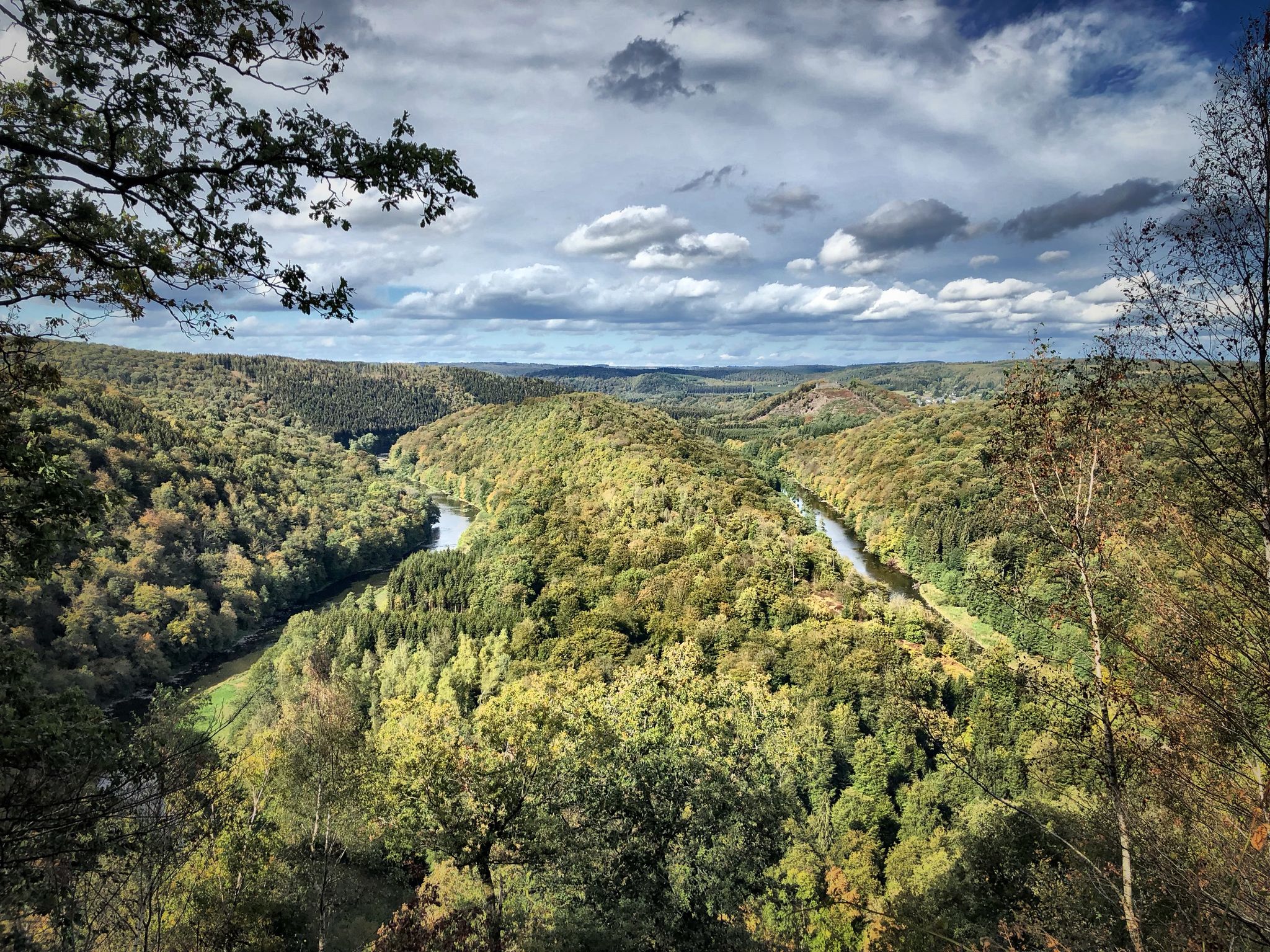
View of Reinhardstein Castle
Highlight • Viewpoint
In the summer months, this is probably the only place where you can get a distant view of Reinhardstein Castle through the light canopy of leaves.
Translated by Google •
Tip by

Durbuy — Old Town and Castle
Highlight • Settlement
Translated by Google •
Tip by

Sign up now to discover places like this
Get recommendations on the best single tracks, peaks, & plenty of other exciting outdoor places.
La Roche-en-Ardenne
Highlight • Settlement
Translated by Google •
Tip by
Château Neercanne
Highlight • Castle
Translated by Google •
Tip by

Gravensteen Castle
Highlight • Castle
gravensteengent.be
Translated by Google •
Tip by

Het Steen
Highlight • Castle
Translated by Google •
Tip by

Château de La Hulpe
Highlight • Castle
Translated by Google •
Tip by

Commandery of Sint-Pieters-Voeren
Highlight • Castle
The place is known for its coming. Daniel de Fouron donated the castle and the surrounding land to the order commander of Alden Biesen Castle when he joined the Teutonic Order on June 25, 1242.
From this point on, Sint-Pieters-Voeren was a direct fiefdom of the empire. The Grand Master exercised jurisdiction. He appointed mayors, lay judges, judicial officers, bailiffs and issued police ordinances and municipal law.
Until the French Revolution, the castle belonged to the order of knights. At the beginning of the 17th century, the current building was built in the Maasland Renaissance style.
In the park of the castle is the source of the Voer, which feeds the ponds of the oldest fish farm in Belgium and the Voer with water (approx. 4,000 liters / minute). Trout and sturgeon are hand-raised in the ponds, just as they were more than a century ago. Fish farm products can be enjoyed directly at the castle pond.
Opposite the coming one is the church of Sint-Pieters-Voeren. The small village church of Sint-Pieters-Stoelkerk was built around 1660 on behalf of commander Willem Quaedt van Beek. His tombstone is right at the entrance to the walled cemetery that surrounds the church.
Outside the village, in the direction of Sint-Martens-Voeren, stands the Sint-Annakapel (St. Anna Chapel), built around 1730 and listed as a historical monument.
Translated by Google •
Tip by

Eyneburg Castle
Highlight • Castle
The ascent from the Geul up the slope is still worthwhile, because the castle lies in a beautiful landscape.
However, one then comes out in the courtyard above and on the other side all exits are closed. You have to climb over part of the dilapidated wall to get out.
Translated by Google •
Tip by

Nez de Napoléon Viewpoint
Highlight • Viewpoint
Translated by Google •
Tip by

Sign up for free to discover even more castles in Belgium.
Already have an account?
Start today with a free account
Your next adventure awaits.
Popular around Belgium
Belgium’s Hoge Kempen and Meuse Valley – Bram Tankink’s best rides
From Flanders to the Ardennes — GR 5 in Belgium
The Meuse Cycle Route - Follow the Meuse from the hills to the harbor
EuroVelo 3 — The adventure in the heart of Belgium
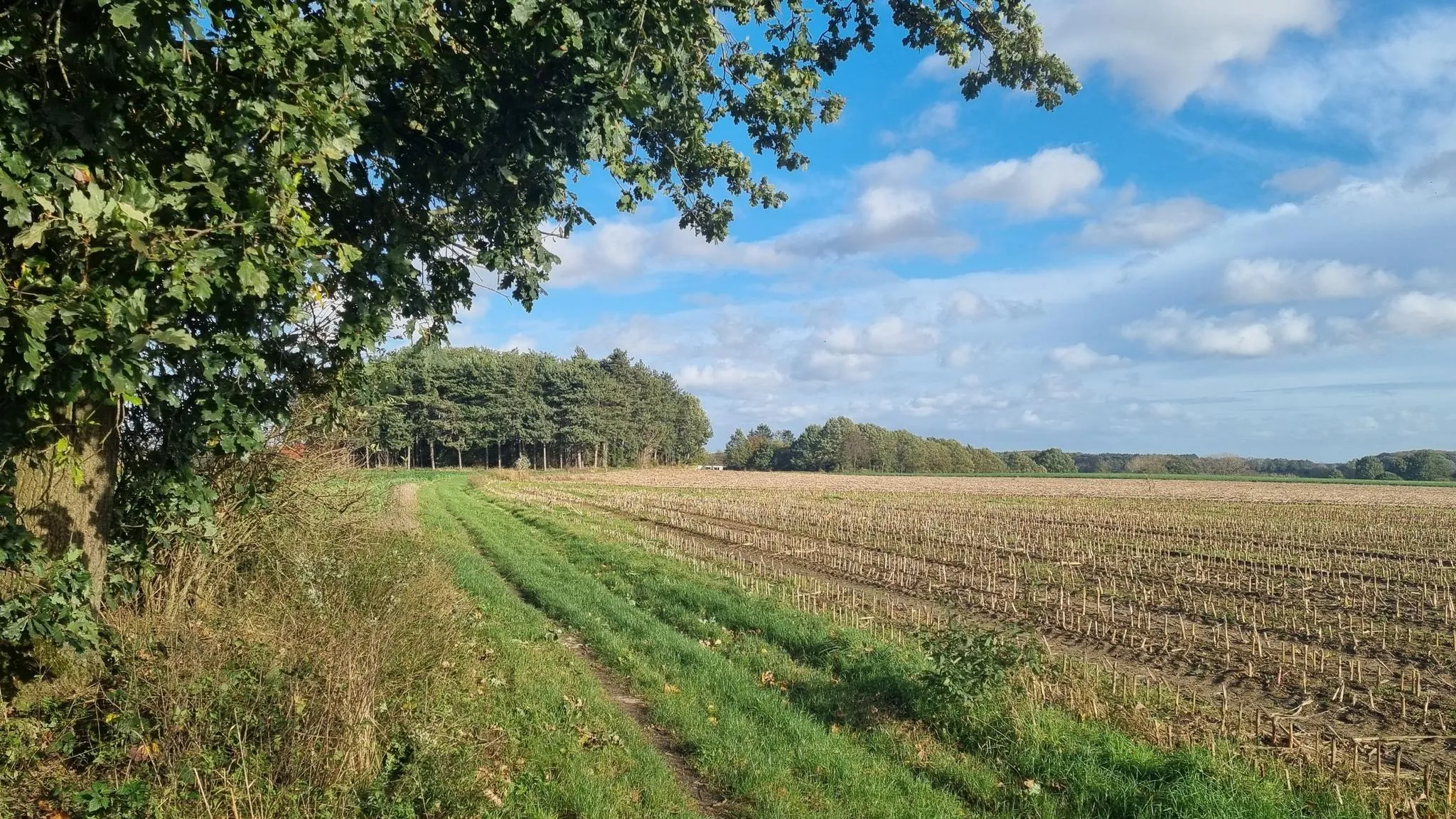
Streek-GR Hageland – Hollow roads and endless fields
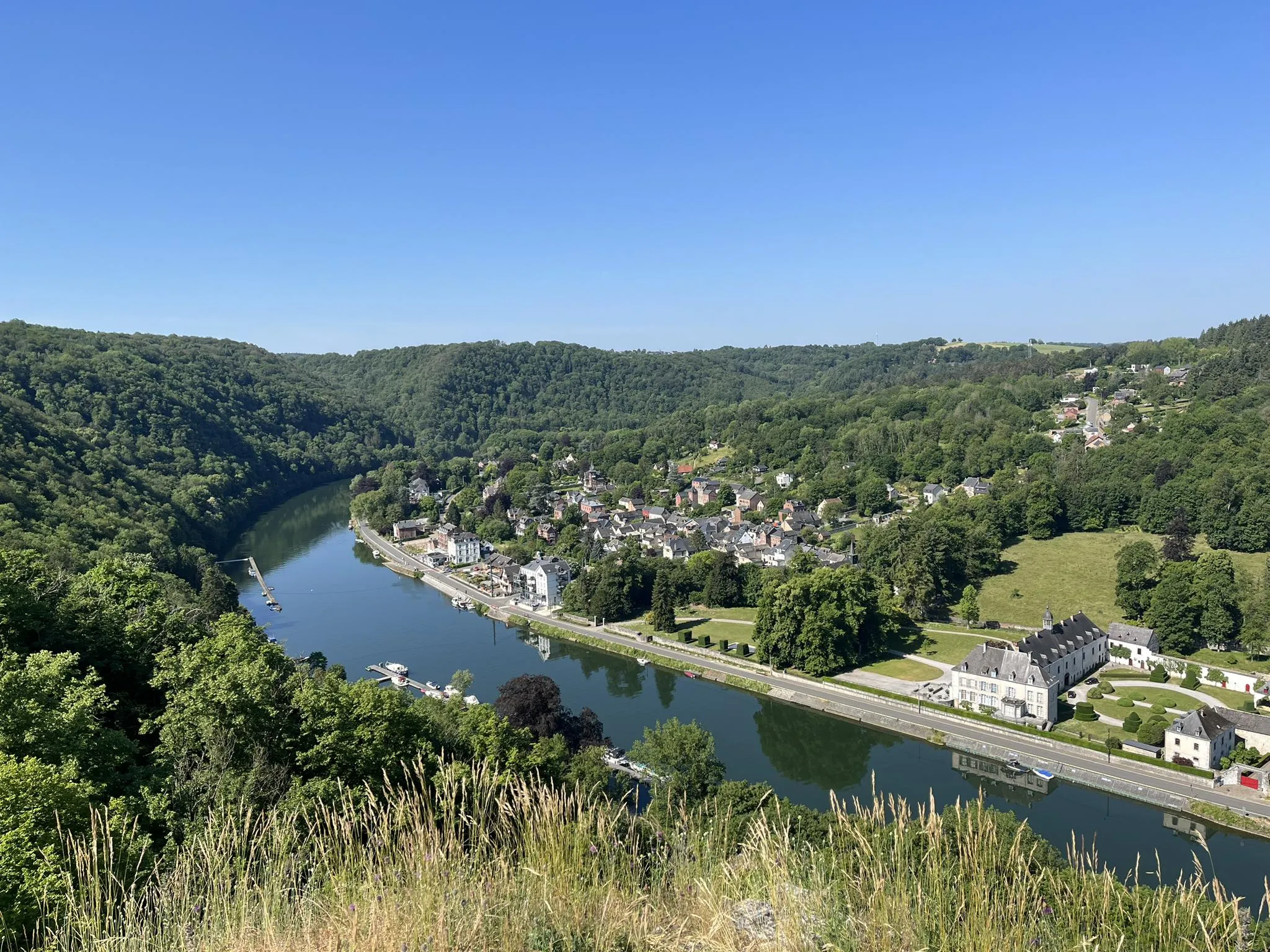
Sentier des abbayes trappistes part 1 – Between nature and gastronomy
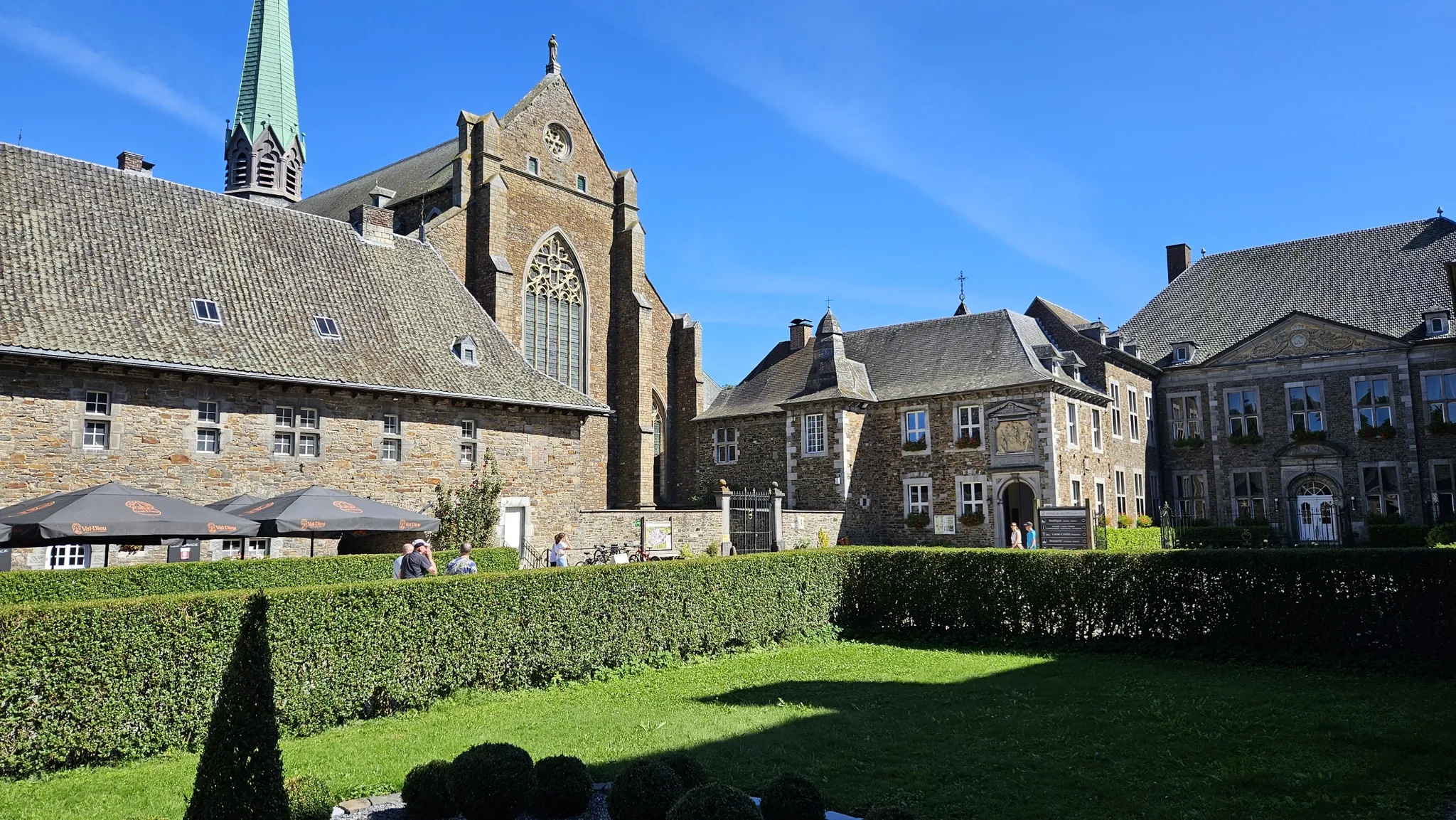
Trappist abbeys cycle route – Between beers and heritage
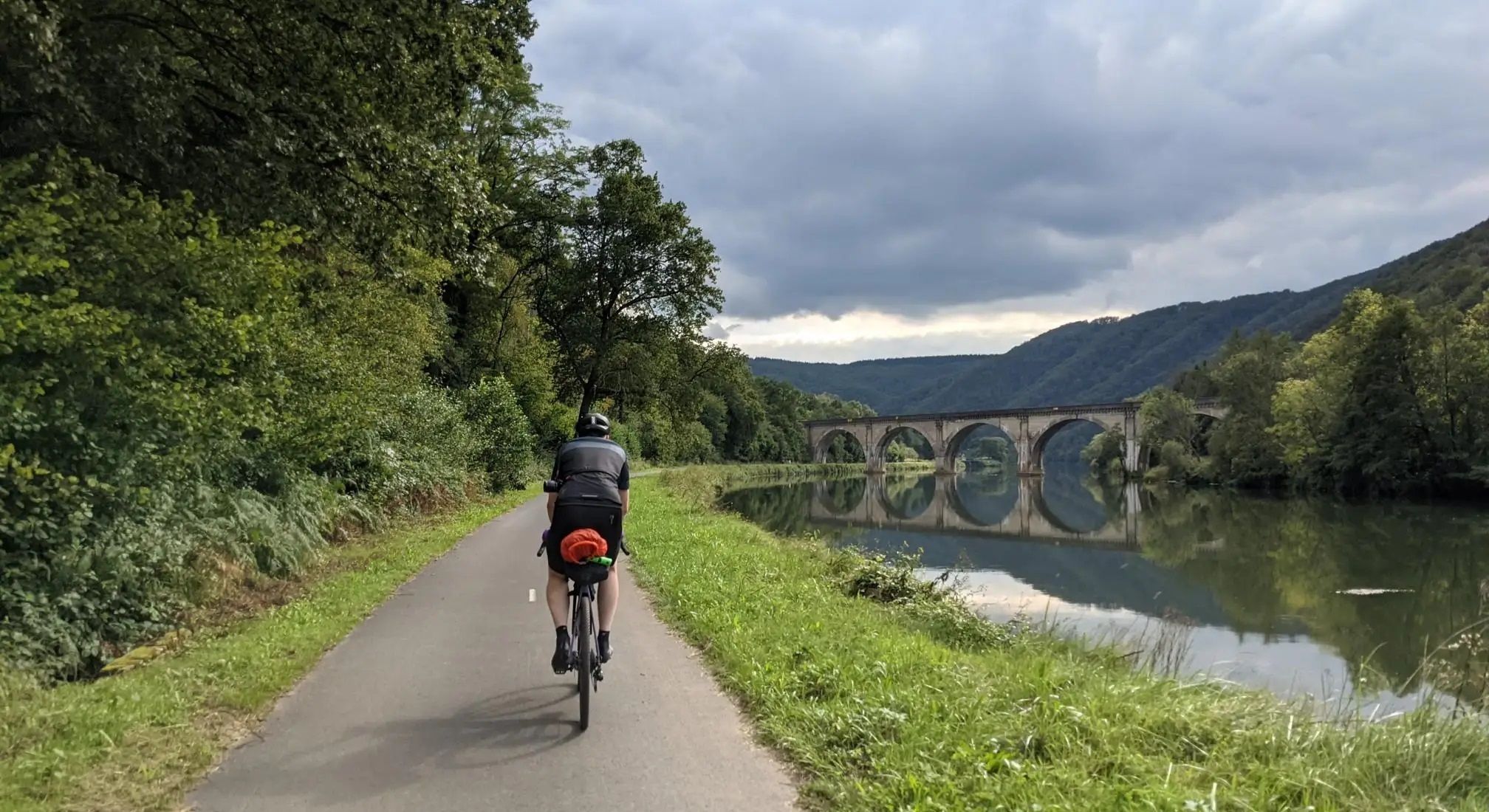
Aachen to Reims – Ardennes, Meuse and Champagne
Flanders Divide - Across Flanders
Running an ultra in Belgium – long trails in a small country
Other adventures in Belgium


Tips from the Community

The Neercanne castle is built on the original site of Roman fortifications whose caves still exist and are used as a wine cellar. In the hall, the original staircase with a railing on wide columns is still present. Weapon trophies are depicted in relief on the ceiling. Currently, the castle is used as a hotel and restaurant. The restaurant has been awarded one star by the Michelin Guide.
5
0

The Commanderie is a textbook example of the Maasland Renaissance style, recognizable by: brick construction combined with Namur stone; straight, symmetrical volumes; decorative tiers of brick; a closed, almost monastic courtyard.
11
0

Beautiful historic location, worth a stop.
8
0

Commanderie Castle is one of the most historically significant buildings in the region. Its origins date back to the Middle Ages: as early as the 13th century, a settlement of the Teutonic Knights existed here, from which the name "Commanderie" is derived. The castle was not only a stately residence but also an administrative and economic center for the surrounding lands. The complex is surrounded by a moat and has been rebuilt and expanded several times over the centuries. A characteristic feature is the combination of medieval foundations with later Renaissance and Baroque elements. Particularly striking are the picturesque courtyard, the historic farm buildings, and the castle grounds surrounded by avenues and meadows. After the end of the Order's rule, the property passed into private hands and was used for agricultural purposes for a time. Today, Commanderie Castle is privately owned but parts of it are used for cultural and tourist activities. The castle represents the eventful history of the border region between Belgium, the Netherlands, and Germany and reflects the influence of religious orders of knights on the cultural landscape of this region.
14
0

Rock point on the hill path with a beautiful view of the valley and over it. That famous nose of Napoleon you come across more often in the Ardennes as a name for rock points.
5
2

Very nice walking route along the chateau. Beautiful panorama. With a house in the valley below that used to be the border post.
4
0

Neercanne Castle was built on the original site of Roman fortifications, the caves of which still exist and are used as wine cellars. The original staircase with a banister on wide columns is still in the hall. The ceiling features relief depictions of weapon trophies. The castle is currently in use as a hotel and restaurant.
7
0

Early in the morning to avoid the crowds
4
0
Frequently Asked Questions
Which castles in Belgium are particularly family-friendly?
Several Belgian castles offer great experiences for families. Gravensteen Castle in Ghent, with its medieval weaponry and torture instruments on display, provides a dramatic historical experience. Château de La Hulpe features a large, freely accessible park with sculptures, perfect for children to explore. Additionally, Horst Castle, a picturesque moated castle, is a mythical place for fans of the 'De Rode Ridder' comic character, making it engaging for younger visitors. Château de Bouillon is also known for its interactive elements and falconry shows.
Are there castles in Belgium that offer scenic views?
Yes, many castles in Belgium are renowned for their picturesque settings and offer stunning views. The View of Reinhardstein Castle highlight provides a magnificent distant view of the castle, which appears like a fairytale palace. Gravensteen Castle in Ghent offers panoramic views of the city's rooftops and canals from its ramparts. Château de Bouillon is dramatically perched above the Semois River, and Château de Modave overlooks the Hoyoux Valley, both providing beautiful vistas.
What kind of historical experiences can I expect at Belgian castles?
Belgian castles offer a deep dive into centuries of European history. Gravensteen Castle, a fortified moated castle from 1180, houses a museum of medieval weaponry and courtly items, showcasing an almost intact defense system. Château de Bouillon, one of Belgium's oldest, is famously linked to Godfrey of Bouillon and the First Crusade, featuring underground passageways and watchtowers. Gaasbeek Castle, now a museum, displays rich decor, artifacts, and Renaissance art, reflecting its past as a military fortress and noble residence.
Which castles are easily accessible or have parking available?
Château de La Hulpe is noted for having parking available, and its park is freely accessible. While many castles are in rural settings, some, like Gravensteen Castle, are located within cities like Ghent, making them accessible via public transport. For specific accessibility details, it's always best to check the individual castle's official website.
Are there any wheelchair-accessible castles in Belgium?
Accessibility varies greatly among Belgium's historic castles. Château de La Hulpe is listed as wheelchair accessible, particularly its extensive park and grounds. However, many older castles, such as Horst Castle, can be difficult to access for wheelchair users or buggies due to their historic architecture. It is advisable to confirm specific accessibility features directly with each castle before your visit.
What outdoor activities can I do near Belgian castles?
Many castles are situated in beautiful natural landscapes, offering opportunities for outdoor activities. For instance, the region around castles often features extensive hiking and cycling routes. You can find numerous trails for hiking in Belgium, including routes like 'Around the Nisramont reservoir near La Roche-en-Ardenne'. There are also road cycling routes, such as the 'Tour of Flanders cycling route', that pass through scenic areas where castles are located.
Are there castles near Brussels suitable for a day trip?
Yes, several impressive castles are within easy reach of Brussels for a day trip. Château de La Hulpe is a notable example, located close to the city and featuring a beautiful park. Gaasbeek Castle, a medieval castle restored in a romantic neo-Gothic style, is also near Brussels and serves as a museum showcasing rich decor and historical artifacts.
What types of architectural styles can be seen in Belgian castles?
Belgium's castles showcase a diverse range of architectural styles reflecting different historical periods. You can find formidable 12th-century medieval fortresses like Gravensteen Castle, elegant 17th-century palaces such as Château de Modave, and romantic neo-Gothic restorations like Gaasbeek Castle. Château de Freÿr is known for its Renaissance gardens, while Horst Castle is a classic moated castle from the 13th century.
Can I find castles with nearby restaurants or cafes?
Yes, some castles offer dining options on-site or nearby. Horst Castle, for example, has the Brasserie Wagenhuis, which is ideal for a stop. The Château Neercanne highlight also indicates a restaurant on its premises. Many castles are located near towns or villages, providing additional choices for food and refreshments.
What is the best time of year to visit castles in Belgium?
The best time to visit Belgian castles generally depends on your preferences. Spring (April-May) and autumn (September-October) offer pleasant weather for exploring castle grounds and gardens, with fewer crowds than peak summer. Summer (June-August) provides longer daylight hours and often hosts special events or falconry shows, but can be busier. Some castles, like Alden Biesen, function as cultural centers and may be open year-round, but it's always best to check individual castle opening times, especially for winter visits.
Are there any hidden gem castles in Belgium that are less crowded?
While popular castles like Gravensteen and Bouillon attract many visitors, Belgium has over 3,000 castles, meaning many lesser-known gems exist. Exploring castles slightly off the main tourist routes, or visiting during off-peak seasons, can lead to a more tranquil experience. For example, the picturesque Eyneburg Castle or the Commandery of Sint-Pieters-Voeren might offer a quieter visit compared to the more famous sites.
What natural features can I expect to see around Belgian castles?
Belgian castles are often nestled within diverse natural landscapes. You'll find castles dramatically perched above rivers, such as Château de Bouillon above the Semois River and Walzin Castle over the Lesse river. Many are surrounded by forests, lakes, or valleys, like Château de La Hulpe with its lake and forest, or Horst Castle situated in a green valley with an impressive moat. These natural settings enhance the beauty and historical context of the castles.
Most popular routes in Belgium
Most popular attractions in Belgium

Get inspired with the komoot mobile app


Didn’t find what you were looking for?
Explore Belgium’s best castles region by region:
Explore more
Looking for the best castles somewhere else? Discover other guides in Belgium:
