Top 20 Castles in Austria
Castles in Austria are prominent historical landmarks, reflecting centuries of diverse architectural styles and cultural heritage. Situated amidst varied landscapes, from alpine regions to river valleys, these structures offer insights into the country's past. Many castles are strategically located, providing panoramic views of the surrounding natural environment. They represent significant historical periods, including medieval fortifications, Renaissance residences, and Baroque palaces.
Best castles in Austria
- The most popular castles is Mirabell Palace, a castle that was built in 1606 and features a magnificent garden and an impressive Marble Hall. Today, the building houses the city administration.
- Another must-see spot is Hofburg Palace, a historical site. This extensive castle complex in the heart of Vienna served as the political center of the monarchy until 1918.
- Visitors also love Altfinstermünz Fortress and Bridge, a castle located above the Reschenpass. This impressive building is an old customs station situated between raging waters.
- Austria is known for medieval fortresses, Renaissance castles, and Baroque palaces. These structures showcase a wide variety of architectural styles and historical significance across the country.
- The castles in Austria are appreciated by the komoot community, with more than 1800 upvotes and over 2400 photos shared.
Last updated: September 27, 2026
Ehrenberg Castle Ruins
Highlight • Castle
East of Reutte, the fortress complex of the Ehrenberg castle and fortress ensemble rises mightily and impregnable.
The Ehrenberg castle ensemble
The Schlosskkopf show fortress towers high above the Außerfern. Every traveler and hiker is impressed by the long, massive walls that were once bulwarks against military attacks.
In the Middle Ages, the Ehrenberg hermitage was hotly contested, as the most important trade route between north and south passed through it. The massive walls suggest that the roar of cannons and war cries could often be heard in front of Ehrenberg Castle.
Many castle lords and noble people have seen the walls, but one thing has remained unchanged: the impressive landscape around Ehrenberg continues to captivate visitors. Today, Ehrenberg is an indoor and outdoor adventure world with a historical background.
Translated by Google •
Tip by

Mirabell Palace
Highlight • Castle
The Marble Hall is open Mondays, Wednesdays, and Thursdays from 8 a.m. to 4 p.m. and Fridays from 1 p.m. to 4 p.m. The park can be visited daily from 6 a.m. until dusk. Admission to both the park and the palace is free.
Translated by Google •
Tip by

Sign up now to discover places like this
Get recommendations on the best single tracks, peaks, & plenty of other exciting outdoor places.
View of Hohensalzburg Fortress
Highlight • Viewpoint
Translated by Google •
Tip by

Altfinstermünz Fortress and Bridge
Highlight • Castle
Translated by Google •
Tip by

Altfinstermünz Customs Station and Covered Bridge
Highlight • Historical Site
The border fortress can be visited from May to October. It is open Tuesday to Sunday from 11 a.m. to 4.30 p.m. Admission costs 8 euros for adults.
Translated by Google •
Tip by

Velden Castle Hotel
Highlight • Castle
Translated by Google •
Tip by

Hofburg, Vienna and the Sisi Museum
Highlight • Historical Site
Translated by Google •
Tip by

Frauenstein Castle
Highlight • Castle
Translated by Google •
Tip by

Main Square, Velden am Wörthersee
Highlight • Settlement
Translated by Google •
Tip by

Hofburg Palace
Highlight • Historical Site
The extensive castle complex in the heart of Vienna was the political center of the monarchy until 1918, today it fulfills the same function for democratic Austria.
hofburg-wien.at
Translated by Google •
Tip by

Sign up for free to discover even more castles in Austria.
Already have an account?
Start today with a free account
Your next adventure awaits.
Popular around Austria
The Mix Makes It: Around the Red Bull Ring
High into the Tyrolean mountain world – mountain biking in Tyrol
Relaxed cross-country skiing in Austria’s Ischgl- & Galtür region
Beyond the pavement – explore Austria's wild nature on a gravel bike
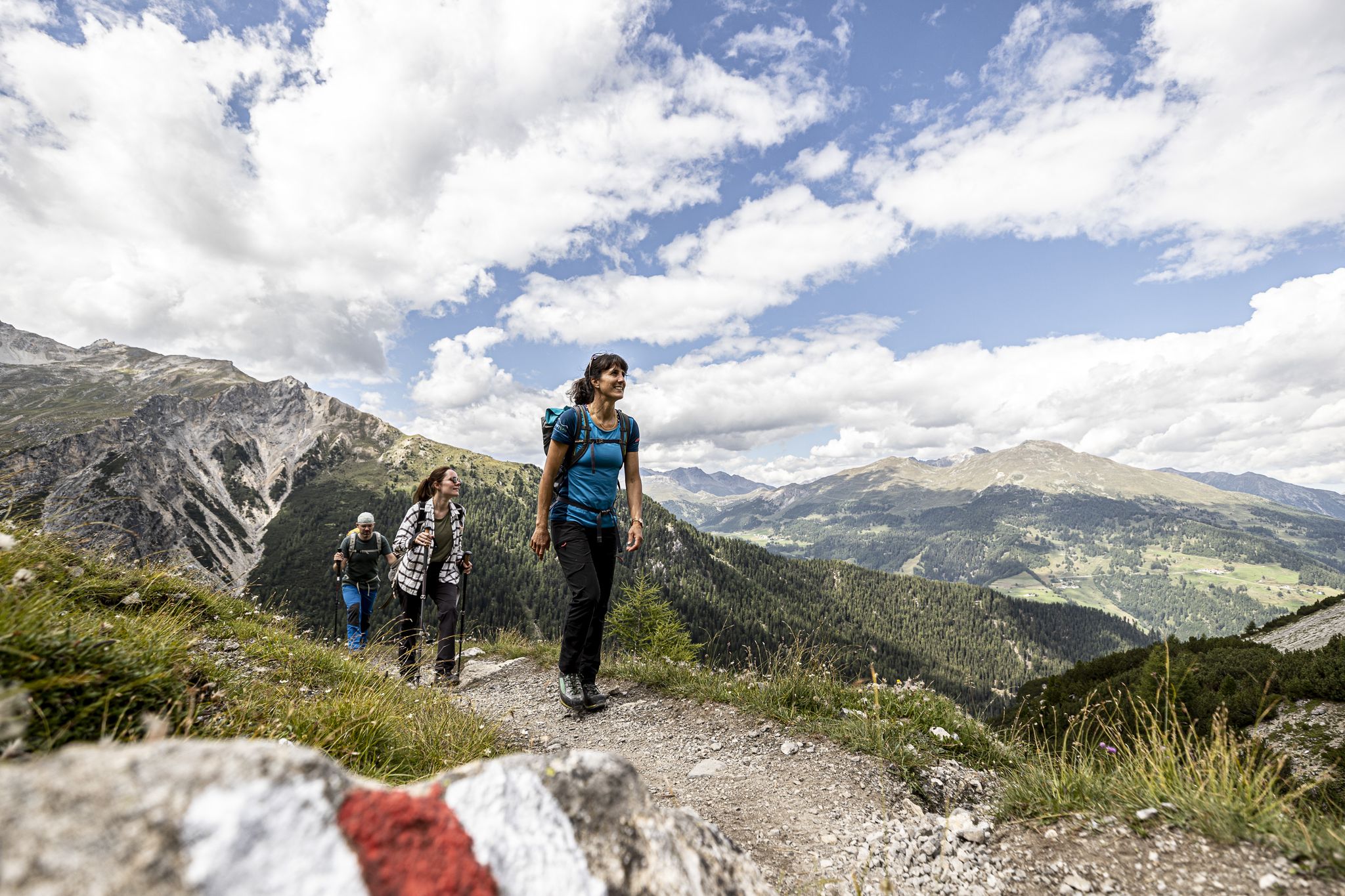
Biking, running, hiking – Pure Alpine Trails

Glide and enjoy – cross-country skiing in the Tyrolean Zugspitz Arena
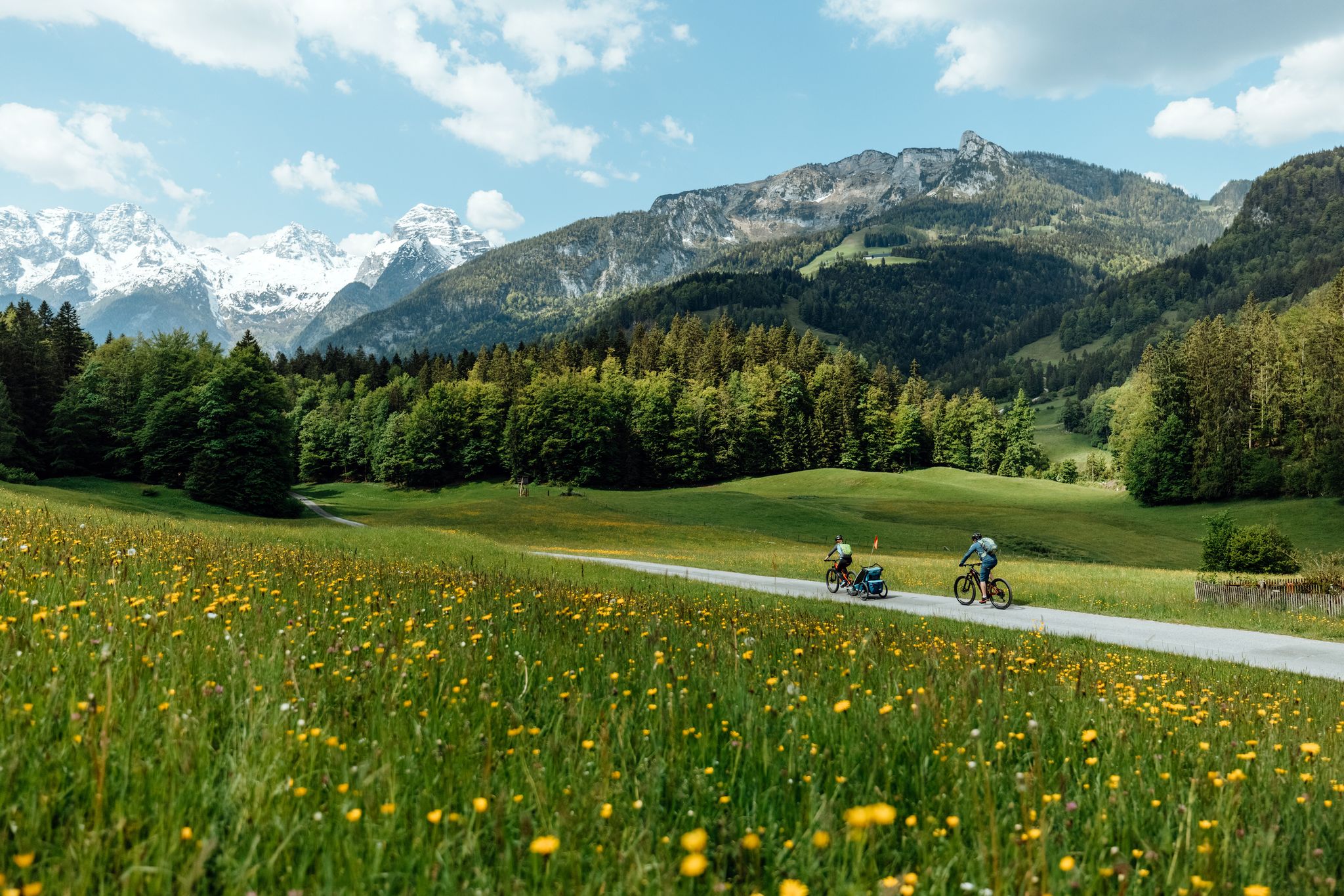
Biking with kids in Salzburg's Saalach Valley
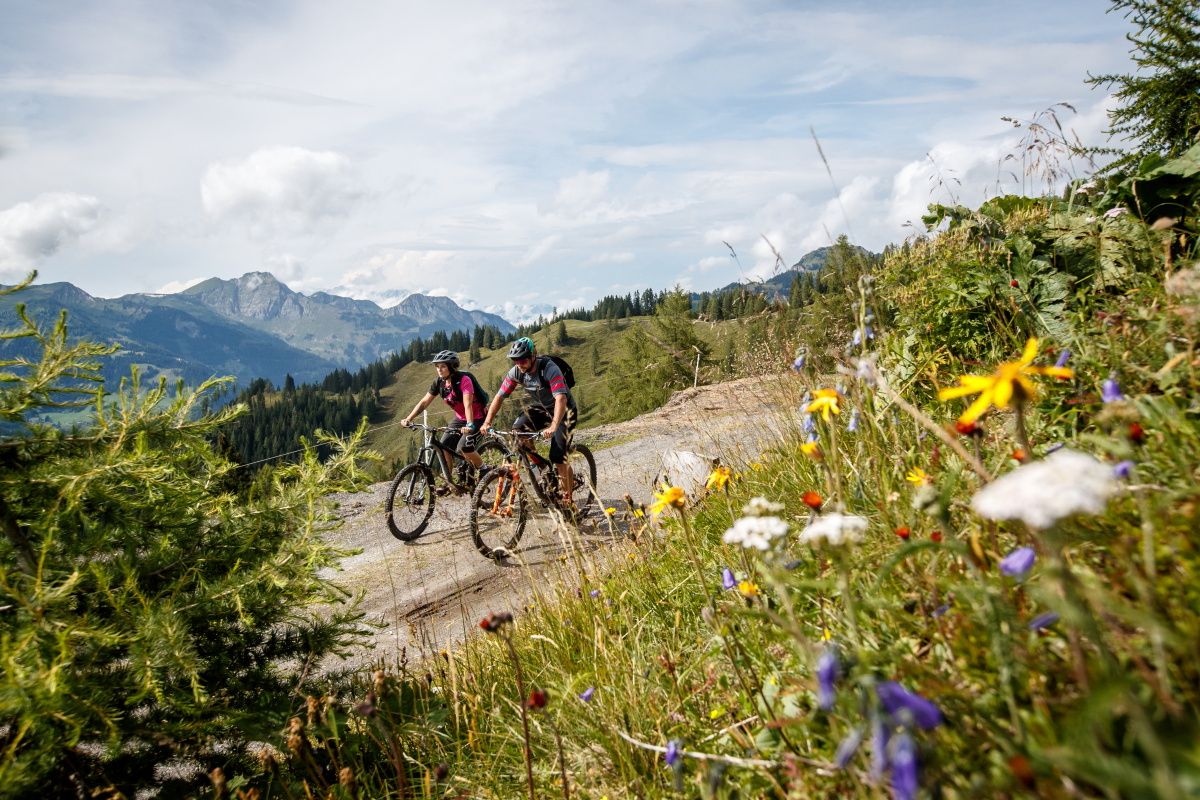
Hills and thrills – 11 sporty MTB Tours in the Grossarl Valley
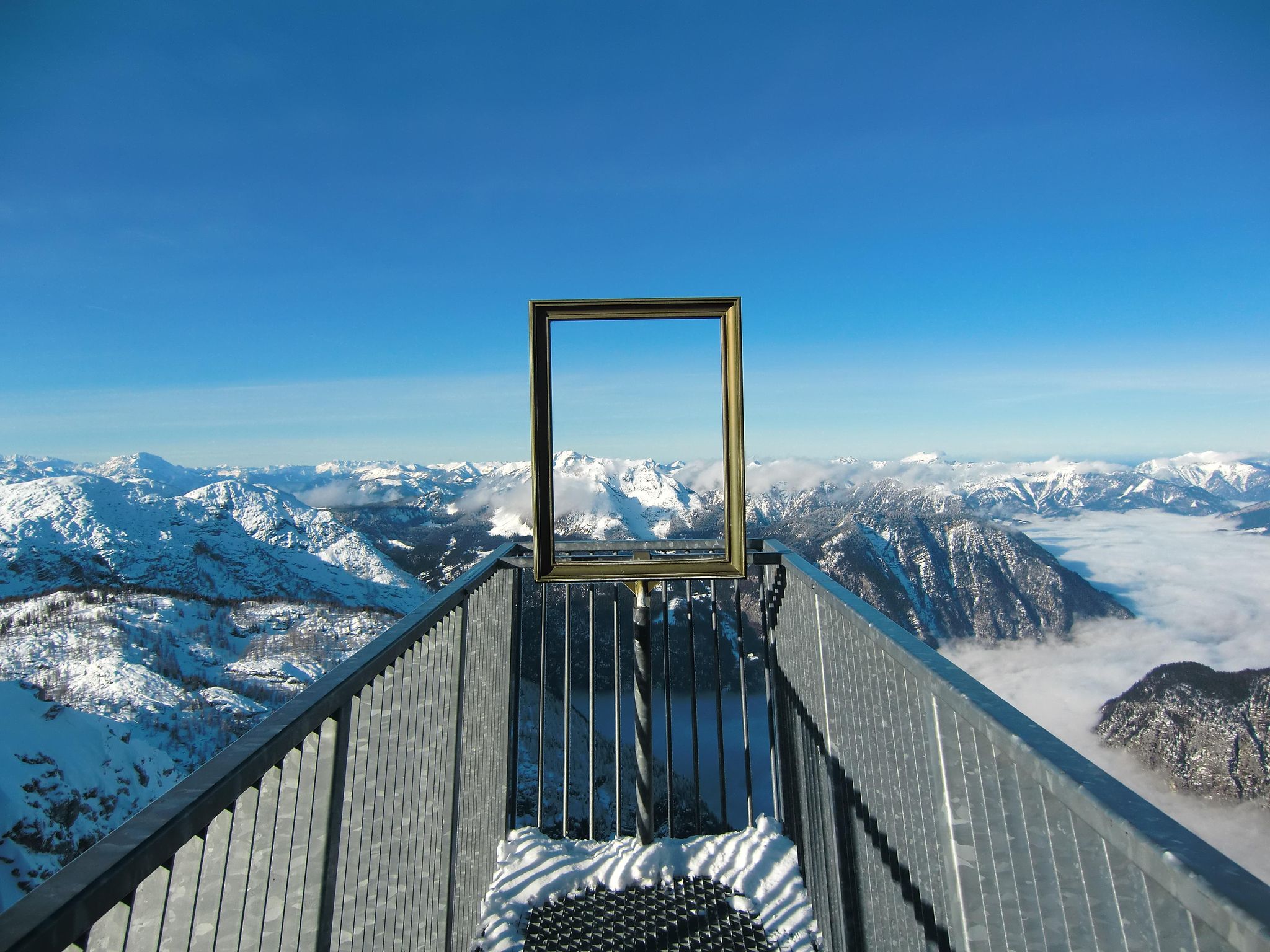
#Winterlove — 14 tips for your winter adventure in Austria
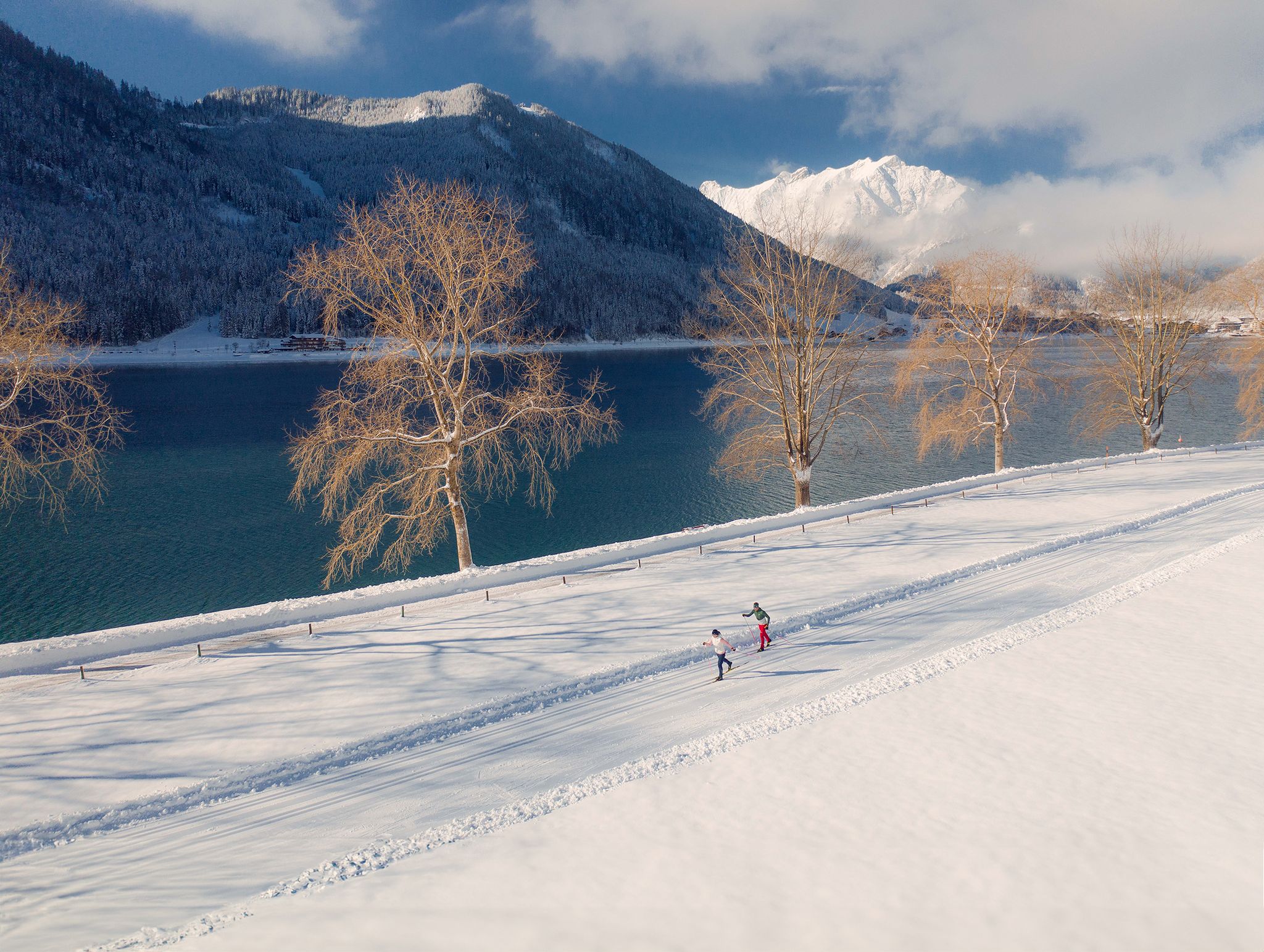
Winter magic at Lake Achen in Austria – a paradise for cross-country skiers
Other adventures in Austria


Tips from the Community

The Falkensteiner Schlosshotel Velden is much more than a five-star hotel – it is an experience for all the senses.
14
0

Velden is a market town with about 9100 inhabitants.
3
0

Orangery in the Mirabell Gardens, Mirabell Palace, Salzburg The Orangery in the Mirabell Gardens is more of an insider tip. It is located in the southern part of Mirabell Palace. The palm house was built around 1725 next to the large garden parterre. The name Orangery comes from the time when orange trees and exotic ornamental woods were still being cultivated. Precious, non-hardy plants were brought back to the Orangery to overwinter. Orange trees were seen as a metaphor for wealth in the Baroque period and for this reason were a must even then. The eastern part of the Orangery was used for other purposes after the Second World War and was not put back together until 1980. The Baroque Museum is now located in the southern part of the Orangery. Today, in the northern part of the building, somewhat hidden, there is a small, beautiful tropical garden. A small pool with turtles and goldfish and for bird lovers there is a very large birdcage with numerous birds to marvel at. Opening hours of the Orangery in the Mirabell Gardens Open all year round, daily from 9 a.m. to 4 p.m. Text / Source: Salzburger Saalachtal. com https://www.salzburger-saalachtal.com/ausflugsziele/stadt-salzburg/mirabellgarten/orangerie-mirabellgarten
13
0
Mirabell Palace, Salzburg The Baroque Mirabell Palace was originally built as "Altenau Palace" under the reign of Prince Archbishop Wolf Dietrich von Raitenau in 1606. The palace was created as a gift for Salome Alt, the archbishop's concubine and mother of his children. Mirabell Palace is known for its gardens, which are discussed in a separate article. Wolf Dietrich's successor and adversary, Prince Archbishop Markus Sittikus, renamed the building Mirabell Palace. Prince Archbishop Franz Anton Harrach had large sections of the building demolished and rebuilt between 1721 and 1727 according to plans by Johann Lukas von Hildebrandt. Mirabell Palace was severely damaged by the great city fire of 1818 and rebuilt in the following years according to plans by Peter Nobile. The formerly dominant tower on the east wing of the palace was destroyed, and the facade was rebuilt in the Neoclassical style. Text / Source: TSG Tourismus Salzburg GmbH, Auerspergstraße 6, Salzburg https://www.visit-salzburg.net/deutsch/sehenswuerdig/schloss-mirabell.htm
14
0

Old history still well preserved, there was a time when people didn't like coming here.
15
2

Celebrities meet in Velden am Wörthersee
3
0

An old customs post in the Finstermünz Gorge
7
0

The medieval castle complex in the middle of the Innauen is a special excursion destination. The Chancellor's Room, the exhibition and the vaulted cellar bring the history of Frauenstein to life. Events also take place here. Mostly open until the end of September. In October usually only on weekends.
8
0
Frequently Asked Questions
Which castles in Austria are particularly family-friendly?
Several castles in Austria offer great experiences for families. Mirabell Palace in Salzburg, with its magnificent gardens, is a popular choice. In Vienna, the extensive Hofburg Palace complex and Schönbrunn Palace, with its zoo and vast recreational gardens, are excellent for all ages. Ehrenberg Castle Ruins near Reutte offers an outdoor adventure world with a historical background, perfect for active families.
Are there castles in Austria that are wheelchair accessible?
Yes, some castles and palaces in Austria offer wheelchair accessibility. Mirabell Palace in Salzburg and the Velden Castle Hotel are noted as wheelchair accessible. Schönbrunn Palace in Vienna also provides accessibility to many areas, including the palace interiors and gardens. It's always recommended to check specific accessibility details with the castle directly before your visit.
What are some of the most historically significant castles for history buffs?
Austria is rich in historical castles. The Hofburg Palace in Vienna was the political center of the monarchy for centuries. Hohensalzburg Fortress, one of Europe's largest medieval castles, has never been conquered and offers deep insights into medieval life. Schönbrunn Palace, a UNESCO World Heritage site, was the summer residence of the Habsburg emperors. Ambras Castle in Innsbruck houses a unique Renaissance 'Kunst- und Wunderkammer' and an extensive armory.
What is the best time of year to visit Austrian castles?
The best time to visit Austrian castles generally depends on your preferences. Spring (April-May) and autumn (September-October) offer pleasant weather, fewer crowds, and beautiful scenery, especially in castle gardens. Summer (June-August) is popular for longer opening hours and outdoor events, but can be crowded. Winter visits can be magical, particularly for palaces like Schönbrunn and Belvedere in Vienna, which often host Christmas markets or offer a unique snowy ambiance, though some outdoor ruins might have limited access.
What kind of natural features can I expect to see around Austrian castles?
Austrian castles are often set amidst stunning natural landscapes. Hohensalzburg Fortress offers panoramic views of Salzburg and the surrounding Alps. Riegersburg Castle is majestically perched on a volcanic rock, providing 360° views of the Styrian landscape. Hochosterwitz Castle stands on a 150-meter-high dolomite rock with breathtaking views of the Carinthian landscape. Many castles, like Schönbrunn and Belvedere, are surrounded by expansive Baroque gardens with impressive fountains and statues.
Are there hiking opportunities near Austrian castles?
Yes, many castles are situated in areas with excellent hiking opportunities. For instance, the area around Ehrenberg Castle Ruins offers a huge area with great vantage points for walking. You can find various hiking routes throughout Austria, including easy hikes and more challenging trails, often leading to or past historical sites. The ascent to Riegersburg Castle can be done on foot, offering stunning vistas.
What outdoor activities can I do near castles in Austria?
Beyond exploring the castles themselves, Austria offers a wide range of outdoor activities nearby. You can find numerous routes for gravel biking and mountain biking, with trails like 'Around the Zugspitze' or 'The Schafberg Mountain Tour'. Hiking is also very popular, with options ranging from easy walks like the 'Lake Altaussee Loop Trail' to more demanding routes. Many castles are integrated into scenic landscapes perfect for outdoor exploration.
Which castles are considered 'hidden gems' or less crowded alternatives?
While major sites like Hohensalzburg and Schönbrunn are popular, Austria has many lesser-known but equally captivating castles. Ambras Castle in Innsbruck offers a unique Renaissance experience without the overwhelming crowds of Vienna's palaces. Hochosterwitz Castle in Carinthia, with its unique 14-gate access path, provides a powerful sense of history and stunning views. Kreuzenstein Castle near Vienna, a meticulously reconstructed medieval fortress, offers an immersive medieval experience and is a popular filming location.
What cultural experiences do Austrian castles offer besides tours?
Austrian castles often host a variety of cultural experiences. Schönbrunn Palace and Belvedere Palace in Vienna are renowned for their art collections, with Belvedere housing Gustav Klimt's 'The Kiss'. Ambras Castle features one of the world's first museums, the 'Kunst- und Wunderkammer'. Riegersburg Castle includes a Witch Museum and a Weapon Museum. Kreuzenstein Castle and Riegersburg Castle both offer falconry shows, providing engaging insights into historical practices.
Are there castles in Austria with nearby restaurants or cafes?
Yes, many castles in Austria have dining options either on-site or very close by. The Velden Castle Hotel is a castle that operates as a hotel with restaurant facilities. The Main Square in Velden am Wörthersee, near the castle, also offers various restaurants and cafes. Larger palaces like Schönbrunn and Belvedere in Vienna have multiple cafes and restaurants within their grounds or immediate vicinity. Even some ruins, like Frauenstein Castle, are noted to have restaurants.
What makes the castles in Austria unique compared to other regions?
Austrian castles are unique due to their diverse architectural styles, reflecting centuries of history from medieval fortifications to opulent Baroque palaces. Many are strategically located in stunning alpine or river valley landscapes, offering panoramic views. Their historical significance is deeply tied to the Habsburg monarchy, providing a tangible connection to imperial history. The combination of well-preserved structures, rich collections, and integration into the natural environment makes them distinct.
How much time should I allocate for a typical castle visit in Austria?
The time needed for a castle visit varies greatly. For smaller castles or ruins like Ehrenberg Castle Ruins or Altfinstermünz Fortress, 1-2 hours might suffice. For larger palaces like Schönbrunn or Hohensalzburg Fortress, you could easily spend half a day or even a full day exploring the interiors, museums, and extensive gardens. It's advisable to check the specific castle's offerings and plan accordingly.
Most popular routes in Austria
Most popular attractions in Austria

Get inspired with the komoot mobile app


Didn’t find what you were looking for?
Explore Austria’s best castles region by region:
Explore more
Looking for the best castles somewhere else? Discover other guides in Austria:
