Top 20 Caves in Austria
Caves in Austria offer a diverse range of subterranean experiences, from ice caverns to dripstone formations and underground lakes. The country's geological diversity provides numerous opportunities to explore hidden natural wonders. These sites showcase intricate formations and unique ecosystems beneath the Austrian landscape. Austria features a variety of caves, including those formed by ice, water, and ancient geological processes.
Best caves in Austria
- The most popular caves is Birnbach Cave, a cave where the Birnbach river rises at 1,291…
Last updated: September 26, 2026
Birnbach Cave
Highlight • Cave
Translated by Google •
Tip by

Devil's Gorge (Devil's Canyon) – Kitzloch Gorge
Highlight • Gorge
Translated by Google •
Tip by

Sign up now to discover places like this
Get recommendations on the best single tracks, peaks, & plenty of other exciting outdoor places.
Kuhloch
Highlight • Gorge
Translated by Google •
Tip by

Schrauben Waterfall
Highlight • Waterfall
Translated by Google •
Tip by

Finsterbach Waterfalls
Highlight • Waterfall
Translated by Google •
Tip by

Blue Grotto in Rosengarten Gorge
Highlight • Cave
Translated by Google •
Tip by

Historic Mining Tunnel
Highlight • Cave
Translated by Google •
Tip by

Hermitage and Chapel at Bachwinkl
Highlight • Religious Site
Showing Translation
Tip by

Falkenstein Chapel
Highlight • Religious Site
Translated by Google •
Tip by

Obir Stalactite Caves
Highlight • Cave
Showing Translation
Tip by

Sign up for free to discover even more caves in Austria.
Already have an account?
Start today with a free account
Your next adventure awaits.
Popular around Austria
The Mix Makes It: Around the Red Bull Ring
High into the Tyrolean mountain world – mountain biking in Tyrol
Relaxed cross-country skiing in Austria’s Ischgl- & Galtür region
Beyond the pavement – explore Austria's wild nature on a gravel bike
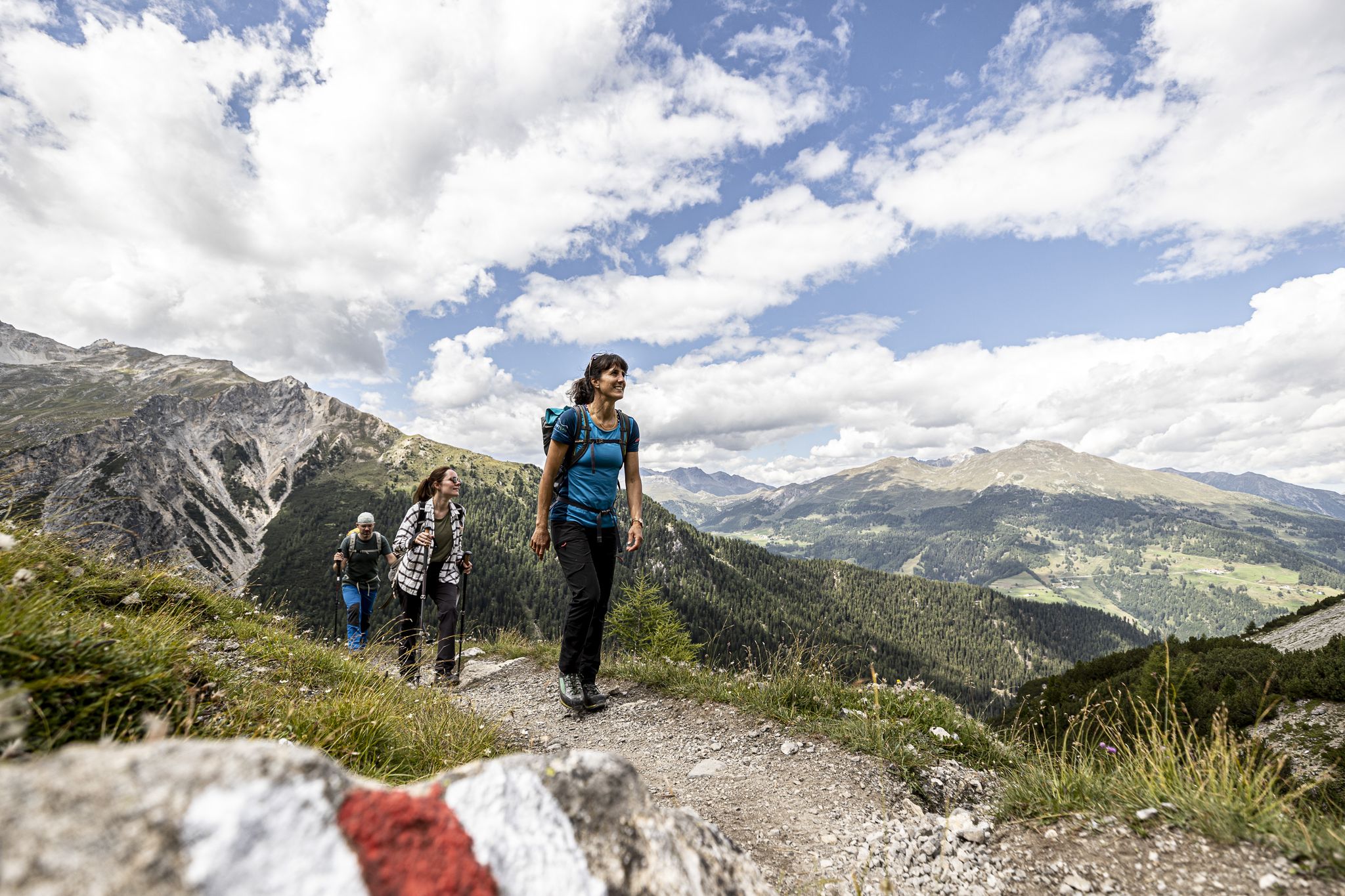
Biking, running, hiking – Pure Alpine Trails
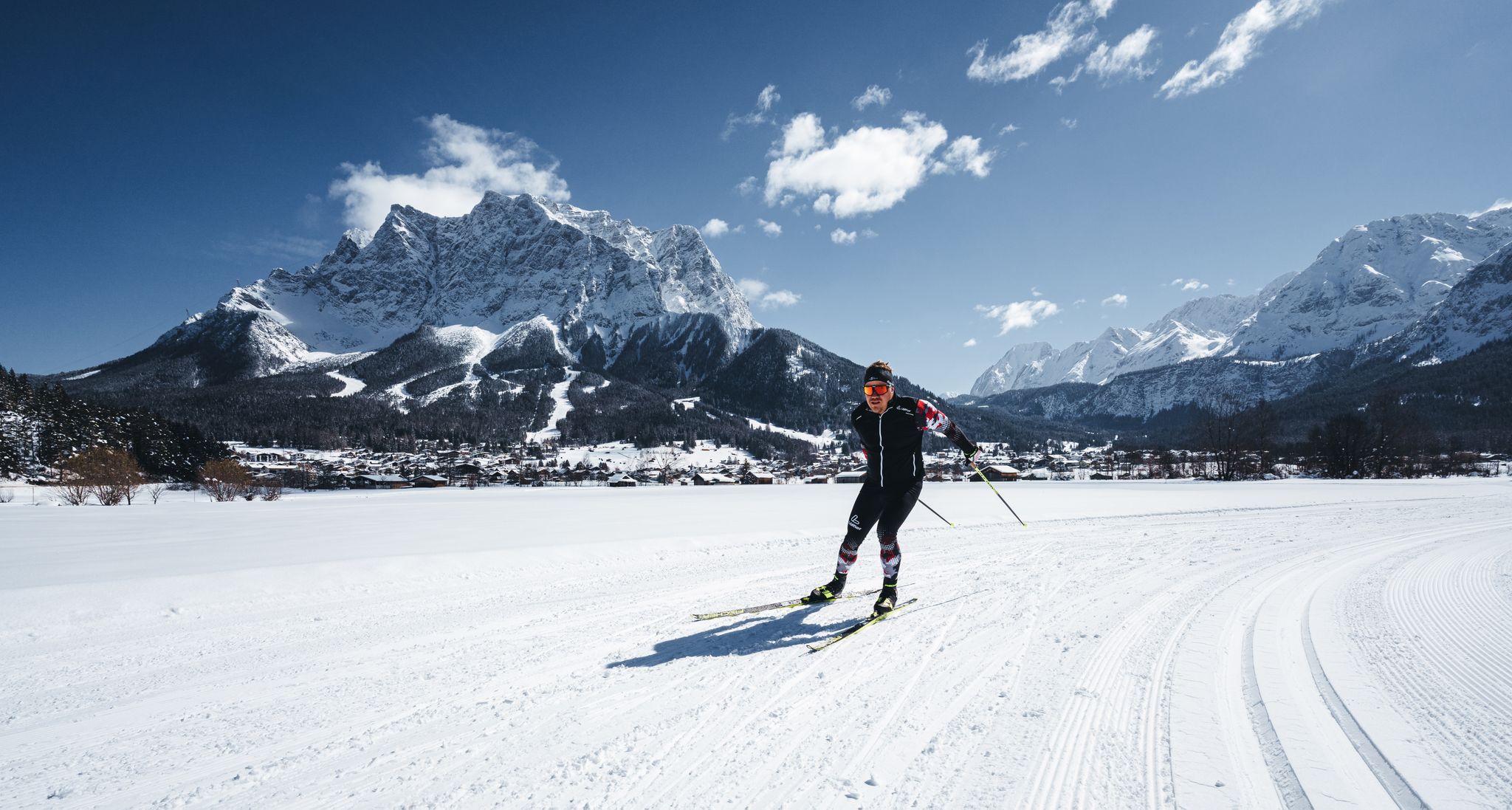
Glide and enjoy – cross-country skiing in the Tyrolean Zugspitz Arena
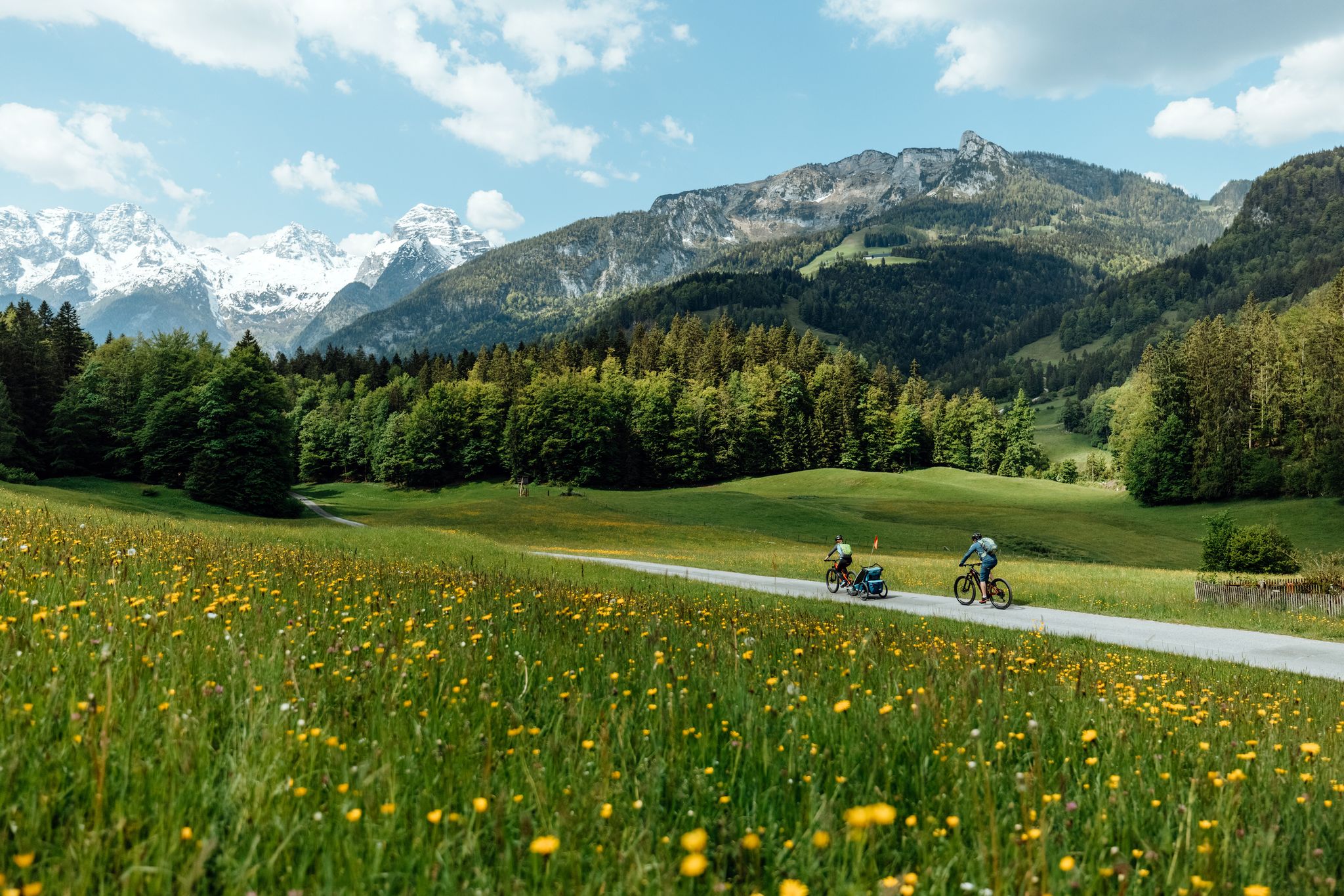
Biking with kids in Salzburg's Saalach Valley
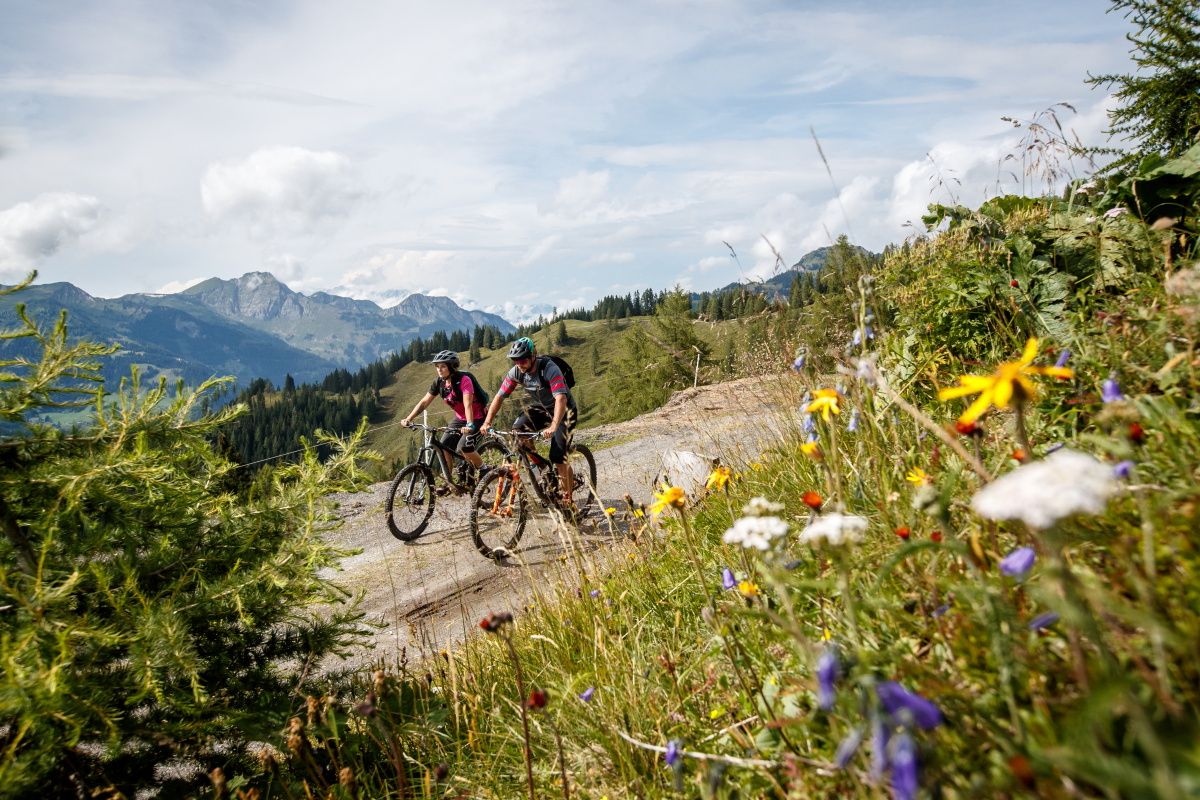
Hills and thrills – 11 sporty MTB Tours in the Grossarl Valley
#Winterlove — 14 tips for your winter adventure in Austria
Winter magic at Lake Achen in Austria – a paradise for cross-country skiers
Other adventures in Austria


Tips from the Community

Tickets must be reserved in advance online or by phone and collected in person at the ticket office in Bad Eisenkappel. The shuttle bus to the cave also starts from there. There is actually no other way to get up, unless you walk (approx. 4 KM / 500 meters altitude). The cave visitor parking in the village is well signposted and free. It takes about 7 minutes on foot to the ticket office. The bus ride takes about half an hour. More info: https://www.hoehlen.at/de/
2
0

The path is a bit demanding but easy to walk. You can then continue towards the Passauer Hütte, although there are a few exposed sections.
2
0

The chapel ⛪️ impressively built into the mountain is absolutely worth seeing and the climb is worth it. You can even light a candle 🕯 here.
14
0

The hermitage is considered a place of deepening and contemplation, usually visited by clergy to lead a secluded life of prayer there.
16
0
The river of the same name originates from the 5-6m deep spring at Birnbachloch. The tour up to here is absolutely worthwhile 😃.
13
0

Very nice paths and good to walk
0
0

Very nice cave. It just gets quite chilly over time, so definitely bring a cardigan.
0
0
Frequently Asked Questions
What types of caves can I explore in Austria?
Austria offers a diverse range of subterranean experiences, including vast ice caverns, intricate dripstone formations, and caves with underground lakes. You can find everything from the world's largest ice cave, Eisriesenwelt Werfen, to dry caves like the Dachstein Mammoth Cave, and even former mines with subterranean lakes such as Seegrotte Hinterbrühl.
Which are some of the most impressive ice caves in Austria?
Austria is home to several spectacular ice caves. The Eisriesenwelt Werfen is the largest ice cave in the world, featuring colossal ice formations. The Dachstein Giant Ice Cave also boasts impressive ice sculptures, including the over nine-meter-high 'Great Iceberg'. For a year-round experience, the Natur Eis Palast at Hintertux Glacier offers a sparkling world of frozen waterfalls and crystal-clear ice formations at 3,250 meters above sea level.
Are there any caves in Austria known for unique geological formations?
Yes, many Austrian caves are renowned for their unique geological features. The Ötscher Dripstone Cave in Ötscher-Tormäuer Nature Park showcases bizarre stalactites and subterranean rock formations, some dating back millions of years. The Dachstein Mammoth Cave features extraordinary natural formations like the 'Cave Venus,' made from white moonmilk and brown iron oxide. Even smaller caves like Kirchle Rock Cathedral are appreciated for their unique stone formations and acoustics.
What should I wear when visiting an ice cave in Austria?
Even in summer, ice caves maintain temperatures around 0° Celsius (32° Fahrenheit). It's essential to wear warm clothing, including a jacket, hat, and gloves. Sturdy, non-slip footwear is also highly recommended, as paths can be wet and icy.
Are there family-friendly caves suitable for children in Austria?
Many caves in Austria are suitable for families. The Devil's Gorge (Kitzloch Gorge), for example, includes a cave section and is described as a special kind of excursion for the whole family. The Finsterbach Waterfalls also has an associated cave and is considered family-friendly. The Triassic Park at Steinplatte, while not solely a cave, offers family-friendly facilities and includes cave elements.
How long do typical cave tours in Austria last?
Tour durations vary depending on the cave. For instance, guided tours at the Dachstein Caves typically last around 50 to 60 minutes. The accessible section of Eisriesenwelt Werfen, while extensive, is usually explored within a guided tour that takes about an hour and 15 minutes inside the cave itself, not including the ascent. Smaller caves or self-guided sections might be shorter.
Are there any caves in Austria that offer unique underground experiences like boat trips?
Yes, the Seegrotte Hinterbrühl is famous for housing Europe's largest underground lake, where visitors can take a unique boat trip. The Natur Eis Palast at Hintertux Glacier also features an underground glacial lake where boat trips, and even ice bathing or stand-up paddleboarding, are possible.
What outdoor activities can I do near the caves in Austria?
Many caves are located in scenic areas offering various outdoor activities. For example, near several caves, you can find excellent hiking opportunities. You can explore waterfall hikes or general hiking trails in Austria. Mountain biking is also popular, with numerous MTB trails available in the region.
Are there any historical or cultural sites associated with Austrian caves?
Some caves in Austria have historical significance. The Devil's Gorge (Kitzloch Gorge) includes an impressive hermitage where a hermit lived until the early 20th century. The Historic Mining Tunnel is a cave that was once an active mine, offering a glimpse into the region's industrial past. Additionally, the Falkenstein Chapel is a religious building located within a cave, combining natural wonder with cultural heritage.
What do visitors particularly enjoy about exploring caves in Austria?
Visitors often highlight the surreal and unforgettable journey into the hidden underworlds. The immense scale and stunning ice sculptures of places like Eisriesenwelt, the unique rock formations and acoustics of Kirchle Rock Cathedral, and the adventurous experience of exploring dripstone caves are frequently praised. The opportunity to witness geological diversity and breathtaking beauty beneath the Austrian landscape is a major draw.
When is the best time to visit caves in Austria?
Many of Austria's show caves, especially ice caves, are typically open from late spring to early autumn (May to October). However, the Natur Eis Palast at Hintertux Glacier is accessible year-round due to its high-alpine location. It's always advisable to check specific opening hours for each cave before planning your visit.
What are the accessibility considerations for caves in Austria?
Accessibility varies greatly. Some caves, like Eisriesenwelt, involve a cable car ride and then a significant number of steps inside. Others, such as Birnbach Cave, are known for being easily accessible with a 20-meter-wide entrance. Many tours involve walking on uneven or wet surfaces, and some, like the Ötscher Dripstone Cave, offer more adventurous routes with ladders and bridges. Wheelchair accessibility is generally limited in natural caves, but some visitor centers or specific sections might be accessible.
Most popular routes in Austria
Most popular attractions in Austria

Get inspired with the komoot mobile app


Didn’t find what you were looking for?
Discover more caves in Austria region by region:
Explore more
Extend your search for the best caves by checking out these guides of the top ones in Austria:
