Top 20 Caves in Luxemburg
Best caves in Luxemburg are concentrated in the "Little Switzerland" region, characterized by distinctive sandstone cliffs and rock formations. This area offers a blend of natural geological features and historical underground passages. The landscape provides unique opportunities for exploring natural caves, rock crevices, and ancient quarry sites. Many locations reveal traces of historical human activity, including mining and fortifications.
Best caves in Luxemburg
- The most popular caves is Labyrinth of Rocks (Felsenlabyrinth) Mullerthal, a gorge that features a complex network of paths and passages between large rock formations. Visitors can navigate through the labyrinth, with some sections requiring a light due to darkness.
- Another must-see spot is Huel Lee (Hohllay Cave), a cave with historical significance. This site was used by Romans and later in the Middle Ages for quarrying stones, particularly for millstone production, with tool traces still visible on the walls.
- Visitors also love Berdorf Robbers' Cave, a cave situated within impressive sandstone cliffs. This area is known for its rugged terrain and large rock formations, offering a crevice-like cave experience that may involve navigating narrow sections.
- Luxemburg is known for natural sandstone caves, ancient quarry sites, and historical casemates. The region offers a variety of underground experiences, from narrow rock crevices to extensive tunnel systems.
- The caves in Luxemburg are appreciated by the komoot community, with over 3500 upvotes and more than 2300 photos shared by users.
Last updated: October 9, 2026
Huel Lee (Hohllay Cave)
Highlight • Cave
Translated by Google •
Tip by

Labyrinth of Rocks (Felsenlabyrinth) Mullerthal
Highlight • Gorge
Translated by Google •
Tip by

Sign up now to discover places like this
Get recommendations on the best single tracks, peaks, & plenty of other exciting outdoor places.
Berdorf Robbers' Cave
Highlight • Cave
Translated by Google •
Tip by

Sieweschlëff Rock Labyrinth
Highlight • Natural Monument
Translated by Google •
Tip by

Kohlscheuer
Highlight • Gorge
[*** Please note: Komoot REPEATEDLY combines several highlights that are actually several hundred meters apart, which leads to some people wondering why others are commenting incorrectly, and to the original highlight being recreated by someone who is surprised that no one else has done it... ;o) ***]
Translated by Google •
Tip by

Breechkaul Amphitheater
Highlight • Cave
Translated by Google •
Tip by

Hell
Highlight • Cave
A flashlight is necessary because after a few meters it is pitch black.
After about 20 meters you can either climb or crawl.
Translated by Google •
Tip by

Wëllkeschkummer Cave
Highlight • Cave
Translated by Google •
Tip by

Bock Casemates
Highlight • Historical Site
Source: luxembourg-city.com/fr/que-faire/sites/underground/casemates-du-bock
Translated by Google •
Tip by

View of Grund and Luxembourg City's Old Town
Highlight • Viewpoint
Translated by Google •
Tip by

Sign up for free to discover even more caves in Luxemburg.
Already have an account?
Start today with a free account
Your next adventure awaits.
Popular around Luxemburg
The Moselle cycle path — from the Vosges to the Rhine in 18 stages
Running an ultra in Belgium – long trails in a small country
Naples to North Cape — Two friends, one purpose and many scoops of ice-cream
Saarland Cycle Path — Small country, big tour on 7 stages
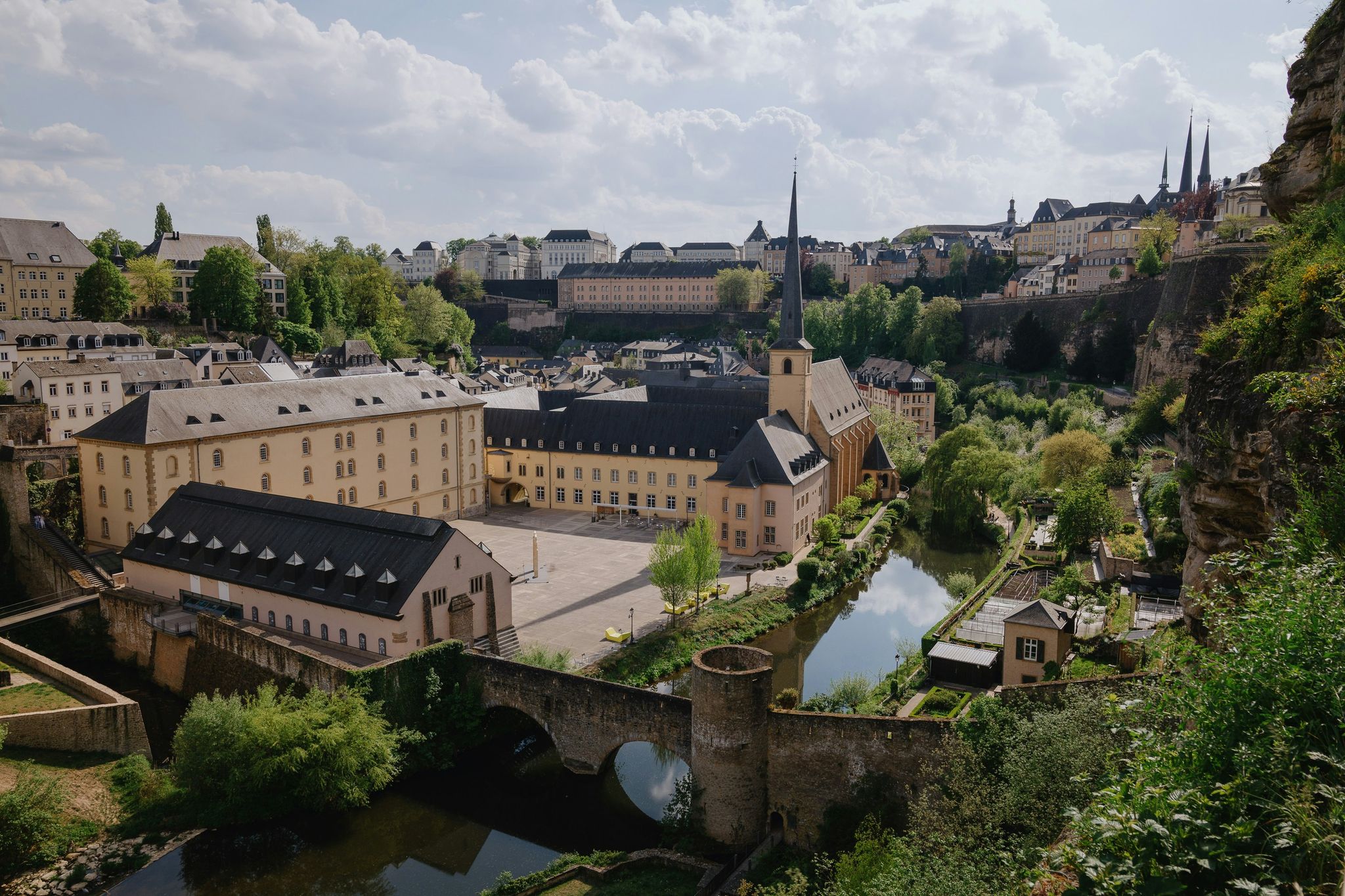
Discover Luxembourg's EU Highlights by bike
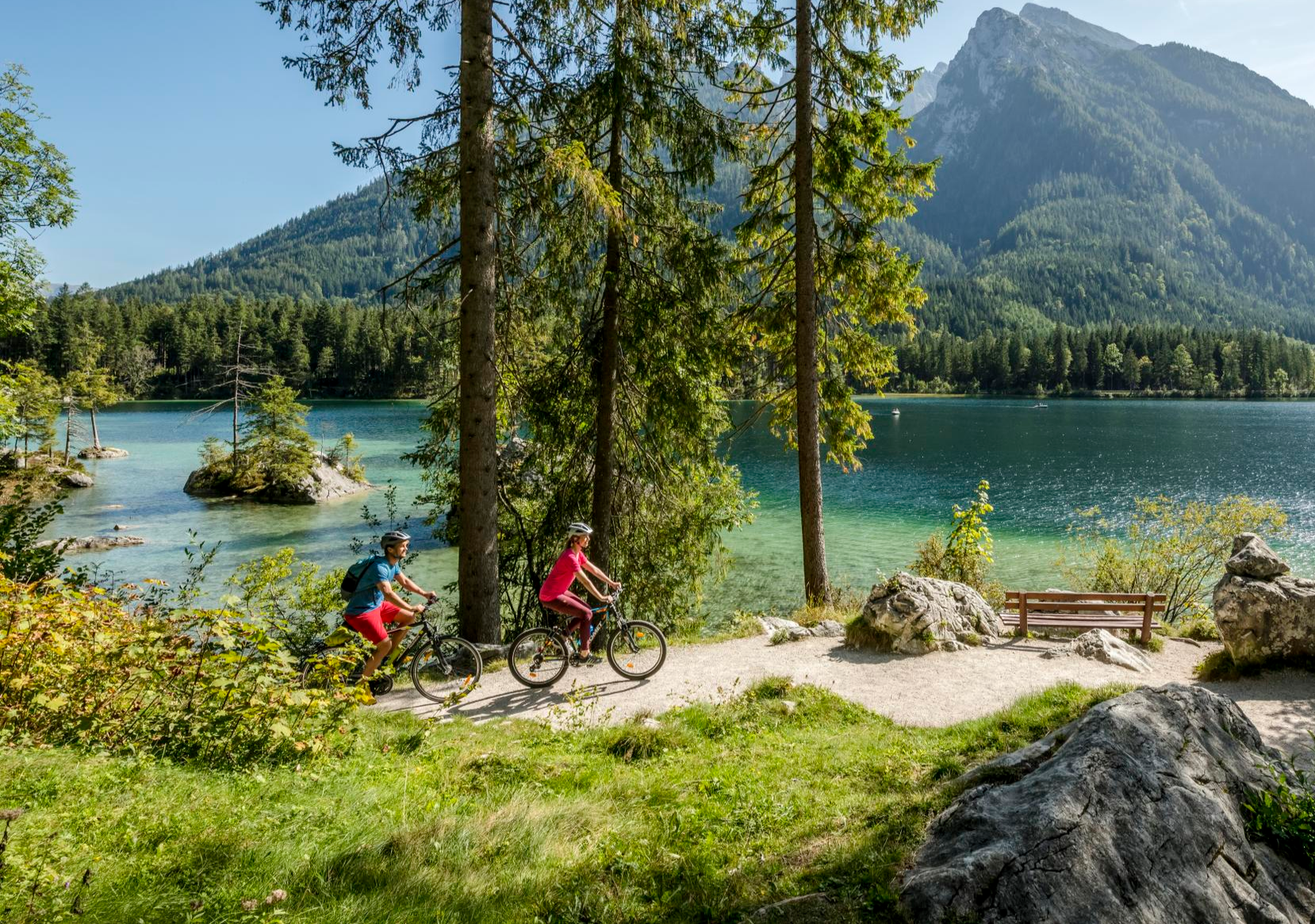
Discover Germany's diversity on enchanting cycling routes
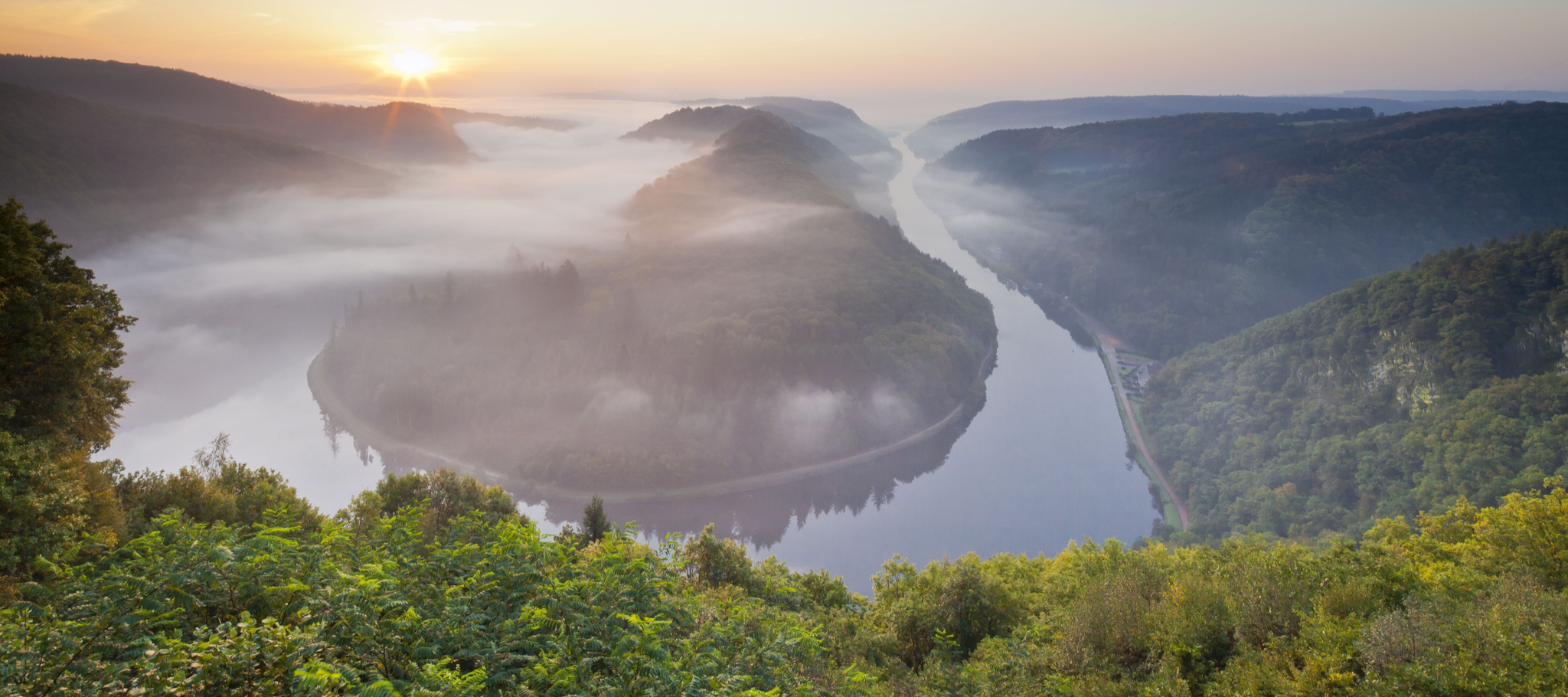
Between the Saarschleife and the Blies – the most beautiful hikes in Saarland
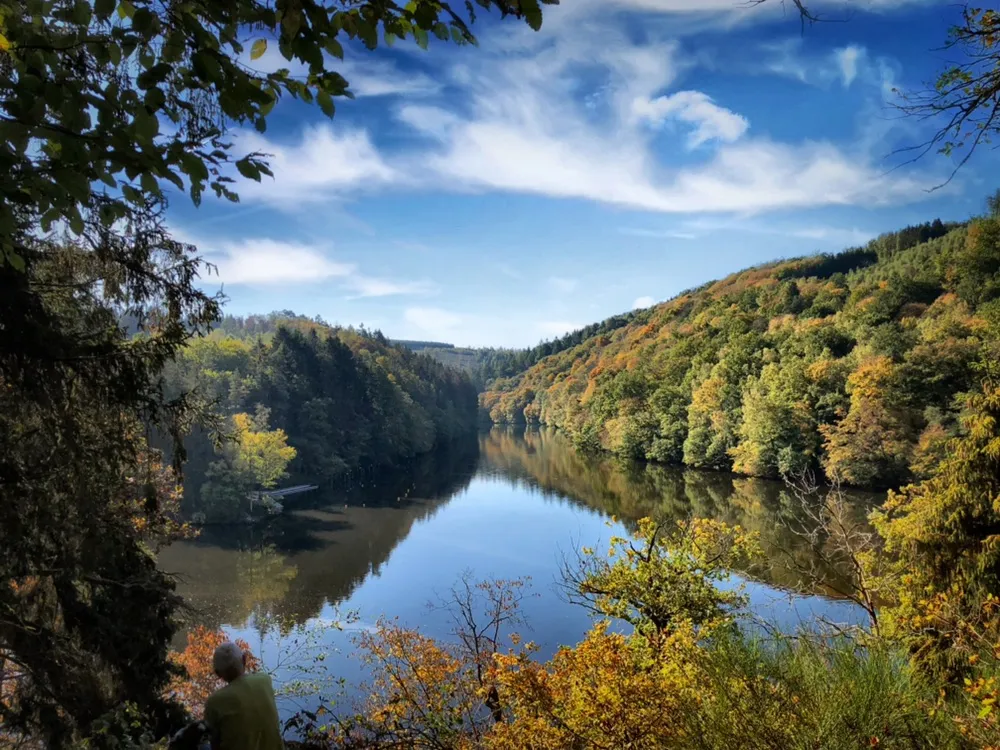
Deep valleys and mysterious forests - L'Escapardenne
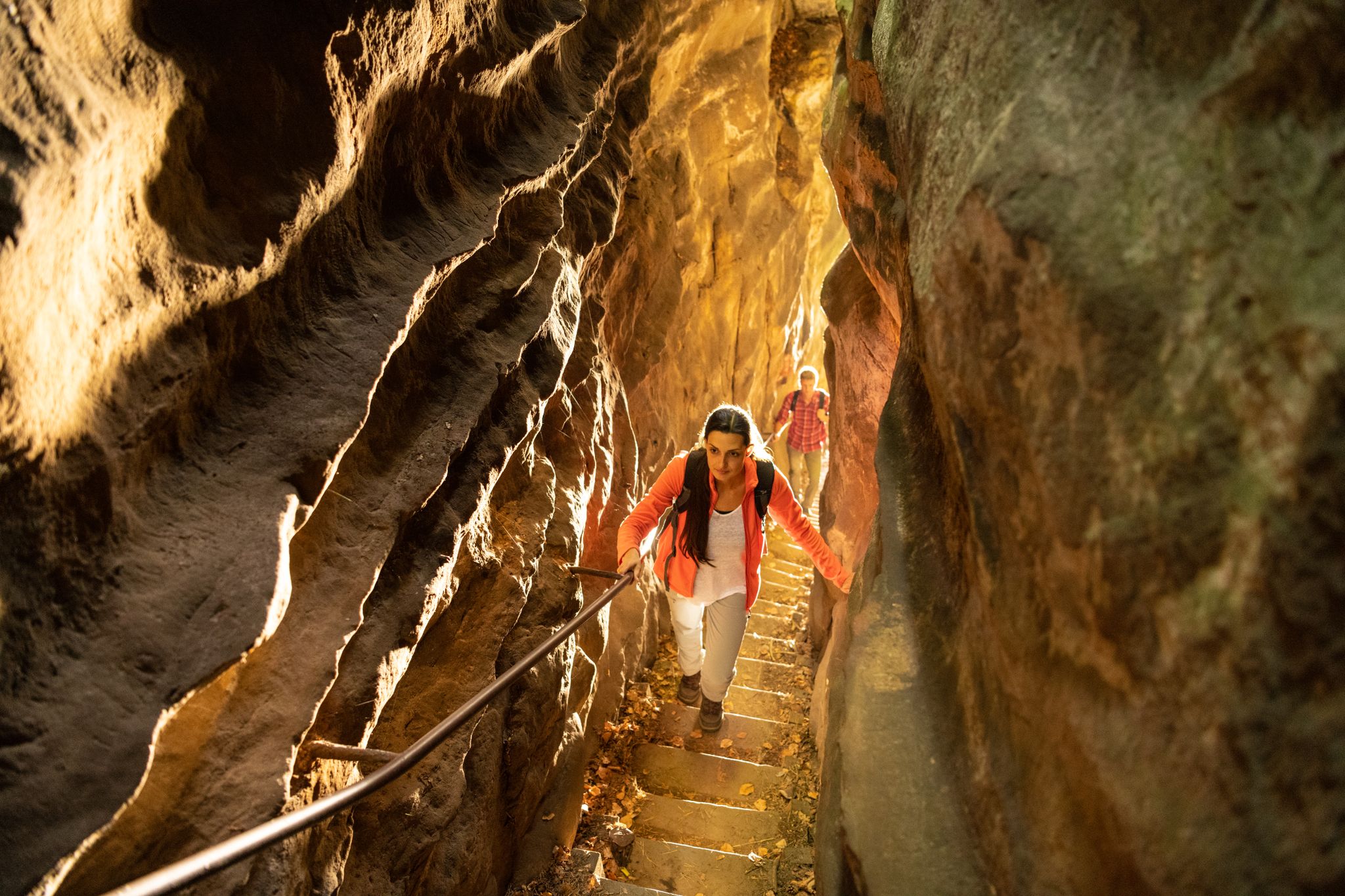
Lakes, castles and rocks – hiking in the NaturWanderPark delux
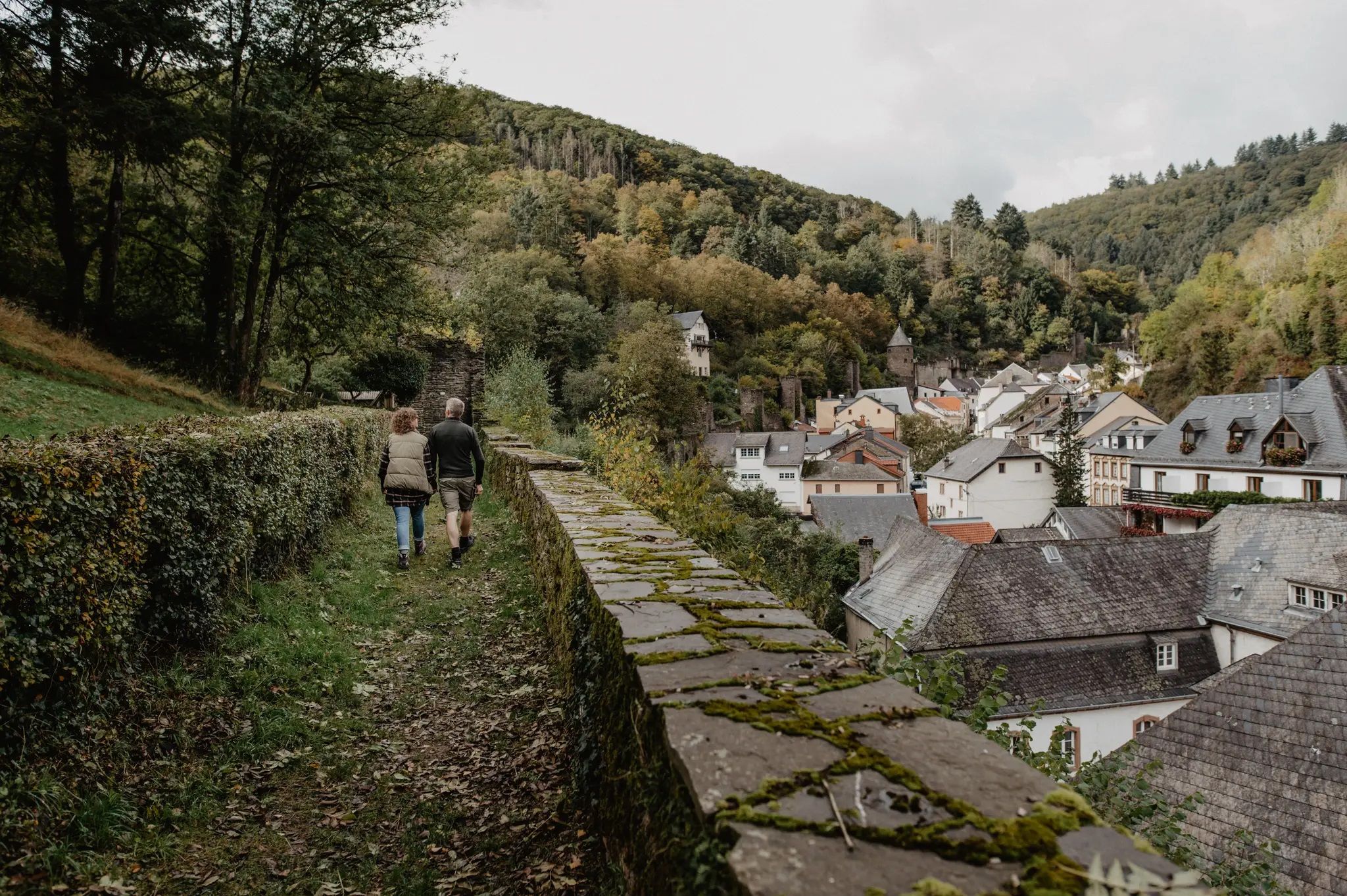
Enjoy the silence – autumn and winter hiking in Luxembourg
Other adventures in Luxemburg


Tips from the Community

The amphitheater "Breechkaul" was established in 1979 in a rock hollowed out in the Middle Ages for the extraction of millstones. In summer, well-attended concerts of all kinds are held there. Known and loved far beyond the borders is the "Berdorfer Hubertusmesse" (Haupeschmass) on the first Sunday after November 2nd at 10:45 AM. (Regio Mullerthal)
4
0

The Kohlscheuer Cave is a must-see. It's so dark inside, though, that you won't have a chance without a flashlight. You plunge into a black hole and have to slowly feel your way up steps and around corners. The crevice is so narrow that it can only be entered from one direction. You shouldn't be claustrophobic here, as your shoulders will rub against the walls. But it was a lot of fun.
6
0

The fortifications and the historic old town were added to the UNESCO World Heritage List in 1994. Source: https://www.luxembourg-city.com/fr/que-faire/sites/underground/casemates-du-bock
40
0
In 963, Count Sigefroi had a castle built on the Bock rock, which laid the foundation for what would later become the city of Luxembourg. In the mid-18th century, the Austrians began to expand the casemates of the Bock rock. These impressive defensive structures provide a fascinating insight into the sophisticated fortress architecture that earned Luxembourg the nickname "Gibraltar of the North". Source: https://www.luxembourg-city.com/fr/que-faire/sites/underground/casemates-du-bock
49
0
The Huel Lee can be hiked via the local hiking trail E1 and the Berdorf auto-pedestrian hiking trail and is located on route 2 of the Mullerthal Trail. Nearest bus stop: Berdorf, Hotel Pérékop (500m) Nearest parking: Huel Lee/Amphitheater (200m) Source: https://www.visitluxembourg.com/de/attraktion/felsformation-huel-lee-hohllay
17
0

The concentrated portion of everything… wonderful to visit… to explore on foot
13
0
Frequently Asked Questions
What types of caves and underground sites can I explore in Luxemburg?
Luxemburg offers a diverse range of underground experiences. You can explore natural sandstone caves and impressive rock crevices, ancient quarry sites with visible tool traces, and historical military fortifications like the Casemates in Luxembourg City. The region's 'Little Switzerland' area is particularly known for its distinctive sandstone cliffs and rock formations.
Are there historical caves or underground sites to visit in Luxemburg?
Yes, Luxemburg has several sites with significant historical value. The Huel Lee (Hohllay Cave), for instance, was used by Romans and later for millstone production, with tool marks still visible. The Mamerleeën Caves include both natural formations and artificial tunnels with legends of connections to Schoenfeld's Castle. The Bock Casemates and Pétrusse Casemates in Luxembourg City are UNESCO World Heritage sites, offering a glimpse into 17th-century military fortifications that served as shelter during wars.
Which caves are suitable for families or beginners?
For families and beginners, the Huel Lee (Hohllay Cave) and the Breechkaul Amphitheater are good options, offering accessible paths and interesting historical context without extreme challenges. The front part of the Huellee cave within the Mamerleeën system also features a large, easily accessible hall. While some caves involve narrow passages, many have alternative, easier routes around them.
Are there any challenging cave experiences for adventurous visitors?
Absolutely. For those seeking adventure, the Labyrinth of Rocks (Felsenlabyrinth) Mullerthal offers a complex network of paths and passages, some requiring a light due to darkness. The Berdorf Robbers' Cave involves navigating narrow sections and potentially ladders. Hell is a profoundly dark cave where you might need to climb or crawl. The Kohlscheuer is a spectacular, narrow, and dark rock crevice that hikers can traverse directly, strongly recommending a flashlight.
Can I bring my dog to the caves in Luxemburg?
While many outdoor areas in Luxemburg are dog-friendly, some cave sections, especially those with ladders, bridges, or very narrow passages, might be challenging for dogs. For example, some sections of the Berdorf Robbers' Cave may require lifting smaller dogs. It's advisable to check specific trail conditions or visitor information for each cave if you plan to bring your dog.
What should I wear when exploring caves in Luxemburg?
When exploring caves and rock crevices in Luxemburg, it's recommended to wear sturdy hiking shoes with good grip. For darker passages like the Hell cave or Kohlscheuer, a flashlight or headlamp is essential. Layers of clothing are also advisable as temperatures underground can be cooler than outside.
Are there guided tours available for caves in Luxemburg?
Yes, for a different kind of underground experience, the Caves St Martin near Remich offer guided tours through nearly a kilometer of tunnels carved into solid limestone rock. These tours typically include wine tasting, as they are part of a prestigious winery. You can find more information at visitluxembourg.com.
What are the best times of year to visit caves in Luxemburg?
The caves and rock formations in Luxemburg can generally be visited year-round. However, for outdoor rock labyrinths and crevices, spring and autumn offer pleasant temperatures for hiking. During winter, some paths might be slippery, and ice formations could add a unique, albeit challenging, element. The historical Casemates and wine caves are accessible regardless of the season.
What kind of natural rock formations can I expect to see?
In Luxemburg's 'Little Switzerland' region, you'll encounter distinctive sandstone cliffs, impressive rock formations, and deep rock crevices. Highlights like the Labyrinth of Rocks (Felsenlabyrinth) Mullerthal and Sieweschlëff Rock Labyrinth showcase intricate networks of passages between large rock formations. The Kohlscheuer is a prime example of a spectacular, narrow rock crevice.
Are there hiking or cycling routes near the caves?
Yes, the areas around Luxemburg's caves, especially in the Mullerthal region, are popular for outdoor activities. You can find numerous hiking trails that lead through or past these geological features. For cycling enthusiasts, there are several guides available, including Gravel biking in Luxemburg, Cycling in Luxemburg, and Road Cycling Routes in Luxemburg, which feature routes near many of these natural attractions.
Are there any accessible caves for visitors with mobility challenges?
While many natural caves and rock crevices in Luxemburg involve uneven terrain, narrow passages, or steps, the historical Bock Casemates in Luxembourg City offer more structured pathways, though some sections may still have stairs. For specific accessibility information, it's best to consult the official visitor resources for each site.
Do I need a permit to visit caves in Luxemburg?
Generally, you do not need a permit to visit the publicly accessible natural caves and rock formations in Luxemburg. However, for specific guided tours, such as those at Caves St Martin, or for certain historical sites like the Casemates, an entrance ticket or reservation may be required. Always check the specific requirements for each location before your visit.
Where can I find parking near the caves in the Mullerthal region?
The Mullerthal region, often called 'Little Switzerland,' has designated parking areas near popular hiking trails and attractions, including many caves. For example, parking is available near the starting points for trails that lead to sites like the Labyrinth of Rocks and Berdorf Robbers' Cave. Look for signs indicating 'P' (Parking) at trailheads or near visitor centers in towns like Berdorf and Echternach.
Most popular routes in Luxemburg
Most popular attractions in Luxemburg

Get inspired with the komoot mobile app


Didn’t find what you were looking for?
Discover more caves in Luxemburg region by region:
Explore more
Extend your search for the best caves by checking out these guides of the top ones in Luxemburg:
